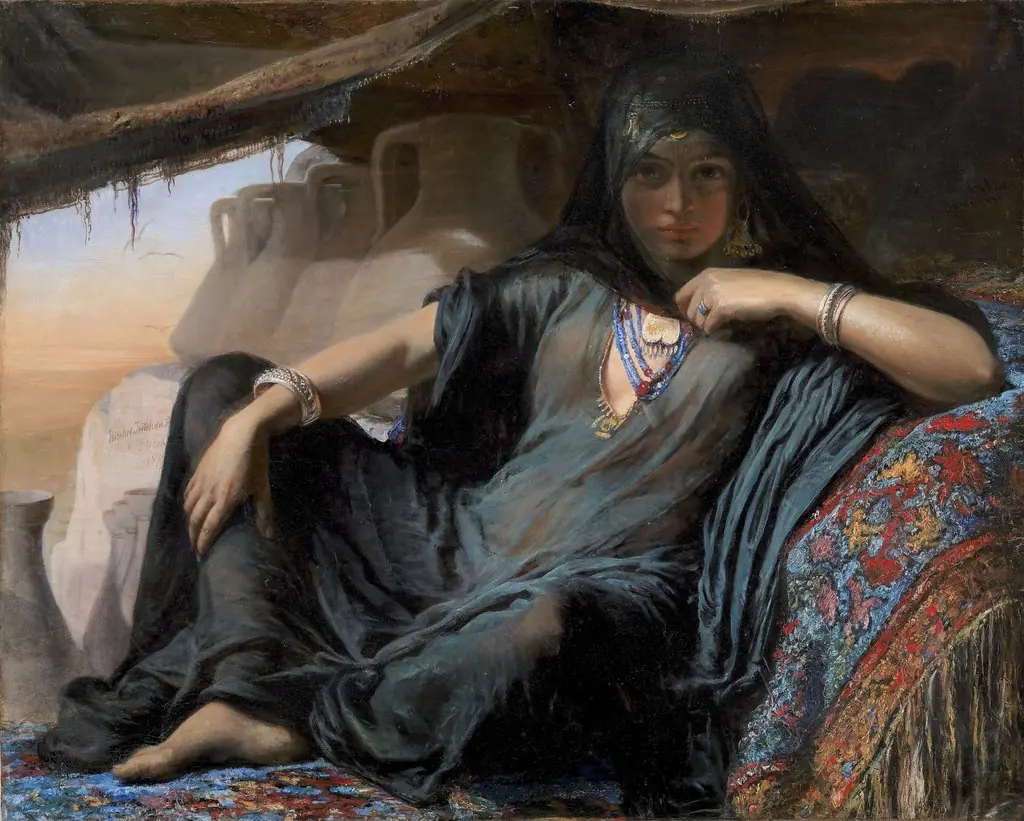
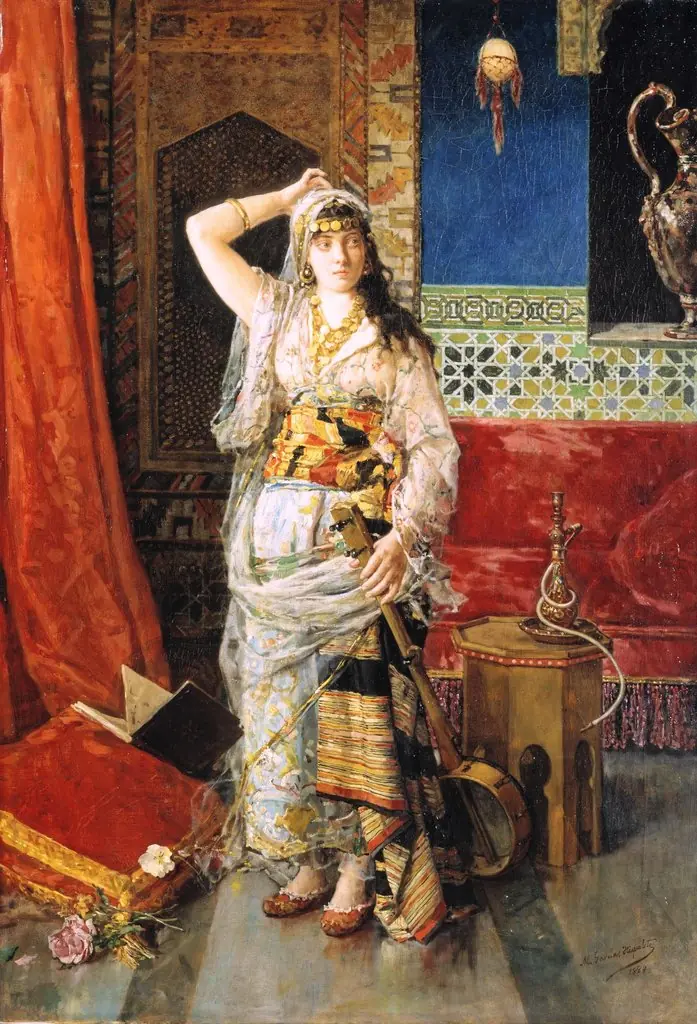
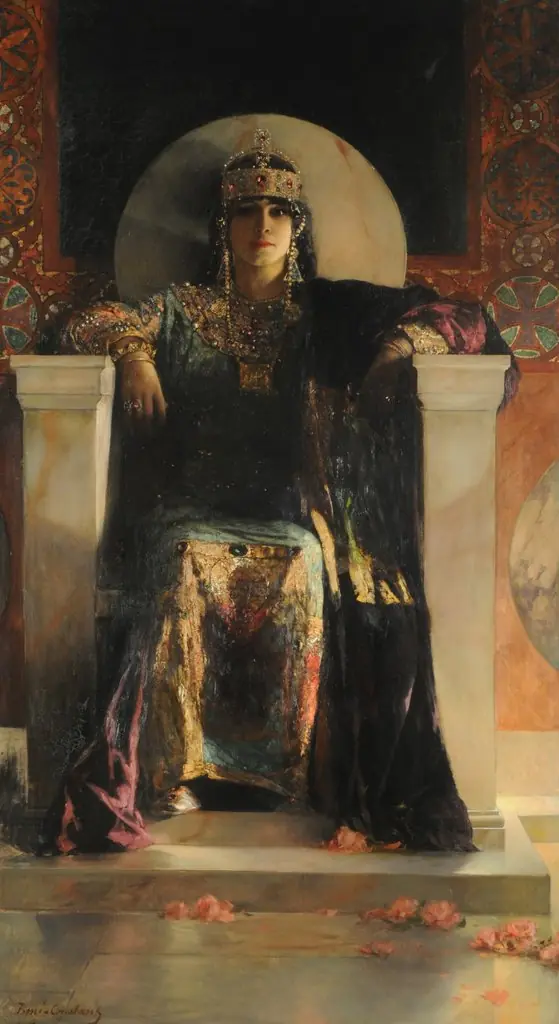
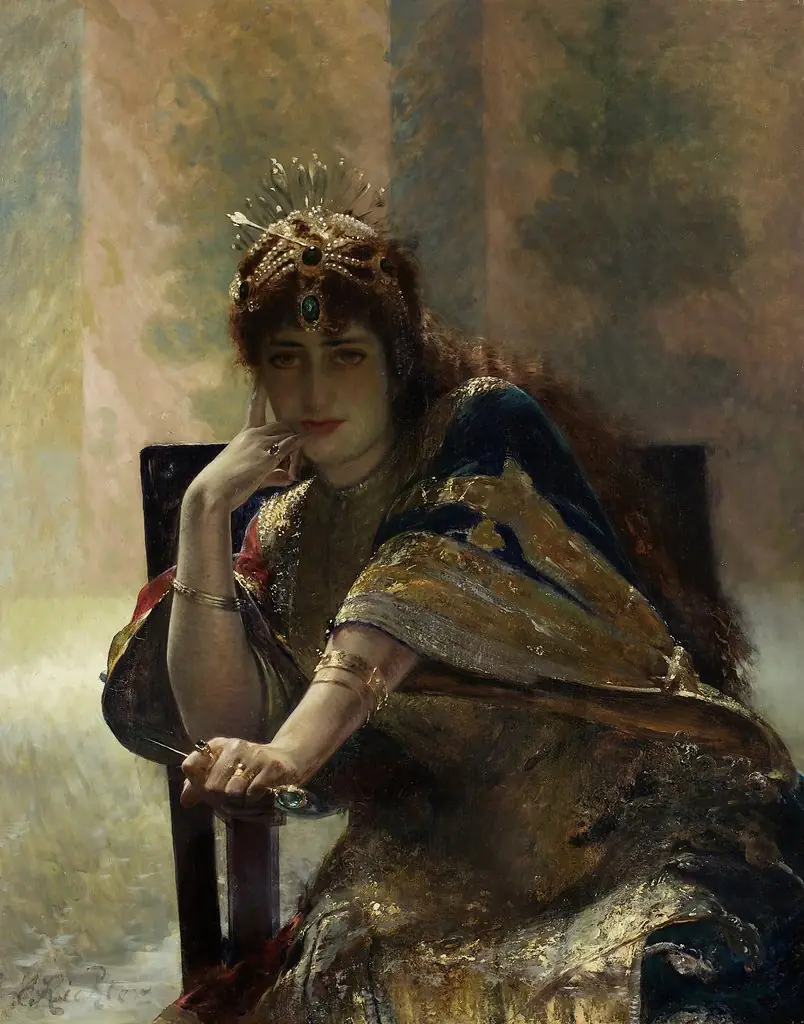
Artwork
Judith's prayer
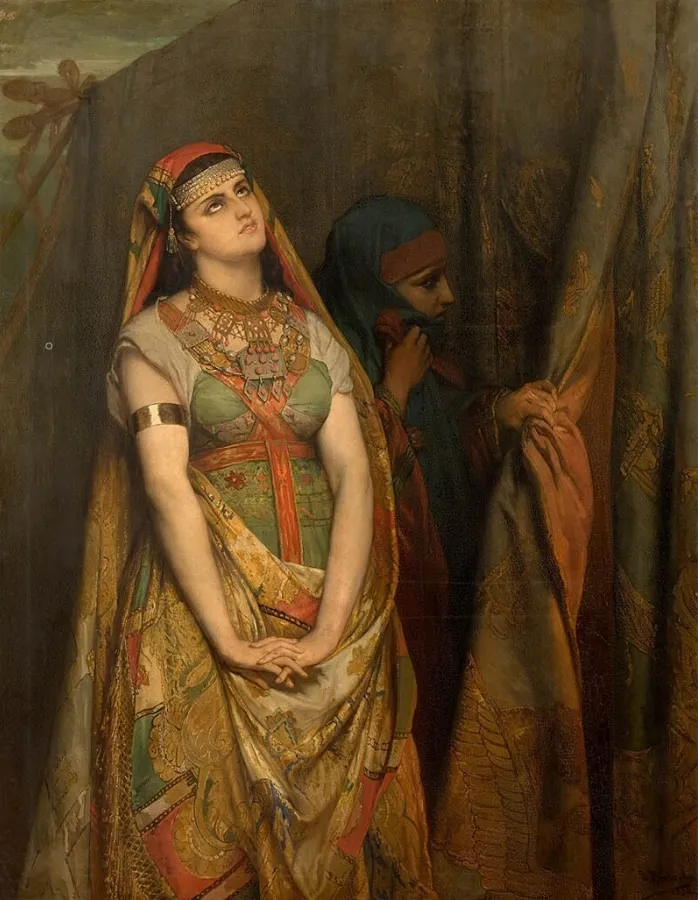
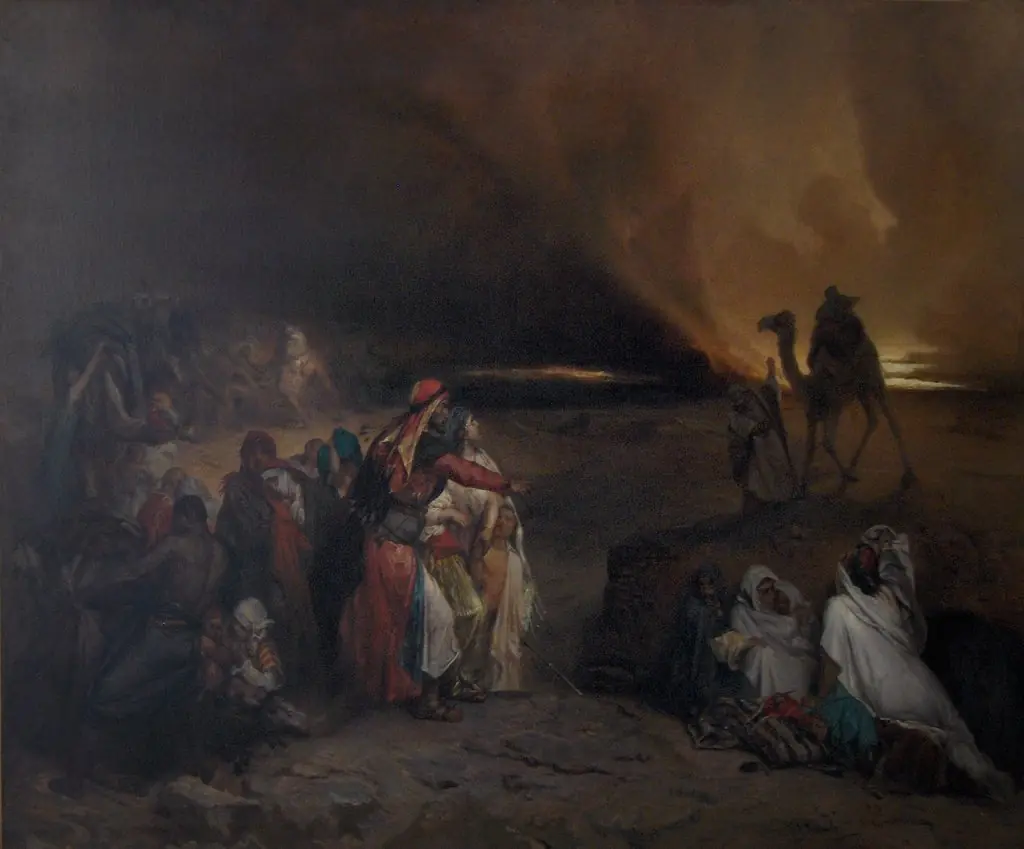
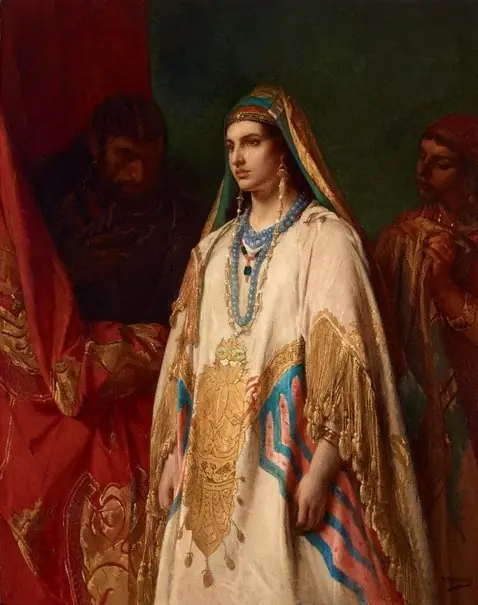
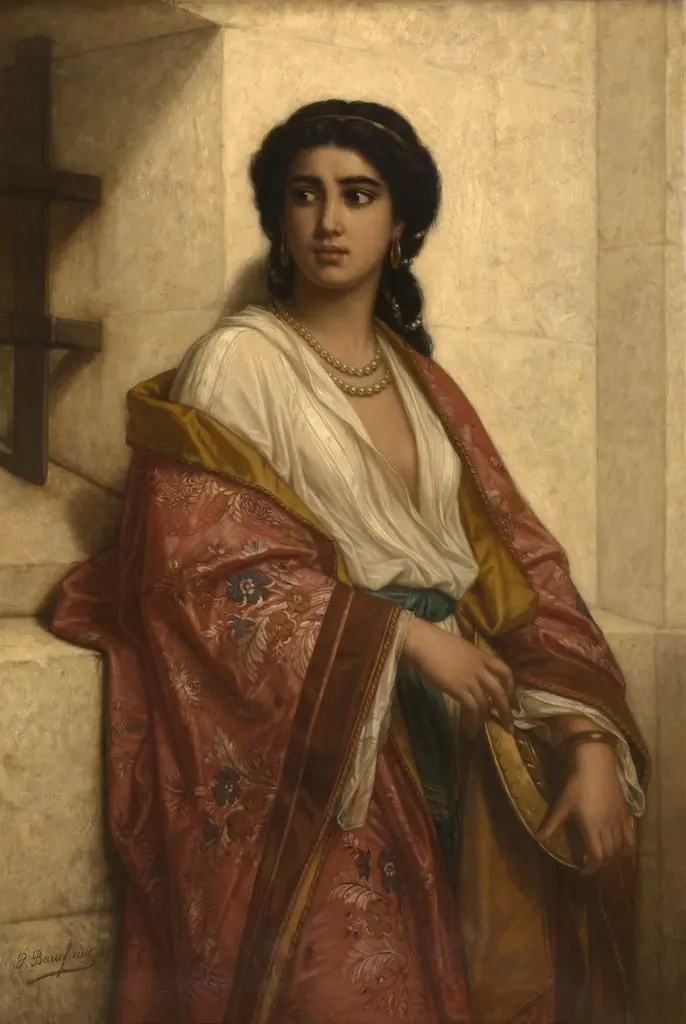
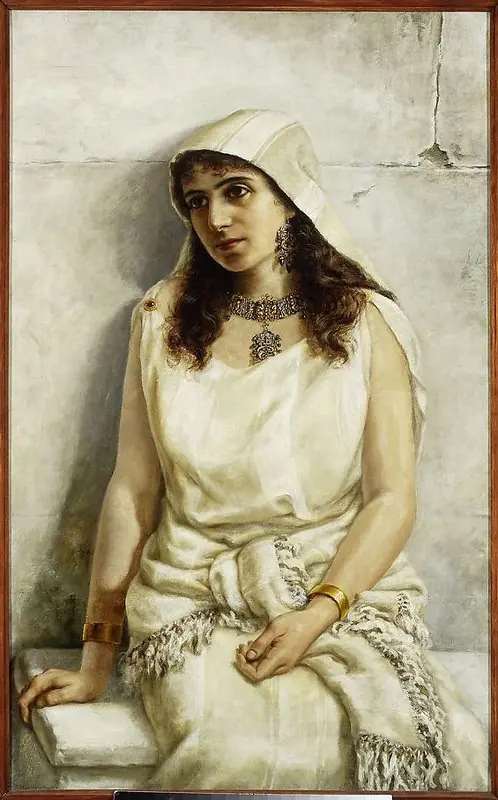
Judith's prayer is an oil painting by the Orientalist artist Jean-François Portaels. It dates from 1872 and is held in the collection of the Royal Museum of Fine Arts Antwerp.
About this work
Overview
Portaels, a central figure in 19th-century Belgian art education, trained at the Brussels Académie Royale and later directed institutions in Brussels and Ghent.
Painted in 1872 by Belgian artist Jean-François Portaels, Judith's Prayer is an oil-on-canvas work that reflects the artist’s engagement with biblical themes and Orientalist aesthetics. Portaels, a central figure in 19th-century Belgian art education, trained at the Brussels Académie Royale and later directed institutions in Brussels and Ghent. The painting is part of the Royal Museum of Fine Arts Antwerp’s collection, where it exemplifies his refined approach to narrative and costume.
Subject & Meaning
The painting depicts Judith, the biblical heroine, in a moment of quiet devotion before her mission to save her people. Clad in ornate, culturally inflected attire, she kneels with hands clasped, her expression solemn and focused. A second figure, partially hidden behind a curtain, suggests surveillance or companionship, adding narrative tension.
The scene avoids dramatic action, instead emphasizing inner resolve and spiritual preparation, aligning with 19th-century interpretations of biblical women as contemplative figures.
Technique & Style
Portaels renders Judith’s garments with meticulous detail, layering intricate patterns in gold, red, and green to suggest luxury and cultural hybridity. The dark background, pierced by a soft light from the upper left, isolates the figure and heightens the intimacy of the moment. Brushwork is controlled and polished, typical of academic training, with attention to textile textures and the play of light on fabric.
The composition’s stillness and emphasis on costume reflect Orientalist tendencies, blending historical biblical subject matter with imagined Eastern aesthetics.
History & Provenance
Created in 1872, the painting entered the collection of the Royal Museum of Fine Arts Antwerp, where it remains today. Portaels, then at the height of his influence as an educator and painter, produced this work during a period when Belgian institutions were actively collecting narrative paintings with moral or religious themes. Its preservation in a major public museum underscores its recognition within the national artistic canon of the time, though it was never widely exhibited beyond Belgium.
Context
In the late 19th century, European artists frequently turned to biblical and Orientalist subjects to explore exoticism, moral virtue, and historical idealism. Portaels, influenced by both academic traditions and the fascination with the Near East, merged these impulses in Judith's Prayer. The work reflects broader trends in Belgian art, where religious scenes were rendered with heightened realism and decorative richness, catering to middle-class tastes and institutional tastes for morally elevated imagery.
Legacy
While not widely reproduced or studied today, Judith's Prayer remains a representative example of Portaels’s contribution to Belgian academic painting. It illustrates how biblical narratives were reimagined through the lens of Orientalist visual language, blending religious symbolism with stylized costume and setting. The painting’s endurance in the Antwerp collection ensures its role as a quiet testament to 19th-century artistic priorities, where precision, decorum, and cultural fantasy converged.
Artist & collection
Artist
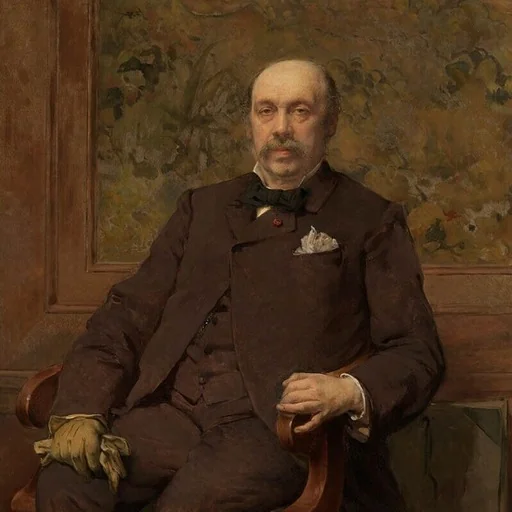
Jean-François Portaels or Jan Portaels (3 April 1818 – 8 February 1895) was a Belgian painter of genre scenes, biblical stories, landscapes, portraits and Orientalist subjects.