Artwork
Gaspard de Daillon du Lude (ca. 1602–1676)
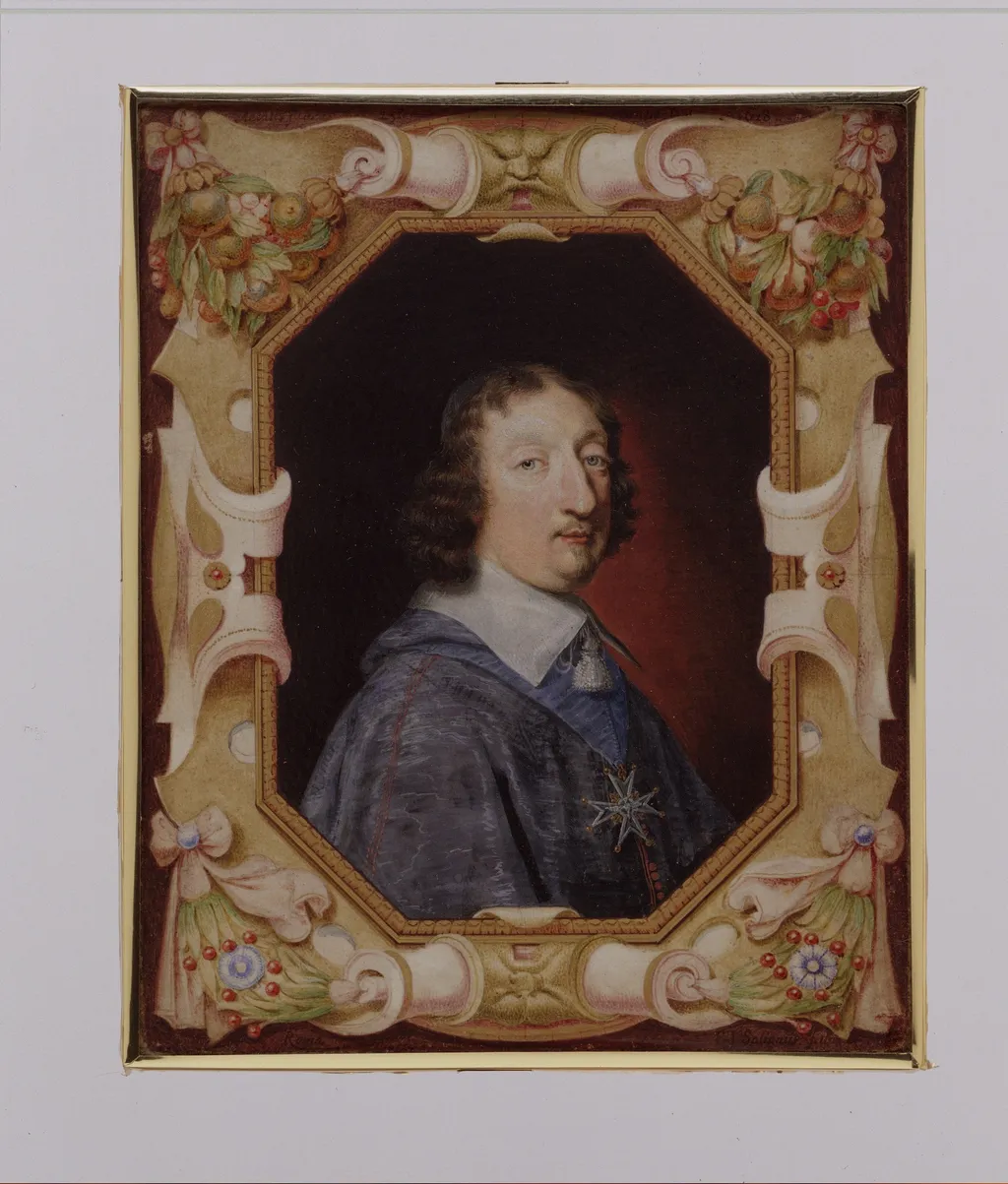
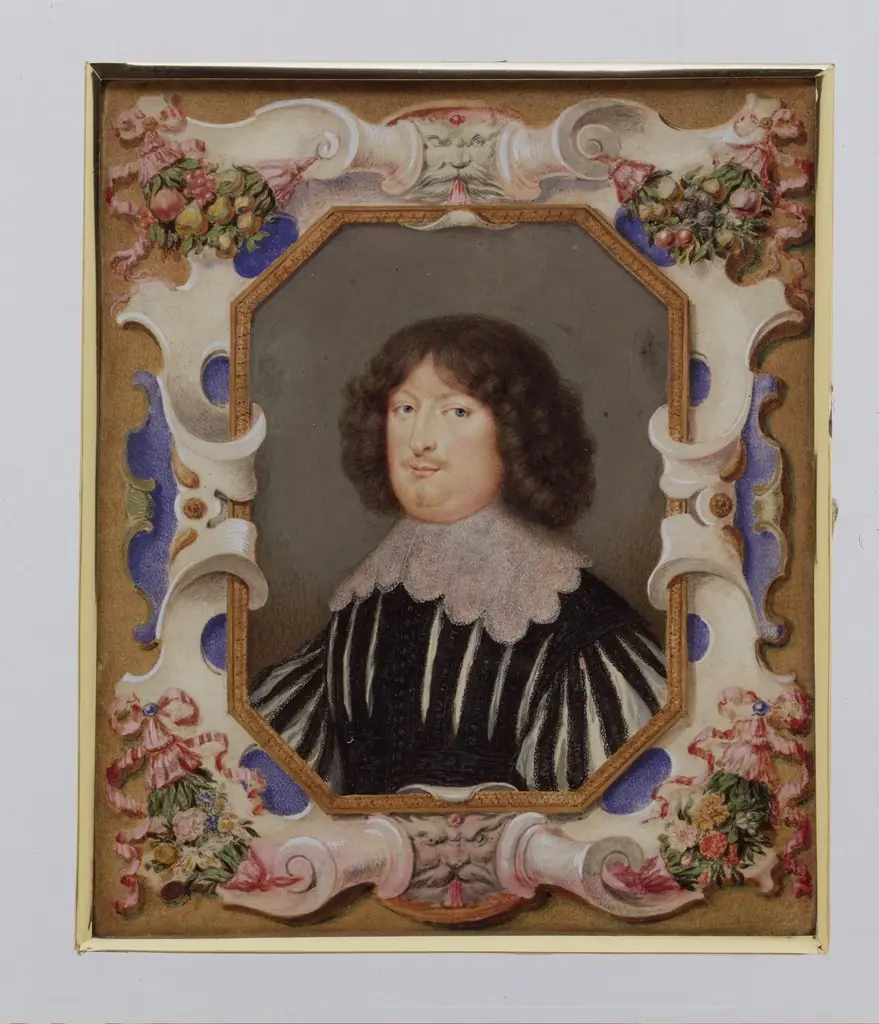
Gaspard de Daillon du Lude (ca. 1602–1676) is an unspecified painting by the French Classical Baroque artist Jean Saillant. It dates from 1628 and is held in the collection of the Metropolitan Museum of Art.
About this work
Technique & Style
The painting is classified as a work of painting and is housed in the Metropolitan Museum of Art.
The work is a painting executed on vellum, measuring approximately 15.7 cm by 12.2 cm and dated 1628. It belongs to the portrait genre and depicts Gaspard de Daillon du Lude, a French nobleman. The painting is classified as a work of painting and is housed in the Metropolitan Museum of Art.
Its support consists of prepared vellum, a material commonly used for small‑scale portraits in the period, and the composition reflects the conventions of early‑17th‑century portraiture.
History & Provenance
The painting Gaspard de Daillon du Lude (ca. 1602–1676) is housed in the collection of the Metropolitan Museum of Art in New York. Its presence in the museum’s collection is documented in the work’s catalogue entry, which records the piece as part of the museum’s collection but does not publish an explicit accession or inventory number. The available records do not indicate any documented exhibition of this portrait beyond its acquisition by the museum, and no further exhibition history is listed in the sources consulted.
Overview
Jean Saillant's 1628 portrait, Gaspard de Daillon du Lude, captures the likeness of its namesake, a figure born around 1602 and who died in 1676. Rendered on vellum, this painting is part of The Metropolitan Museum of Art's collection. It presents a formal depiction of the subject, characteristic of early 17th-century portraiture, offering insight into the visual representation of individuals during this period.
Subject & Meaning
The painting presents Gaspard de Daillon with dark, wavy hair and a mustache, dressed in a blue cloak over a white collar and shirt. His serious demeanor, set against a somber background, conveys the formal nature of the commission. The composition emphasizes his status and presence, typical for portraits of the period intended to commemorate an individual's image and social standing.
Own this work as a print
Artist & collection
Artist
Born in Avignon, Jean Saillant entered the Augustinian order and took the name Saliano, spending significant time in Rome and Florence from about 1620 to 1633; he is documented in Rome by 1622.

- Portrait of a Man
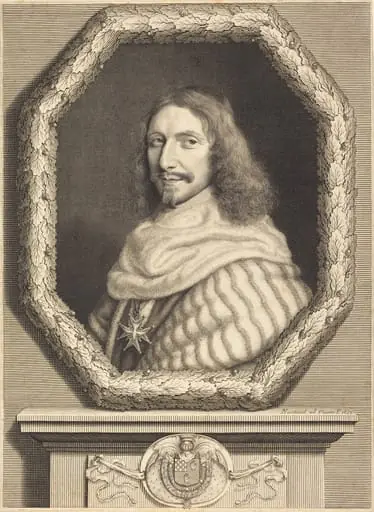 Nicholas Potier de Novion
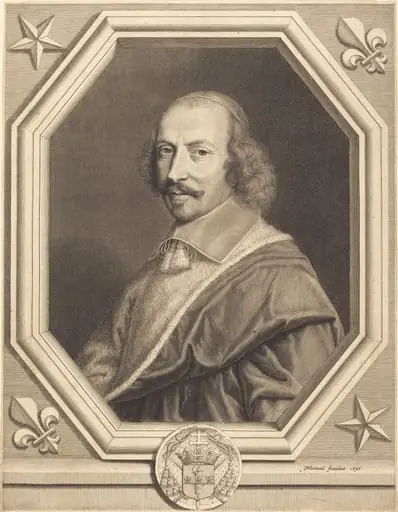 Cardinal Jules Mazarin
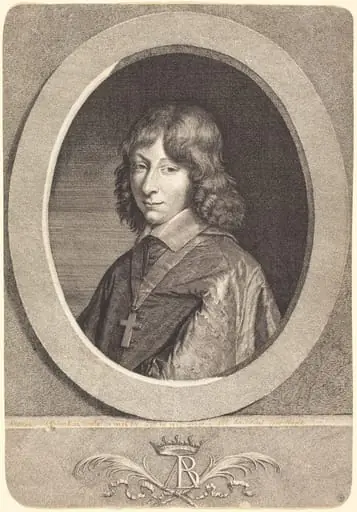 Armand de Bourbon-Conti
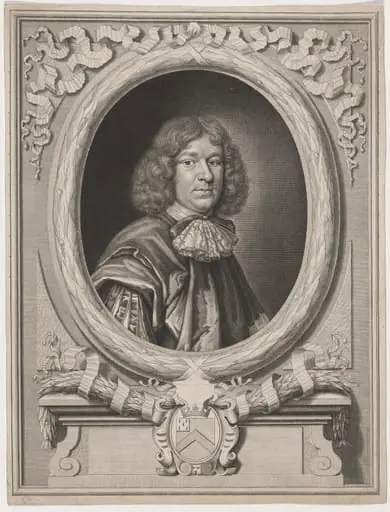 Robert Stafford of Bradfield, Berks
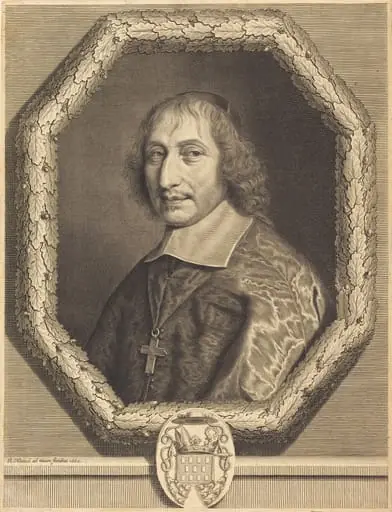 Philibert-Emmanuel de Beaumanoir Lavardin
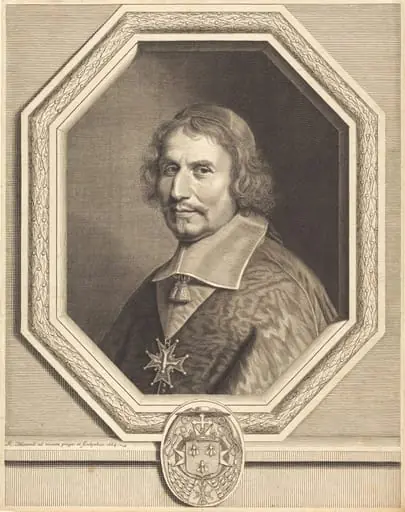 Cardinal Antonio Barberini
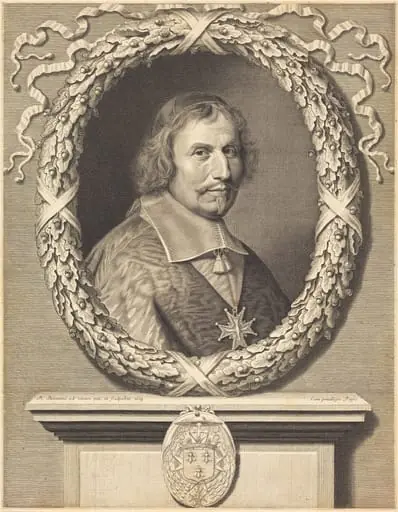 Cardinal Antonio Barberini
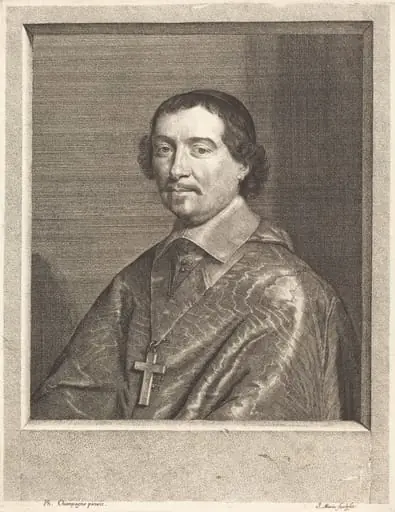 Pierre Berthier
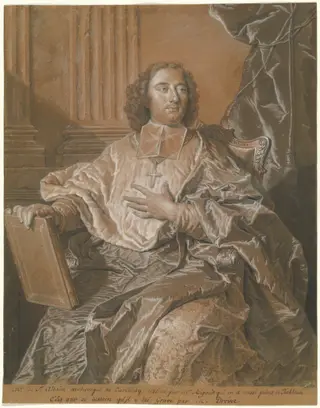 Monseigneur Charles de Saint-Albin, Archbishop of Cambrai
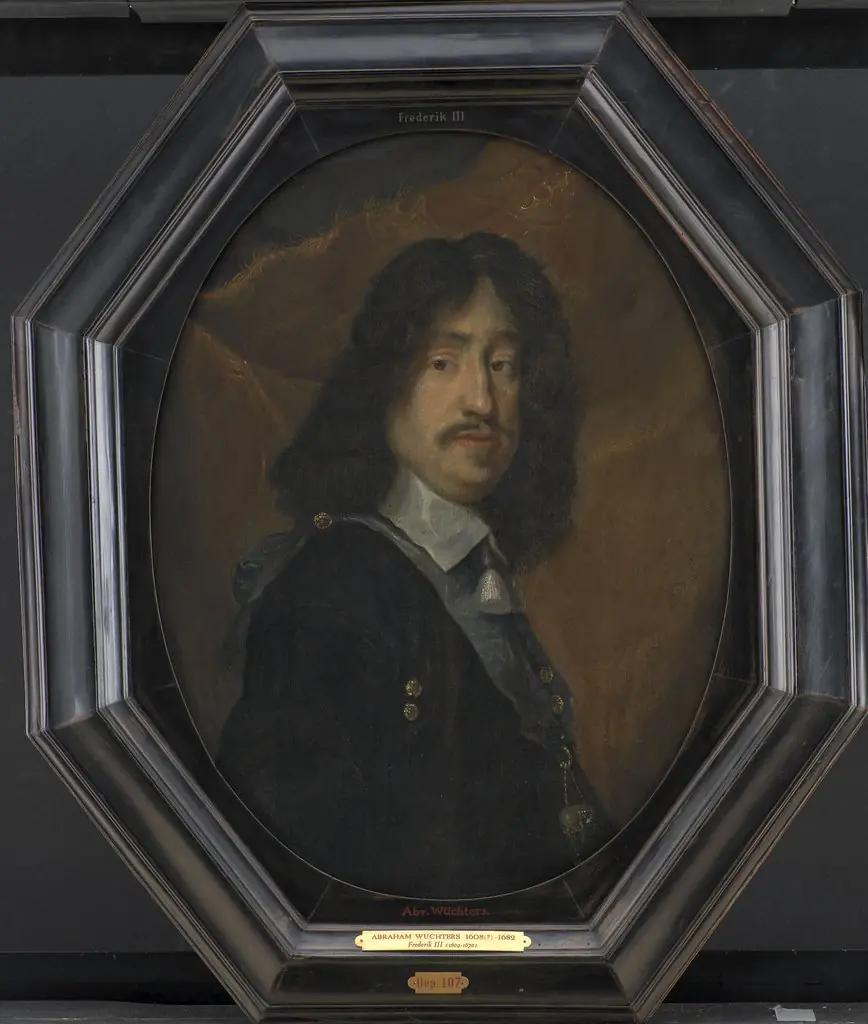 Frederik III
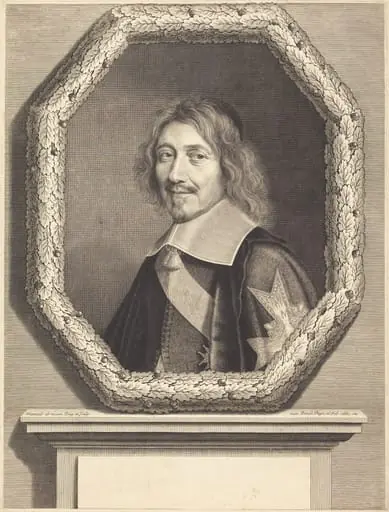 Chancellor Michel Le Tellier