Artwork
Duke Ernst II Ludwig von Sachsen-Gotha-Altenburg
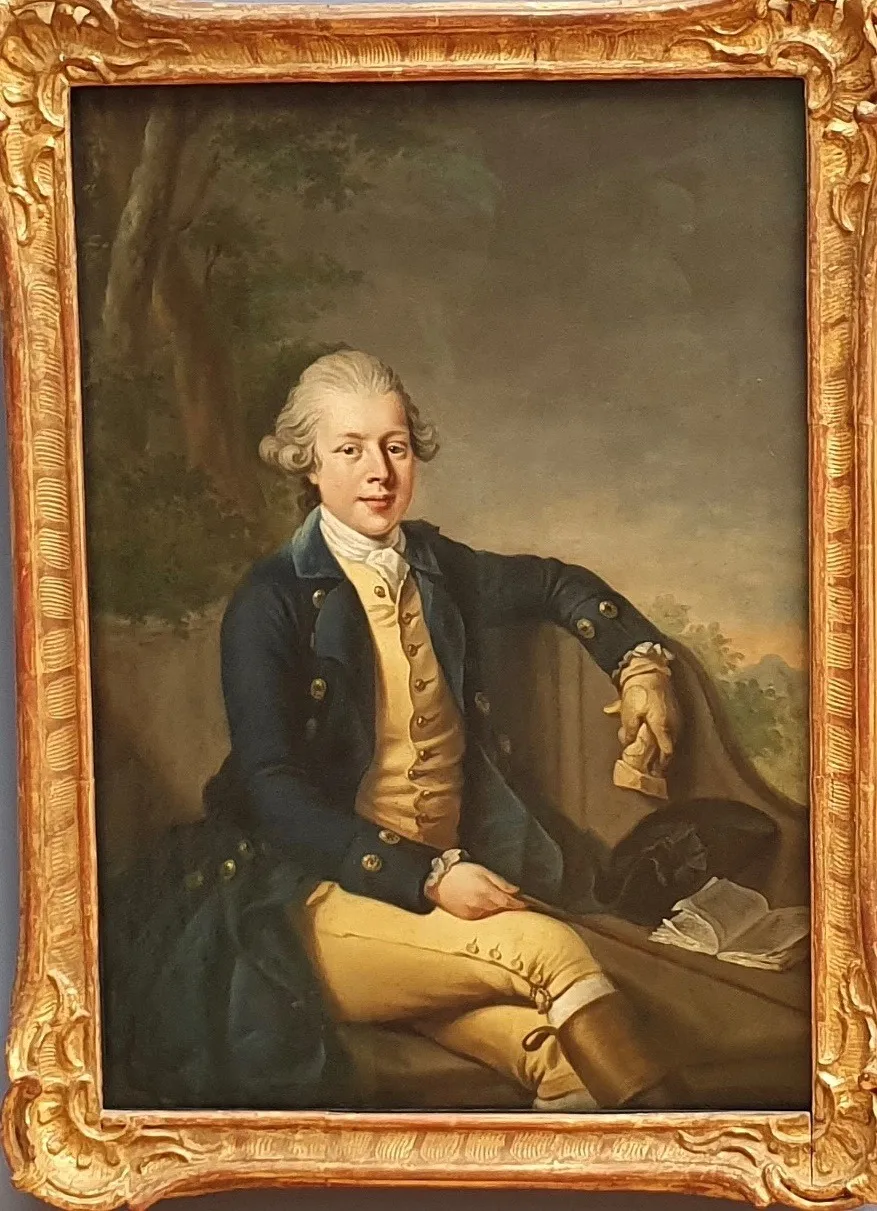
Duke Ernst II Ludwig von Sachsen-Gotha-Altenburg is an unspecified painting by the Rococo painting artist Johann Georg Ziesenis. It dates from 1768 and is held in the collection of the Gemäldegalerie Berlin.
About this work
Overview
Painted in 1768 by Johann Georg Ziesenis, this portrait captures Duke Ernst II Ludwig of Saxe-Gotha-Altenburg in a composed, seated posture. The work is part of the Gemäldegalerie Berlin’s collection and exemplifies 18th-century German court portraiture. Its focus on dignified bearing and refined detail reflects the conventions of aristocratic representation during the period.
Subject & Meaning
The portrait presents Duke Ernst II as a ruler of quiet authority, not through grandeur but through restraint. His seated position, relaxed yet controlled, conveys stability and composure. The absence of military or symbolic accoutrements shifts emphasis to personal presence rather than political power, aligning with Enlightenment ideals of measured leadership.
Technique & Style
Ziesenis employs fine brushwork to render the textures of the duke’s attire, velvet, silk, and lace, with precision. The dark blue coat contrasts subtly with the pale cravat and yellow vest, creating visual harmony. The landscape background, softly rendered, avoids distraction, reinforcing the subject’s centrality while suggesting cultivated taste and leisure.
History & Provenance
Commissioned during Ernst II’s rule, the painting remained within the ducal family’s holdings before entering the Gemäldegalerie Berlin’s collection. Its preservation reflects the continuity of Saxon-Gotha-Altenburg’s cultural legacy. No major alterations or reworkings are documented, suggesting it was valued as an accurate likeness from its creation.
Context
In mid-18th-century Germany, portraiture served both personal and political functions. Rulers like Ernst II used such images to project legitimacy and refinement. Ziesenis, trained in Copenhagen and active in northern German courts, brought a Nordic attention to naturalism that distinguished his work from more ornate French or Italian styles of the time.
Legacy
The portrait stands as a representative example of German court painting in the Age of Enlightenment. While Ziesenis is not widely known today, this work preserves the visual language of minor German principalities, offering insight into how lesser-known nobility cultivated identity through art during a period of shifting political and cultural norms.
Artist & collection

 Portrait of Freiherr von Münchhausen
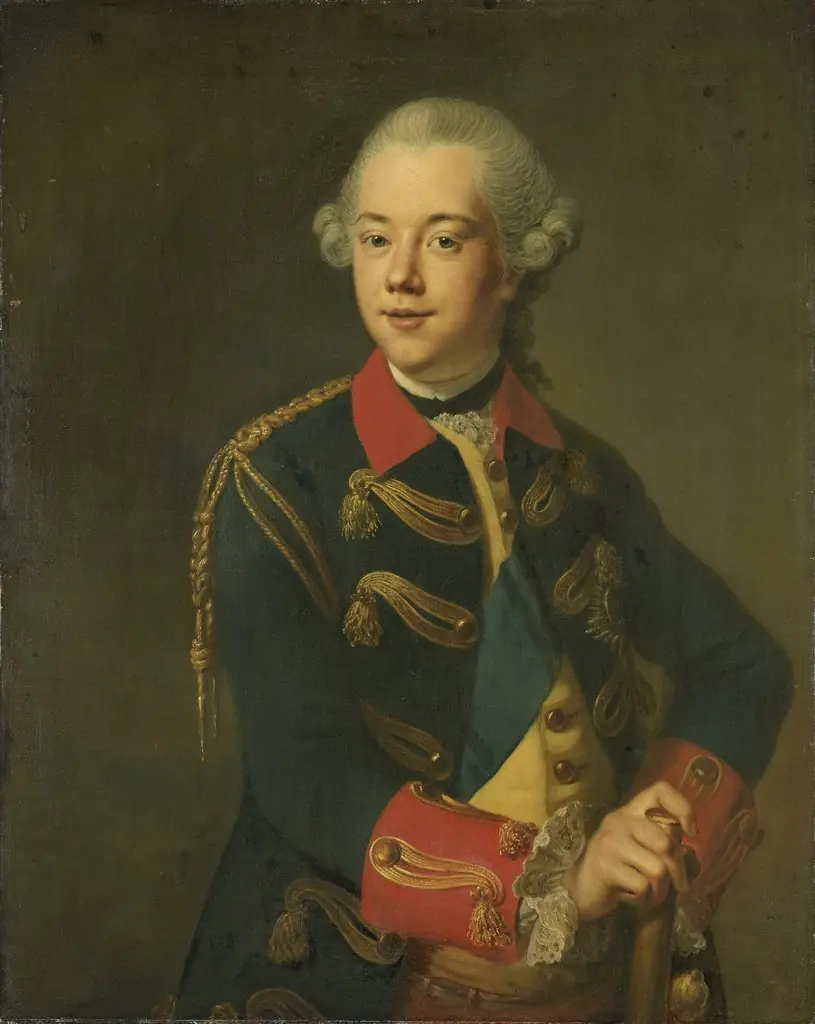 Portrait of William V, Prince of Orange-Nassau
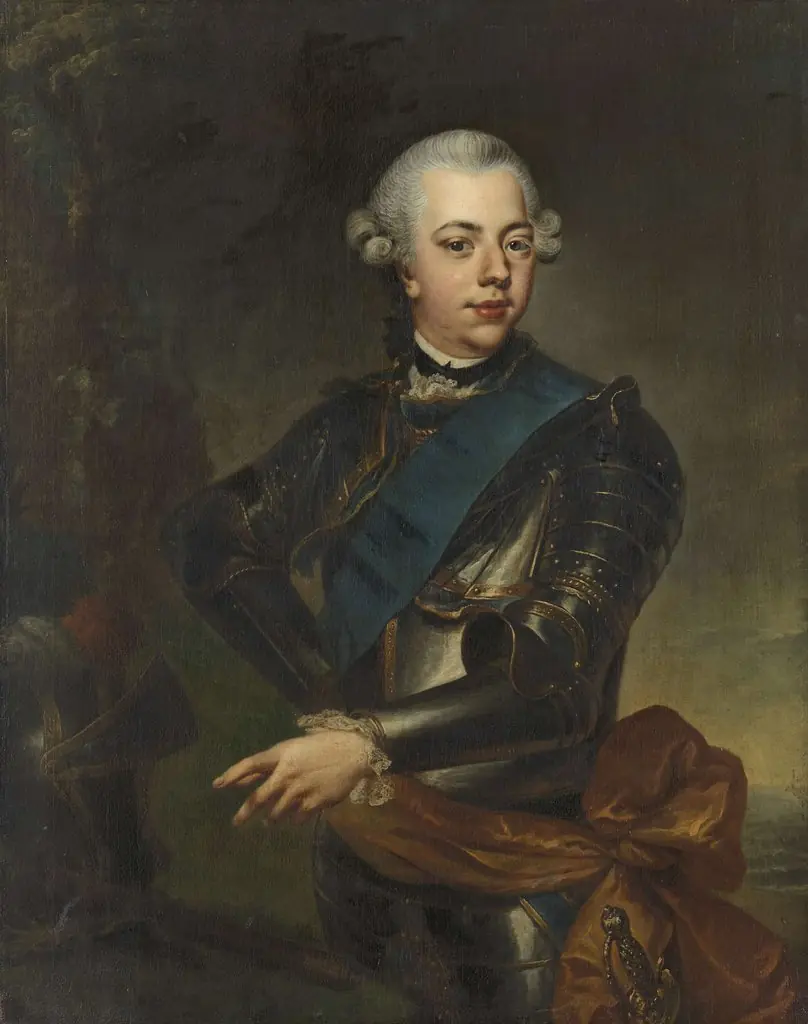 Willem V (1748-1806), prins van Oranje-Nassau
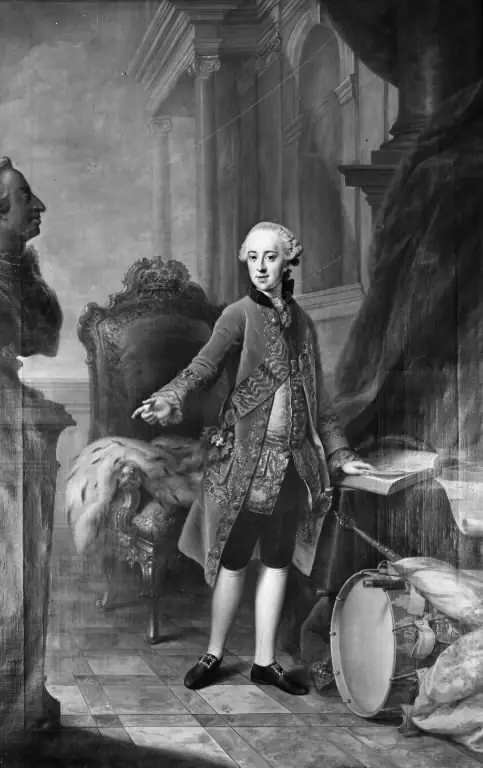 Portrait of Frederik, Heir Presumptive
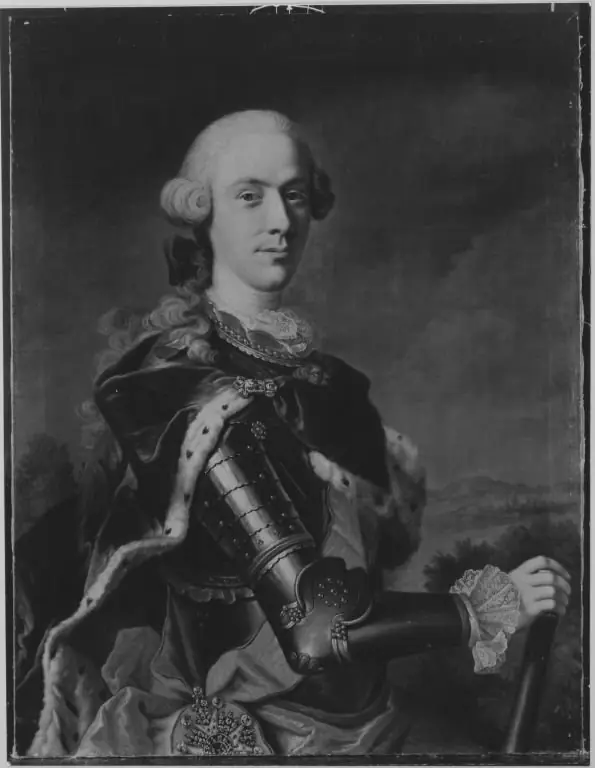 Bildnis von Christian IV., Herzog von Pfalz-Zweibrücken (1722-1775)
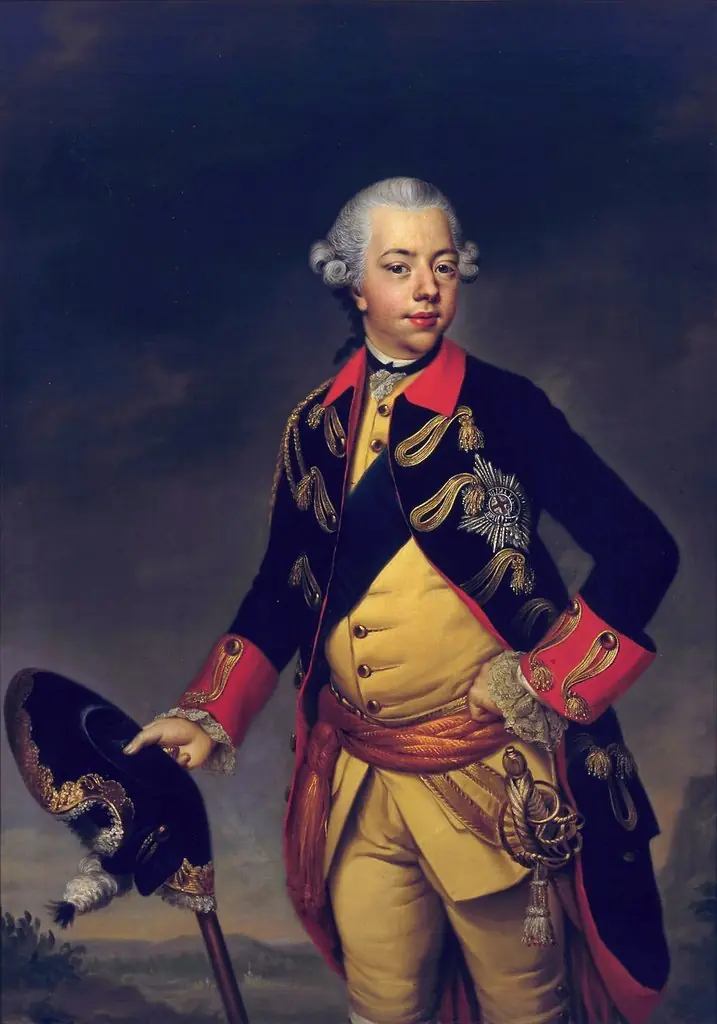 Portrait of Willem V (1748-1806), Prinz von Oranien-Nassau
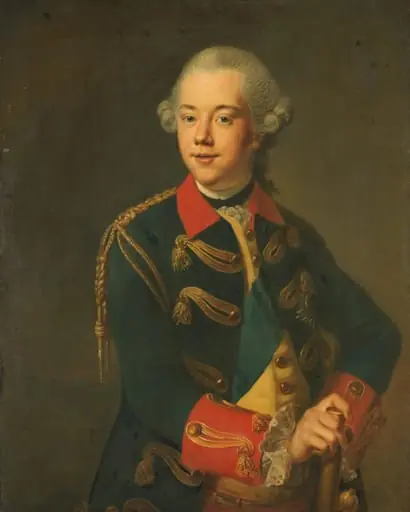 Portrait of William V, Prince of Orange-Nassau
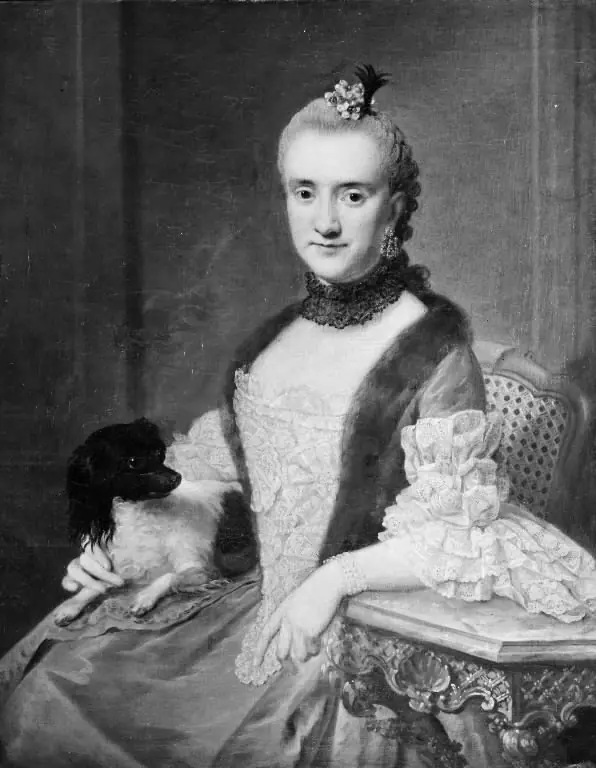 Portrait of Freifrau von Münchhausen
- Portrait of a Man, formerly Known as Sir Richard Robinson, Archibishop of Armagh (1709-1794)
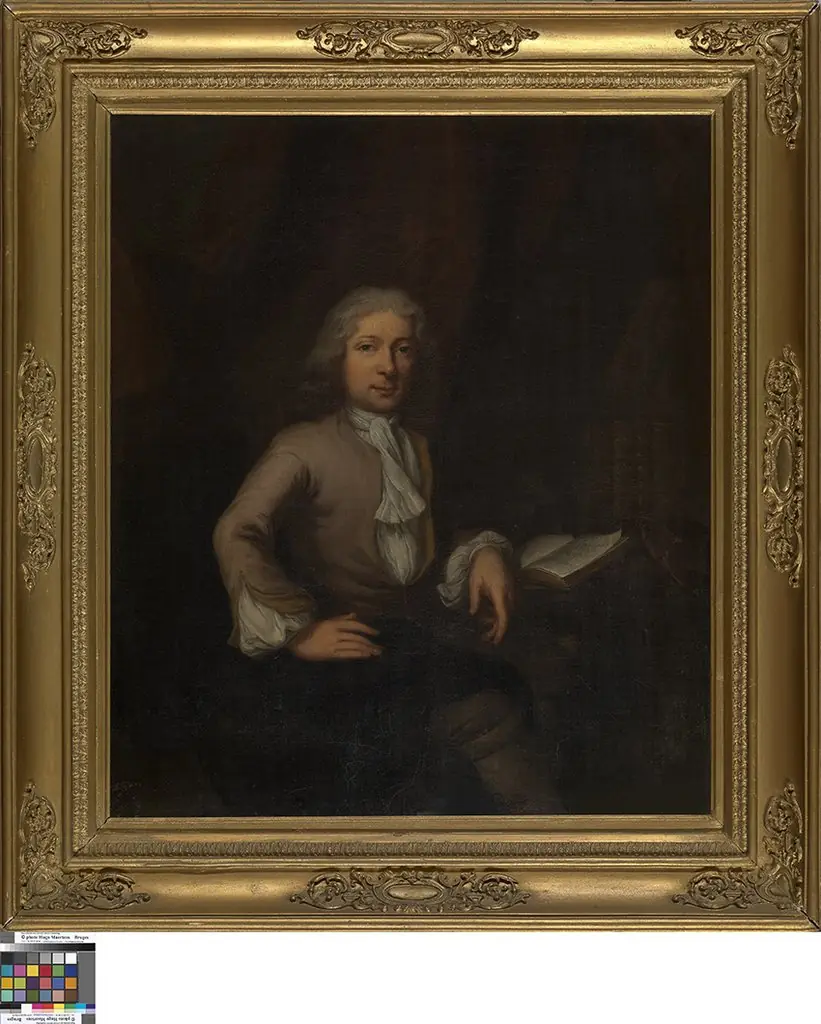 Portret van een dichter
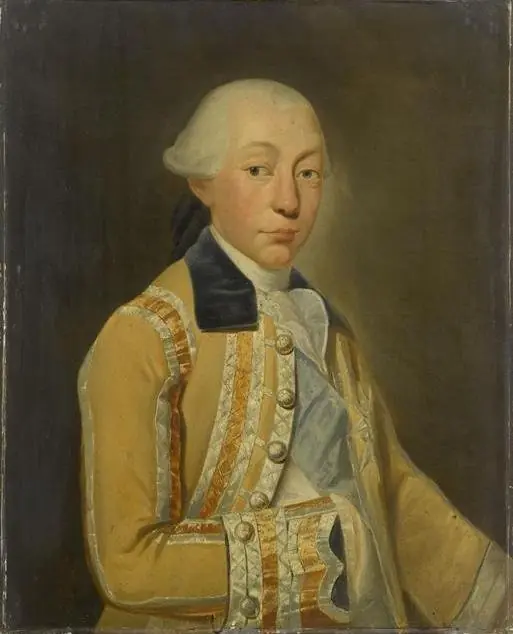 Portrait of Louis François Joseph de Bourbon, Prince of Conti in hunting costume
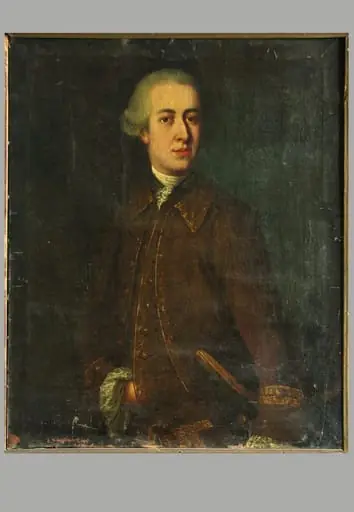 Johann Friedrich Czekelius von Rosenfeld (în Reg. Inv.: Johann Fr. von Rosenfeld)
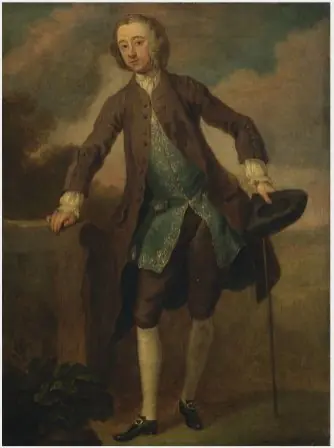 Portrait of Gustavus Hamilton, 2nd Viscount Boyne (1639-1723)
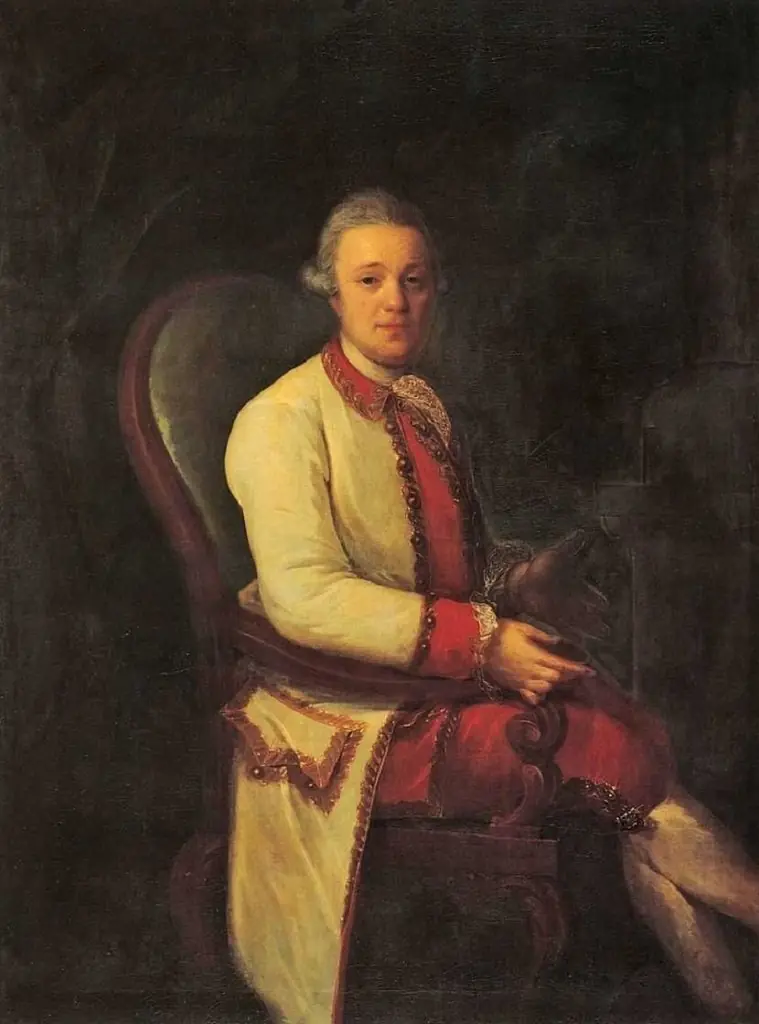 Portrait of Ivan N. Tutchev
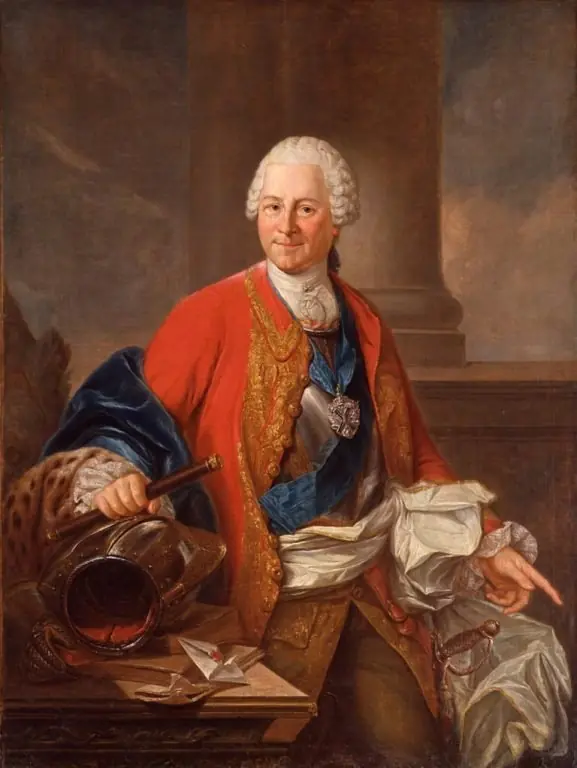 Portrait of Heinrich von Brühl
 Portrait of James Caulfield, 1st Earl of Charlemont (1728-1799)
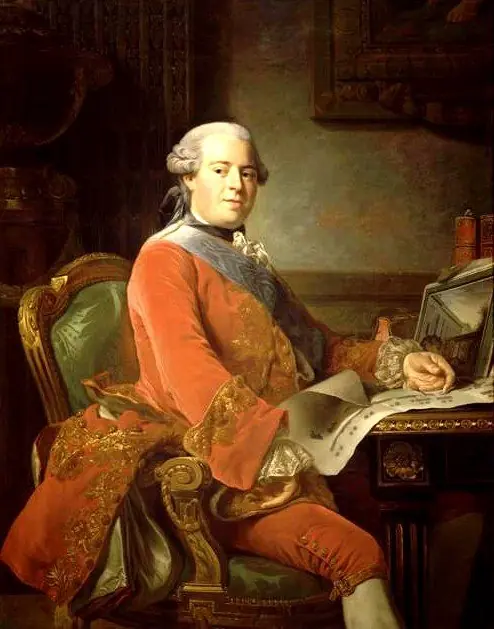 Portrait of Abel-François Poisson, marquis de Marigny
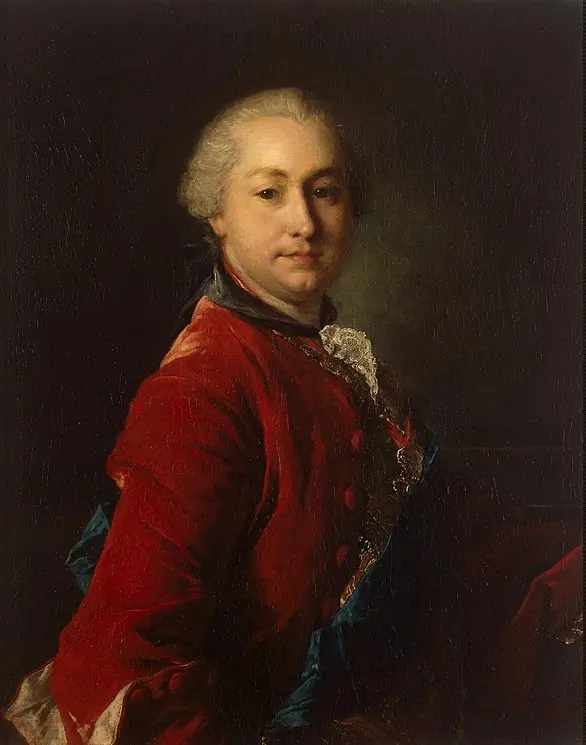 Portrait of Ivan Shuvalov
 Portrait of Sir John Tyrell, Bt.
 Jean-Armand Tronchin, udsending ved det franske og engelske hof. Schweiz