Artwork
Nymph and Shepherd
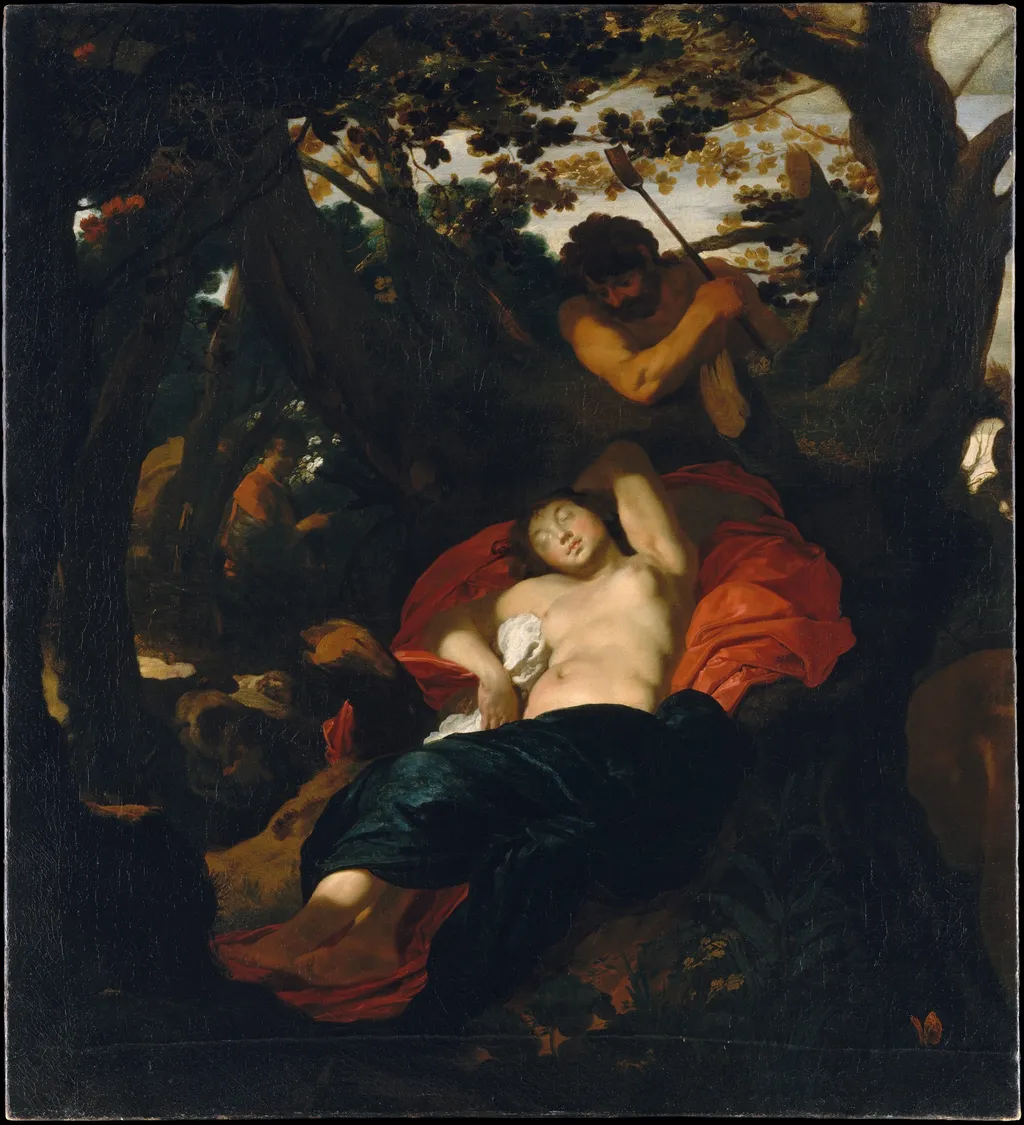
Nymph and Shepherd is an oil painting by the Early Baroque Italian artist Johann Liss. It dates from 1625 and is held in the collection of the Metropolitan Museum of Art.
About this work
Technique & Style
The composition portrays a mythological scene featuring a nymph and a shepherd, reflecting the genre of mythological painting.
The work titled "Nymph and Shepherd" is an oil painting executed on canvas, dating to 1625. Its medium is oil paint, applied in the Baroque manner typical of mythological subjects. The canvas measures approximately 104.5 centimeters in height by 94.9 centimeters in width.
The composition portrays a mythological scene featuring a nymph and a shepherd, reflecting the genre of mythological painting. No specific handling or condition details are provided in the source documentation.
History & Provenance
The painting Nymph and Shepherd was created by the artist Johann Liss in 1625. Executed in oil on canvas, the work measures approximately 104.5 by 94.9 centimeters and depicts a mythological scene featuring a nymph and a shepherd. The piece is currently held in the European Paintings collection of the Metropolitan Museum of Art, where it remains part of the institution's permanent holdings.
While the specific circumstances of its original commission and the detailed chain of ownership prior to its arrival at the museum are not outlined in the available records, the work's inception date and attribution to Liss are firmly established.
Overview
Nymph and Shepherd, an oil painting from 1625 by the German artist Johann Liss, exemplifies the early Italian Baroque movement. This work is currently housed in the collection of The Metropolitan Museum of Art. Liss, a prominent painter active in Venice, infused the piece with the characteristic drama and dynamism of the era, presenting an evocative scene between two mythological figures.
Subject & Meaning
The painting depicts a reclining nude female figure, identified as a nymph, whose head rests upon a rock. Above her, a male figure, a shepherd, pulls back a tree branch, revealing her form. The nymph's lower body is partially covered by a red drapery, while the shepherd wears a dark cloak. This interaction suggests a moment of discovery or an intimate encounter set within a natural, secluded environment.
Context
Johann Liss, a German artist, became a significant figure within the early Baroque art scene, particularly during his time working in Venice. His artistic approach absorbed and contributed to the prevailing Italian Baroque style, characterized by its emphasis on emotional intensity, movement, and dramatic light effects. Nymph and Shepherd stands as a testament to his engagement with these influential artistic currents of the 17th century.
Own this work as a print
Artist & collection
Artist
Johann Liss or Jan Lys (c. 1590 or 1597 – 1629 or 1630) was a leading German Baroque painter of the 17th century, active mainly in Venice.

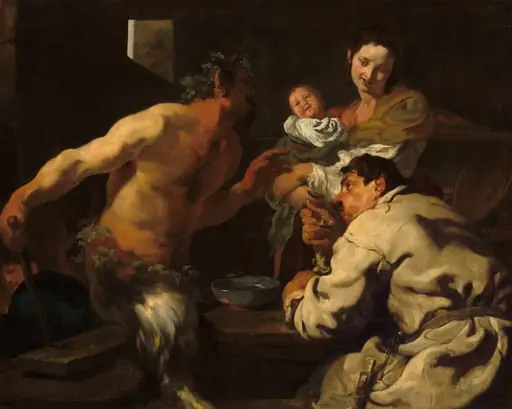
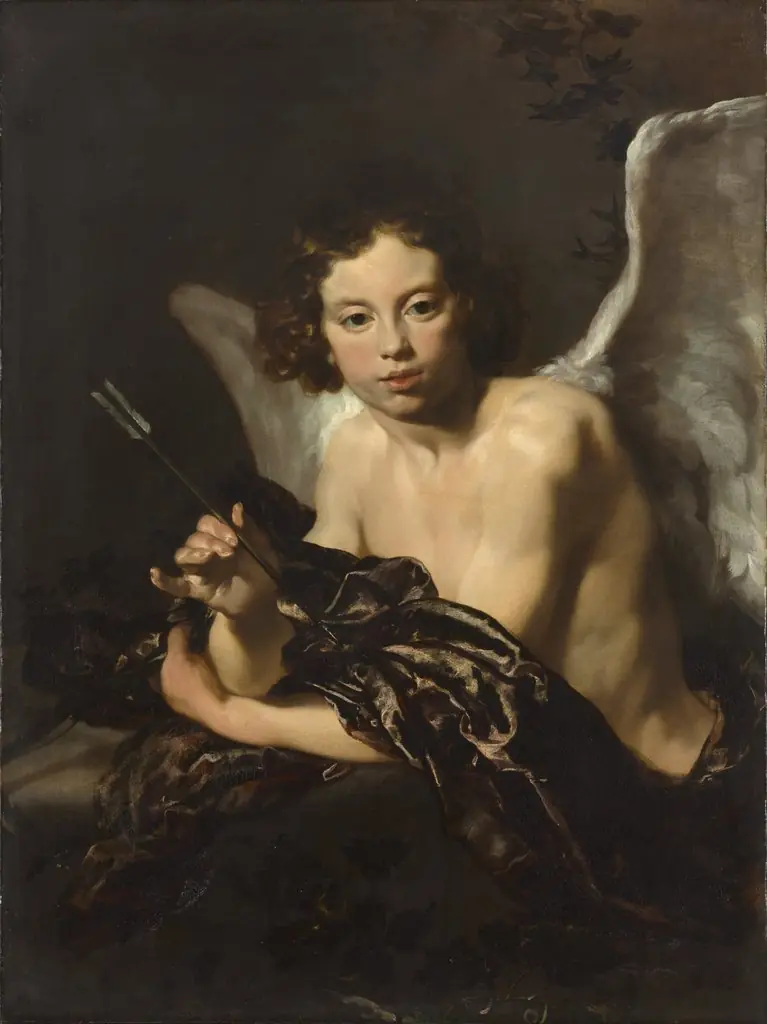
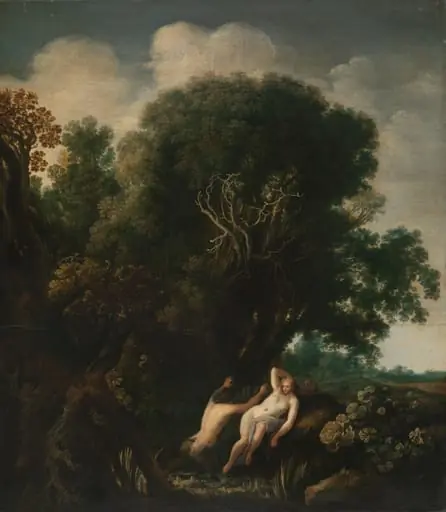
- A Bathing Nymph Taken by Surprise by a Satyr
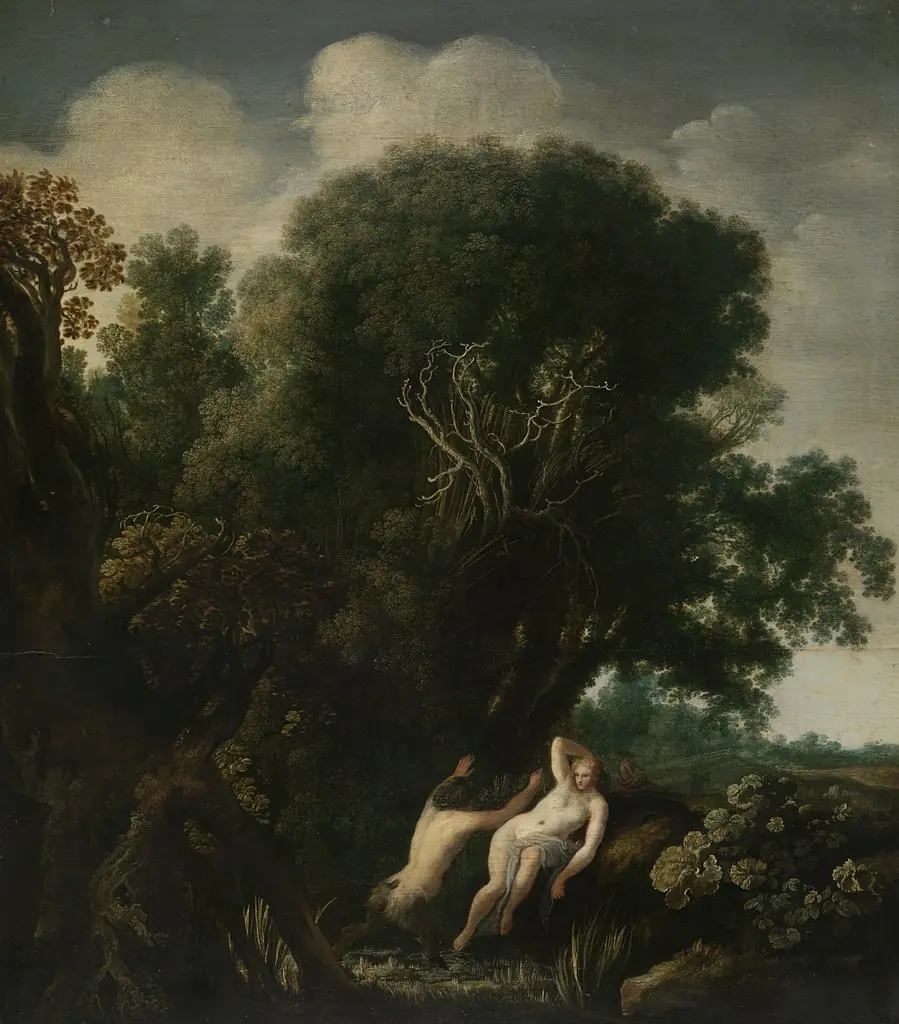 A Bathing Nymph Taken by Surprise by a Satyr
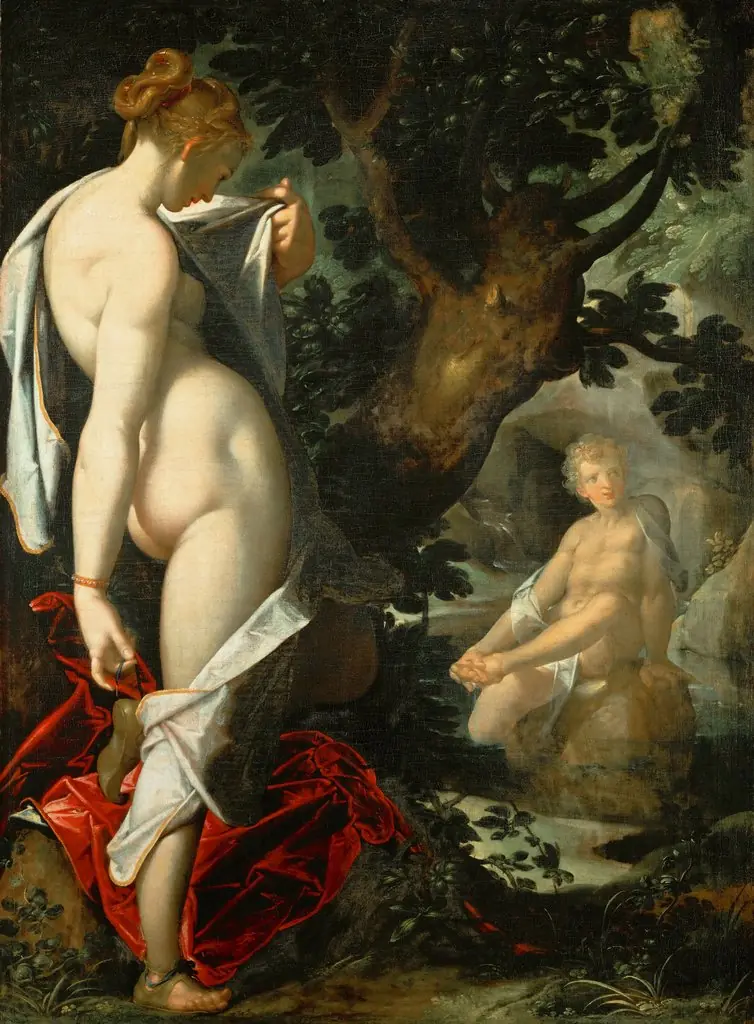 Hermaphroditus and the nymph Salmacis
 Venus
Venus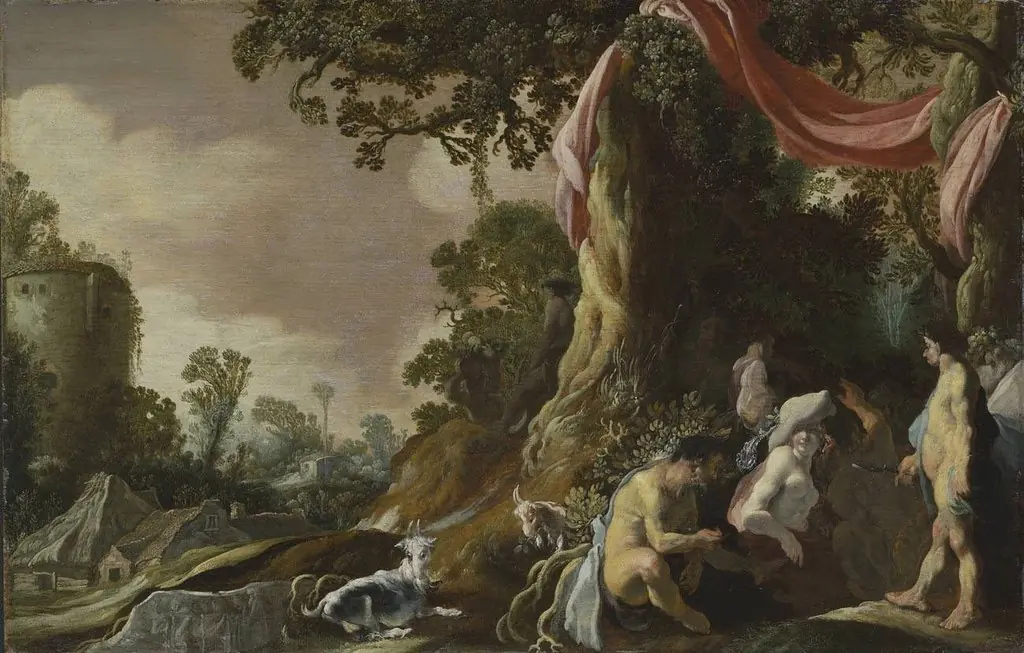 Bucolic scene (shepherd scene ?)
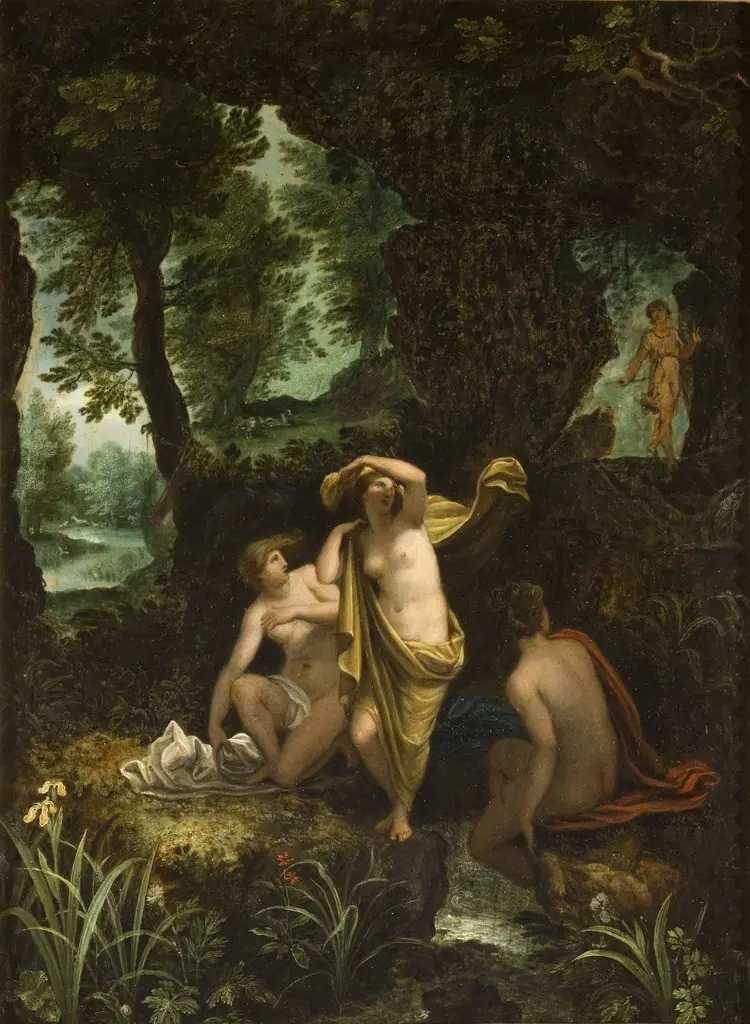 Landscape with Diana Surprised by Actaeon
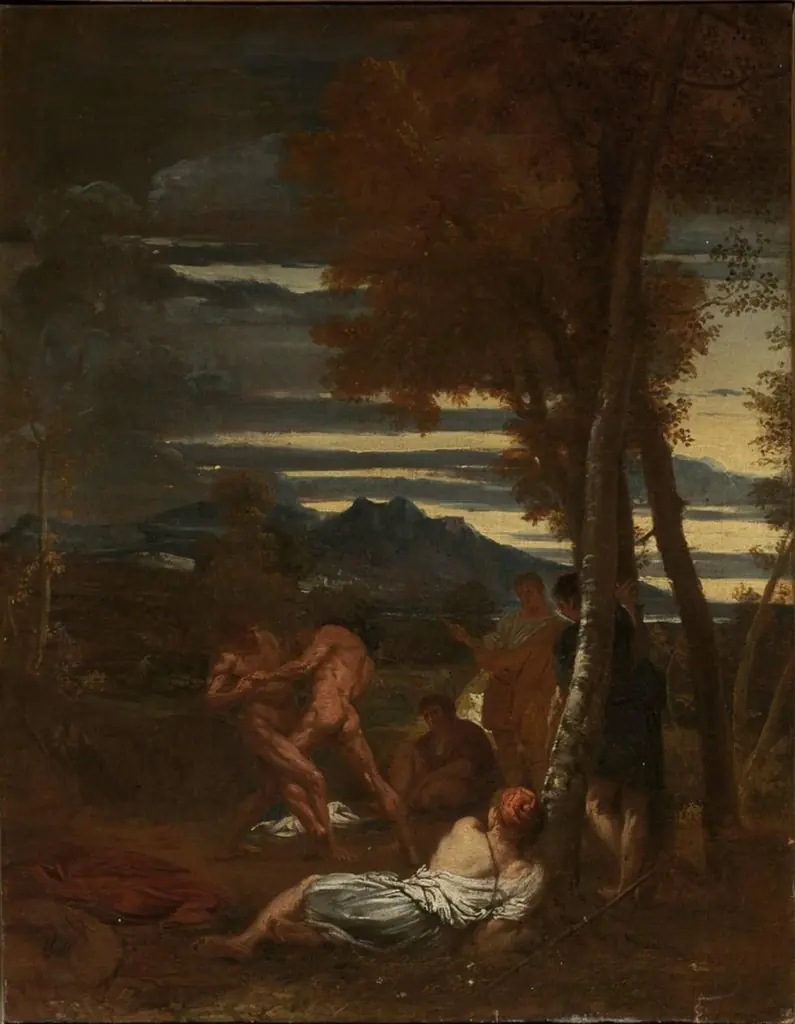 Wrestlers in a Landscape
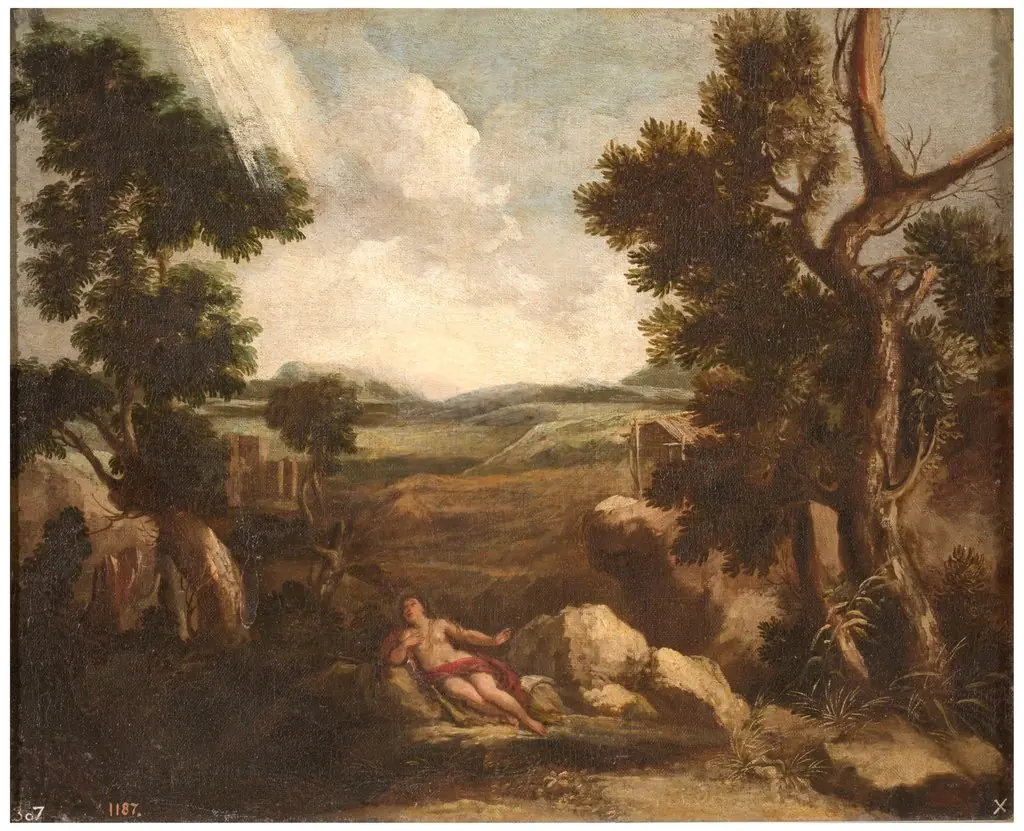 Penitent Magdalen
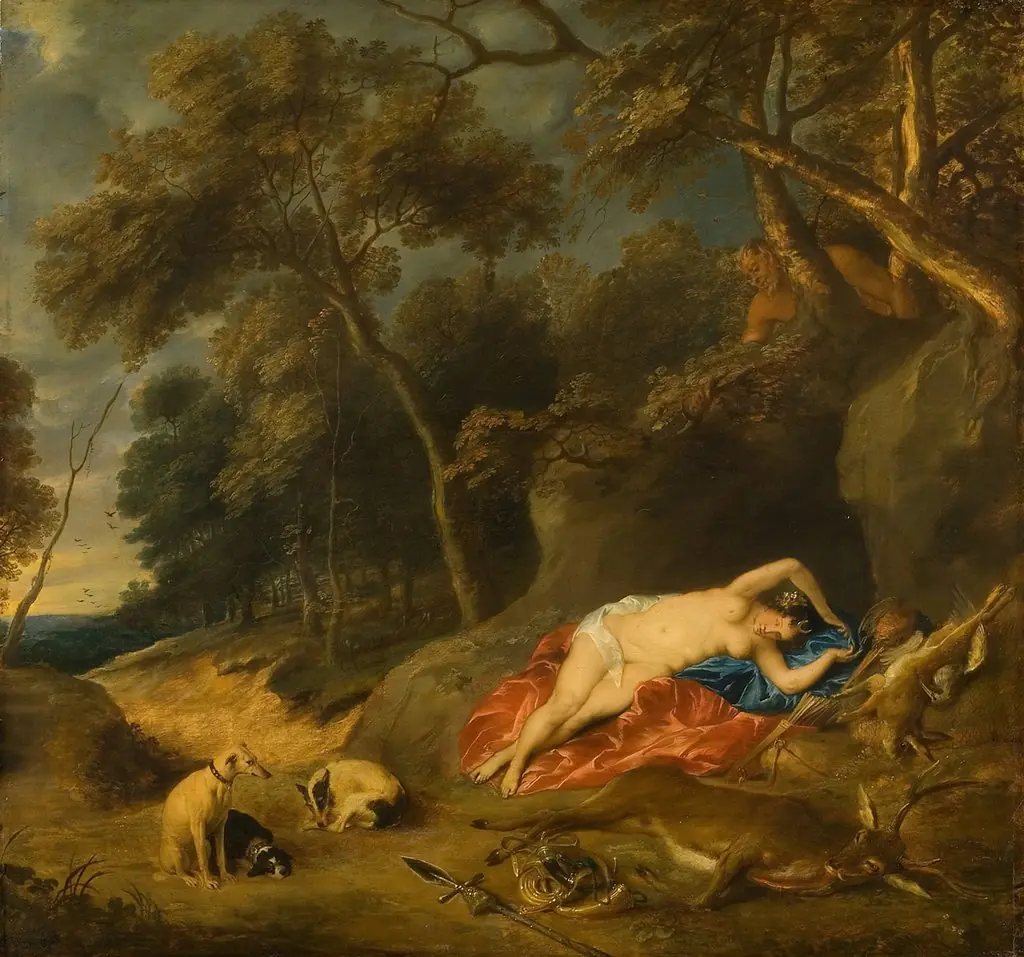 Landscape with Diana Resting
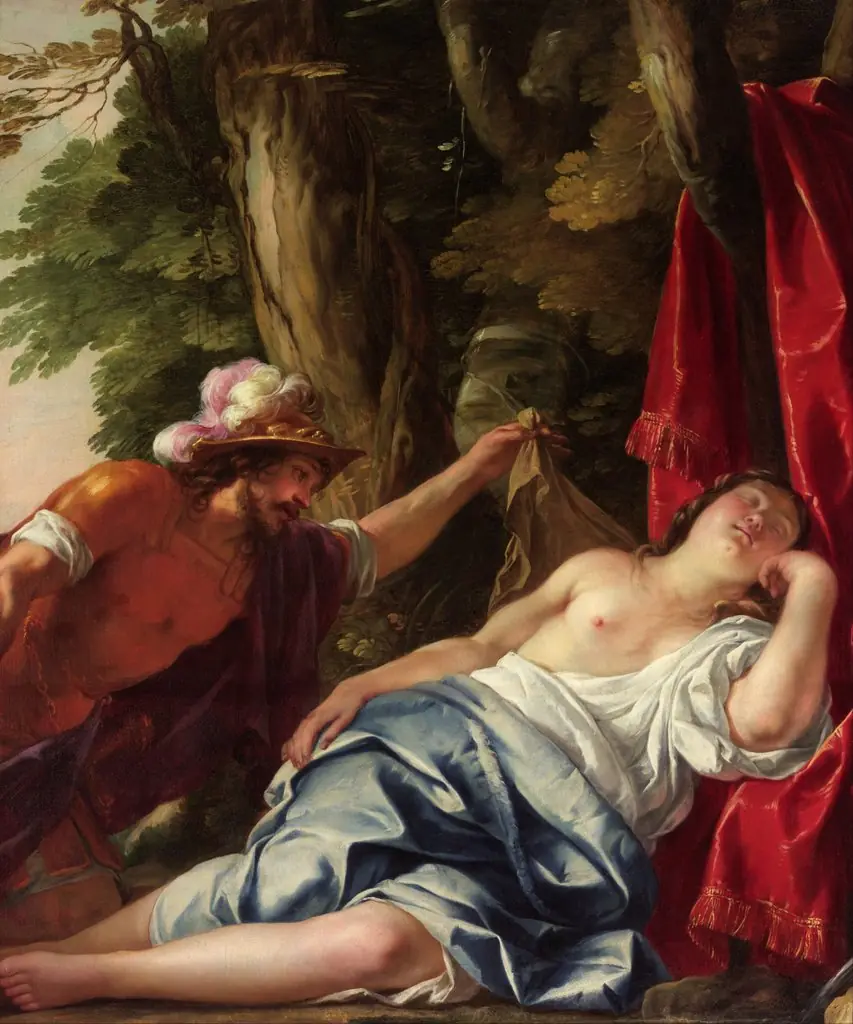 Mars and the vestal virgin
 Landscape with the penitent Magdalene
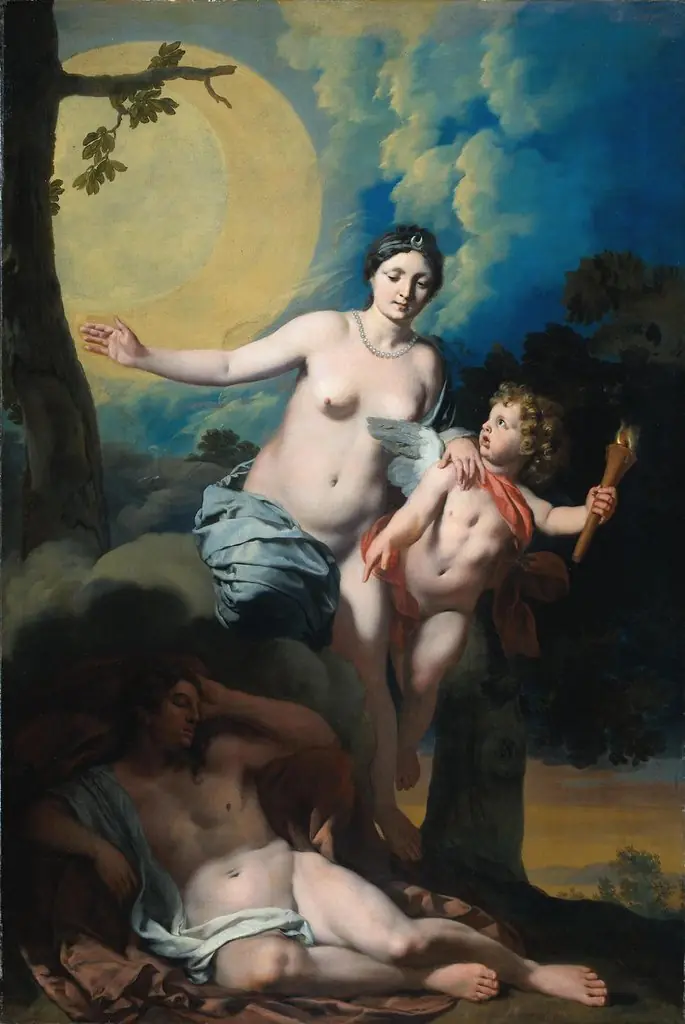 Selene and Endymion