Artwork
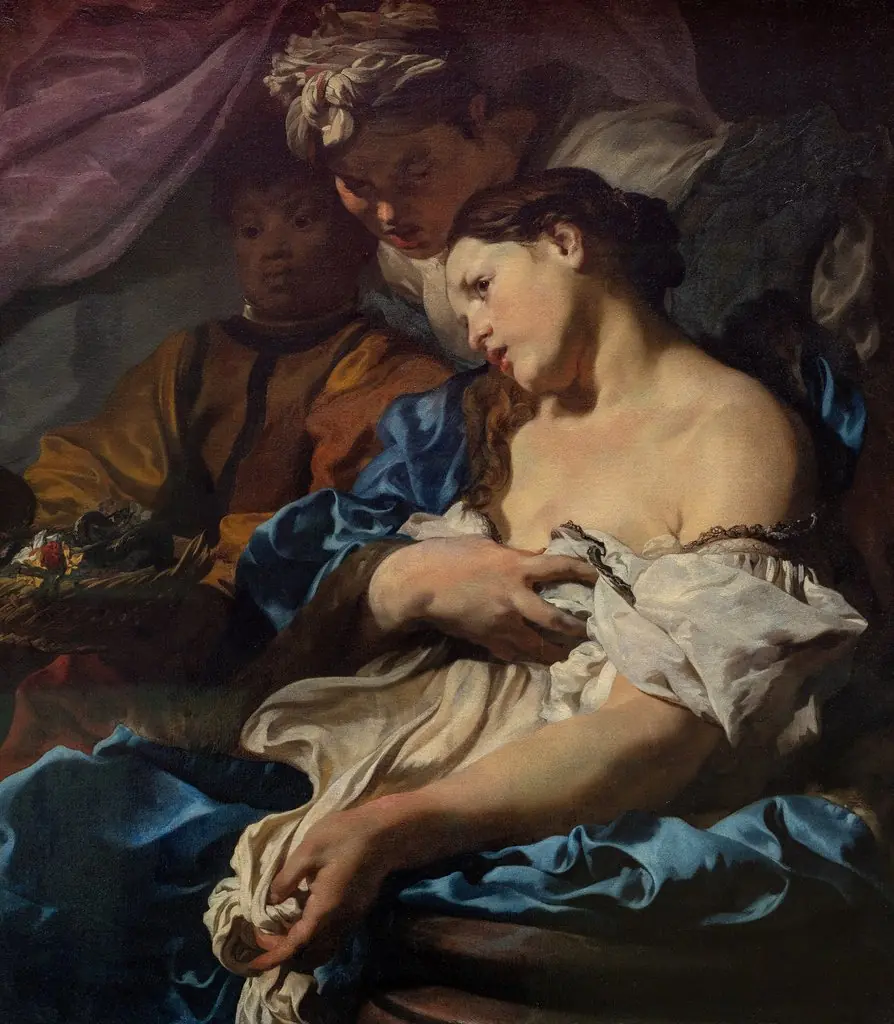
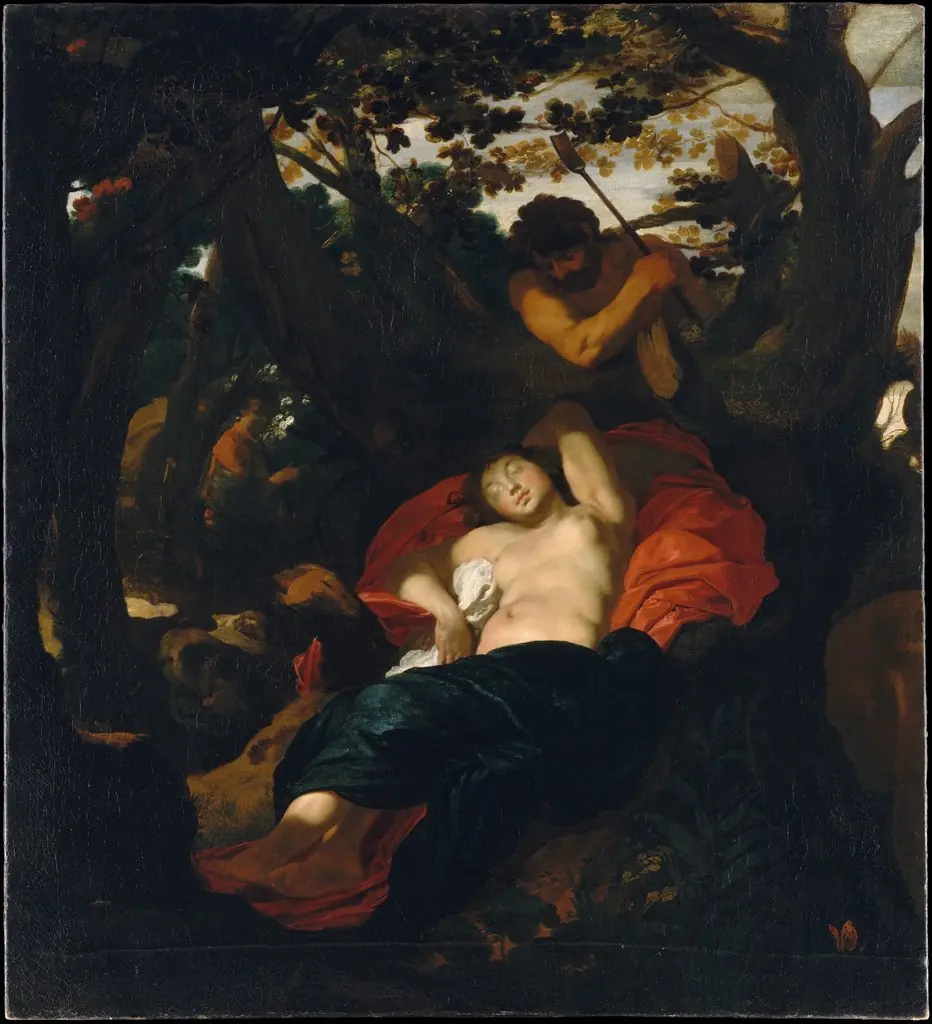
The Temptation of Saint Mary Magdalen
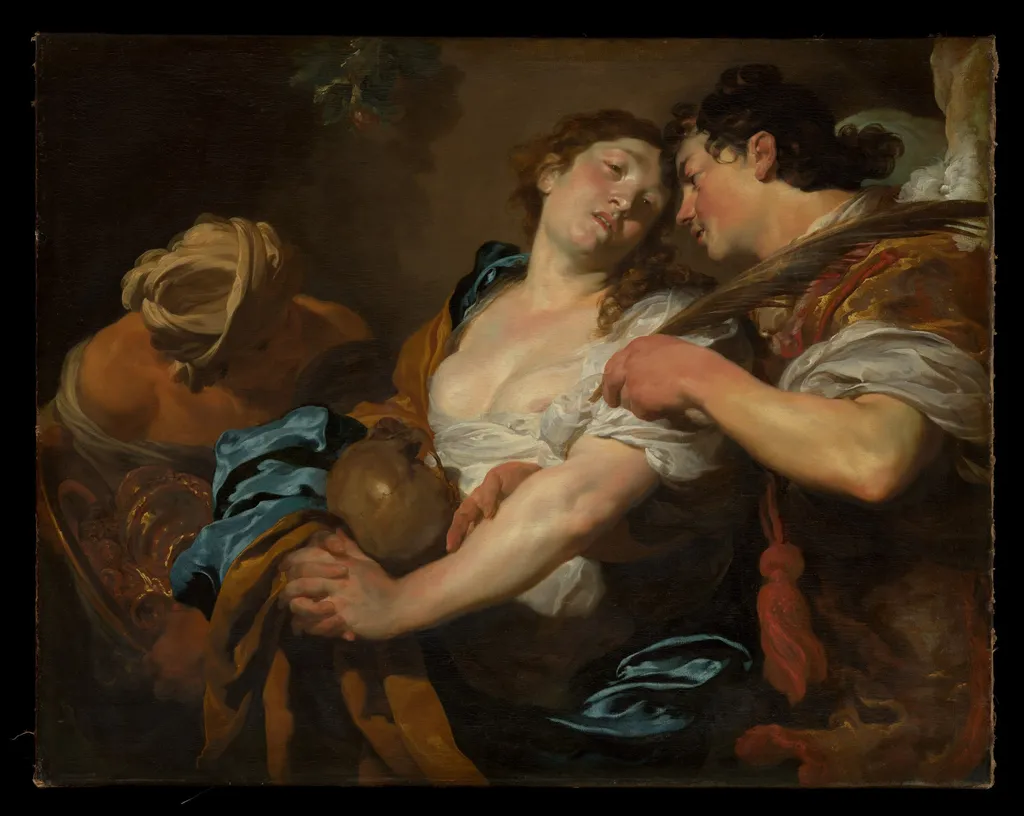
The Temptation of Saint Mary Magdalen is an oil painting by the Early Baroque Italian artist Johann Liss. It dates from 1626 and is held in the collection of the Metropolitan Museum of Art.
About this work
Subject & Meaning
Johann Liss's 1626 oil painting depicts the Temptation of Saint Mary Magdalene, a religious subject centered on the saint's spiritual trial.
Johann Liss's 1626 oil painting depicts the Temptation of Saint Mary Magdalene, a religious subject centered on the saint's spiritual trial. The composition features Mary Magdalene as the central figure, accompanied by an angel and a skull. These elements function as key iconographic symbols: the angel likely represents divine intervention or guidance during her moment of vulnerability, while the skull serves as a memento mori, reminding the viewer of mortality and the vanity of earthly pleasures.
Together, these visual components illustrate the narrative of the saint resisting temptation through spiritual reflection, emphasizing themes of repentance and the triumph of faith over worldly desires.
Technique & Style
Johann Liss created The Temptation of Saint Mary Magdalen in 1626 as an oil painting executed on a canvas support. The work measures approximately 98.8 cm in height and 125.8 cm in width. Classified within the religious art genre, the painting depicts the titular saint alongside symbolic elements such as a skull and an angel.
As a Baroque religious composition, the piece utilizes the oil medium to render its narrative subject matter, currently held in the collection of the Metropolitan Museum of Art. The physical dimensions and material composition define the work's formal presence as a substantial canvas painting from the early seventeenth century.
History & Provenance
The work titled The Temptation of Saint Mary Magdalen was executed by Johann Liss in 1626 using oil on canvas. It measures 98.8 cm by 125.8 cm and portrays a skull, an angel and Mary Magdalene in a religious scene. The painting entered the collection of the Metropolitan Museum of Art, where it is catalogued under accession 2020.220 and remains on display. Its creation is dated to 1626, reflecting the artist’s activity in the early Baroque period.
The painting is held by the Metropolitan Museum of Art, New York, with accession number 2020.220. It entered the museum in 2020 through an acquisition not specified in the sources. The work has not been recorded as part of any major public exhibitions in the provided documentation.
Overview
Johann Liss, a prominent German Baroque painter, created The Temptation of Saint Mary Magdalen in 1626. Executed in oil paint, this work exemplifies the early Italian Baroque style, reflecting Liss's period of activity in Venice during the early 17th century. The painting is a significant example of religious genre art from an artist known for his contributions to the Venetian art scene.
Own this work as a print
Artist & collection
Artist
Johann Liss or Jan Lys (c. 1590 or 1597 – 1629 or 1630) was a leading German Baroque painter of the 17th century, active mainly in Venice.