Artwork
Judith and Holophernes
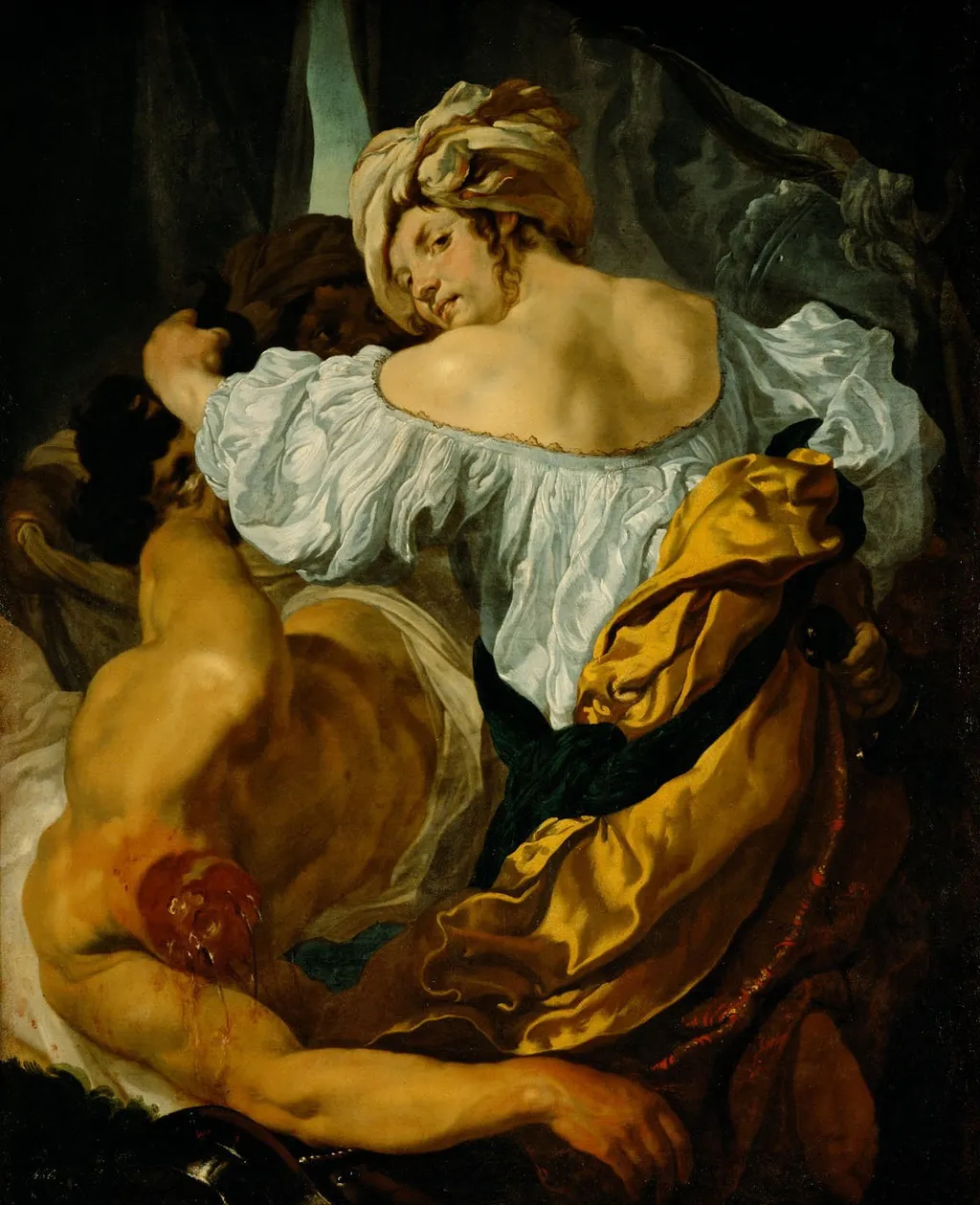
Judith and Holophernes is an oil painting by the Early Baroque Italian artist Johann Liss. It dates from 1628 and is held in the collection of the Kunsthistorisches Museum.
About this work
Technique & Style
The brushwork demonstrates fluid handling, while the palette features deep reds and earth tones to heighten emotional intensity.
The work is an oil painting executed on canvas, measuring 126 cm in height and 102 cm in width. Johann Liss rendered the biblical scene of Judith and Holofernes with a focus on dramatic chiaroscuro and dynamic composition, employing a naturalistic style characteristic of early Baroque religious art. The brushwork demonstrates fluid handling, while the palette features deep reds and earth tones to heighten emotional intensity. These formal qualities underscore the painting’s narrative vigor and stylistic significance within the artist’s oeuvre.
History & Provenance
Johann Liss painted Judith and Holophernes in 1628, working in oil on canvas. The painting depicts the biblical figure Judith and is classified as a religious work.
The painting is held in the collection of the Kunsthistorisches Museum, where it remains on view. The work measures 126 cm in height by 102 cm in width.
The painting Judith and Holophernes by Johann Liss is held in the collection of the Kunsthistorisches Museum. Created in 1628, the work is executed in oil on canvas and measures 126 cm in height by 102 cm in width. While the artwork's current location and physical attributes are documented, the provided sources do not contain specific inventory numbers or details regarding its exhibition history.
Overview
Painted in 1628 by Johann Liss, this oil on canvas work portrays a moment from the biblical Book of Judith. Liss, a German artist active in Venice, adapted the Italian Baroque approach to narrative intensity. The painting is part of the Kunsthistorisches Museum’s collection in Vienna, where it has remained since its acquisition in the early 19th century.
Subject & Meaning
The scene captures Judith, a Jewish widow, holding the severed head of Holophernes, the Assyrian general she slew to save her people. Her composed expression contrasts with his contorted agony, emphasizing moral resolve over violence. The act symbolizes divine justice and female courage, common themes in Counter-Reformation art that valued piety and sacrifice.
Context
In early 17th-century Venice, artists like Liss absorbed Caravaggio’s dramatic lighting and emotional realism. Judith’s story was popular among Northern and Italian painters as a symbol of virtuous resistance. Liss’s version reflects the fusion of German precision with Venetian color and atmosphere, characteristic of transalpine artistic exchange.
Legacy
Though less known than some contemporaries, Liss’s Judith exemplifies how Northern artists adapted Italian Baroque innovations. The painting contributes to the broader visual discourse on female agency and religious heroism in early modern Europe. Its preservation in a major public collection ensures ongoing scholarly engagement with its narrative and technique.
Artist & collection
Artist
Johann Liss or Jan Lys (c. 1590 or 1597 – 1629 or 1630) was a leading German Baroque painter of the 17th century, active mainly in Venice.

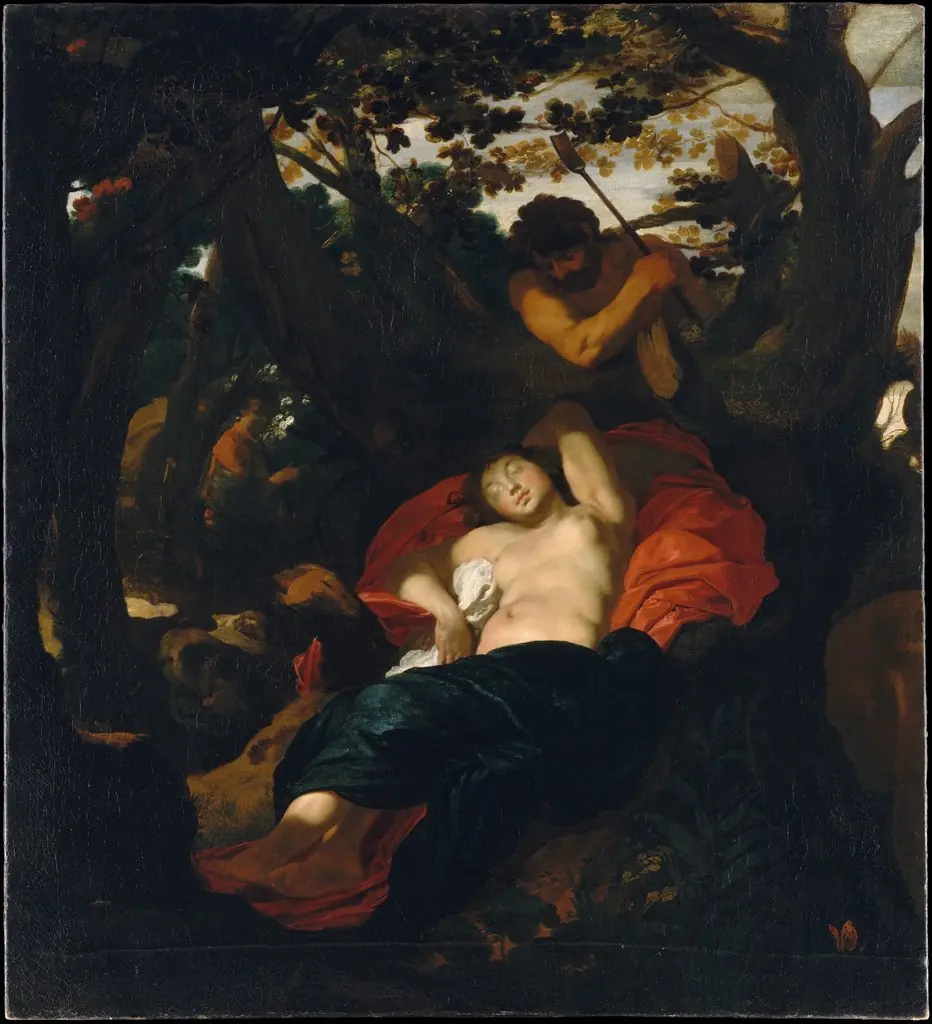
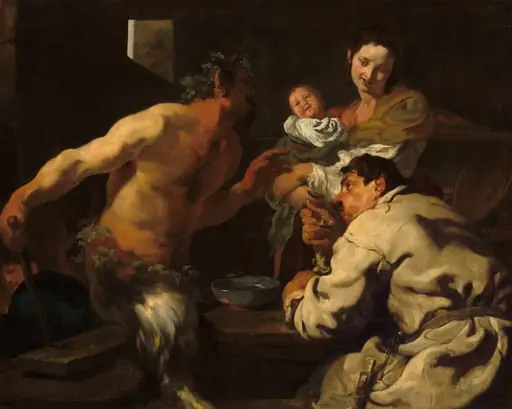
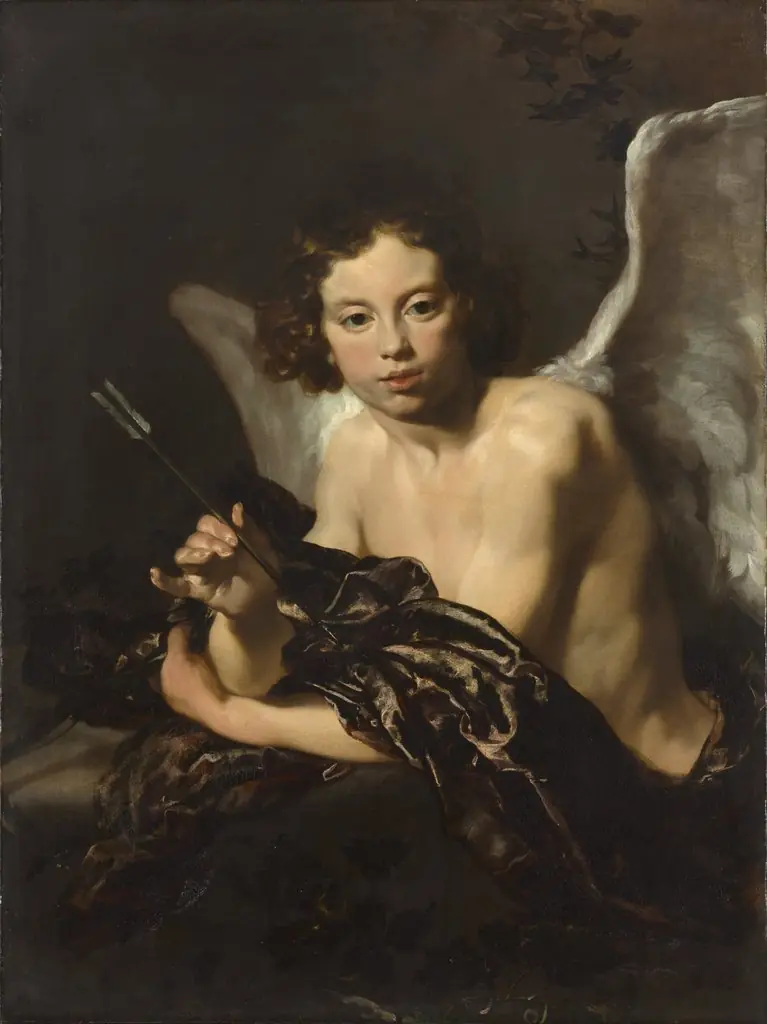
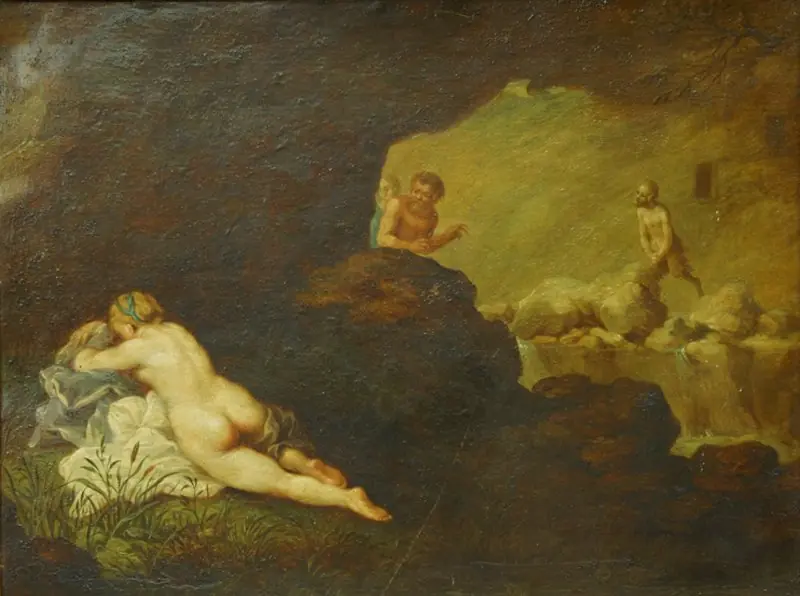
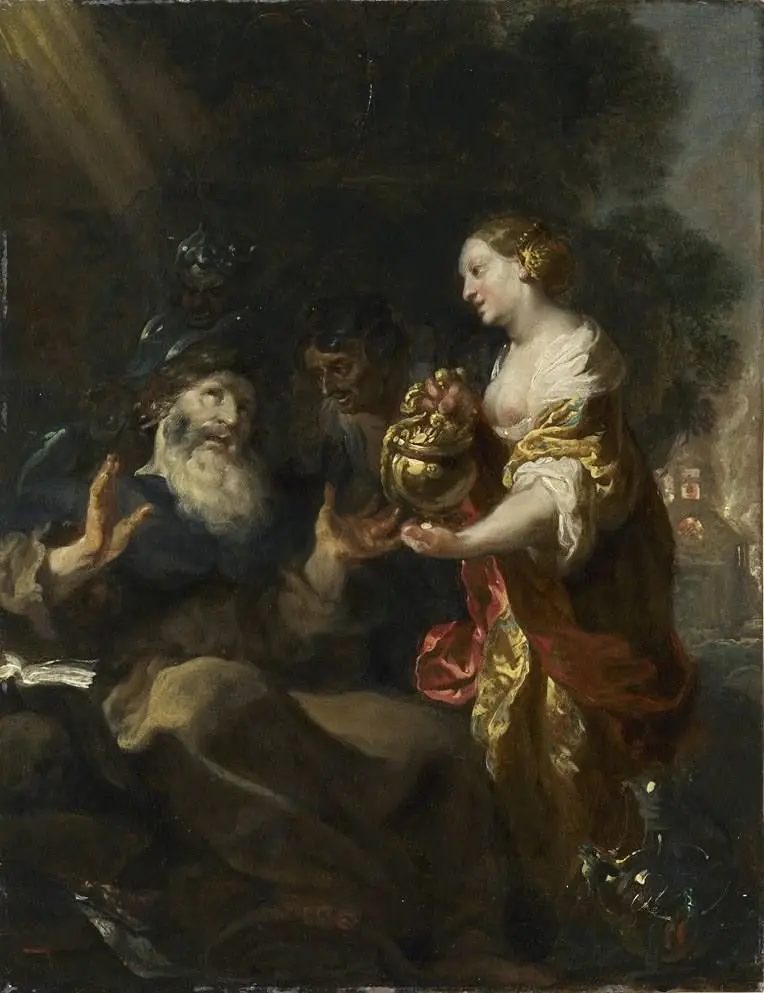
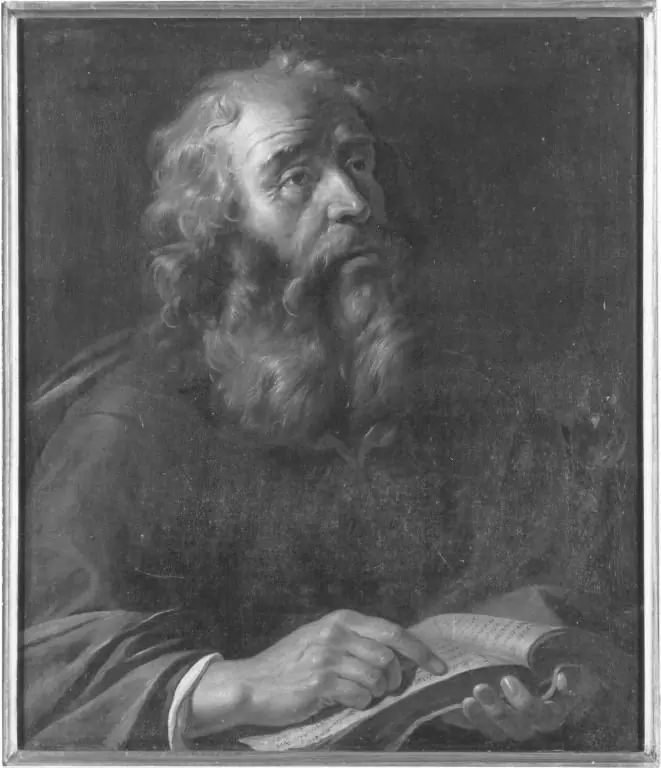
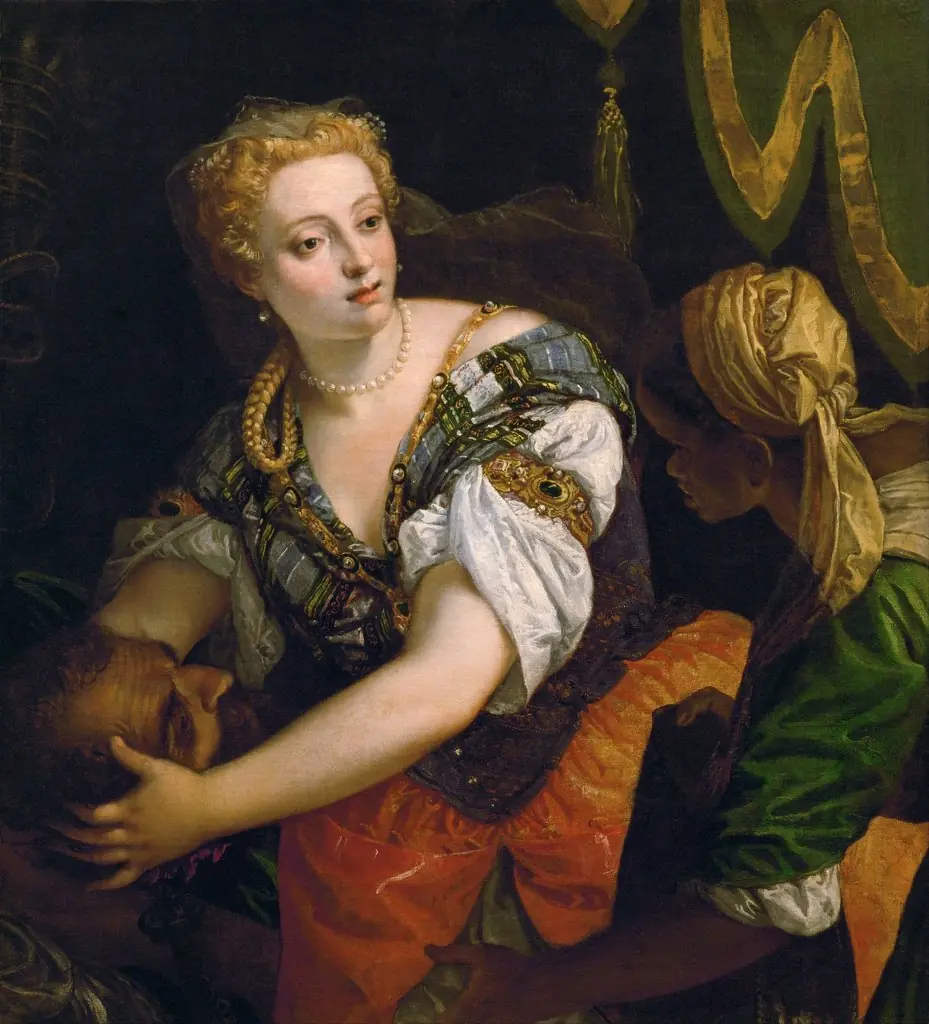 Judith with the Head of Holofernes
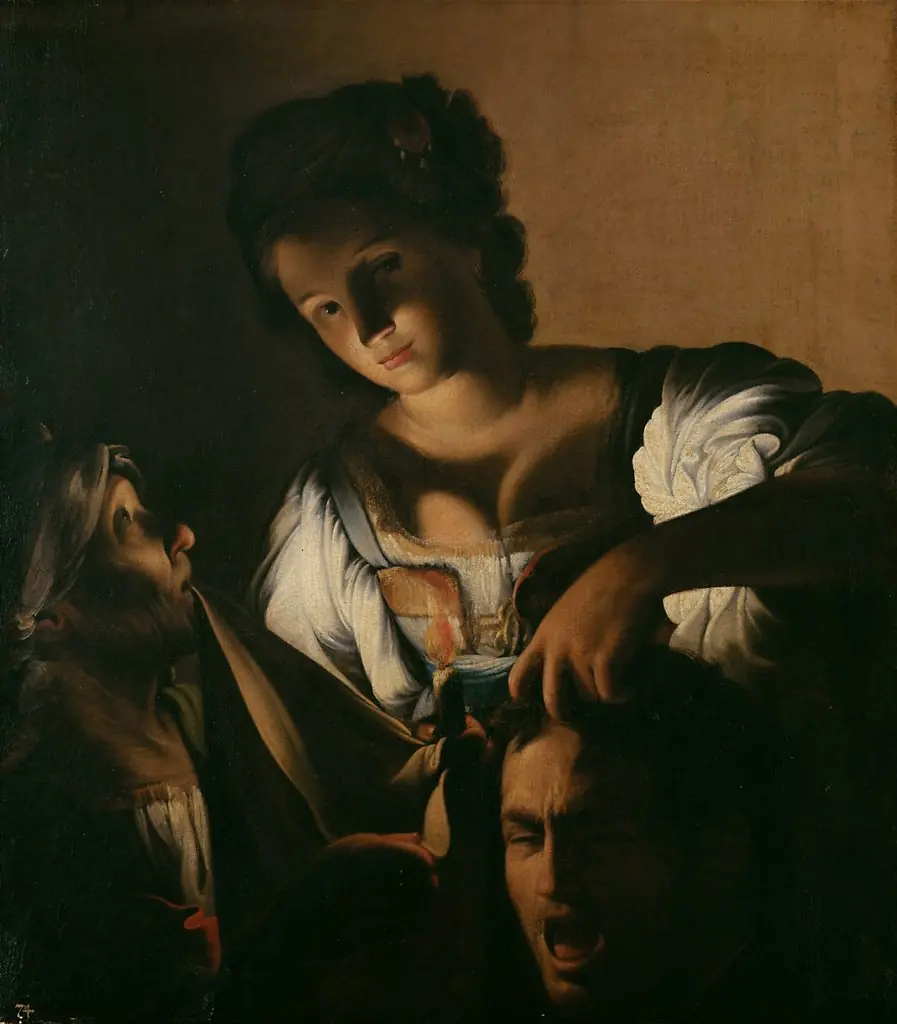 Judith with the head of Holofernes
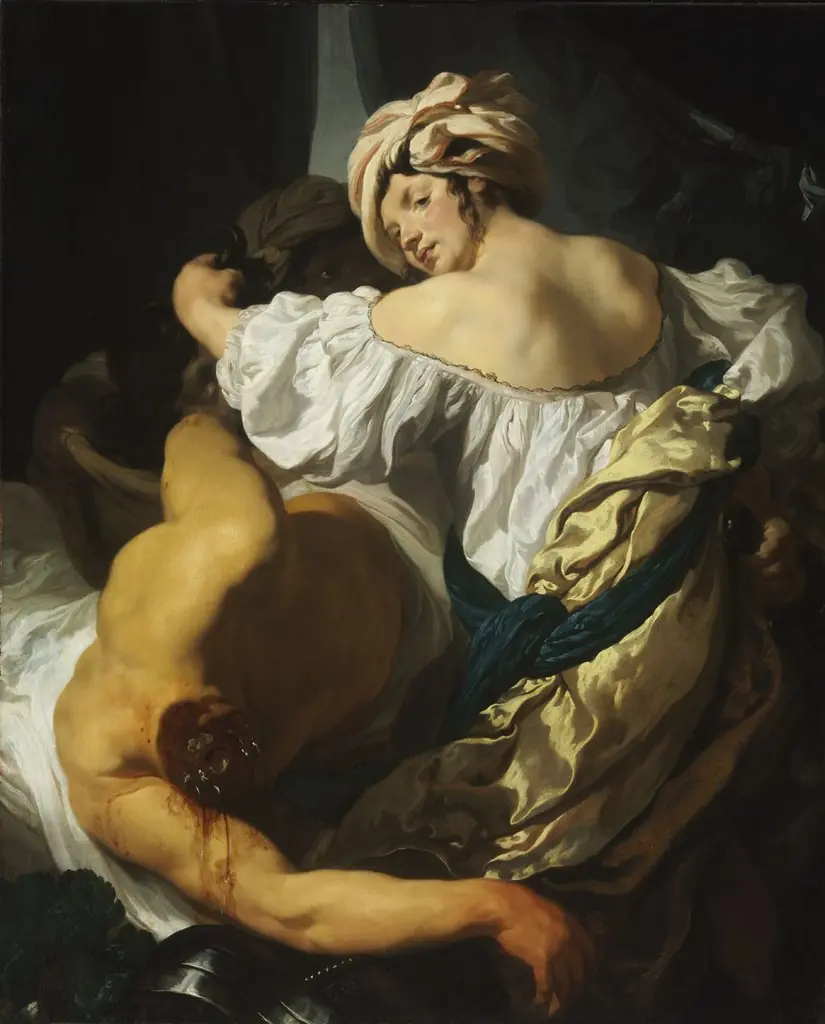 Judith in the Tent of Holofernes
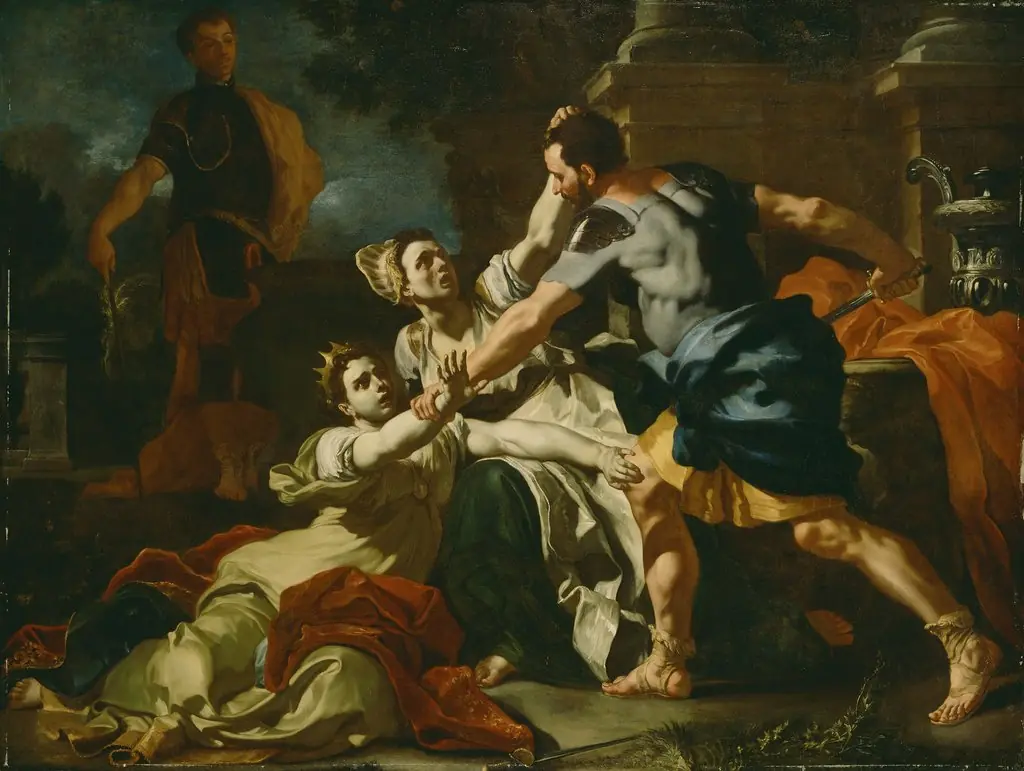 Death of Messalina
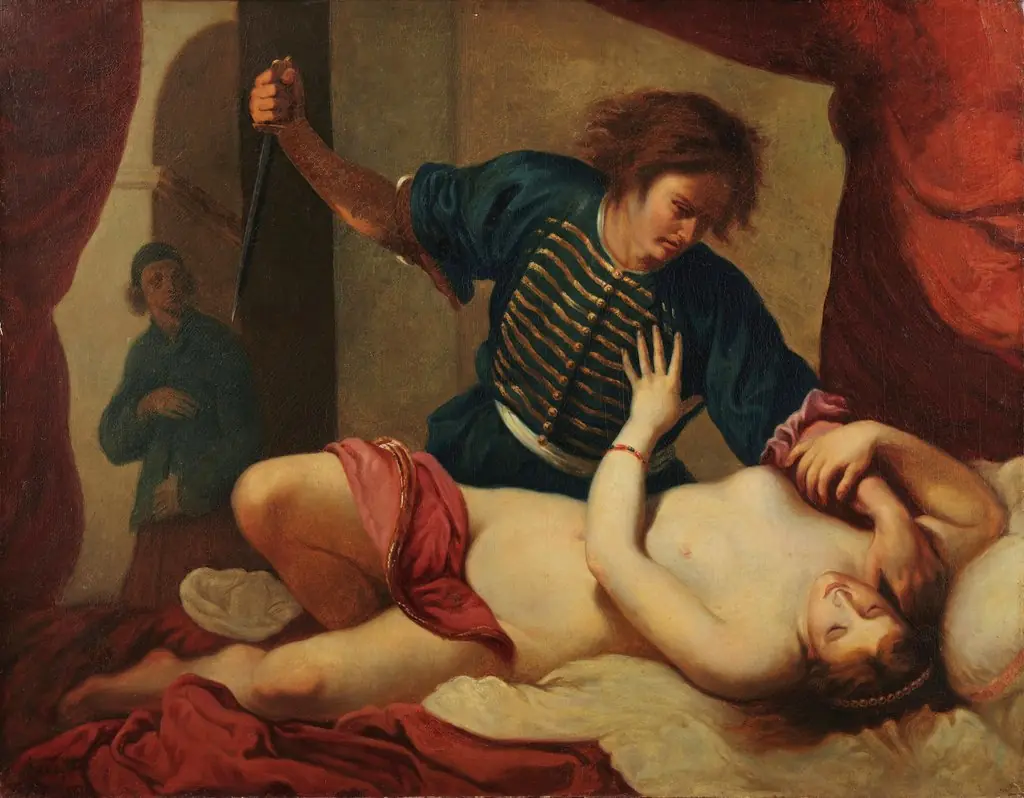 Tarquin and Lucretia
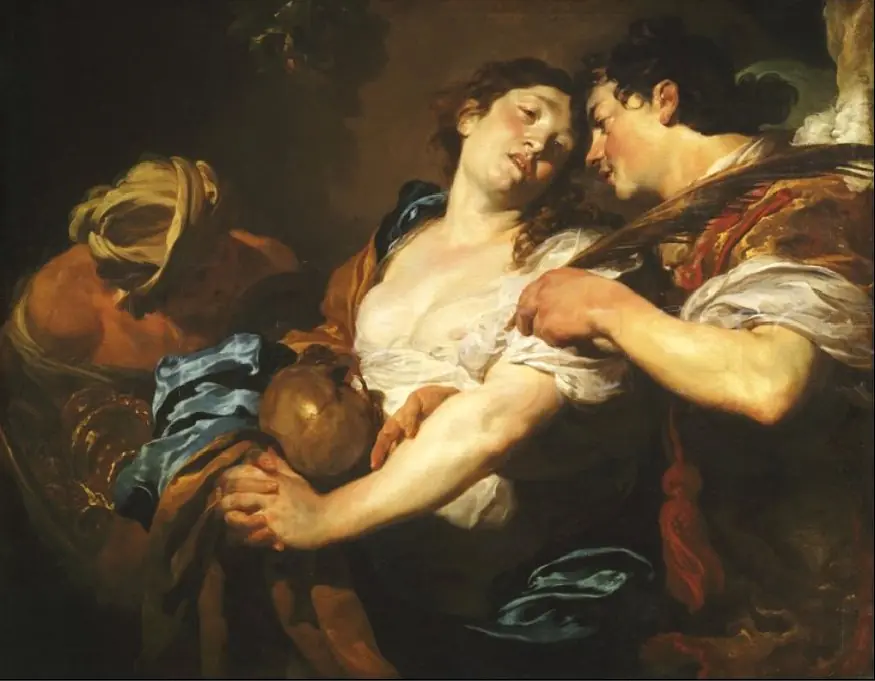 Temptation of Saint Mary Magdalen
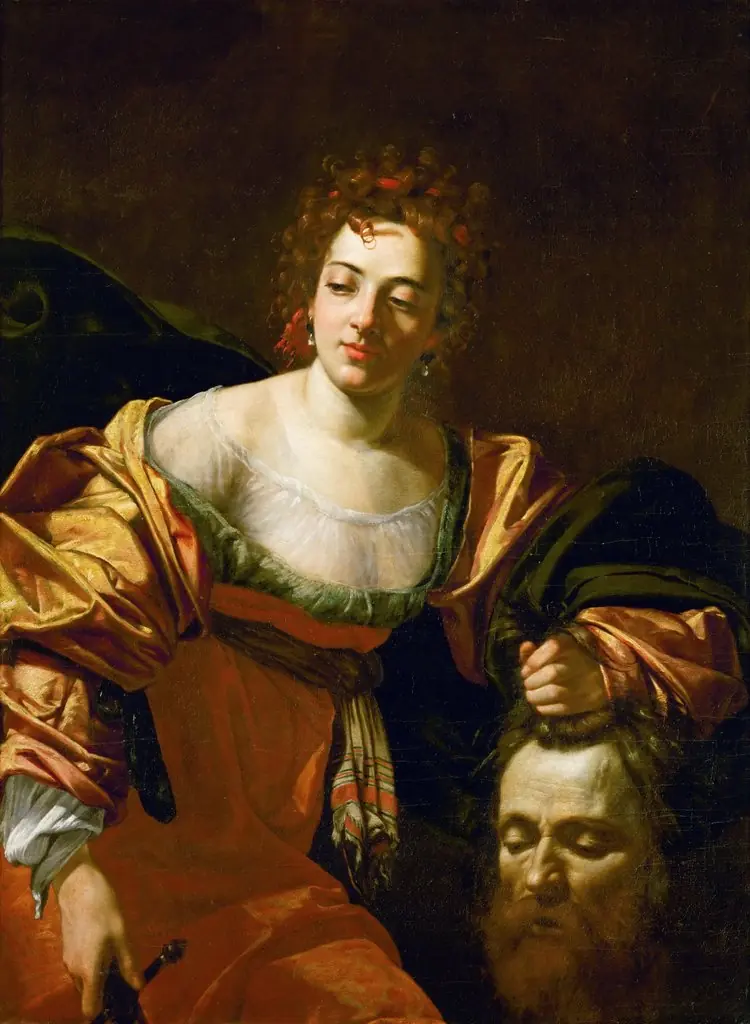 Judith with the Head of Holofernes
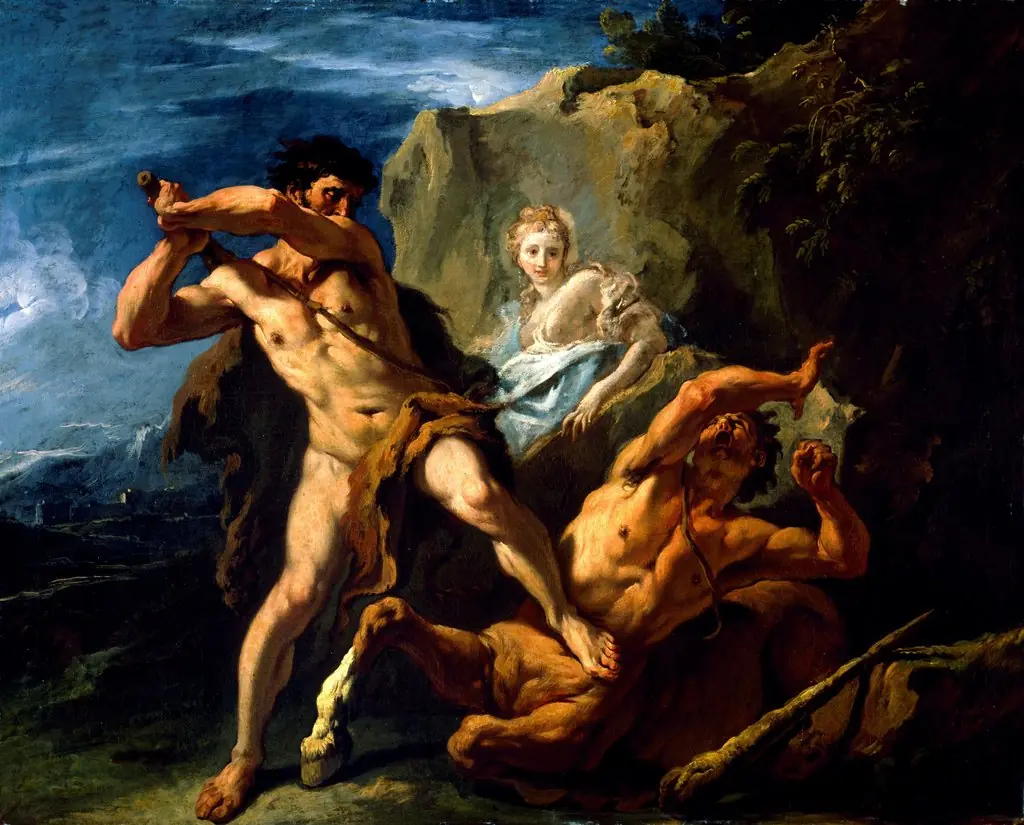 Hercules Killing the Centaur Nessus
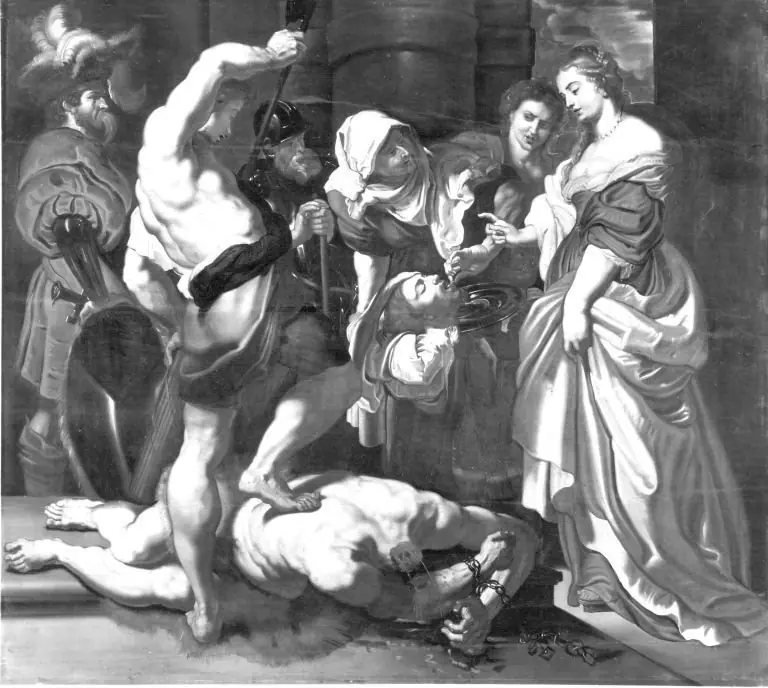 Salome is given the head of John the Baptist by the executioner
- Judith and the Head of Holofernes