Artwork
Allegory of Peace and Abundance
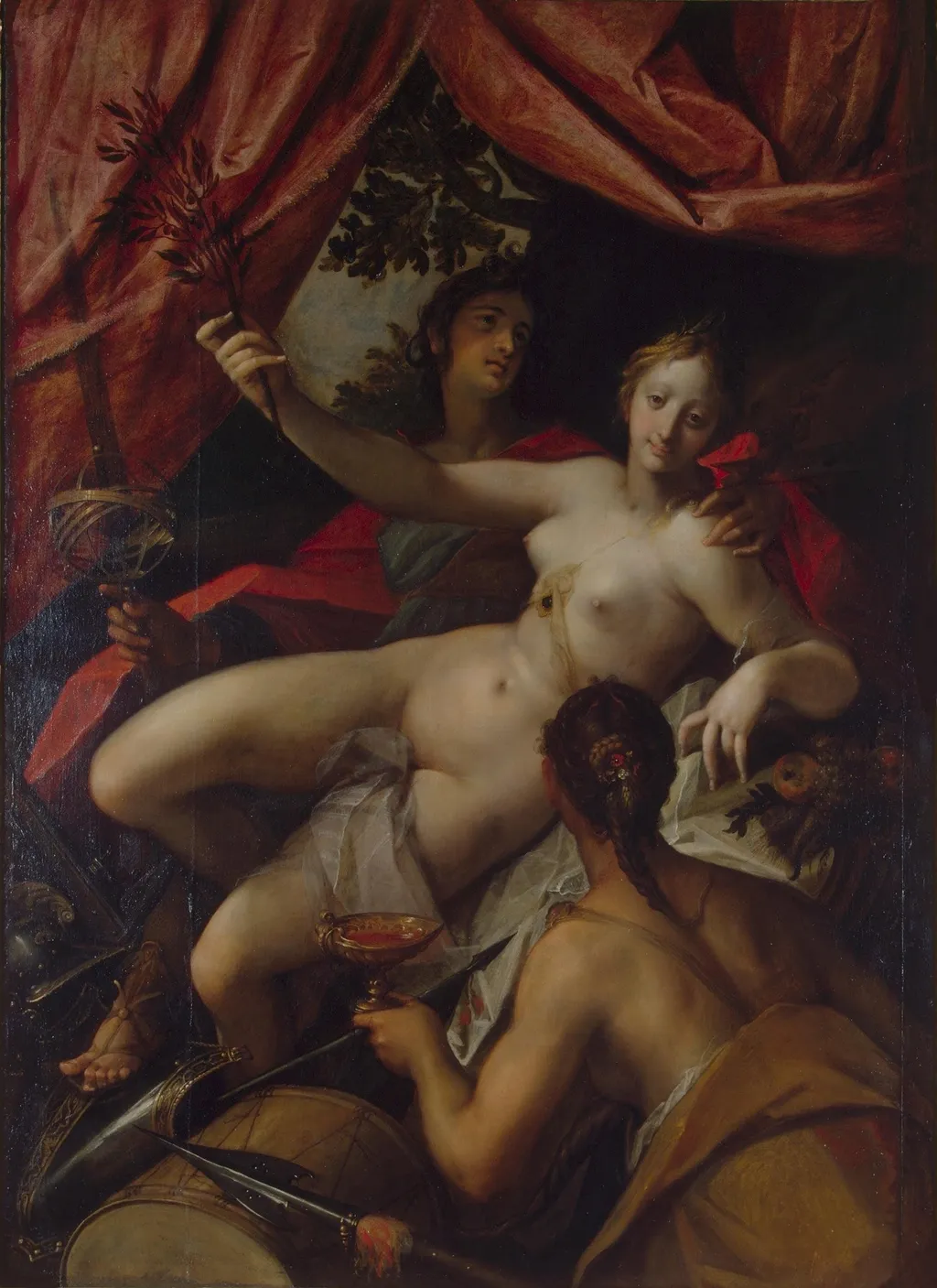
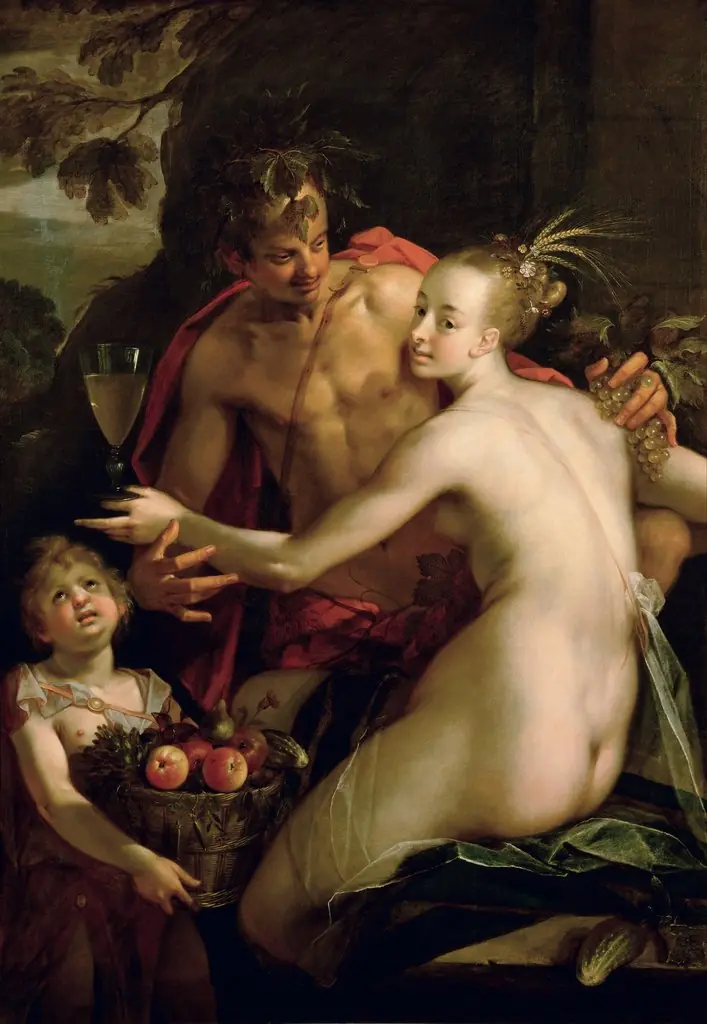
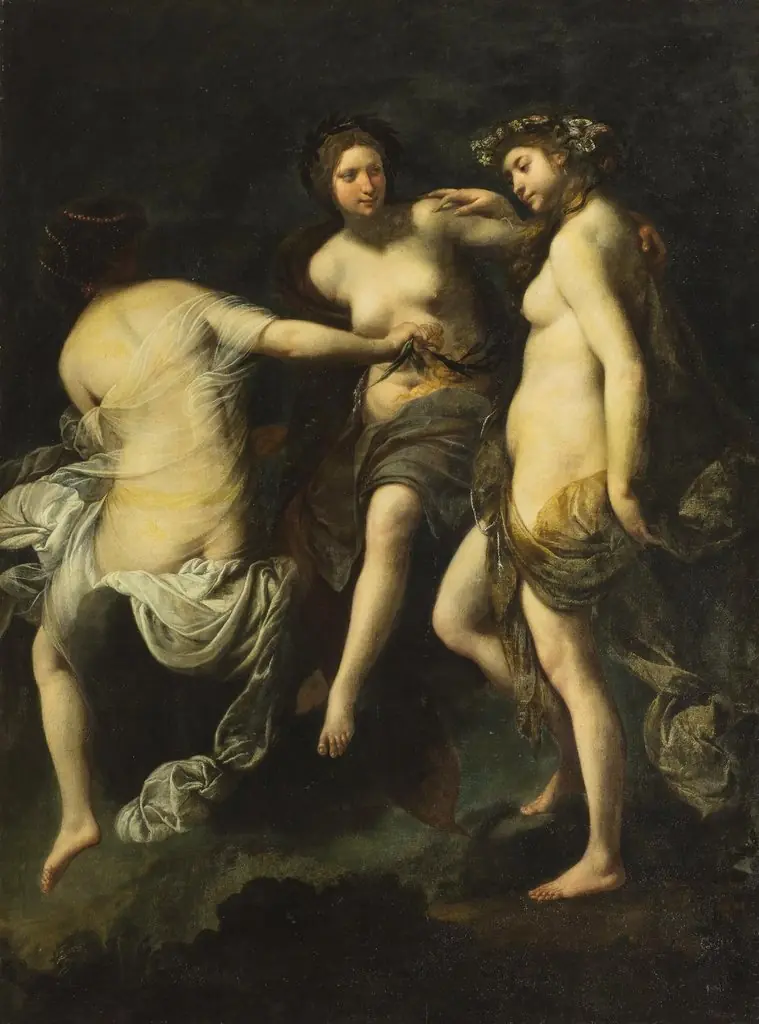
Allegory of Peace and Abundance is an oil painting by the Early Baroque Italian artist Hans von Aachen. It dates from 1602 and is held in the collection of the Hermitage Museum.
About this work
Subject & Meaning
The composition links these virtues to the cultural and political flourishing encouraged by Emperor Rudolf II’s patronage.
The painting presents three female allegorical figures personifying Peace, Science and the Liberal Arts, and Abundance. Peace is identified by an olive branch, Science and the Liberal Arts by a celestial globe and an artist’s palette, and Abundance by a drinking vessel and a cornucopia. The composition links these virtues to the cultural and political flourishing encouraged by Emperor Rudolf II’s patronage.
The inclusion of Peace, Art, and Abundance underscores the idealized harmony and prosperity that the emperor’s policies were meant to foster at his Prague court.
Technique & Style
Executed in oil on canvas in 1602, the painting measures 197 × 142 cm. Its handling blends Northern Mannerist elongation with Italianate chiaroscuro, using fine, layered glazes to build luminous flesh tones and metallic sheens on drapery. Three female personifications, Peace, Science/Art, and Abundance, are arranged on a shallow stage, their poses and contrapposto modeled with smooth transitions and attenuated proportions. Abundance’s cornucopia and Peace’s olive branch are rendered with crisp linear accents against softer, blended passages.
The composition’s curtain at left and controlled spotlighting heighten the allegory’s courtly elegance. No evidence of major structural damage is recorded, though surface inspection notes localized abrasion consistent with historic varnish removal.
History & Provenance
The Allegory of Peace and Abundance was created in 1602 by the German artist Hans von Aachen, emerging from the artistic milieu of the court of Holy Roman Emperor Rudolf II. The painting was produced in Germany and is executed in oil paint on canvas. It entered the Hermitage Museum's collection in 1925, having previously been held at Gatchina Palace, from which it was transferred to the museum.
The painting is held in the collection of the Hermitage Museum. It entered the museum's holdings in 1925, having been transferred from the Gatchina Palace. While specific inventory or accession numbers are not detailed in the available records, the work's provenance traces its movement from the imperial context of Rudolf II's court to the Gatchina Palace before its final acquisition by the Hermitage in the early twentieth century. The provided sources do not list specific exhibition history for this work.
Context
The Allegory of Peace and Abundance (1602) by Hans von Aachen exemplifies the allegorical tradition of the Rudolfine court, where personified virtues and sciences celebrate imperial patronage. Its composition unites three female figures, Peace with an olive branch, Science and the Liberal Arts with a sphere and palette, and Abundance with a goblet and cornucopia, reflecting the emperor’s policy of cultural flourishing. The painting’s provenance to the Hermitage, acquired in 1925 from Gatchina Palace, situates it within a broader collection of Rudolfine works.
Scholarly assessments note its technical mastery and the nuanced treatment of nudity and symbolism, marking it as a pivotal example of late‑Mannerist allegory in Central European art.
Overview
Hans von Aachen's 1602 oil painting, Allegory of Peace, Art and Abundance, depicts three female personifications within an opulent interior. This work exemplifies the artistic style cultivated at the court of Holy Roman Emperor Rudolf II, where it was created. The composition symbolically celebrates the prosperity and cultural flourishing attributed to the emperor's reign, presenting a detailed visual narrative through its figures and their attributes.
Own this work as a print
Artist & collection
Artist
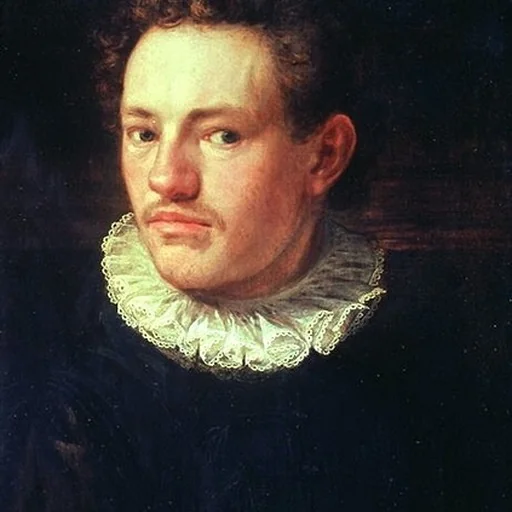
Hans von Aachen (1552 – 4 March 1615) was a German painter who was one of the leading representatives of Northern Mannerism.