Artwork
David Garrick
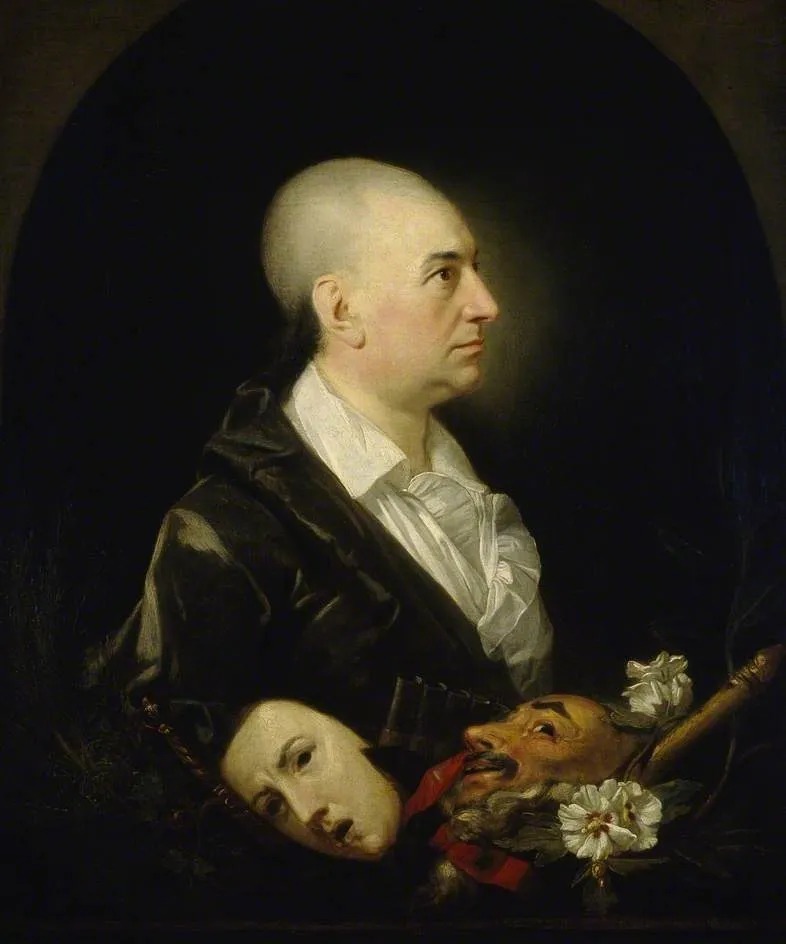
David Garrick is an oil painting by the Rococo painting artist Johann Zoffany. It dates from 1762 and is held in the collection of the Ashmolean Museum.
About this work
Overview
The painting is held in the Ashmolean Museum’s collection, where it contributes to the study of 18th-century British portraiture and theatrical culture.
Johann Zoffany’s 1762 oil portrait of David Garrick captures the renowned English actor in a quiet, contemplative moment. Painted during Zoffany’s time in England, the work reflects his skill in rendering character through subtle detail rather than theatrical flourish. The painting is held in the Ashmolean Museum’s collection, where it contributes to the study of 18th-century British portraiture and theatrical culture.
Subject & Meaning
David Garrick, celebrated for his naturalistic acting style, is portrayed without costume or dramatic pose, emphasizing his identity as an artist rather than a character. The male and female masks before him symbolize the duality of theatrical performance, while the flowers and staff may allude to the ephemeral nature of stage life. His shaved head and neutral expression suggest introspection, distancing the image from spectacle and inviting focus on the man behind the roles.
Technique & Style
Zoffany employs a restrained palette and precise brushwork, characteristic of his academic training and Rococo-influenced sensibility. Light falls softly across Garrick’s face and the objects before him, creating gentle contrasts without dramatic chiaroscuro. The textures of fabric, wood, and petals are rendered with quiet attention, reinforcing the portrait’s intimate tone and avoiding the ornamental excesses common in contemporaneous works.
History & Provenance
Painted in 1762, the portrait was likely commissioned during Garrick’s peak fame. Zoffany, a German-born artist who settled in England, cultivated relationships with prominent cultural figures. The painting remained in private hands before entering the Ashmolean Museum’s collection, where it has been studied as both a likeness of a leading actor and an example of Zoffany’s evolving portraiture in Britain.
Context
In mid-18th-century London, theater was central to public life, and Garrick was its most influential figure. Zoffany’s portrait aligns with a broader trend of depicting artists not as idealized figures but as thoughtful individuals. The inclusion of theatrical symbols reflects a growing interest in the psychology of performance, mirroring Enlightenment-era inquiries into identity and representation.
Legacy
The portrait endures as a quiet testament to the intersection of art and performance in Georgian England. It influenced later depictions of actors as complex personalities rather than mere entertainers. While not widely exhibited, its presence in the Ashmolean ensures its role in scholarly discussions on portraiture, theatrical history, and the visual culture of the 18th century.
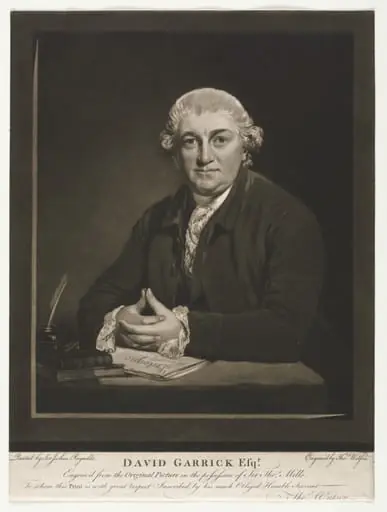
Artist & collection
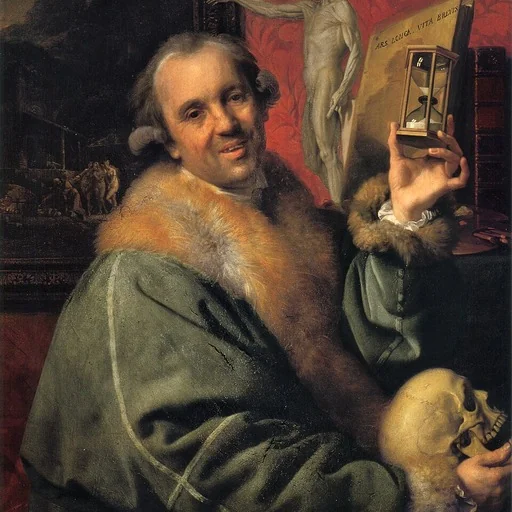
Artist
Johan / Johann Joseph Zoffany (born Johannes Josephus Zaufallij; 13 March 1733 – 11 November 1810) was a German neoclassical painter who was active mainly in England, Italy, and India.

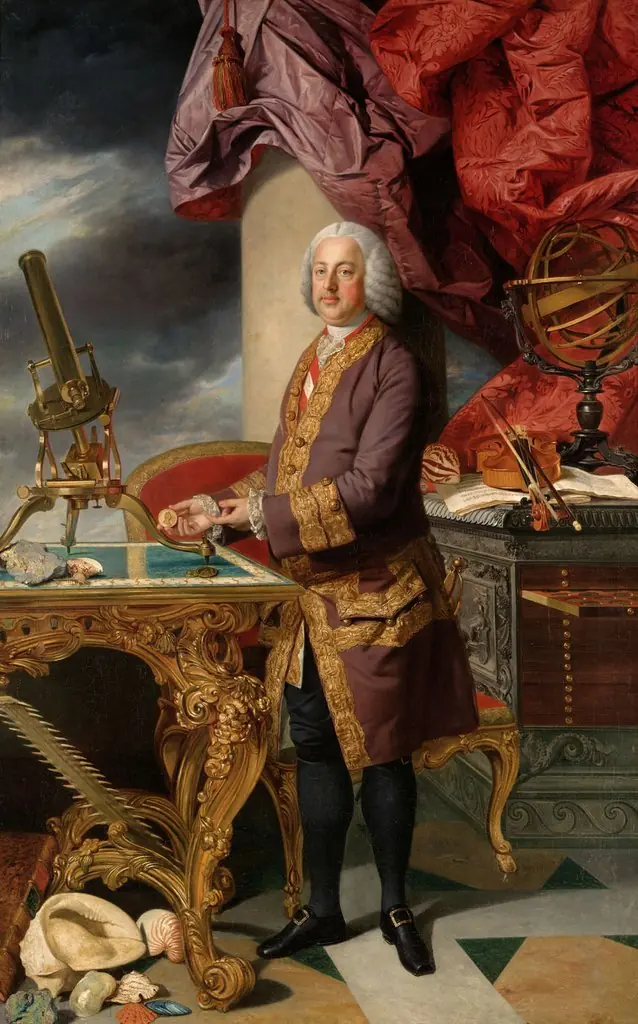 François Ier du Saint-Empire et sa collection d'histoire naturelle
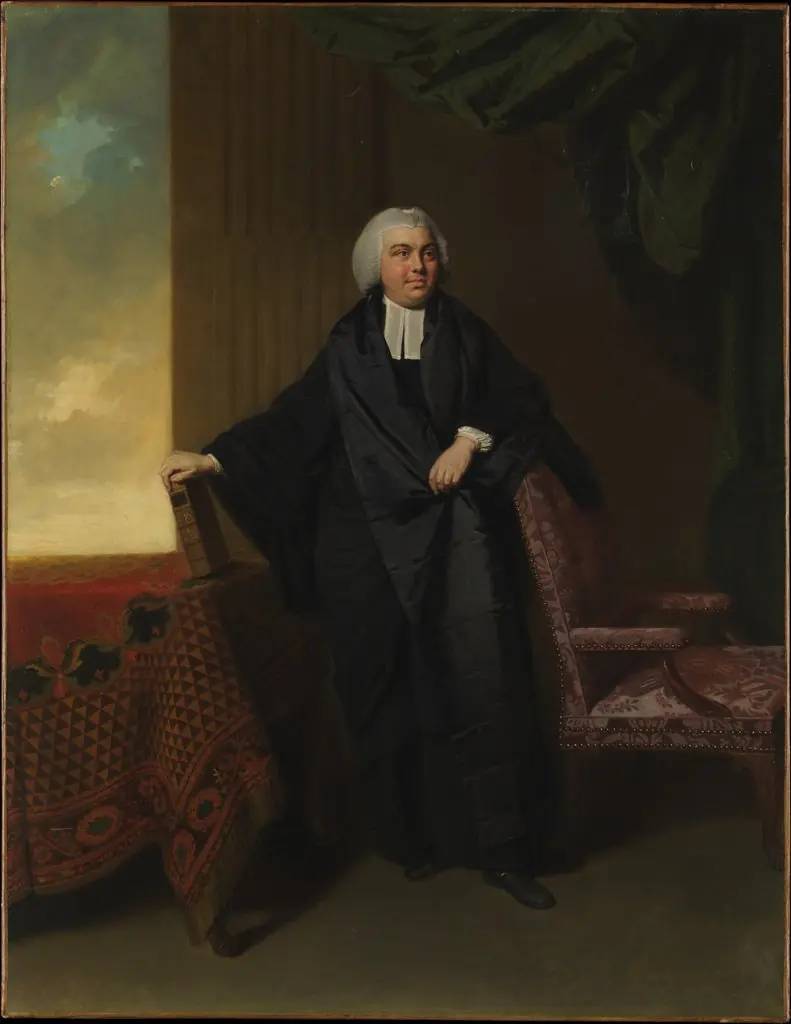 The Reverend Philip Cocks (1735–1797)
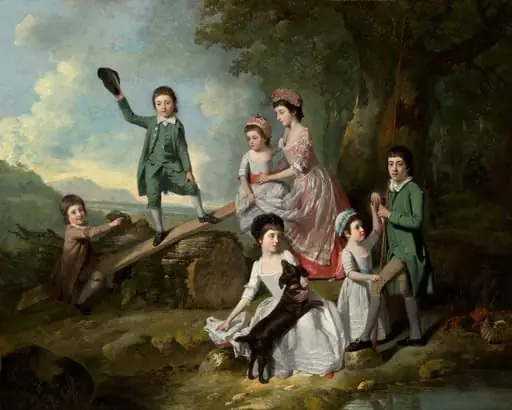 The Lavie Children
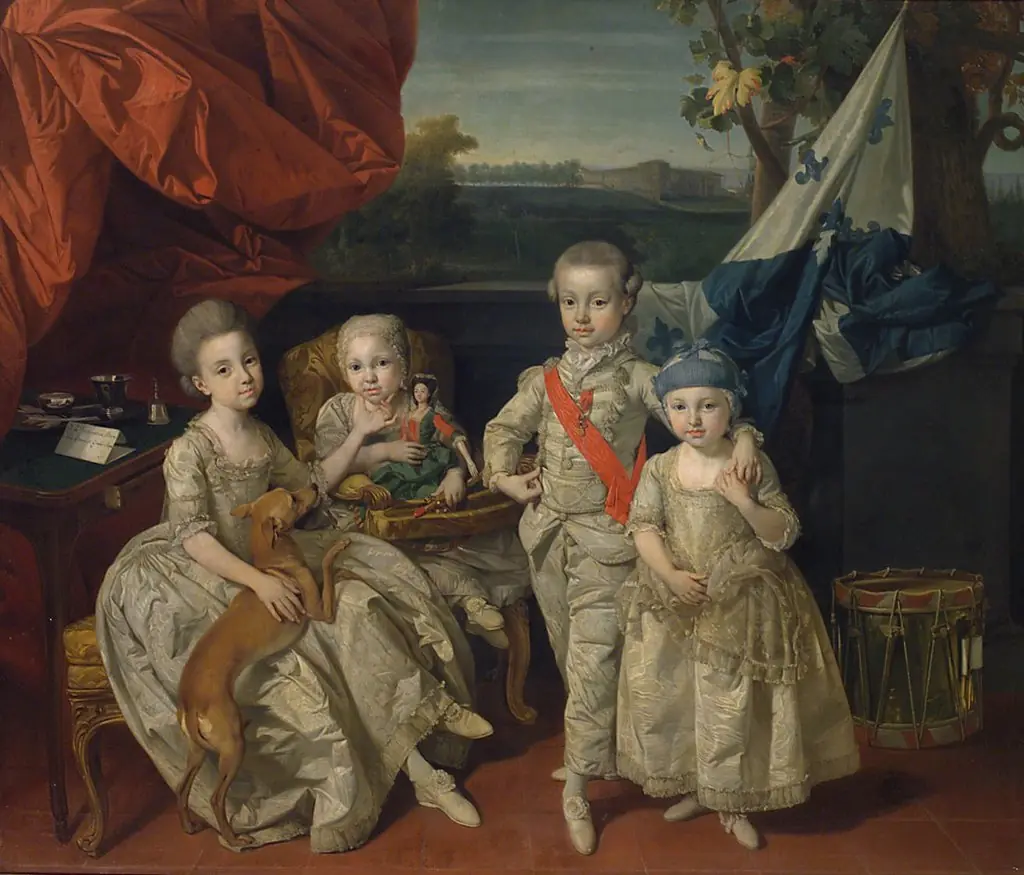 Prinz Ludwig von Parma (1773-1803) mit seinen drei ältesten Geschwistern Karoline (1770-1804), Marie Antonie (1774-1841) und Charlotte (1777-1813)
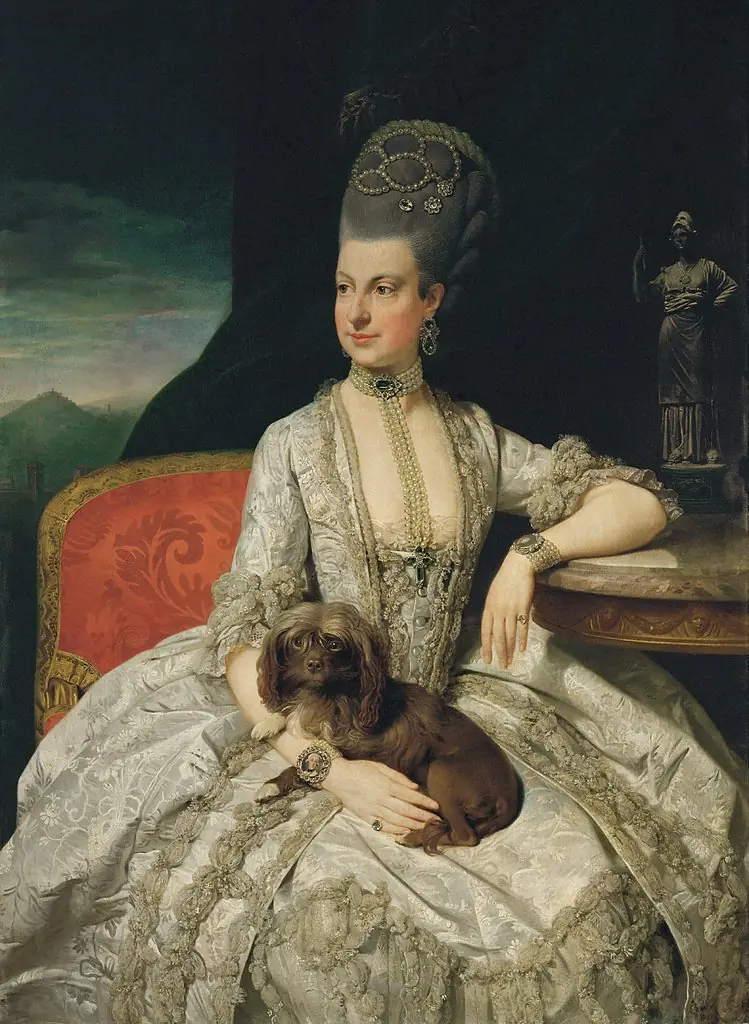 Archduchess Maria Christina, Duchess of Teschen, (1742-1798)
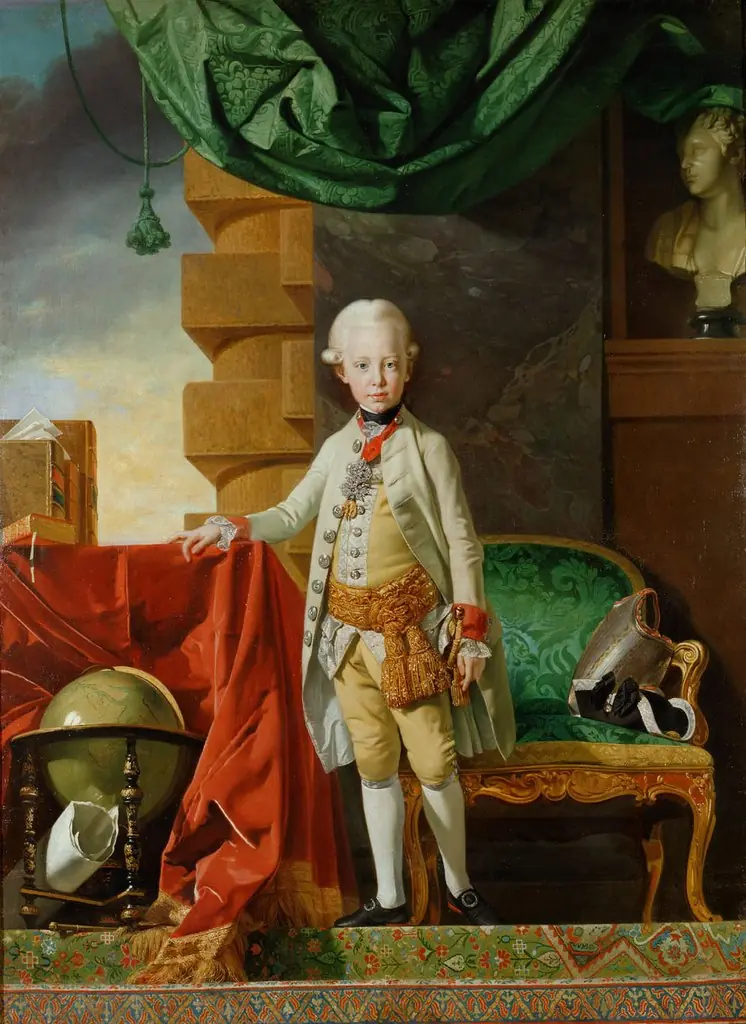 Portrait of Francis of Austria (1768-1835)
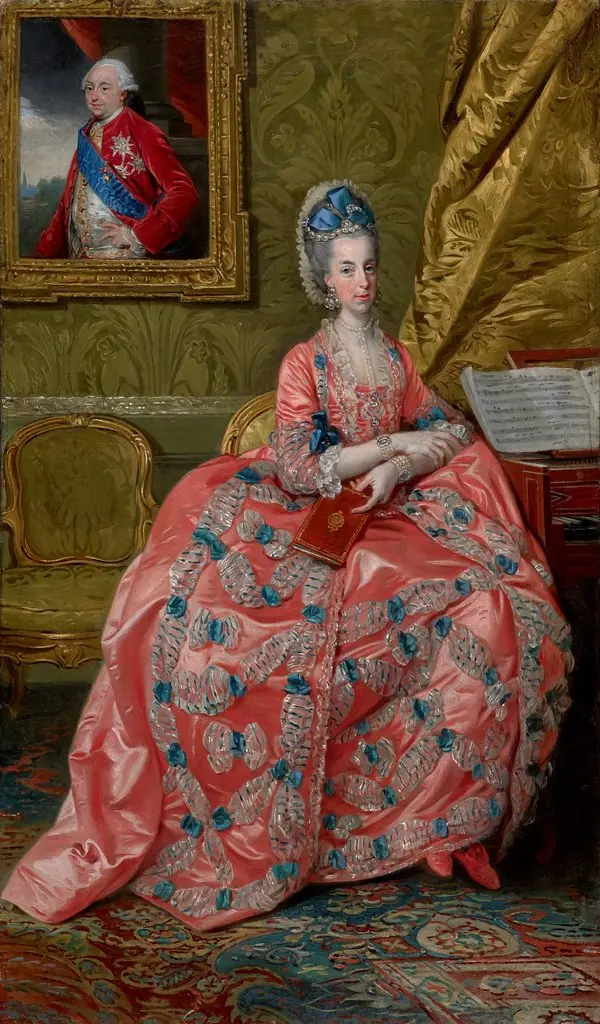 Portrait of the Archduchess Maria Amalia of Austria, Duchess of Parma
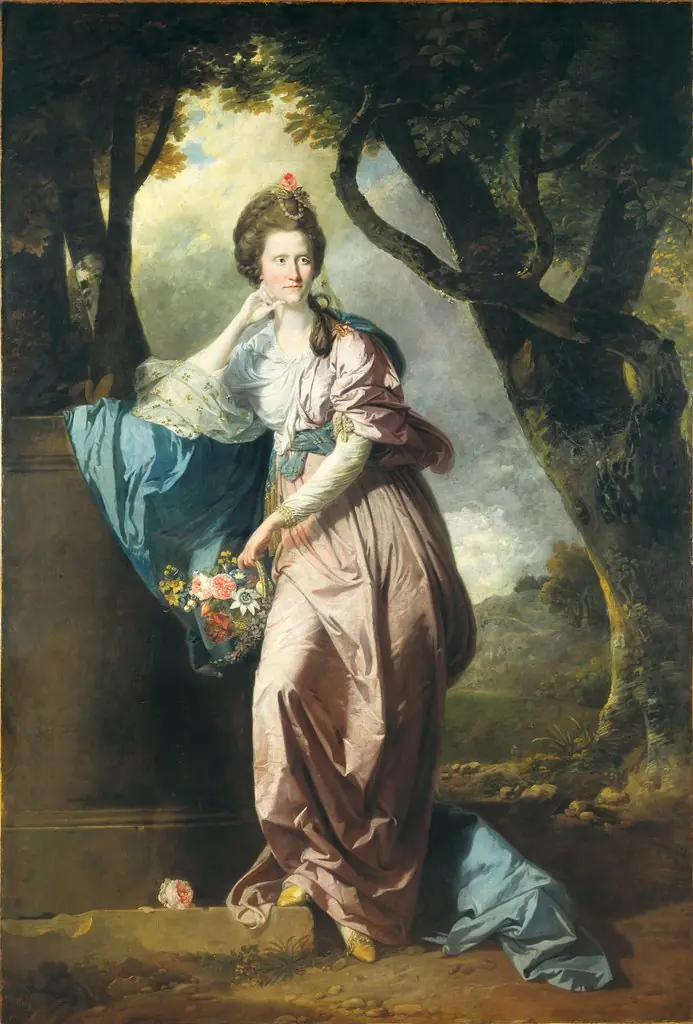 Mrs Woodhull
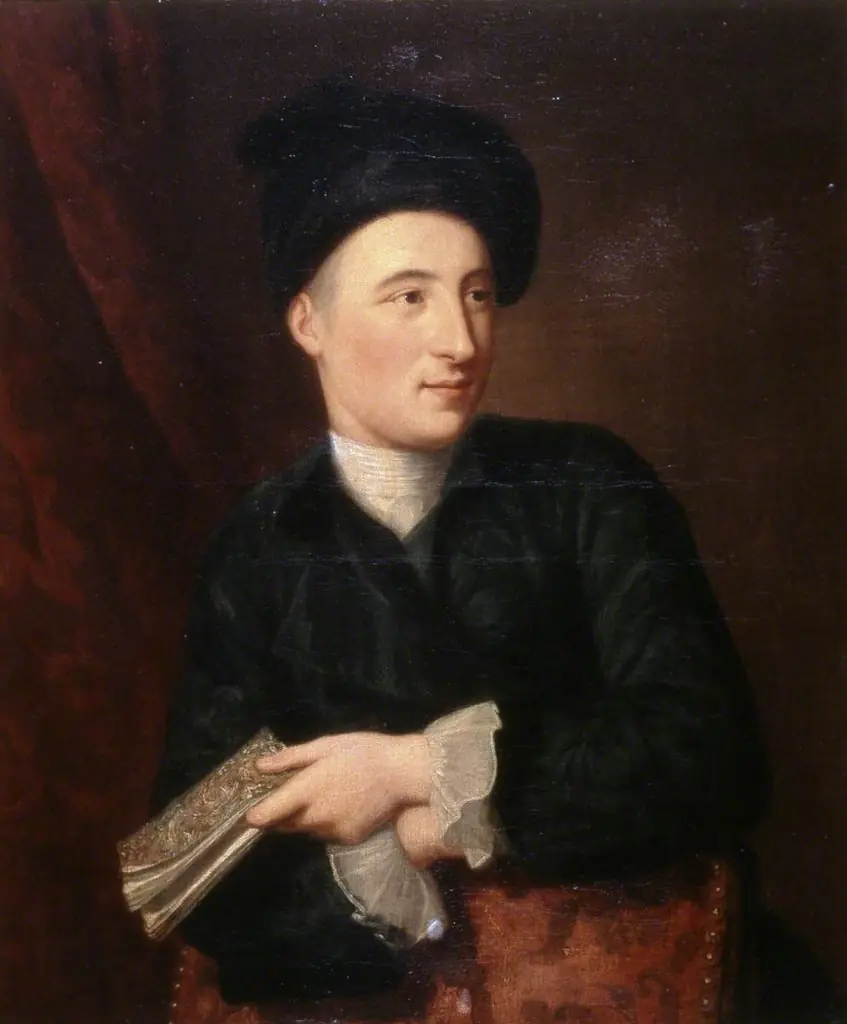 Dr Matthew Maty (1718–1776), Principal Librarian (1772–1776)
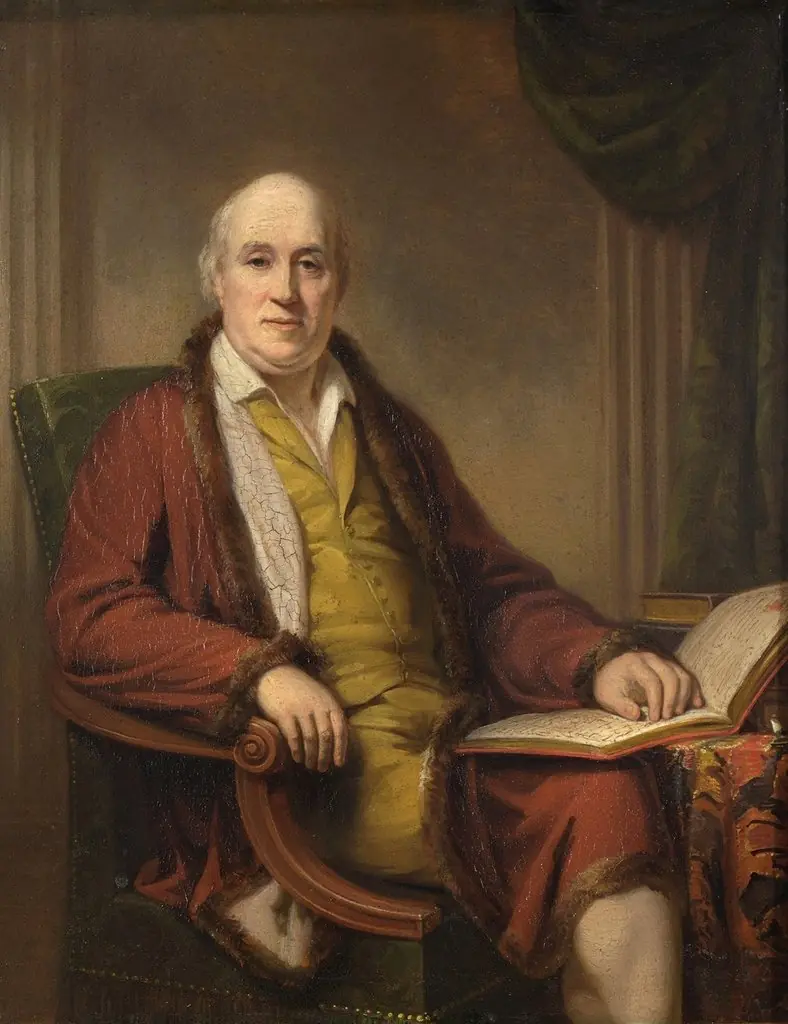 Richard, 7th Viscount Fitzwilliam of Merrion
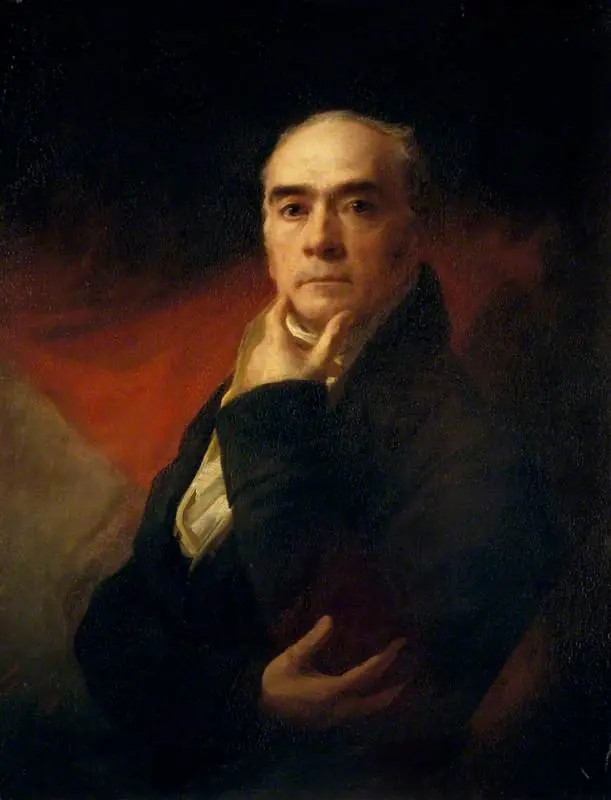 Self-portrait
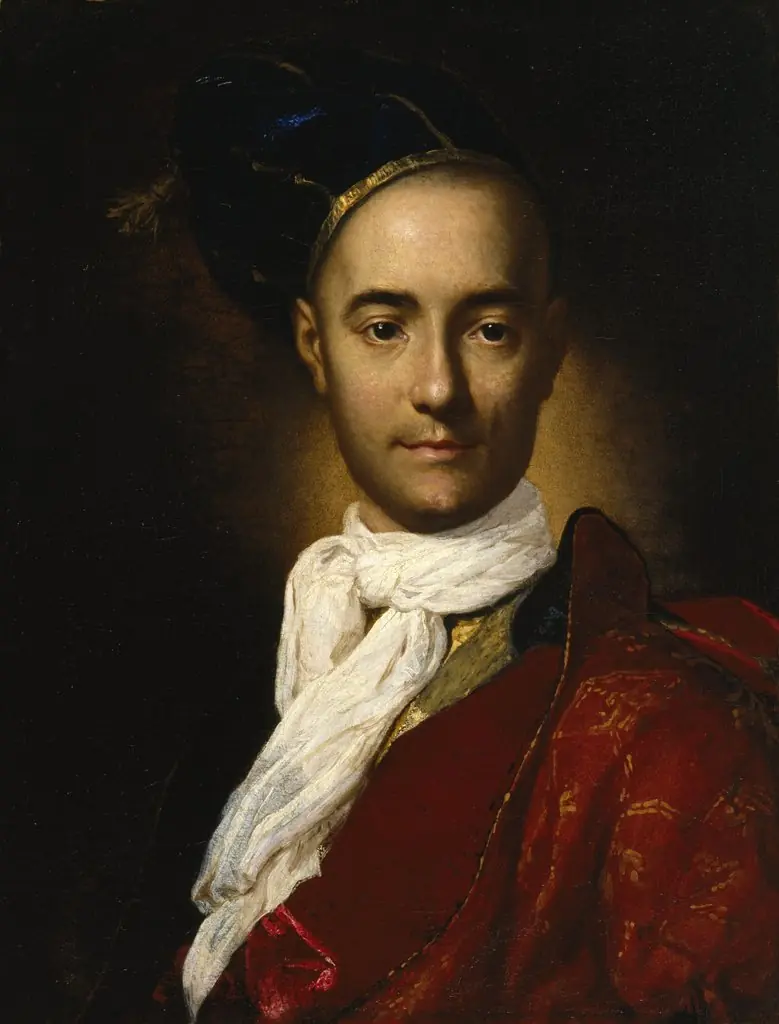 Portrait of a Young Nobleman
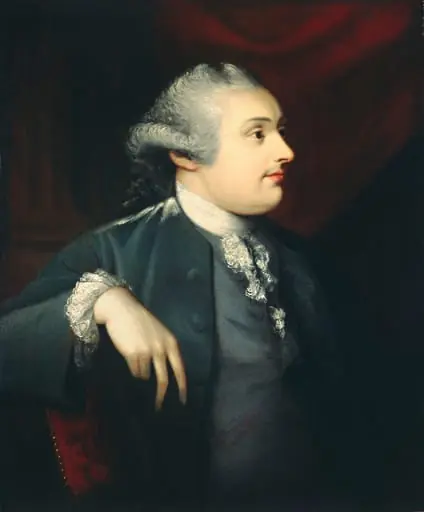 William Henry Cavendish Bentinck, 3rd Duke of Portland
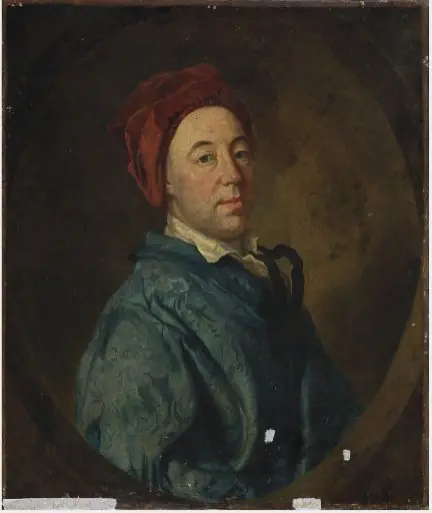 Self-Portrait
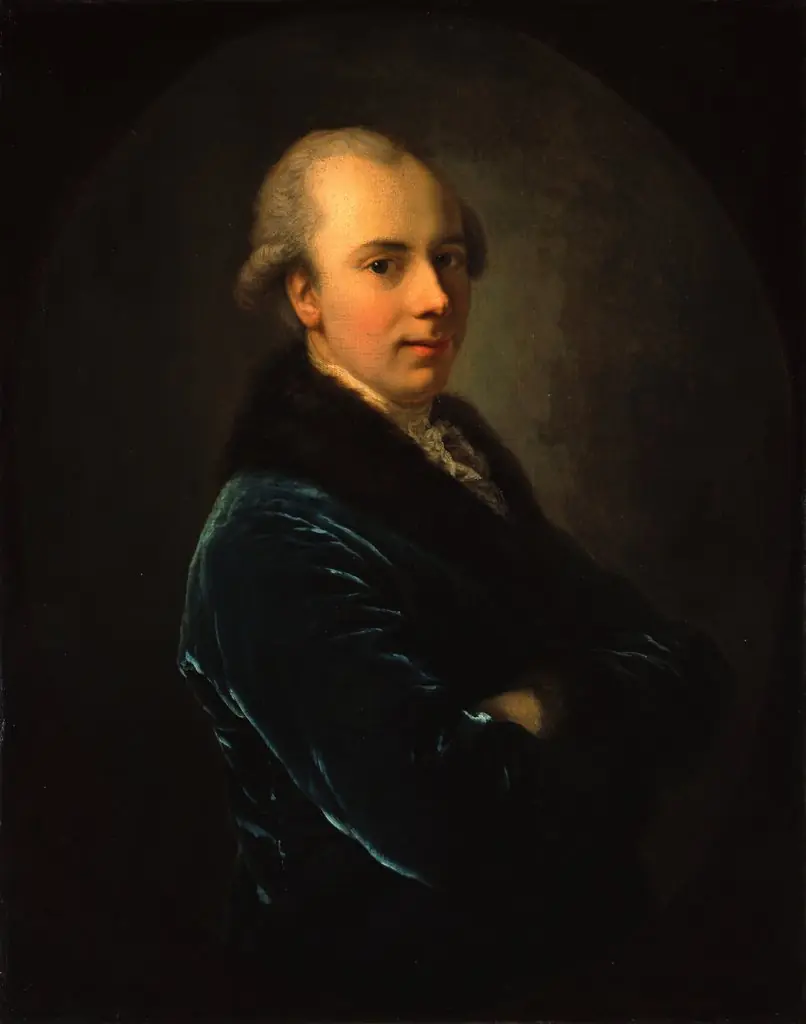 Portrait of Georg Friedrich von Martens
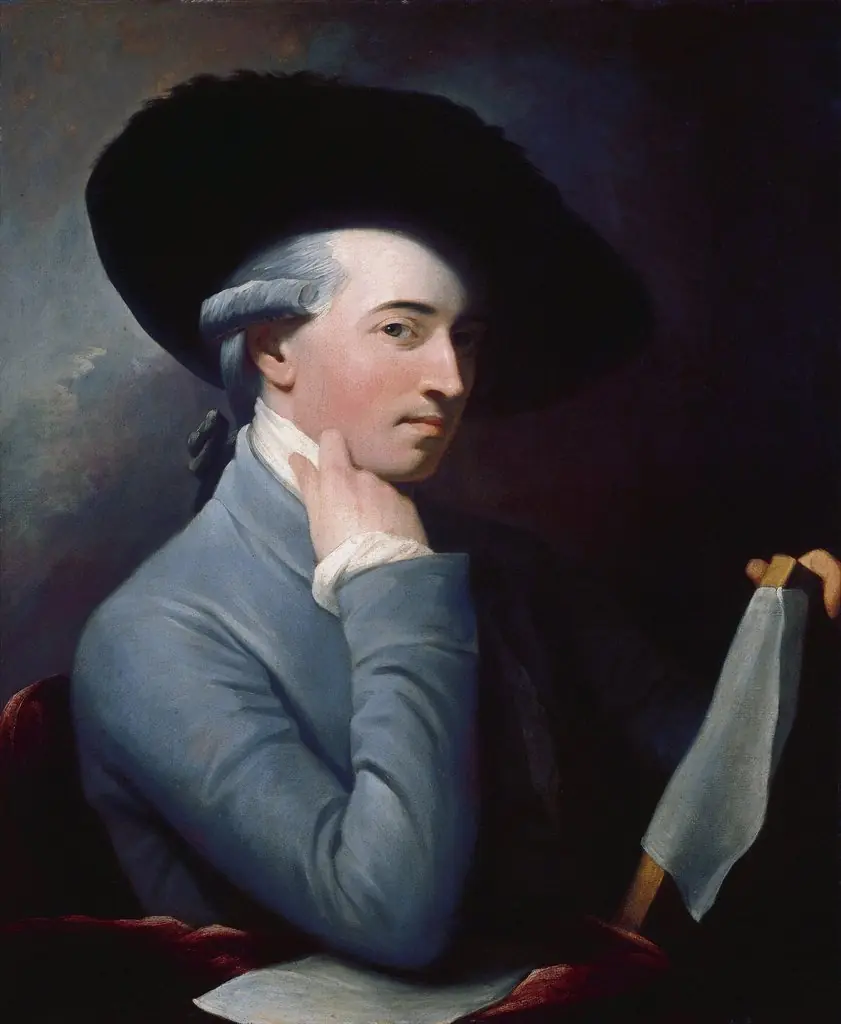 Selbstporträt
 Benjamin West
 Oliver Goldsmith
 Porträt eines Mannes (Johann Joachim Winckelmann?)
- David Garrick