Artwork
The Lavie Children
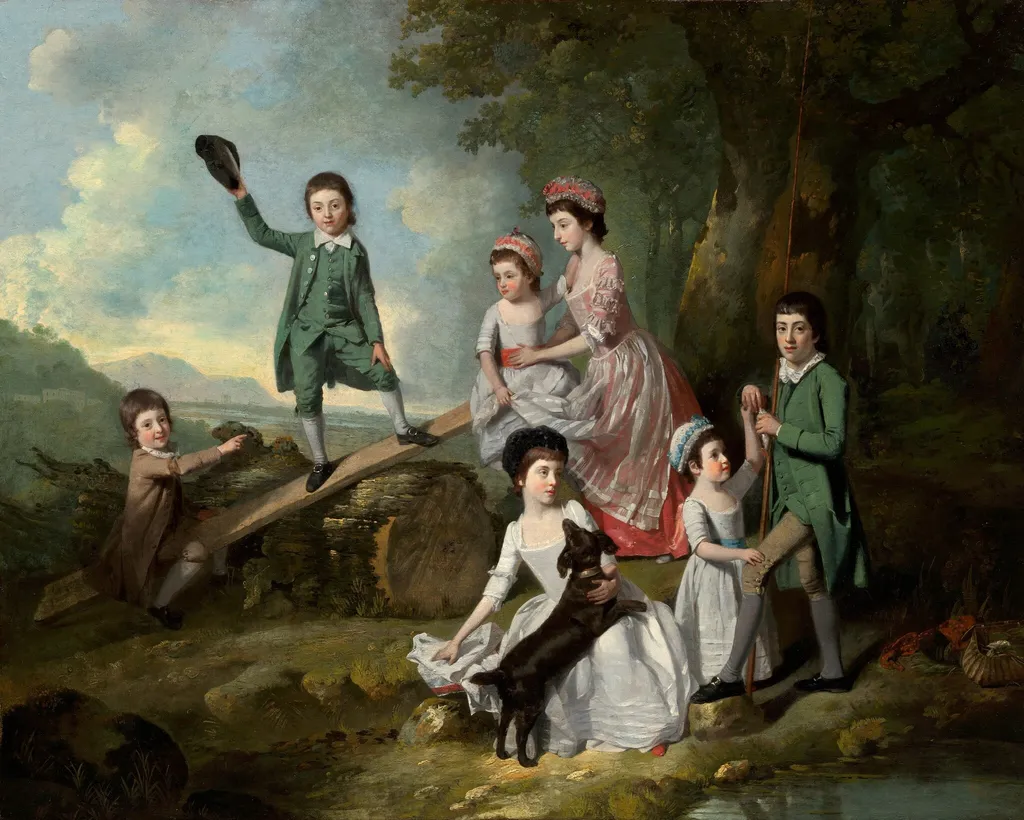
The Lavie Children is an oil painting by the Rococo painting artist Johann Zoffany. It dates from 1770 and is held in the collection of the National Gallery of Art. Created around 1770, this oil on canvas presents a group of six children in elaborate eighteenth‑century attire engaged in outdoor play.
About this work
Technique & Style
Its dimensions and material composition reflect standard practices for group portraits of the era, balancing intimate detail with a sense of familial presence.
Johann Zoffany executed The Lavie Children in 1770 using oil paint applied to a canvas support. The work measures 102.5 cm in height and 127.6 cm in width. Created as a family portrait, the painting depicts the children of Germain Lavie in a formal composition characteristic of Zoffany's portraiture from this period.
The medium of oil on canvas allowed for the detailed rendering of the sitters' features and attire, consistent with the artist's known handling of the genre during the late 18th century.
The painting has remained in good condition since its creation, preserving the original brushwork and color palette intended by the artist. Its dimensions and material composition reflect standard practices for group portraits of the era, balancing intimate detail with a sense of familial presence.
History & Provenance
The Lavie Children was painted by Johann Zoffany in 1770, executed in oil on canvas. The work was commissioned by Germain Lavie of Putney, London, who died in 1781. It then descended through his family, passing by inheritance to his daughter Emilia Lavie Lechmere, one of the children depicted in the picture, and subsequently through successive generations: her son John Lechmere, his widow Sophie Lechmere, her nephew Charles Luther Lechmere, his sister Grace Lechmere Reynolds, and finally Reynolds's daughter Grace Reynolds Lewis in London.
This family line of descent was documented by Grace Lewis in an 18 August 1960 letter to John Nicholson Gallery, a copy of which is held in the NGA curatorial files.
The painting entered the commercial market on 29 June 1960 at Sotheby's, London (lot 46). It was then handled by Frost & Reed in London and the John Nicholson Gallery in New York before being purchased in October 1960 by Paul Mellon of Upperville, Virginia. Mellon gave the work to the National Gallery of Art in 1983.
The painting entered the collection of the National Gallery of Art in Washington, D.C., in 1983 as a gift from Paul Mellon, who had acquired it in October 1960. Prior to this acquisition, the work appeared at a Sotheby's auction in London on June 29, 1960, following a long period of descent through the Lavie and Lechmere families. Before reaching the museum, it passed through the hands of dealers Frost & Reed in London and the John Nicholson Gallery in New York.
The specific inventory or accession number for the work within the National Gallery of Art is not provided in the available records. Furthermore, while the piece changed ownership several times during the twentieth century, no public exhibition history prior to its donation is documented in the current sources.
Legacy
The painting has remained in the National Gallery of Art collection since its acquisition in 1960, shaping scholarly attention to Zoffany’s domestic genre scenes and reinforcing the artist’s reputation for intimate family portraiture, a legacy underscored by its continued display and study within the museum’s programming. Its provenance, traced through several generations of the Lavie and Lechmere families before its purchase by Paul Mellon, illustrates a clear chain of inheritance that has contributed to its documented history and scholarly interpretation.
The work’s presence in a major American institution has also facilitated exhibitions and publications that highlight its significance within 18th-century British portraiture, thereby influencing how later artists and curators approach the genre.
Overview
Created around 1770, this oil on canvas presents a group of six children in elaborate eighteenth‑century attire engaged in outdoor play. The composition reflects the light, decorative qualities typical of the Rococo period, emphasizing elegance and a leisurely atmosphere.
Subject & Meaning
The figures include a boy balancing on a narrow beam, two girls seated on rocks, one cradling a dog and the other leaning against a tree, and additional children holding sticks or gazing outward. Their costumes, from ruffled skirts to flower crowns, suggest a portrayal of a privileged family’s informal recreation.
Context
During the late eighteenth century, aristocratic families often commissioned scenes that combined portraiture with genre elements, reflecting both status and the era’s taste for pastoral leisure. Zoffany’s choice of an outdoor setting aligns with contemporary Rococo interests in nature, play, and refined elegance.
Own this work as a print
Artist & collection
Artist
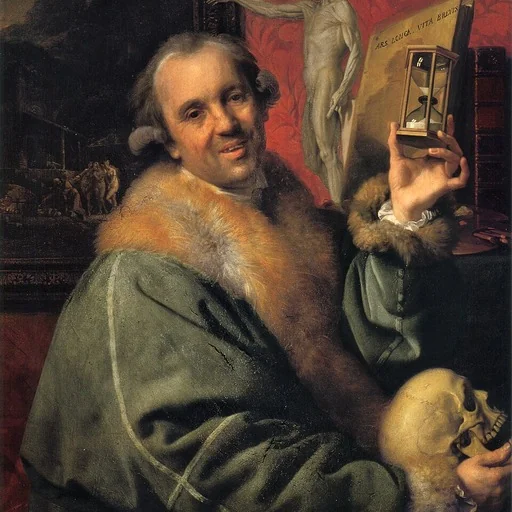
Johan / Johann Joseph Zoffany (born Johannes Josephus Zaufallij; 13 March 1733 – 11 November 1810) was a German neoclassical painter who was active mainly in England, Italy, and India.

 Portrait of Carolina Wilhelmina of Orange (1743-1787) and her Children
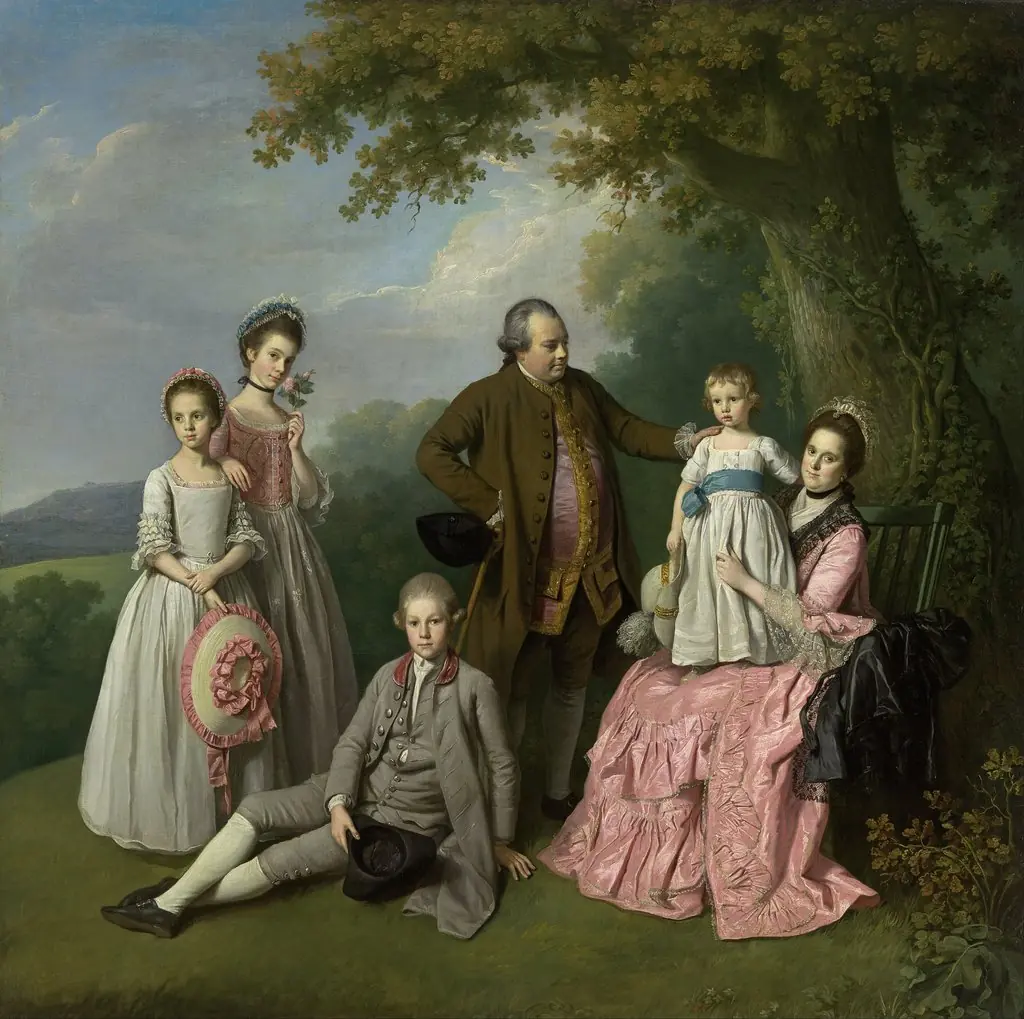 The Pybus family
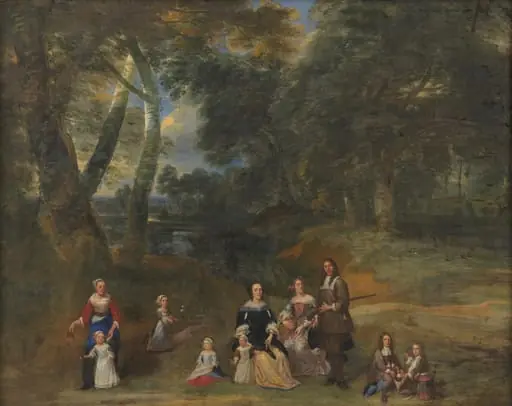 Family Group in a Landscape
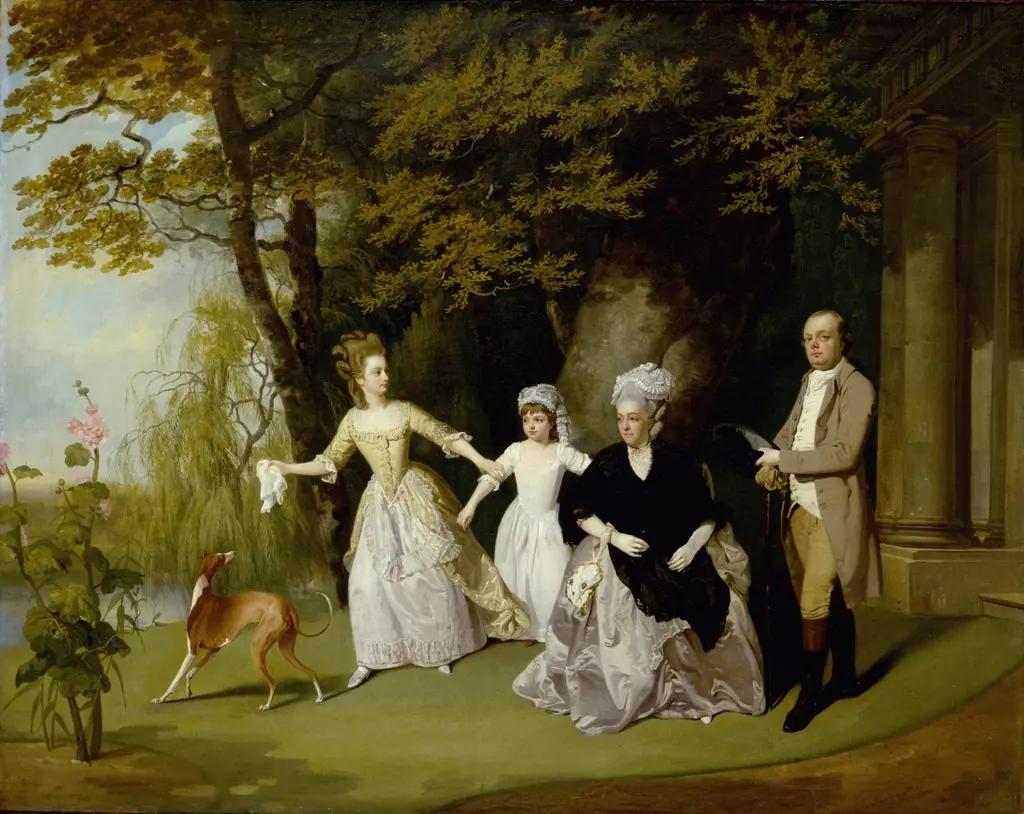 The Wilkinson Family
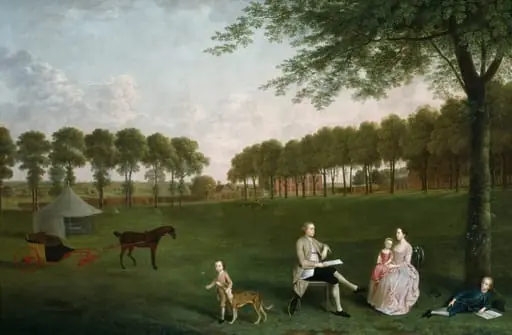 Sir John Shaw and his Family in the Park at Eltham Lodge, Kent
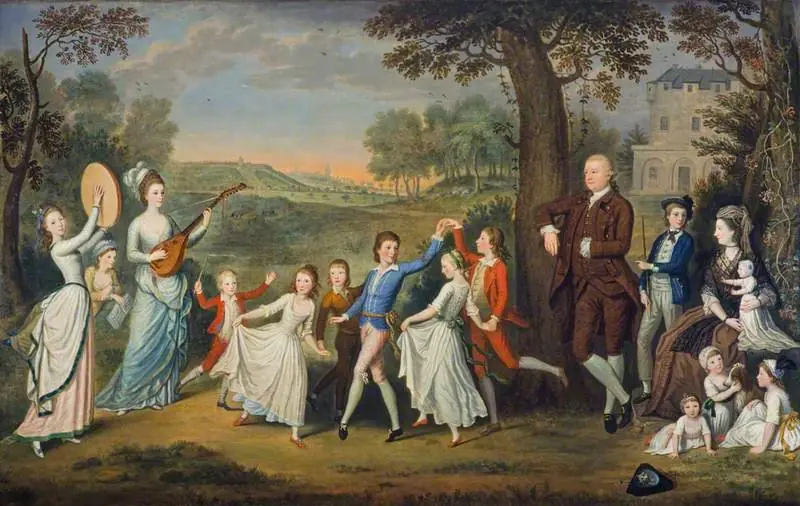 Sir John Halkett of Pitfirrane, 4th Bart (1720 - 1793), Mary Hamilton, Lady Halkett and their Family
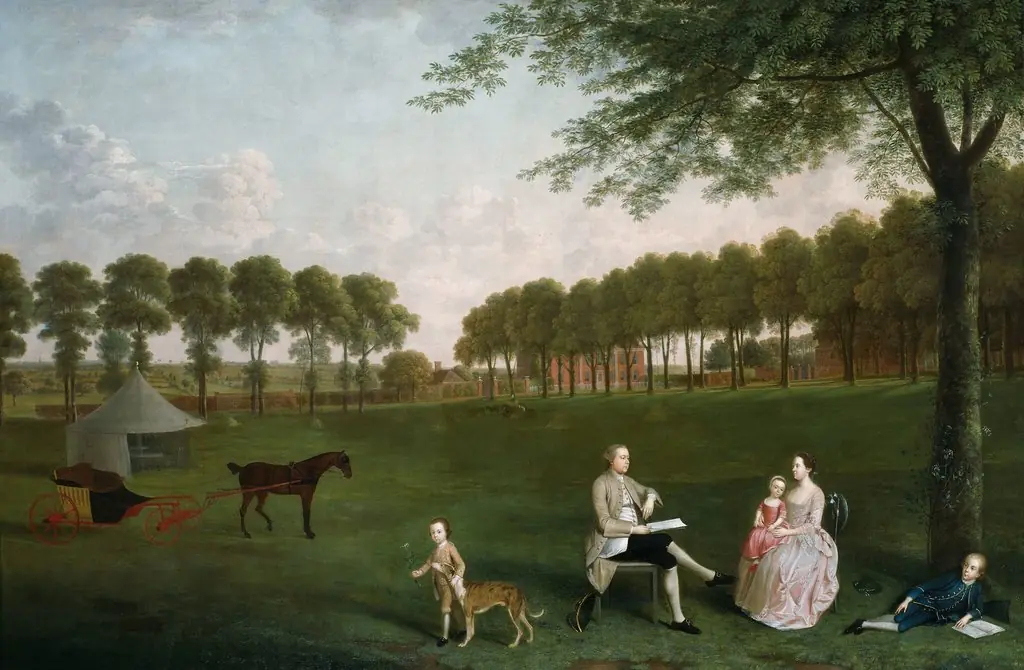 Sir John Shaw and his Family in the Park at Eltham Lodge, Kent
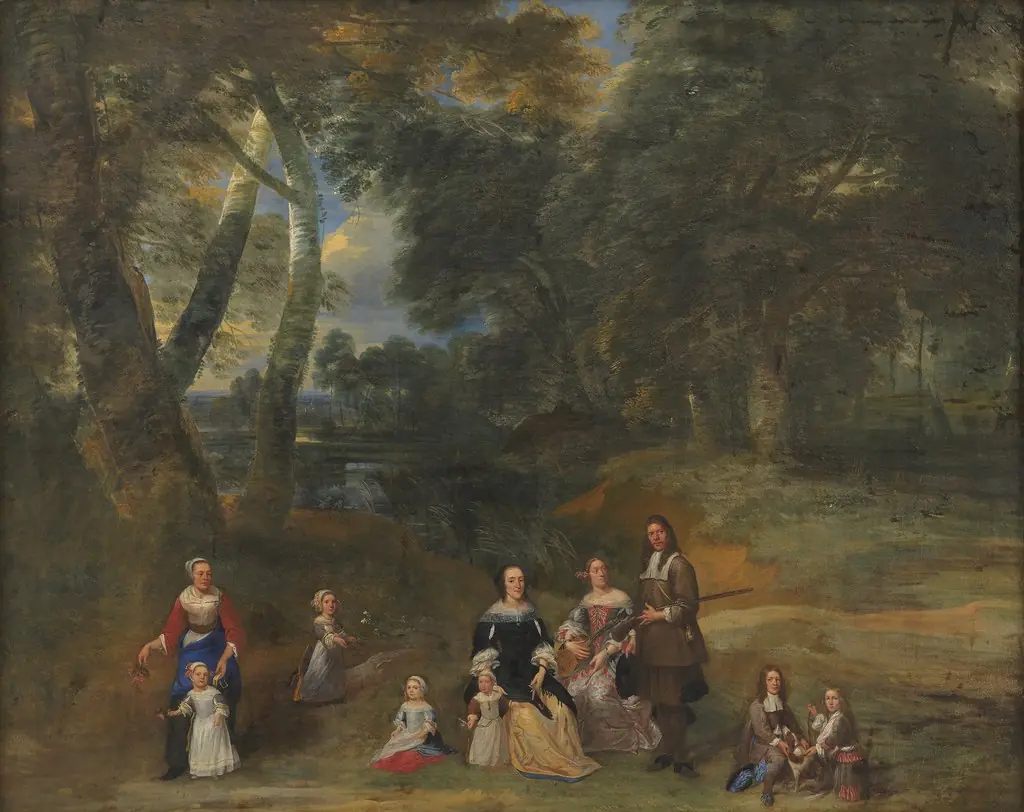 Family Group in a Landscape
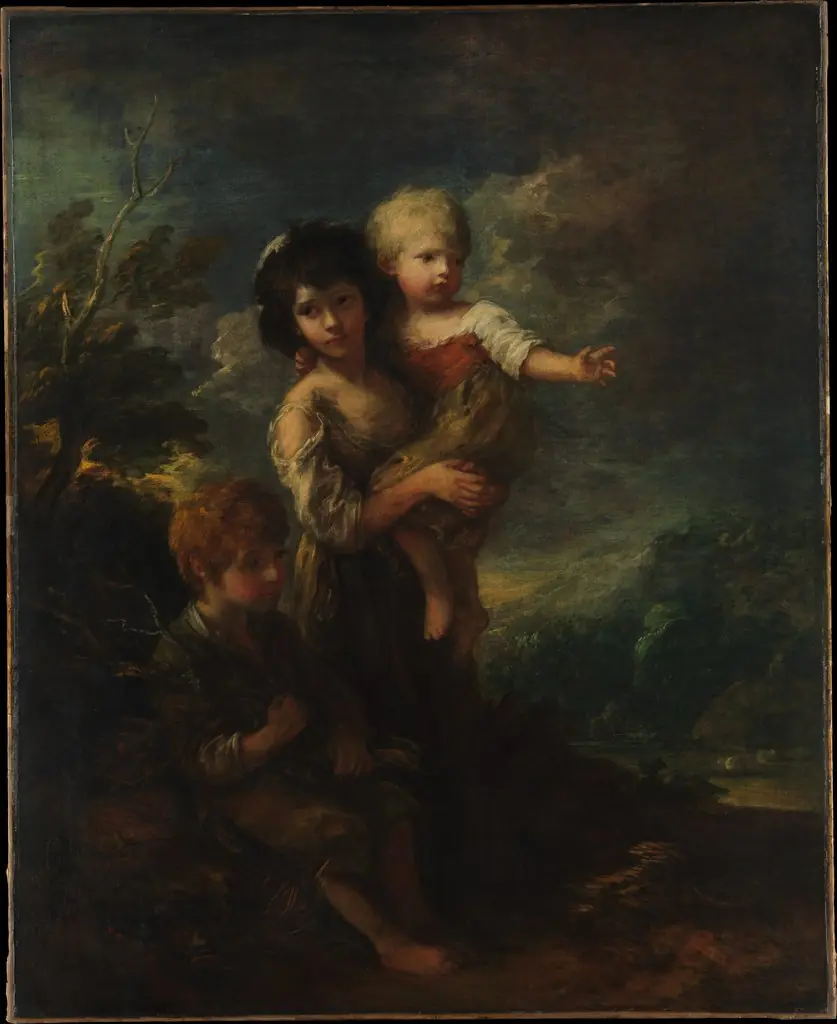 Cottage Children (The Wood Gatherers)
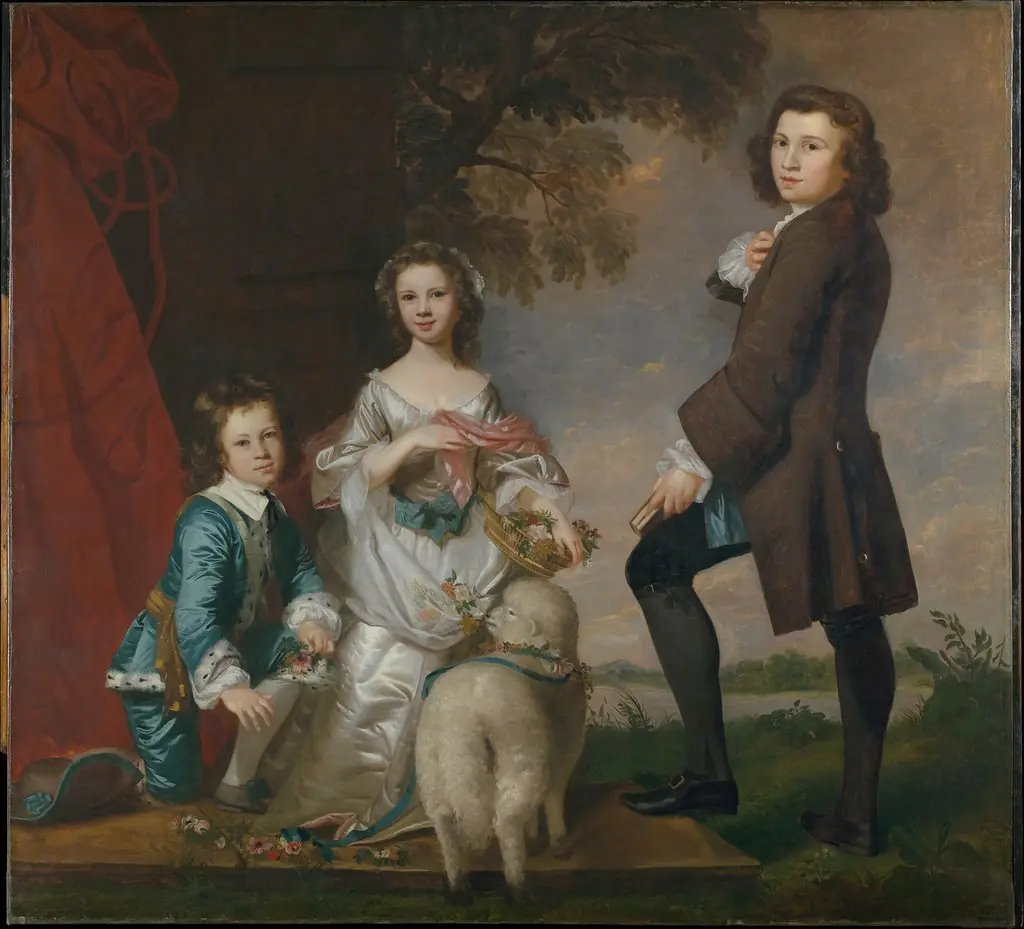 Thomas (1740–1825) and Martha Neate (1741–after 1795) with His Tutor, Thomas Needham