Artwork
Portrait of a Man
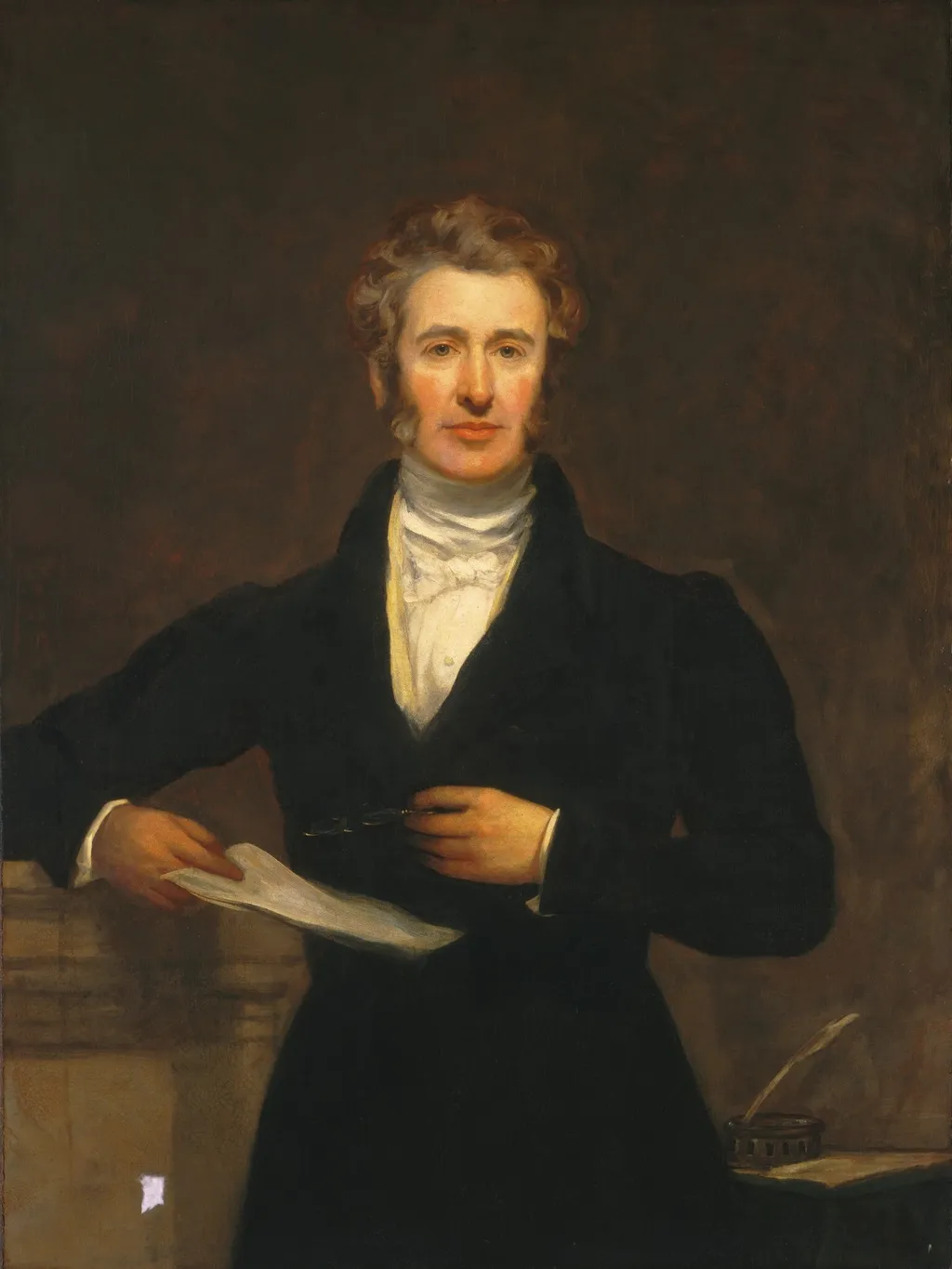
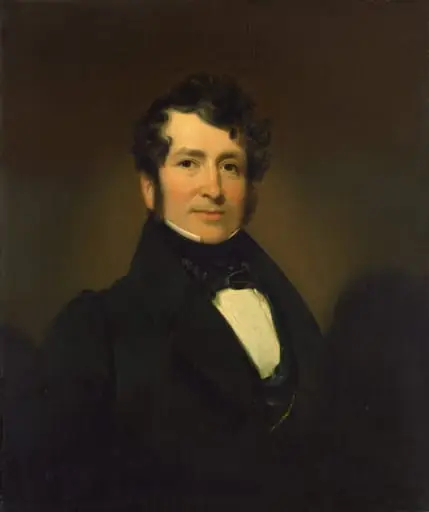
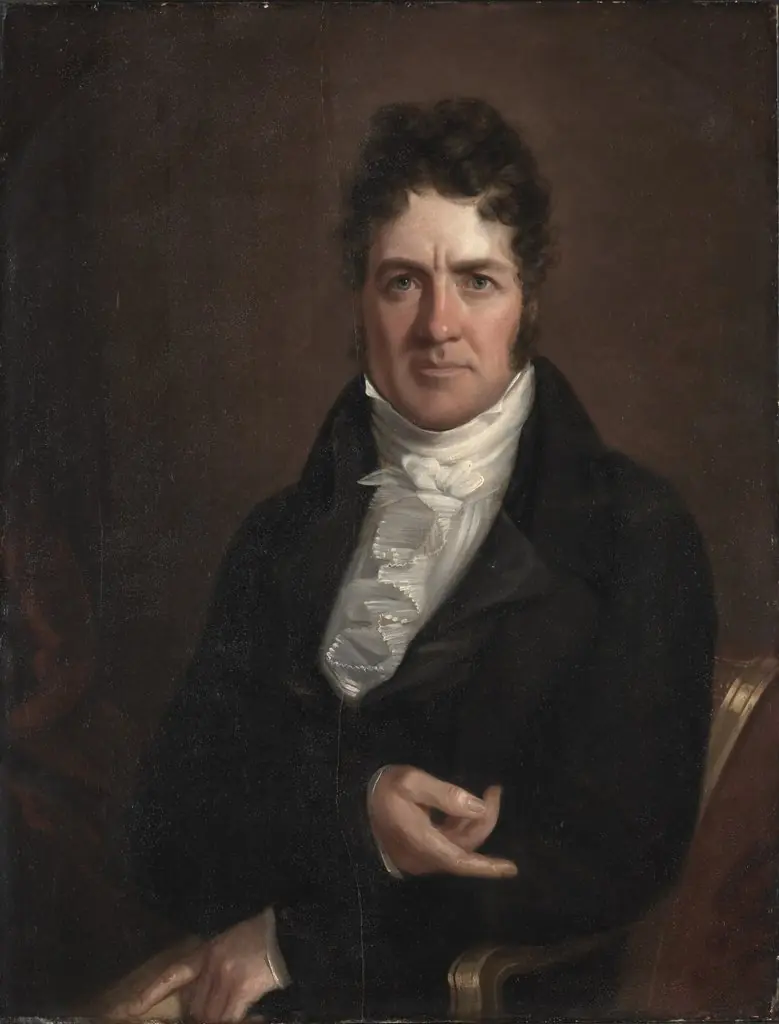
Portrait of a Man is an oil painting. It dates from 1830 and is held in the collection of the National Gallery of Art.
About this work
History & Provenance
The work titled Portrait of a Man is an oil on canvas portrait painted in 1830 by an unidentified British artist of the nineteenth century.
The work titled Portrait of a Man is an oil on canvas portrait painted in 1830 by an unidentified British artist of the nineteenth century. Its early ownership passed from Rose M. de Forest of New York to Thomas B. Clarke in December 1925; Clarke’s estate later sold the piece through M. Knoedler & Co. in January 1936 to the A. W. Mellon Educational and Charitable Trust, which gifted it to the National Gallery of Art in 1947. The painting remains in the Gallery’s collection as part of the Andrew W. Mellon collection.
The painting is held in the collection of the National Gallery of Art in Washington, D.C., specifically within the Andrew W. Mellon collection. Its path to the museum began with Rose M. de Forest of New York, who sold the work to Thomas B. Clarke on December 9, 1925. Following Clarke's death, his estate sold the piece through M. Knoedler & Co. to the A. W. Mellon Educational and Charitable Trust on January 29, 1936.
The Trust subsequently gifted the portrait to the National Gallery of Art in 1947. The provided records detail this ownership lineage but do not list specific public exhibitions or an inventory accession number.
Legacy
Portraits of this type helped define British 19th‑century portraiture, and the painting's inclusion in the National Gallery of Art's collection has reinforced its standing as a benchmark example. Its documented chain of ownership, from Rose M. de Forest to Thomas B. Clarke and finally to the A. W. Mellon Trust before donation to the museum, illustrates how the work entered a major American institutional context, influencing later portrait acquisitions and scholarship. Art historians cite the piece when discussing the evolution of realist portraiture in Britain, noting its technical mastery and compositional balance as models for subsequent generations.
Overview
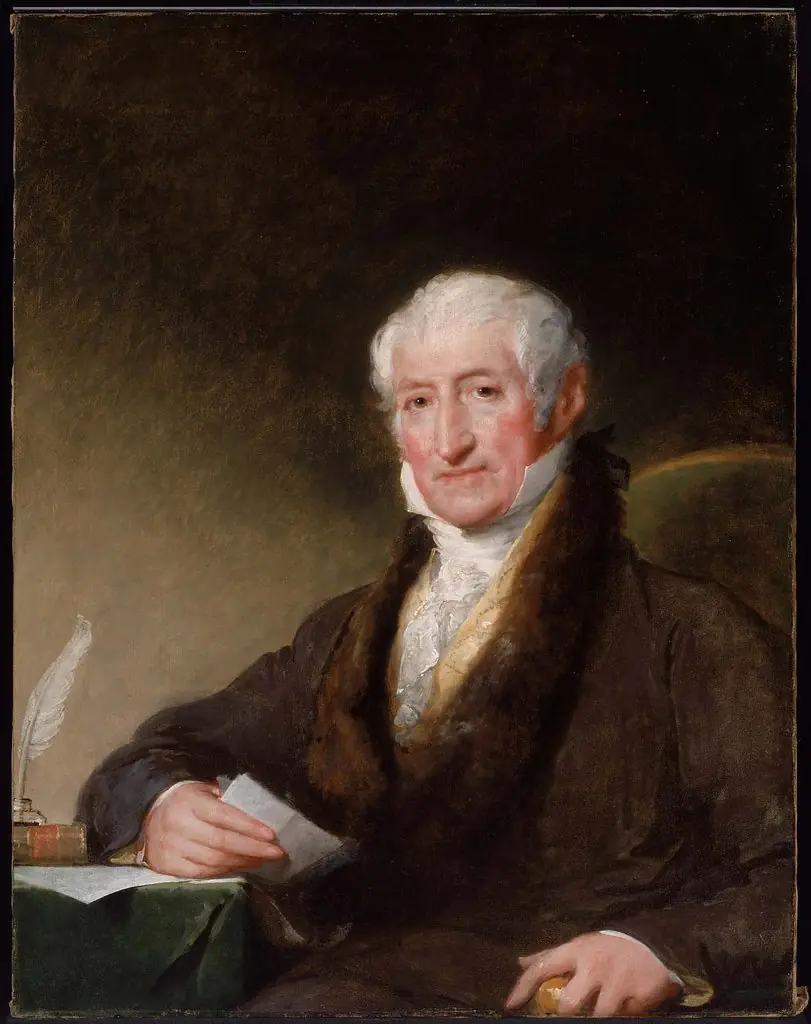
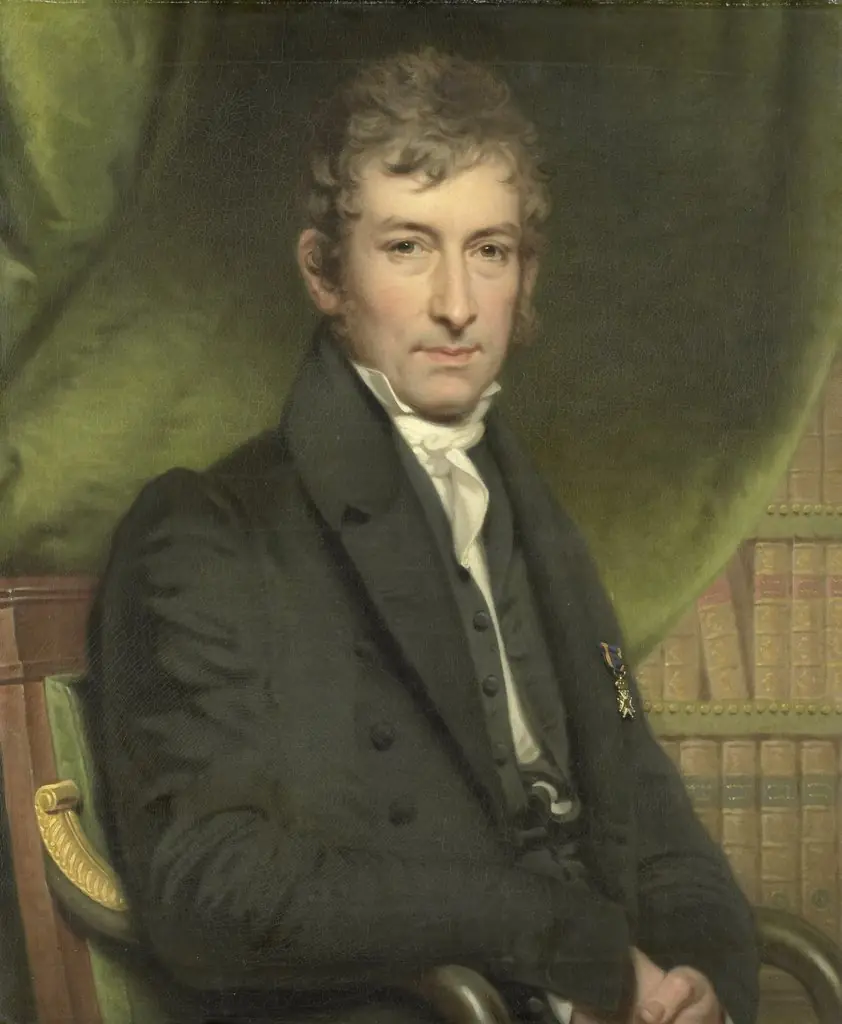
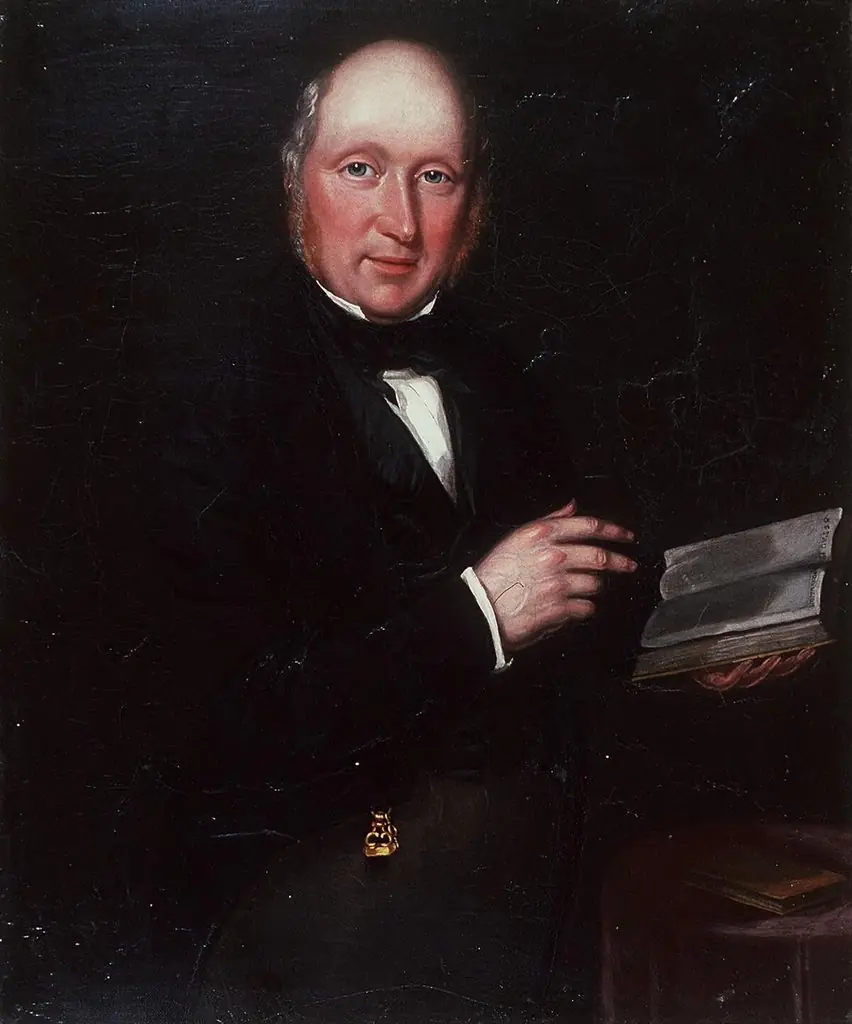
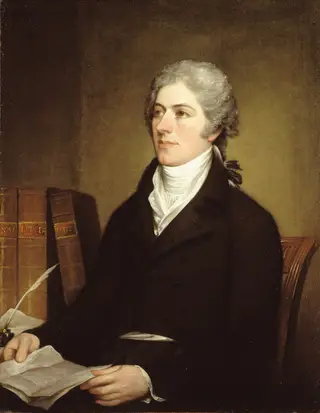
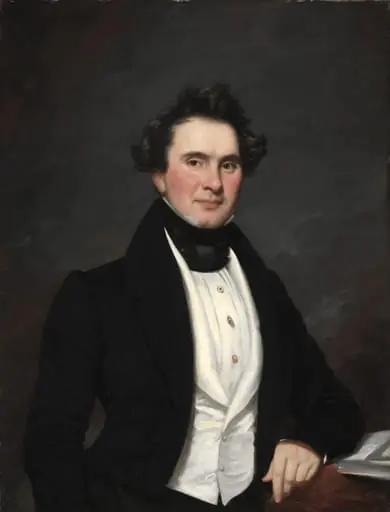
This oil on canvas, titled Portrait of a Man, presents a male subject seated and directly engaging the viewer. The individual is depicted in period clothing, with his gaze fixed forward. The artist's meticulous attention to rendering specific elements, such as the man's hands and garments, contributes to a detailed and focused representation of the sitter.
Subject & Meaning
The central focus of the composition is the man's face, which conveys a serious expression. Through the careful depiction of his features, the artist aimed to communicate aspects of the sitter's character. The direct gaze establishes a connection with the observer, inviting contemplation of the individual's presence and inner state within the portrait.
Technique & Style
The artist meticulously rendered details in the sitter's hands and attire, contributing to the portrait's lifelike quality. A restrained color scheme was employed, utilizing subtle hues to define the man's features and convey his disposition. This careful application of color and precise observation underscores the artist's stylistic approach to portraiture, emphasizing realism and psychological depth.
Artist & collection