Artwork
The Bead-stringers of Venice
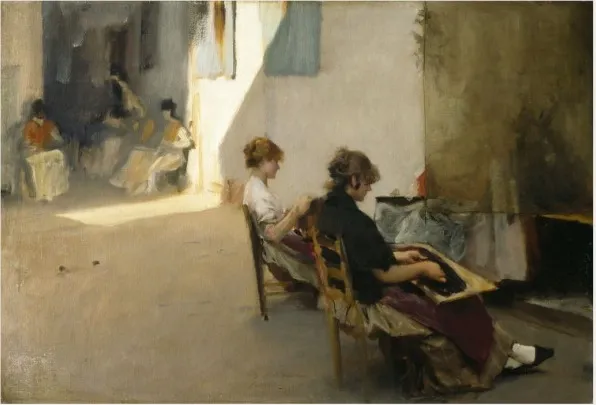
The Bead-stringers of Venice is an oil painting by the Impressionist artist John Singer Sargent. It dates from 1891 and is held in the collection of the National Gallery of Ireland.
About this work
Overview
Painted in 1891, The Bead-stringers of Venice is an oil painting by John Singer Sargent, an American expatriate artist. The work is part of the impressionist movement and is currently housed at the National Gallery of Ireland.
Subject & Meaning
The painting portrays two women in a room, intently stringing beads. Their attire consists of long skirts and blouses, with one in white and the other in black. The scene conveys an atmosphere of quiet, focused industry.
Technique & Style
Sargent employs expressive use of light and shadow, enhancing the depth of the scene. Sunlight streaming through a window highlights the women and their task, while the background features less prominent figures, typical of impressionist compositional choices.
History & Provenance
Created during Sargent's extensive European travels, the painting reflects his interest in documenting everyday scenes across the continent. It is now part of the National Gallery of Ireland's collection.
Context
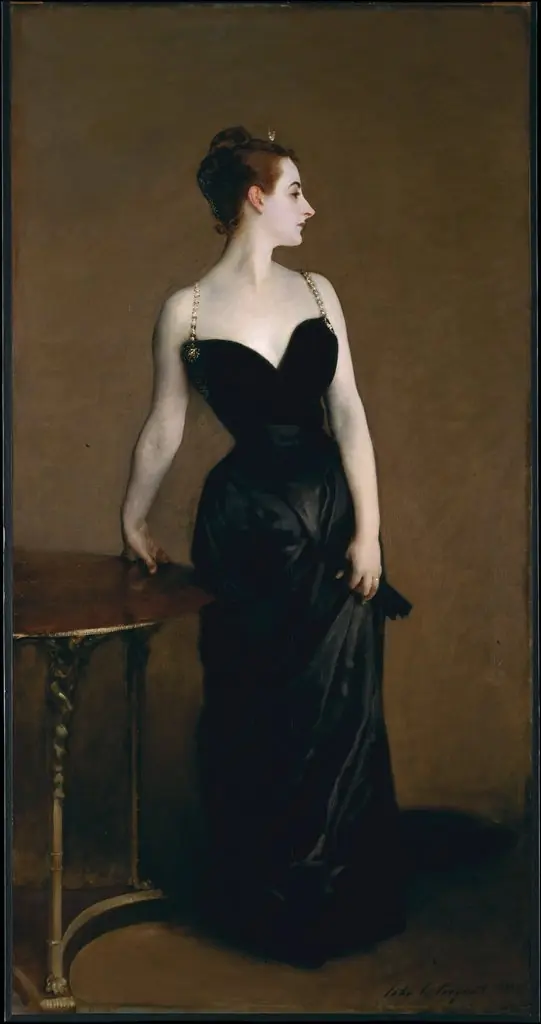
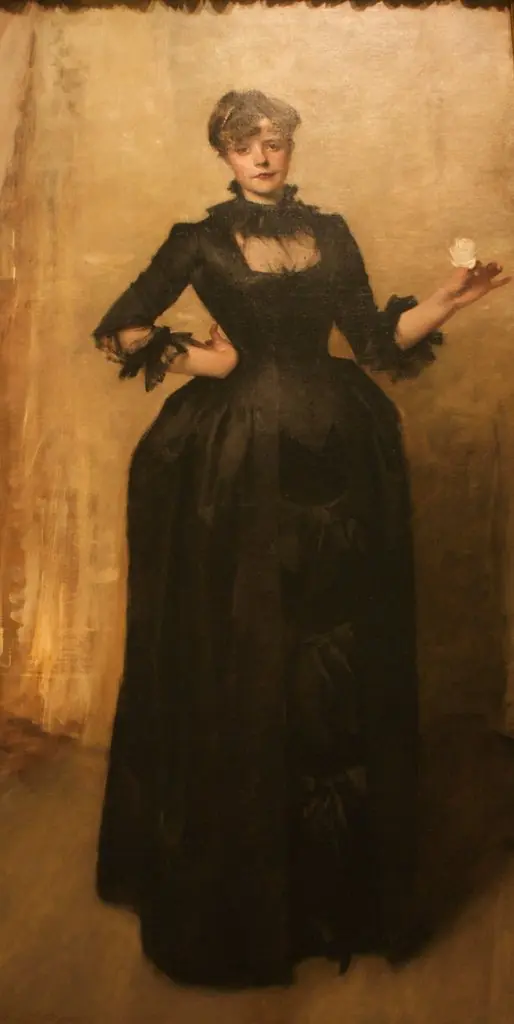
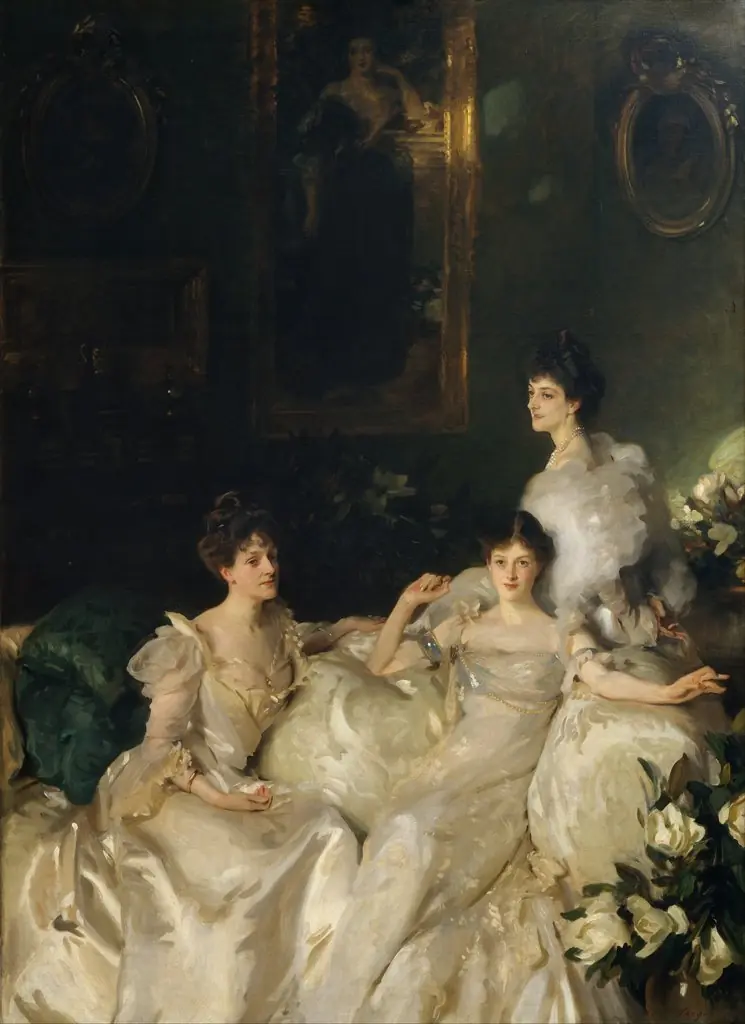
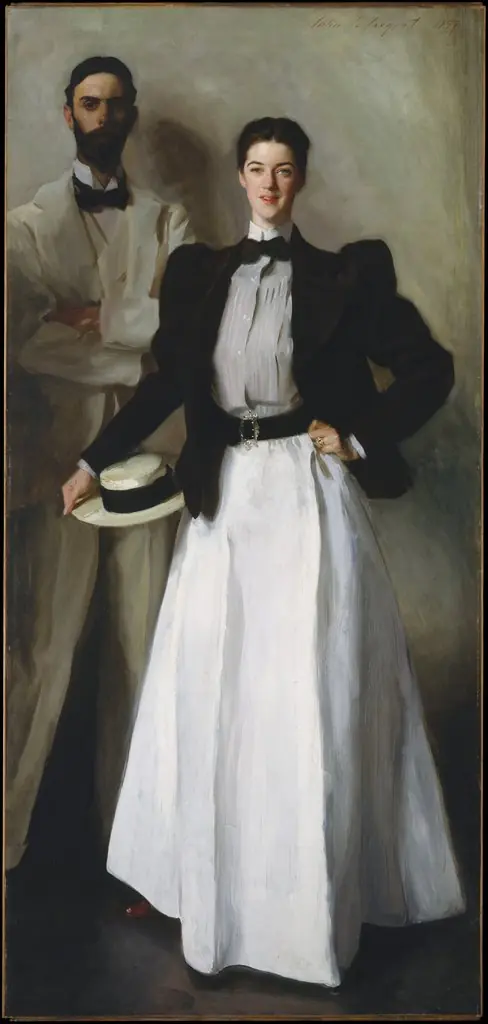
As an American artist trained in Paris and based in Europe, Sargent's work blends international influences. The Bead-stringers of Venice captures a serene, everyday moment in Venice, contrasting with his more renowned portraits of luxury.
Legacy
While not as widely recognized as Sargent's high-society portraits, The Bead-stringers of Venice contributes to the broader impressionist movement's emphasis on capturing modern life's quieter moments, reflecting Sargent's versatility as an artist.
Artist & collection

Artist
John Singer Sargent (; January 12, 1856 – April 15, 1925) was an American expatriate artist, considered the "leading portrait painter of his generation" for his evocations of Belle Époque and Edwardian-era luxury.