Artwork
The Judgement of Paris
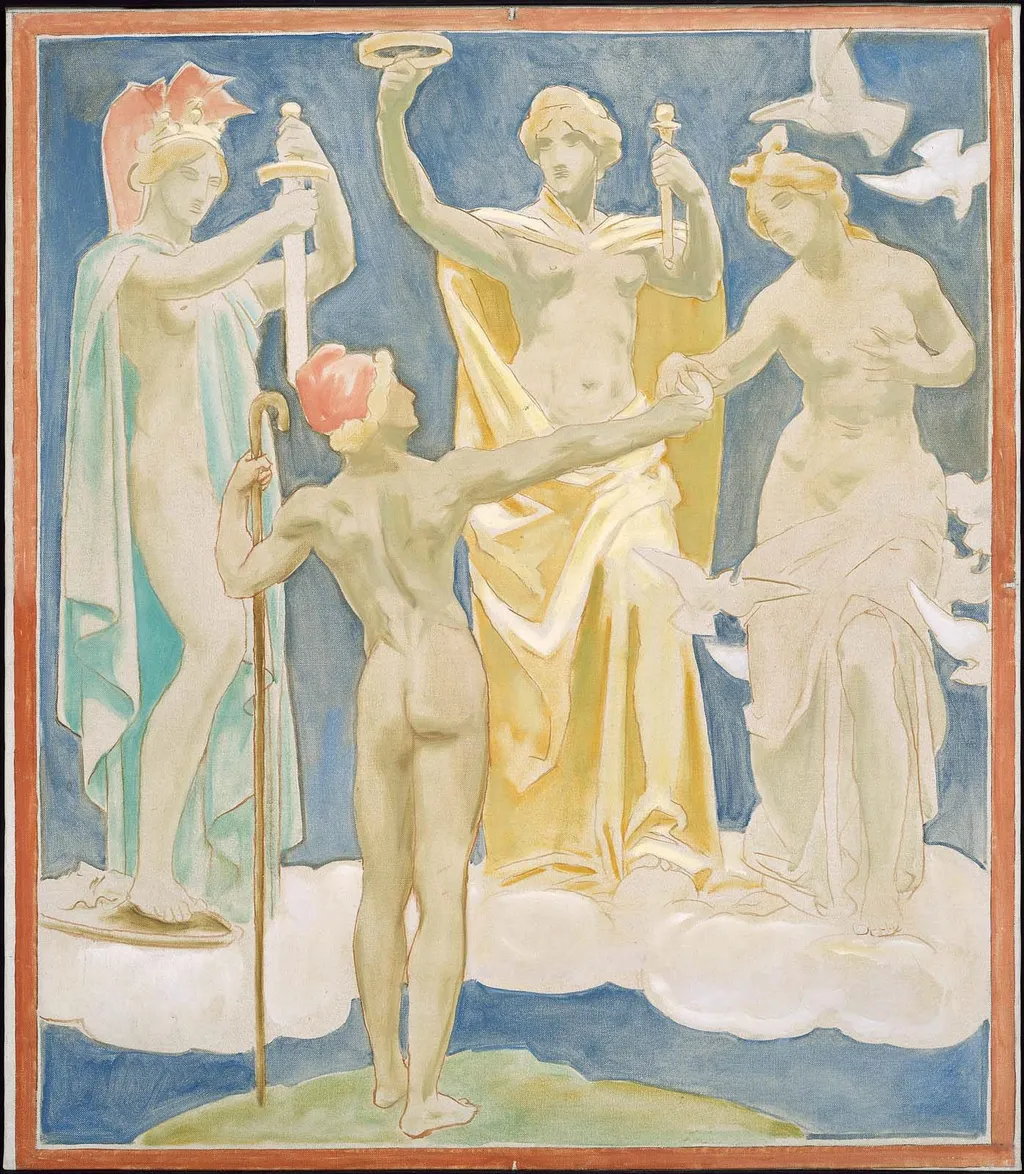
The Judgement of Paris is an oil painting by the Impressionist artist John Singer Sargent. It dates from 1922 and is held in the collection of the Museum of Fine Arts Boston.
About this work
Subject & Meaning
Sargent's canvas shows Paris alongside the three Olympian contestants: Athena, Hera, and Aphrodite.
The painting depicts the Judgement of Paris, a mythological episode in which the Trojan prince Paris is called upon to decide which of three goddesses deserves a golden prize. Sargent's canvas shows Paris alongside the three Olympian contestants: Athena, Hera, and Aphrodite. The work is classified as a mythological painting, signaling that the scene is meant to be read through the lens of classical narrative rather than as a contemporary portrait.
The iconographic core of the subject is the moment of choice itself, traditionally resolved in favor of Aphrodite, who offered Paris the most beautiful mortal woman as reward. By gathering all four figures, the judge and the three rivals, in a single composition, the painting visualizes the contest and its emotional stakes: rivalry among the goddesses and the weighty decision imposed on the mortal arbiter.
The work thus represents a classical theme of beauty, desire, and fateful judgment, transposed into a modern painterly treatment while preserving the essential figures of the myth.
Technique & Style
John Singer Sargent’s The Judgement of Paris (1922) is executed in oil paint on canvas, measuring 77.47 cm in height and 67.63 cm in width. The work exemplifies Sargent’s late-career handling, characterized by fluid, confident brushwork and a luminous palette that balances precision with spontaneity. The composition relies on subtle tonal gradations and delicate glazing to model the figures of Paris, Athena, Hera, and Aphrodite, evoking a sense of volumetric form while maintaining an ethereal quality.
The mythological subject is rendered with a blend of academic draftsmanship and impressionistic freedom, particularly in the treatment of drapery and flesh tones, where loose, visible strokes coexist with finely detailed passages.
History & Provenance
John Singer Sargent created The Judgement of Paris in 1922. The work is an oil painting on canvas depicting the mythological figures Paris, Athena, Hera, and Aphrodite. It is currently held in the collection of the Museum of Fine Arts, Boston.
Specific details regarding the original commission, the full chain of ownership prior to its arrival at the museum, or the precise months of its creation are not provided in the available records.
The Judgement of Paris is held in the collection of the Museum of Fine Arts Boston. Its accession number is 1922.12. The work has been exhibited in several institutional shows, including the 1923 exhibition at the same museum and a later display in the 1950s that highlighted mythological subjects.
Context
John Singer Sargent's 1922 oil painting Judgement of Paris, measuring 77.47 cm by 67.63 cm, exemplifies mythological painting within the broader tradition of European art. The work's subject draws from classical mythology, depicting the moment Paris selects Aphrodite as the most beautiful goddess, a theme long explored in Western art. Sargent's composition and treatment of the figures reflect his engagement with both academic conventions and the evolving aesthetics of the early 20th century.
The painting is held in the collection of the Museum of Fine Arts Boston, a fact documented in authoritative art historical sources.
Overview
John Singer Sargent’s 1922 oil painting The Judgement of Paris presents a mythological tableau in which the Trojan prince Paris must decide which goddess, Aphrodite, Athena, or Hera, receives a golden apple. Executed in a loose, impressionistic manner, the work captures a fleeting, atmospheric moment rather than a highly finished narrative scene.
Own this work as a print
Artist & collection

Artist
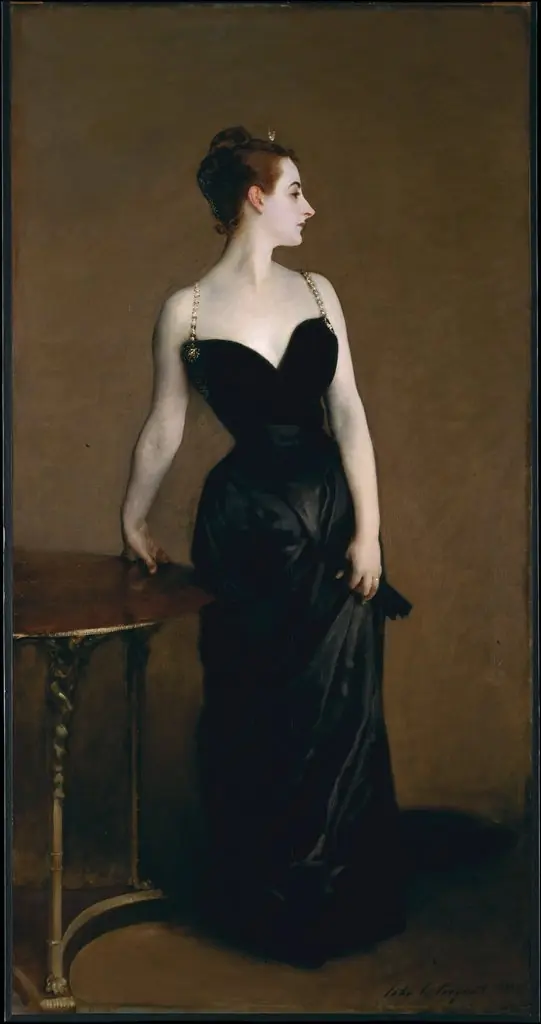
John Singer Sargent (; January 12, 1856 – April 15, 1925) was an American expatriate artist, considered the "leading portrait painter of his generation" for his evocations of Belle Époque and Edwardian-era luxury.


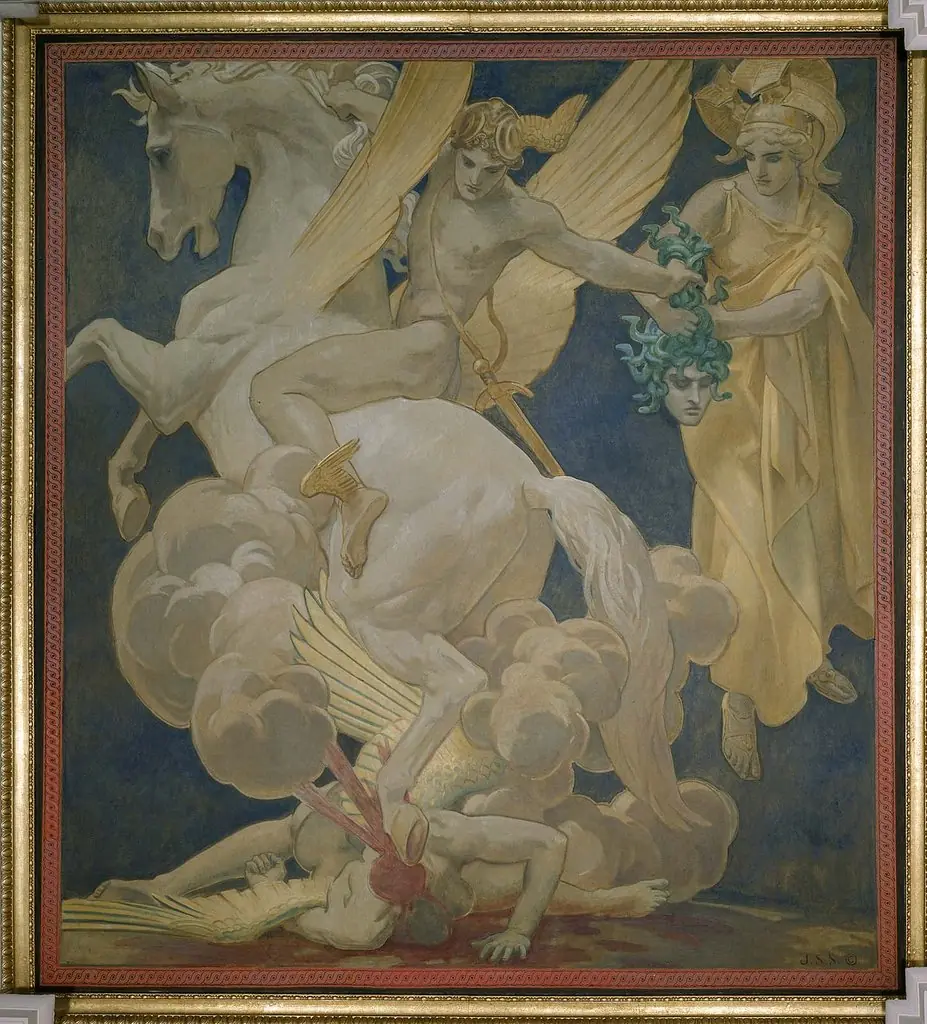
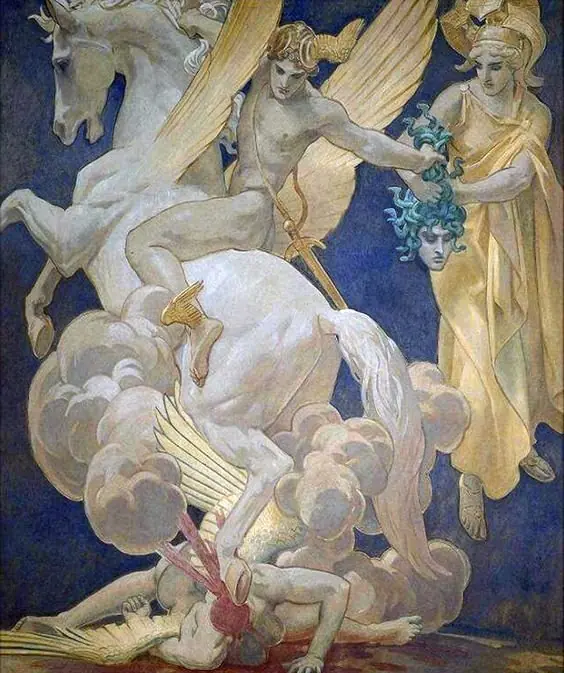
- Perseus on Pegasus Slaying Medusa
 Perseus
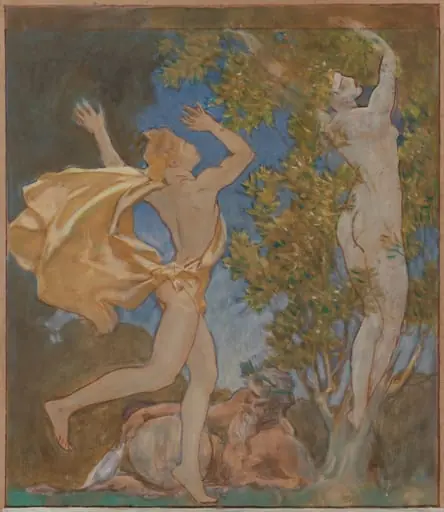 Apollo and Daphne
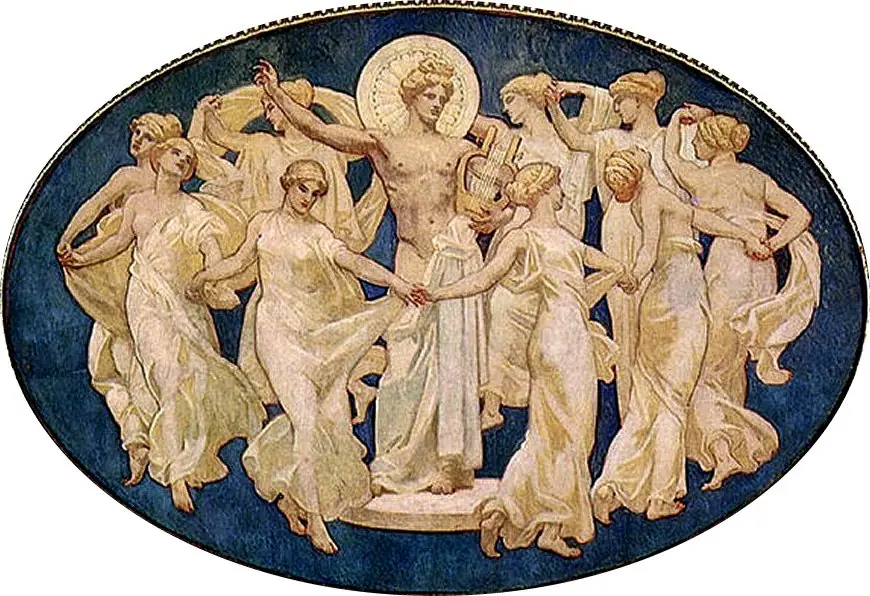 Apollo and the Muses
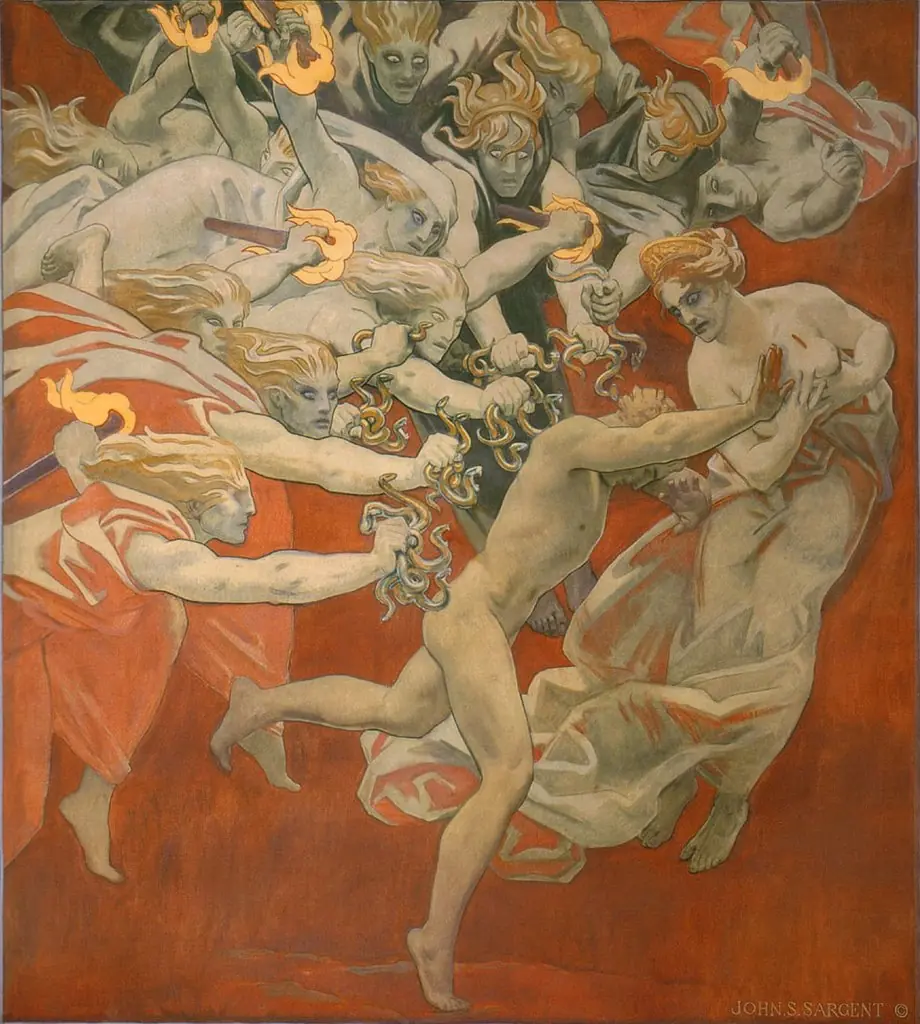 Orestes
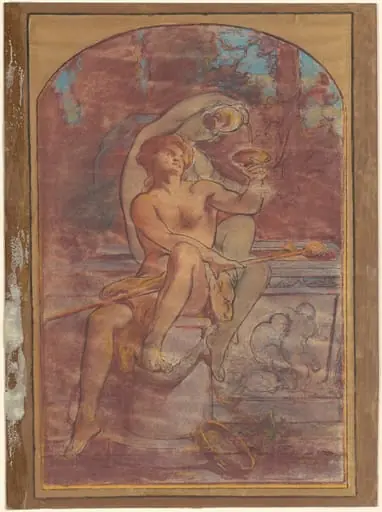 Bacchus
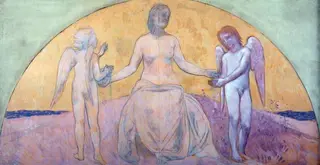 Charity: A Sketch
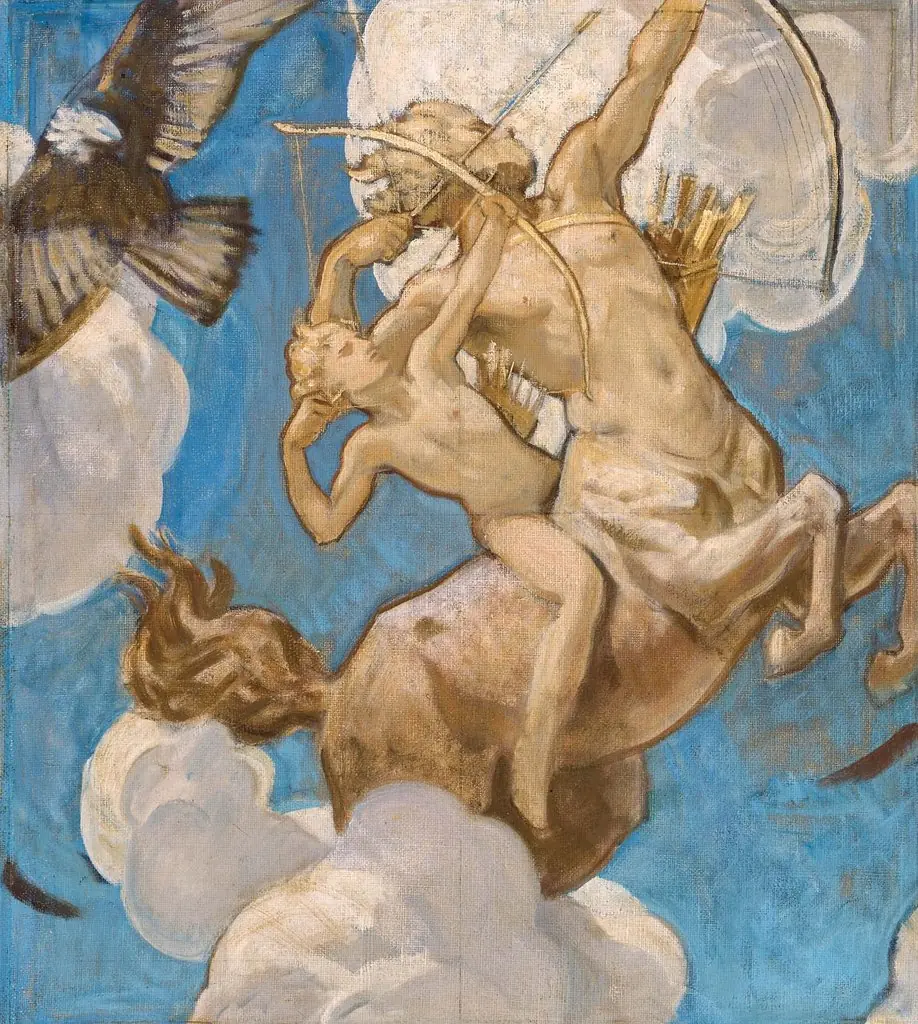 Sketch for Chiron and Achilles
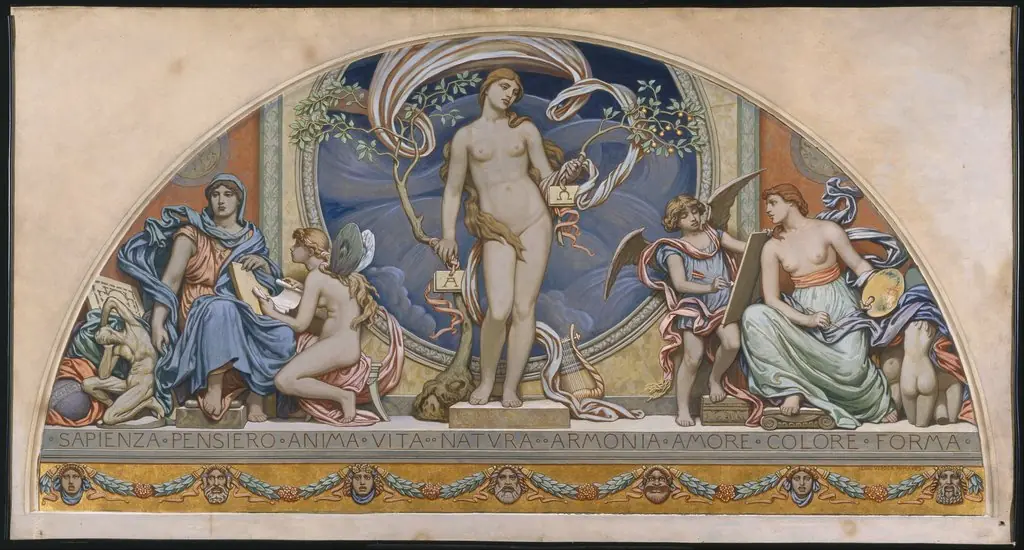 Rome Representative of the Arts
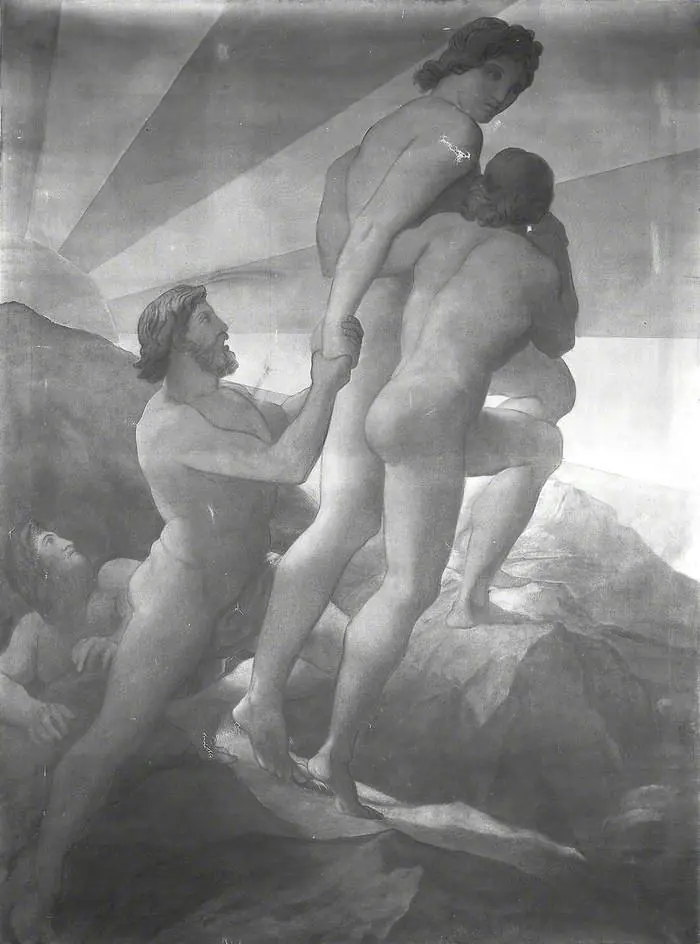 The Brethren of Saturn delivered
 Copy after the Painting by Rubens "The Council of Gods"
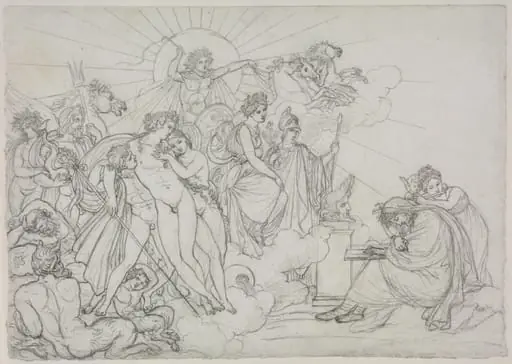 Invocation to the Divinities who preside over Agriculture from Virgil's "Georgics"