Artwork
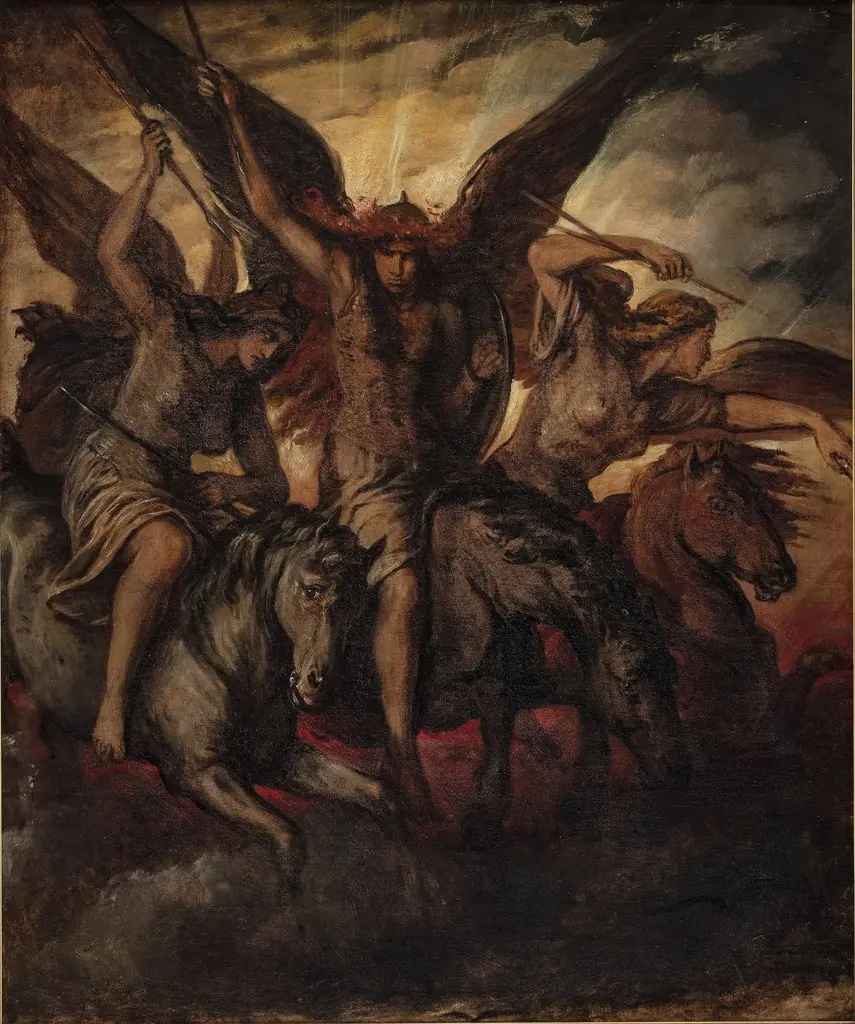
Perseus on Pegasus Slaying Medusa
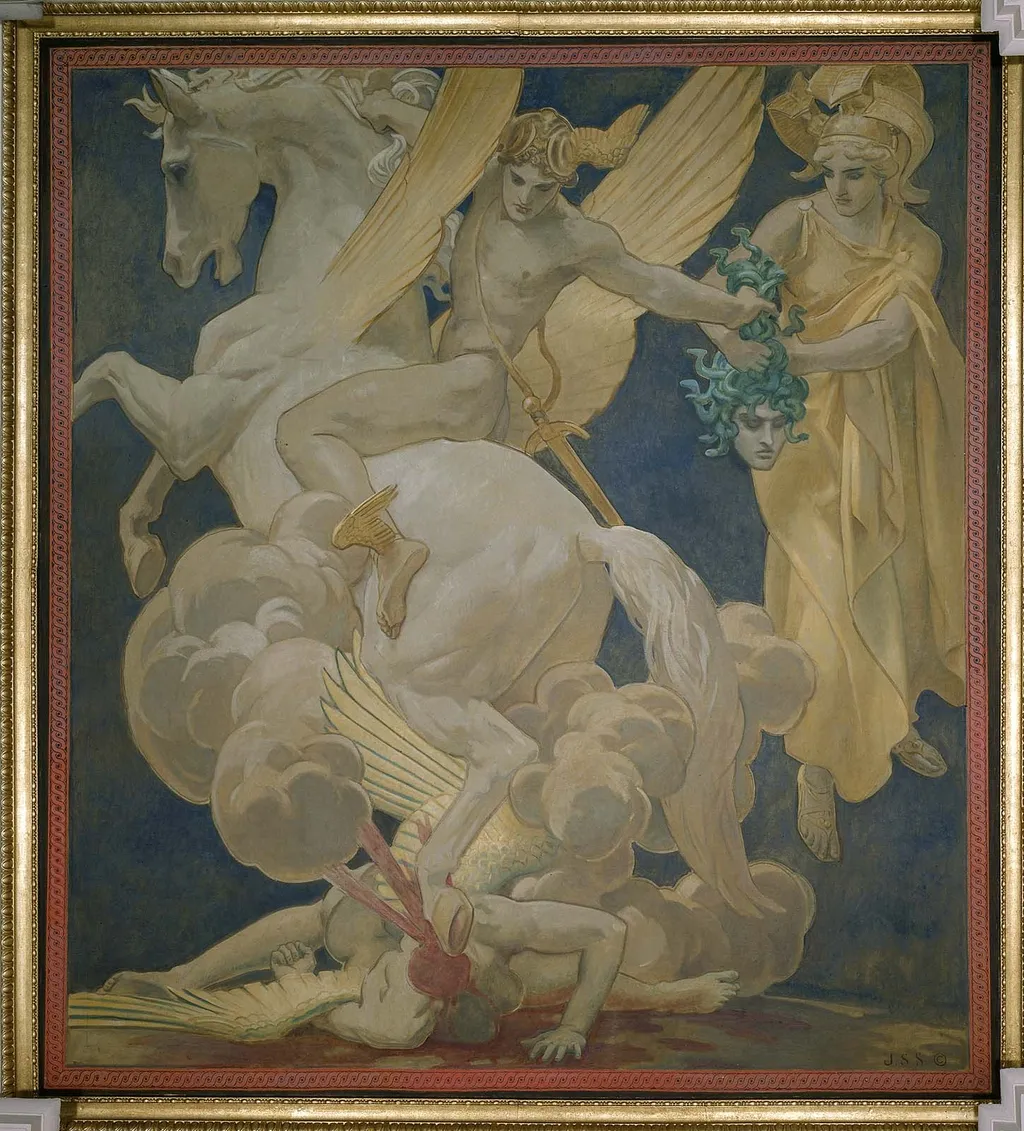
Perseus on Pegasus Slaying Medusa is an oil painting by the American Impressionist artist John Singer Sargent. It dates from 1921 and is held in the collection of the Museum of Fine Arts Boston.
About this work
Subject & Meaning
The work is classified as a mythological painting, reflecting the artist's engagement with ancient narratives during the early 20th century.
The painting portrays the mythological hero Perseus mounted on the winged horse Pegasus as he confronts the Gorgon Medusa, a scene drawn from classical mythology. In the composition, Perseus wields a sword while Medusa's severed head is shown in flight, emphasizing themes of courage and the triumph of reason over monstrous chaos. The work is classified as a mythological painting, reflecting the artist's engagement with ancient narratives during the early 20th century.
The subject is rendered with dynamic movement and dramatic lighting, underscoring the heroic narrative central to the depiction.
Technique & Style
Perseus on Pegasus Slaying Medusa is an oil painting on canvas by John Singer Sargent, completed in 1921. The work measures approximately 348 cm in height by 317.5 cm in width, a large-scale format suited to its mythological subject depicting Perseus, Pegasus, and Medusa. Executed in oil paint, the painting belongs to the genre of mythological painting and is held in the collection of the Museum of Fine Arts Boston.
History & Provenance
John Singer Sargent created the oil-on-canvas painting Perseus on Pegasus Slaying Medusa in 1921. The work depicts the mythological figures Perseus, Pegasus, and Medusa. It is currently held in the collection of the Museum of Fine Arts, Boston. The painting measures approximately 348 cm in height and 317.5 cm in width.
The painting Perseus on Pegasus Slaying Medusa by John Singer Sargent is held in the collection of the Museum of Fine Arts Boston. Created in 1921, the work is executed in oil on canvas and depicts the mythological scene of Perseus slaying Medusa while mounted on Pegasus. The available sources confirm its location at this institution but do not provide a specific inventory or accession number, nor do they list any past or current exhibitions for the piece.
Legacy
The painting has been recognized as a significant contribution to mythological painting, influencing later interpretations of the Perseus narrative in art. Its composition and dynamic movement have been studied in art historical scholarship, particularly in relation to Sargent's role in elevating mythological subjects within the tradition of Western art. The work remains part of the Museum of Fine Arts Boston's collection, where it is studied within the broader context of 20th-century mythological painting.
Overview
John Singer Sargent’s 1921 oil painting, Perseus on Pegasus Slaying Medusa, captures a climactic moment from the Greek myth. The canvas shows a winged rider on a rearing white horse, sword raised, clutching the severed head of Medusa, while a blood‑stained body lies below. Dark, atmospheric surroundings heighten the contrast with the luminous figures, creating a sense of kinetic tension.
Context
Although best known for his society portraits of the Belle Époque and Edwardian eras, Sargent also explored mythological subjects, especially in his later years. This painting aligns with his broader interest in narrative history painting, a genre that allowed him to apply his virtuoso handling of light and color to grand, allegorical scenes.
Own this work as a print
Artist & collection

Artist
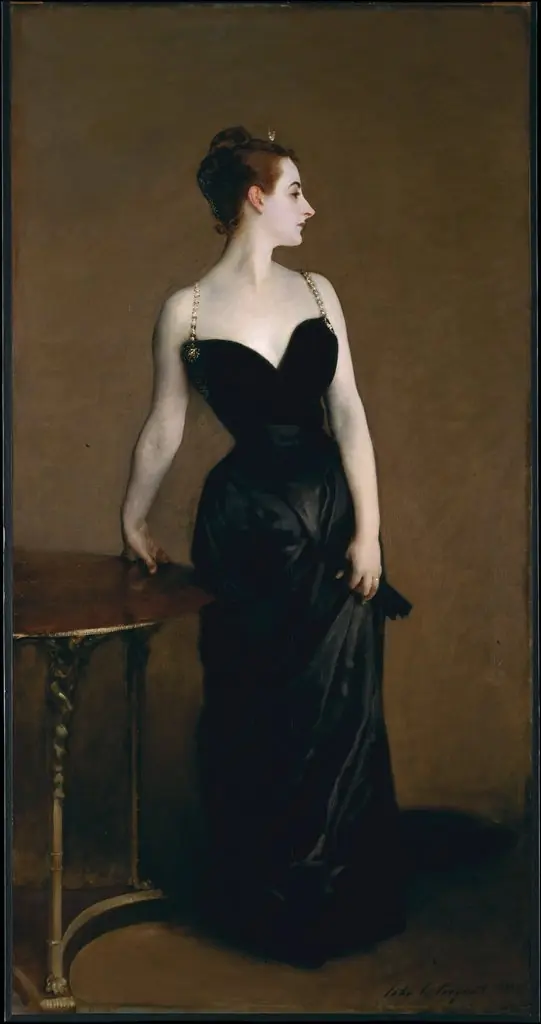
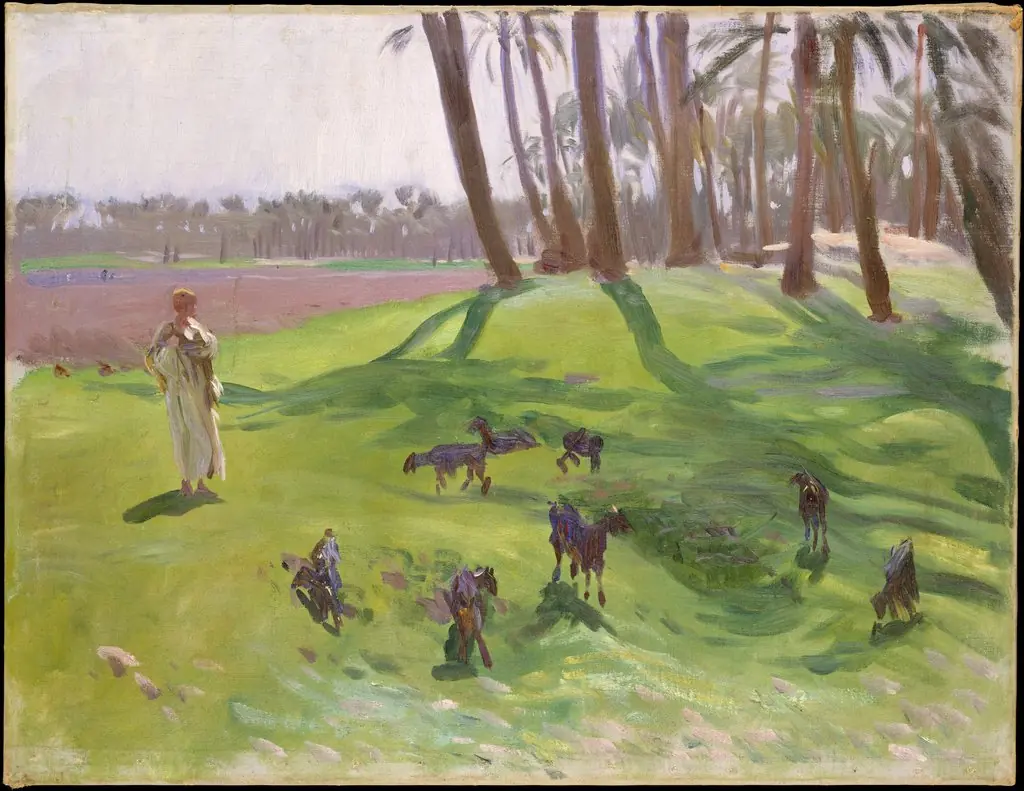
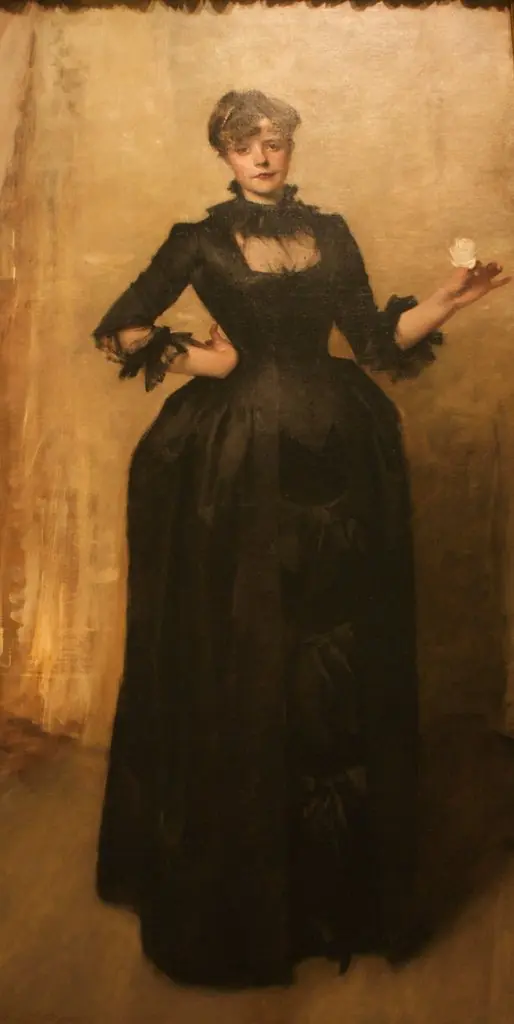
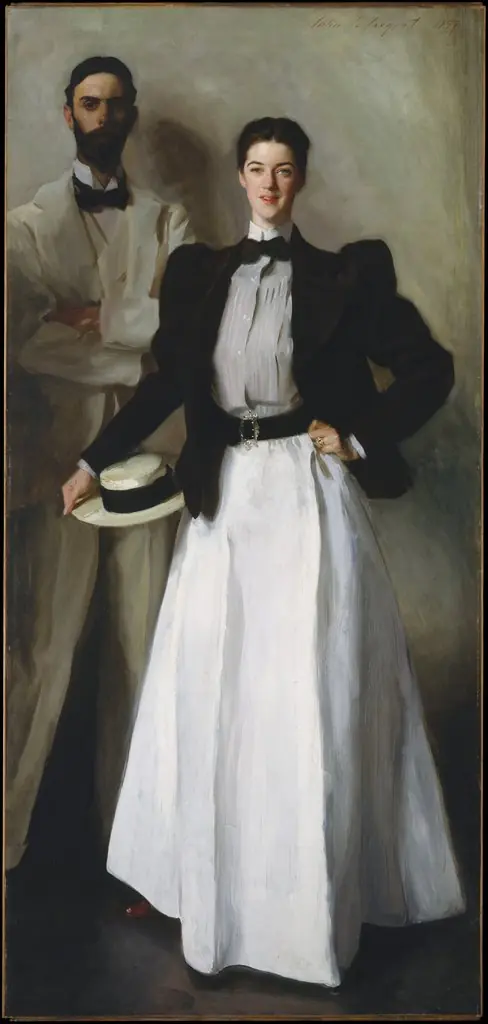
John Singer Sargent (; January 12, 1856 – April 15, 1925) was an American expatriate artist, considered the "leading portrait painter of his generation" for his evocations of Belle Époque and Edwardian-era luxury.