Artwork
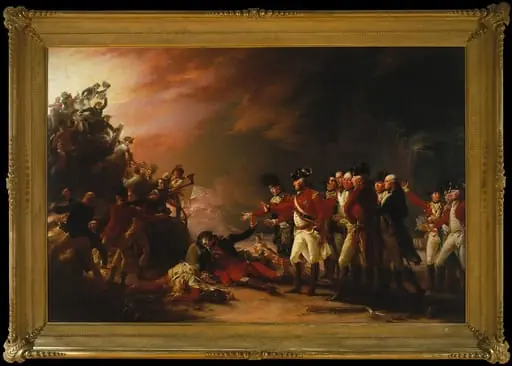
Surrender of Cornwallis at Yorktown
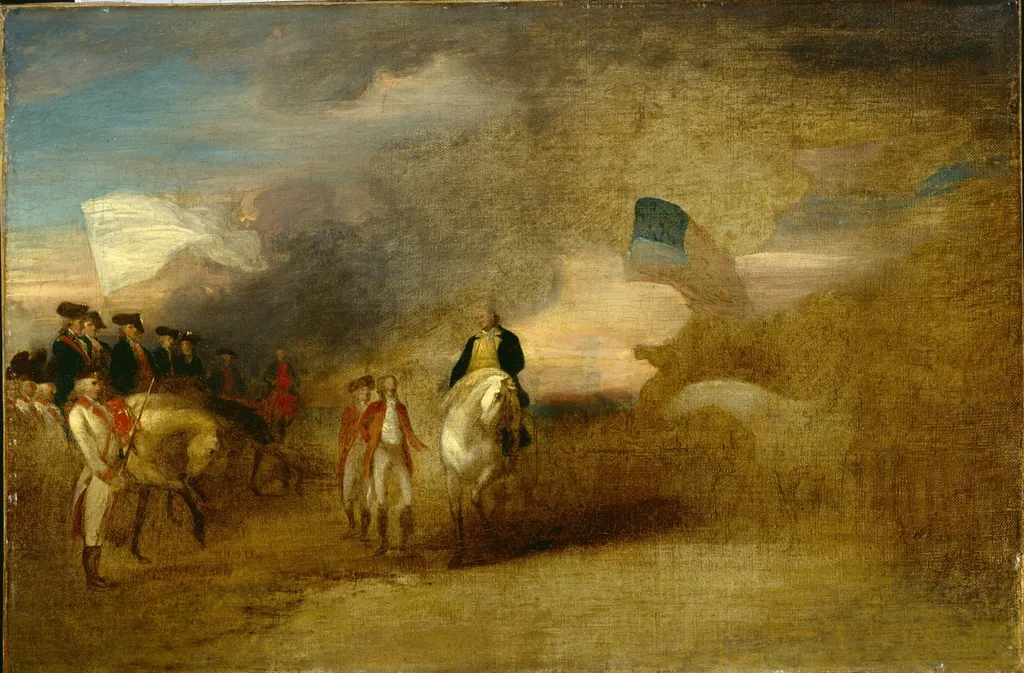
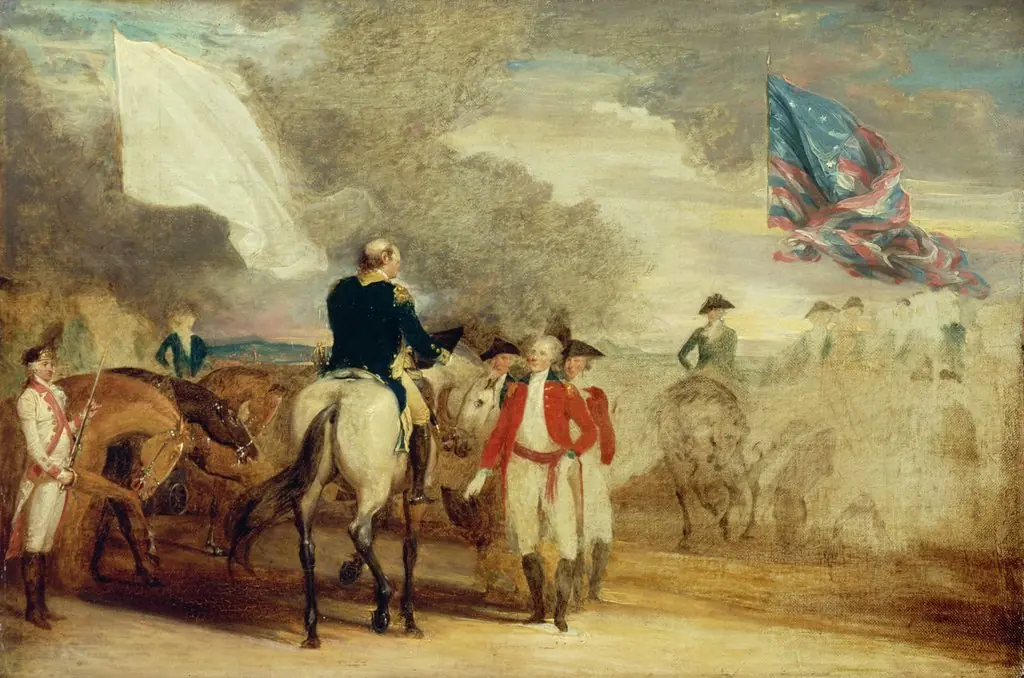
Surrender of Cornwallis at Yorktown is an oil painting by John Trumbull. It dates from 1794 and is held in the collection of the Detroit Institute of Arts.
About this work
Overview
The painting is one of several he produced to chronicle the war’s turning points and is now held in the collection of the Detroit Institute of Arts.
Painted in 1794 by John Trumbull, this oil work captures the British surrender at Yorktown in 1781, the pivotal moment that effectively ended major combat in the American Revolutionary War. Trumbull, who had served as an officer during the conflict, sought to document its defining moments with historical accuracy. The painting is one of several he produced to chronicle the war’s turning points and is now held in the collection of the Detroit Institute of Arts.
Subject & Meaning
The scene depicts the formal surrender of British General Charles Cornwallis to American and French commanders, though Cornwallis himself is absent, represented by his second-in-command. Figures on horseback and foot, clad in distinct uniforms, convey the alliance between American and French forces. The composition emphasizes unity and solemnity, framing the event not as a triumph of conquest but as the conclusion of a hard-won struggle for independence.
Technique & Style
Trumbull employed visible brushwork to render texture in fabric, leather, and sky, avoiding idealized smoothness. The palette contrasts rich reds and blues of military coats against muted grays and blues of the atmosphere, directing focus to the central group. Figures are arranged in a shallow, stage-like space, with careful attention to individual uniforms and insignia, reflecting his commitment to documentary precision over dramatic flair.
History & Provenance
Trumbull began the painting shortly after returning from Europe, where he studied art and gathered sketches from veterans and participants. He completed it in 1794 as part of a larger series on the Revolution. The work passed through private collections before entering the Detroit Institute of Arts in the 20th century, where it remains as part of a curated group of Trumbull’s war-related canvases.
Context
In the 1790s, the young United States sought to define its national identity through visual history. Trumbull’s paintings responded to this need, offering public narratives of sacrifice and unity. His works were among the first to treat Revolutionary events as worthy of monumental art, helping to shape how Americans remembered their founding moment through imagery.
Legacy
Trumbull’s depiction of Yorktown became a foundational image in American historical art, influencing later portrayals of military surrender and national commemoration. Though not the only rendering of the event, its emphasis on orderly ceremony over chaos set a precedent for how institutional history was visually encoded, reinforcing the legitimacy of the new republic through disciplined representation.
Own this work as a print
Artist & collection

Artist
John Trumbull (June 6, 1756 – November 10, 1843) was an American painter and military officer best known for his historical paintings of the American Revolutionary War, of which he was a veteran.

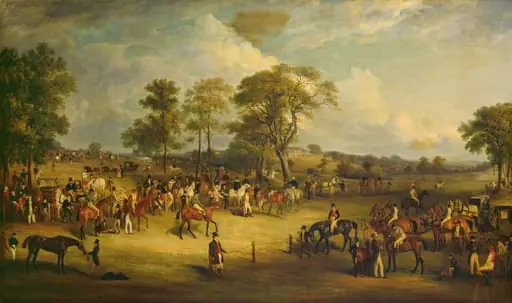 Heaton Park Races
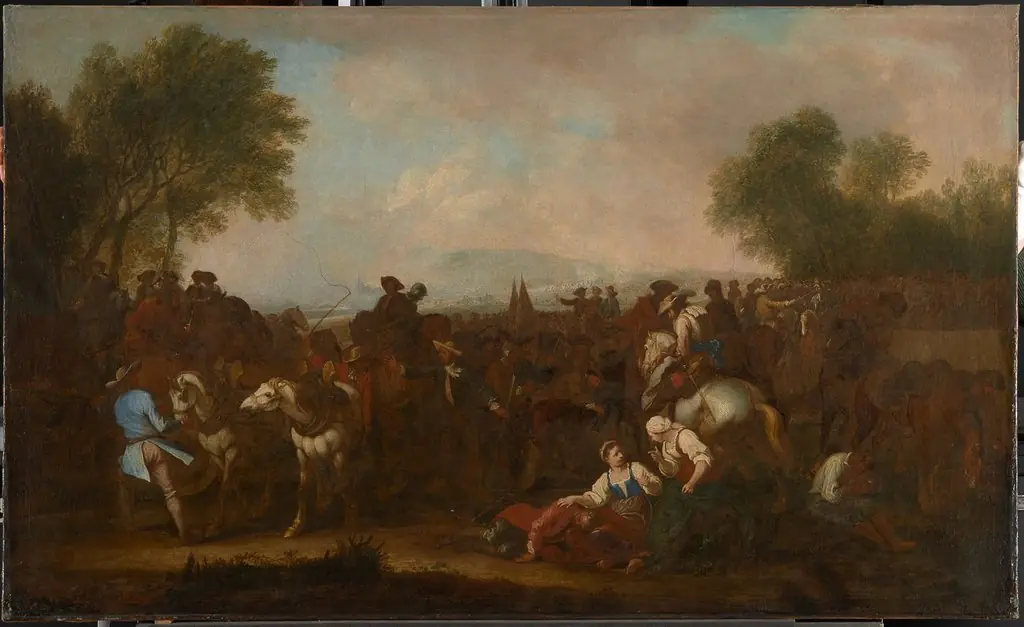 Reiterszene
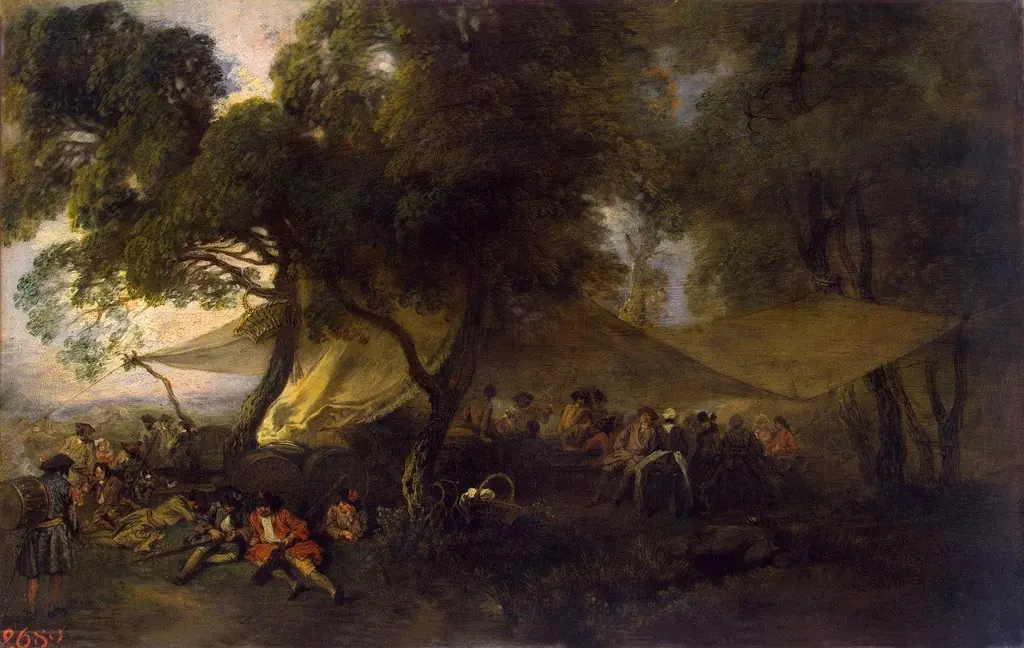 Idylls of War
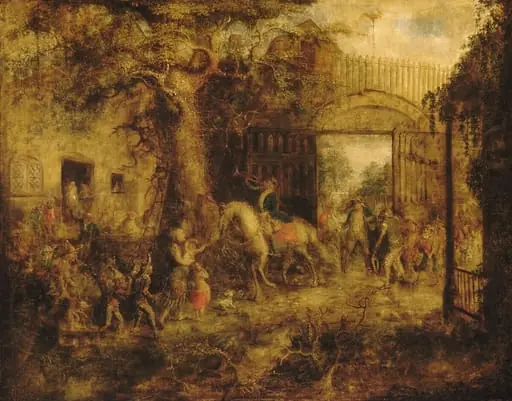 The Vigilant Stuyvesant's Wall Street Gate
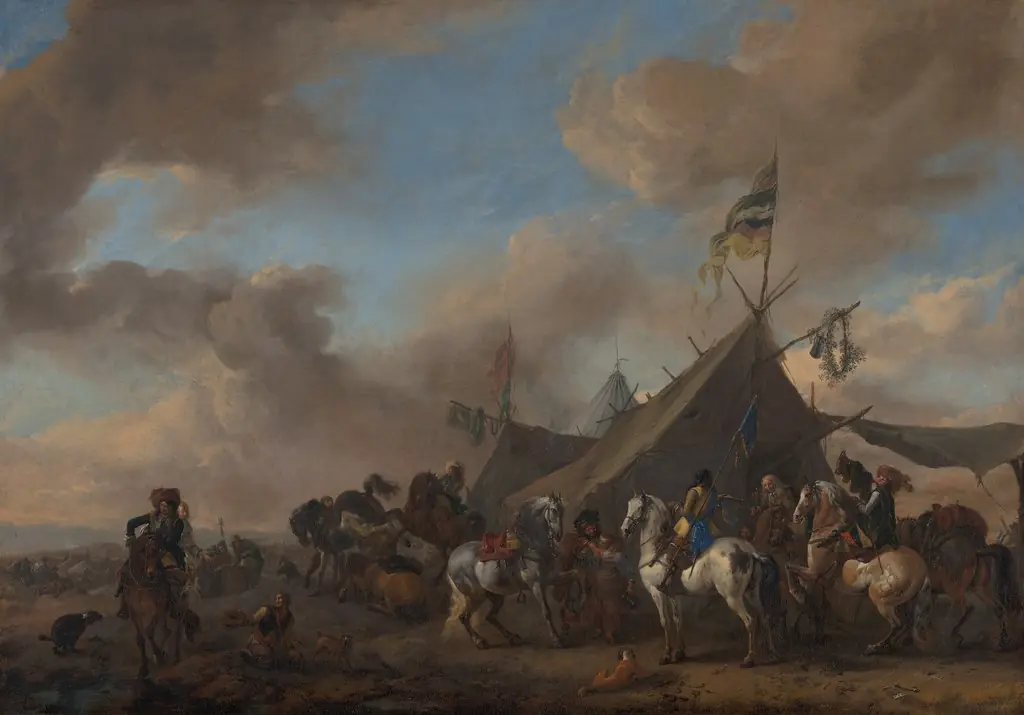 Army Camp
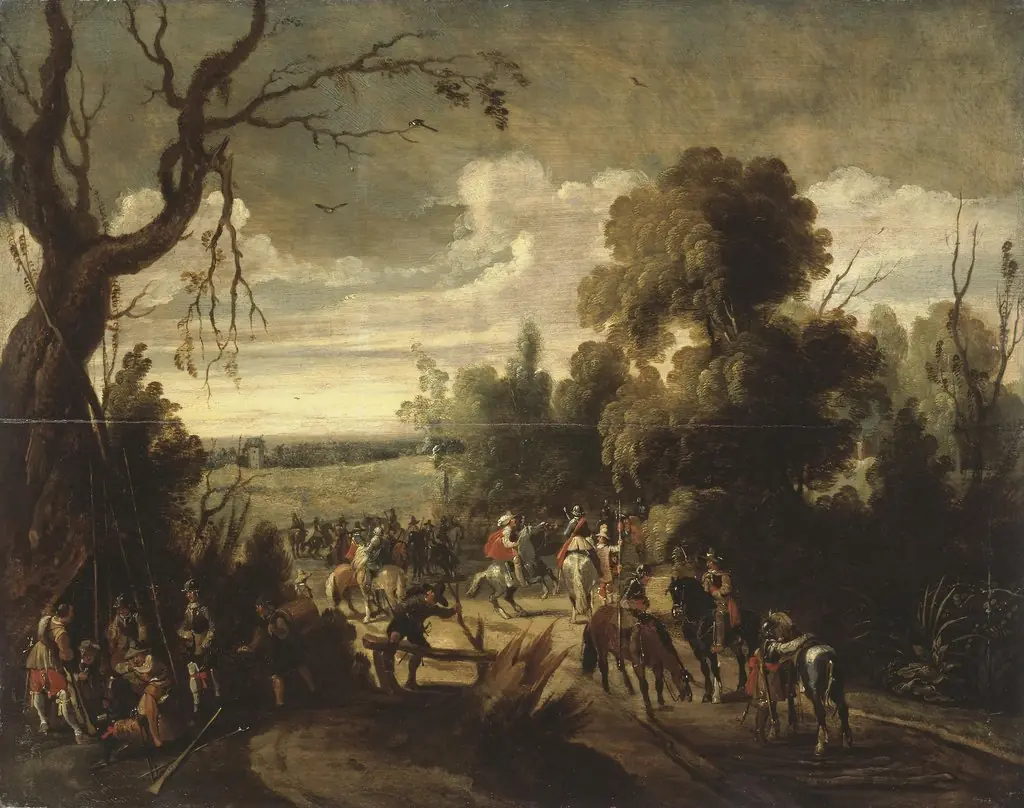 Rest of Cavalrymen
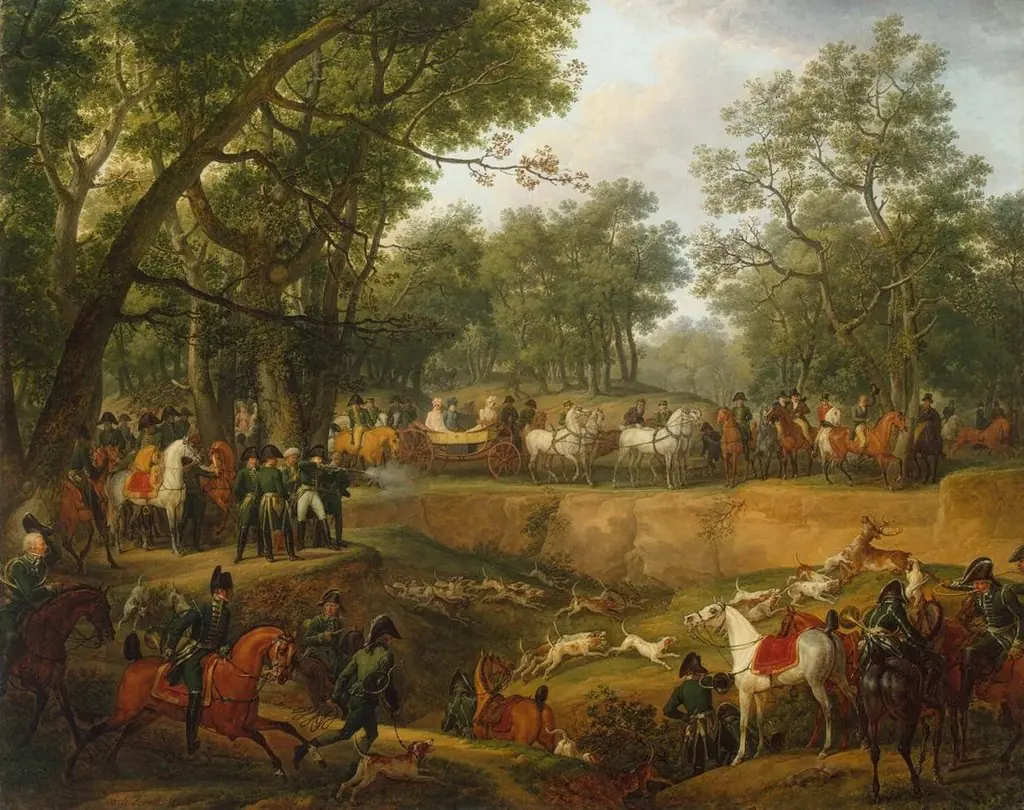 Napoleon on a Hunt in the Forest of Compiegne
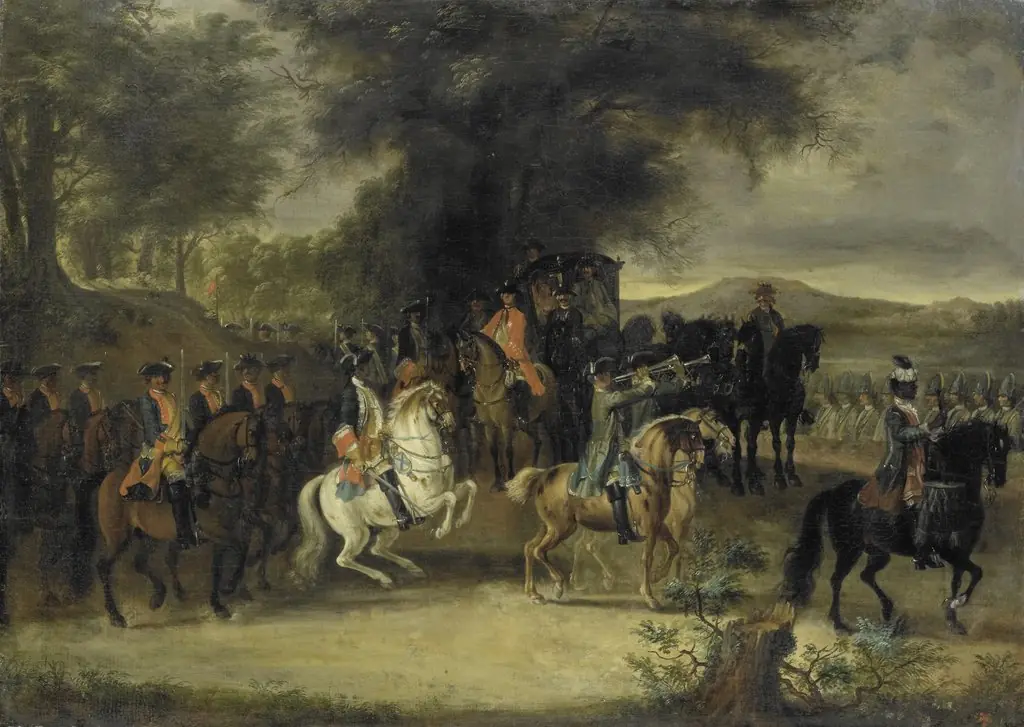 Inspection of a Cavalry Regiment, perhaps by William of Hesse-Homburg
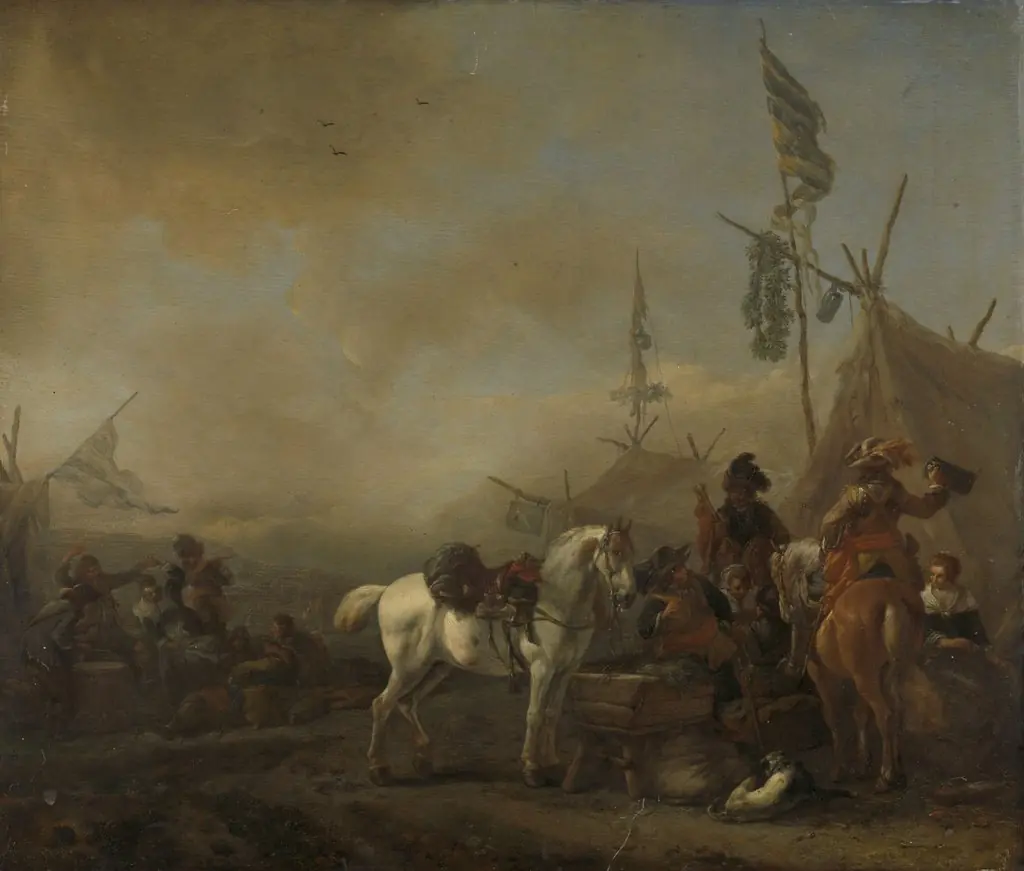 An army camp
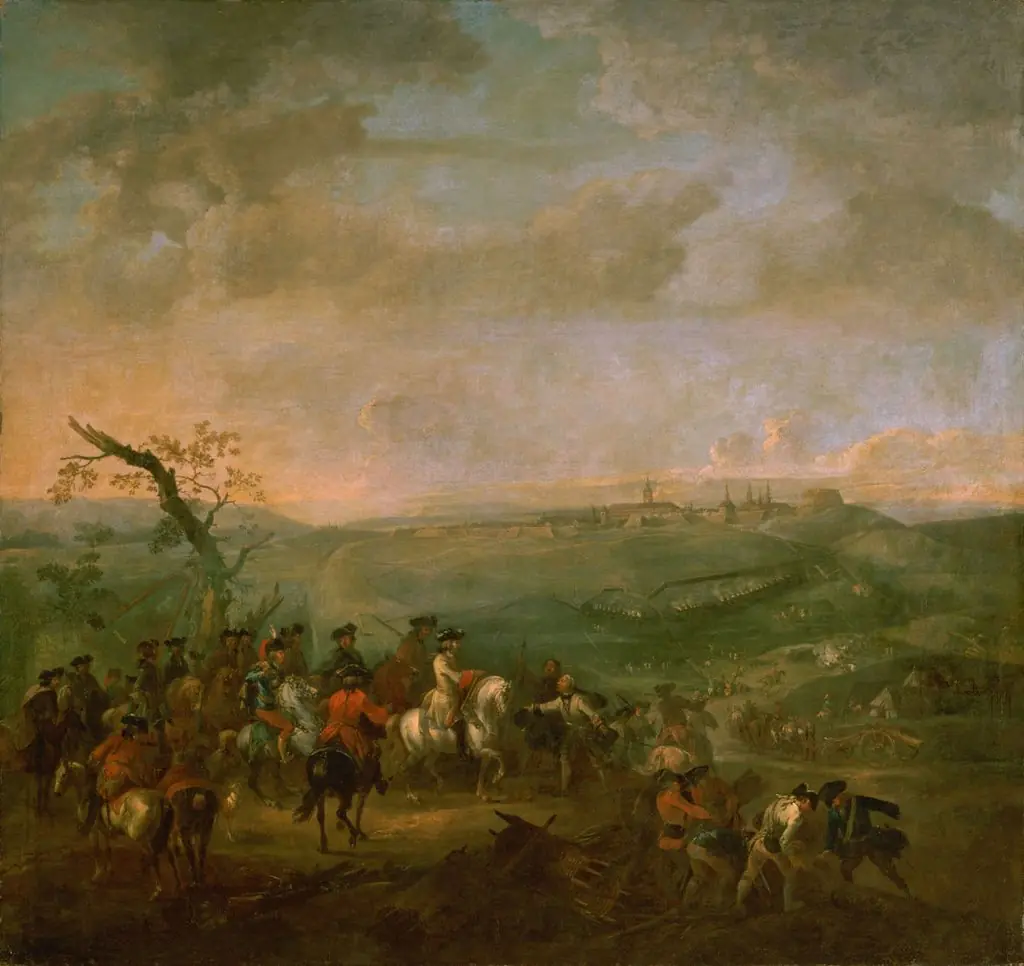 The blocking of Prague by the Austrians under Grand Duke Francis Stephen of Lorraine and Toscana during the War of the Austrian Succession, 1742
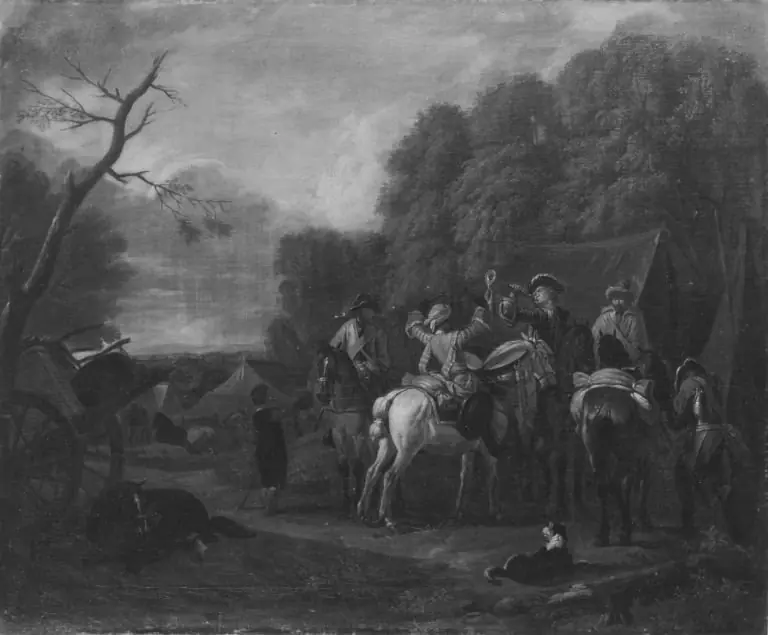 Alarm im Lager
- Surrender of Cornwallis at Yorktown