Artwork
The Sortie Made by the Garrison of Gibraltar
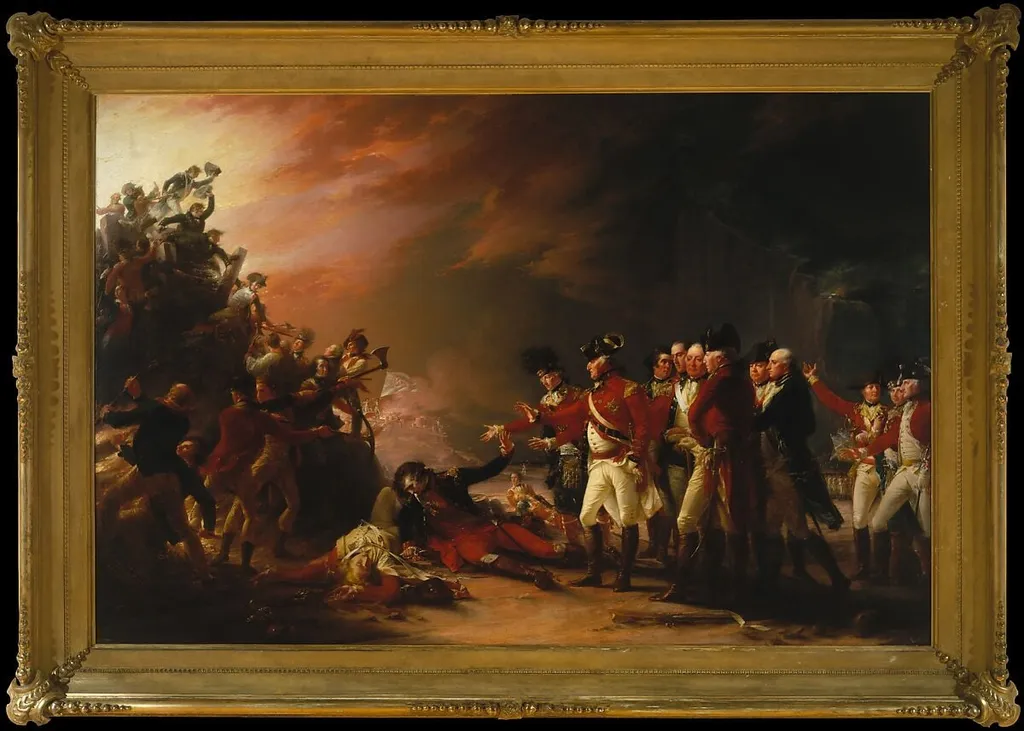
The Sortie Made by the Garrison of Gibraltar is an oil painting by the Academic Art artist John Trumbull. It dates from 1789 and is held in the collection of the Metropolitan Museum of Art.
About this work
Soldiers in bright red coats charge out of a fort gate, muskets in hand and one sword raised high, smoke curling behind them. Their faces stay calm rather than panicked. The scene shows the 1781 sortie during the American Revolution, when Gibraltar's British troops surprised Spanish attackers. Trumbull was present, so the uniforms and weapons are accurate.
Subject & Meaning
The painting’s symbolic focus on sacrifice and honor is further underscored by its inclusion on the 2010 Gibraltar 10‑pound note.
The work portrays the mortally wounded Spanish officer Don José de Barboza being accorded respectful attention as he lies abandoned on the night of 26 November 1781, the moment the British garrison launched a sortie against Spanish batteries during the Great Siege of Gibraltar. Trumbull’s composition emphasizes the heroism of the vanquished and the humanity of the victors through stark night lighting, a raging conflagration, and the calm demeanor of British officers. As a 1789 oil‑on‑canvas history painting in the American Wing, it reflects Trumbull’s intent to celebrate noble actions regardless of allegiance, a theme he highlighted in contemporary commentary.
The painting’s symbolic focus on sacrifice and honor is further underscored by its inclusion on the 2010 Gibraltar 10‑pound note.
Technique & Style
The Sortie Made by the Garrison of Gibraltar is executed in oil on canvas, a standard medium for ambitious late-eighteenth-century history painting. The support measures approximately 180.3 by 271.8 centimeters, giving it a broad horizontal format suited to its multi-figure battle composition. Trumbull worked the subject through numerous preparatory sketches and three large completed canvases before arriving at the final version, indicating an extended process of revision and refinement.
Stylistically, the work belongs to academic art, organizing its nocturnal scene around a clear focal point, the mortally wounded Spanish officer, while balancing orderly officers against the tumult of troops. The handling exploits the contrast between darkness and the illumination of an extensive conflagration, lending drama to the nocturnal sortie. Horace Walpole praised the result as the finest picture he had seen painted north of the Alps.
History & Provenance
The Sortie Made by the Garrison of Gibraltar was painted by John Trumbull in 1789 as an oil on canvas, according to both the Met's classification record and Wikidata. Trumbull developed the composition over many sketches and three large completed canvases, progressively raising his ambitions for major patronage. He declined large offers for the work and instead exhibited it privately for admission fees.
The subject had been suggested by his friend Antonio de Poggi, a London-based artist and dealer who had served in the besieged garrison, who described to Trumbull in 1782 an incident from November 1781 during the Great Siege of Gibraltar. Horace Walpole praised the resulting painting as the finest he had ever seen painted on the northern side of the Alps. The work is now held in the collection of the Metropolitan Museum of Art.
The Sortie Made by the Garrison of Gibraltar is held by the Metropolitan Museum of Art in New York, where it resides in The American Wing. The work, an oil-on-canvas painting completed in 1789, measures 180.3 cm in height and 271.8 cm in width. While the provided sources confirm its current institutional home and physical dimensions, they do not specify a distinct inventory or accession number for the piece.
Regarding exhibition history, the sources indicate that artist John Trumbull initially refused large financial offers for the painting, choosing instead to exhibit it privately to charge admission fees. Later, the work received critical acclaim, with Horace Walpole describing it as the finest picture he had seen north of the Alps. The painting also appears on the reverse of the 2010 Gibraltar 10-pound note.
Context
Created in 1789, John Trumbull's history painting emerged during a period when his earlier American Revolutionary works faced criticism in London. Seeking to demonstrate that noble actions transcended national lines, Trumbull selected the 1781 Great Siege of Gibraltar to highlight both the heroism of the vanquished Spanish officer José de Barboza and the humanity of the British victors. The artist invested significant effort into the composition, producing multiple sketches and three large canvases while refusing lucrative sales offers in favor of private exhibitions to secure major patronage.
Contemporary reception was highly favorable; Horace Walpole famously declared it the finest picture painted north of the Alps. The work stands alongside pieces by John Singleton Copley depicting Gibraltar, cementing Trumbull's place within the academic art movement and the broader historical narrative of the siege.
Legacy
John Trumbull intended this 1789 history painting to repair his reputation in London after facing criticism for his American Revolution series, aiming to demonstrate that he celebrated noble actions regardless of nationality. The work achieved significant contemporary acclaim, with Horace Walpole hailing it as the finest picture painted north of the Alps. Although Trumbull declined lucrative purchase offers to maximize revenue through private exhibition fees, the composition's enduring legacy is evident in its modern cultural integration.
The scene depicting the death of Spanish officer José de Barboza and the humanity of British victors was selected for reproduction on the reverse of the 2010 Gibraltar 10-pound banknote, cementing the artwork's status as a defining visual record of the Great Siege.
Overview
John Trumbull's 1789 oil-on-canvas painting, The Sortie Made by the Garrison of Gibraltar, depicts a pivotal moment from the Great Siege of Gibraltar during the American Revolution. It captures the British garrison's surprise attack on Spanish forces in November 1781, focusing on an act of battlefield valor and respect. The work is a notable example of American historical painting from the late 18th century.
Artist & collection

Artist
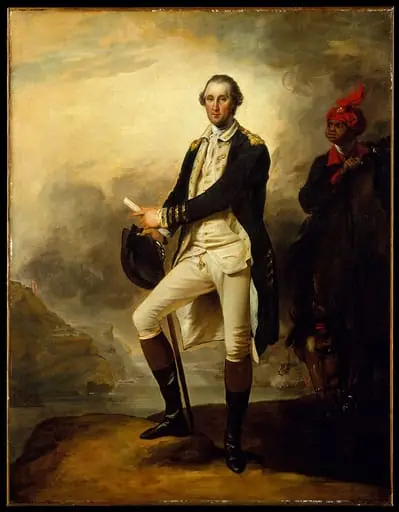
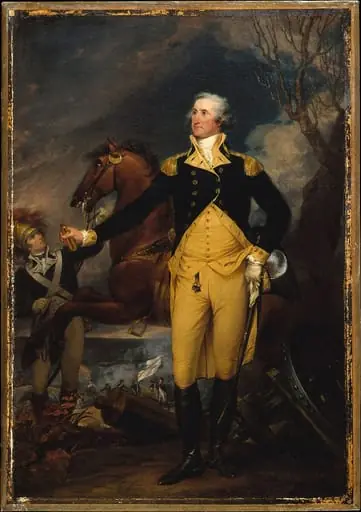
John Trumbull (June 6, 1756 – November 10, 1843) was an American painter and military officer best known for his historical paintings of the American Revolutionary War, of which he was a veteran.

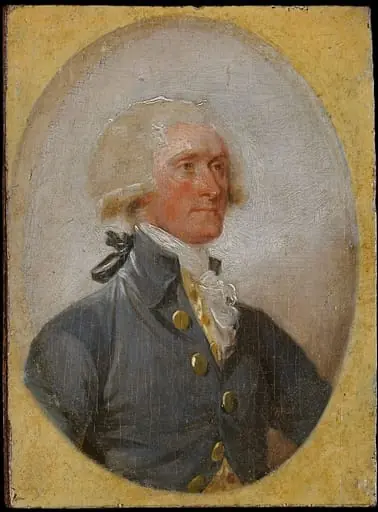
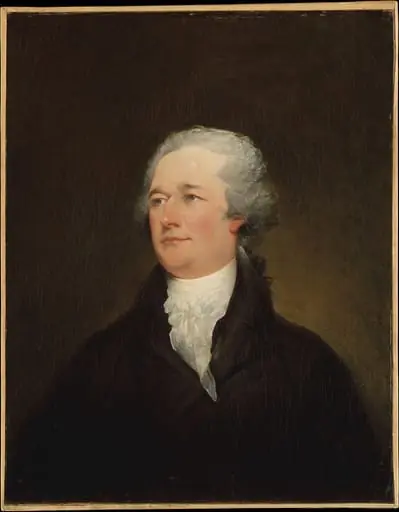
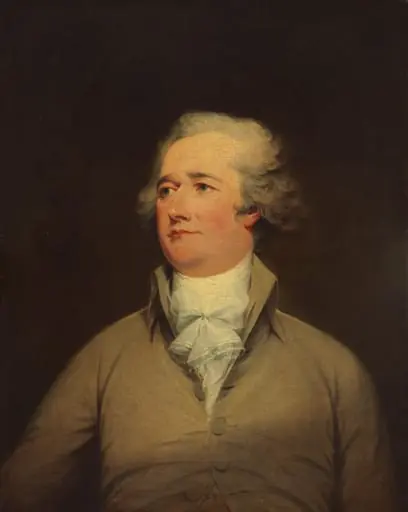
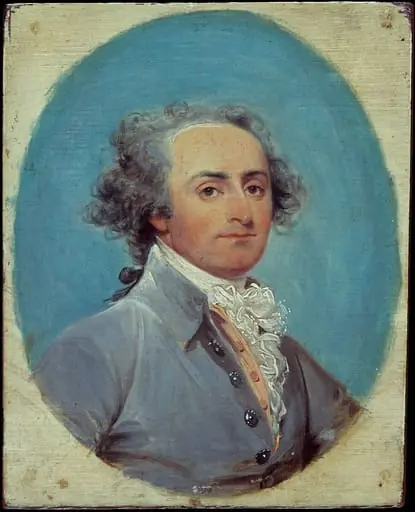
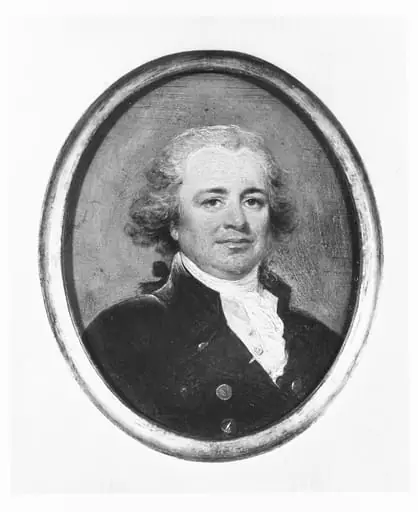
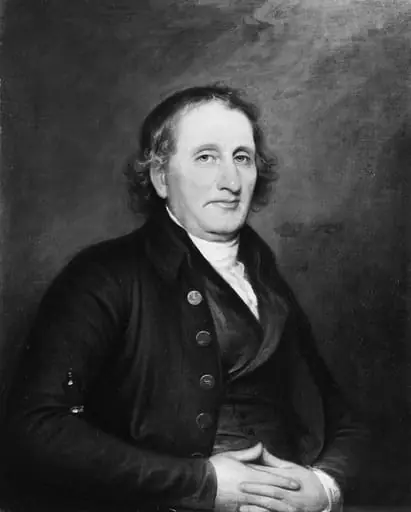
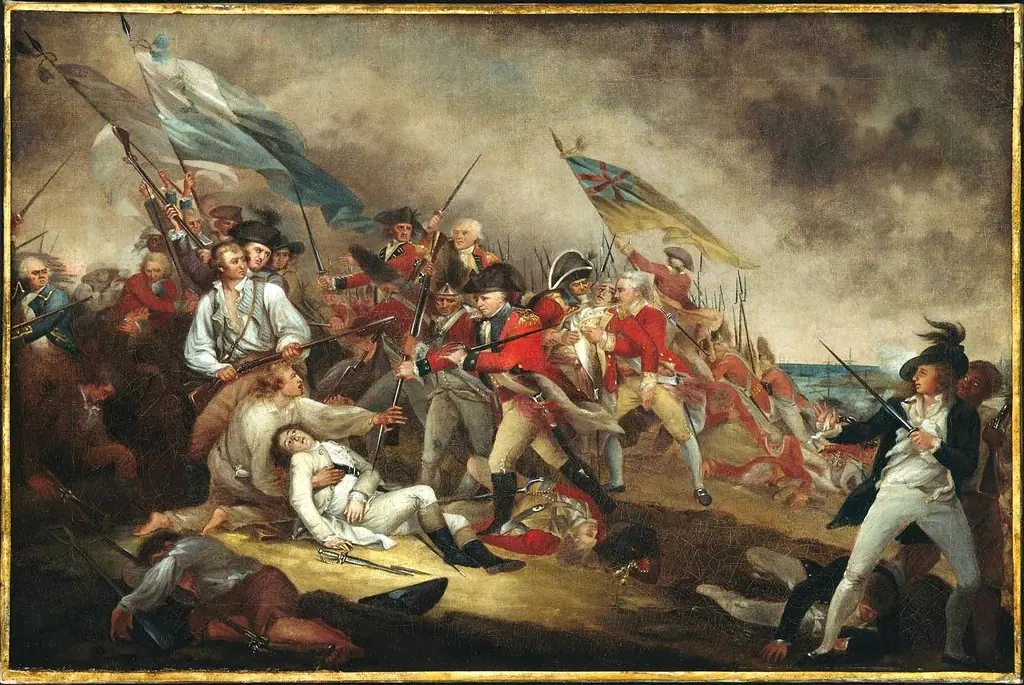
- The Death of General Warren at the Battle of Bunker's Hill, 17 June, 1775
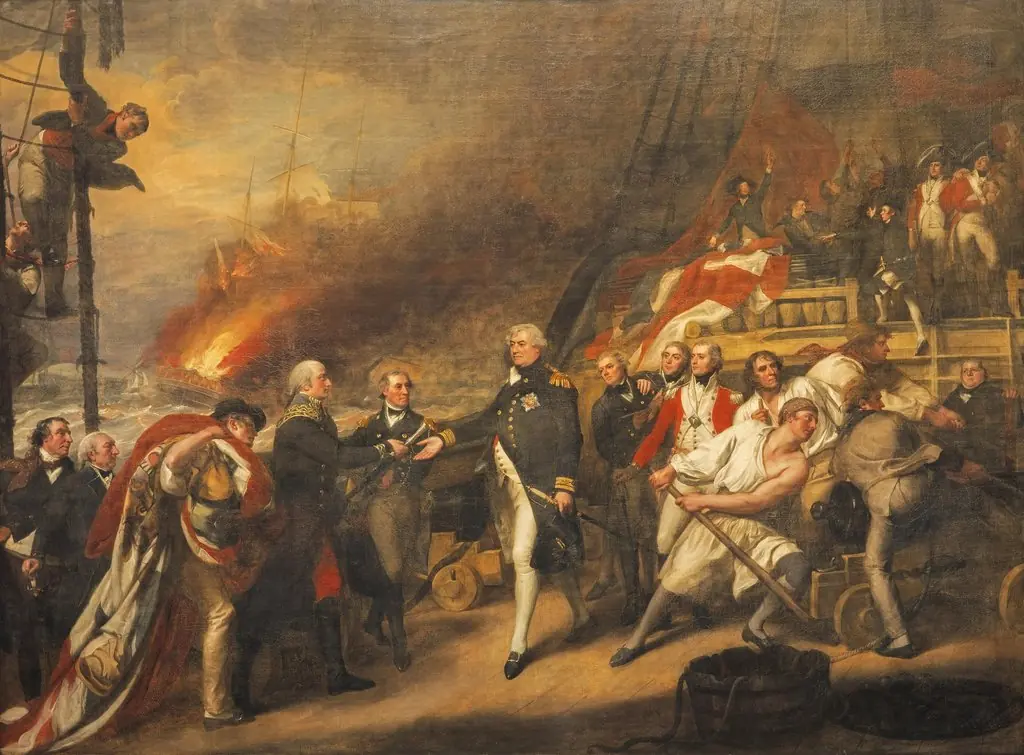 The Surrender of the Dutch Admiral de Winter to Admiral Duncan at the Battle of Camperdown (The Victory of Lord Duncan)
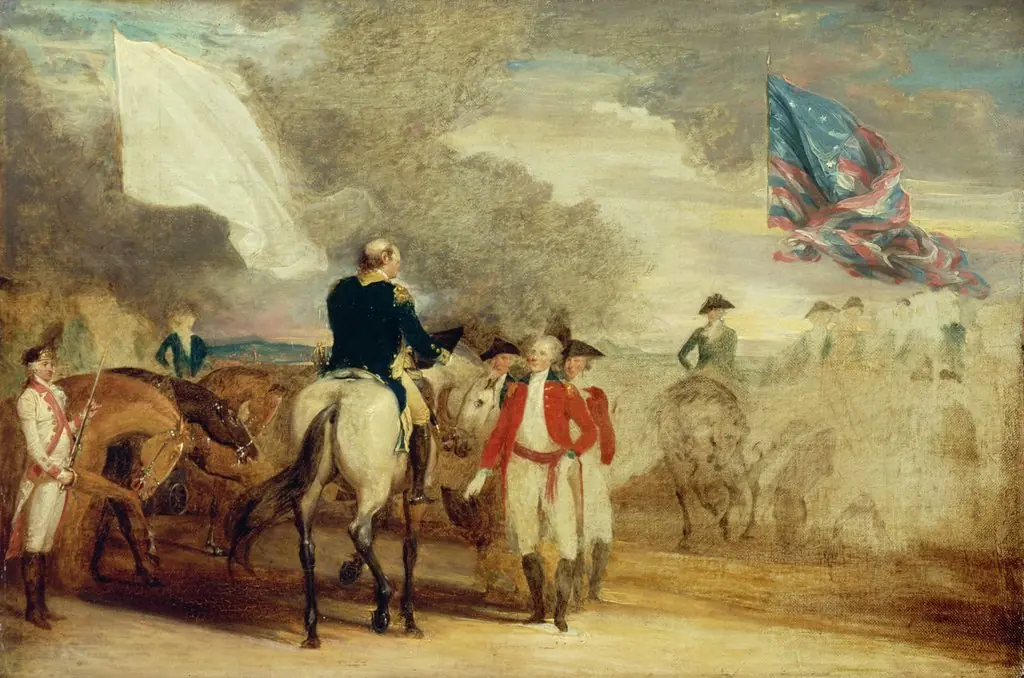 Surrender of Cornwallis at Yorktown
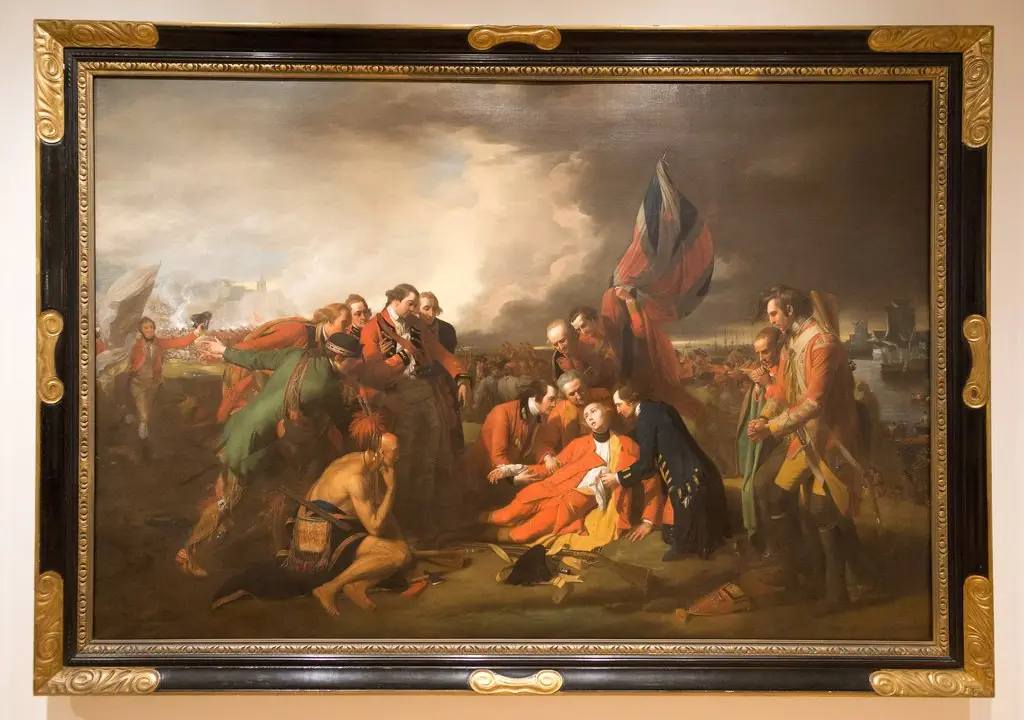 The Death of Wolfe
 Reiterszene
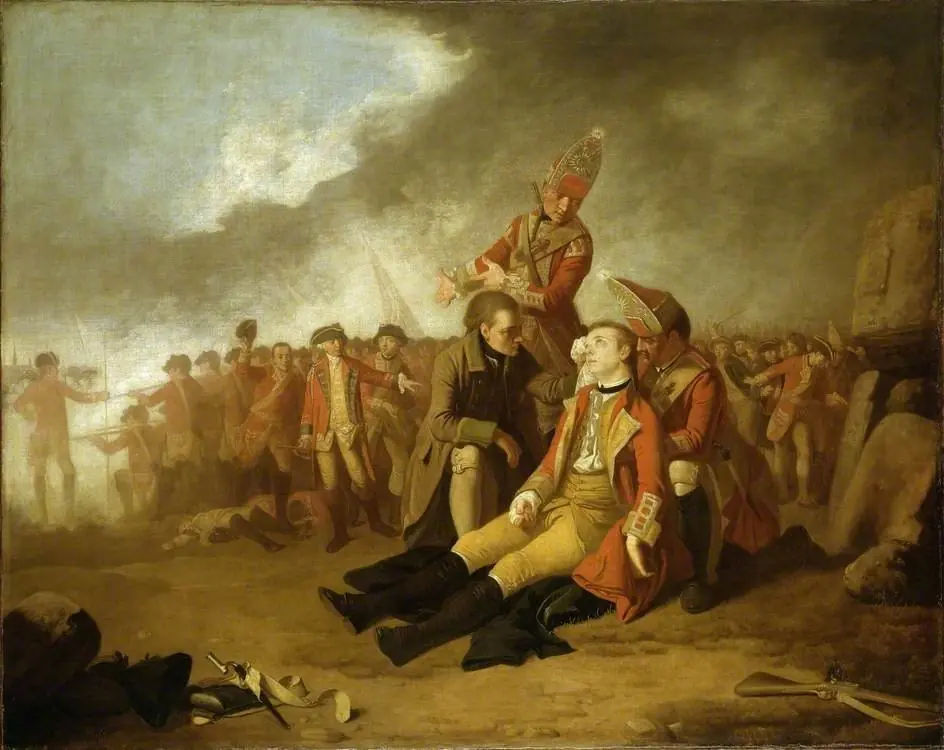 The Death of General Wolfe
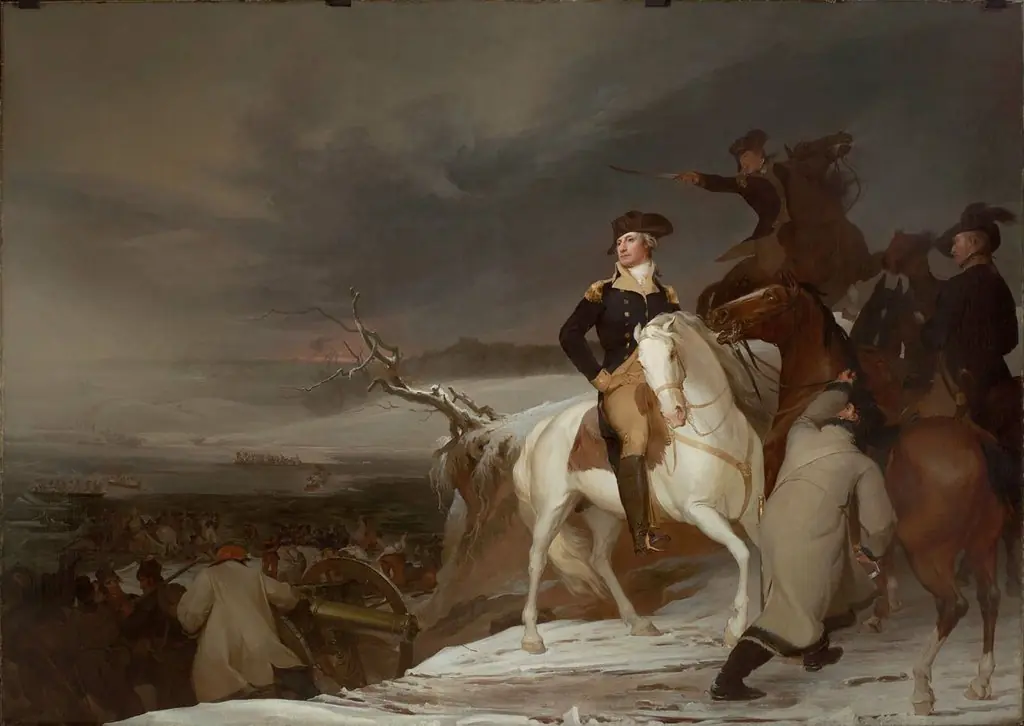 The Passage of the Delaware
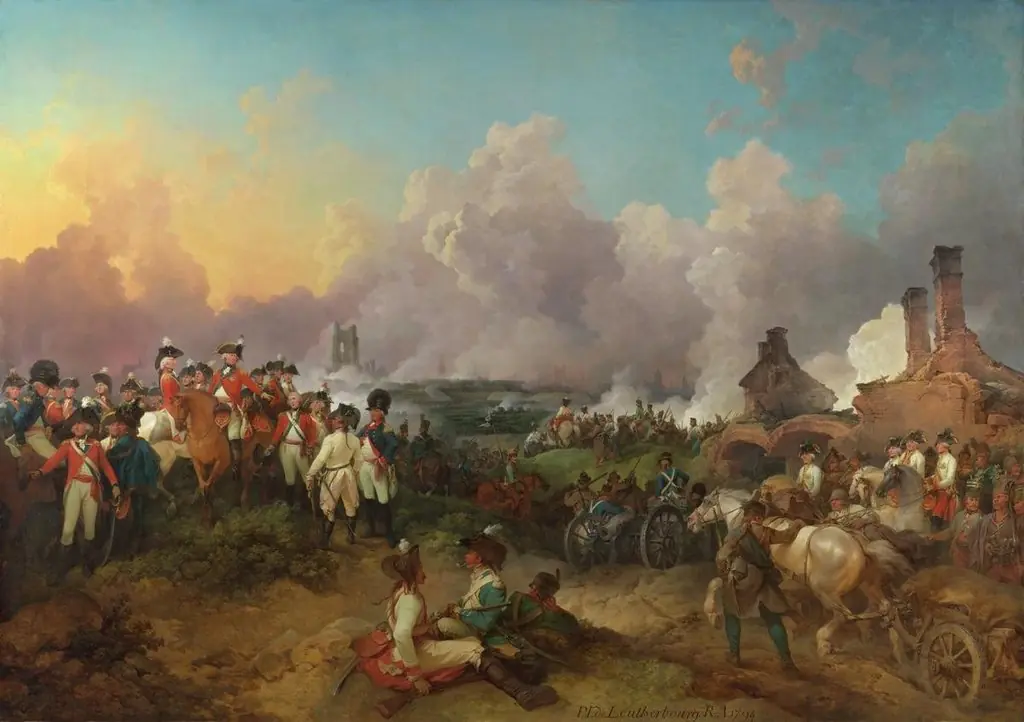 The Grand Attack on Valenciennes
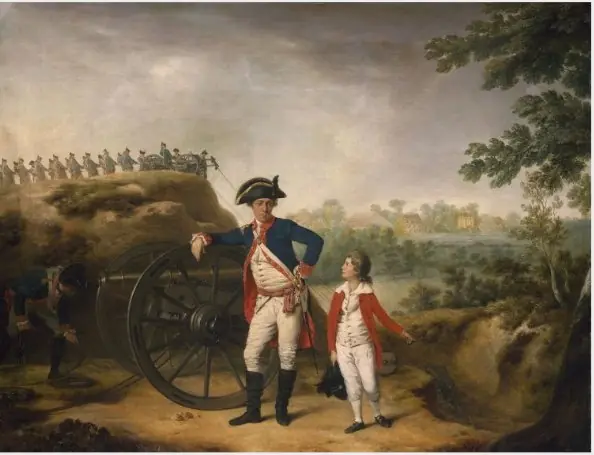 Portrait of Captain William Congreve with his Son William
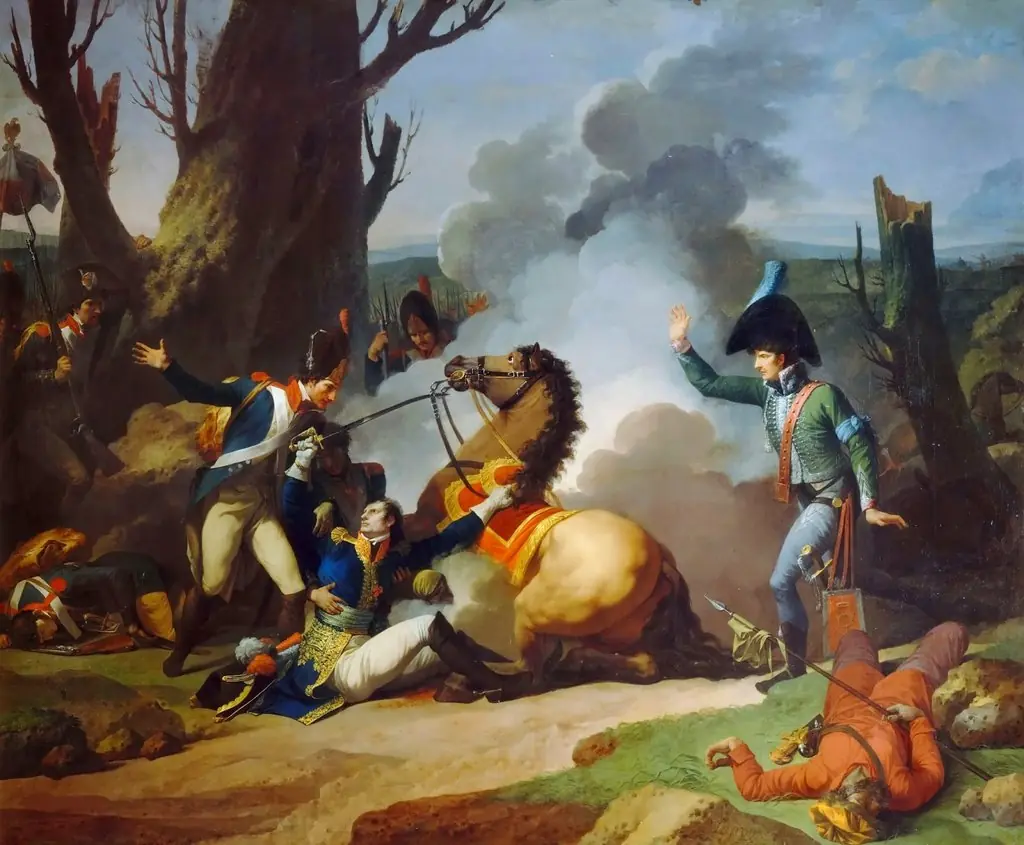 Death of General Valhubert, December 2, 1805
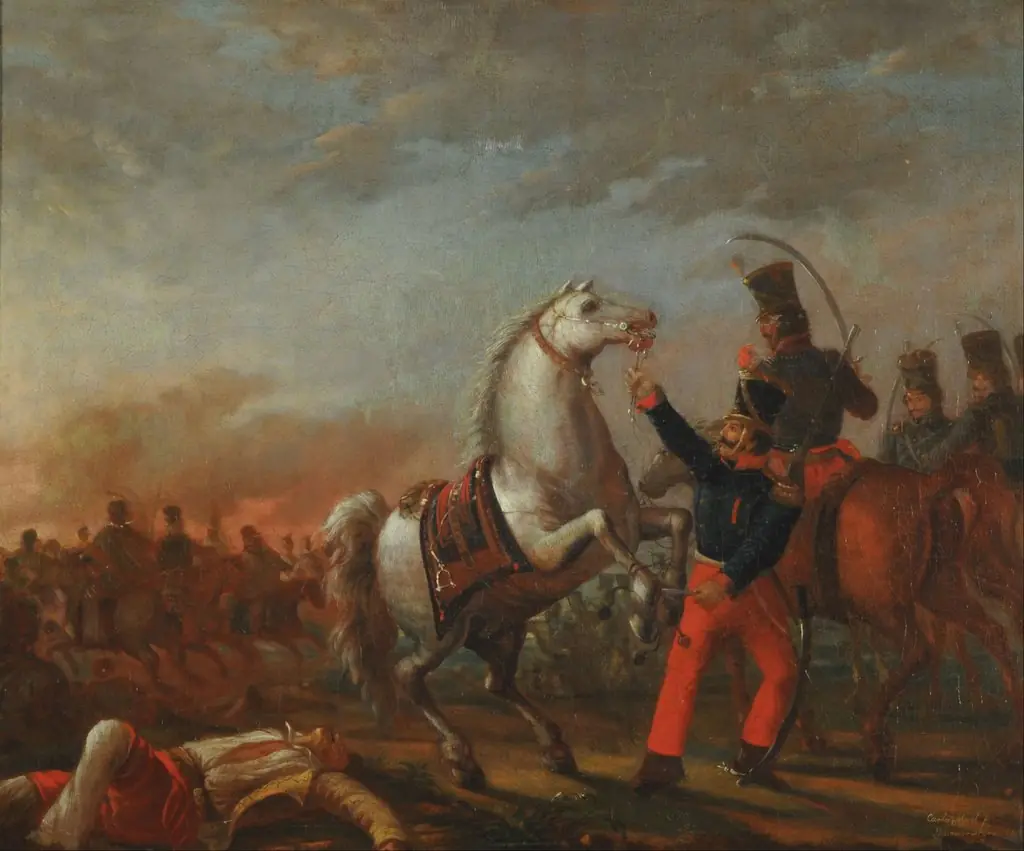 Carga de caballería - Serie Usos y Costumbres de Buenos Aires
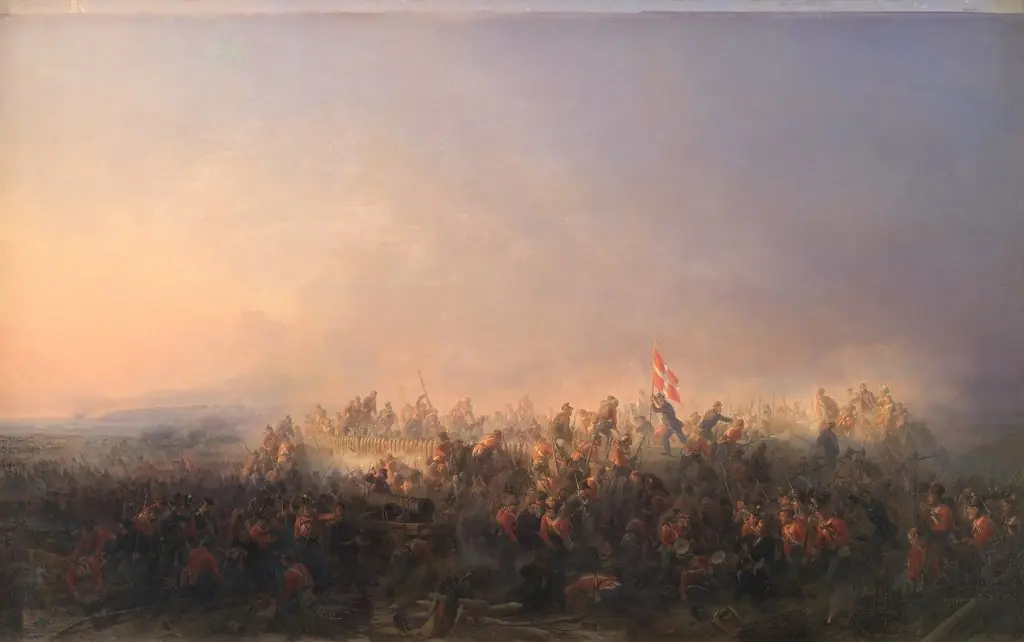 Slaget ved Fredericia den 6. juli 1849