Artwork
Thomas Jefferson
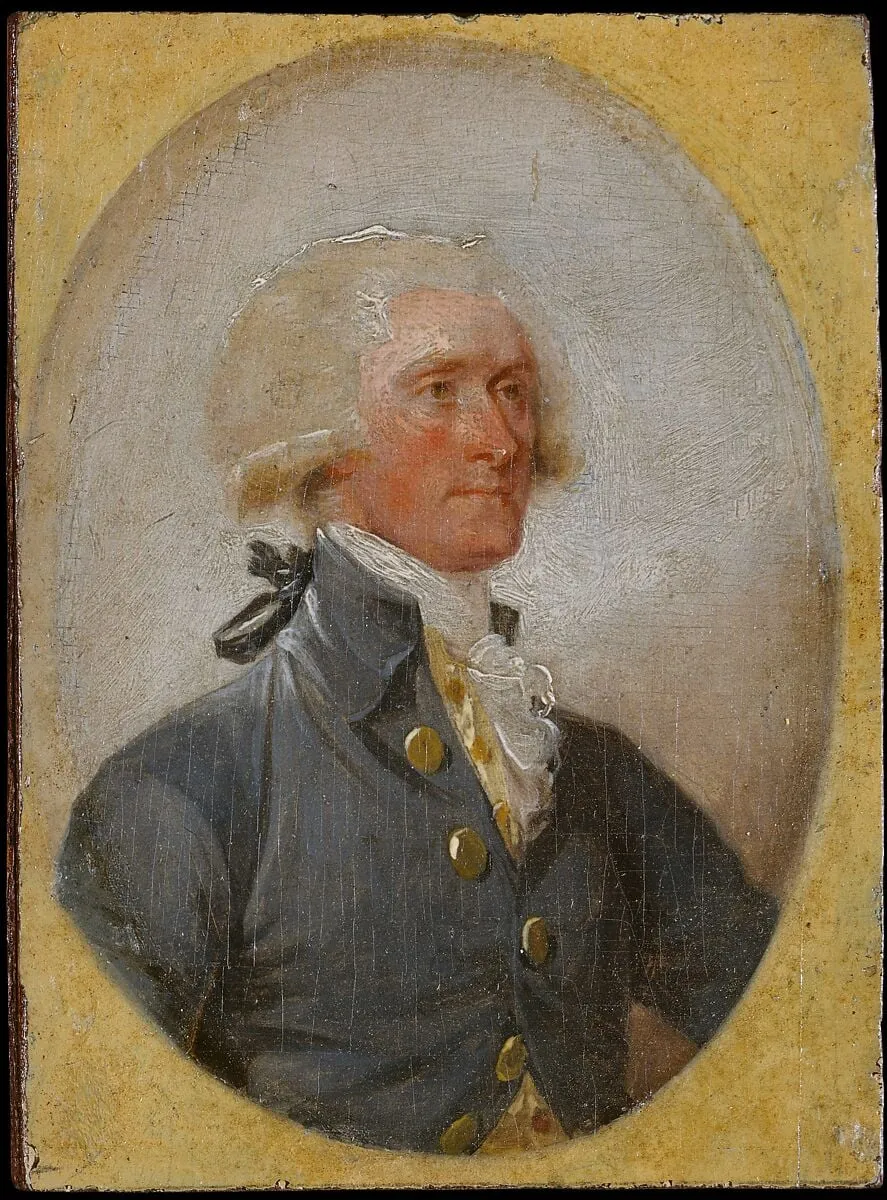
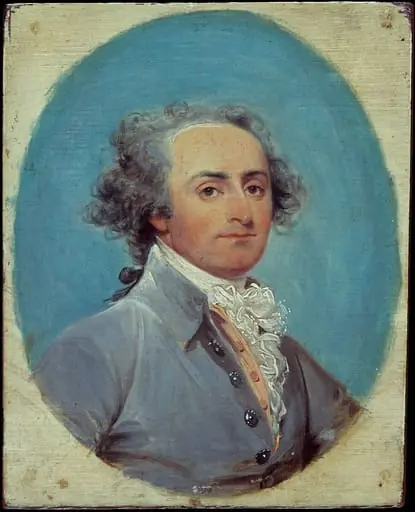
Thomas Jefferson is an oil painting by the Neoclassicist artist John Trumbull. It dates from 1788 and is held in the collection of the Metropolitan Museum of Art.
About this work
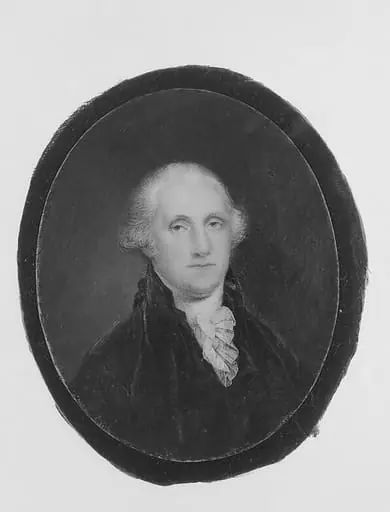
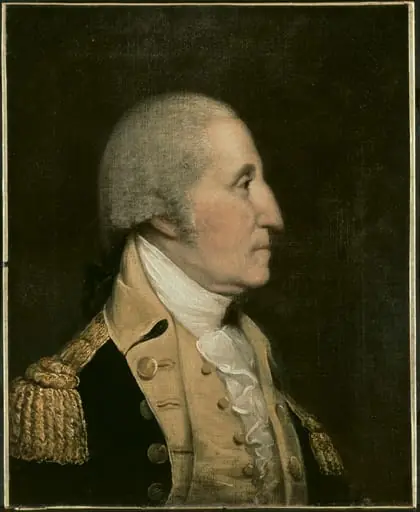
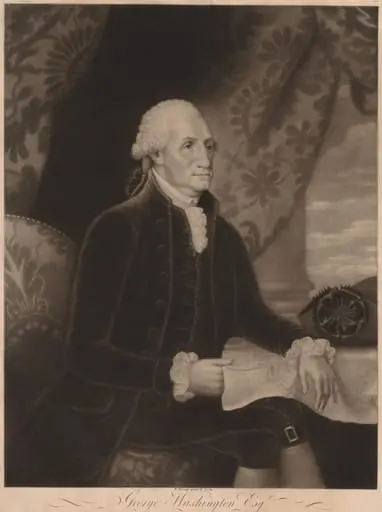
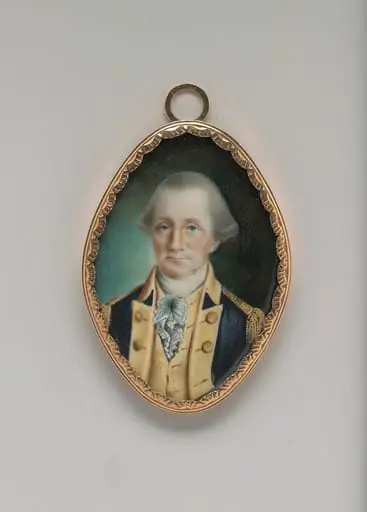
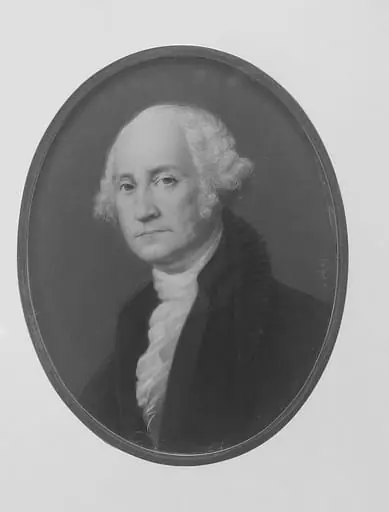
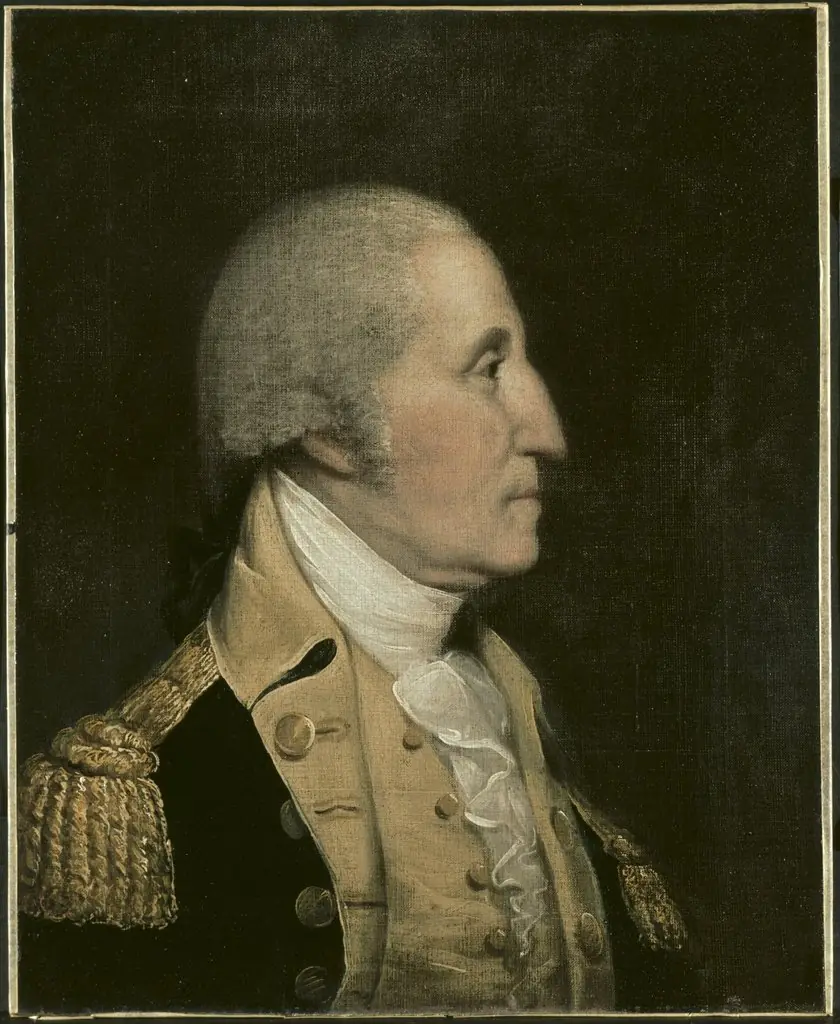
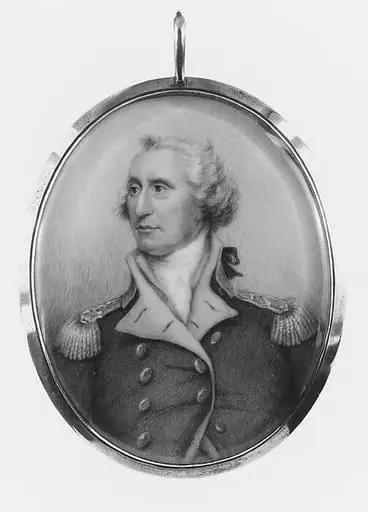
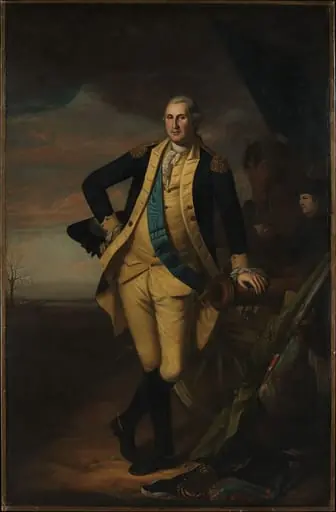
Jefferson stands in a dark coat, one hand tucked inside it, against a plain background that keeps attention on his sharp features. John Trumbull painted him in Paris in 1788, where Jefferson served as a diplomat, posing him after classical statues to suggest a philosopher-king.
Subject & Meaning
The work serves as a direct visual record of the man, capturing his image shortly after his significant diplomatic and political activities in Europe.
The artwork portrays Thomas Jefferson as a distinguished man, functioning strictly as a formal portrait. Created by John Trumbull in 1788, the piece focuses on the individual likeness of the subject without incorporating additional narrative scenes or complex allegorical figures. As a genre work classified within The American Wing, the painting's primary meaning lies in its representation of Jefferson's personal identity and status during the late eighteenth century.
The composition centers entirely on the sitter, emphasizing his presence as a historical figure rather than utilizing symbolic objects or broader iconographic programs to convey meaning. The work serves as a direct visual record of the man, capturing his image shortly after his significant diplomatic and political activities in Europe.
Technique & Style
John Trumbull's 1788 portrait of Thomas Jefferson is executed in oil on a mahogany support. The painting is notably small in scale, measuring 11.4 centimeters in height and 8.3 centimeters in width. As a portrait, the work focuses on the depiction of a male subject, utilizing the traditional medium of oil paint to capture Jefferson's likeness.
The choice of mahogany as a panel support provides a rigid, durable foundation for the composition, reflecting conventional materials available to artists in the late eighteenth century.
History & Provenance
John Trumbull executed this oil portrait of Thomas Jefferson in 1788. The artist utilized mahogany as the support medium for the work, which measures approximately 11.4 by 8.3 units. Created during the late eighteenth century, the painting depicts the American statesman and is currently held in the collection of the Metropolitan Museum of Art, where it resides within the institution's American Wing.
The work's inception is specifically dated to January 1, 1788, marking its entry into the artist's oeuvre during this period.
Overview
John Trumbull's portrait of Thomas Jefferson, rendered in oil on mahogany, presents the statesman in a formal, contemplative manner. The composition emphasizes Jefferson's presence through a dark coat and a direct gaze, set against an unadorned background. This work captures Jefferson during his diplomatic service abroad, reflecting a deliberate portrayal of his public persona as a distinguished figure of the new American republic.
Artist & collection

Artist
John Trumbull (June 6, 1756 – November 10, 1843) was an American painter and military officer best known for his historical paintings of the American Revolutionary War, of which he was a veteran.