Artwork
George Catlin
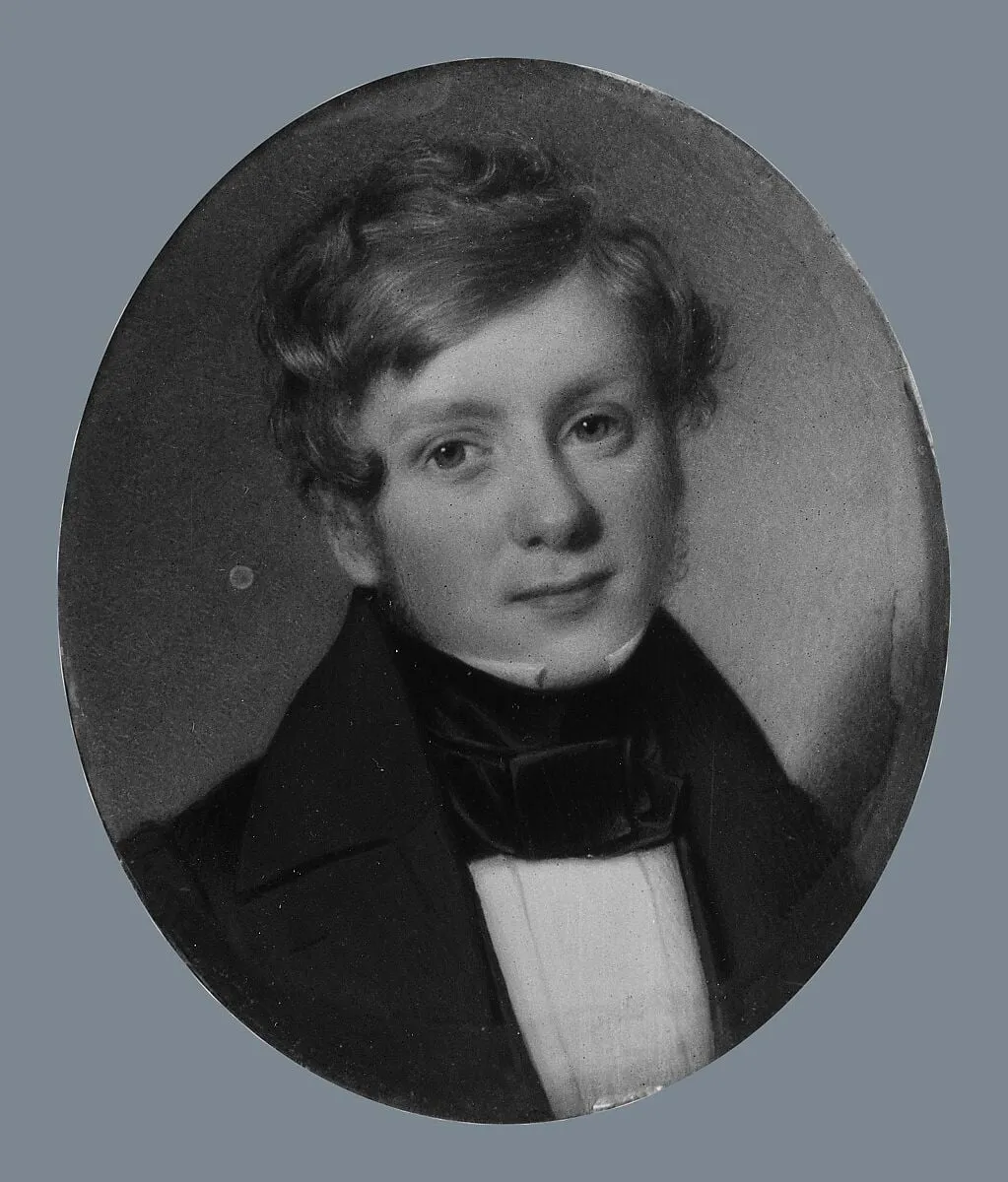
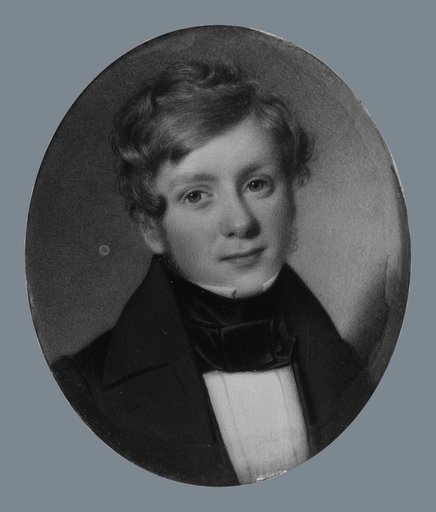
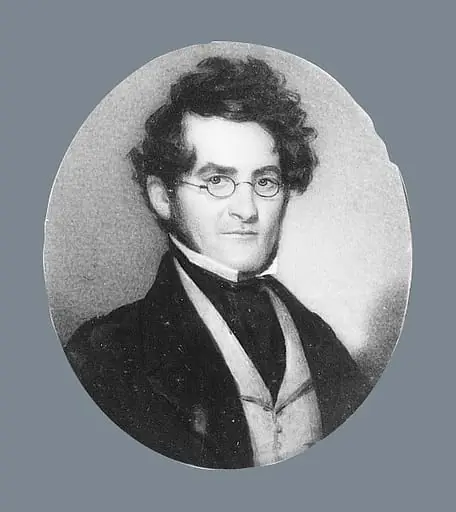
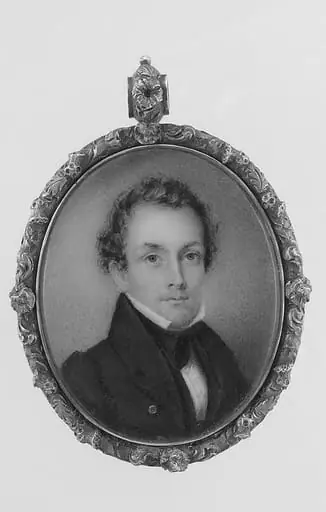
George Catlin is a watercolor painting by the American Folk Art artist John Wood Dodge. It dates from 1835 and is held in the collection of the Metropolitan Museum of Art.
About this work
Overview
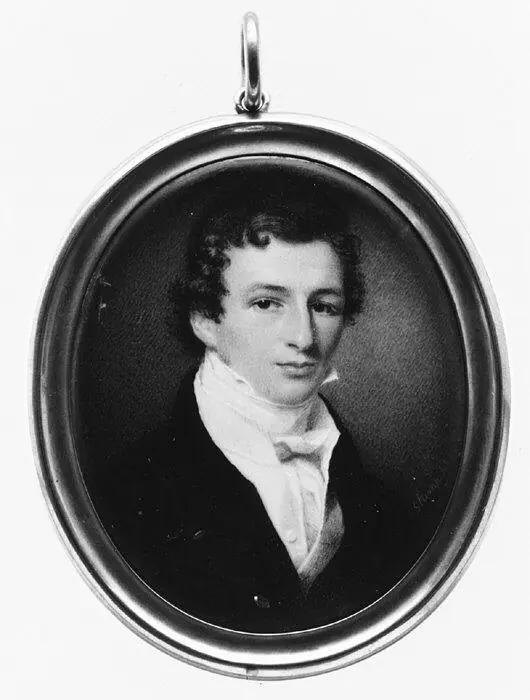
The subject wears a dark coat, and his face is illuminated by soft, diffused light that highlights his neatly combed hair and calm, direct gaze.
Created in 1835 by John Wood Dodge, this miniature portrait depicts George Catlin, the renowned American painter and ethnographer known for his extensive documentation of Native American life in the Old West. Executed in watercolor on ivory, a medium favored for its luminous quality and durability in small-scale portraiture, the work presents Catlin in a three-quarter view against a neutral background. The subject wears a dark coat, and his face is illuminated by soft, diffused light that highlights his neatly combed hair and calm, direct gaze.
Dodge, a prominent miniaturist active in Philadelphia and New York during the mid-19th century, captured Catlin at a pivotal moment in his career, shortly after the artist began his major expeditions to the American frontier. The portrait serves as a historical record of a key figure in American art history, reflecting the era's fascination with the American West and the growing interest in indigenous cultures. The composition emphasizes the sitter's intellectual demeanor and resolve, characteristic of Dodge's precise and refined style in capturing the likenesses of notable contemporaries.
Subject & Meaning
The subject is George Catlin, an American artist renowned for his extensive travels throughout the American West. Catlin dedicated his career to documenting the lives and cultures of Native American peoples, creating a significant visual record of a changing frontier. Dodge's depiction offers a direct, composed view of this pioneering painter, reflecting his public persona.
Technique & Style
Executed in watercolor on ivory, this portrait exemplifies a favored technique for miniature painting in the 19th century. The smooth, luminous surface of ivory allowed for the precise application of translucent washes, creating subtle gradations of light and shadow. Its small size, easily held in the hand, underscores the intimate nature of such personal keepsakes.
Artist & collection