Artwork
Portrait of a Gentleman
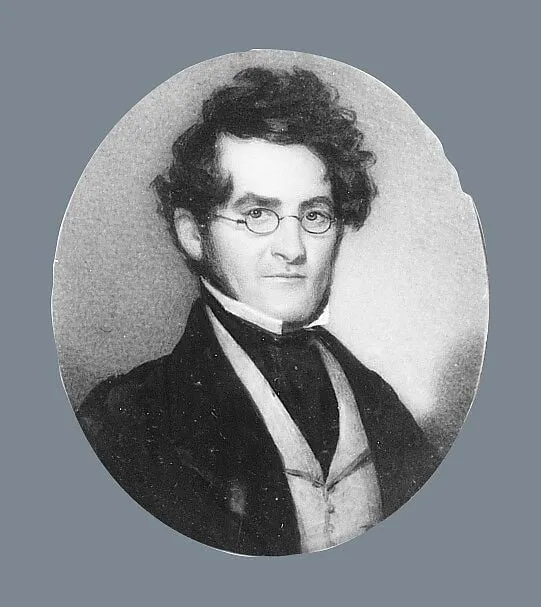
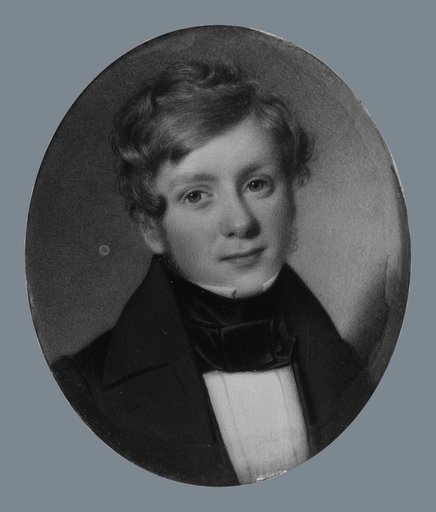
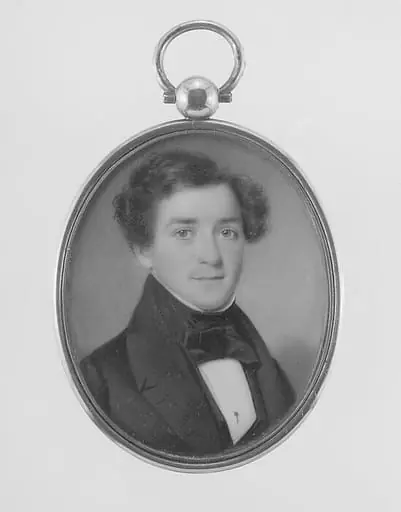
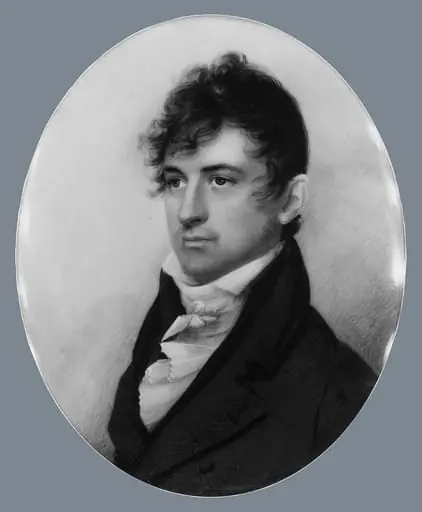
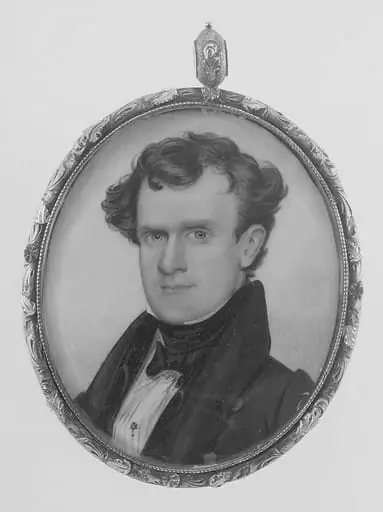
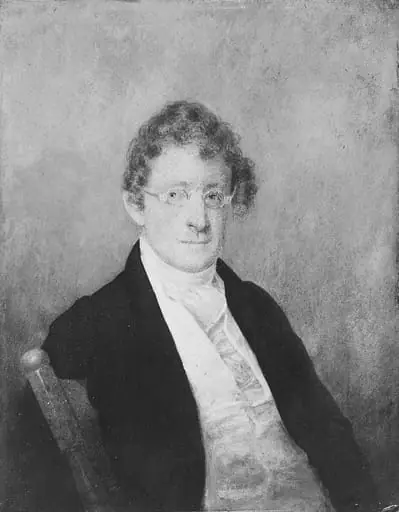
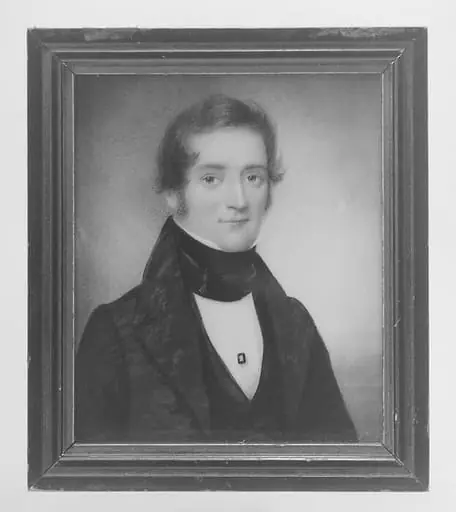
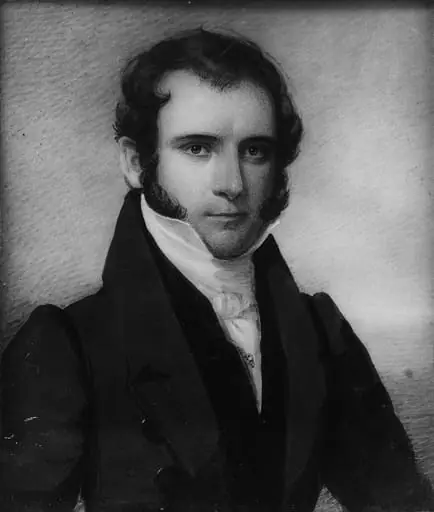
Portrait of a Gentleman is a watercolor painting by the American Folk Art artist John Wood Dodge. It dates from 1841 and is held in the collection of the Metropolitan Museum of Art.
- Accession no.
- 1981.447.1
- Credit line
- Gift of Isabella Reeder Jones, in memory of her husband, Eugene Jones II, 1981
About this work
Technique & Style
As a portrait, the work focuses on the likeness and attire of an unidentified gentleman, presenting a refined, intimate image.
Portrait of a Gentleman is a watercolor on ivory miniature painted by John Wood Dodge in 1841. The support is a thin ivory plate measuring approximately 7.3 cm high by 6 cm wide, a format typical of American portrait miniatures of the period. The watercolor medium allows the artist to build up translucent washes and fine linear details, rendering the sitter's features with subtle tonal gradations characteristic of Dodge's portraiture.
As a portrait, the work focuses on the likeness and attire of an unidentified gentleman, presenting a refined, intimate image.
History & Provenance
Portrait of a Gentleman is a watercolor on ivory painted by John Wood Dodge in 1841, as recorded in the Metropolitan Museum of Art's collection database. The painting, measuring roughly 7.3 × 6 cm, portrays a man and is classified as a portrait within The American Wing. It is cataloged under accession number 1981.447.1 and entered the museum's permanent collection in 1981.
No documentation indicates a specific commission or earlier ownership history; the work's creation is defined by the 1841 date and the watercolor-on-ivory medium noted in the source records.
Overview
John Wood Dodge's Portrait of a Gentleman, created in 1841, is a watercolor on ivory. This miniature depicts an unidentified man, presented in a dark coat with his features softly illuminated. The artwork is part of The American Wing collection, representing a common portraiture style from the period. The subject's direct and composed gaze engages the viewer, characteristic of such intimate portrayals.
Subject & Meaning
The painting presents a gentleman in a dark coat, his countenance gently illuminated against an unadorned backdrop. His steady, direct gaze meets the viewer, conveying a sense of calm composure. This intimate scale and directness were typical of miniature portraits, intended for personal contemplation or as keepsakes, allowing a close connection with the depicted individual.
Context
Miniature portraits like this one served as a prevalent form of personal imagery during the early 19th century, predating the widespread adoption of photography. These small, portable artworks offered an accessible means for individuals to commission likenesses of themselves or loved ones, functioning as cherished mementos or expressions of affection before photographic processes became common.
Artist & collection