Artwork
Emperor Maximilian I. (1459-1519)
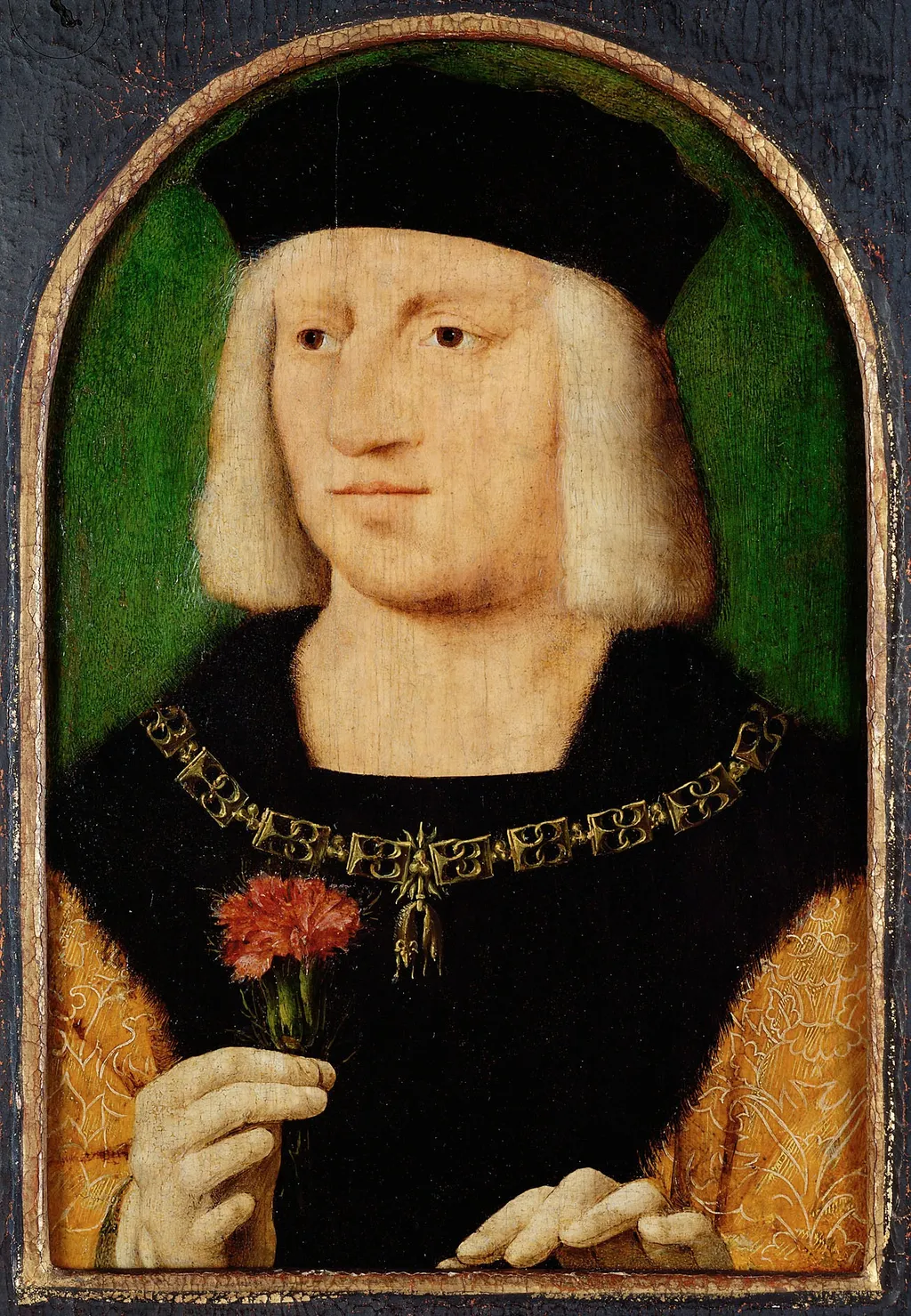
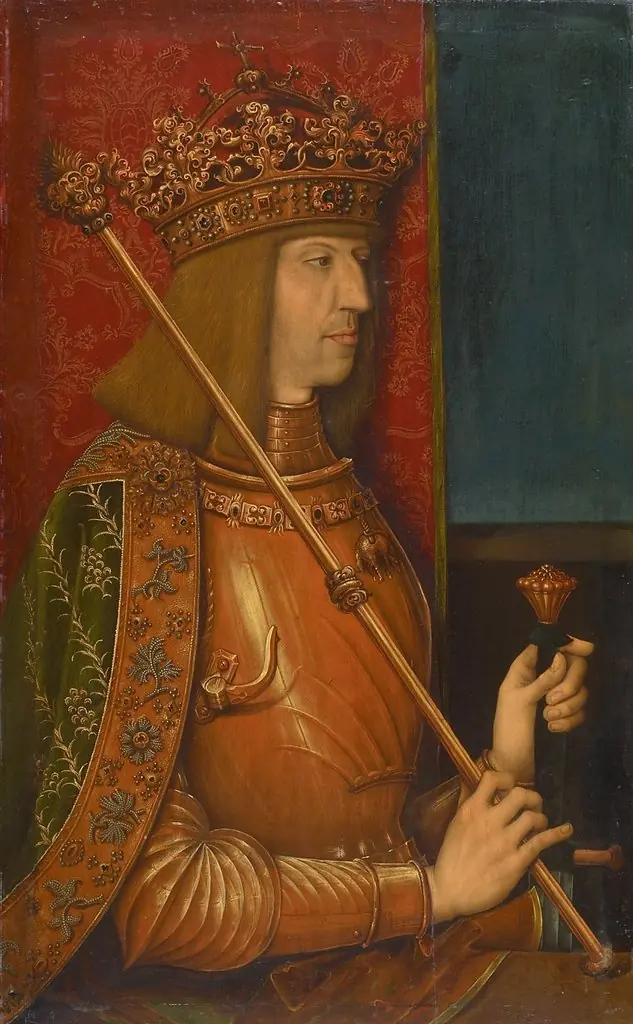
Emperor Maximilian I. (1459-1519) is a wood painting by the Northern Renaissance artist Joos van Cleve. It dates from 1508 and is held in the collection of the Kunsthistorisches Museum.
About this work
Subject & Meaning
The work is a portrait that depicts Maximilian I, the Holy Roman Emperor who reigned from 1459 to 1519.
The work is a portrait that depicts Maximilian I, the Holy Roman Emperor who reigned from 1459 to 1519. As the main subject of the painting, the figure is presented solely as the monarch, establishing the piece's primary function as a representation of imperial authority. Created by Joos van Cleve in 1508, the image focuses entirely on the identity of the ruler without additional narrative elements or symbolic attributes described in the available records.
Technique & Style
The portrait of Emperor Maximilian I is painted in oil on oak panels, a medium characteristic of Northern Renaissance practice during the early sixteenth century. The handling shows smooth, blended transitions in the modeling of the emperor’s face and hands, with fine, precise detailing in the costume and regalia that underscores the sitter’s imperial status. The composition is restrained and frontal, emphasizing frontal symmetry and hierarchical scale to convey majesty.
The dark, neutral background focuses attention on the figure, while the restrained palette, dominated by deep blacks, creams, and reds, reinforces the gravitas associated with Habsburg portraiture of the period.
History & Provenance
The painting is held in the Kunsthistorisches Museum, Vienna. Its accession number is GG_553, where it is catalogued as a portrait by Joos van Cleve dated 1508. The work has not been recorded in major traveling exhibitions in the accessible sources consulted.
Overview
Emperor Maximilian I is a portrait painted on oakwood by Joos van Cleve in 1508, exemplifying the Northern Renaissance's blend of traditional and Renaissance elements.
Context
As a product of Van Cleve's Antwerp workshop (active from circa 1511 until his death in 1540/1541), this portrait reflects the city's flourishing artistic scene, where traditional Northern techniques merged with Renaissance influences.
Legacy
While specific lasting impacts of this portrait on art history are not highlighted, it remains a notable example of Northern Renaissance portraiture and Van Cleve's contribution to the era's royal and religious imagery.
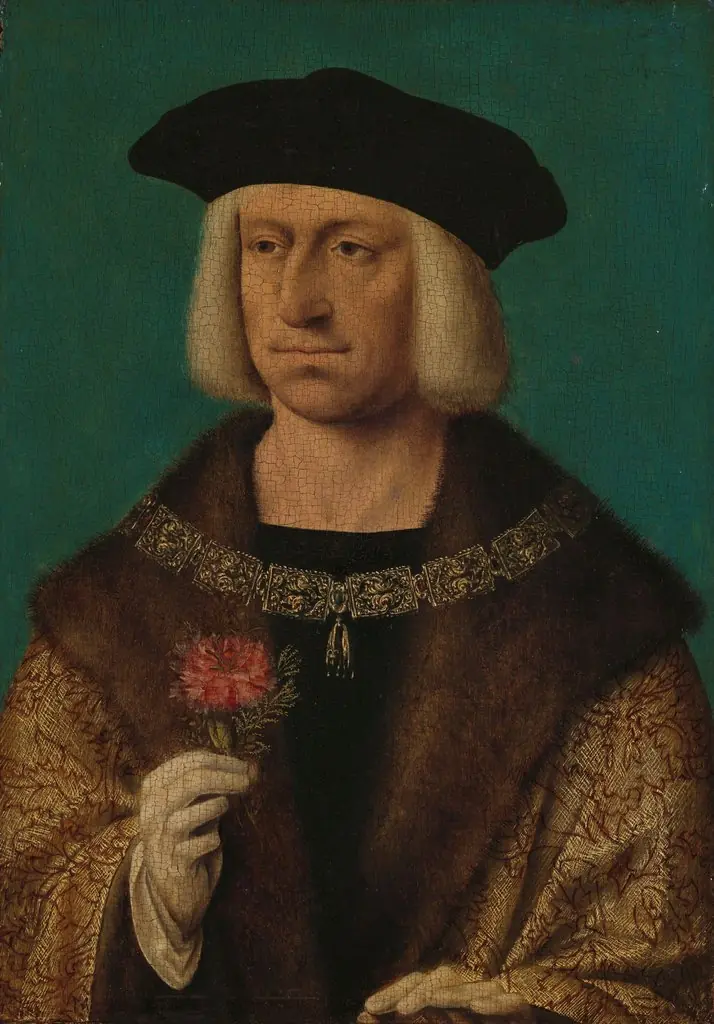
Own this work as a print
Artist & collection
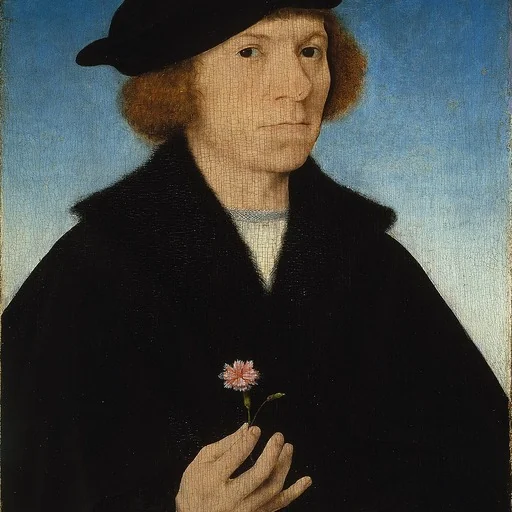
Artist
Joos van Cleve (; also Joos van der Beke; c. 1485–1490 – 1540/1541) was a leading painter active in Antwerp from his arrival there around 1511 until his death in 1540 or 1541. Within Dutch and Flemish Renaissance…

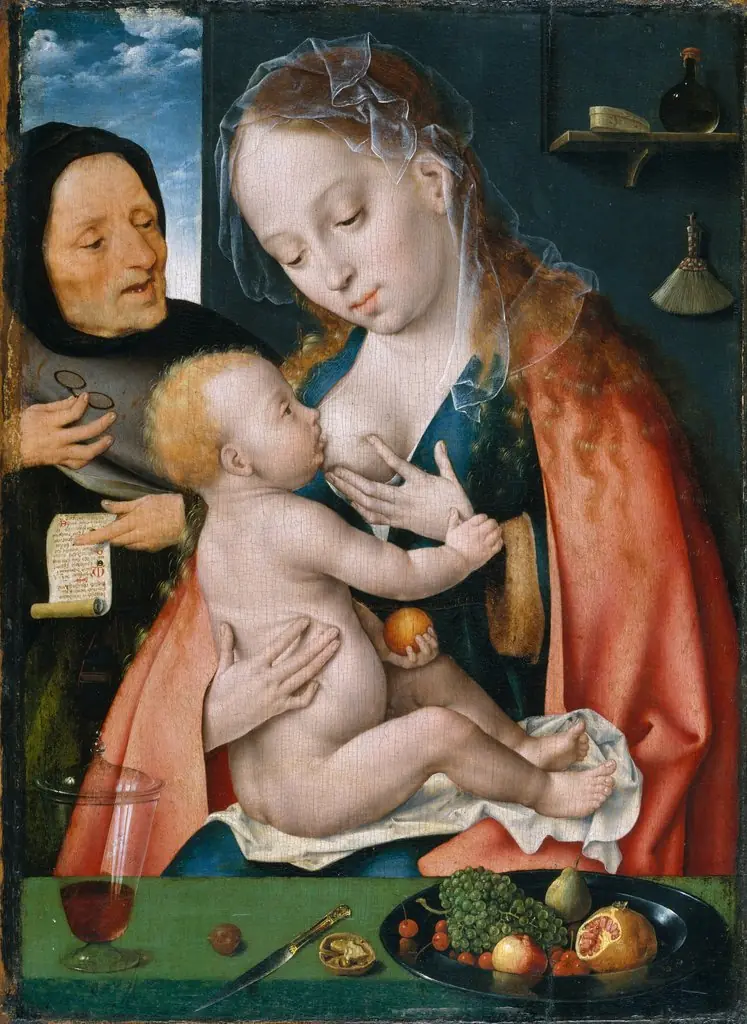
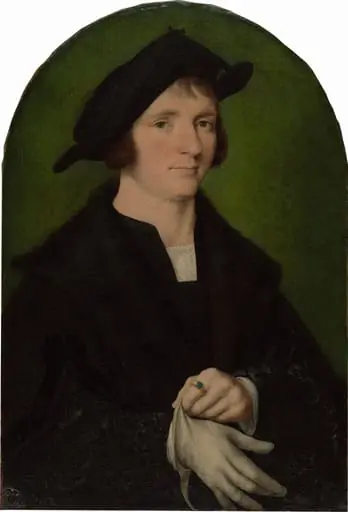
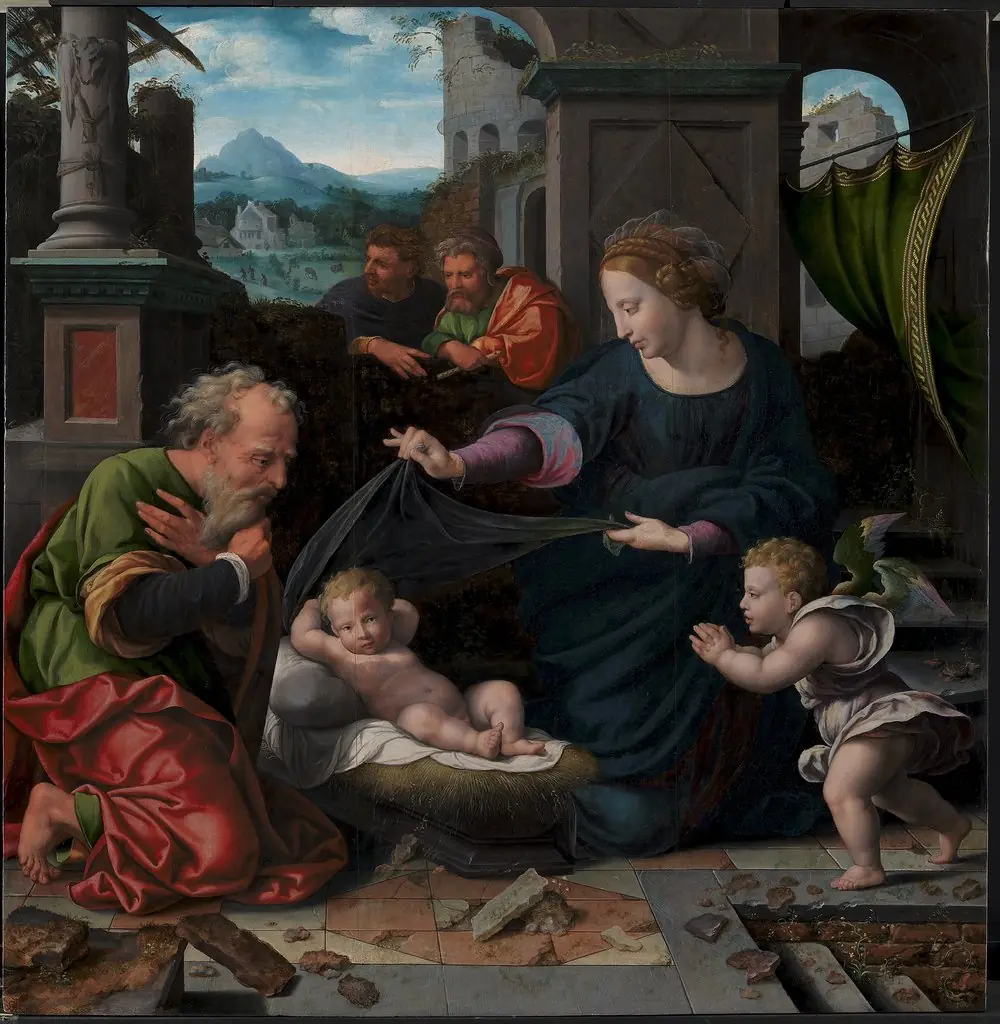
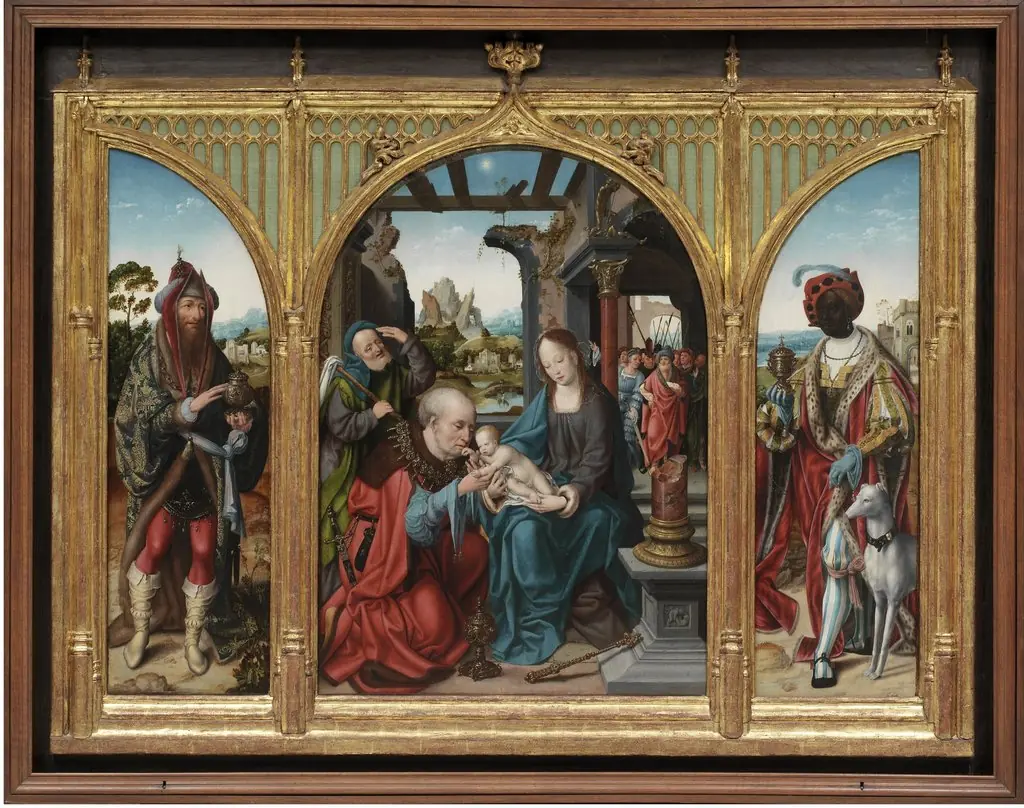
- Portrait of Maximilian I (1459-1519)
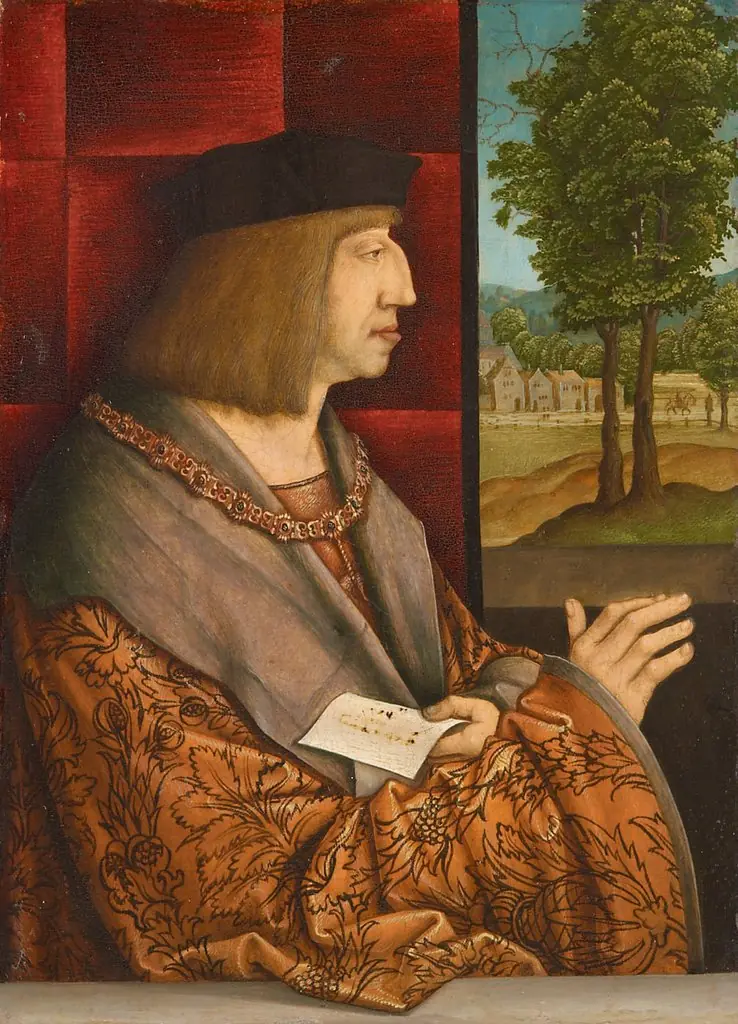 Portrait of Maximilian I (1459-1519)
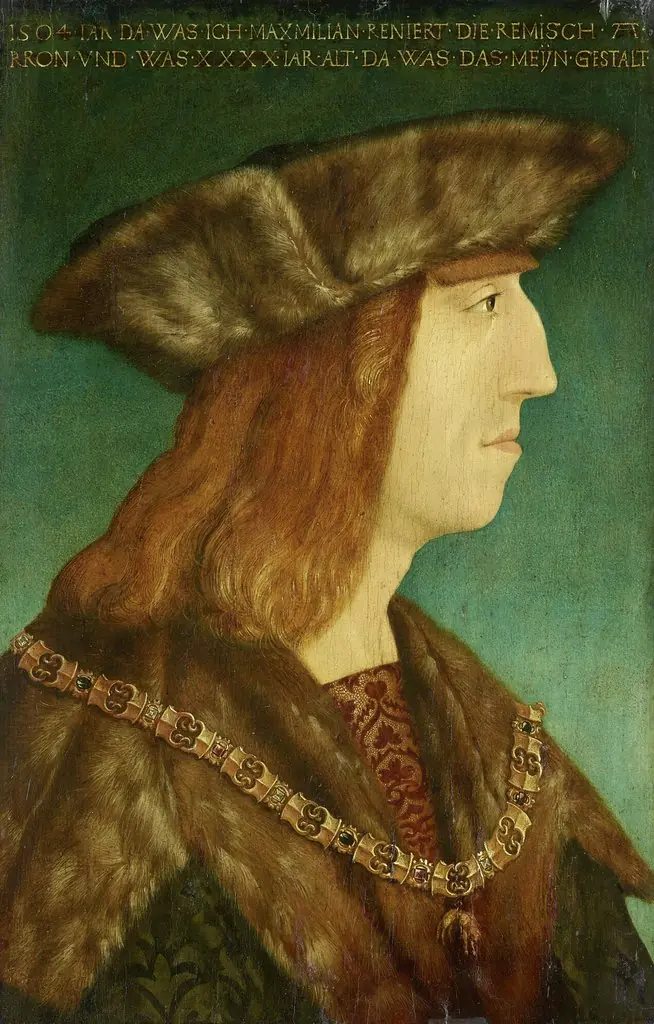 Emperor Maximilan I. (1459-1519)
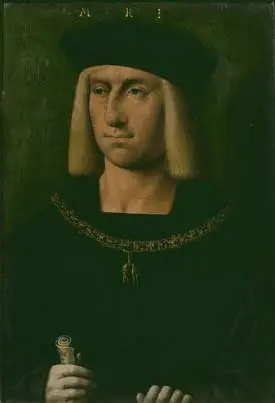 Portrait of Maximiliaan I (1459-1519), Keizer van het Heilige Roomse Rijk 1493-1519
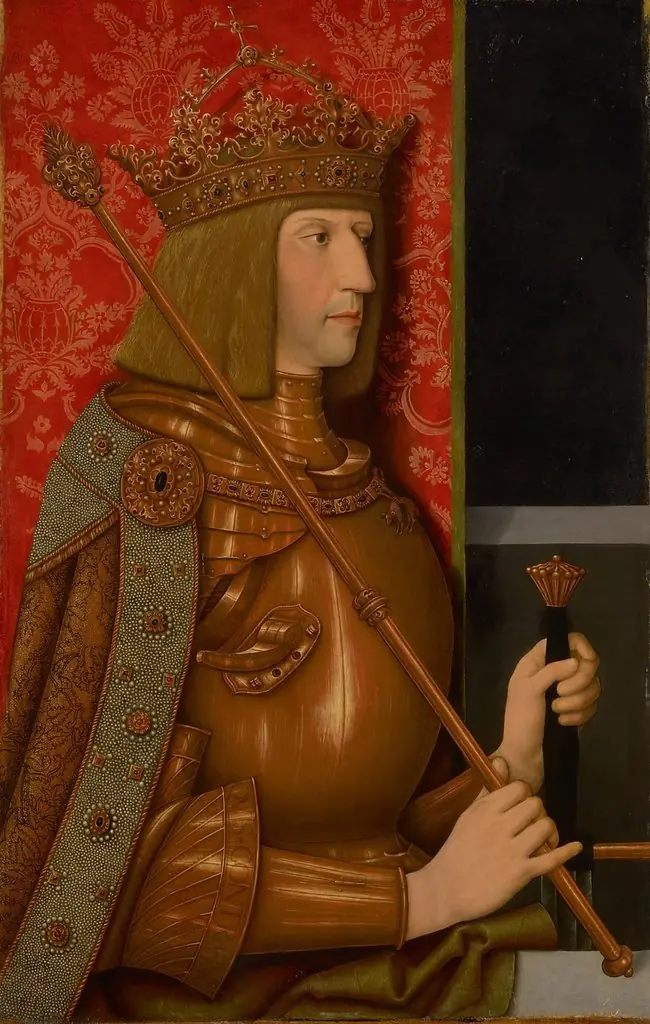 Portrait of Maximilian I, Holy Roman Emperor
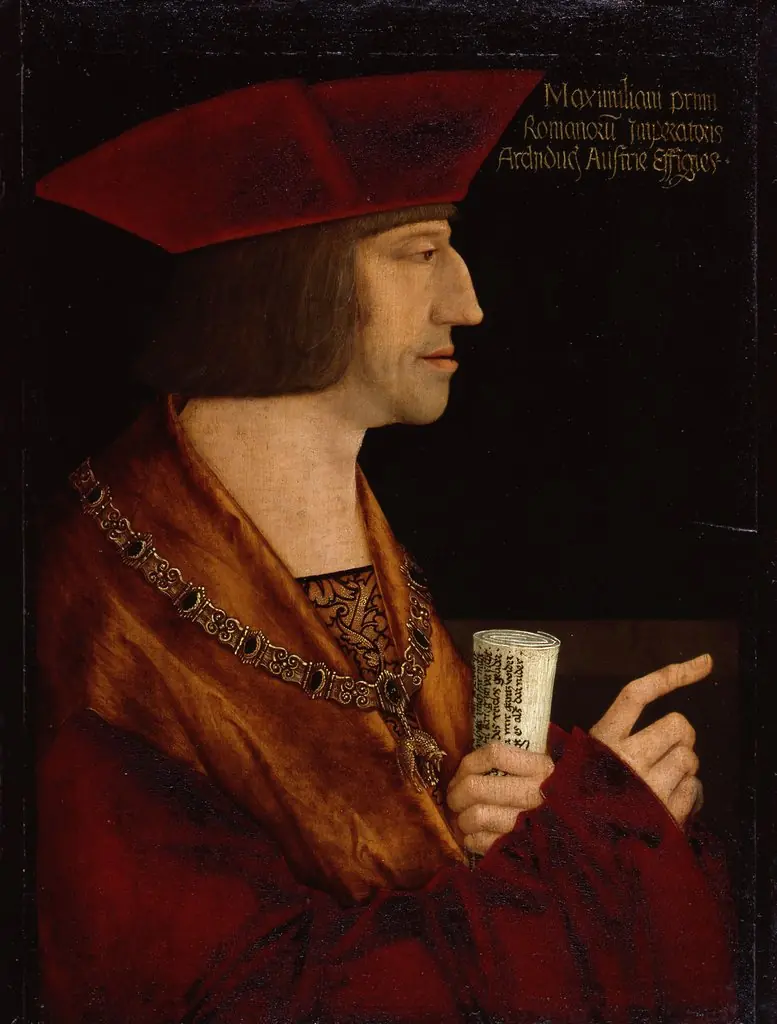 Emperor Maximilan I. (1459-1519) with a Scroll
 Portrait of Maximilian I, Holy Roman Emperor