Artwork
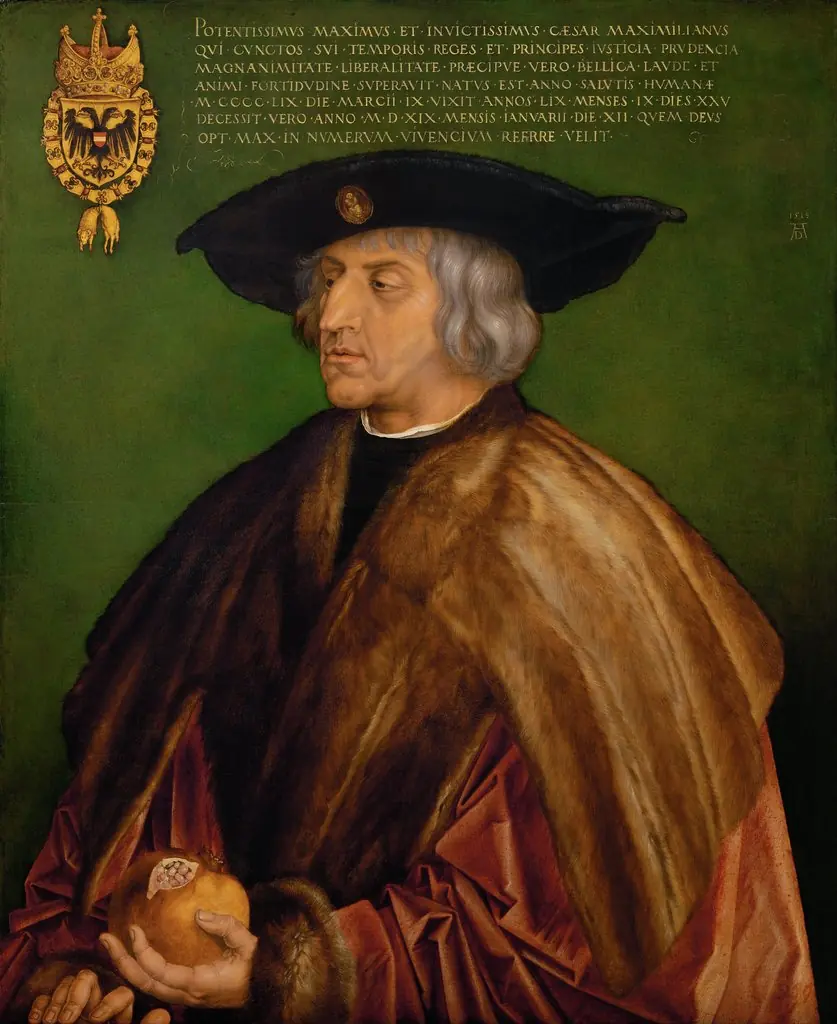
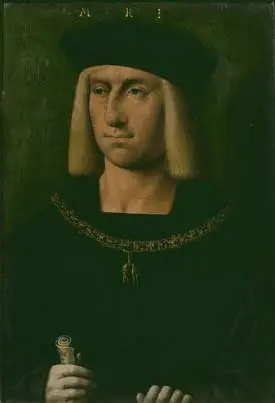
Portrait of Maximilian I (1459-1519)
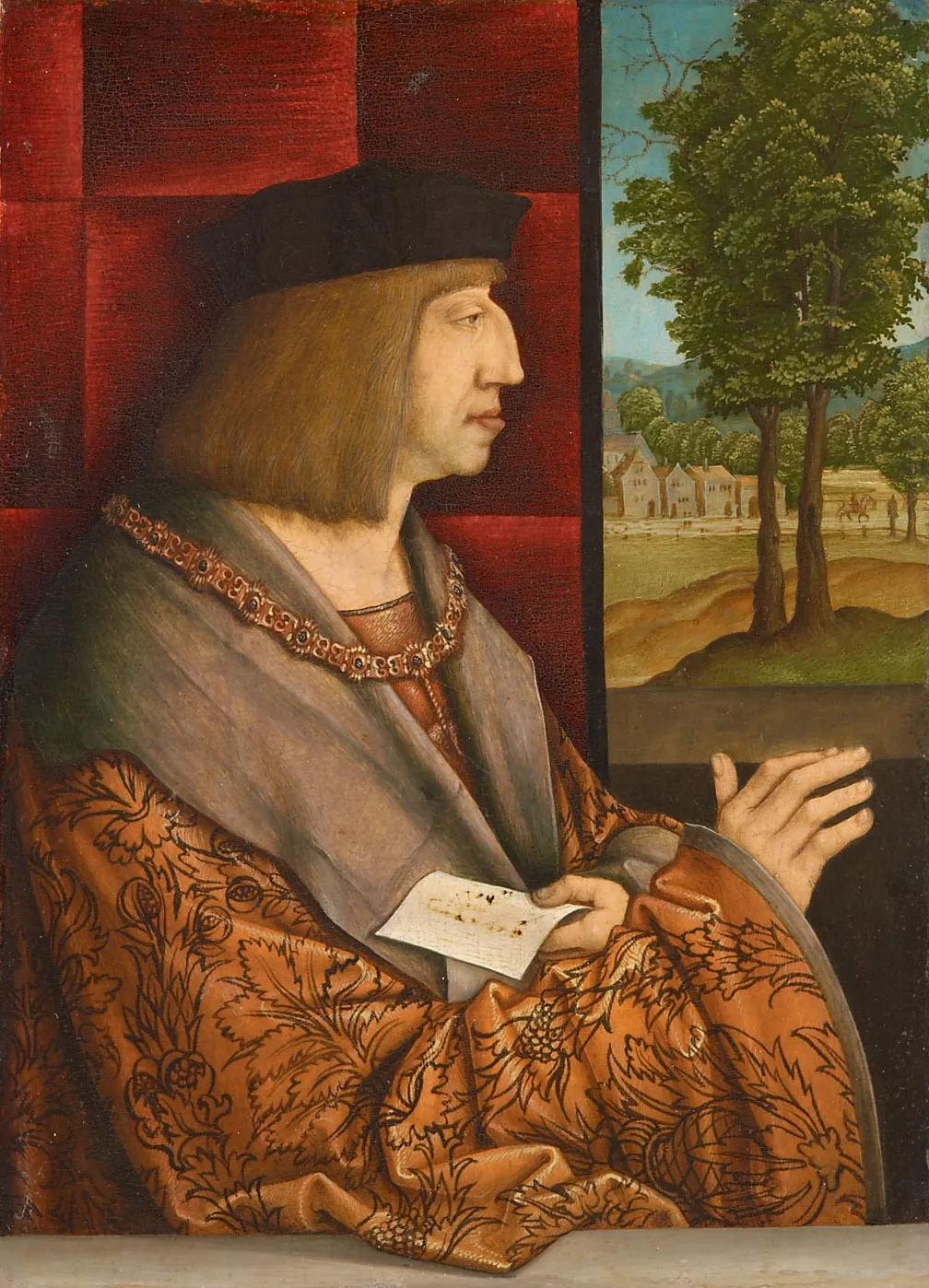
Portrait of Maximilian I (1459-1519) is an unspecified painting by the High Renaissance artist Unknown. It dates from 1550 and is held in the collection of the Kunsthistorisches Museum.
About this work
Subject & Meaning
As a portrait genre piece, the image functions primarily to represent the identity and presence of the emperor himself.
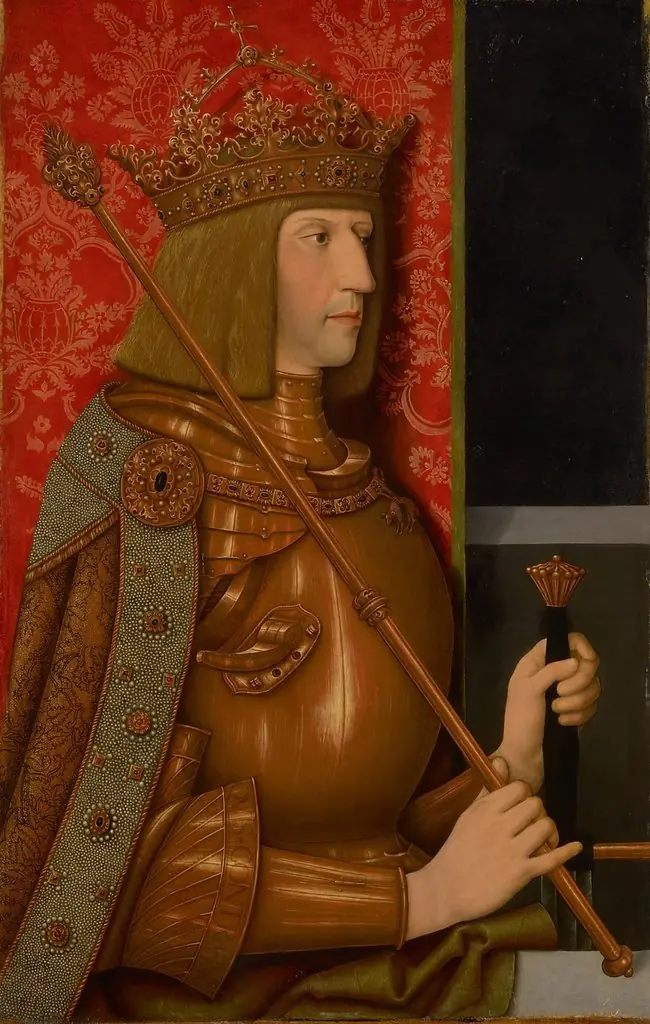
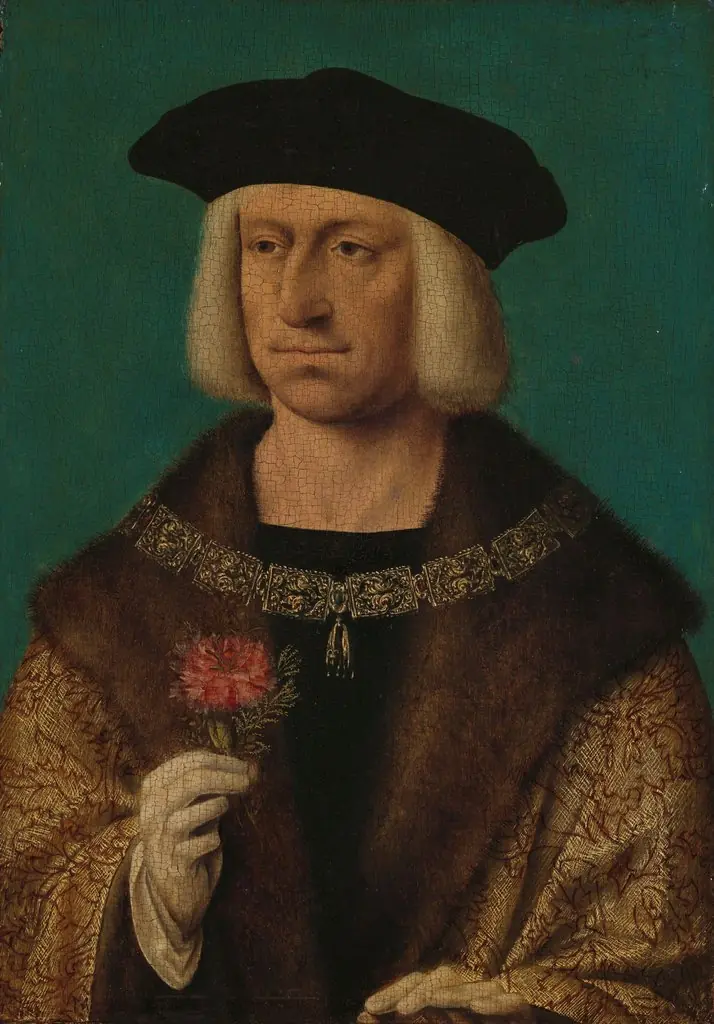
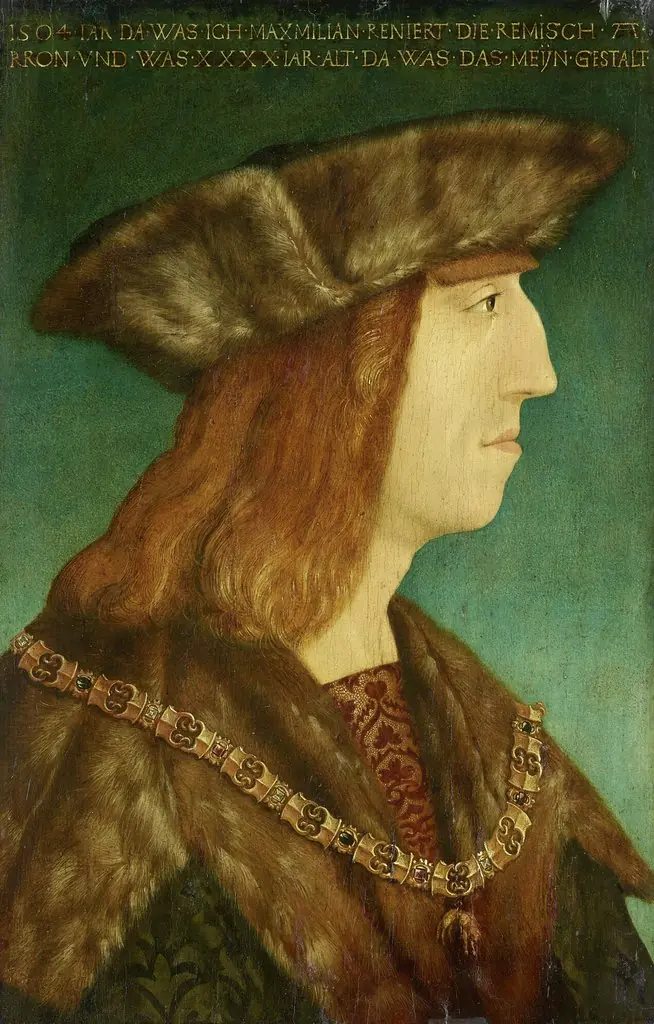
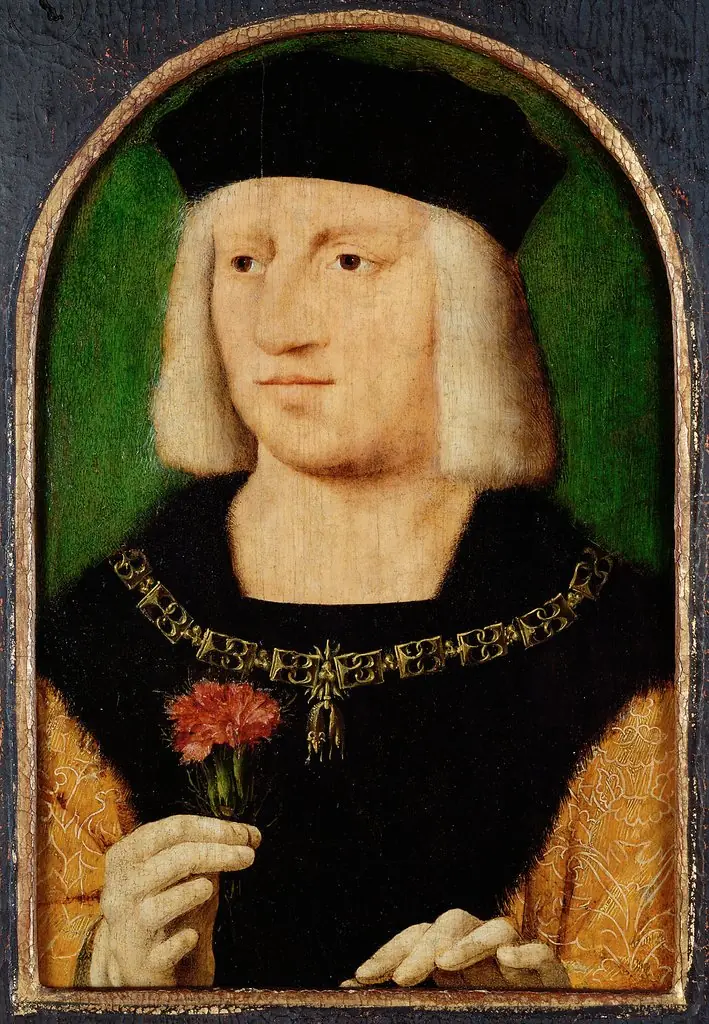
The work depicts Maximilian I, the Holy Roman Emperor, serving as a formal portrait of the historical ruler. Created in 1550, this painting is identified as a later copy executed after the original style of Bernhard Strigel. As a portrait genre piece, the image functions primarily to represent the identity and presence of the emperor himself.
The composition focuses exclusively on the main subject, Maximilian I, without additional described iconographic elements or symbolic attributes in the available records.
Technique & Style
The portrait is classified as a painting and dated to 1550, making it a posthumous workshop production rather than a life study of the sitter. It is recorded as a work after Bernhard Strigel, indicating it follows the compositional and stylistic conventions of his portrait type rather than being an autograph original. The painting is held in the Kunsthistorisches Museum in Vienna and forms part of the Kunstkammer Wien holdings.
Its physical format is small and intimate, measuring 22 cm in height by 16.2 cm in width, a scale consistent with a cabinet picture intended for close, private viewing rather than formal display.
The medium is not specified in the available records, so the support, whether panel or canvas, and the handling of paint cannot be confirmed from the sources. Likewise, no documentation of the work's condition, surface state, or specific stylistic qualities such as brushwork, palette, or modeling is provided.
History & Provenance
The work is a portrait of Maximilian I painted circa 1550 and now held by the Kunsthistorisches Museum in Vienna. It depicts the emperor and was recorded in the museum's collection and Kunstkammer Wien. The attribution is to an artist following Bernhard Strigel, and the dimensions are 22 cm in height by 16.2 cm in width.
The painting entered the Kunsthistorisches Museum's collection and remains on display in the Kunstkammer Wien.
The work was created around 1550, as indicated by the inception date recorded in the museum's catalog.
The provenance chain traces the work from its creation to its acquisition by the Kunsthistorisches Museum, where it has been part of the permanent collection since its acquisition.
The painting is held in the Kunsthistorisches Museum Wien, Kunstkammer Wien, accessioned as part of that collection. It was created circa 1550, likely as a posthumous representation of Maximilian I. The work has not been recorded in major exhibition histories in the sources consulted.
Context
The work is recognized as a portrait of the Holy Roman Emperor Maximilian I, created circa 1550, and is classified within the portrait genre. It is attributed to a workshop practice following Bernhard Strigel, reflecting the artistic milieu of the mid-sixteenth century. The painting is part of the collection at the Kunsthistorisches Museum in Vienna, where it remains on display, underscoring its significance within institutional holdings of Renaissance portraiture.
Scholarship emphasizes its role in documenting imperial iconography and its technical continuity with Strigel’s stylistic legacy, situating it within broader discussions of courtly representation and artistic transmission in early modern Europe.
Overview
This Renaissance portrait depicts Maximilian I, Holy Roman Emperor from 1459 to 1519, in formal attire, set against a contrasting background of a red curtain and a detailed landscape.
Artist & collection