Artwork
Ordenación de San Agustín
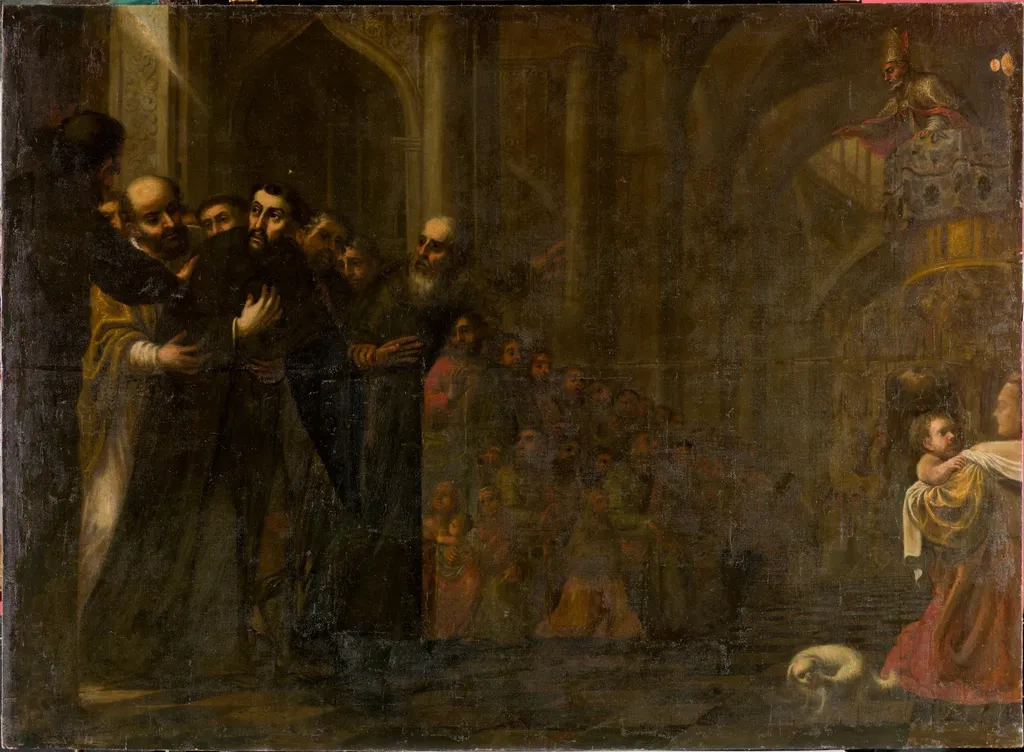
Ordenación de San Agustín is an oil painting by the Early Baroque Italian artist José García Hidalgo. It dates from 1663 and is held in the collection of the Museo del Prado.
About this work
Subject & Meaning
The painting depicts the ordination of Augustine of Hippo, a central event in the life of the saint and the foundational figure of the Augustinian Order.
The painting depicts the ordination of Augustine of Hippo, a central event in the life of the saint and the foundational figure of the Augustinian Order. As a work of religious art, the composition focuses on this specific ecclesiastical ceremony, illustrating the moment Augustine receives the priesthood. The imagery serves to honor the saint's spiritual authority and his enduring legacy within the church.
By centering on this pivotal religious rite, the artwork functions as a devotional object that reinforces the theological significance of Augustine's role and the sacramental nature of his consecration.
Technique & Style
The work is executed in oil paint on canvas, a common medium for seventeenth-century Spanish religious painting. The handling aligns with contemporary Sevillian practice, where broad, controlled brushwork models the figures and drapery while maintaining clarity for narrative legibility. The composition’s formal qualities emphasize verticality and symmetry, organizing the Augustinian hierarchy within a shallow, stage-like space that directs attention to the central figure’s investiture.
Tonality remains restrained, with subdued glazes modulating light over the habit and mitre to articulate status without chromatic excess.
History & Provenance
The painting titled Ordenación de San Agustín was created by the artist José García Hidalgo. The work is dated to 1663, a year established as the canonical inception date for the piece. Executed in oil on canvas, the religious artwork depicts Augustine of Hippo. It is currently held in the collection of the Museo del Prado.
The painting Ordenación de San Agustín by José García Hidalgo is held in the collection of the Museo del Prado in Madrid. While the work is dated to 1663, Wikidata records indicate an inception range spanning from January 1, 1663, to the year 1687. The provided sources do not list a specific inventory or accession number for the piece.
Furthermore, no exhibition history is documented in the available references, limiting the record to its current institutional location and creation timeframe.
Context
The painting reflects the Baroque emphasis on dynamic composition and emotional intensity within Spanish religious art of the 17th century. Its depiction of Augustine of Hippo aligns with Counter-Reformation themes promoting saintly contemplation, placing it within the broader trajectory of Spanish Counter-Reformation visual culture. Scholarship identifies it as part of José García Hidalgo's mature period, characterized by naturalistic detail and devotional focus, contributing to the lineage of Spanish religious painters who bridged the late Renaissance and Baroque eras.
Legacy
The painting’s impact extends beyond its immediate context, shaping subsequent religious imagery in Spanish art. Its depiction of Augustine of Hippo informed later compositions within the genre, particularly in works that emphasized contemplative authority. The piece remains part of the Museo del Prado’s collection, ensuring continued scholarly attention to García Hidalgo’s role in 17th-century devotional art.
Legacy is reflected in the way later artists referenced its compositional balance and iconography, especially in sermons visualised for monastic settings. Though less frequently cited than other Baroque masterpieces, its presence in major collections underscores its significance within the evolution of Spanish religious painting.
Overview
Ordenación de San Agustín is a 1663 oil painting by José García Hidalgo, a Spanish artist known as El Castellano. The work is housed at the Museo del Prado.
Own this work as a print
Artist & collection
Artist
José García Hidalgo (1645 or 1646 – 1717 or 1719) was a Spanish painter, who wrote notes of his life, but omitted to state where and when he was born.

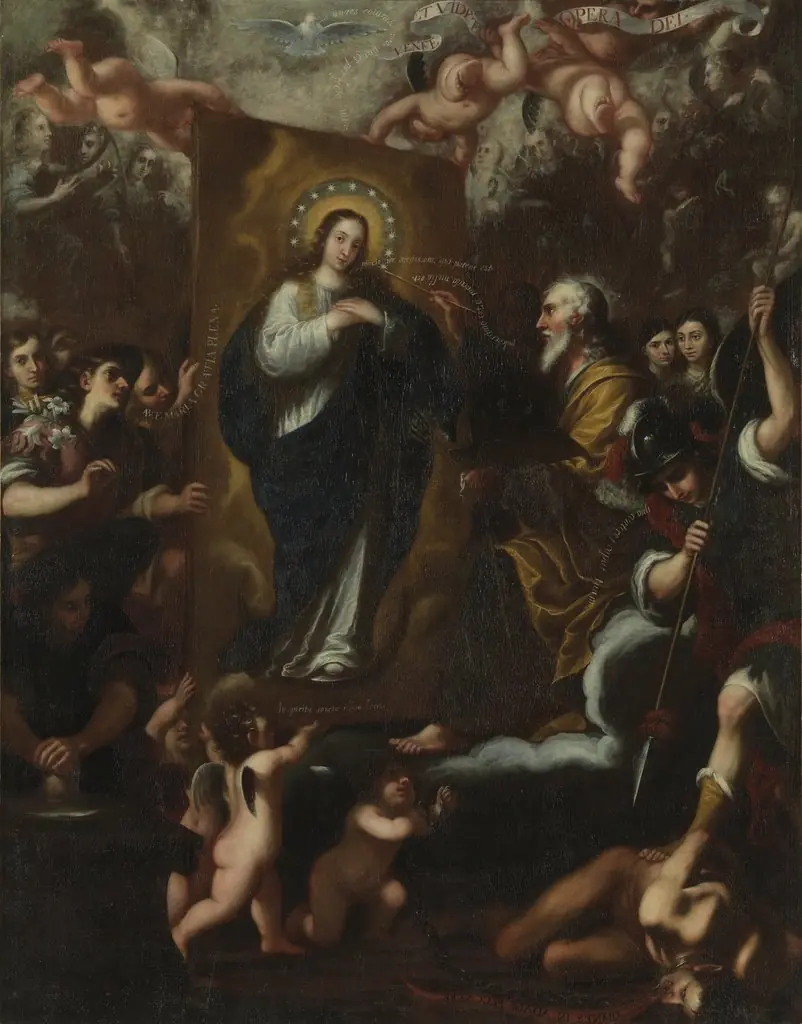 God the Father painting the Immaculate Conception
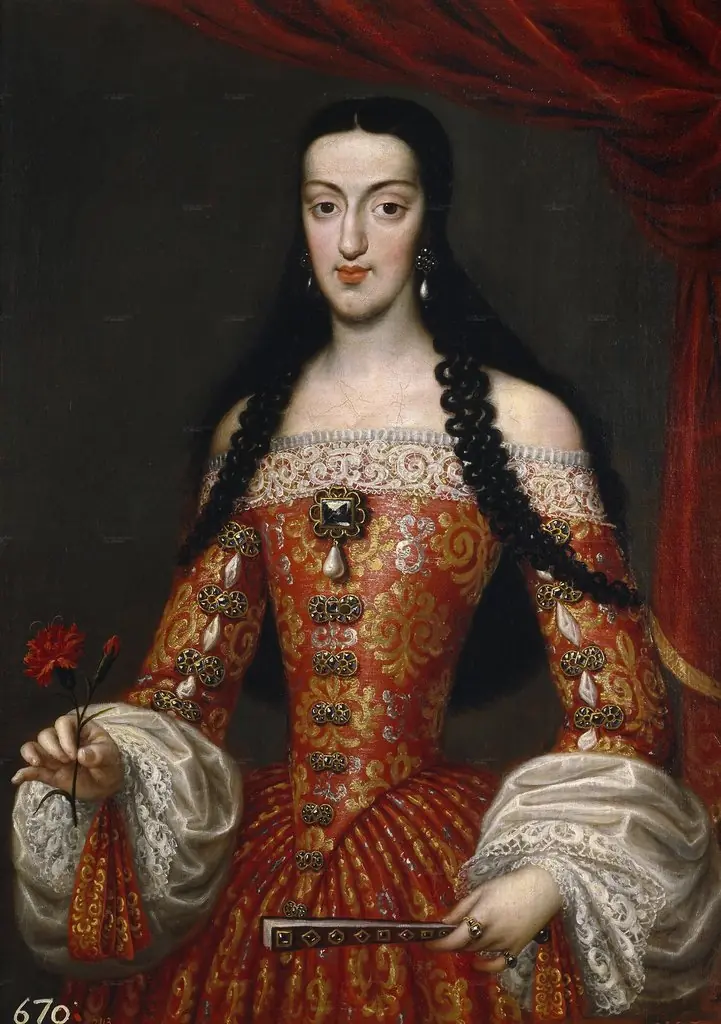 Mary Louise of Orleans, queen of Spain
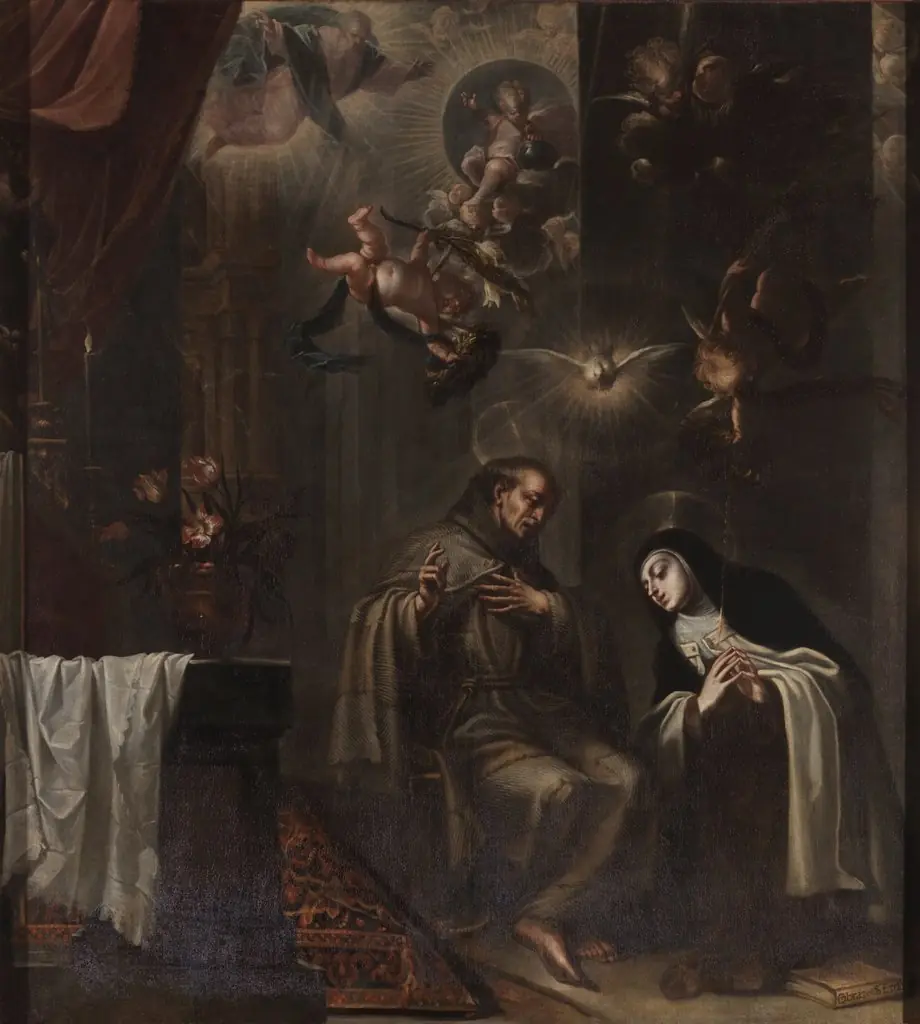 San Pedro de Alcántara confesando a Santa Teresa
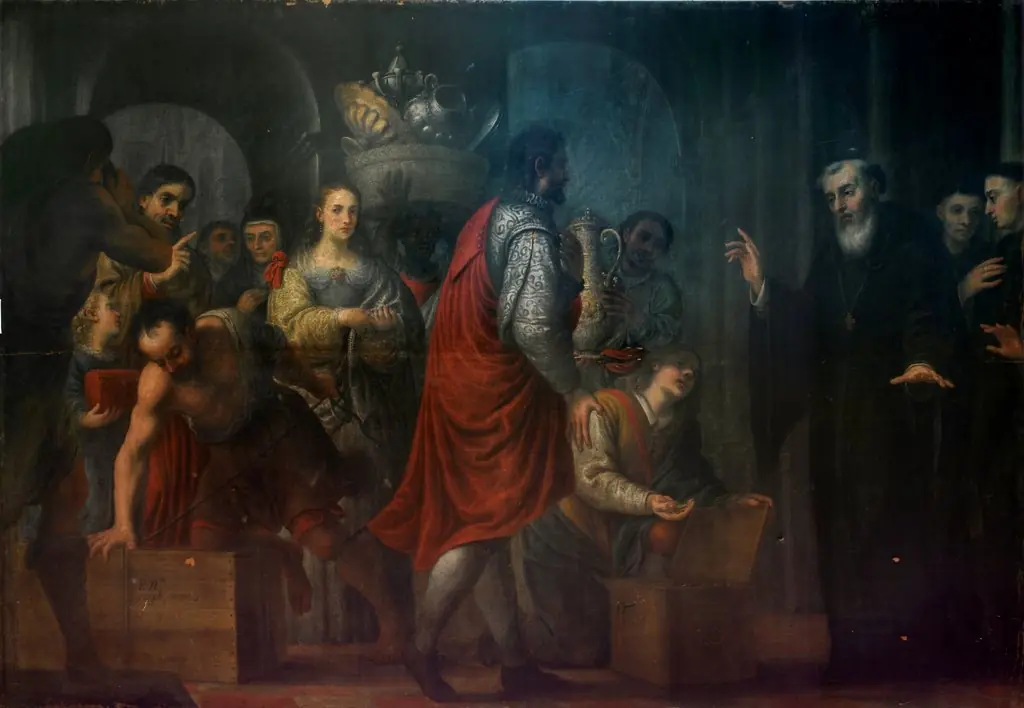 San Agustín recibiendo donaciones de los ricos para entregarlas a los pobres
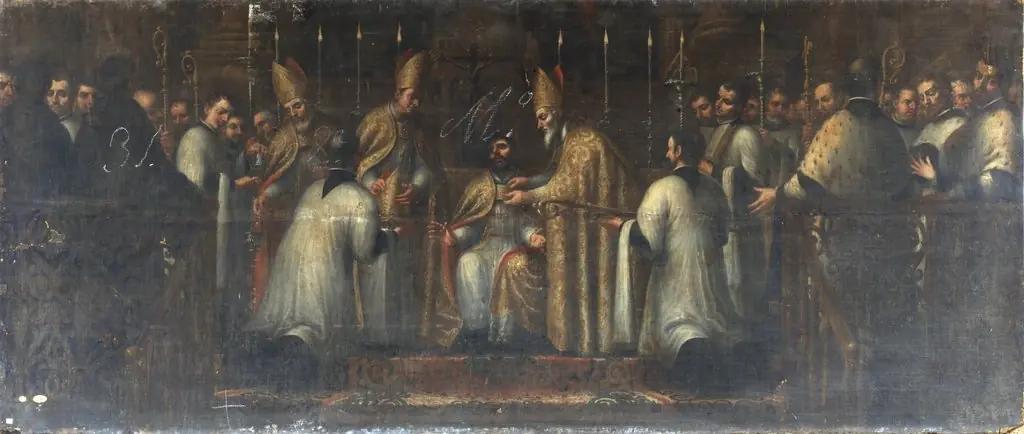 San Agustín discutiendo con el maniqueo Fortunato
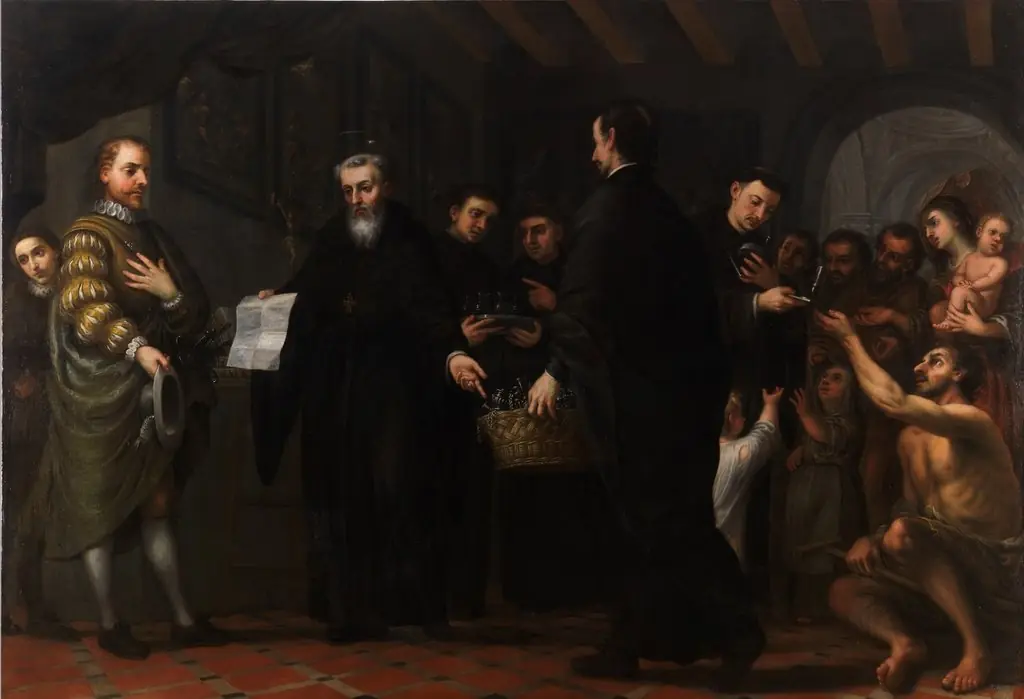 San Agustín repartiendo los bienes de los ricos entre los pobres
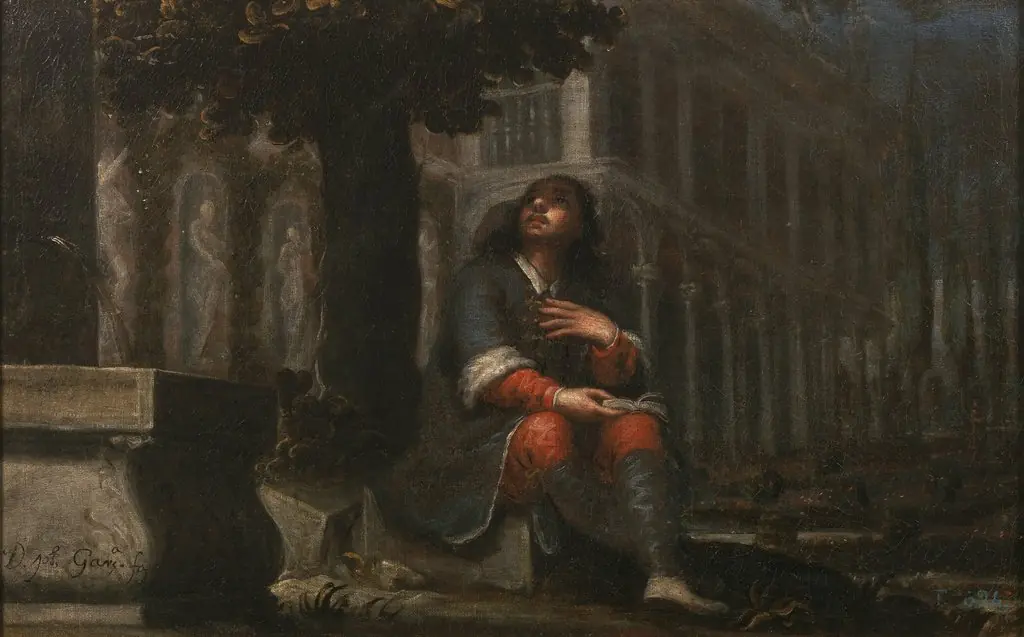 Conversion of Saint Augustin
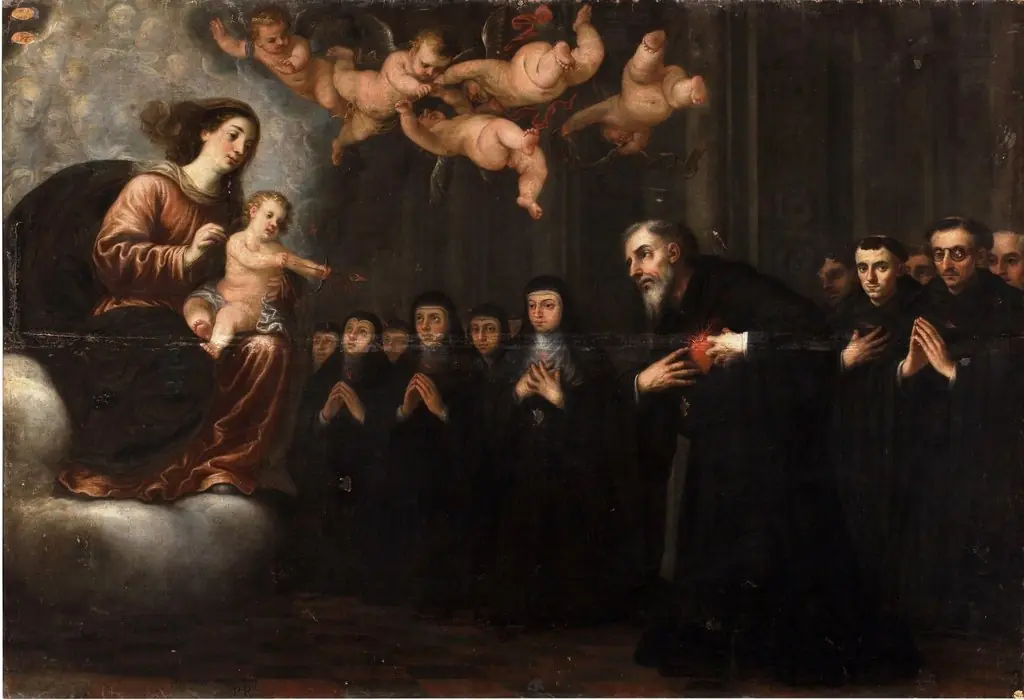 La Virgen y el Niño transverberando el corazón a San Agustín ante la comunidad de agustinos
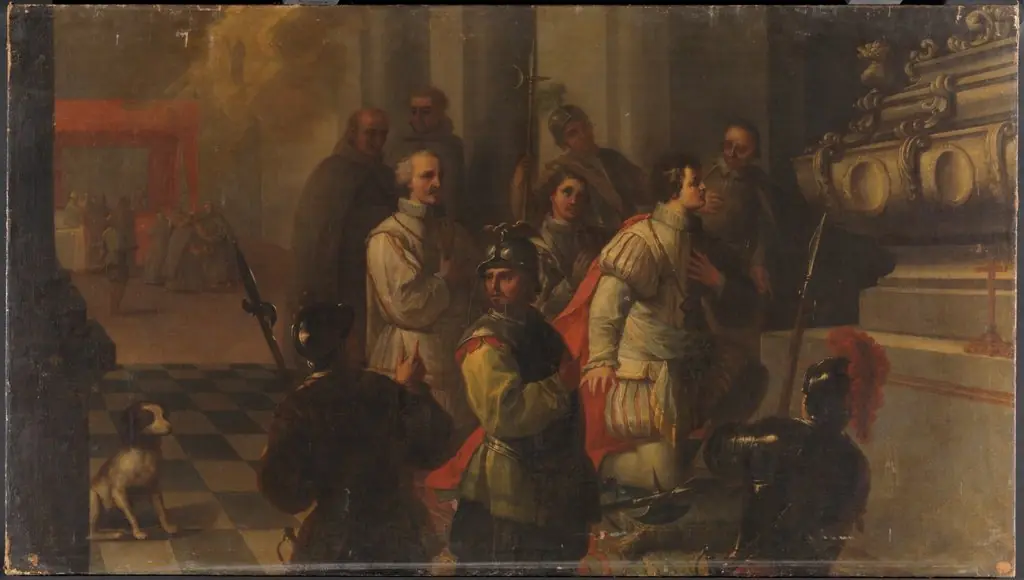 Curación y acción de gracias del príncipe don Carlos. Serie de la Vida de San Diego de Alcalá
 Death of the leader
 La última comunión de San Diego de Alcalá
 The Funerals of Inca Atahualpa
 The Adulteress before Christ
 Baptism of King Chlodwig I (ca. 466–511)
 Capuchinos en el coro
 Catherine Jagiellon with her son Sigismund imprisoned in the Gripshom Castle (sketch)