Artwork
Calliope
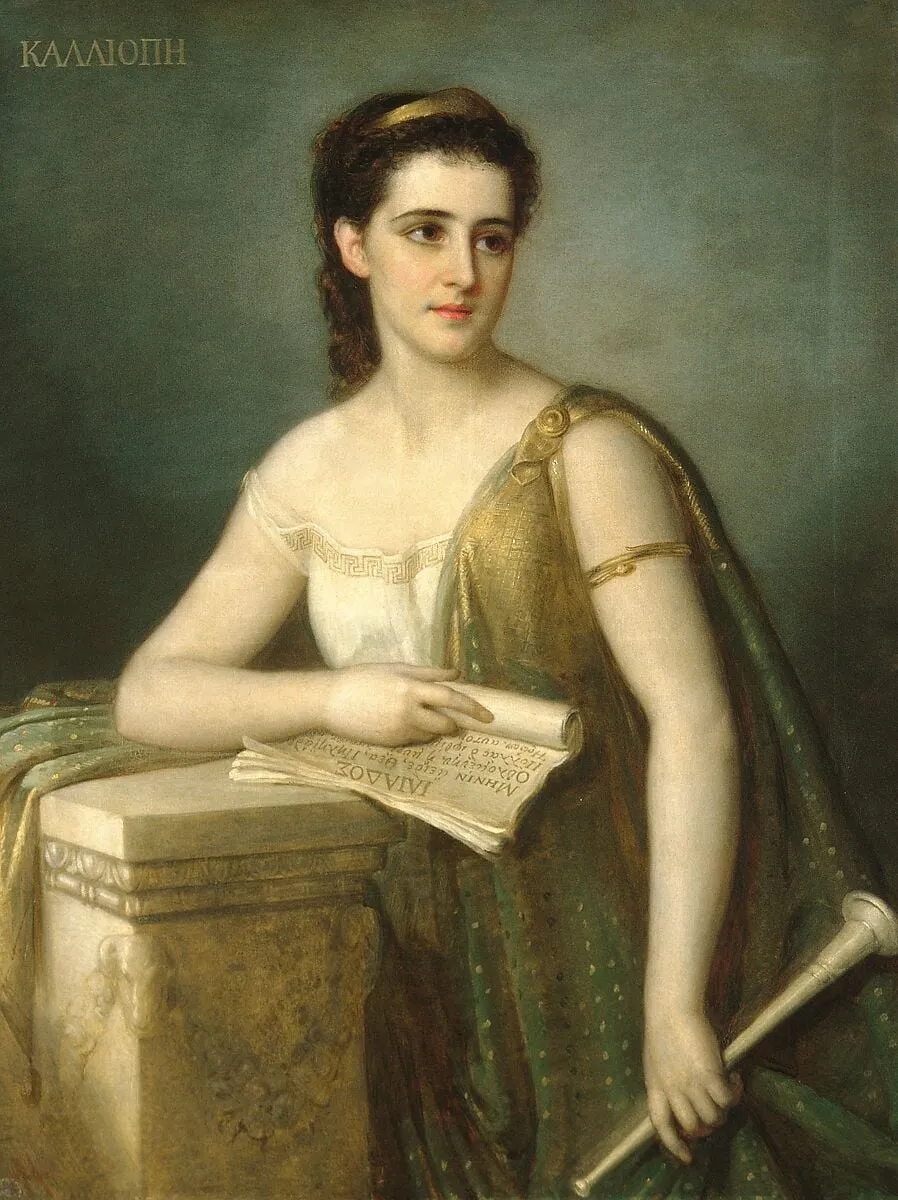
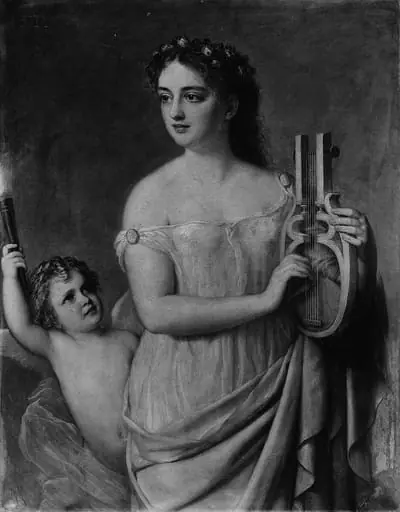
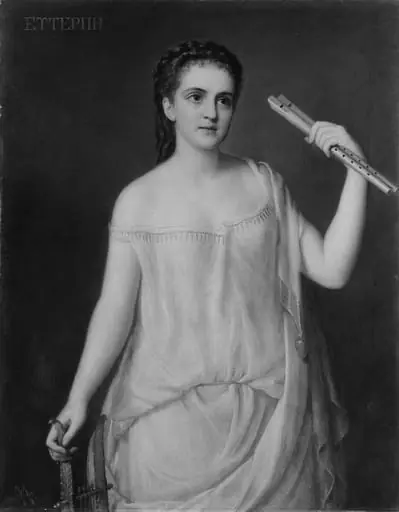
Calliope is an oil painting by the Impressionist artist Joseph Fagnani. It dates from 1869 and is held in the collection of the Metropolitan Museum of Art.
About this work
Subject & Meaning
Joseph Fagnani's 1869 oil painting Calliope is a mythological work that depicts a woman accompanied by a musical instrument.
Joseph Fagnani's 1869 oil painting Calliope is a mythological work that depicts a woman accompanied by a musical instrument. The subject matter aligns with the classical tradition of representing Calliope, the muse of epic poetry, who is historically associated with music and the lyre. By portraying a female figure with this specific attribute, the artwork visually identifies the muse and evokes the broader symbolic realm of poetic inspiration and the arts.
The composition functions as a genre of mythological painting, using these established iconographic elements to represent the divine source of literary and musical creativity.
Technique & Style
Joseph Fagnani's Calliope, executed in 1869, is an oil painting on canvas. The work measures 110.5 cm in height and 83.8 cm in width. As a mythological painting, it depicts a woman accompanied by a musical instrument, adhering to the genre conventions of the period. The piece is currently housed within the American Wing of the Metropolitan Museum of Art.
History & Provenance
Calliope is an oil-on-canvas painting created by Joseph Fagnani in 1869. The work depicts a woman and a musical instrument within the genre of mythological painting. It is currently held in the collection of the Metropolitan Museum of Art, where it is classified within The American Wing.
The painting measures 110.5 cm in height and 83.8 cm in width. No further details regarding the specific commission, original ownership, or the precise circumstances of its creation are provided in the available records.
Joseph Fagnani's 1869 oil painting Calliope is held in the collection of the Metropolitan Museum of Art in New York. The work is part of the museum's American Wing and is classified as a mythological painting depicting a woman with a musical instrument. While the specific inventory or accession number is not provided in the available records, the artwork's physical dimensions are recorded as 110.5 cm in height and 83.8 cm in width. The sources do not contain details regarding a specific exhibition history for this piece.
Legacy
Calliope entered the Metropolitan Museum of Art’s collection as a mythological oil on canvas by Joseph Fagnani, dating to 1869. Its placement within The American Wing situates the work among other 19th‑century paintings that examine classical themes, shaping the museum’s narrative of American engagement with European mythological traditions. The painting’s enduring presence in a major institution has made it a frequent reference in studies of mythological subjects in American art.
Overview
Joseph Fagnani's 1869 oil painting, Calliope, presents a mythological figure through a contemporary lens. Executed in oil on canvas, the work depicts a woman seated with a lyre, her fingers resting on its strings. This piece is part of The American Wing collection, reflecting an approach to classical subjects within American art of the period.
Context
Calliope aligns with Joseph Fagnani's broader artistic interests, particularly his recurring theme of depicting women engaged with musical instruments. This work exemplifies his tendency to imbue classical or allegorical subjects with a sense of contemporary realism, presenting them in a manner accessible to 19th-century audiences rather than adhering strictly to historical or mythological conventions.
Artist & collection


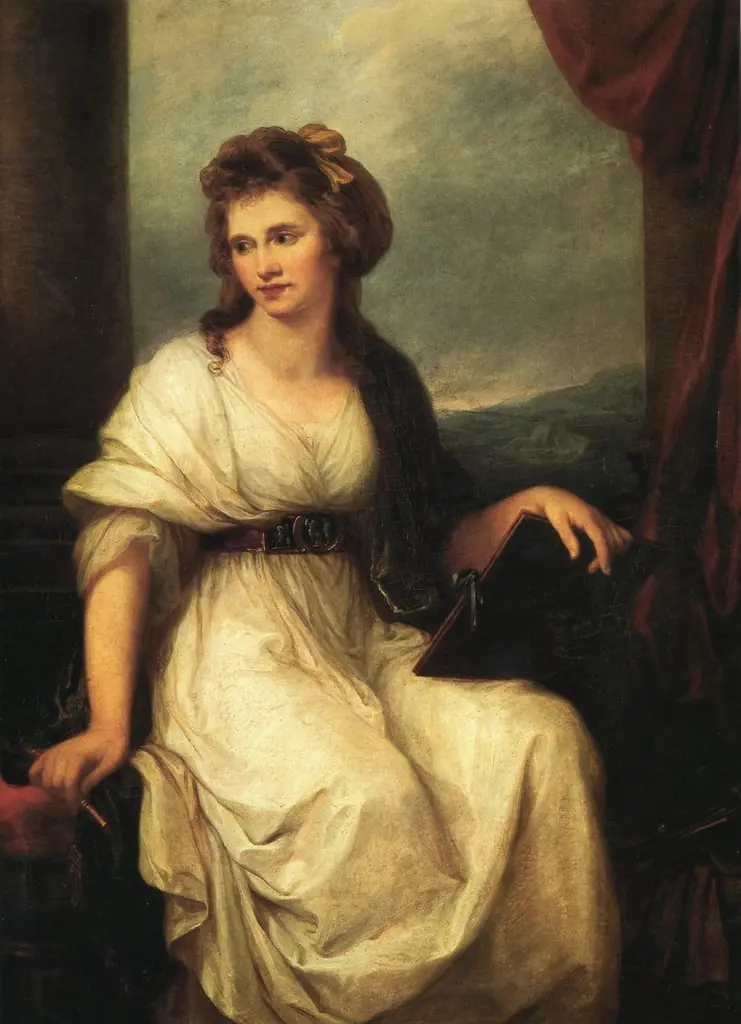 Self-portrait of Angelica Kauffman
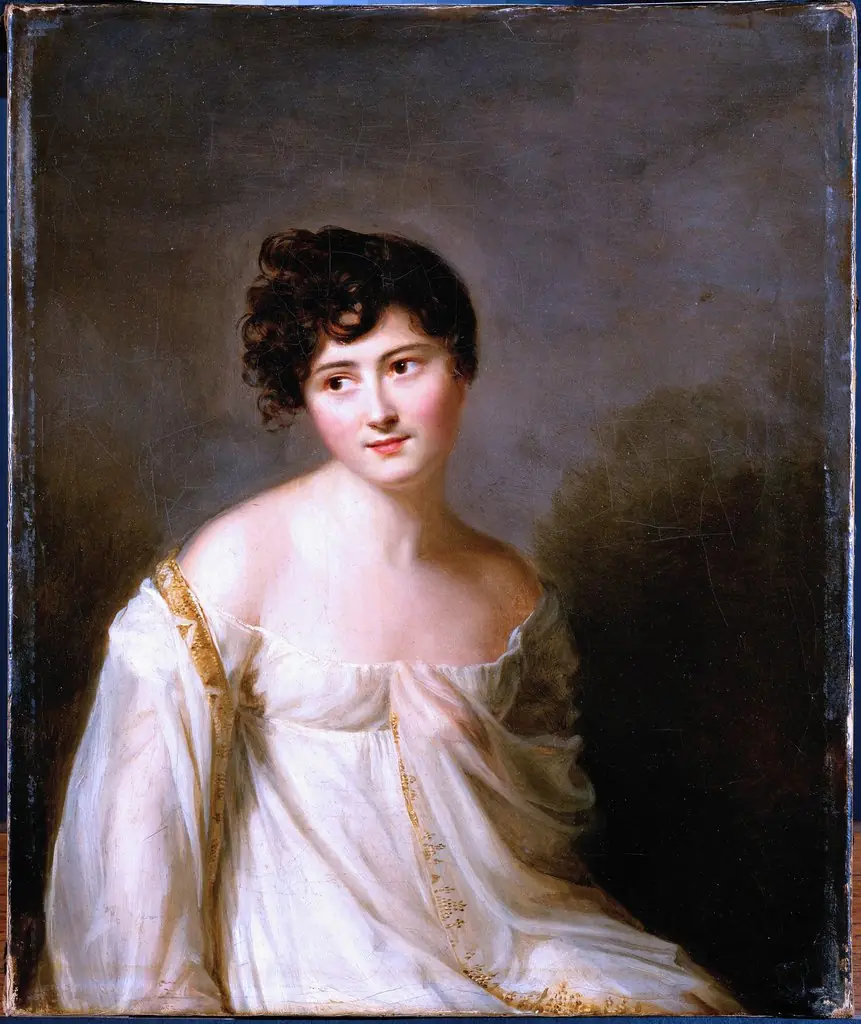 Juliette Récamier
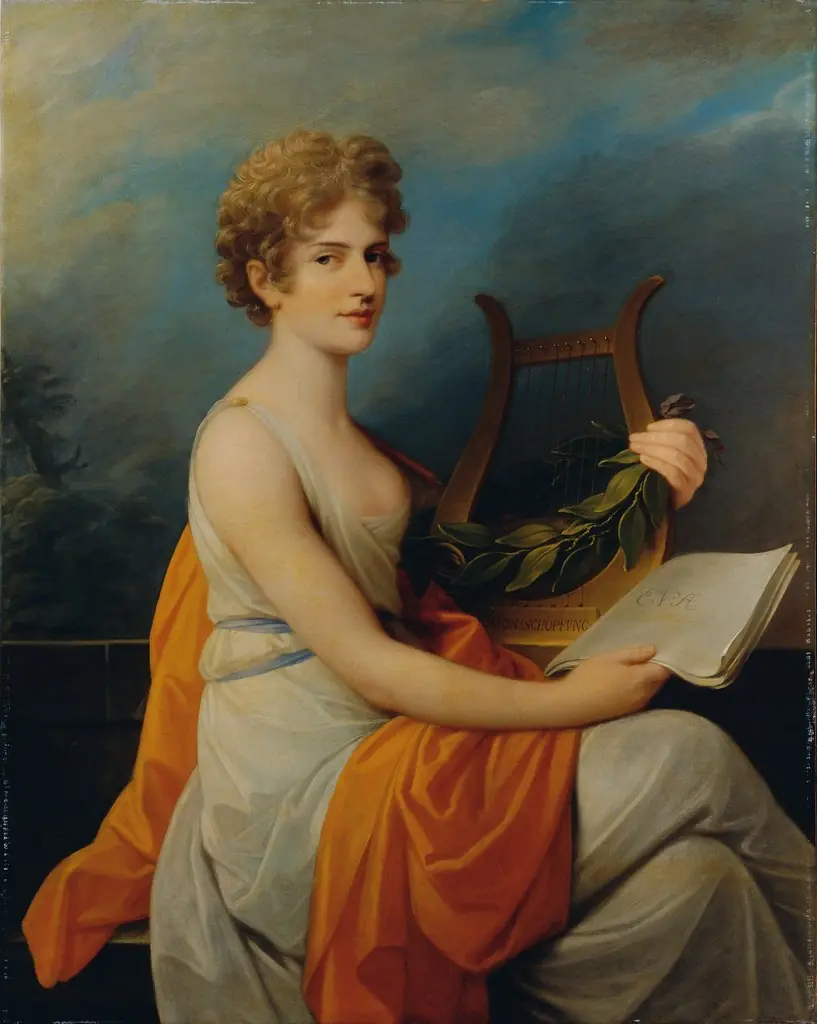 The Court Opera singer Theresa Hall as "Eva" in Joseph Haydn's "Creation"
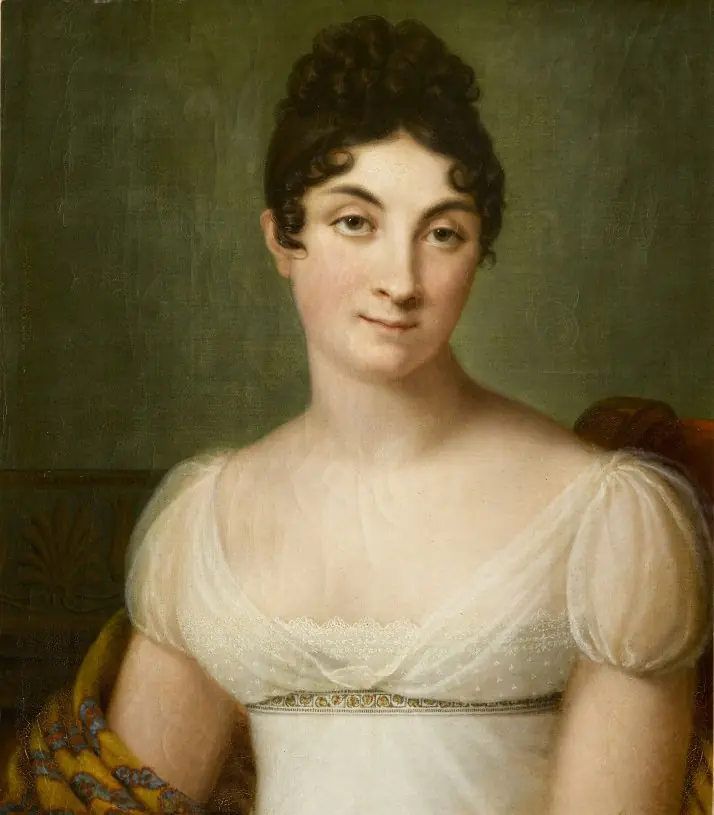 Portrait de Claire Élisabeth de Vergennes, Comtesse de Rémusat
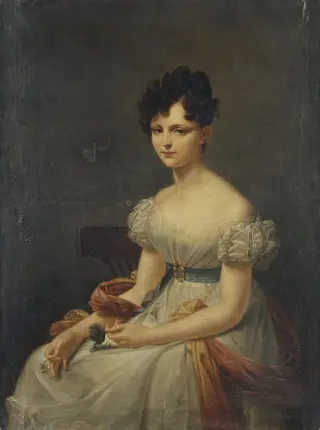 Portrait of Princess Anna Nikolayevna Golitsyna (?)
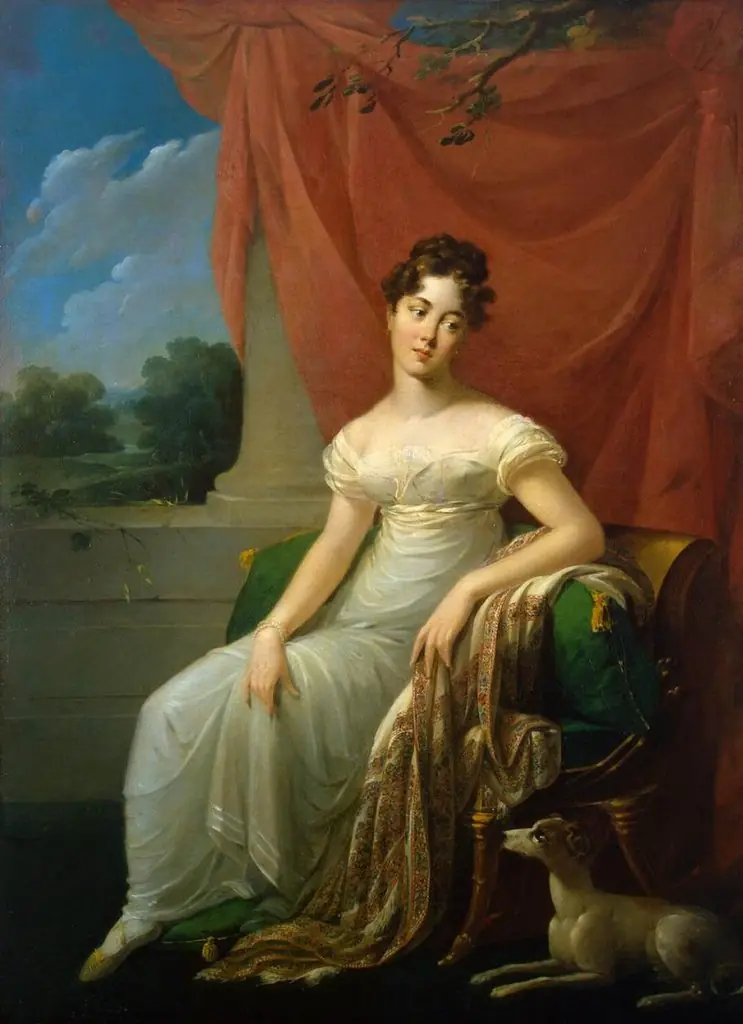 Portrait of Sofia Apraxina
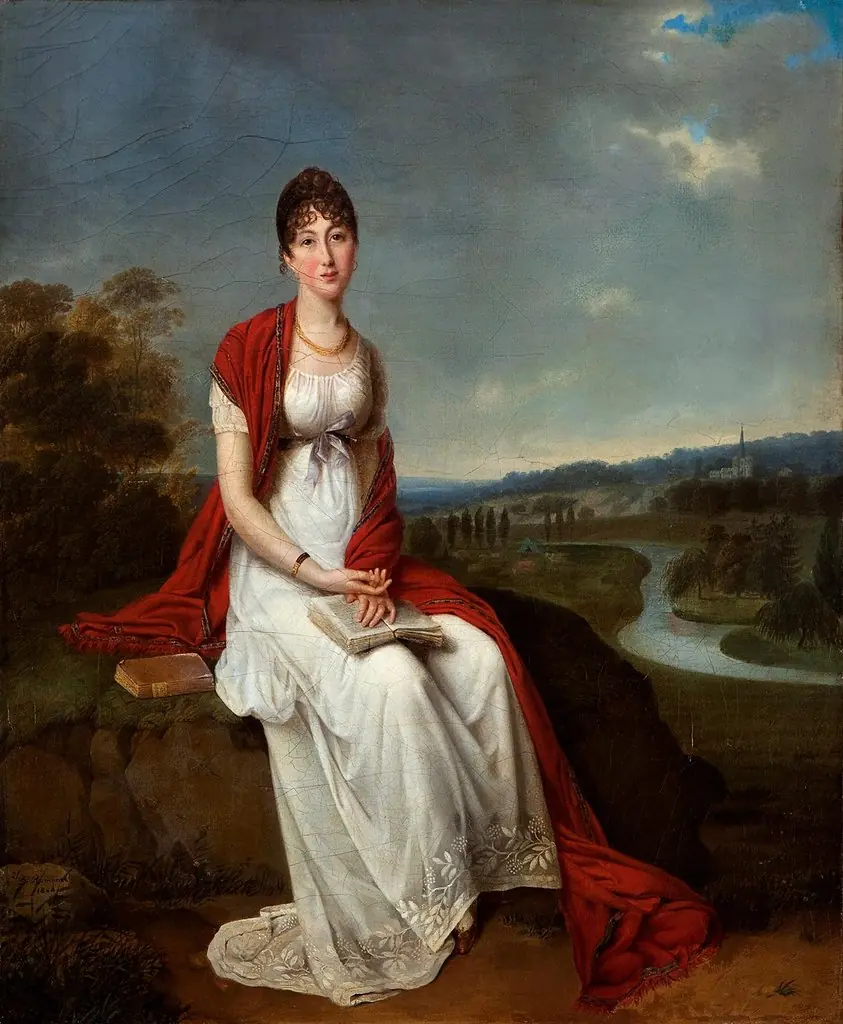 Portrait of a Young Woman
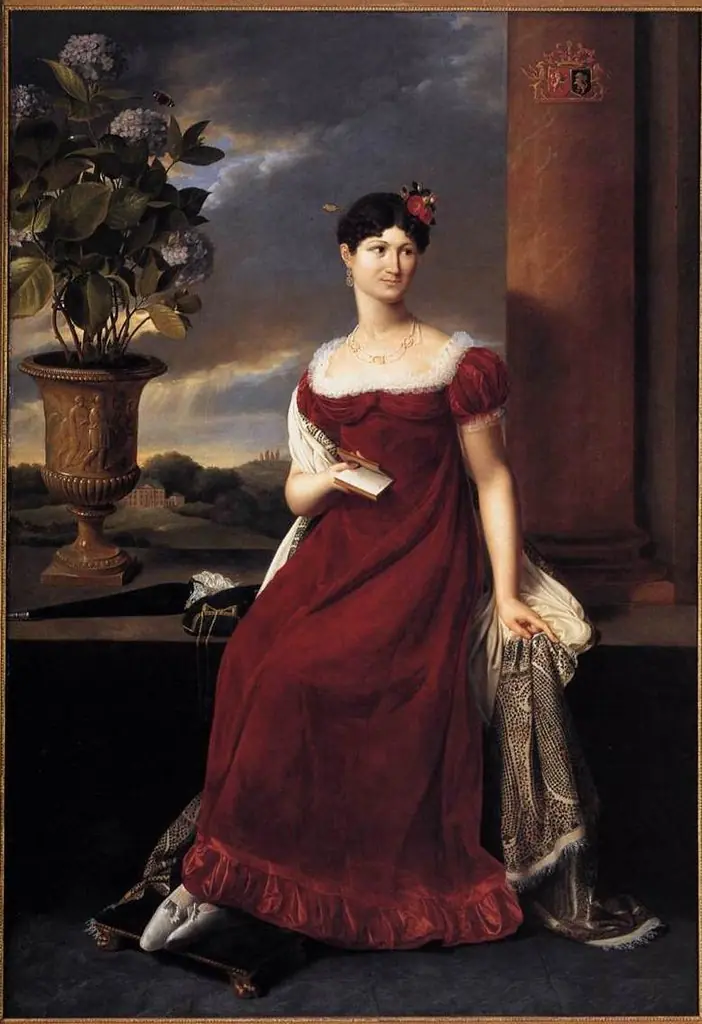 Mary Lodge, Bride of Baron Charles-Louis de Keverberg de Kessel