Artwork
Allegory of Free Love: A Gentleman, a Monk and a Beggar Speaking with two Fishermen who Have Caught a Woman in a Net
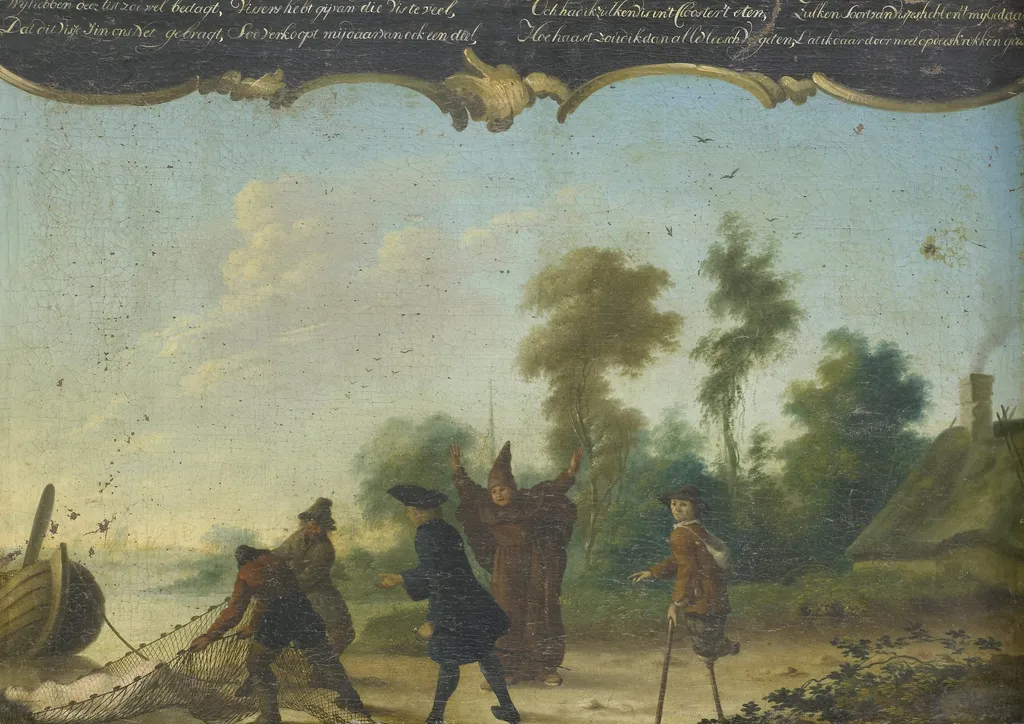
Allegory of Free Love: A Gentleman, a Monk and a Beggar Speaking with two Fishermen who Have Caught a Woman in a Net is an oil painting by the Rococo painting artist Joseph Pierre Vianey. It dates from 1761 and is held in the collection of the Rijksmuseum.
About this work
Technique & Style
The handling of the oil medium allows for the detailed rendering of these figures and the narrative interaction between the disparate social classes portrayed.
Created in 1761, the work is an oil painting executed on a canvas support. The composition measures 58.5 cm in height and 81.5 cm in width. As an allegorical genre piece, the painting depicts a complex scene involving a gentleman, a monk, a beggar, and two fishermen who have captured a woman in a net, alongside natural elements such as trees.
The handling of the oil medium allows for the detailed rendering of these figures and the narrative interaction between the disparate social classes portrayed.
History & Provenance
Joseph Pierre Vianey painted Allegory of Free Love: A Gentleman, a Monk and a Beggar Speaking with two Fishermen who Have Caught a Woman in a Net in 1761, an oil on canvas work measuring 58.5 cm by 81.5 cm. The painting entered the collection of the Rijksmuseum, where it remains on display. Its provenance is documented only through its acquisition by the museum, with no further ownership history recorded. The work was created as an allegorical composition and is catalogued in the Rijksmuseum's collection records as part of its holdings.
Overview
Joseph Pierre Vianey’s 1761 oil painting, titled Allegory of Free Love: A Gentleman, a Monk and a Beggar Speaking with two Fishermen who Have Caught a Woman in a Net, is part of the Rijksmuseum’s collection. The work presents a quiet riverside scene under a pale sky, where four male figures are arranged around a heavy fishing net that dominates the foreground.
Subject & Meaning
The composition juxtaposes a monk pointing upward, a gentleman leaning on a cane, a beggar, and two fishermen hauling a net that appears to contain a concealed figure. The varied social statuses of the participants and their shared focus on the net suggest a moral or satirical commentary on desire, social hierarchy, and the unpredictability of love.
Context
Vianey’s work belongs to a tradition of moralizing allegories popular in mid‑eighteenth‑century French art, where everyday scenes served as vehicles for philosophical reflection. The inclusion of a monk, a gentleman, a beggar, and fishermen mirrors contemporary social categories, while the ambiguous net alludes to the unpredictable nature of love and fortune.
Own this work as a print
Artist & collection
Artist
Joseph Pierre Vianey painted large, playful scenes packed with people acting out witty stories.

- Merry-making in the countryside
 Village buildings with peasants
 Landscape with a Couple Dancing outside a Country Mansion
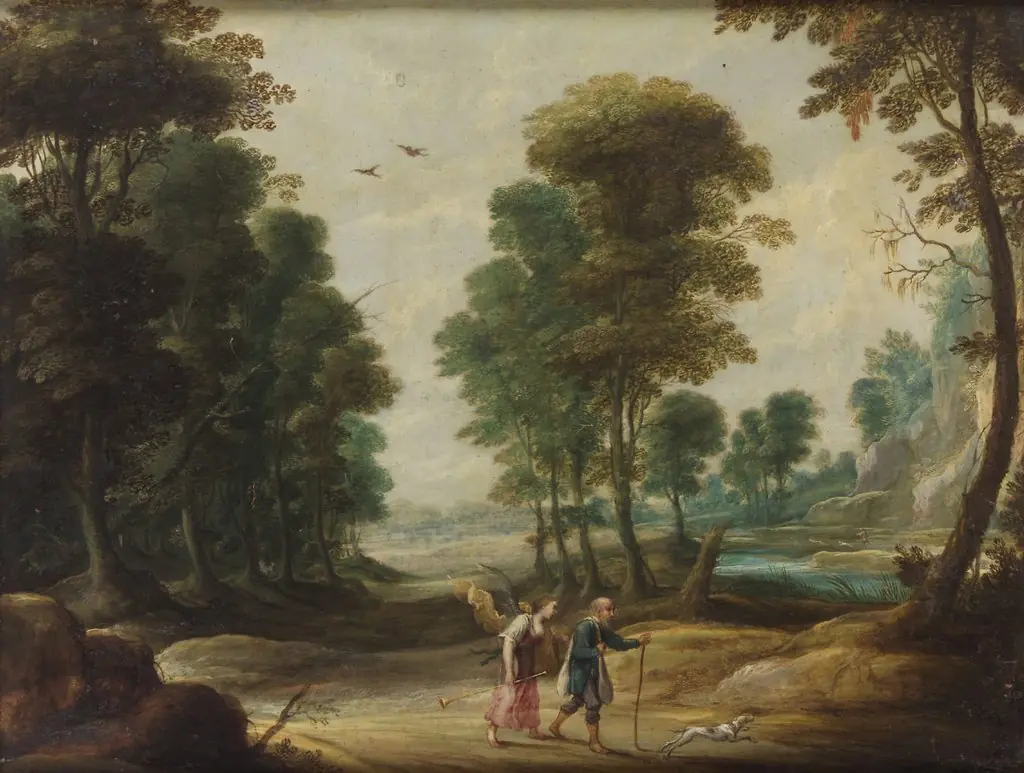 Landschaft mit wanderndem Dichter und Fama
 Anchoress Working in the Garden
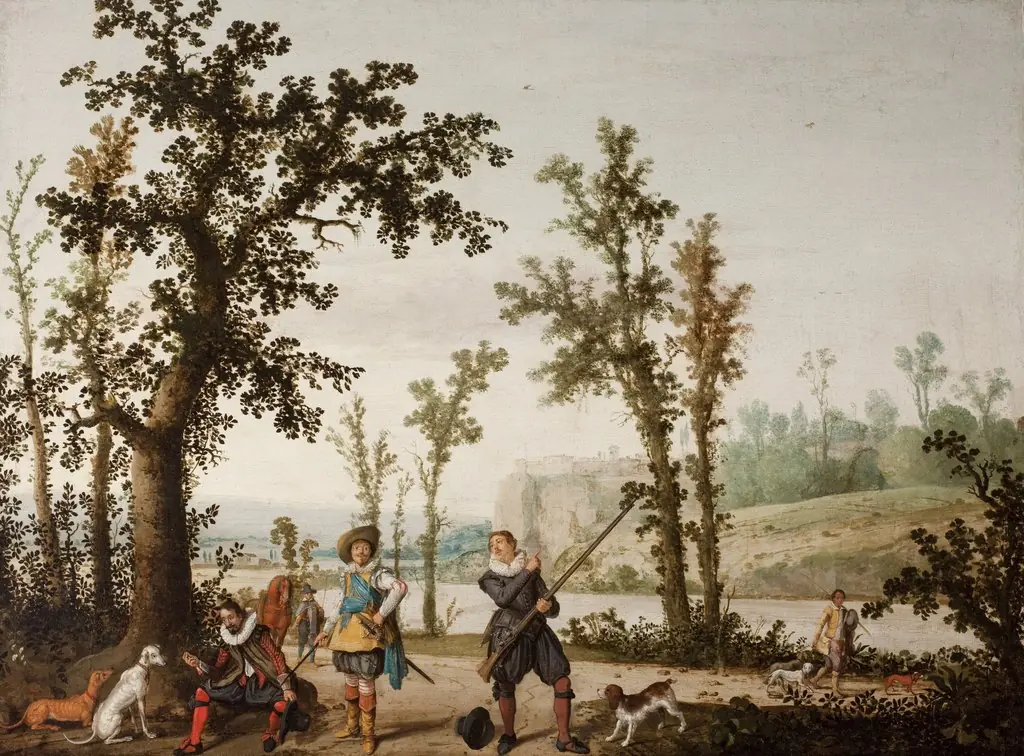 Landscape with Hunters
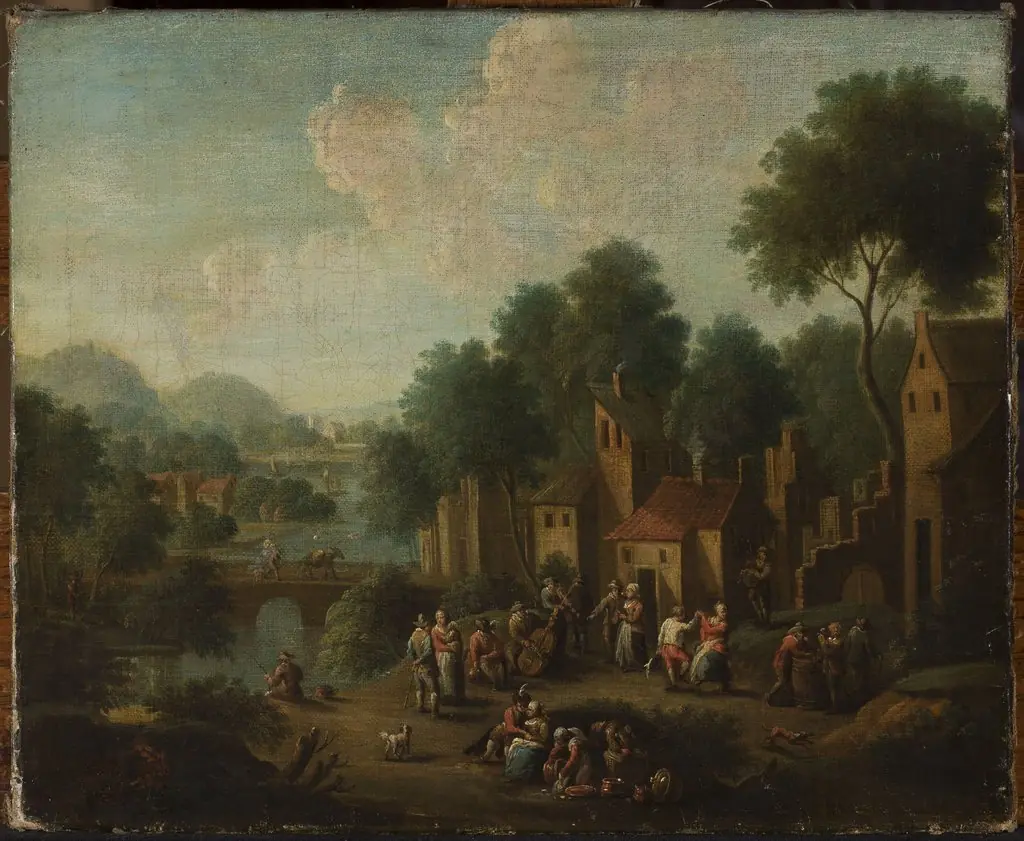 Landscape with peasants at play
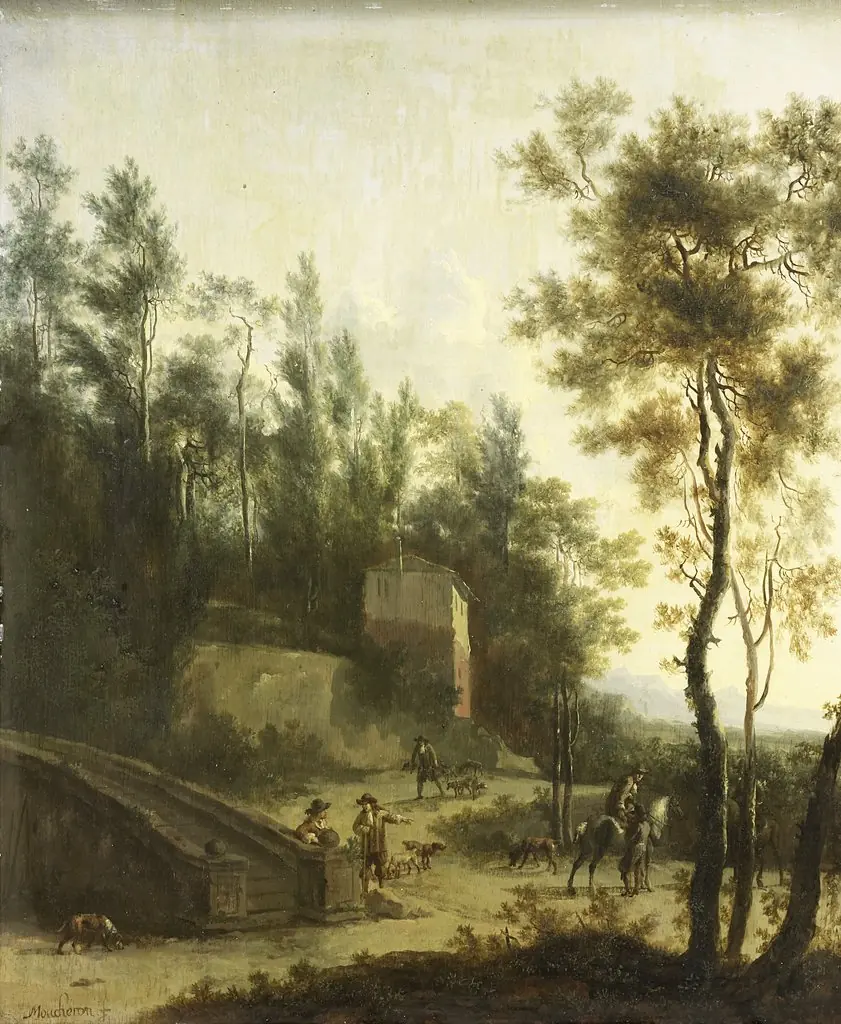 Italian landscape with hunters
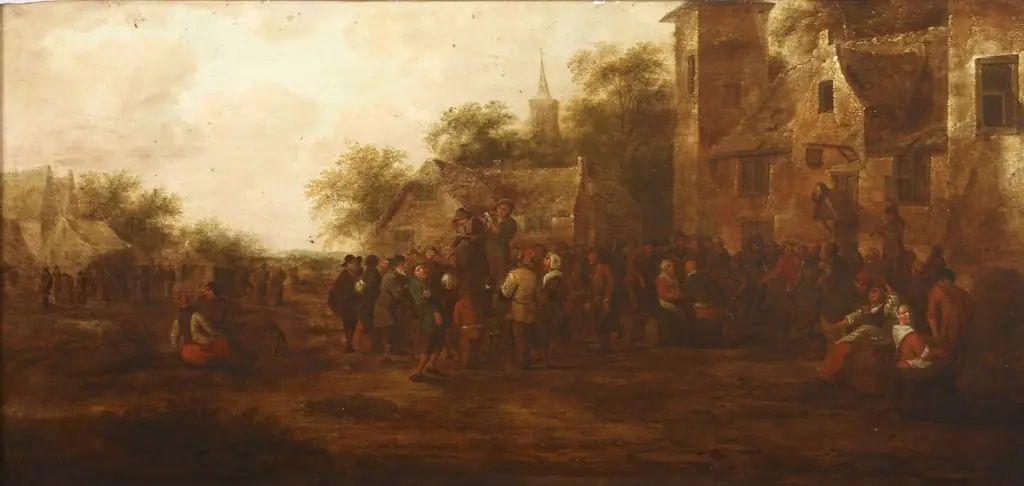 Meeting in Front of the Tavern
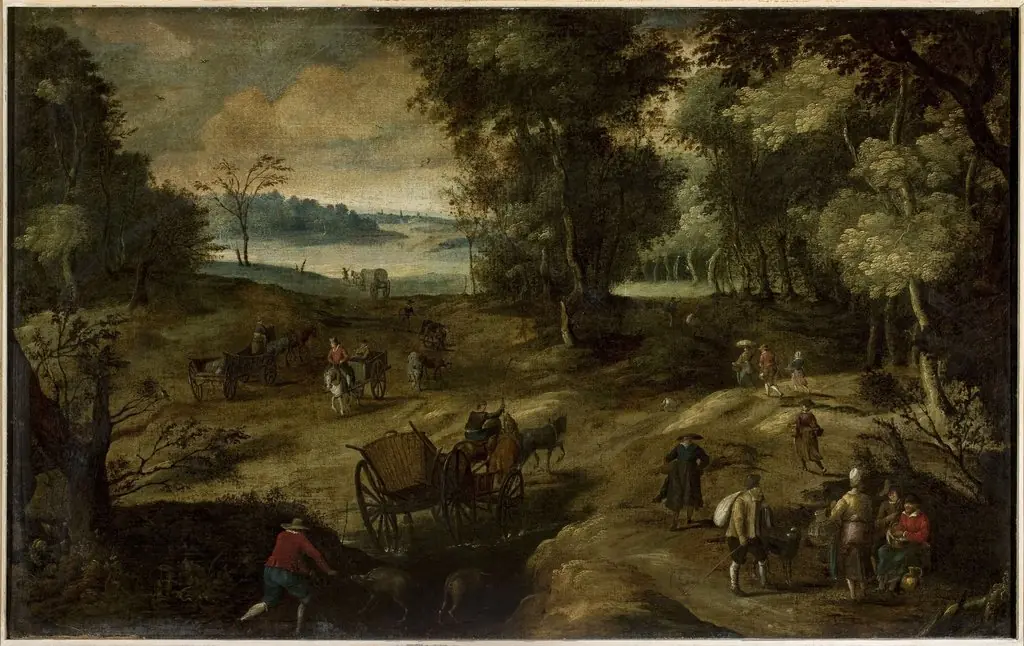 Landscape with peasants
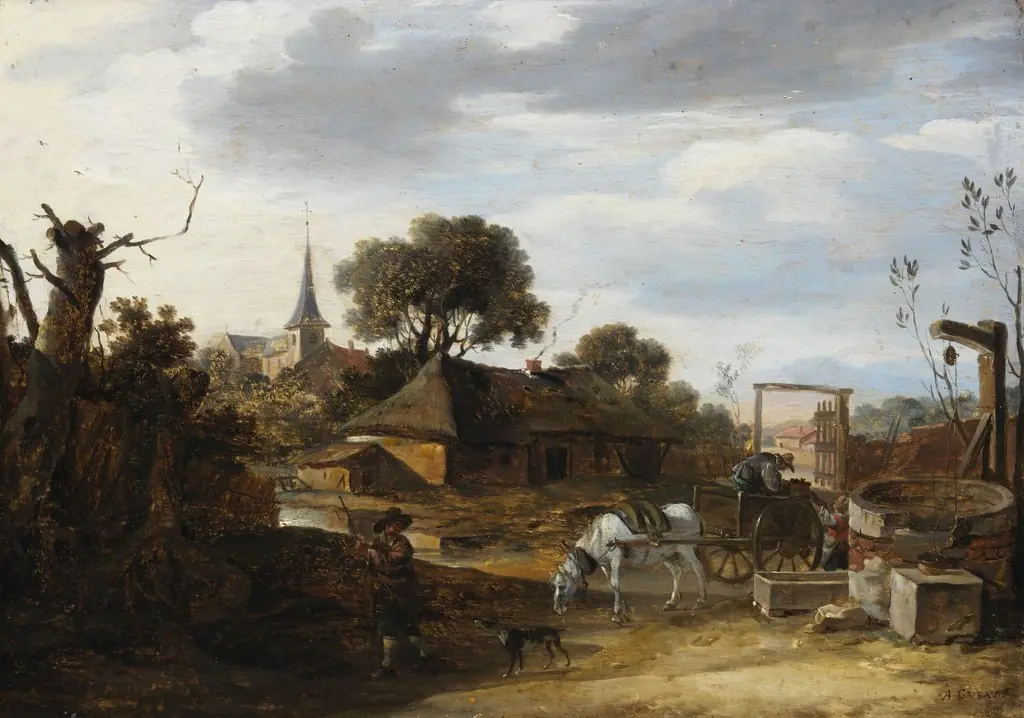 A Farmyard
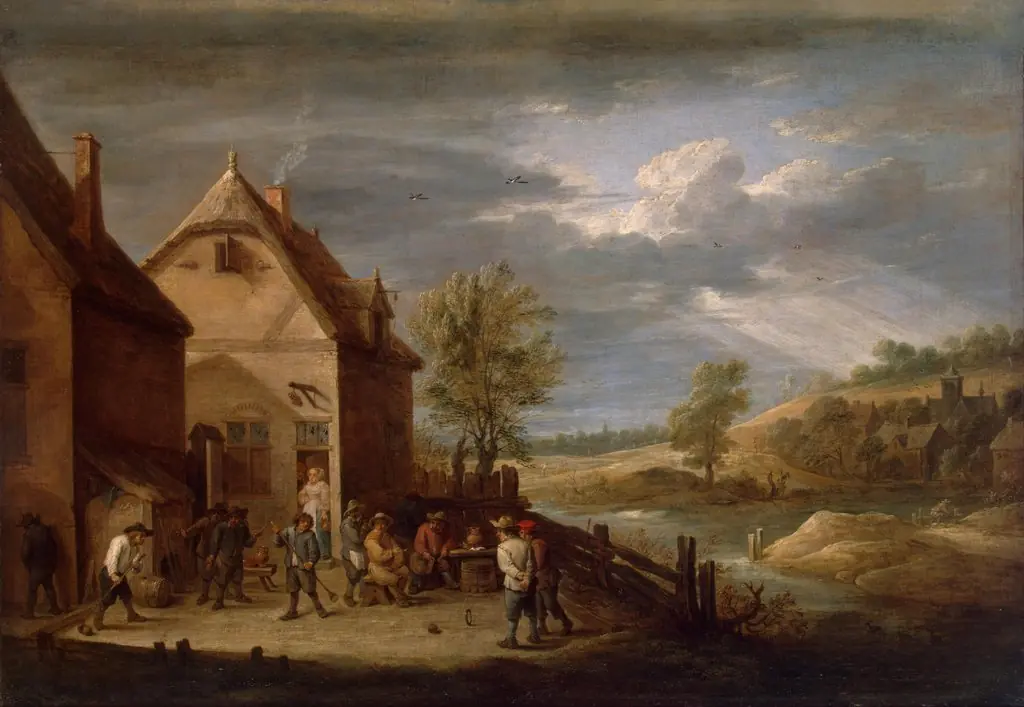 Landscape with Peasants Bowling