Artwork
Death of Virginia
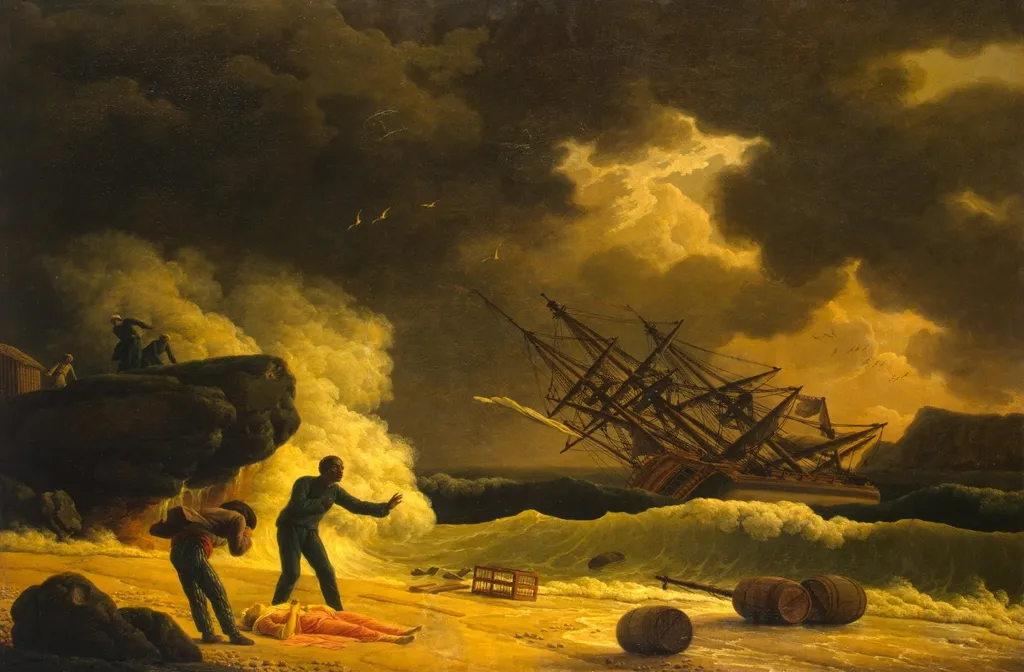
Death of Virginia is an oil painting by the Rococo painting artist Joseph Vernet. It is held in the collection of the Hermitage Museum.
About this work
Subject & Meaning
The painting illustrates the tragic conclusion of Bernardin de Saint-Pierre's 1788 novel Paul et Virginie, depicting the shipwreck of the Saint-Géran on the shore of the Île de France (Mauritius). The composition gathers its principal figures in the lower-left corner, where the narrator and the slave Domingue are swept by the storm winds as they surround the body of Virginie, who lies on her back after drowning.
According to a longstanding anecdote, Vernet reportedly rescued the manuscript of this pastoral from destruction at the hands of its author, lending the work a personal connection to the literary source. The scene captures the moment of Virginie's death, with the wrecked vessel and tempestuous sea framing the human drama on the beach, transforming the novel's denouement into a visual meditation on loss, sacrifice, and the destructive power of nature.
Technique & Style
The painting is an oil on canvas executed in 1789 by Joseph Vernet, measuring 87 cm in height and 130 cm in width.
The painting is an oil on canvas executed in 1789 by Joseph Vernet, measuring 87 cm in height and 130 cm in width.
The composition is horizontally oriented and depicts the climactic moment of Virginie’s death by drowning, framed against the storm-lashed shoreline where the Saint-Géran wrecks. The figures, including the narrator and Domingue, are concentrated in the lower left, rendered with swift, descriptive brushwork that conveys the force of wind and wave. The palette is dominated by stormy greys, deep blues, and the pale tones of Virginie’s body, while the distant horizon remains dimly luminous, anchoring the drama in a recognizably Mauritian coastal setting.
History & Provenance
Claude Joseph Vernet created the oil-on-canvas painting Death of Virginia in 1789, shortly before his own death. The work serves as an illustration of the climax from Jacques-Henri Bernardin de Saint-Pierre's 1788 novel Paul et Virginie. According to historical anecdotes, Vernet had previously rescued the manuscript of this pastoral story from destruction by its author.
The painting was exhibited at the Paris Salon in the year of its creation. Following its initial display, the artwork entered the collection of the Hermitage Museum in Saint Petersburg around 1801, where it remains today.
The painting is held in the collection of the Hermitage Museum in Saint Petersburg, Russia. It entered the museum's holdings around 1801. The work was first exhibited at the Salon in Paris in 1789, the same year it was created.
Context
Critical reception of the work emerged immediately after its 1789 debut at the Paris Salon, where contemporaries praised its dramatic narrative and technical vigor. Scholarship situates the painting within Vernet’s late output, linking it to his mastery of marine genre scenes and his engagement with Enlightenment literature. The artist’s broader context includes his role in the French school of marine painting and his influence on subsequent generations of landscape and seascape artists.
The work’s place in art history is anchored by its early inclusion in the Hermitage collection around 1801, marking one of the first French acquisitions by the Russian imperial museum.
Legacy
The painting influenced later neoclassical and romantic marine subjects that emphasized narrative tragedy and moral reflection. Its dramatic depiction of maritime disaster and moral allegory informed subsequent French coastal scenes in the early 19th century.
The work entered the Hermitage Museum collection around 1801, where it remains on display.
Legacy continues through scholarly discussion of Vernet’s role in merging literary themes with marine painting, a tradition noted in museum catalogues and art history surveys.
Overview
Claude‑Joseph Vernet’s 1795 oil painting Death of Virginia presents a tragic maritime disaster. Executed in the Rococo style, the work is part of the State Hermitage Museum’s collection. It captures a moment of loss on a storm‑tossed coast, focusing on human suffering amid the wreckage.
Artist & collection

Artist
Claude-Joseph Vernet (French pronunciation: ; 14 August 1714 – 3 December 1789) was a French painter. His son Carle Vernet and daughter Marguerite Émilie Chalgrin were also painters.

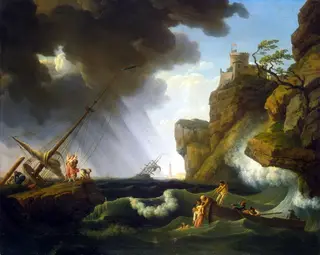
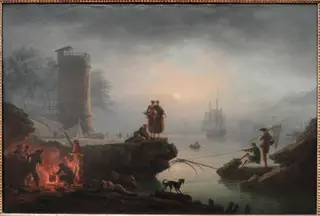
- Ship in Storm
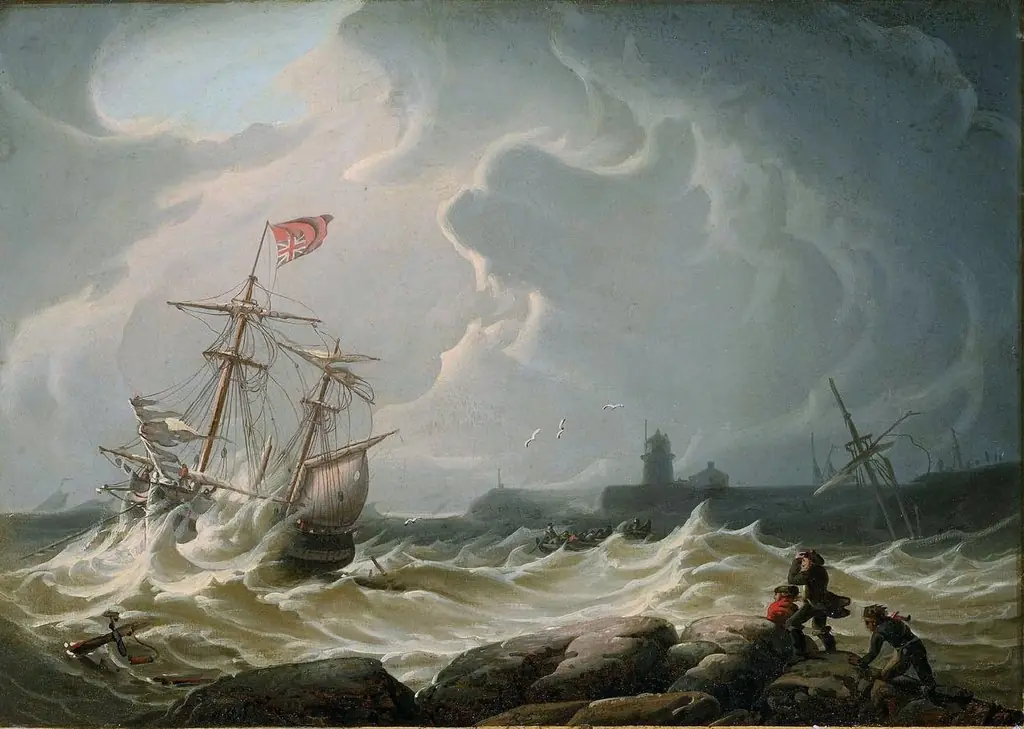 Ship in Storm
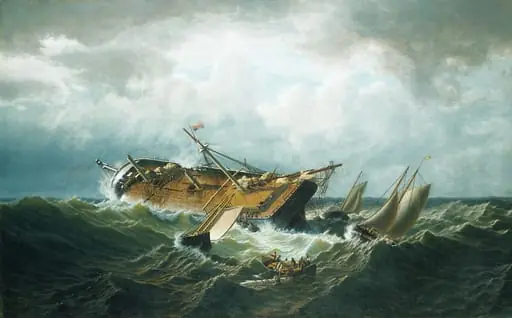 Shipwreck off Nantucket (Wreck off Nantucket after a Storm)
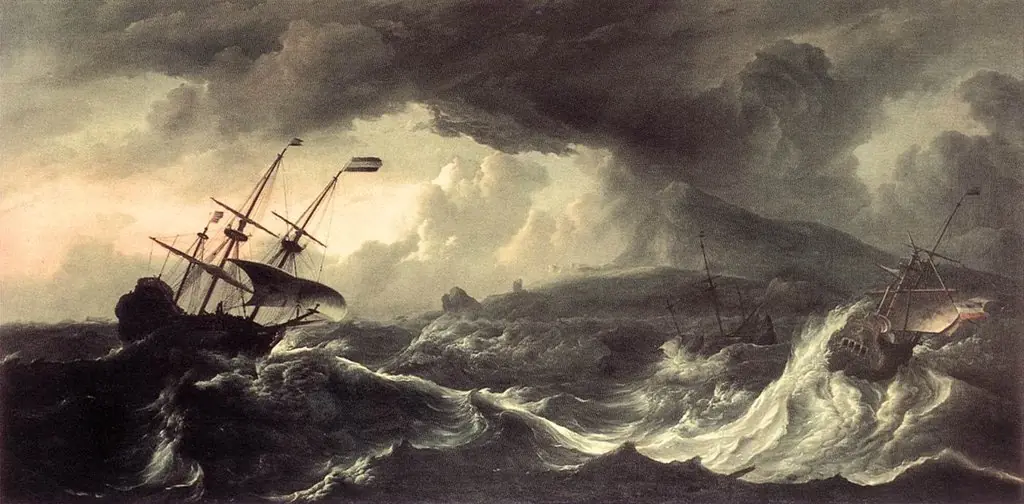 Ships in a Storm off the Norwegian Coast
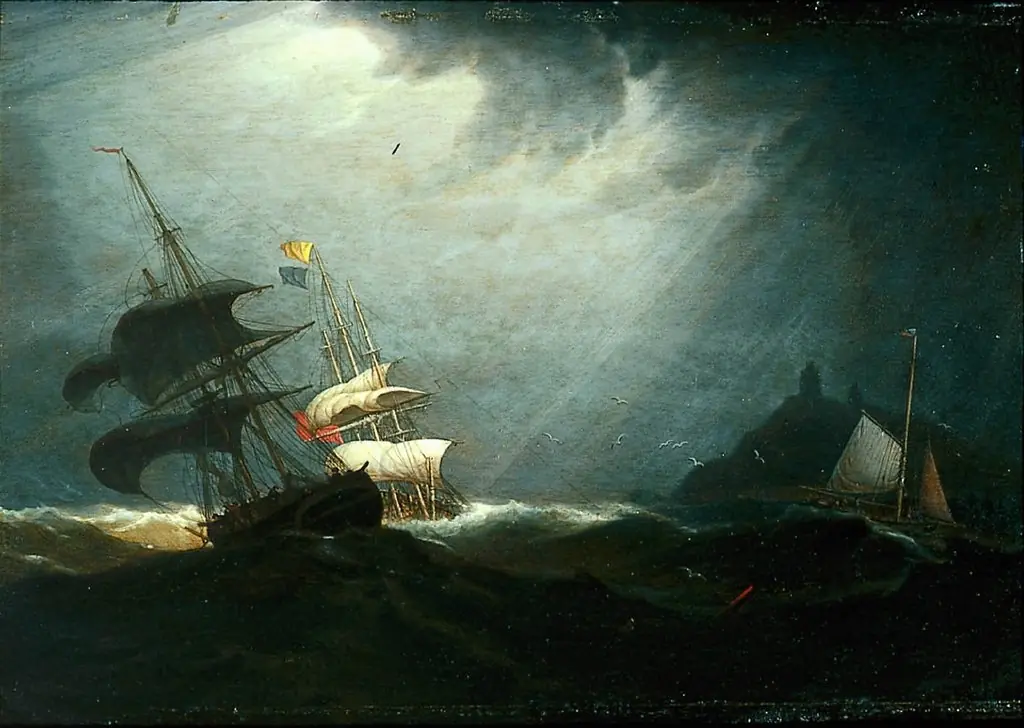 Storm at Sea
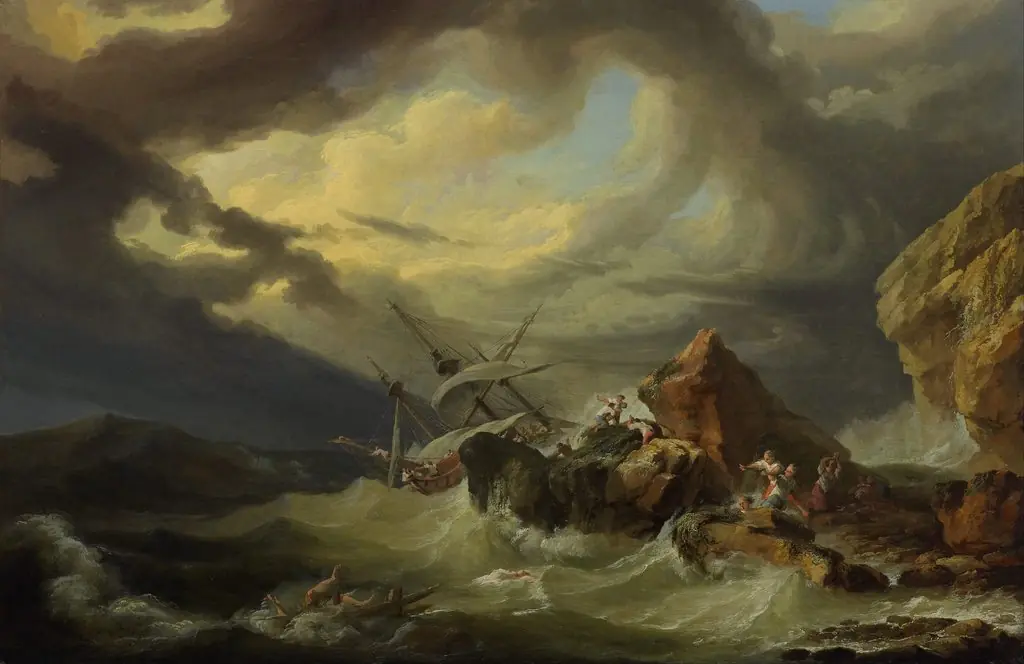 A shipwreck off a rocky coast
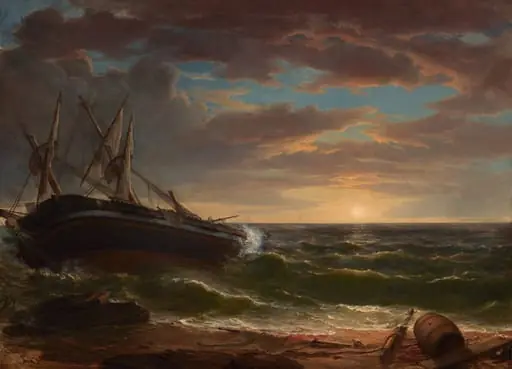 The Stranded Ship
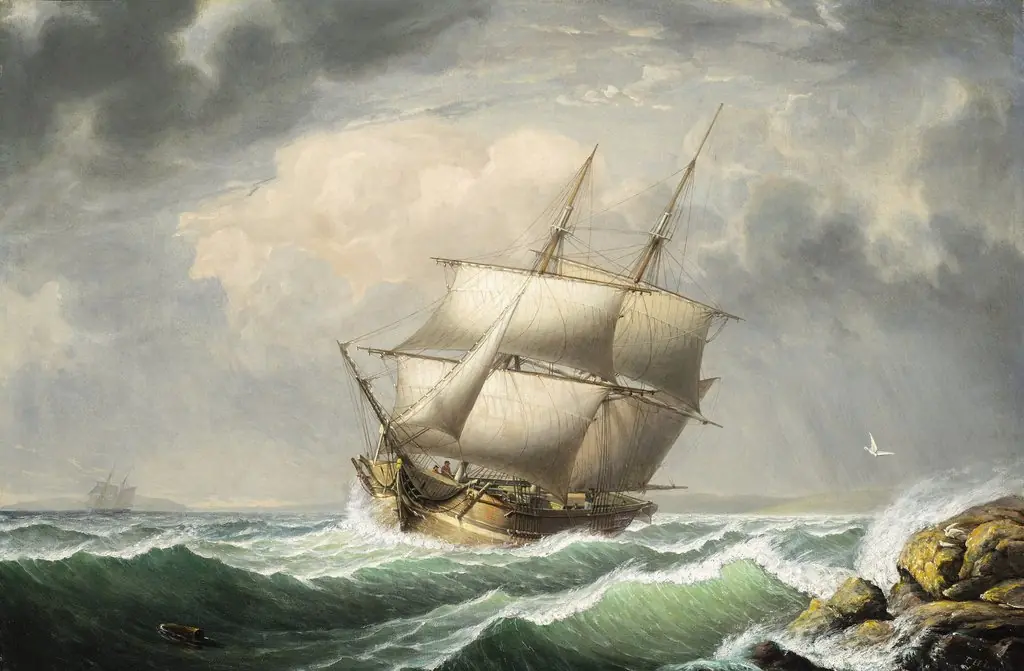 Brig Off the Maine Coast
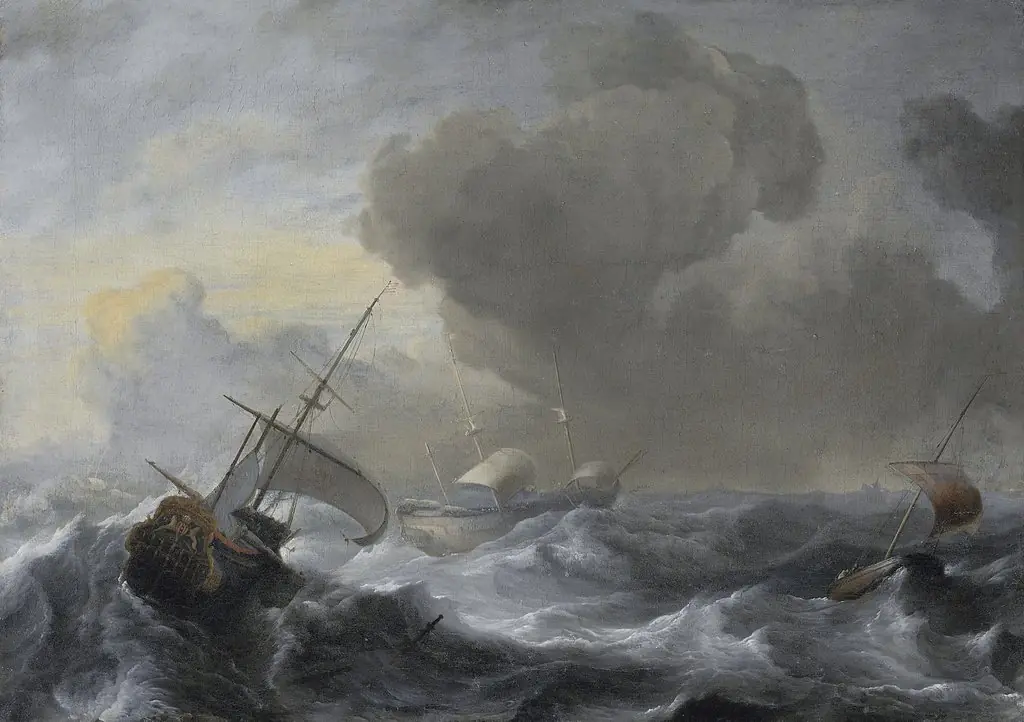 A threemaster with the Amsterdam coat-of-arms, with other vessels, in a storm
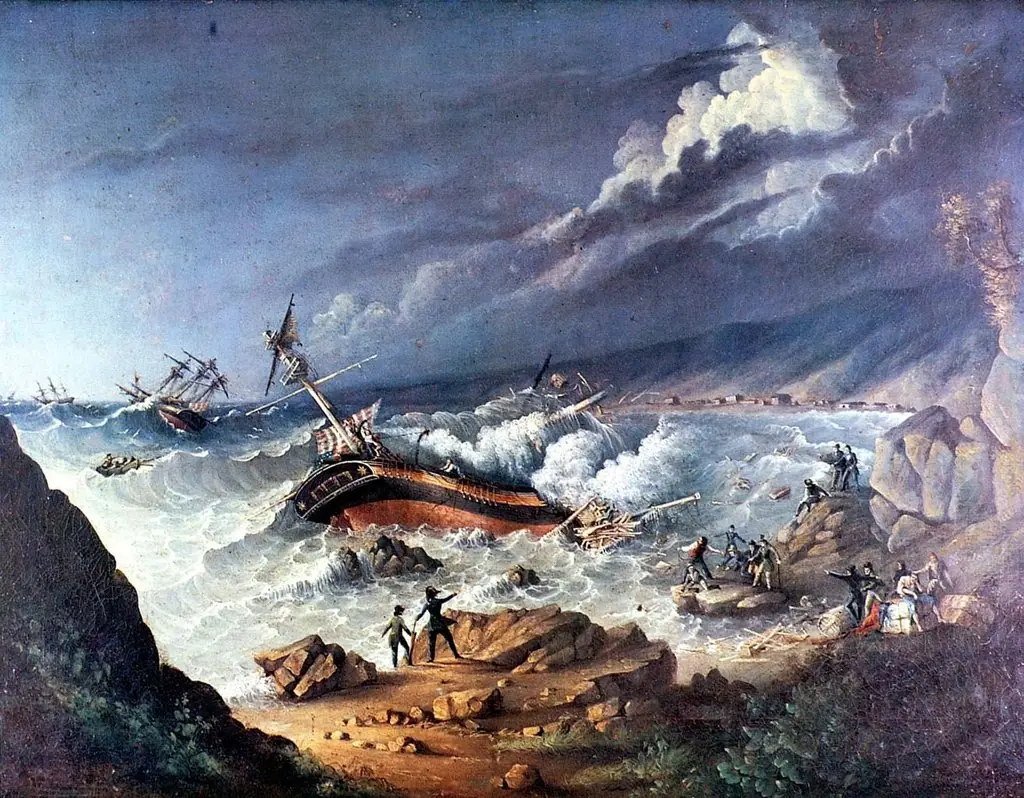 El naufragio del 'Arethusa'
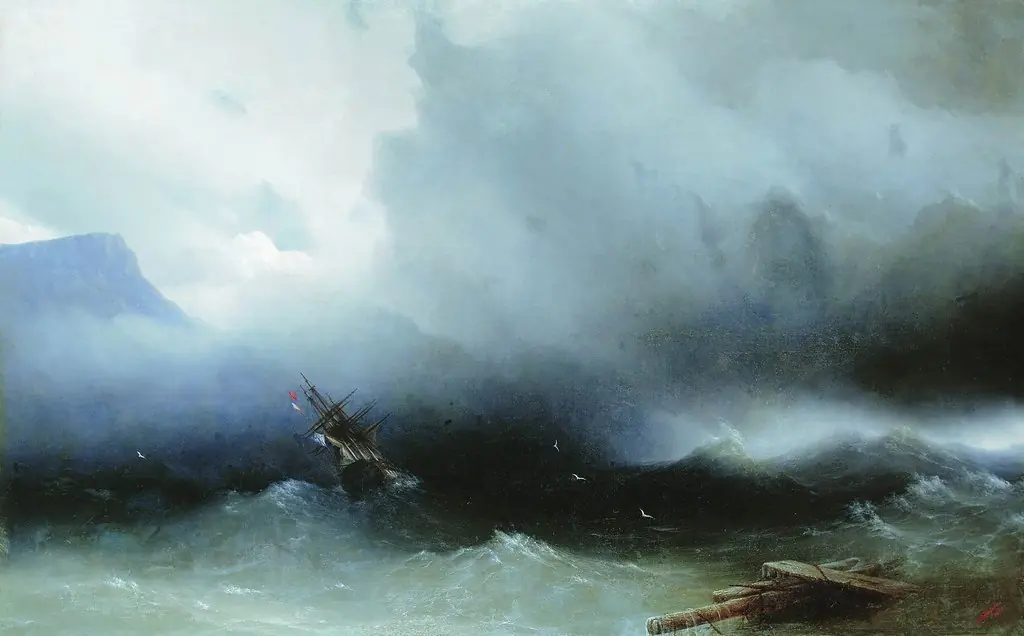 The storm at sea