Artwork
Cupid Untying the Zone of Venus
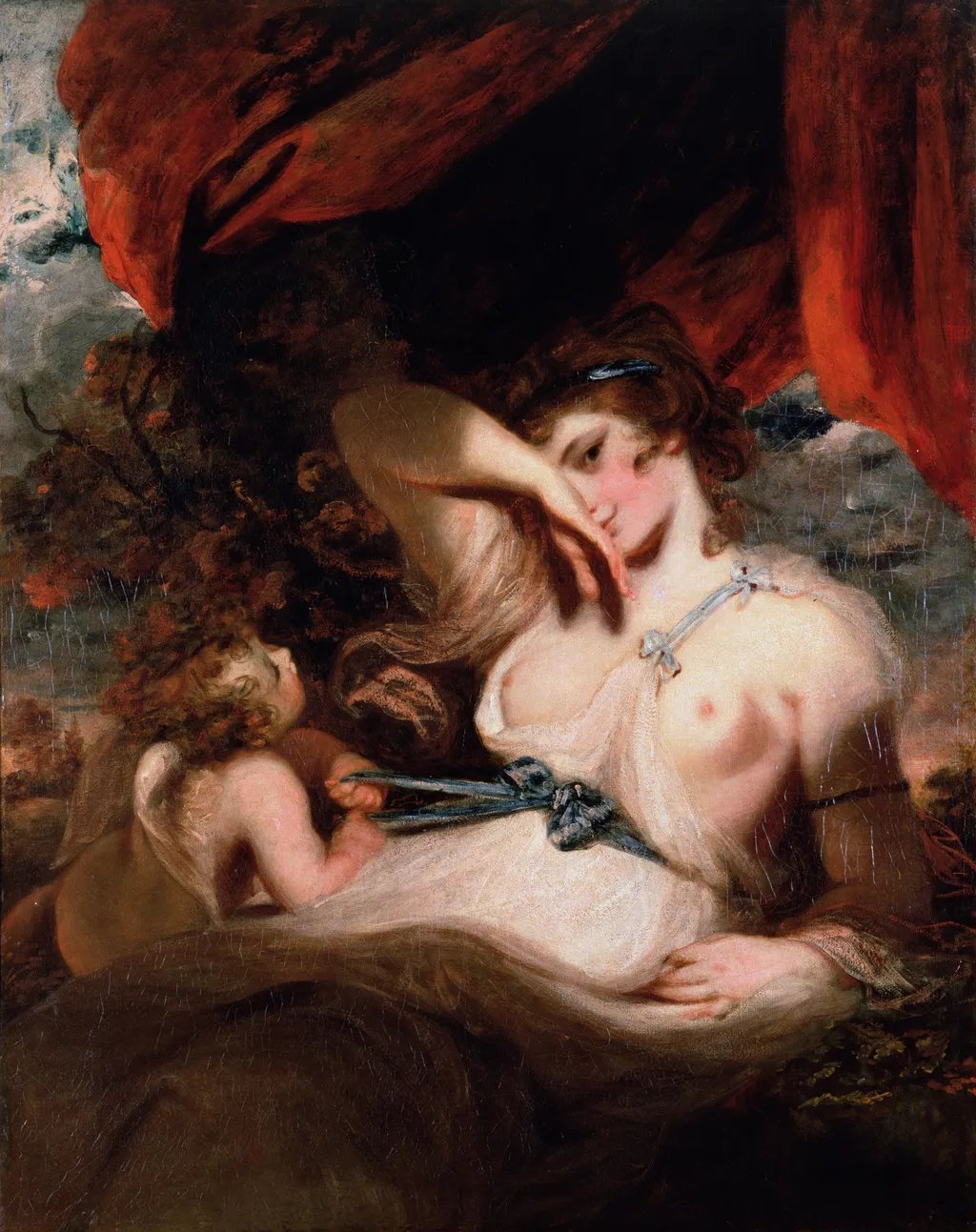
Cupid Untying the Zone of Venus is an oil painting by the Neoclassicist artist Joshua Reynolds. It is held in the collection of the Hermitage Museum.
About this work
Subject & Meaning
This act symbolizes the unbinding of beauty and love, drawing from classical iconography where the girdle represents Venus's power of attraction.
The painting depicts a mythological scene where Cupid unties the girdle, or zone, of his mother Venus. This act symbolizes the unbinding of beauty and love, drawing from classical iconography where the girdle represents Venus's power of attraction. The work is characterized by an erotic dimension, presenting the goddess reclining semi-nude with her breasts exposed while she coyly covers part of her face with one hand.
Venus is portrayed with the specific features of the model Emma Hart, transforming the ancient deity into a recognizable contemporary figure. The composition captures a moment of playful intimacy, with Venus smiling mischievously as Cupid loosens the blue ribbon of her dress, blending mythological narrative with the sensual realism of the sitter.
Technique & Style
Executed in 1788, this work is an oil painting on canvas featuring a vertical format with dimensions of 127.5 cm by 101 cm. The composition depicts the mythological figures of Cupid and Venus, with the latter modeled by Emma Hart. Venus is portrayed reclining and partially unclothed, wearing a white robe that exposes her breasts while she playfully obscures part of her face with one hand. Cupid is shown actively untying the blue ribbon serving as the goddess's girdle.
This specific version represents the third iteration of a composition originally created in 1784, distinguished by its erotic mythological theme and the specific interaction between the figures.
History & Provenance
Cupid Untying the Zone of Venus is a mythological oil painting by Joshua Reynolds created in 1788. The earliest version was exhibited in 1784 and acquired by the Tate Gallery in 1871. An autograph copy made for Reynolds' niece, the Marchioness of Thomond, was purchased from her collection sale in May 1821 by Sir John Soane and now resides in the Soane Museum.
In 1788 Lord Carysfort commissioned a third autograph copy to present to Prince Grigory Potemkin, which remains in the Hermitage Museum in Saint Petersburg. The work depicts Cupid untying the girdle of Venus, with Venus modeled on Emma Hart.
The 1788 version of the painting is held by the Hermitage Museum in Saint Petersburg, Russia, where it has been kept since 1792. It was commissioned by Lord Carysfort as an autograph copy of Reynolds's earlier composition, intended as a gift for Prince Grigory Potemkin.
The work's broader exhibition history begins with the original 1784 version, which was exhibited that year and later acquired by the Tate Gallery in 1871. A 1785 autograph copy made for Reynolds's niece, the Marchioness of Thomond, was purchased at the May 1821 sale of her collection by Sir John Soane and is now displayed at the Soane Museum in London.
Context
Joshua Reynolds' Cupid Untying the Zone of Venus (1788) represents a significant iteration of a mythological composition first exhibited in 1784. The work is notable for its erotic dimension and its use of Emma Hart as the model for Venus, a choice that aligns with Reynolds' wider practice of incorporating contemporary society figures into classical allegories. The painting exists in multiple autograph versions, reflecting its popularity and the artist's engagement with patronage networks; the 1788 version was commissioned by Lord Carysfort for Prince Grigory Potemkin and now resides in the Hermitage Museum.
This proliferation of versions underscores the composition's importance within Reynolds' oeuvre and the late 18th-century British art market. The subject matter, depicting the untying of Venus's girdle, was treated with a blend of mythological narrative and sensual realism characteristic of the period.
Legacy
The painting Cupid Untying the Zone of Venus has been recognized for its sensual portrayal of mythological themes and its innovative treatment of eroticism in late 18th‑century British art. Contemporary accounts highlighted its bold composition and the use of Emma Hart as the model for Venus, influencing later neoclassical depictions of love and beauty. The work’s legacy is underscored by its inclusion in major museum collections, notably the Hermitage Museum, and its continued scholarly discussion in encyclopedic sources on Reynolds’s oeuvre.
Overview
Joshua Reynolds’ oil painting, known variously as Cupid Untying the Zone of Venus and Love and Beauty, depicts a mythological scene in which the infant Cupid loosens the girdle of his mother, Venus. The female figure is rendered with the features of Emma Hart, who later became Lady Hamilton. The composition balances a tranquil shoreline with a turbulent sky, creating a dramatic backdrop for the intimate gesture.
Own this work as a print
Artist & collection
Artist
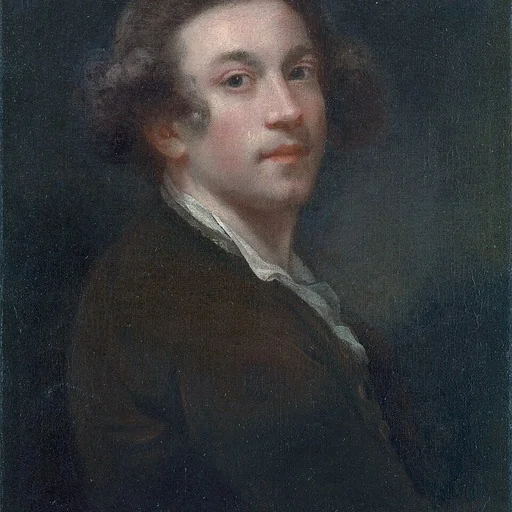
Sir Joshua Reynolds (16 July 1723 – 23 February 1792) was an English painter who specialised in portraits.

- Venus and Cupid
 Calisto
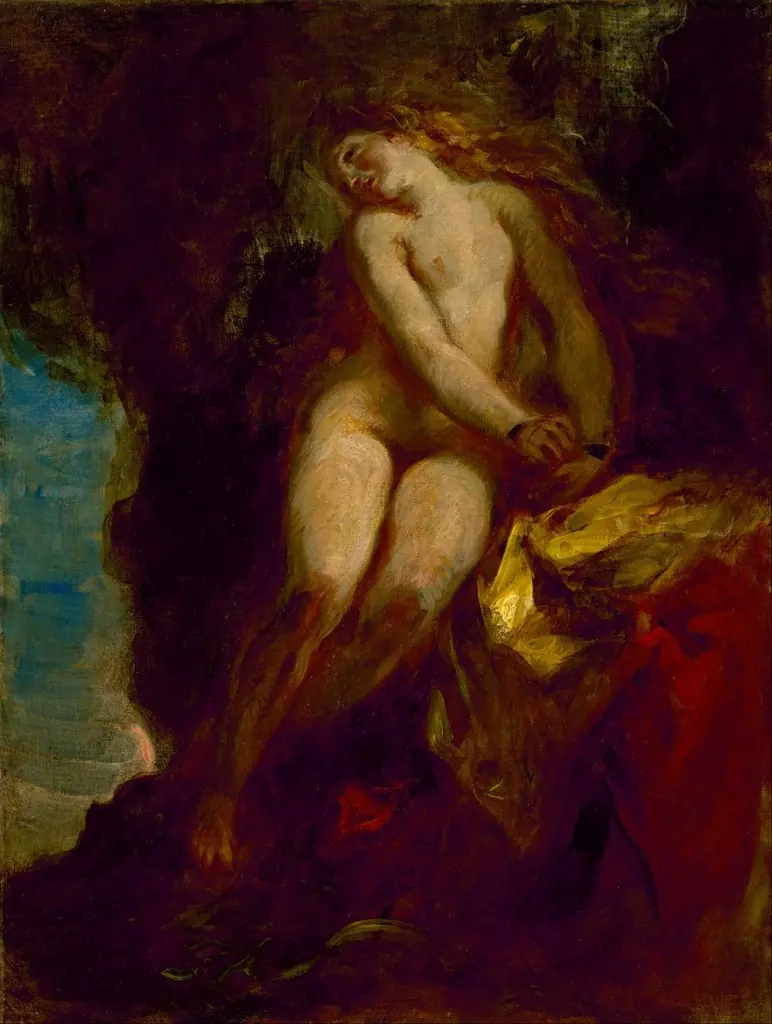 Andromeda
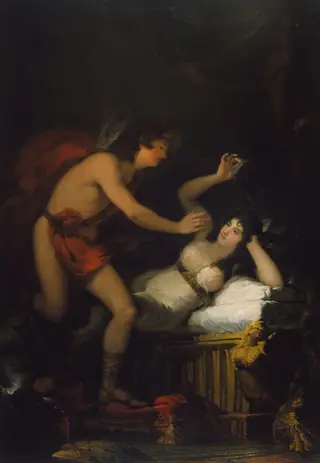 Allegory of Love, Cupid and Psyche
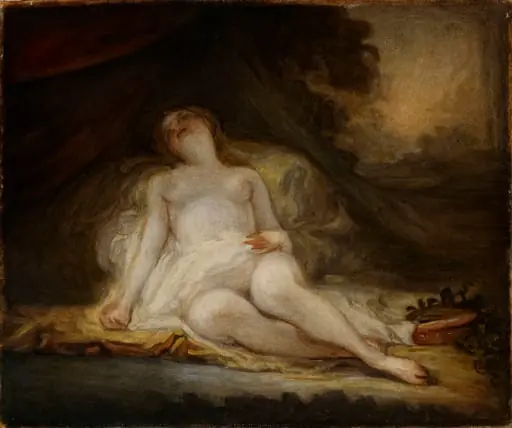 Nukkuva bakkantti, kopio Fragonardin mukaan
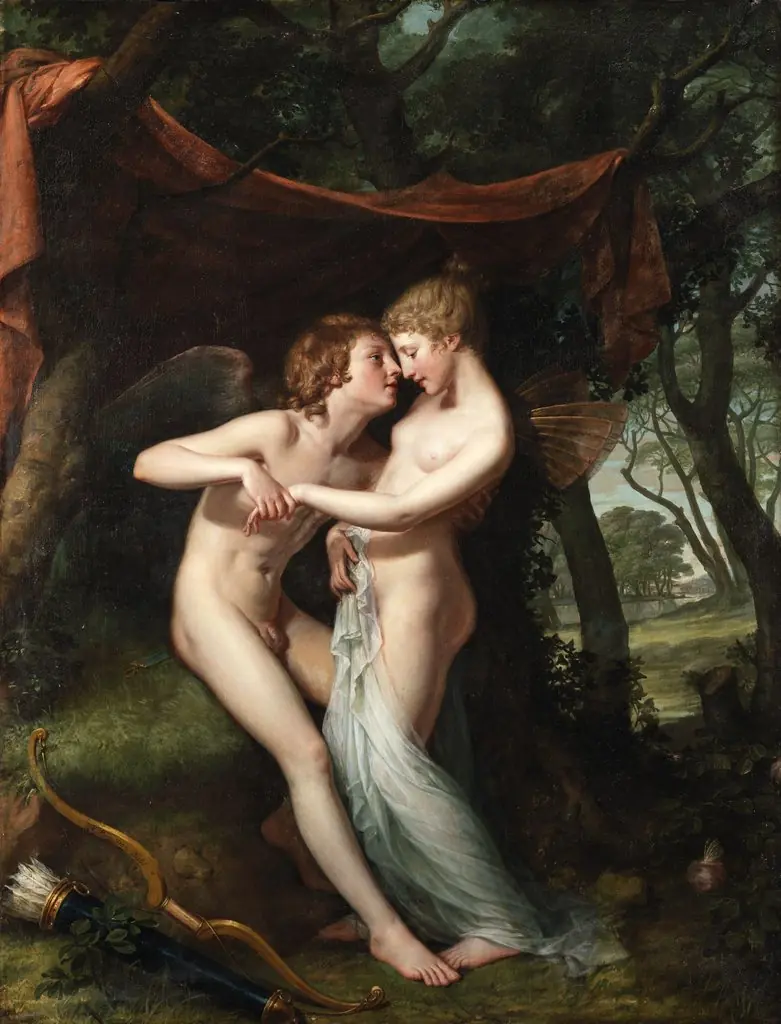 Cupid and Psyche in the Nuptial Bower
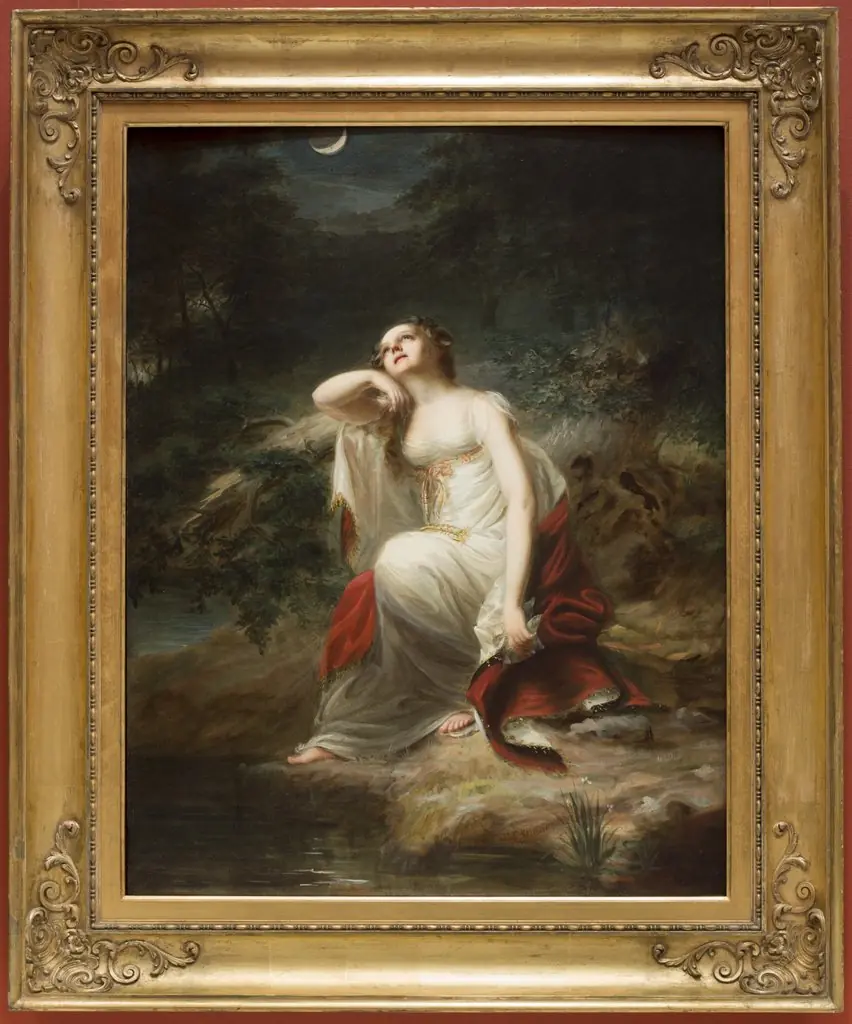 Despair
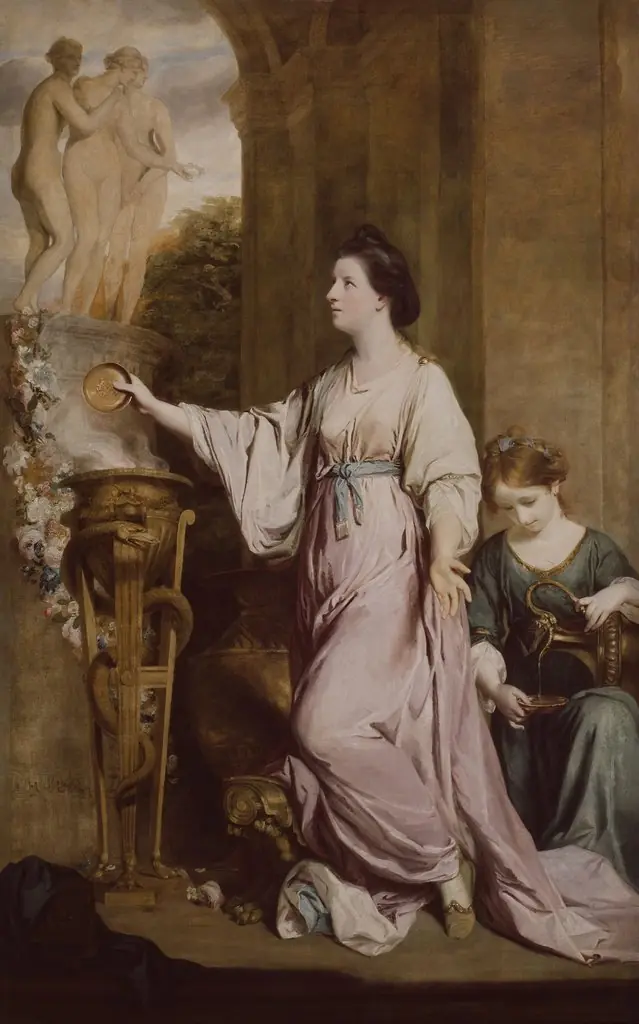 Lady Sarah Bunbury Sacrificing to the Graces
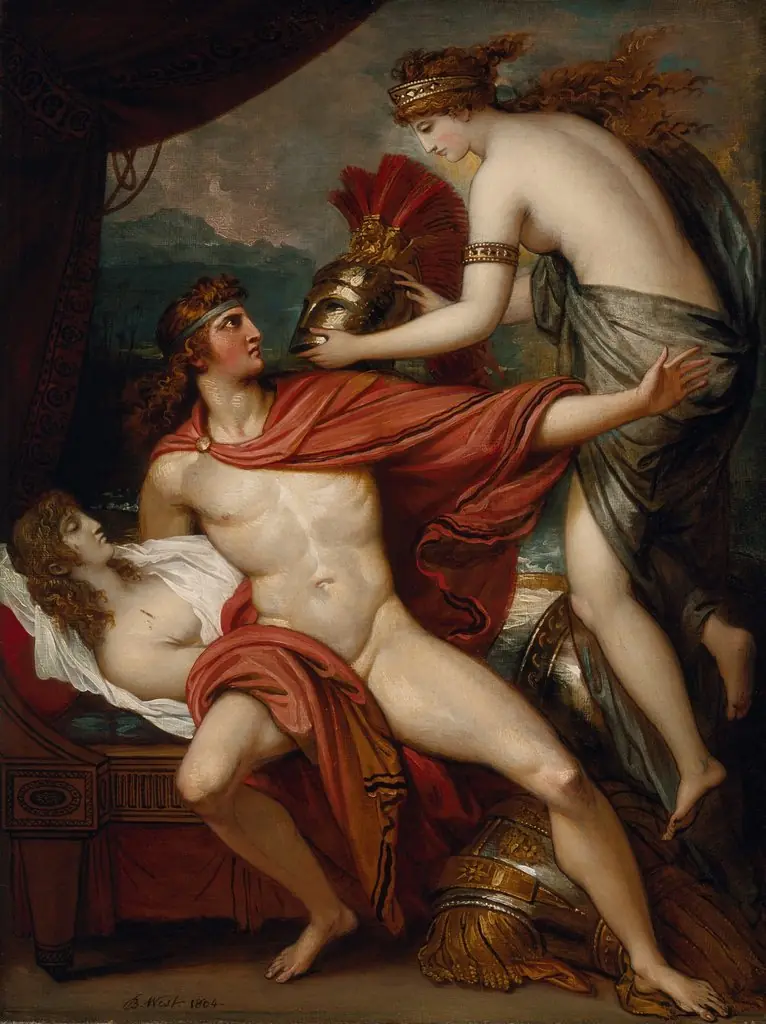 Thetis Bringing the Armor to Achilles
 Lady Sarah Bunbury Sacrificing to the Graces
 Venus, auf einem Ruhebett schlafend
 The Greek Poet Sappho and the Girl from Mytilene