Artwork
Portrait of a Gentleman
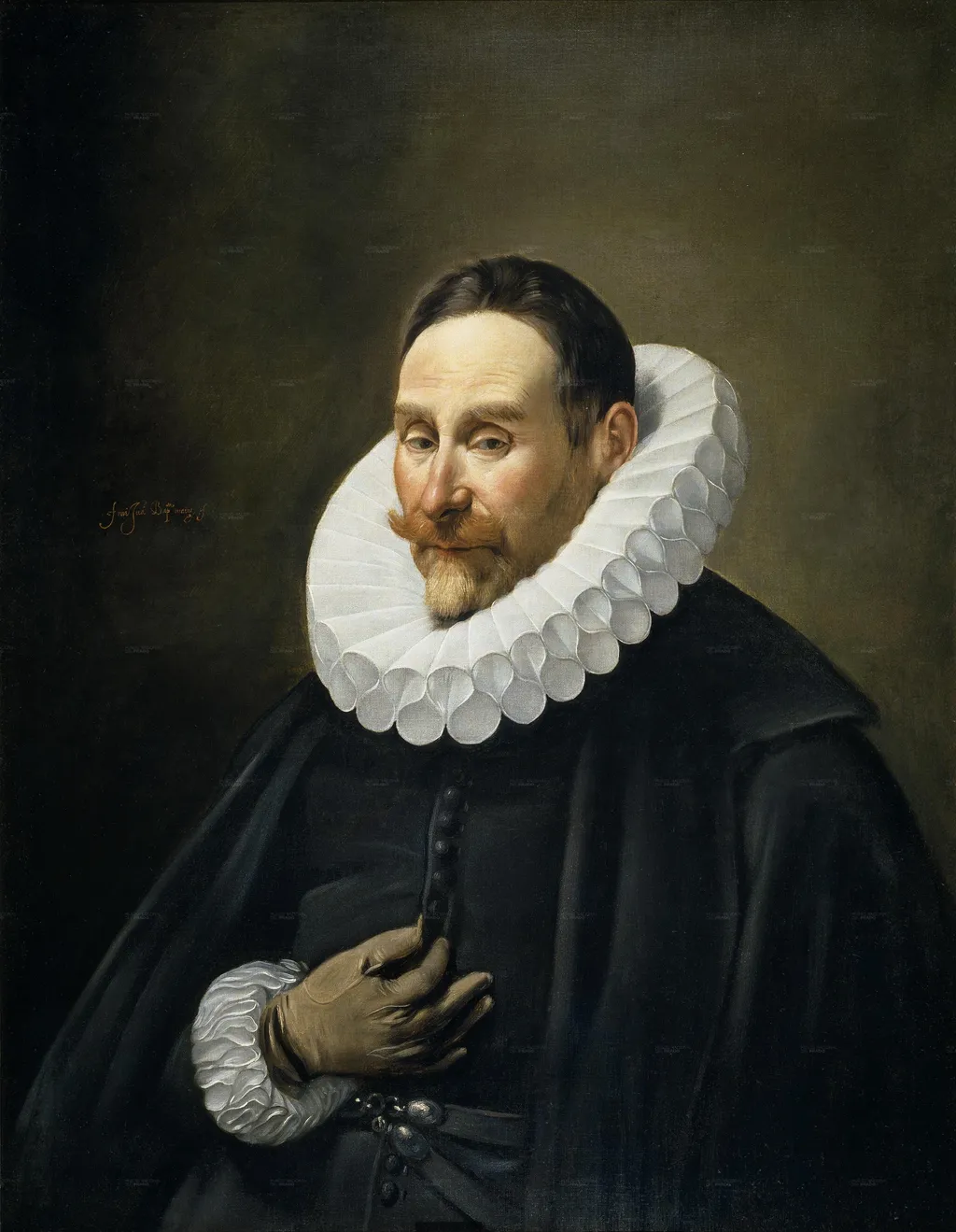
Portrait of a Gentleman is an oil painting by the Early Baroque Italian artist Juan Bautista Maíno. It dates from 1613 and is held in the collection of the Museo del Prado.
About this work
It shows a single figure, a man, rendered in the careful handling typical of early 17th‑century Spanish painting.
Portrait of a Gentleman is an oil painting by Spanish artist Juan Bautista Maíno, dated around 1613. The work is also known as Portrait of a Knight and was completed sometime between 1618 and 1623.
It shows a single figure, a man, rendered in the careful handling typical of early 17th‑century Spanish painting. Maíno used oil paint to build subtle layers of color. The canvas has stayed in Madrid’s national collection for centuries.
If you want to keep exploring, check out the Museo del Prado.
Subject & Meaning
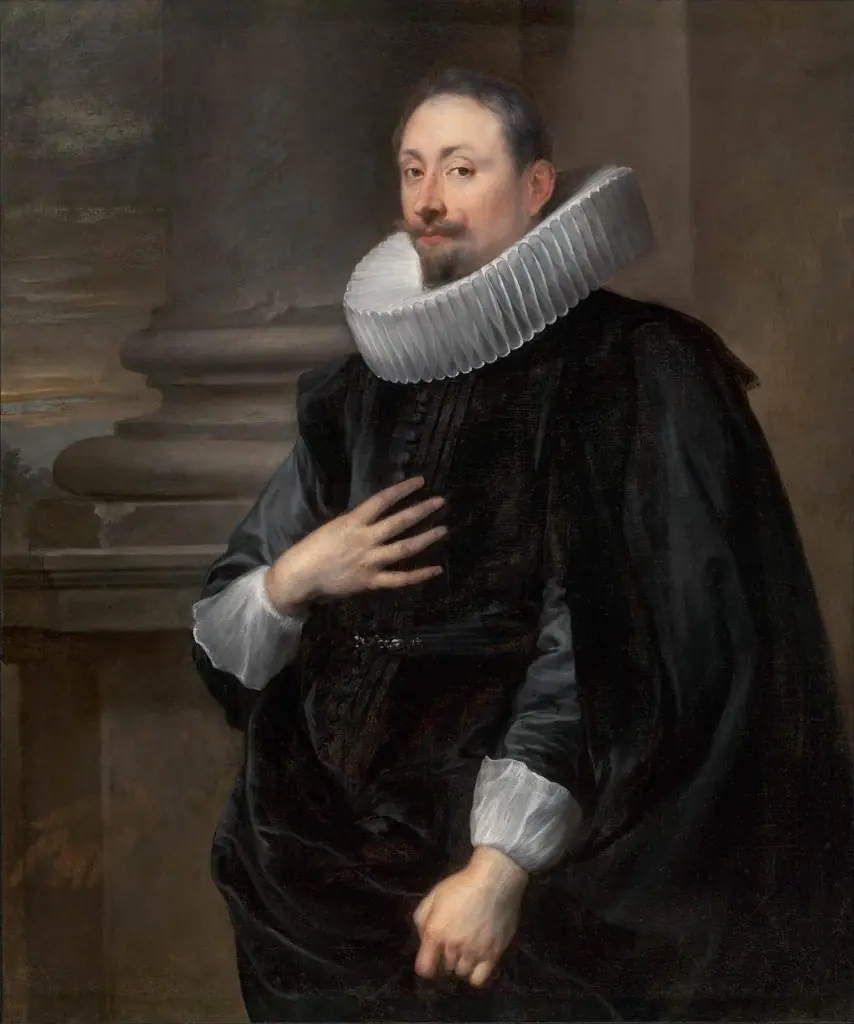
The work depicts an unidentified knight in three-quarter view, illuminated from the side, wearing a black doublet and cape with a large white ruff. The attire situates the sitter within early-17th-century Spanish aristocratic fashion, while the lack of insignia or inscription precludes identification of a specific individual.
The painting’s title and presentation emphasize the sitter’s social role as a gentleman or knight, a status conveyed through costume rather than narrative or emblematic detail. The composition’s restraint and the neutral background focus attention on the figure’s dignity and reserve, aligning with contemporary ideals of noble bearing in Spanish portraiture of the 1610s.
Technique & Style
Created between 1613 and 1623, the work is executed in oil paint on a canvas support. The painting presents a three-quarter-length figure of an unidentified man, characterized by a black doublet and cape contrasted against a large white ruff. The composition relies on lateral lighting to model the subject's form and features.
The canvas measures 96 cm in height and 76 cm in width, though some records list the width as 73 cm. The handling of the medium emphasizes the textures of the clothing and the stark illumination typical of the period's portraiture.
History & Provenance
Created by the Spanish artist Juan Bautista Maíno, this oil on canvas portrait was executed during the early seventeenth century. Sources provide slightly varying date ranges for its inception, with some indicating a period between 1613 and 1618, while others suggest the work was completed between 1618 and 1623. A specific internal record attributes the date firmly to 1618.
The identity of the sitter, depicted in a black doublet and large white ruff, remains unknown. The painting has been housed in the collection of the Museo del Prado in Madrid, where it continues to be exhibited.
The painting is held by the Museo del Prado in Madrid. According to the Wikidata record, the work forms part of the museum's collection and bears the dimensions of 96 cm in height by 76 cm in width, though the Spanish-language Wikipedia entry gives the width as 73 cm.
The painting's documented exhibition history includes a display in the "Velázquez" exhibition, as noted in the Wikidata entry. No accession number is specified in the available sources.
Overview
Juan Bautista Maíno’s portrait, executed in oil on canvas between 1618 and 1623, is part of the Museo del Prado’s collection in Madrid. The work presents a solitary male figure rendered at three‑quarter length, illuminated from one side, and is commonly identified as a gentleman or knight, though his identity remains unknown.
Own this work as a print
Artist & collection

- Portrait of an Old Man
 Portrait of a gentleman
 Portrait of a Man
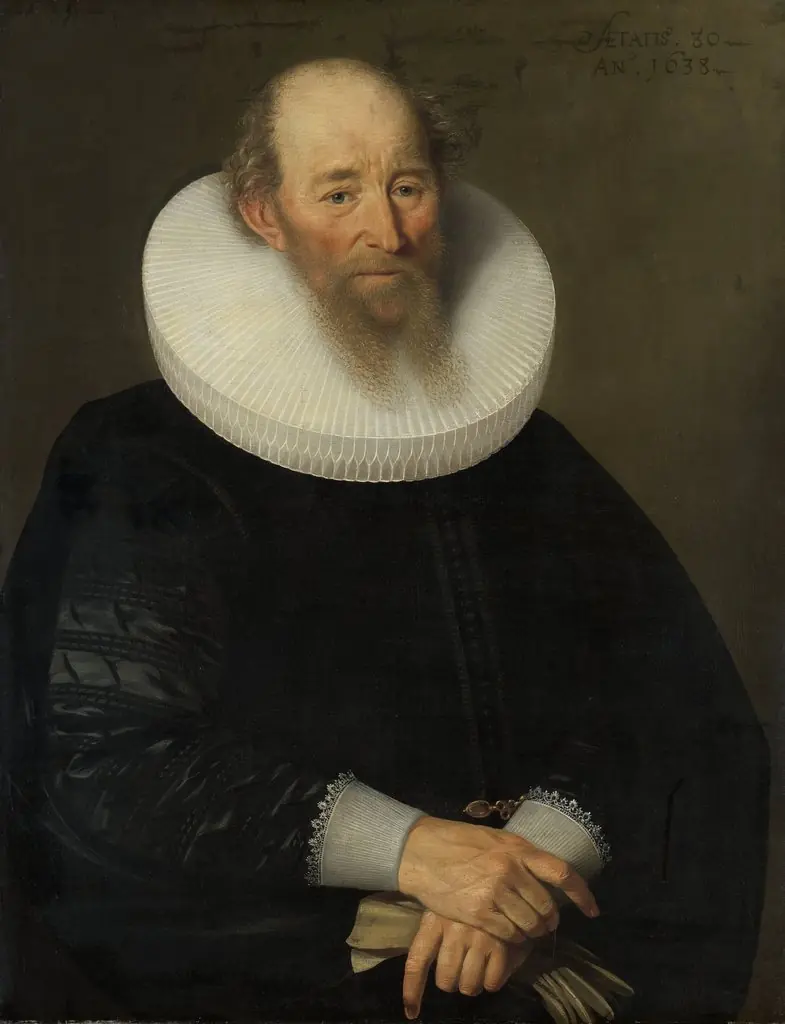 Portrait of an Old Man
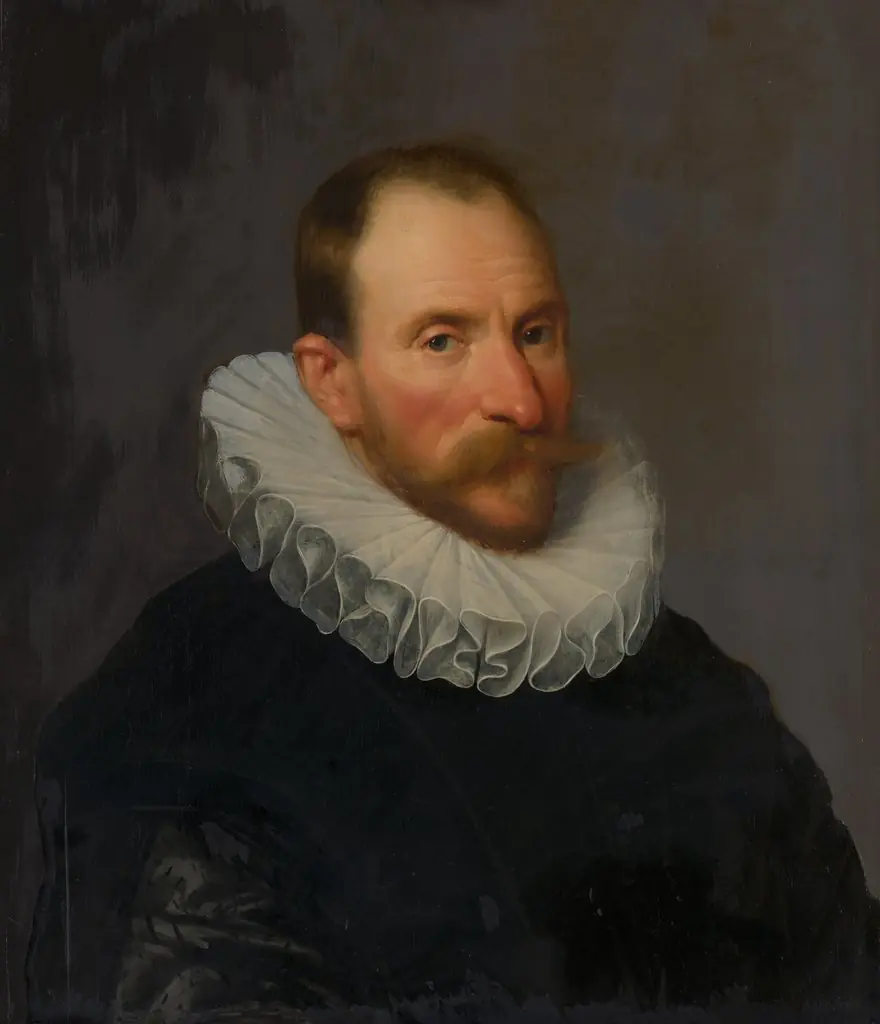 Portrait of Cornelis van Aerssen (1545-1627)
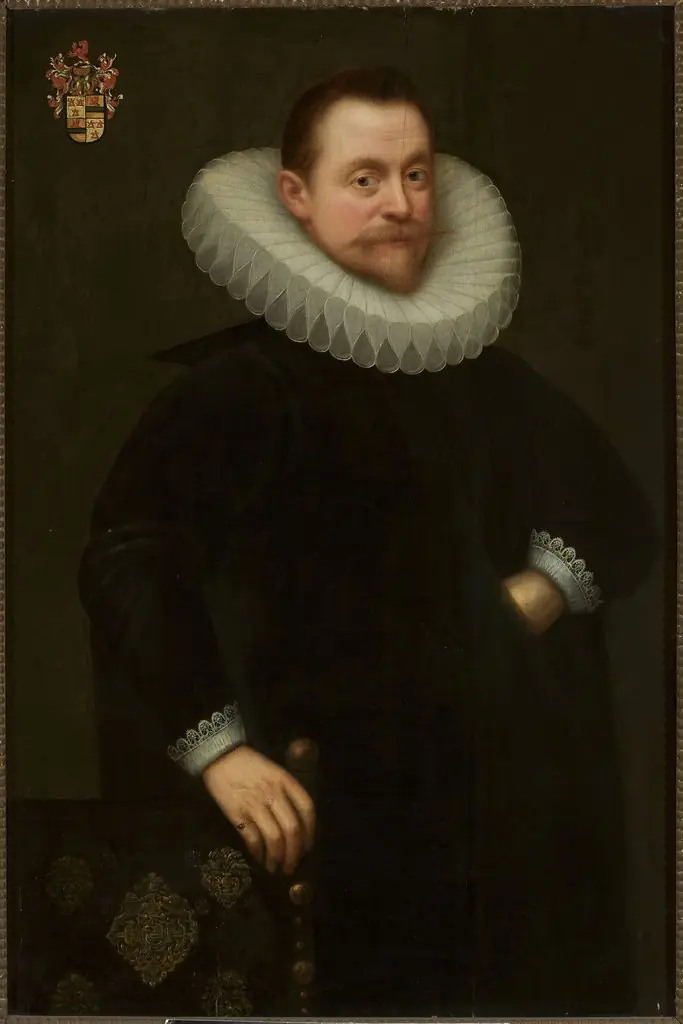 Portrait of Jacques du Mont
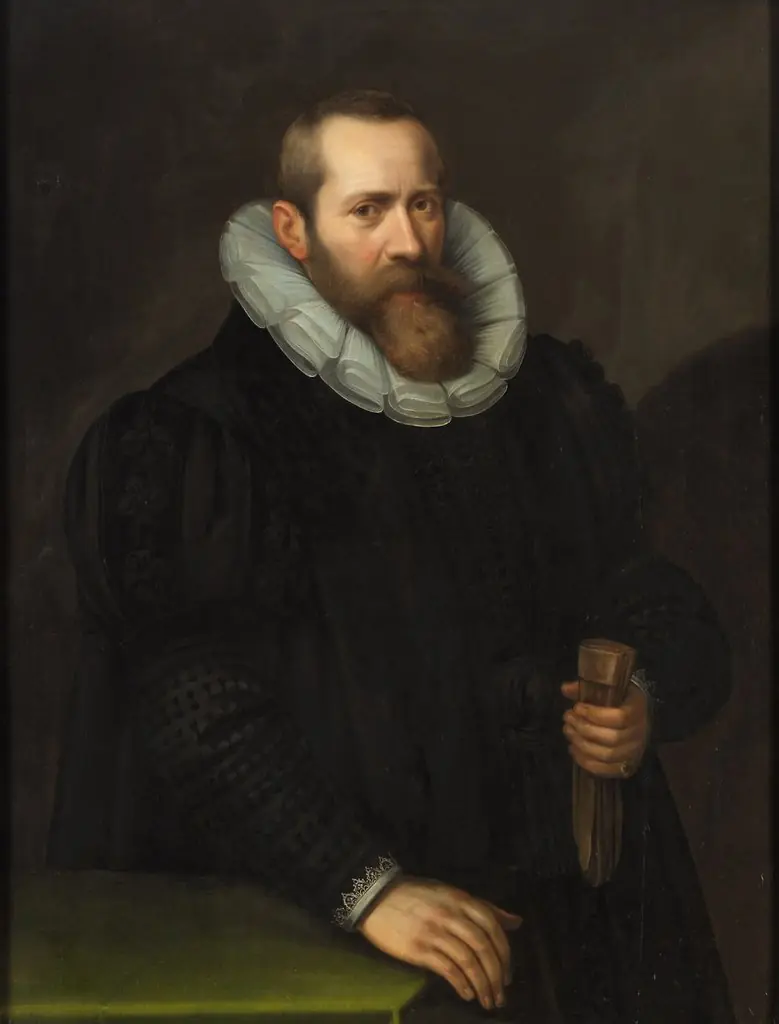 Portrait of a man
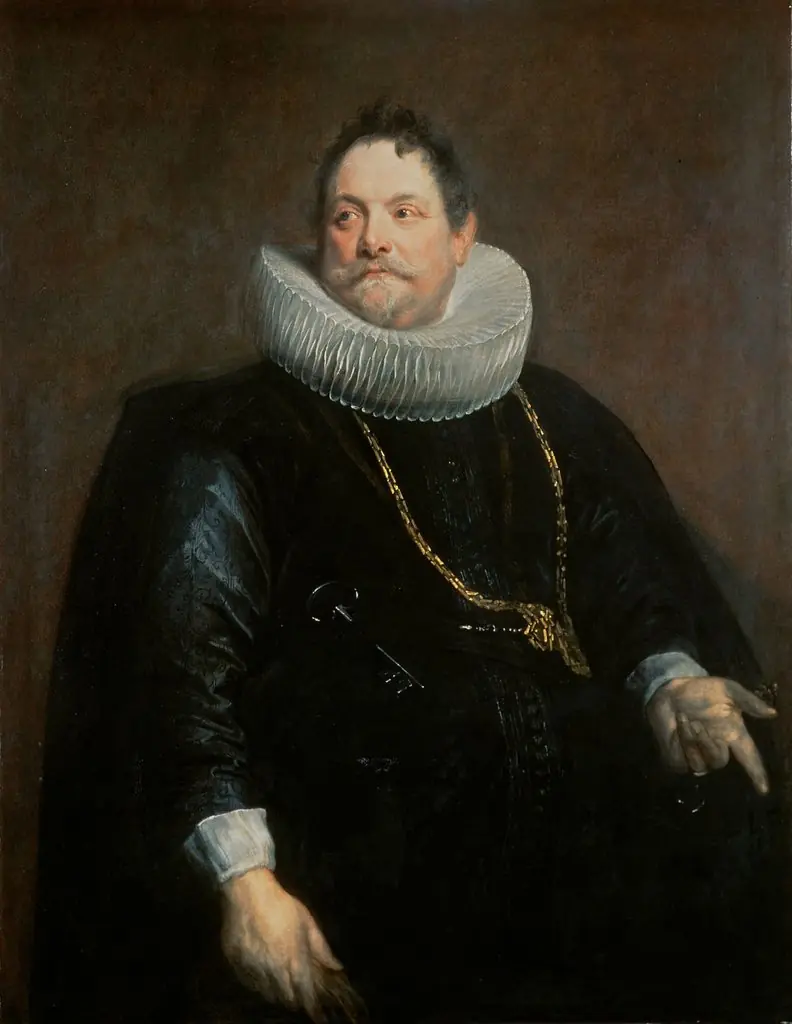 Portrait of Jan van Montfort
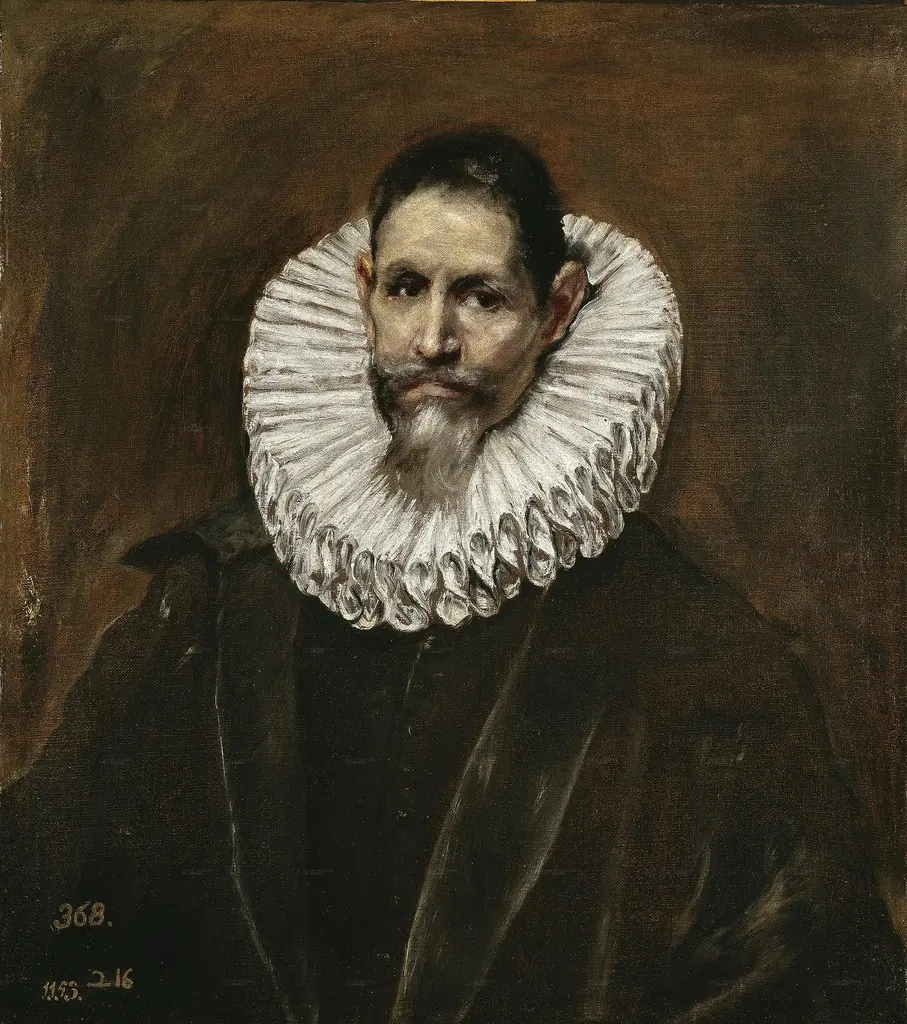 Portrait of Jerónimo de Cevallos
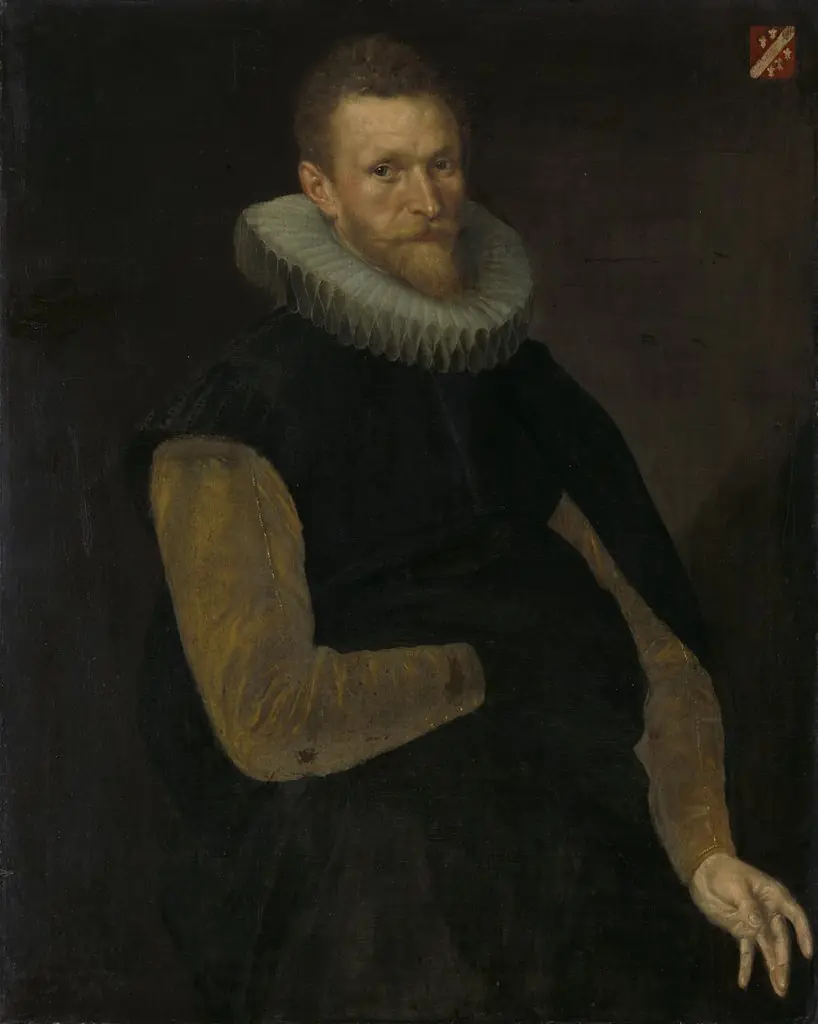 Portrait of Jacob Cornelisz Banjaert, called van Neck (1564-1638). Admiral & mayor of Amsterdam
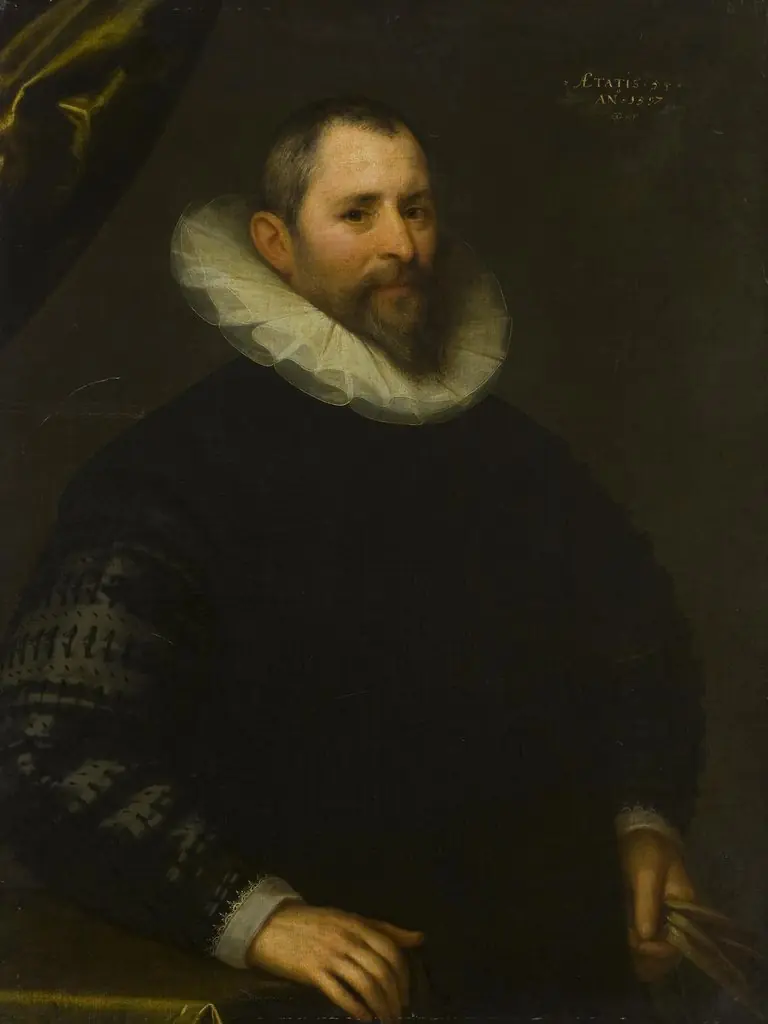 Portrait of Gottfried Hautappel
 Peeter Symons