Artwork
Portrait of Jerónimo de Cevallos
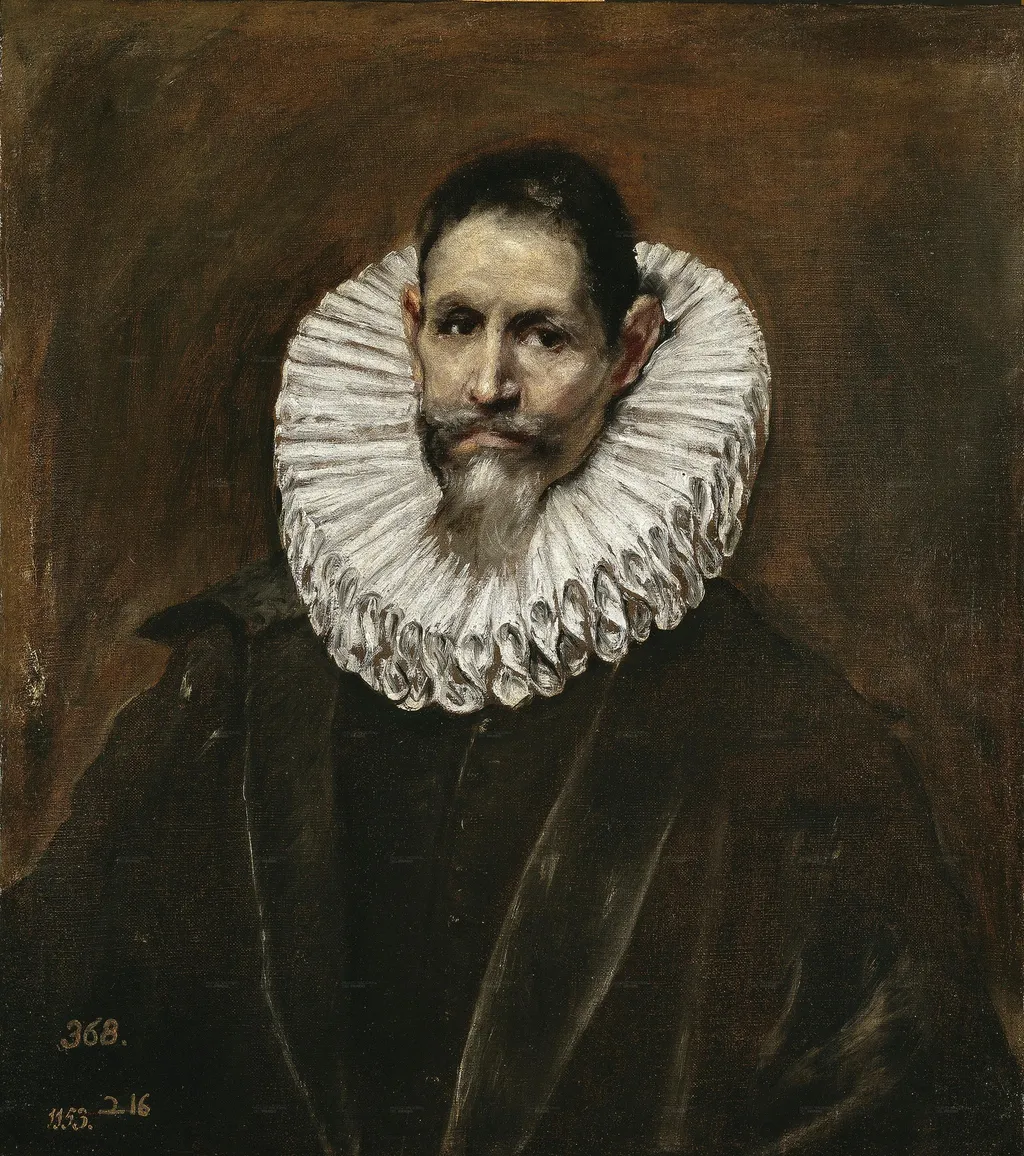
Portrait of Jerónimo de Cevallos is an oil painting by the Mannerist artist El Greco. It dates from 1609 and is held in the collection of the Museo del Prado.
About this work
Subject & Meaning
The portrait is noted for its extraordinary realism, achieved through subtle asymmetries where the eyes and ears sit at slightly different horizontal levels.
The painting depicts Jerónimo de Cevallos (1560-1641), a distinguished jurist, writer, and councillor for Toledo who also served as an administrator for the Archbishopric and a consultant to the Holy Office. A close friend of the artist, Cevallos later acted as the protector of El Greco's son, Jorge Manuel. The composition focuses entirely on the subject's psychology, utilizing a neutral, dark background derived from Titian and the Venetian School to isolate the figure. El Greco employs loose brushwork and a somber palette to capture Cevallos's austere yet serene character. The portrait is noted for its extraordinary realism, achieved through subtle asymmetries where the eyes and ears sit at slightly different horizontal levels. A large white ruff serves as the sole transitional element between the flesh tones and the surrounding dark browns and grays, intensifying the viewer's focus on the penetrating gaze of this influential political theorist.
Technique & Style
The *Portrait of Jerónimo de Cevallos* (1609) is an oil painting on canvas, measuring 64 × 54 cm. El Greco employed a restrained palette dominated by dark tones, blacks, grays, and browns, with the white ruff serving as a stark contrast to the sitter’s flesh tones. The handling is characteristically loose and expressive, particularly in the delicate rendering of the beard and the asymmetrical placement of the eyes and ears, which heighten the portrait’s psychological intensity. The support is a fine linen canvas prepared with a reddish-brown imprimatura, traces of which remain visible in areas of thin paint application. The neutral background, devoid of spatial context, reflects Venetian influence, particularly Titian’s portraiture. The work’s condition is described as satisfactory, with no major losses reported despite the passage of time.
History & Provenance
El Greco painted the Portrait of Jerónimo de Cevallos around 1613, during his final Toledo period. The work was commissioned for Cevallos himself, a distinguished jurist and friend of the artist who also served as protector to El Greco's son, Jorge Manuel. The painting originally remained in Cevallos's private collection.
By 1745, the portrait had entered the Spanish Royal Collection, listed as part of the holdings at the Quinta del Duque del Arco in the Royal Palace of El Pardo, Madrid, where it was recorded as the thirteenth summer piece (no. 419). In 1794, it appeared again in the same location, now as the twelfth piece (no. 368). The Museo del Prado acquired the painting that same year, and it has remained in the museum's collection ever since, catalogued as P000812.
The painting is held by the Museo del Prado, Madrid, where it has been since 1794. Its inventory number is P000812. It is catalogued as no. 133 in Harold Wethey's raisonné and as reference 158 in Tiziana Frati's catalogue.
The work's provenance traces back to the Spanish Royal Collection. It originally hung in the Quinta del Duque del Arco at the Royal Palace of El Pardo in Madrid, appearing in a 1745 inventory as the thirteenth summer piece (no. 419) and again in a 1794 inventory as the twelfth piece (no. 368). No specific post-1794 exhibition history is detailed in the sources.
Context
The portrait has been praised for its psychological depth and technical mastery, particularly the nuanced rendering of facial features and the expressive use of light and shadow that distinguishes El Greco's late Toledo period. Scholars highlight its influence from Titian and the Venetian school, especially the neutral background and compositional austerity, situating it among the artist's most refined portraiture. It remains a key example of Baroque portraiture within the broader context of Spanish Golden Age art and El Greco's evolving style.
The work entered the Royal Collection through the Quinta del Duque del Arco in El Pardo, later moving to the Museo del Prado in 1794, where it has been part of the permanent collection since.
Critical reception emphasizes its realistic portrayal of Jerónimo de Cevallos, a prominent jurist and intellectual of Toledo, reflecting both his status and the cultural milieu of early 17th-century Spain.
Legacy
The Portrait of Jerónimo de Cevallos has been recognized as a pivotal work within El Greco's oeuvre, influencing later portraiture through its psychological depth and compositional innovations. Art historians note its impact on Baroque portraiture, particularly its use of neutral backgrounds and expressive realism, which prefigured elements in later Spanish portraiture. The painting's provenance, including its display at the Quinta del Duque del Arco and eventual acquisition by the Museo del Prado, cemented its status as a key example of the artist's late period. Its legacy is further underscored by scholarly analyses highlighting its technical mastery and thematic significance, with references in major art historical texts and exhibitions.
The work's influence extends to its role as a model for later artists, with its depiction of intellectual figures in formal settings inspiring subsequent portraitists. The painting's inclusion in the Museo del Prado's collection since 1794 has ensured its continued visibility, contributing to its reputation as one of El Greco's most celebrated portraits. Its stylistic elements, such as the nuanced rendering of facial features and the strategic use of light and shadow, have been cited in academic discussions as exemplary of the artist's synthesis of Venetian and Spanish influences.
Scholarly discourse consistently positions the portrait as a benchmark for understanding El Greco's late style, with its psychological complexity and technical execution frequently referenced in studies of Baroque art. The painting's legacy is also tied to its cultural resonance, with its depiction of Jerónimo de Cevallos reflecting the intersection of legal and artistic patronage in 17th-century Spain.
Own this work as a print
Artist & collection
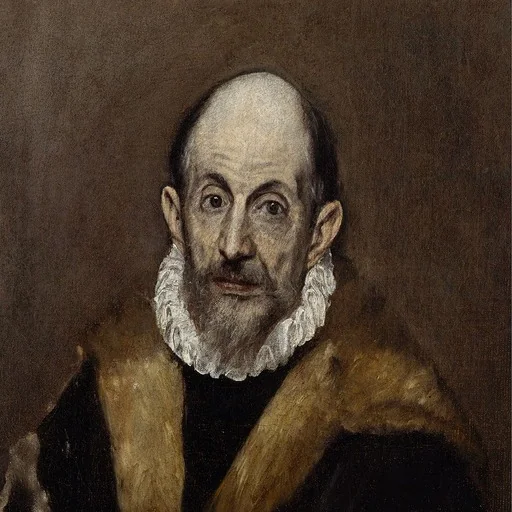
Artist
Doménikos Theotokópoulos was born in 1541 in Candia (modern Heraklion), the capital of Venetian-ruled Crete, where he was trained in the post-Byzantine tradition of icon painting.

 Retrato de un caballero desconocido
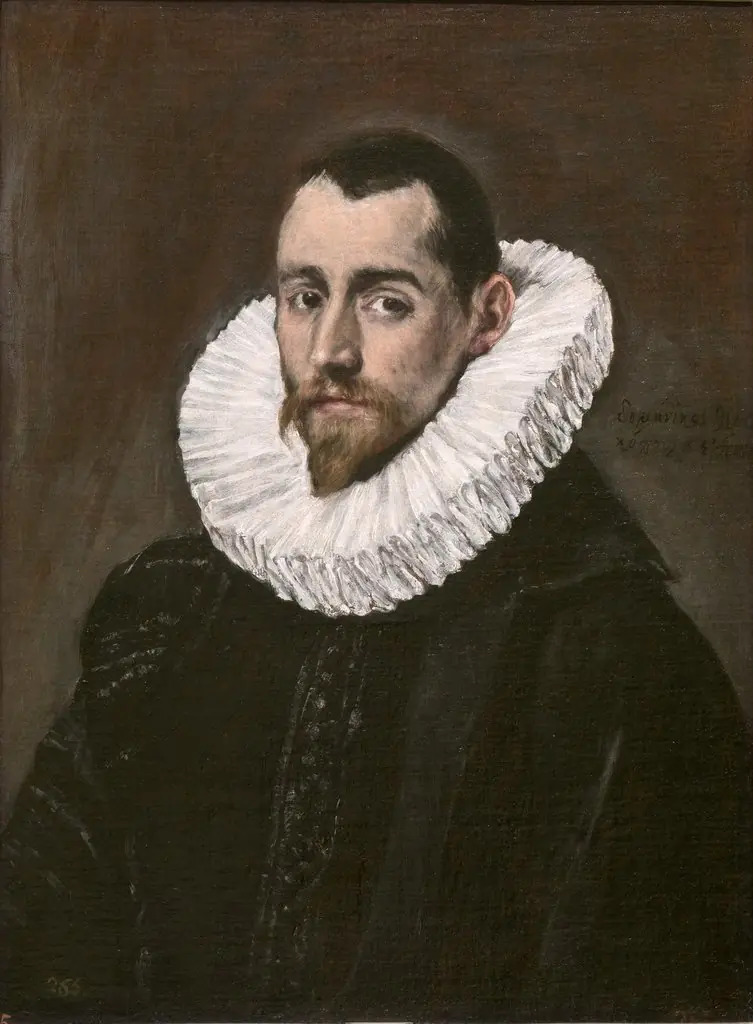 Portrait of a Young Gentleman
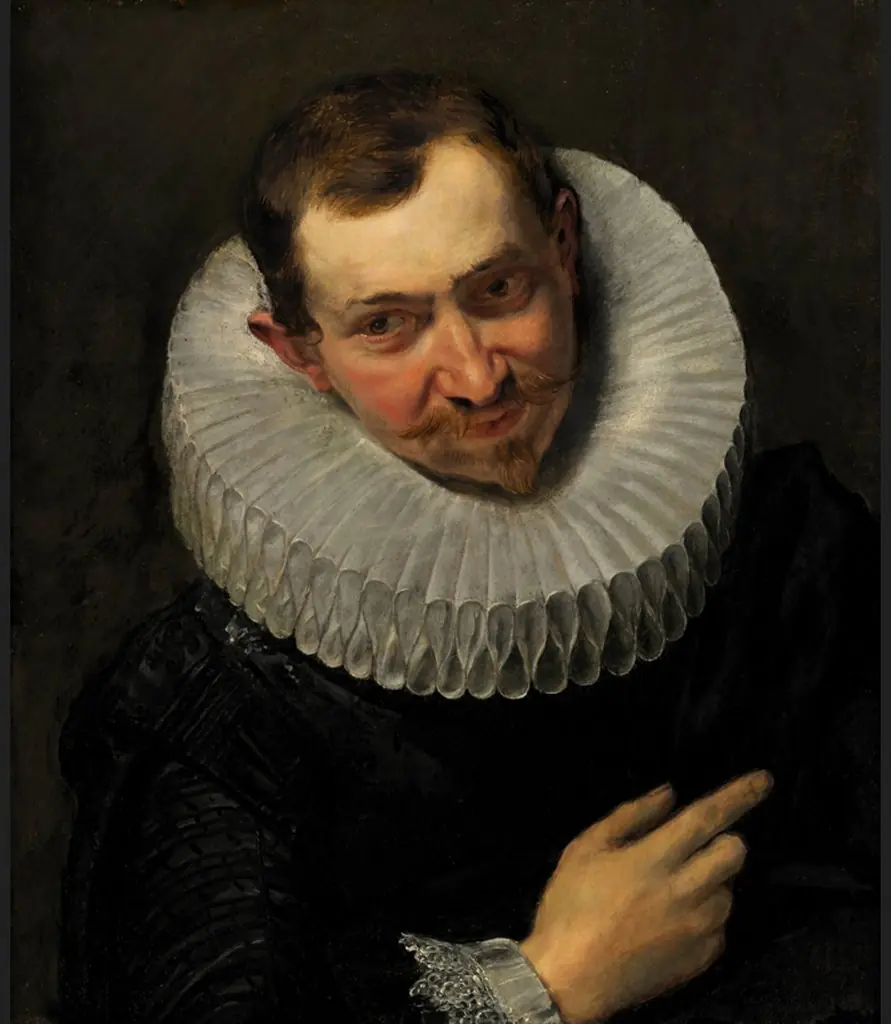 Portrait of the landscape painter Jan Wildens
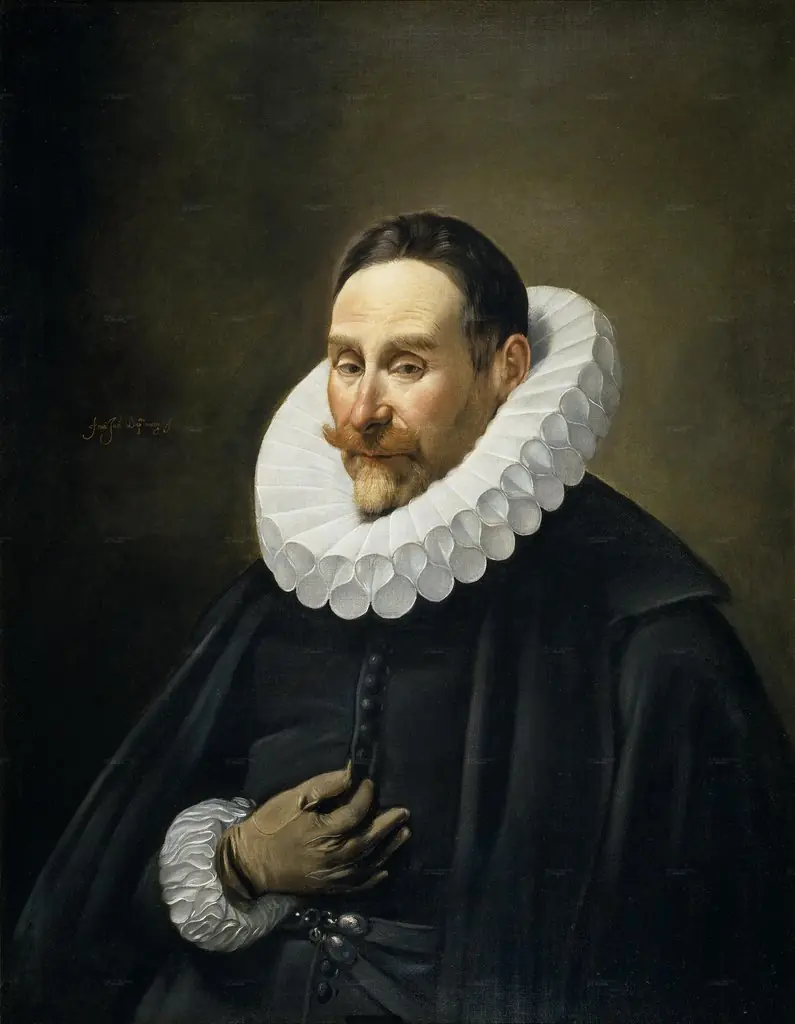 Portrait of a Gentleman
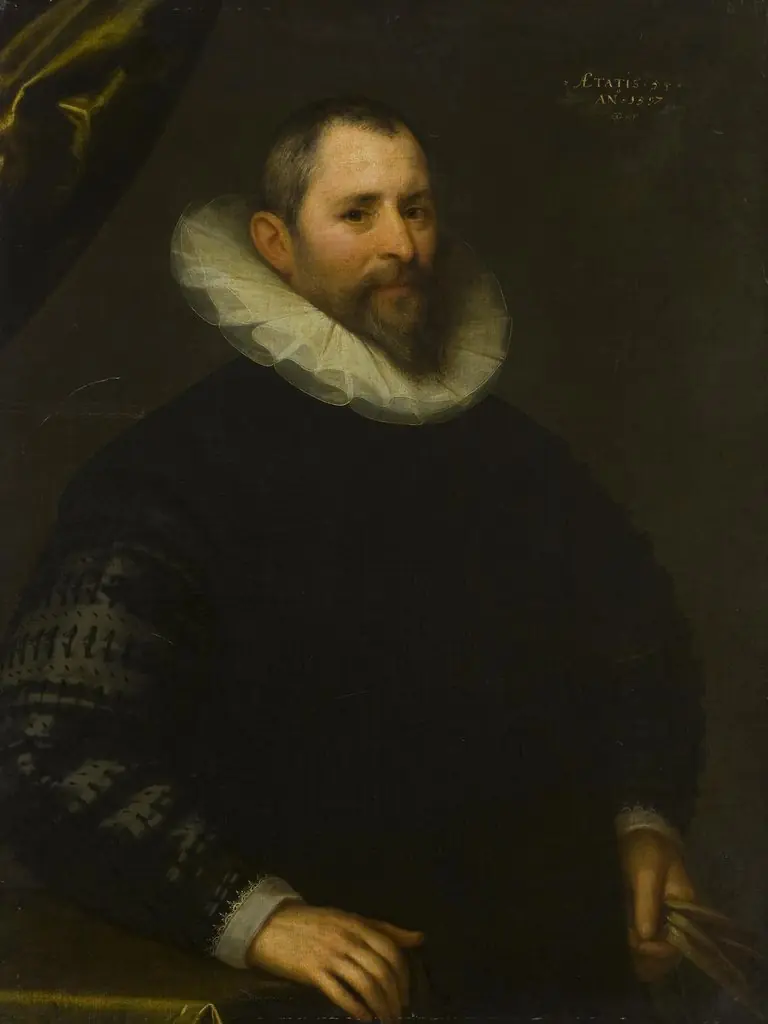 Portrait of Gottfried Hautappel
 Portrait of a Man
 Portrait of a 60-year-old Man
 Portrait of a Man
 Portrait of a gentleman
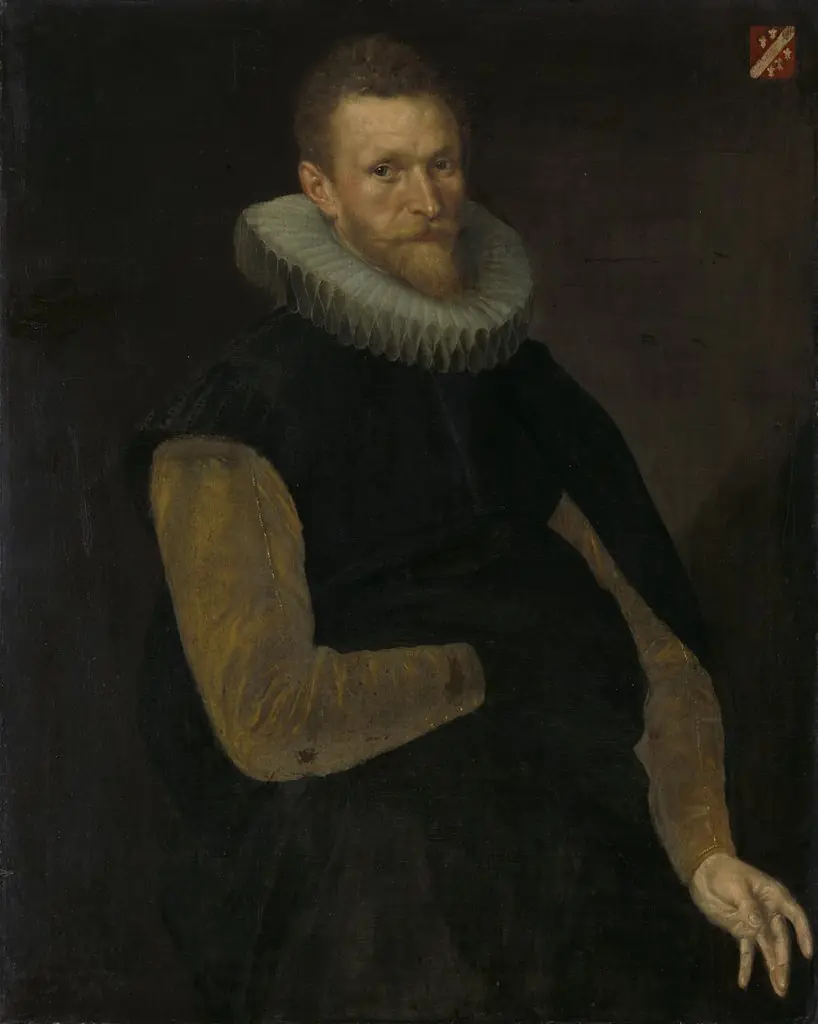 Portrait of Jacob Cornelisz Banjaert, called van Neck (1564-1638). Admiral & mayor of Amsterdam
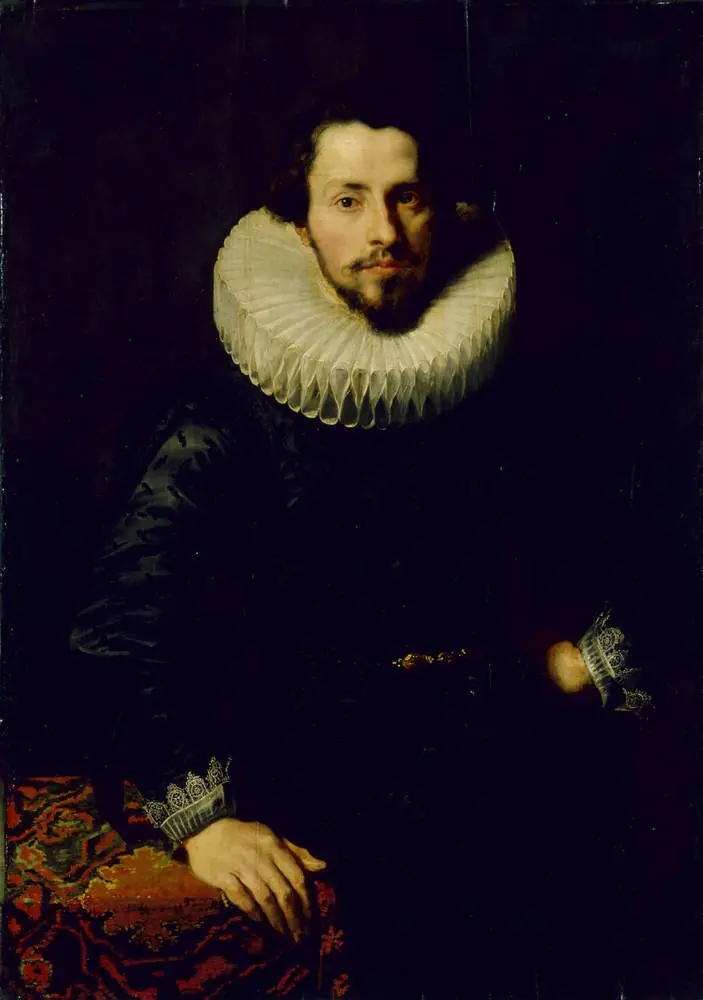 Portrait of a Man at a Table
- Portrait of Rodrigo de la Fuente