Artwork
The Recovery of Bahía de Todos los Santos
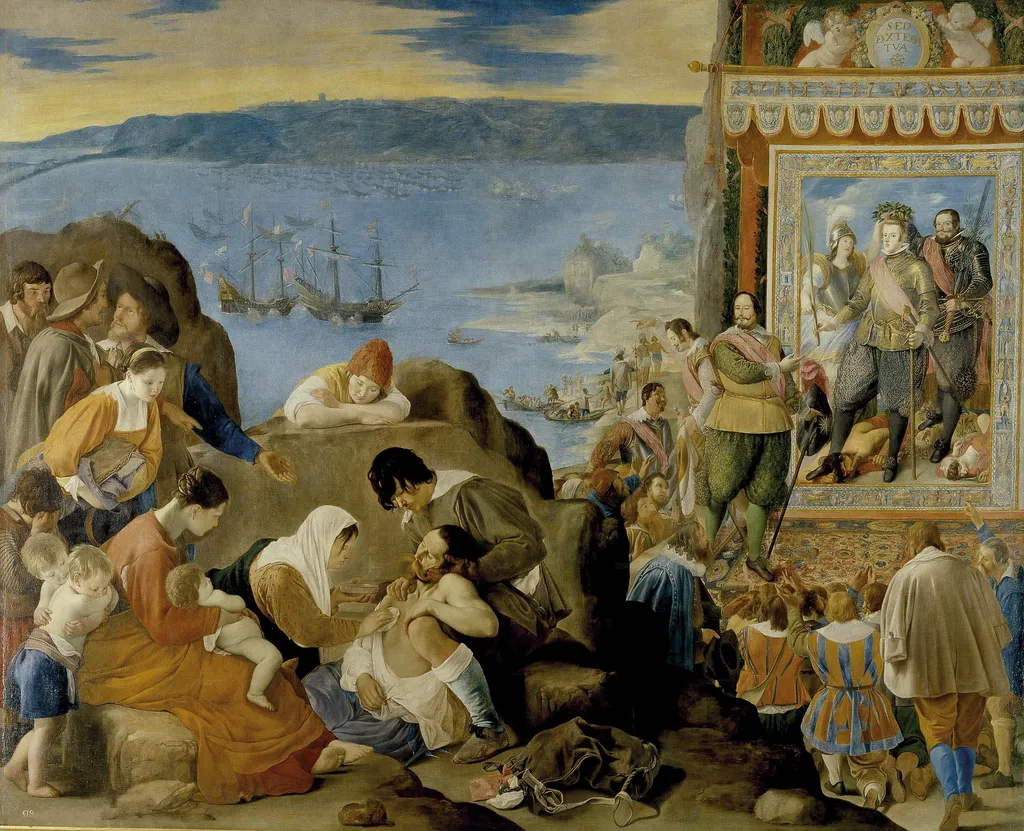
The Recovery of Bahía de Todos los Santos is an oil painting by the Early Baroque Italian artist Juan Bautista Maíno. It dates from 1634 and is held in the collection of the Museo del Prado.
About this work
The scene marks a real event: Spanish forces took back Salvador da Bahia from the Dutch in 1625.
This big oil painting shows a battle at sea where the Spanish won back a port. It was made in the 1630s by Juan Bautista Maíno, a Spanish painter. The scene marks a real event: Spanish forces took back Salvador da Bahia from the Dutch in 1625.
The artist used thick paint to build up the scene. The work used to hang in a royal palace before moving to the museum.
Look at the Museo del Prado to see more works by Spanish painters.
Subject & Meaning
The painting commemorates the 1625 recapture of Salvador da Bahia from the Dutch by a Hispano-Portuguese fleet led by Fadrique Álvarez de Toledo. Rather than depicting a specific moment of combat, the work illustrates the surrender scene from Lope de Vega's play El Brasil restituido, where the Dutch garrison capitulates before a tapestry featuring an allegorical portrait of Philip IV. In this tapestry, the king is crowned with laurels by Minerva and the Conde-Duque de Olivares while standing atop a figure representing defeated Heresy, who bites a broken cross.
Surrounding Olivares are allegorical figures of Furor and Fraud, symbolizing the triumph of justice and the rejection of hypocrisy. The foreground contrasts this political symbolism with a realistic depiction of war's suffering, focusing on a wounded soldier being tended to by women and men, embodying Christian virtues of piety and charity. A Latin inscription, "sed dextera tva," attributes the victory to divine intervention.
Technique & Style
The Recovery of Bahía de Todos los Santos is an oil painting on a large-scale support measuring 309 cm in height by 381 cm in width. Executed between 1634 and 1635, the work belongs to the series of battle scenes produced for the Salón de Reinos of the Buen Retiro Palace, and Maíno delivered it finished on 16 June 1635, receiving two hundred ducats as payment.
Stylistically, the composition avoids triumphalism in favor of depicting the human cost of war. The foreground centers on a wounded arquebusier whose head rests in a companion's lap, tended by solicitous women while male onlookers point toward the fallen soldier, a group that art historians have linked to the iconography of St. Sebastian. In the middle ground a tapestry shows the Dutch surrendering, accompanied by allegorical figures including Minerva and the Conde-Duque de Olivares with the sword of justice and olive branch.
The background features Philip IV in half-armor trampling a half-naked figure biting a broken cross, an allegory of Heresy, crowned by Victoria, with a Latin cartela reading "sed dextera tua" held by two putti.
History & Provenance
The Recovery of Bahía de Todos los Santos was commissioned by the Spanish crown in late 1634 as part of a decorative cycle for the Salón de Reinos in the Palace of Buen Retiro. The project, orchestrated by the Count-Duke of Olivares and executed by Jerónimo de Villanueva, aimed to commemorate Spanish military victories during the early Thirty Years' War. Juan Bautista Maíno completed the oil painting by June 16, 1635, receiving a payment of 200 ducats for the work.
The painting remained in the Buen Retiro Palace, where it was listed in the 1701 inventory of Charles II's estate. Following the French occupation of Spain, the artwork was transported to Paris for the Musée Napoléon before being returned to Spain in 1815. It was officially incorporated into the collection of the Museo del Prado in 1827.
The Recovery of Bahía de Todos los Santos has been in the Museo del Prado in Madrid since 1827. Commissioned in late 1634 and delivered finished on 16 June 1635, it was originally painted for the Salón de Reinos of the Palacio del Buen Retiro, where it formed part of a series of battle paintings commissioned under a programme devised by the conde-duque de Olivares. It is recorded in 1701 in the testamentary inventory of Charles II at the Buen Retiro palace, described as "la toma del Brasil por Don Fadrique toledo de mano de Vn Religioso dominico flamenco" and valued at 120 doblones.
Following the French occupation, the canvas was taken to Paris for the Museo Napoleón and returned to Spain in 1815, before entering the Prado collection in 1827.
No specific Prado inventory or accession number is recorded in the available sources.
Context
Painted between 1634 and 1635 for the Salón de Reinos, this work forms part of a series commemorating Spanish military victories during the Thirty Years' War, executed under a project by the Count-Duke of Olivares. Unlike typical triumphalist battle scenes, the composition emphasizes the suffering of war, foregrounding a wounded soldier attended by figures embodying Piety and Charity rather than focusing solely on martial glory. Scholars note that the iconography draws heavily from Lope de Vega's play El Brasil restituido, particularly in the depiction of the surrender terms and the allegorical tapestry featuring Philip IV and Olivares.
Art historian Julián Gállego identified Christian models within the foreground group, suggesting a visual reference to Saint Sebastian. The painting uniquely includes figurative representations of the king and his valido to symbolize the political benefits of the Union of Arms.
Legacy
The Recovery of Bahía de Todos los Santos became a reference point for later Spanish historical painting through its integration into the broader narrative of national triumph and religious symbolism. Contemporary accounts, such as the 1701 testament of Charles II, recorded its presence in royal collections, reinforcing its perceived prestige. The work's depiction of collective sacrifice and divine favor influenced 17th‑century visual propaganda, as seen in the allegorical details described in the Spanish Wikipedia entry.
Its legacy persisted through repeated citations in art historical surveys, including the Portuguese‑language Wikipedia, which emphasizes its role in commemorating the 1625 recapture of Salvador and its impact on Spanish imperial ideology.
Overview
Juan Bautista Maíno’s oil on canvas, created between 1634 and 1635, depicts the naval engagement that restored the Brazilian port of Salvador da Bahia to Portuguese control. The composition records the Spanish victory over the Dutch forces that had occupied the harbor in 1625, serving as a visual commemoration of the event.
Own this work as a print
Artist & collection

- Jahrmarkt
 The Adoration of the Kings
 Adoration of the Shepherds
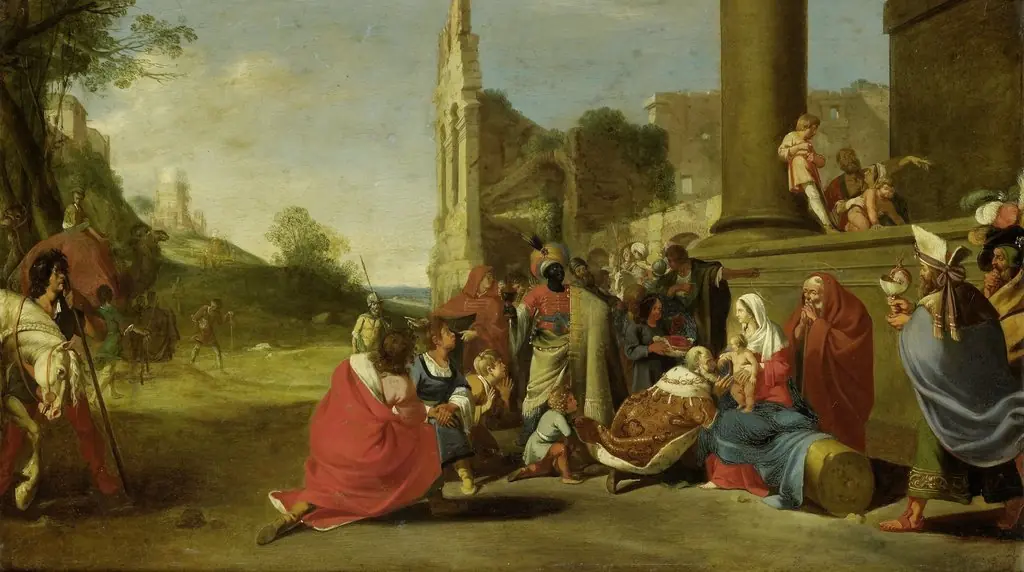 The adoration of the magi
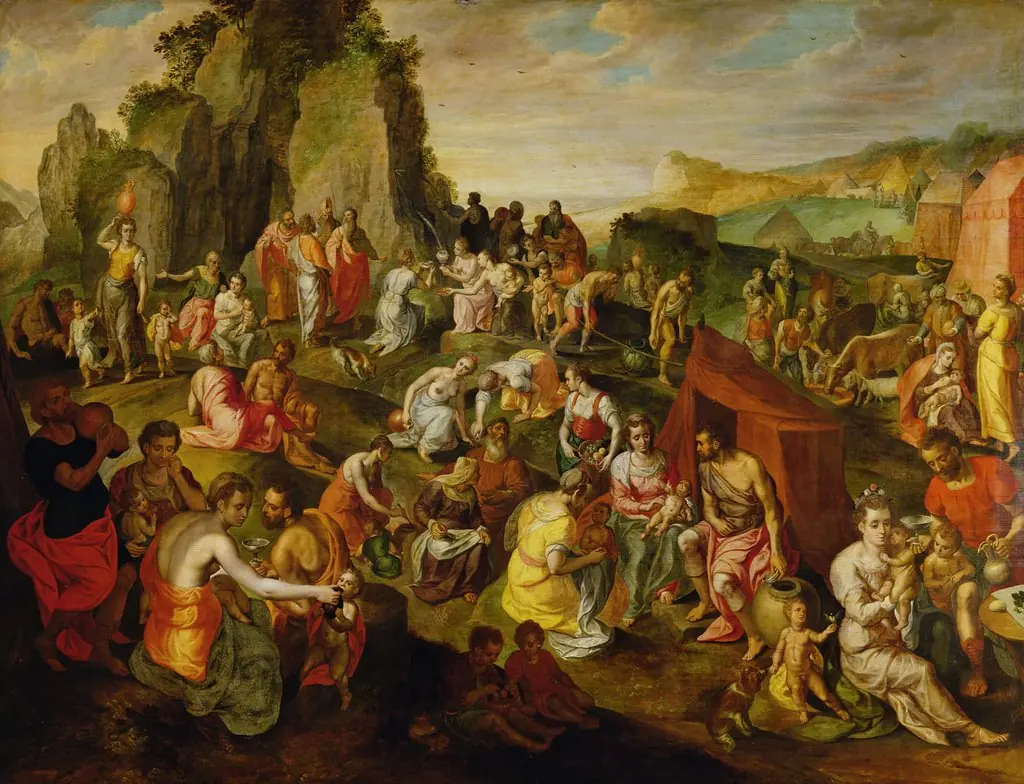 Moses strikes water from the rock
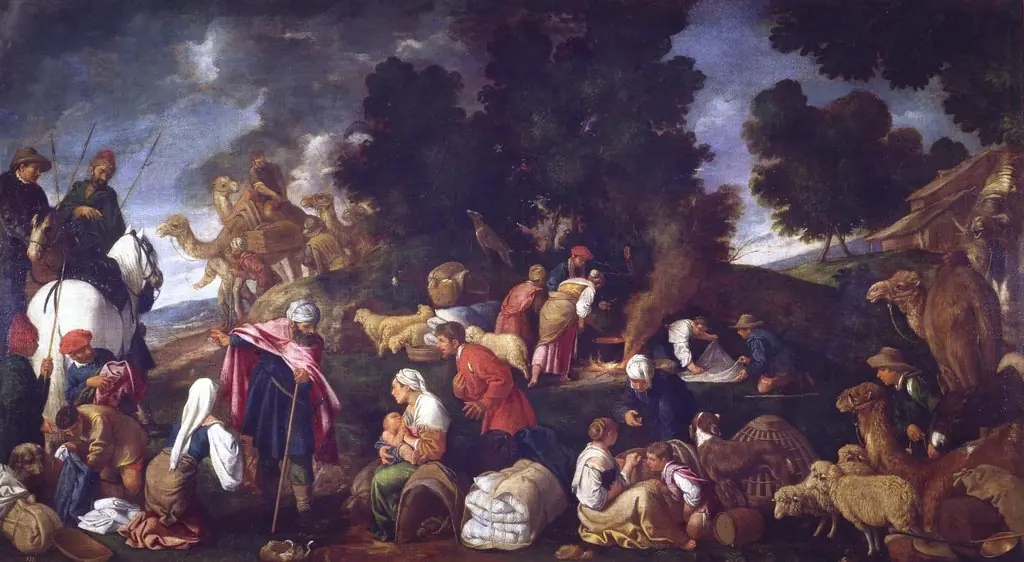 Labán busca los ídolos
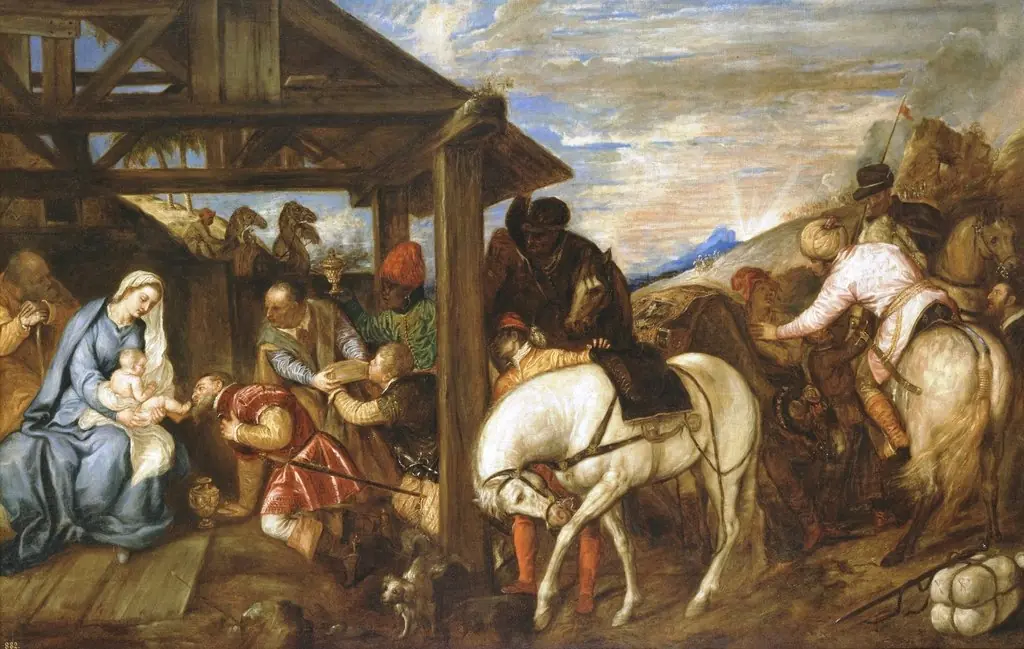 The Adoration of the Magi
 Adoration of the Magi
 L'Adoration des bergers
 The Adoration of the Magi
 Jacob's Sons Show Him Joseph's Blood-Stained Robe
 The Israelites drinking the miraculous Water