Artwork
The Adoration of the Magi
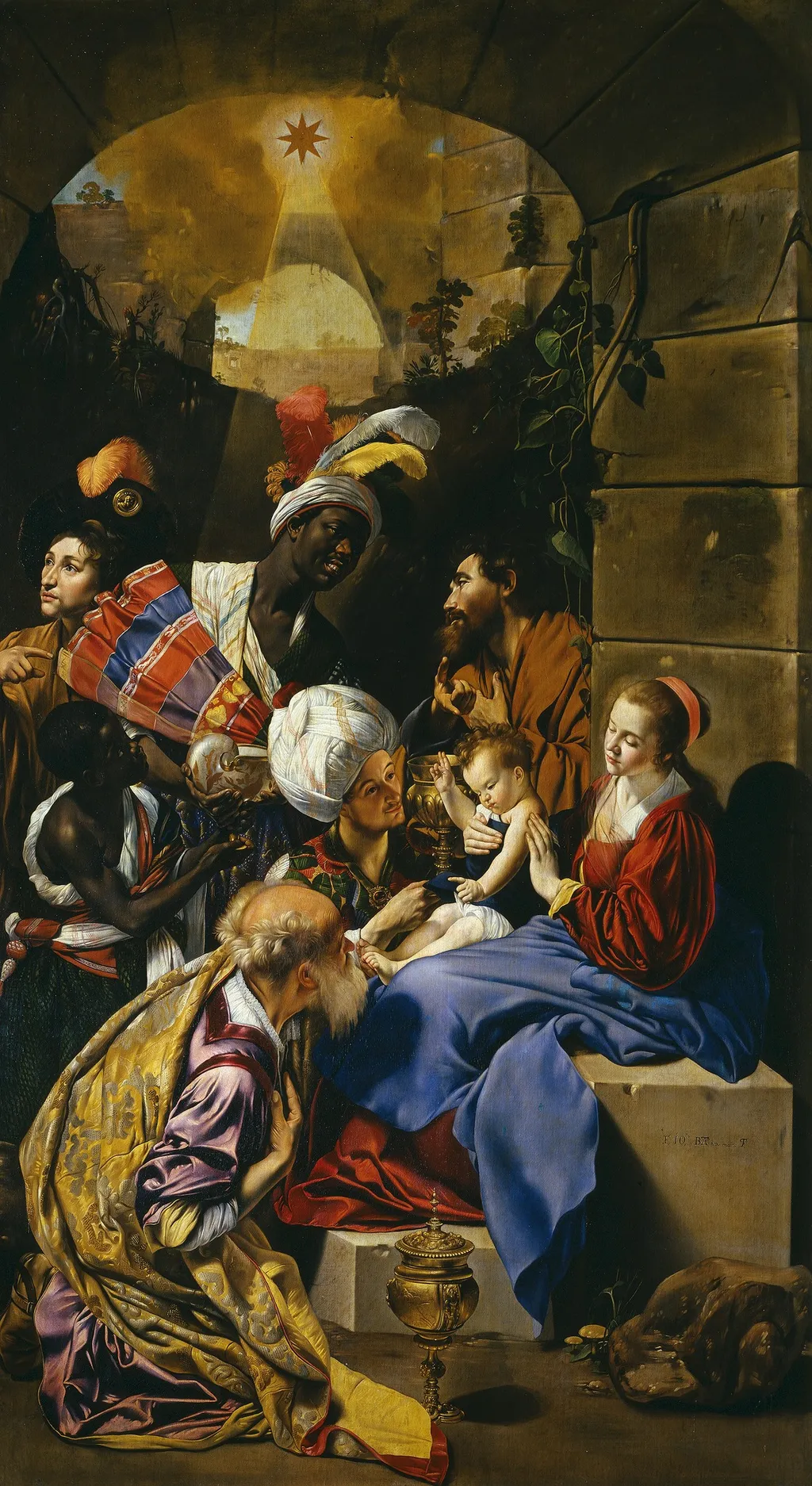
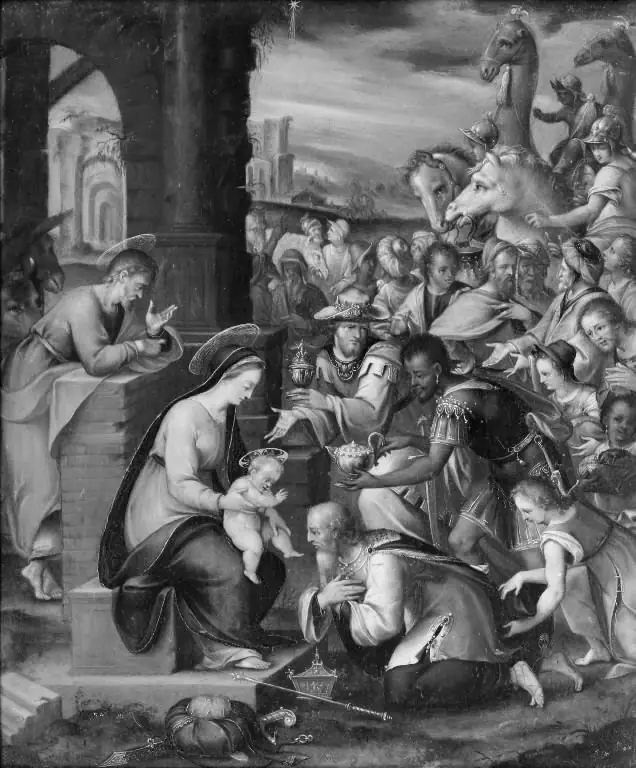
The Adoration of the Magi is an oil painting by the Early Baroque Italian artist Juan Bautista Maíno. It dates from 1612 and is held in the collection of the Museo del Prado.
About this work
Subject & Meaning
The composition centers on the infant Jesus, with the Star of Bethlehem guiding the scene.
The painting depicts the Adoration of the Magi, a religious subject in which the three Magi, identified in the Wikidata record as Caspar, Melchior, and Belshazzar, pay homage to the Christ Child. The composition centers on the infant Jesus, with the Star of Bethlehem guiding the scene. Rich symbolic and material details enrich the iconography: figures wear turbans and elaborate hats adorned with feathers, one holds a covered beaker, and a nautilus cup appears among the offerings, luxury objects that underscore the Magi's royal status and the preciousness of their gifts.
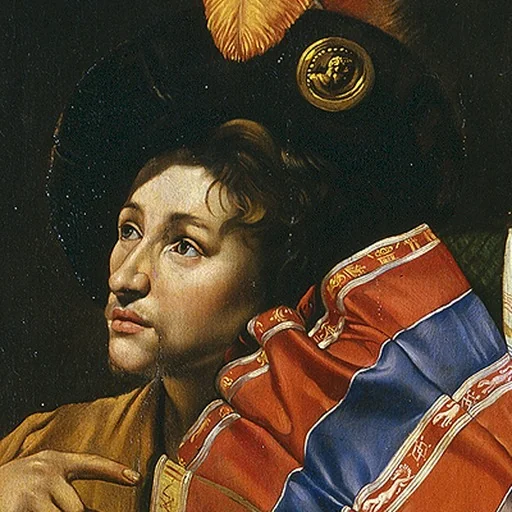
A page attends the procession. The man on the left in a pilgrim's hat pointing at the infant Jesus is identified as a self-portrait of the artist, Juan Bautista Maíno, inserted into the sacred narrative. The work was conceived as a pendant nativity painting for the high altar of the Dominican Monastery of San Pedro Mártir in Toledo, giving the Adoration a liturgical function within the retablo's devotional program.
Technique & Style
The Adoration of the Magi is an oil‑on‑canvas painting measuring roughly 315 × 174.5 cm (height × width). Executed in 1612, the work employs a conventional oil‑paint technique on a rectangular canvas support, with fine brushwork defining the richly detailed figures and ornamental objects such as the Star of Bethlehem and nautilus cup;. The composition follows a hierarchical arrangement of the three Magi presenting gifts to the infant Christ, rendered with chiaroscuro that emphasizes the divine light.
The painting’s surface shows typical handling marks from its centuries‑long display in a Spanish convent before transfer to the Museo del Prado.
History & Provenance
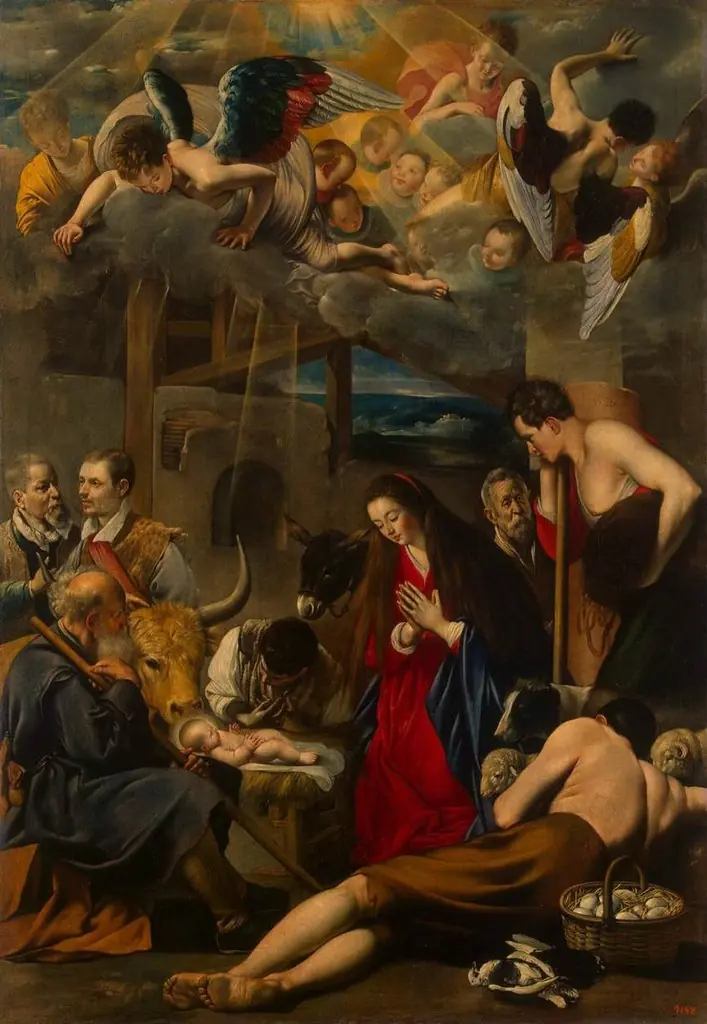
The Adoration of the Magi by Juan Bautista Maíno dates to 1612, when the artist signed a contract on 14 February to produce two pendant Nativity scenes for the high altar of the Dominican monastery church of San Pedro Mártir in Toledo. The following year, Maíno entered the Dominican Order and took up residence at the same monastery, where the works remained in situ for centuries. After the Mendizábal confiscations of church property in Spain, the paintings were transferred to the Museo de la Trinidad in Madrid by 1837 and subsequently moved to the Museo del Prado in 1872.
A reconstruction of the original retablo installation was published in 2017, confirming their placement flanking the central sculpted Virgin on the high altar.
The Adoration of the Magi by Juan Bautista Maíno is held by the Museo del Prado in Madrid. Following the Mendizábal confiscations of church property, the painting was transferred to Madrid and entered the inventory of the Museo de la Trinidad in 1837, where it was documented in the 1865 catalog entry referencing its earlier history in the Convento de San Pedro Mártir. From the Museo de la Trinidad, the work was transferred to the Prado in 1872, where it remains today.
In more recent years, the painting was loaned to the National Gallery, London, from September 2016 to January 2017, where it served as a Toledo complement to the "Beyond Caravaggio" exhibition.
Context
Critical scholarship views the work as a pivotal example of early‑17th‑century Spanish Counter‑Reformation painting, noted for its intricate iconography and naturalistic detail. Art historians highlight the painting’s pendant relationship with a companion nativity scene, originally positioned on a high altar retablo in Toledo before being dispersed during the 1830s Mendizábal confiscations. The figure identified as a self‑portrait of Maíno reflects his transition from lay artist to Dominican monk, illustrating the convergence of personal piety and artistic production.
Modern reconstructions of the original altar context, informed by Prado holdings and 2016‑2017 exhibition data, underscore the painting’s role in understanding the spatial and devotional frameworks of Spanish religious art.
Legacy
Juan Bautista Maíno's The Adoration of the Magi (1612) has secured a significant legacy within Spanish art history, particularly regarding its role in the nationalization of religious heritage. Originally created for the high altar of the Convento de San Pedro Mártir in Toledo, the work remained in situ for centuries before being seized during the Mendizábal confiscations of church property under Queen Isabella II. It subsequently entered the collection of the Museo de la Trinidad in 1837 before transferring to the Museo del Prado in 1872, where it remains today.
The painting's modern reputation was further solidified through its inclusion in the 2016–2017 Beyond Caravaggio exhibition at the National Gallery in London. This international display facilitated a scholarly reconstruction of the original Toledo altarpiece in 2017, utilizing high-resolution images from the Prado to recreate the work's intended context within the surviving retablo.
Overview
Juan Bautista Maíno's painting, The Adoration of the Magi, created around 1612, is an oil on canvas housed in the Museo del Prado, Madrid. It depicts the biblical scene where the three wise men offer gifts to the infant Jesus, who is held by the Virgin Mary. The composition draws viewers into a moment of reverence and wonder, characterized by its dramatic lighting and rich color palette.
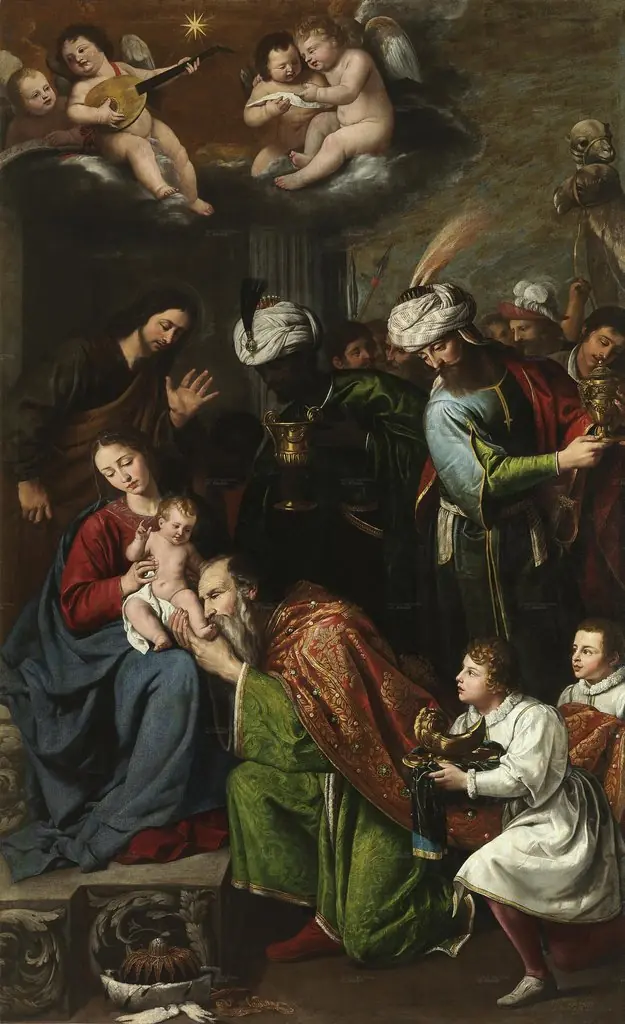
Artist & collection

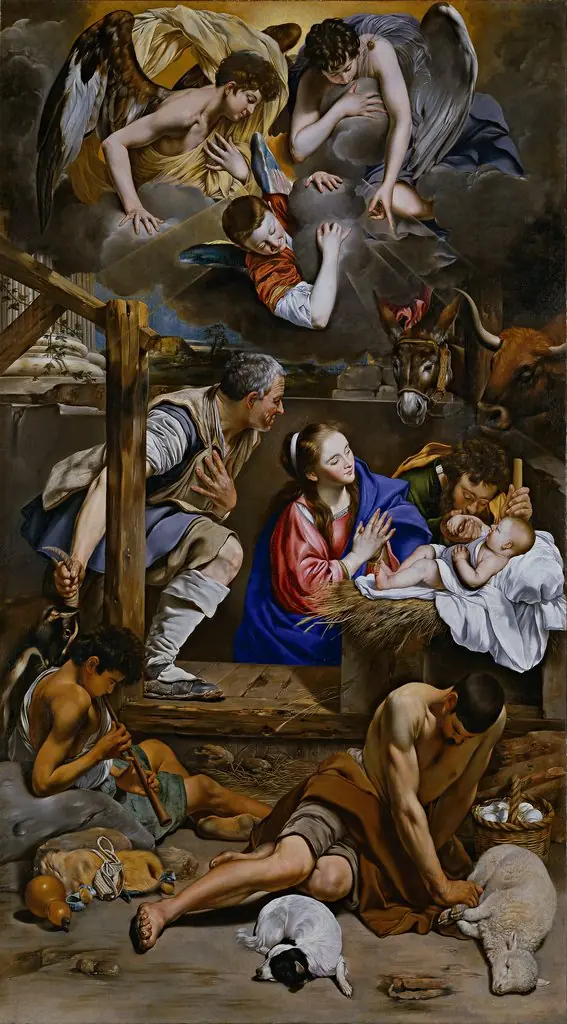
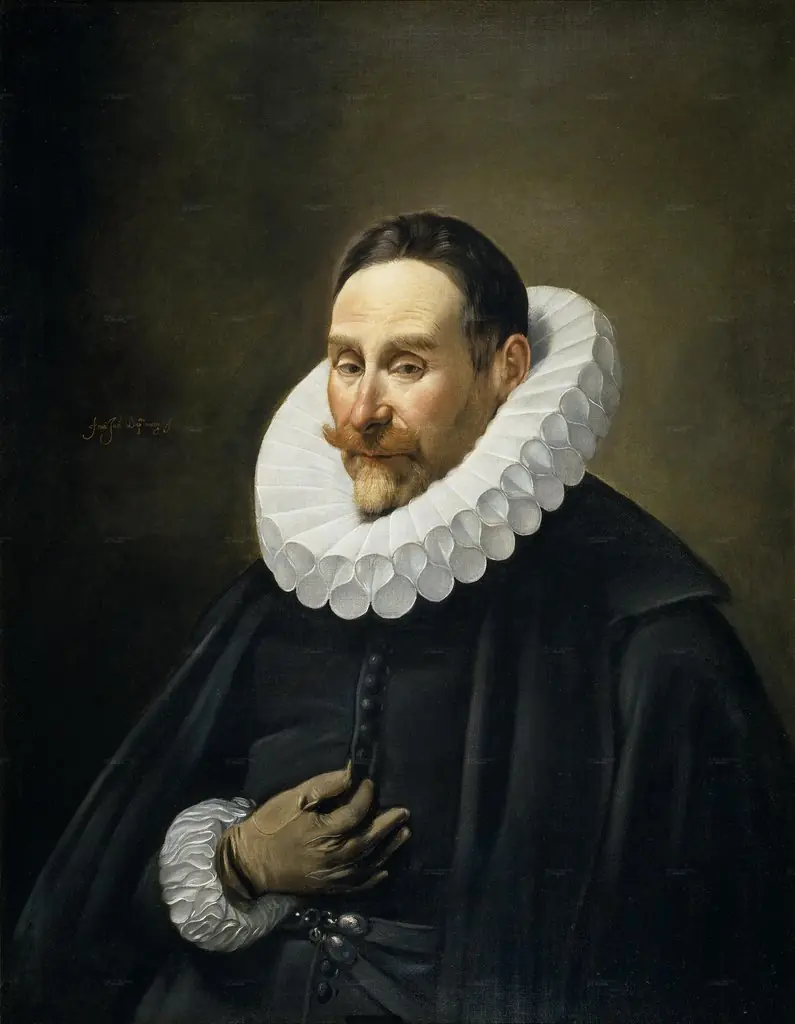
- The Adoration of the Magi
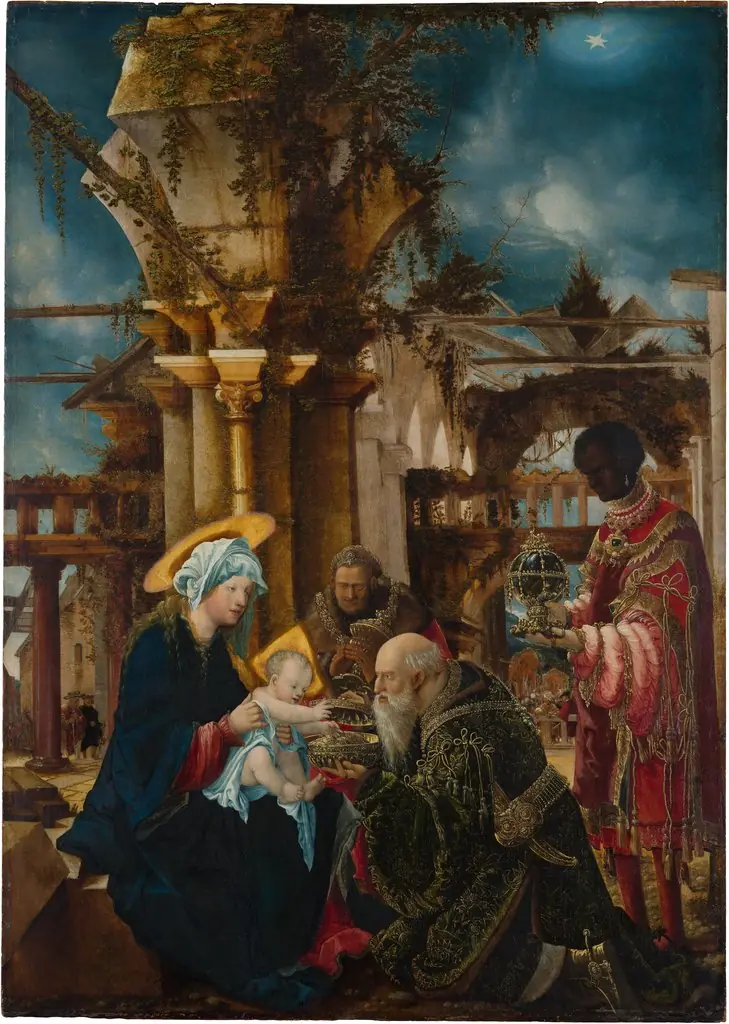 The Adoration of the Magi
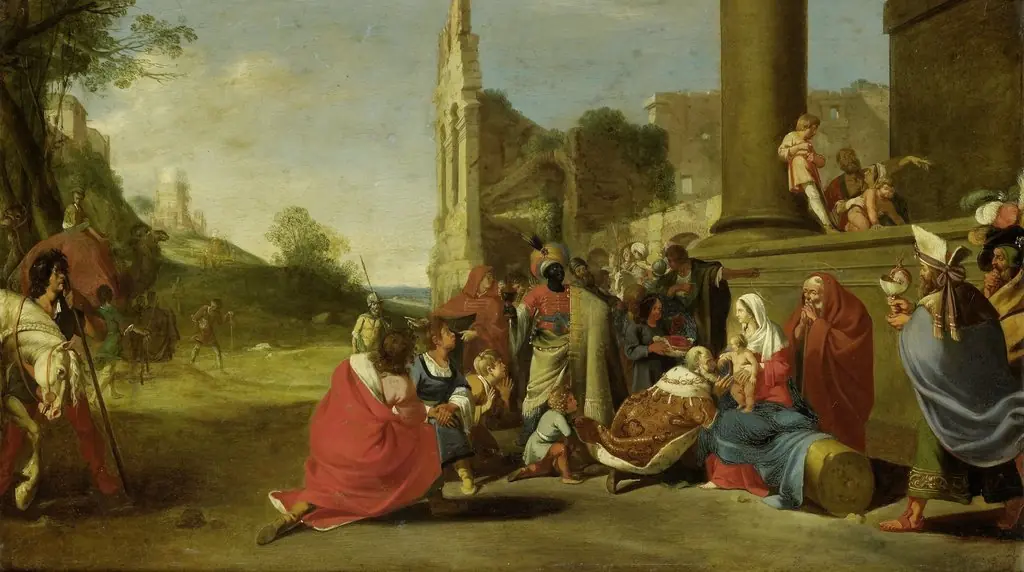 The adoration of the magi
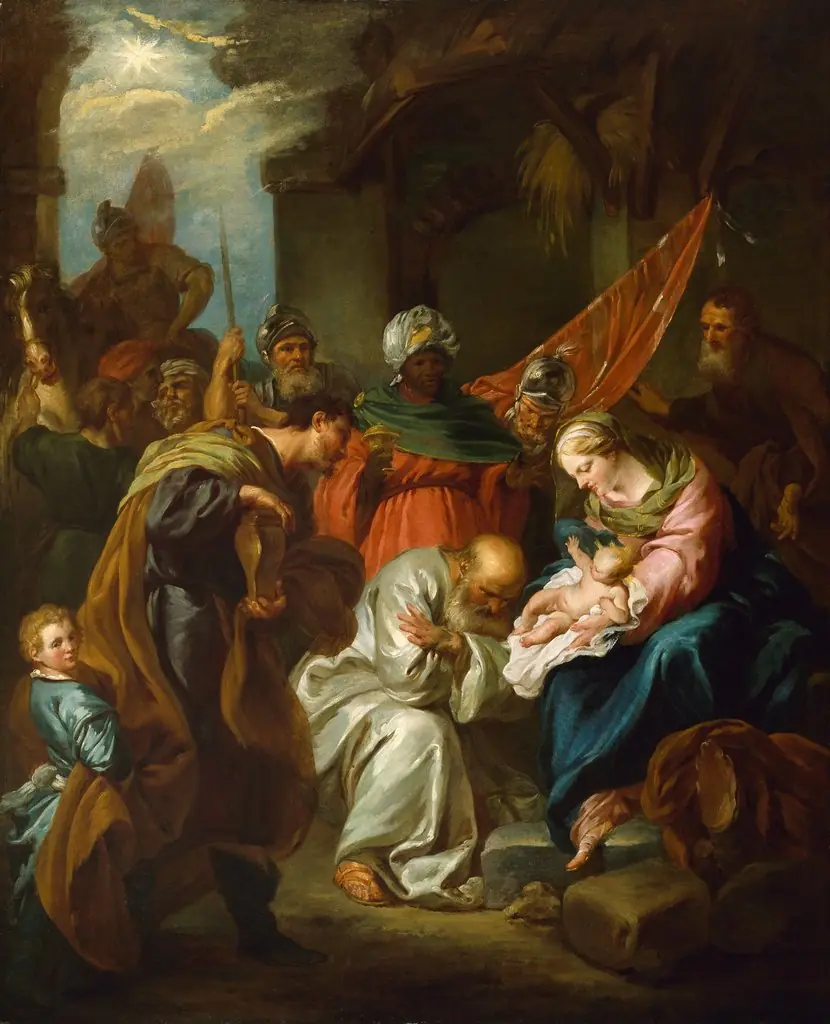 The Adoration of the Magi
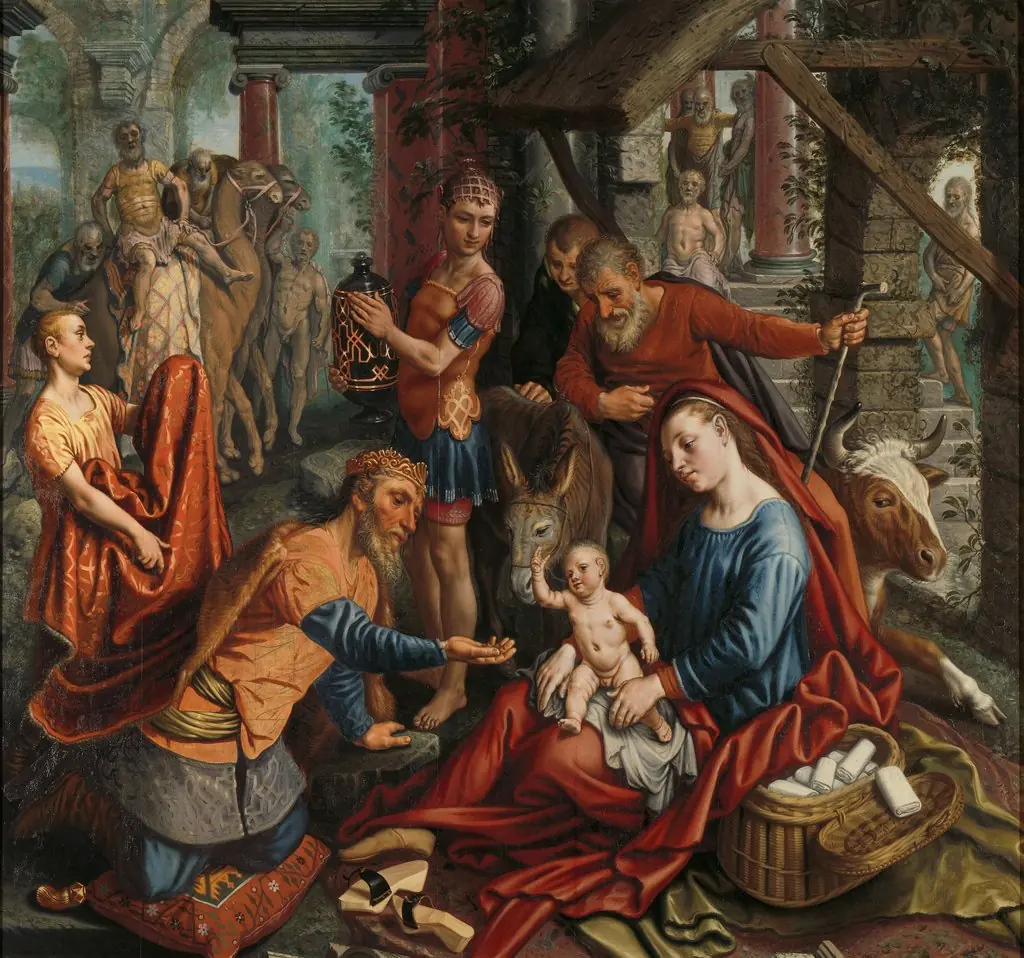 The Adoration of the Magi
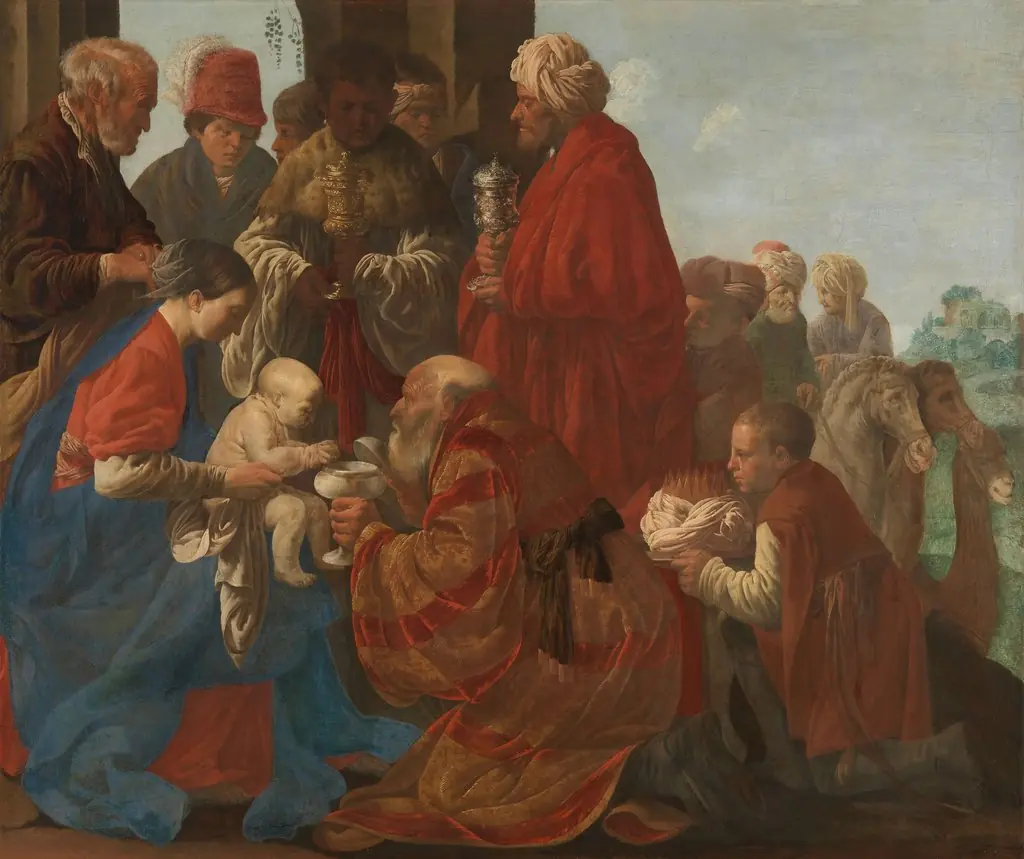 The adoration of the magi
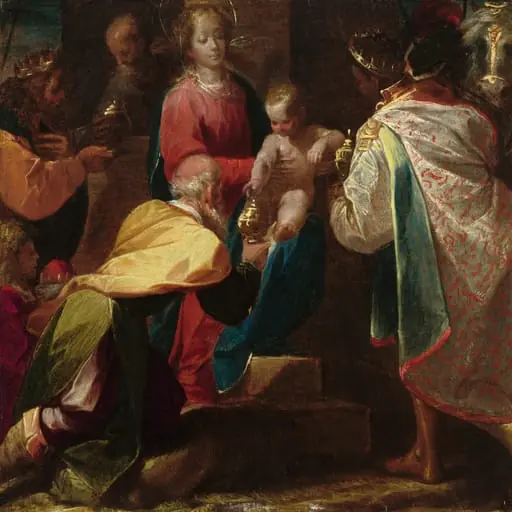 The Adoration of the Magi
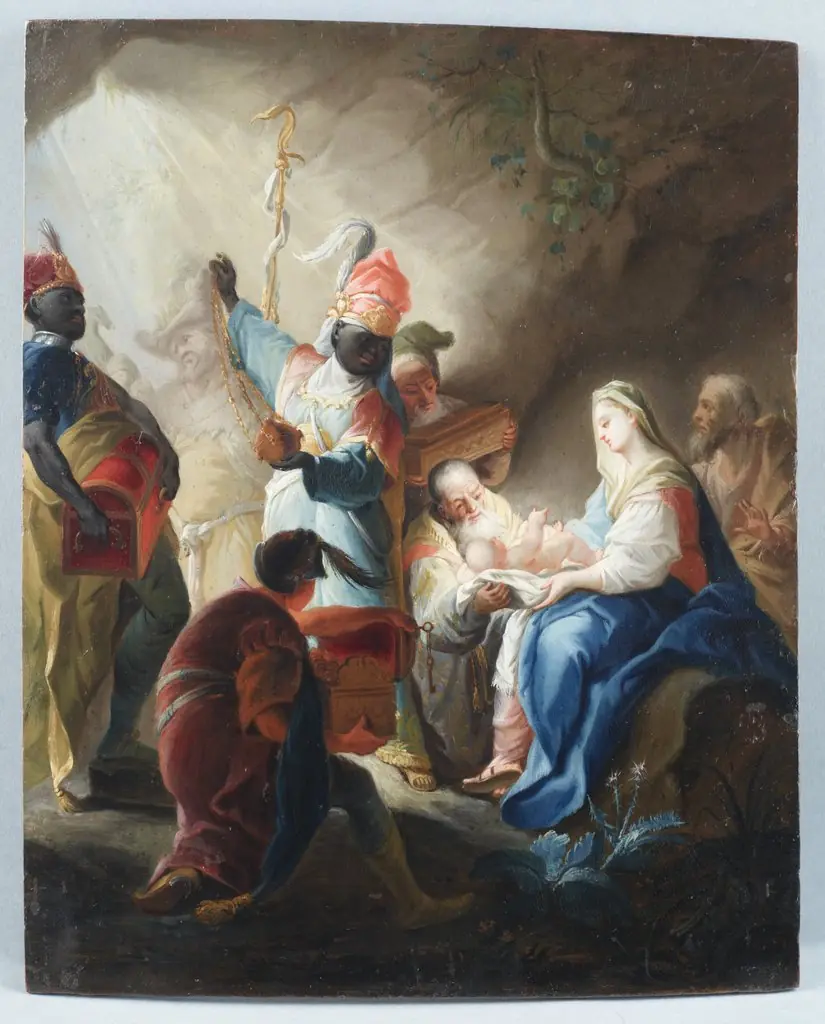 The Adoration of the Magi
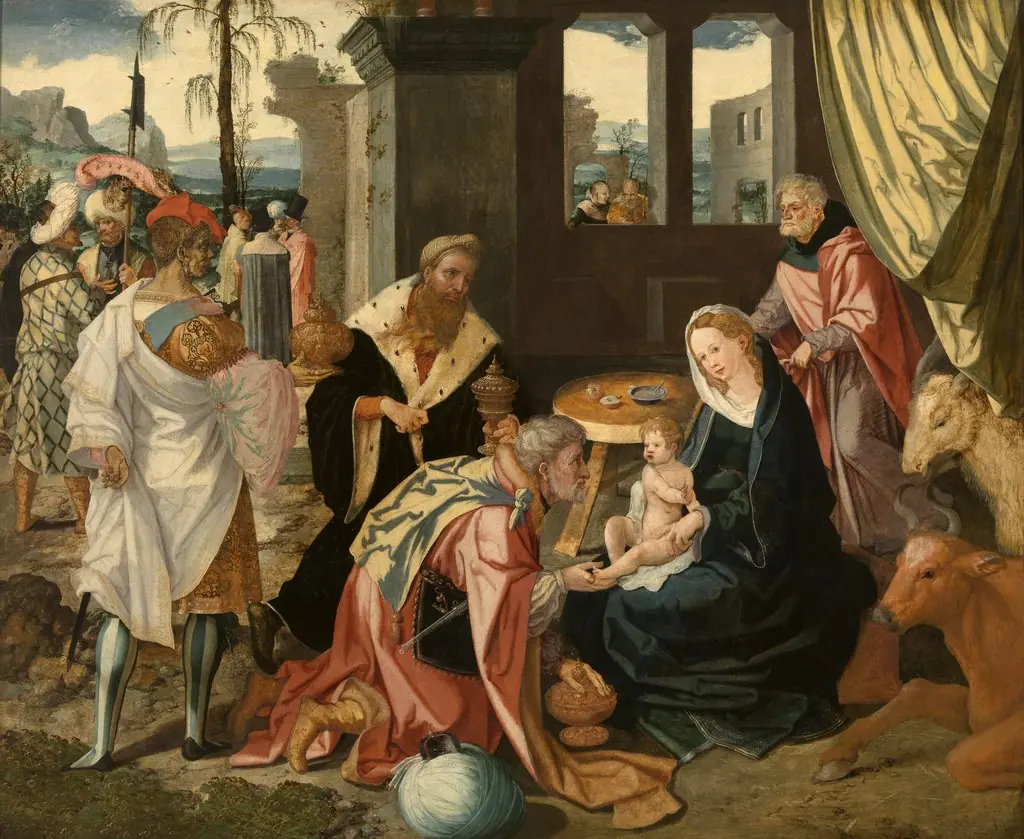 The Adoration of the Magi
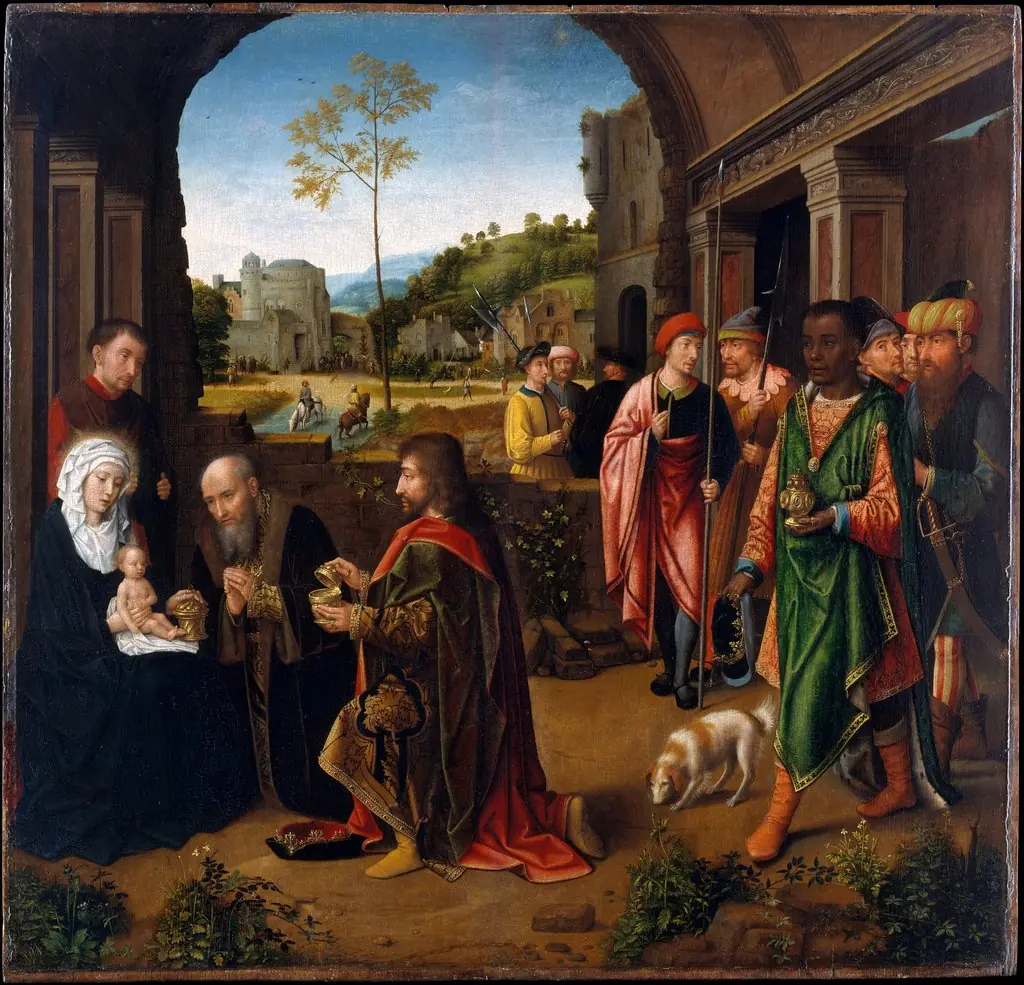 The Adoration of the Magi
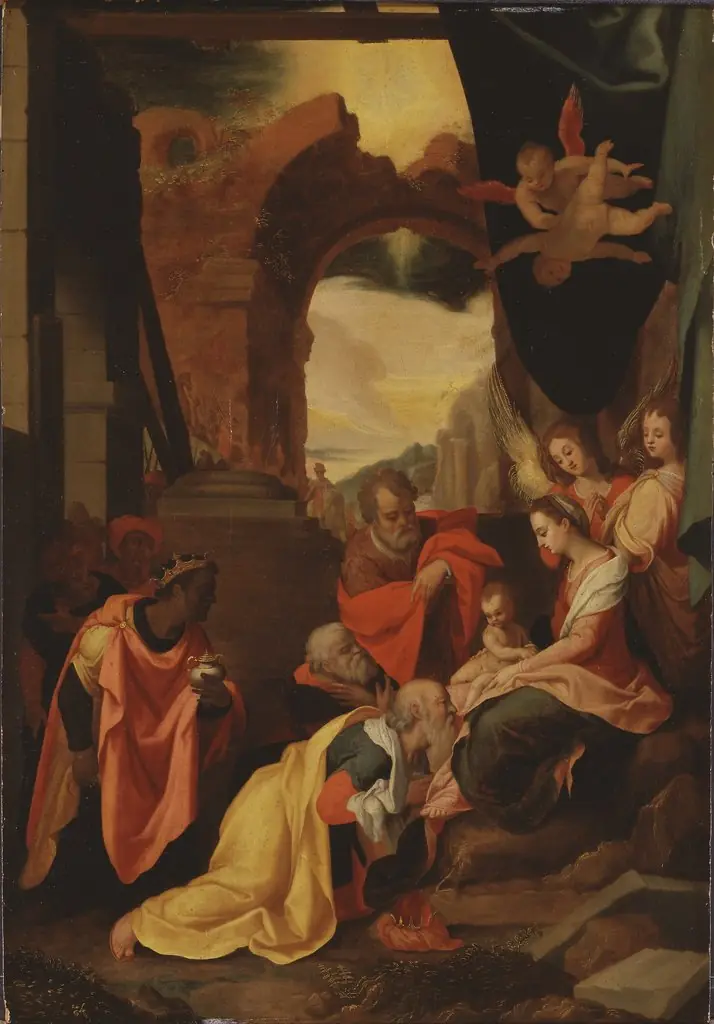 The Adoration of the Magi
 The Adoration of the Magi