Artwork
The Prophet Isaíah
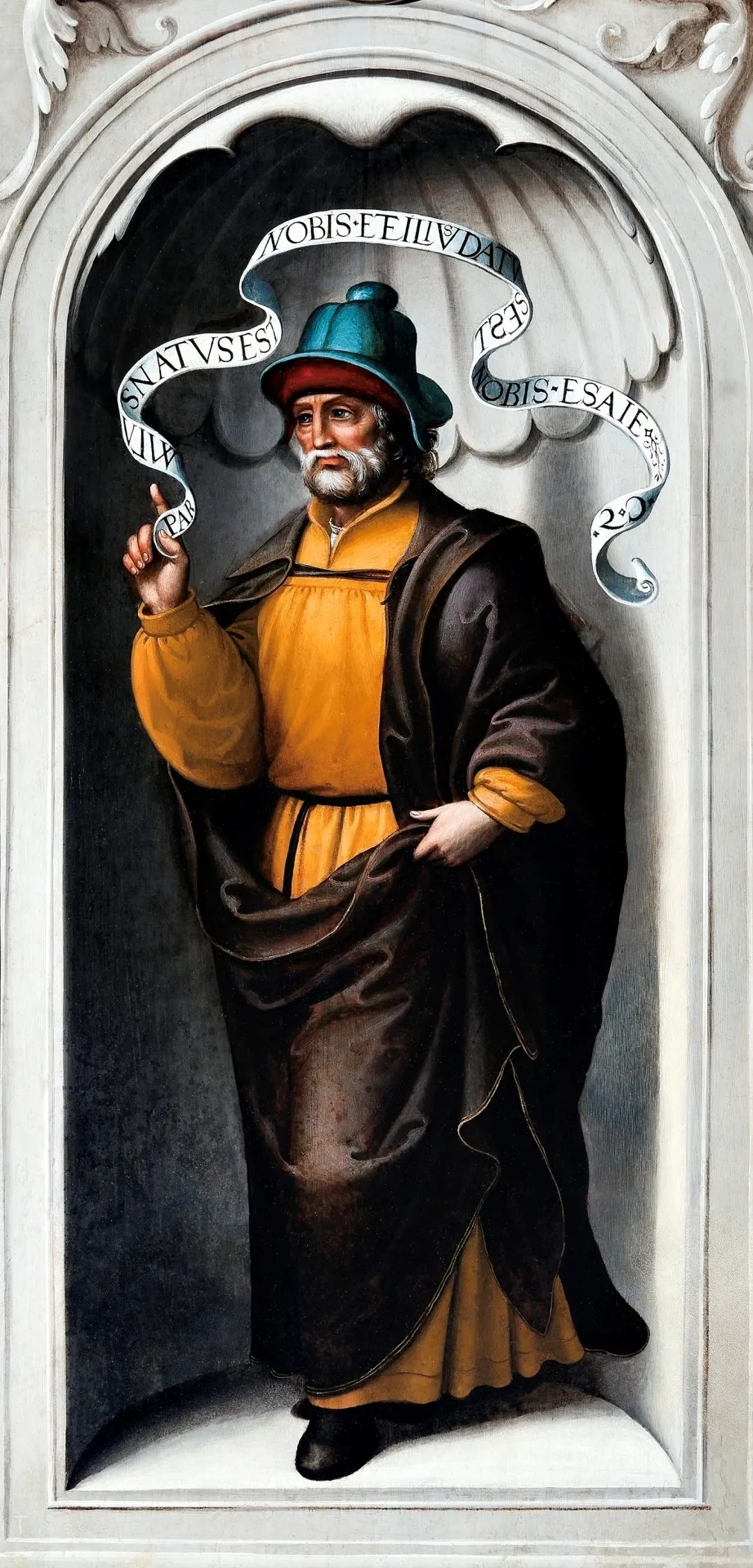
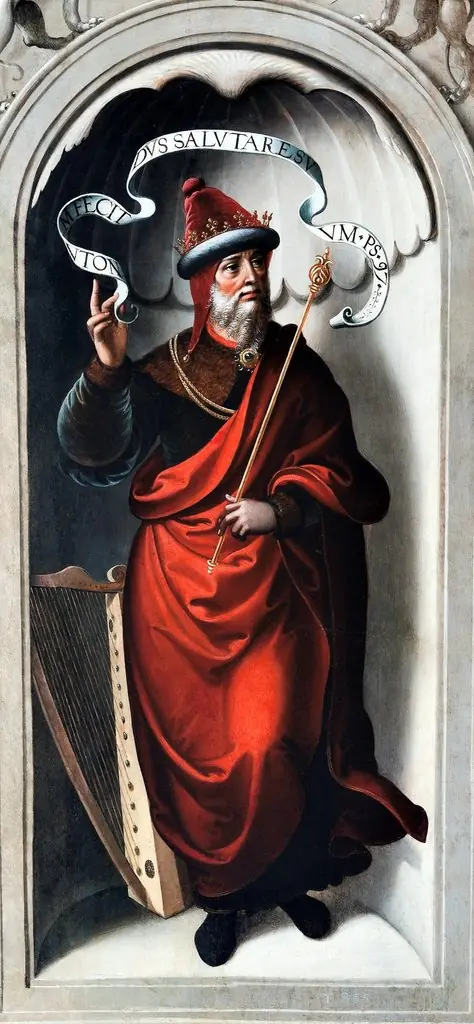
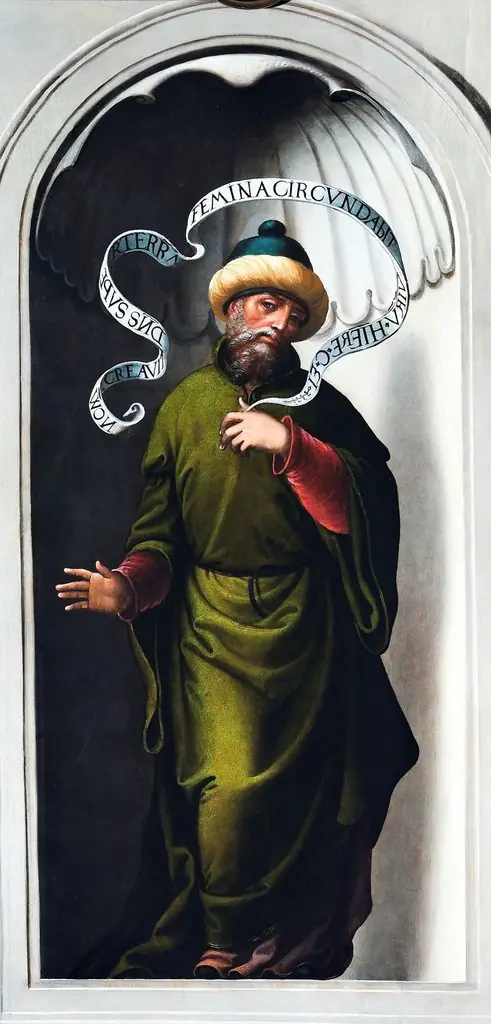
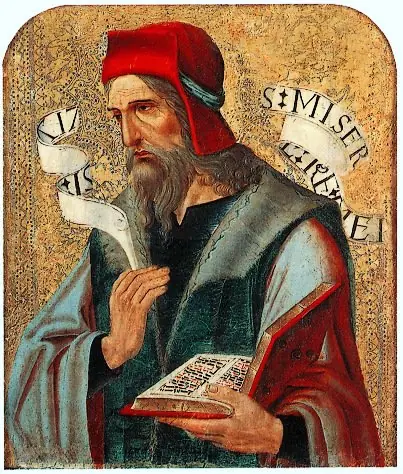
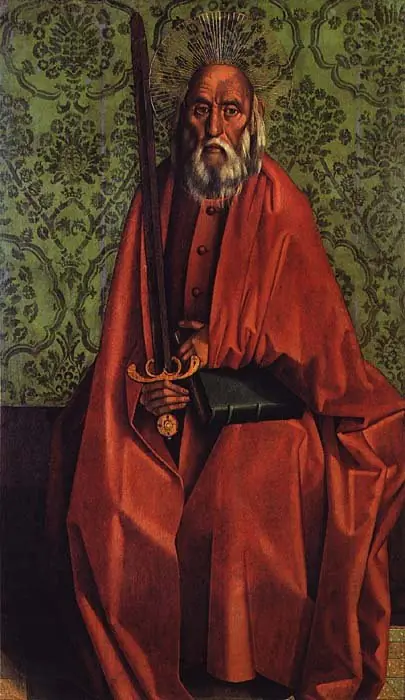
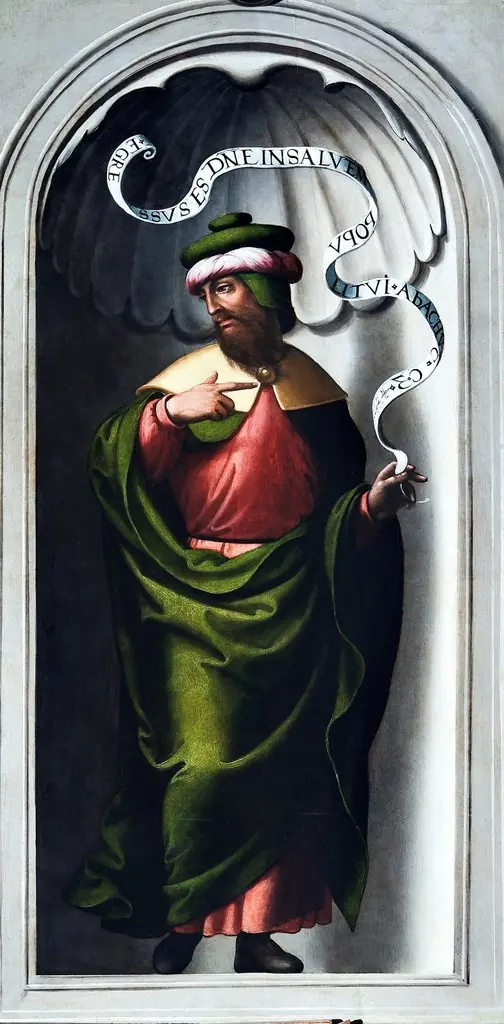
The Prophet Isaíah is an oil painting by the Mannerist artist Juan Correa de Vivar. It dates from 1533 and is held in the collection of the Museo del Prado.
About this work
Subject & Meaning
The painting depicts the Old Testament prophet Isaiah, a major figure in Jewish and Christian tradition known for his visions and prophetic writings.
The painting depicts the Old Testament prophet Isaiah, a major figure in Jewish and Christian tradition known for his visions and prophetic writings. As a religious work, it belongs to the iconographic tradition of representing Old Testament prophets, who were frequently portrayed in isolation as solitary, contemplative figures to emphasize their role as messengers of the divine.
The work is classified within the genre of religious art and is identified by its main subject as Isaiah. Its narrow vertical format is characteristic of prophet panels of the period, which were often designed as part of larger altarpiece ensembles, with each prophet occupying an individual compartment to flank a central sacred scene.
Through its depiction of the prophet, the painting serves a devotional and didactic purpose, presenting Isaiah as an authoritative voice of scripture and inviting viewers to contemplate his prophetic message within a Christian visual context.
Technique & Style
The Prophet Isaíah is executed in oil paint on panel, measuring 90 by 43.5 cm. The work belongs to the religious genre, depicting the prophet Isaiah. As a painting by Juan Correa de Vivar dated to 1533, it exemplifies the artist's engagement with religious subject matter during the Spanish Renaissance. The relatively narrow vertical format suggests it may have been conceived as part of a larger ensemble or altarpiece, a common practice for panel paintings of this period.
The use of oil on panel reflects the technical conventions of mid-16th-century Spanish painting, allowing for detailed rendering and luminous color effects.
History & Provenance
The Prophet Isaíah was created by Juan Correa de Vivar in 1533, executed in oil paint on panel. The work is held in the collection of the Museo del Prado, with an associated location at the Museum of Santa Cruz, and is also linked to the holdings of the Museo de la Trinidad.
Overview
The Prophet Isaíah is an oil painting created by Juan Correa de Vivar in 1533. It is a representation of the biblical figure Isaiah and is currently held at the Museo del Prado.
Artist & collection