Artwork
Altarpiece of the Annunciation
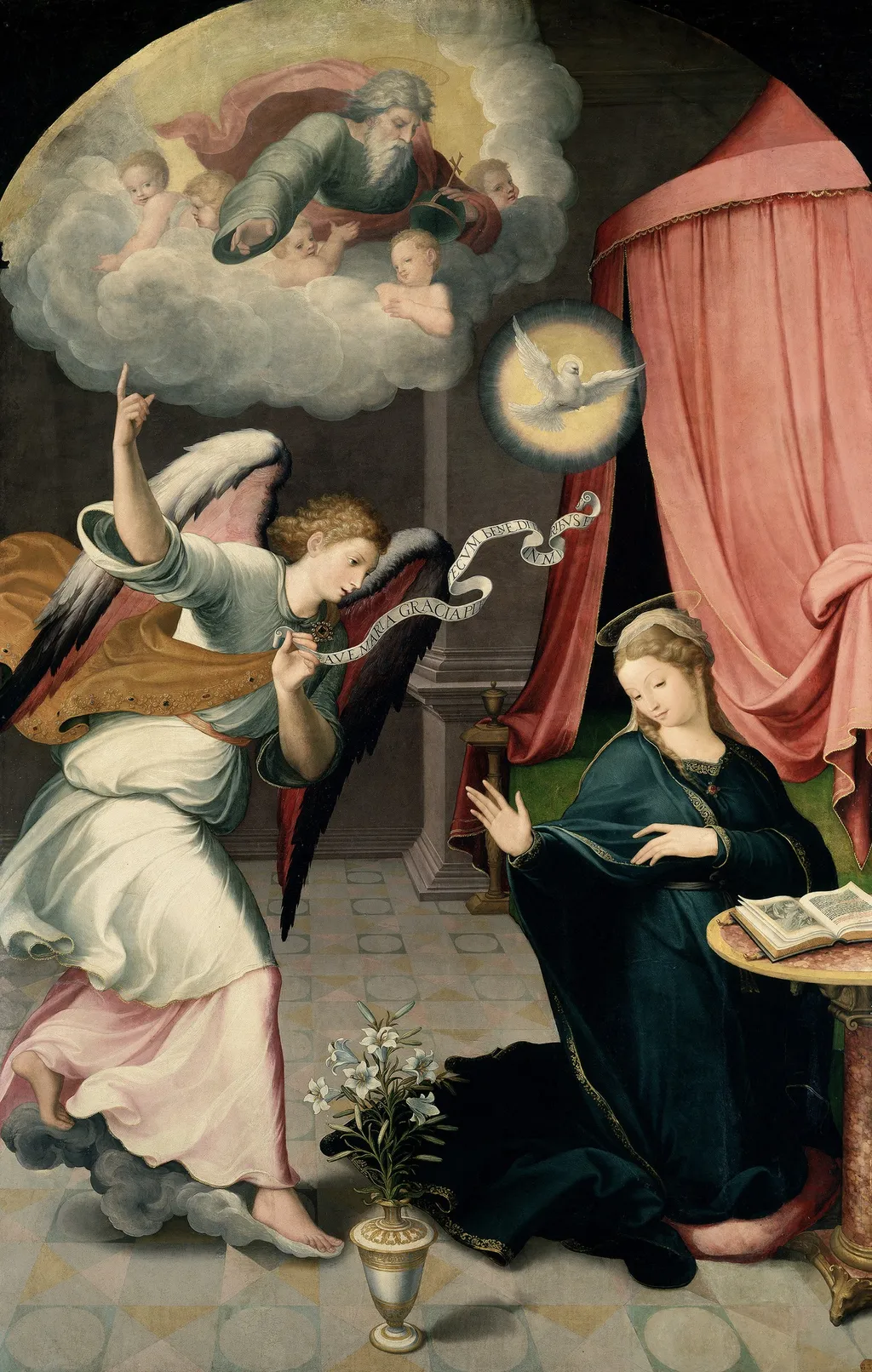
Altarpiece of the Annunciation is an oil painting by the Mannerist artist Juan Correa de Vivar. It dates from 1559 and is held in the collection of the Museo del Prado.
About this work
Subject & Meaning
The scene functions as a visual meditation on the moment of divine-human encounter that initiates the Christian narrative of salvation.
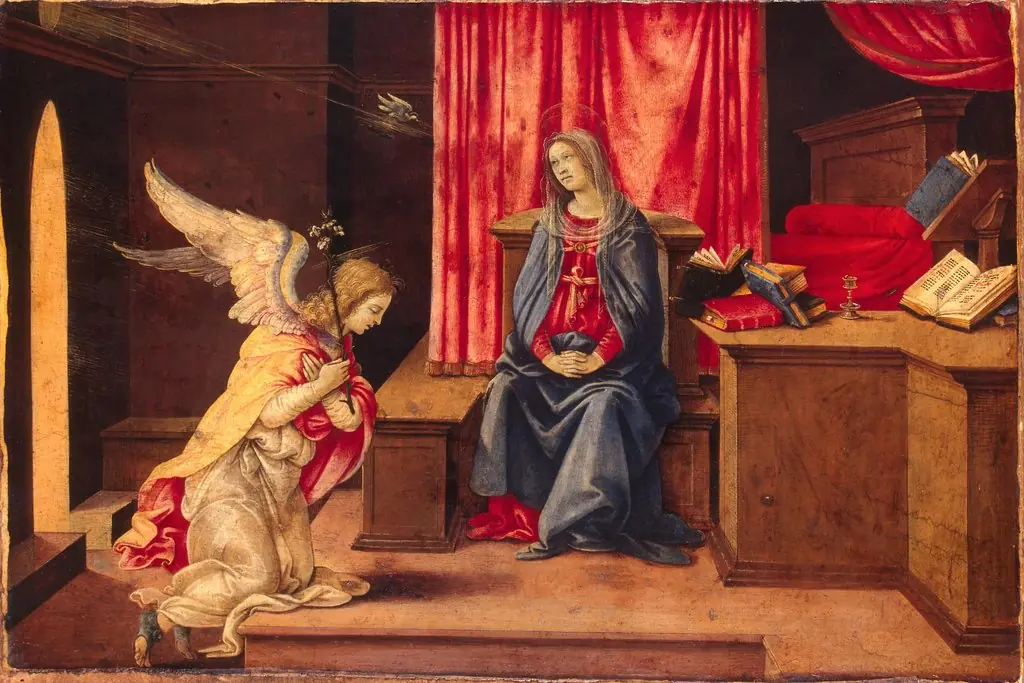
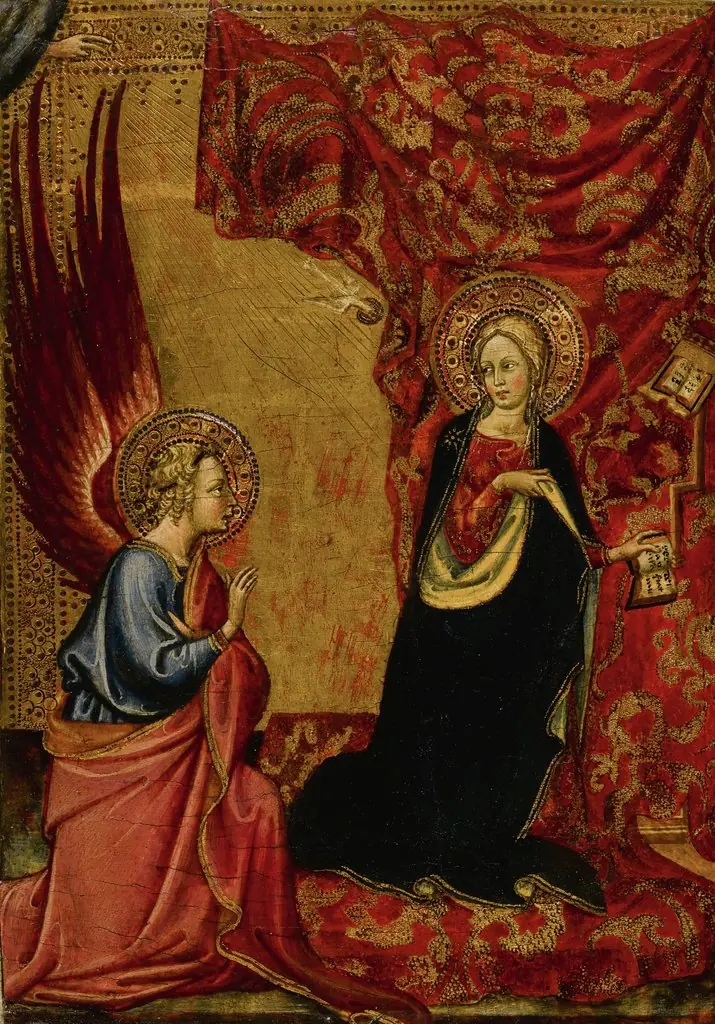
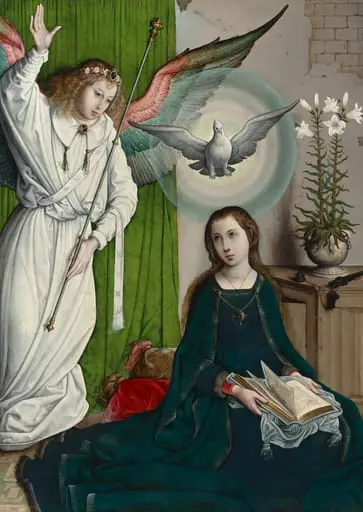
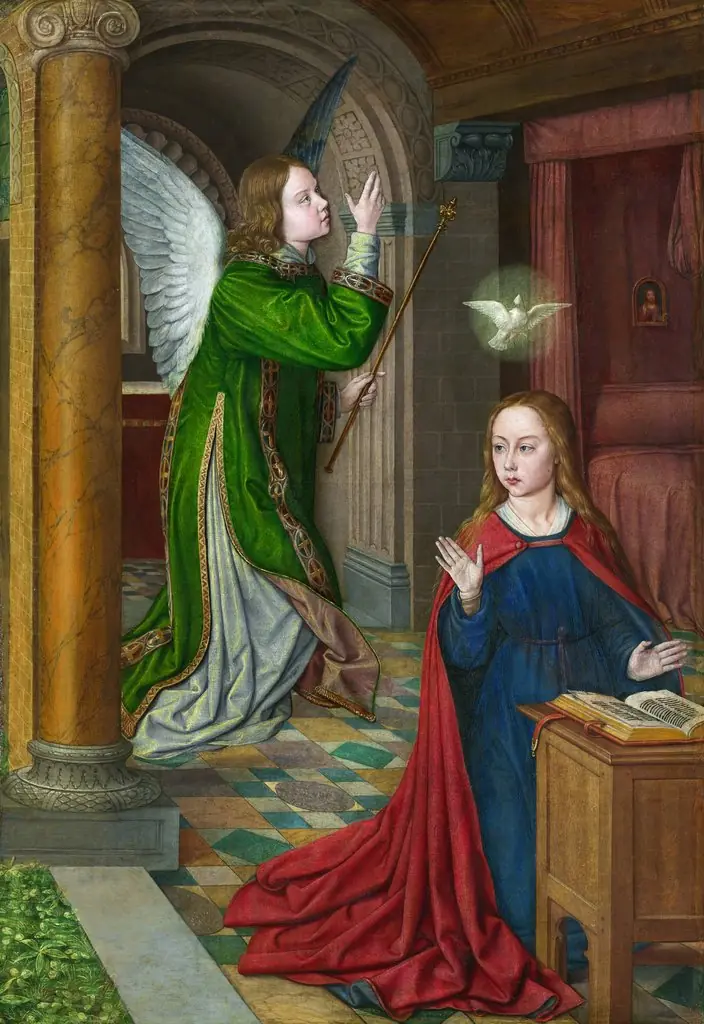
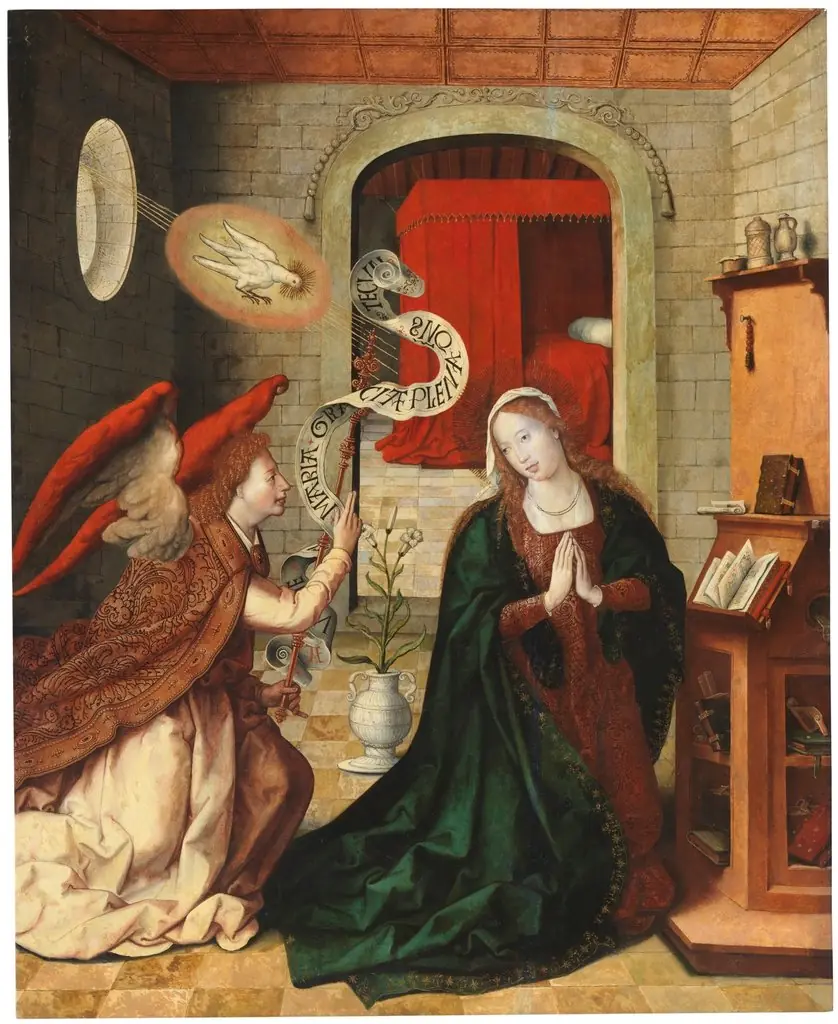
The Altarpiece of the Annunciation depicts the biblical scene in which the archangel Gabriel announces to the Virgin Mary that she will conceive and bear the Son of God (Luke 1:26–38). In the painting, Gabriel kneels before Mary, who is seated and holds a book, while a slender vase with a lily, a traditional symbol of her purity, stands between them. The closed book and the lily underscore Mary’s contemplative virtue and immaculate conception, while the angel’s gesture and inscribed scroll signify divine revelation and the Incarnation.
The scene functions as a visual meditation on the moment of divine-human encounter that initiates the Christian narrative of salvation.
Technique & Style
The Altarpiece of the Annunciation is executed in oil paint on panel, a support typical of mid-sixteenth-century Iberian devotional painting. Its dimensions are 225 cm in height by 146 cm in width, giving the work a tall, vertically oriented format suited to its function as an altarpiece.
The composition centers on the Annunciation, depicting the angel and Mary alongside a vase and a book, iconographic attributes that situate the scene within traditional Marian imagery. The work is classified as a religious painting, and its handling reflects the devotional conventions of Juan Correa de Vivar's practice in 1559.
History & Provenance
The Altarpiece of the Annunciation by Juan Correa de Vivar is dated to 1559, as indicated by its internal documentation and confirmed by its record in the Museo del Prado’s holdings.
It entered the Prado’s collection through the merger of the Museo de la Trinidad in 1872, where it had previously been held. The work’s creation history links it to the artist’s mature period, characterized by its religious subject and oil-on-panel technique.
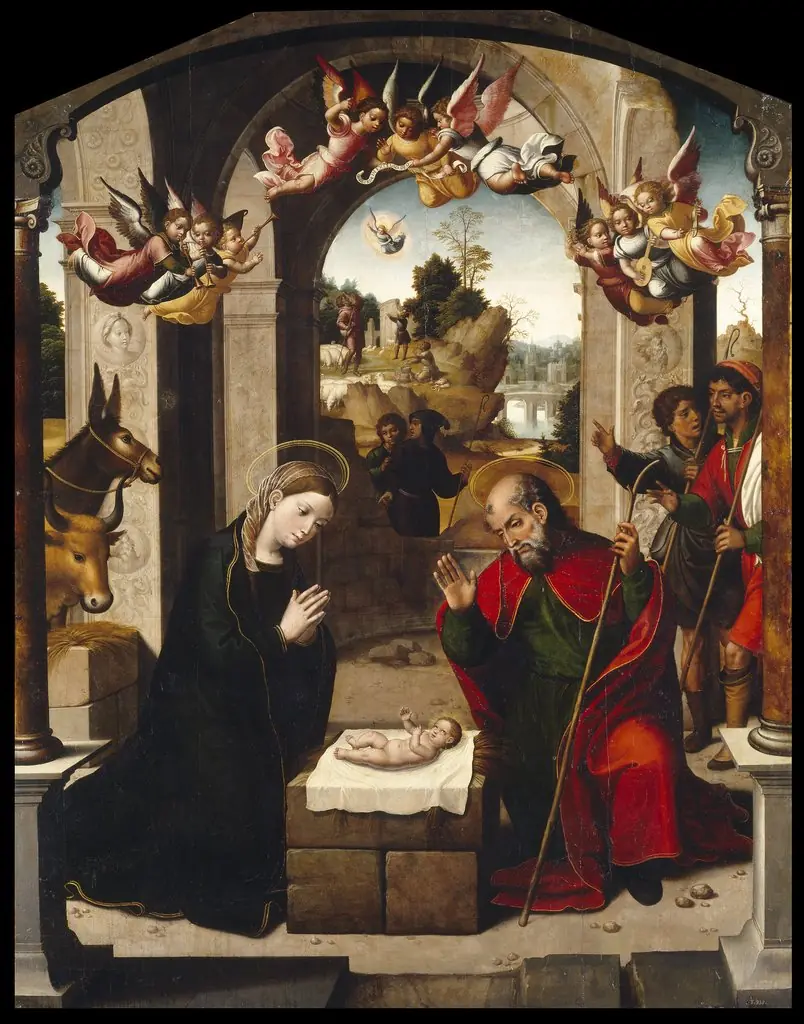
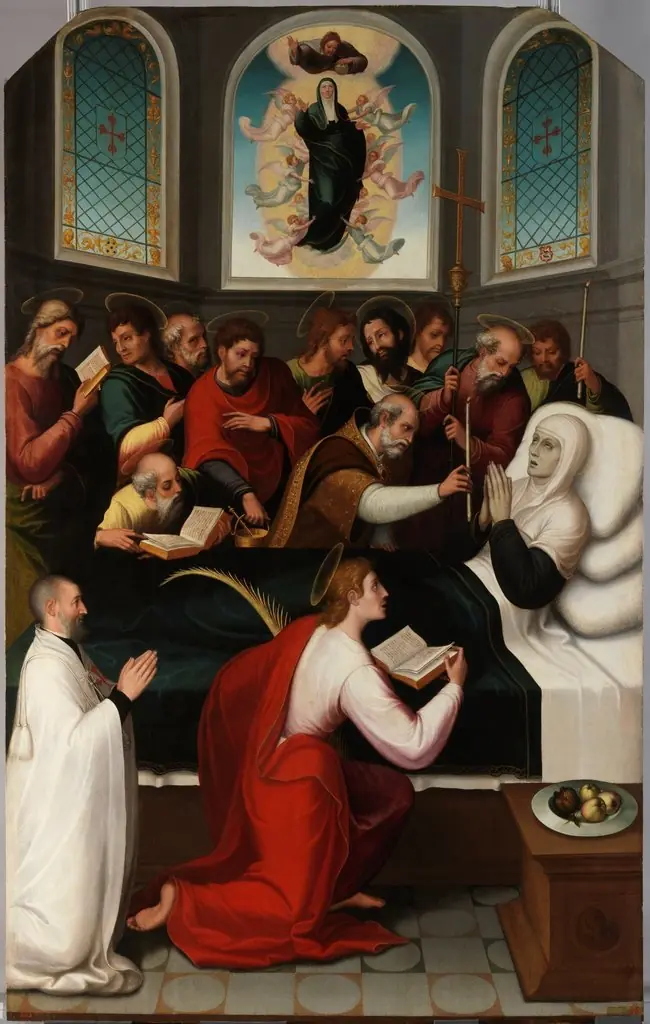
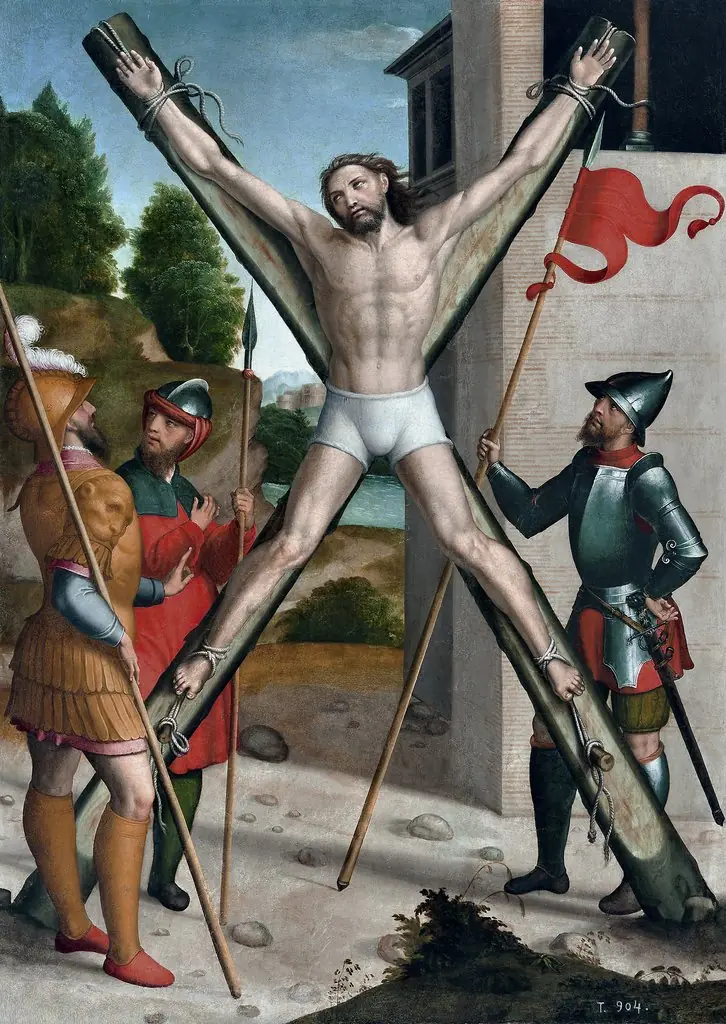
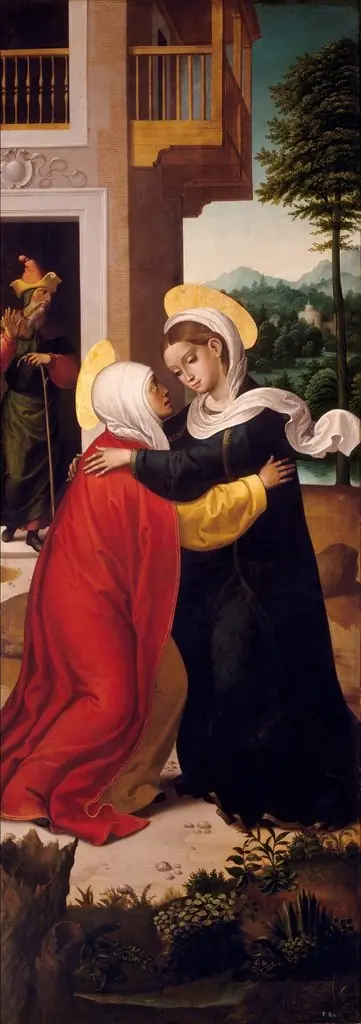
The painting is held by the Museo del Prado in Madrid, where it is registered under inventory number P02828. The triptych was transferred to the Prado’s collection from the Museo de la Trinidad.
It has been exhibited at the Museo del Prado on multiple occasions, including within the museum’s permanent galleries dedicated to 16th-century Spanish religious painting.
Overview
This oil painting, created by Juan Correa de Vivar in 1559, depicts the Annunciation, a pivotal moment in Christian theology. Titled Altarpiece of the Annunciation, the work is currently housed at the Museo del Prado. It showcases the artist's approach to this sacred narrative, rendered with a detailed setting and a focus on the interaction between the divine messenger and Mary.
Own this work as a print
Artist & collection