Artwork
Saints Gregory, Sebastian and Thyrsus
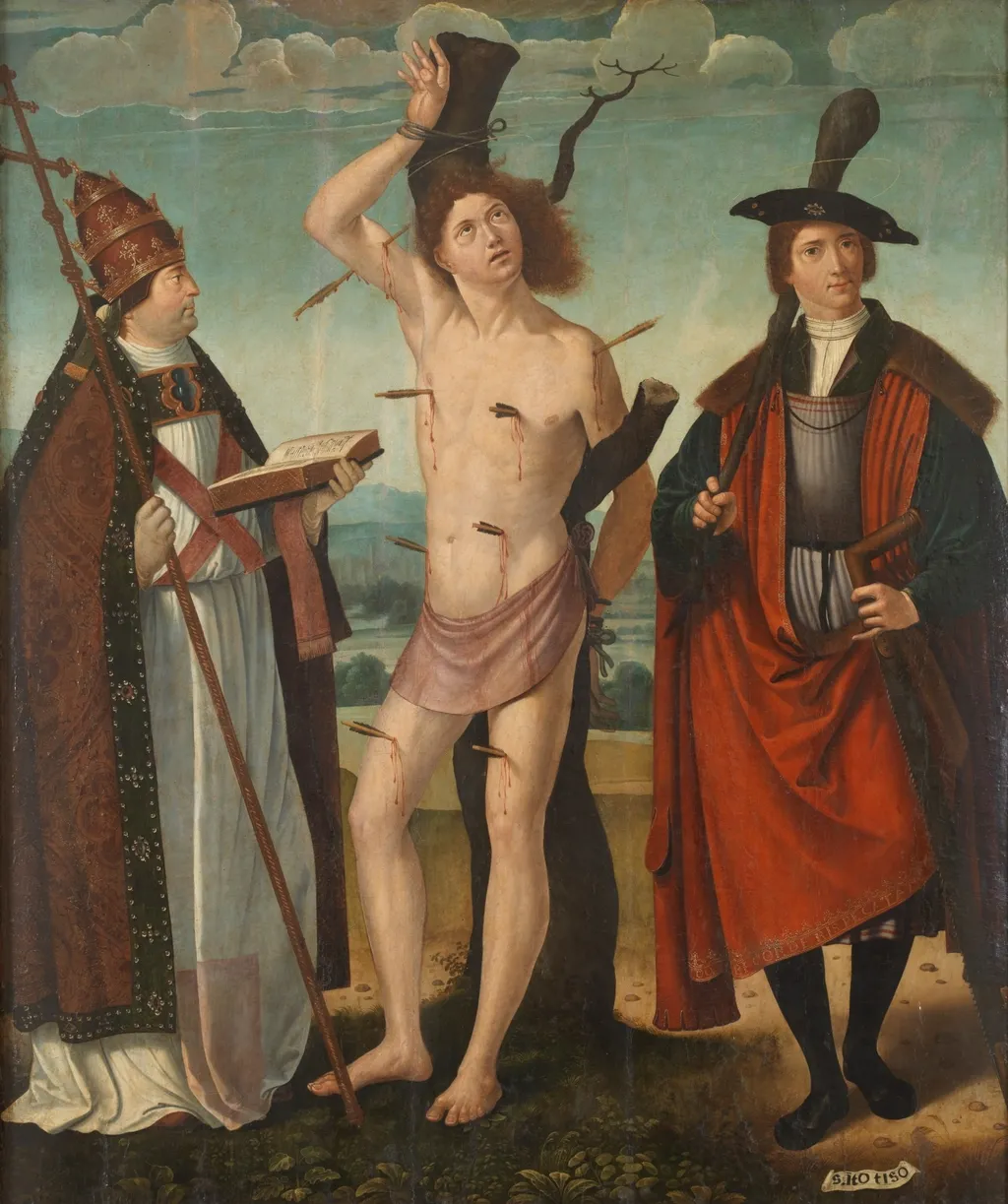
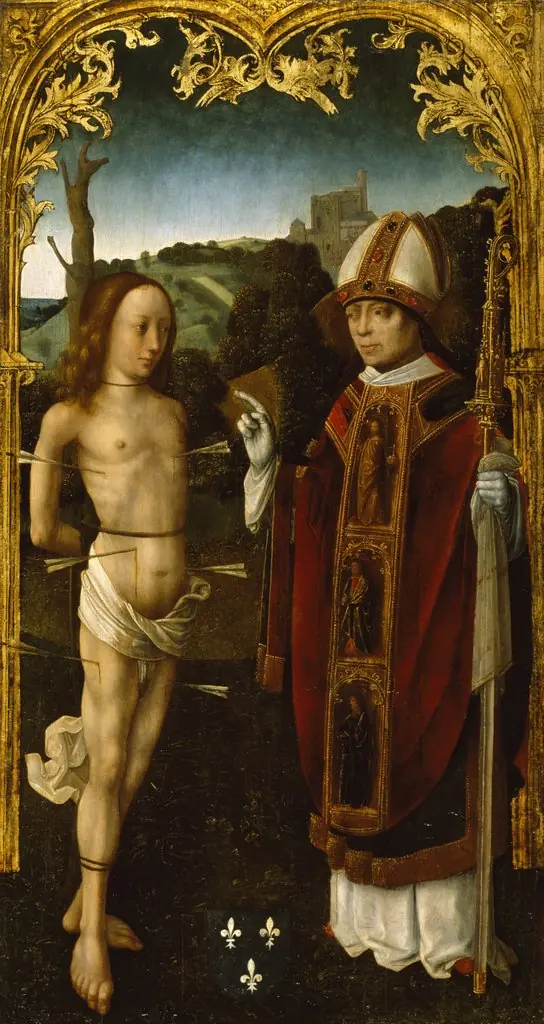
Saints Gregory, Sebastian and Thyrsus is an oil painting by the Early Renaissance artist Juan de Borgoña the Younger. It dates from 1501 and is held in the collection of the Museo del Prado.
About this work
Subject & Meaning
The painting brings together three Christian holy figures in a single devotional composition: Pope Gregory I, Saint Sebastian, and Thyrsus of Apollonia.
The painting brings together three Christian holy figures in a single devotional composition: Pope Gregory I, Saint Sebastian, and Thyrsus of Apollonia. The grouping unites a Doctor of the Church and papal authority with two early Christian martyrs, a common pattern in Spanish religious painting for inviting intercession across different spheres of sanctity.
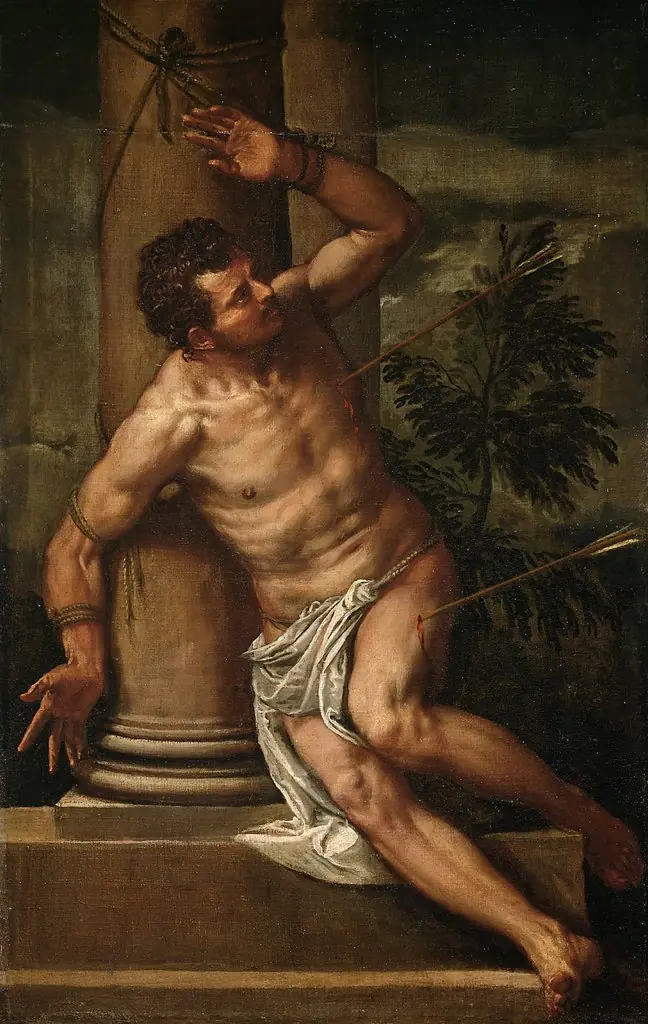
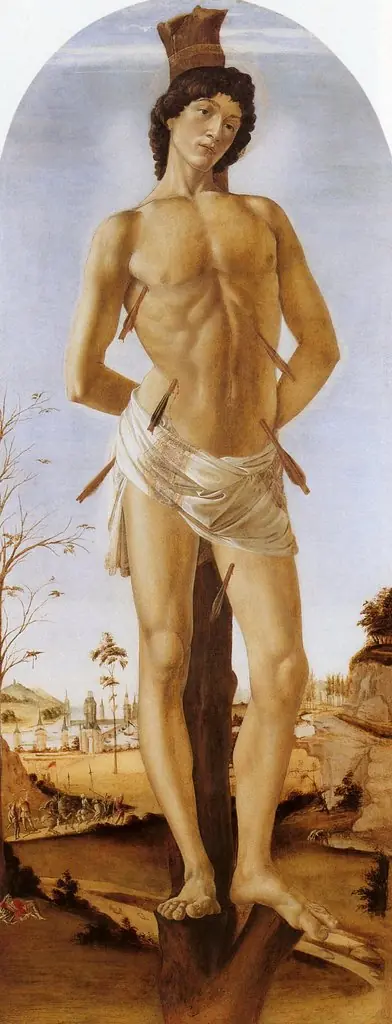
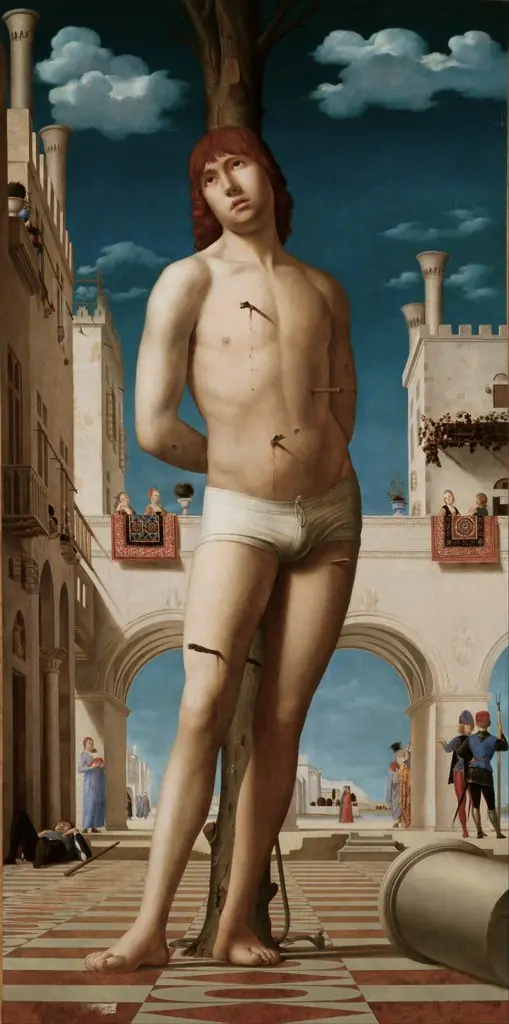
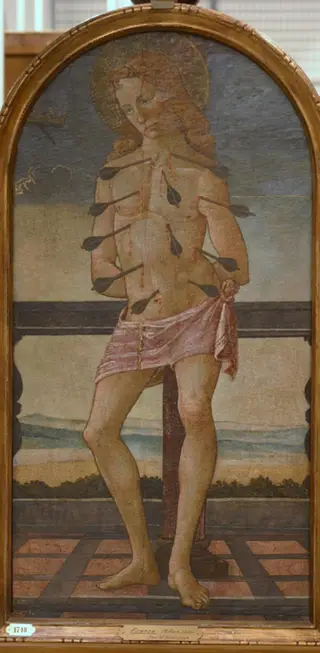
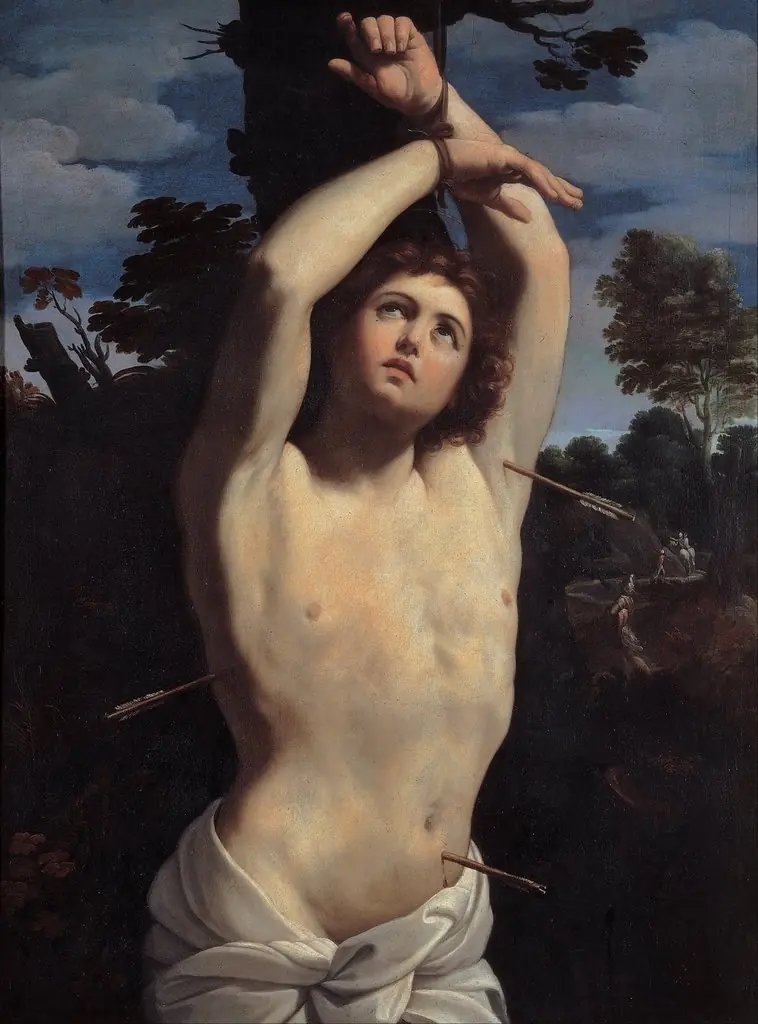
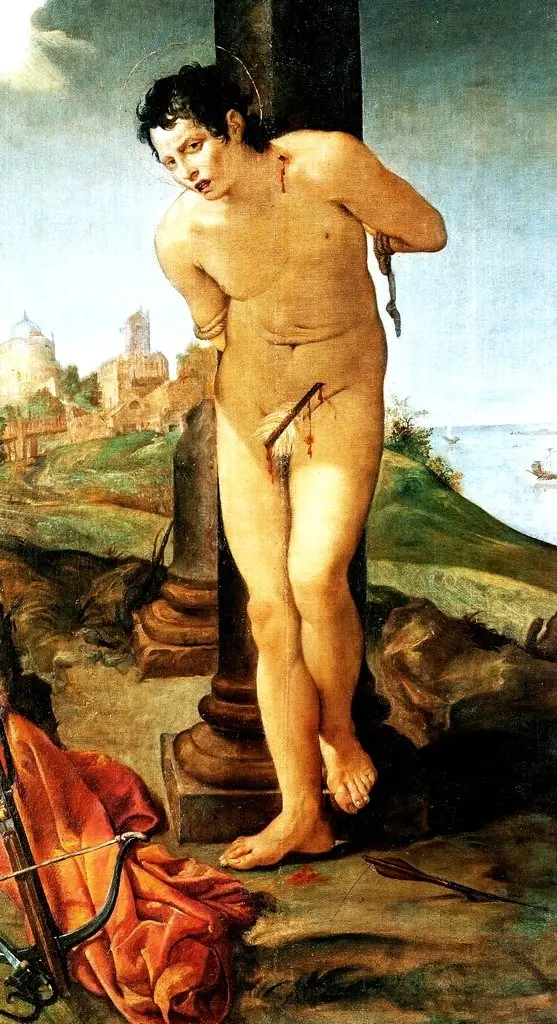
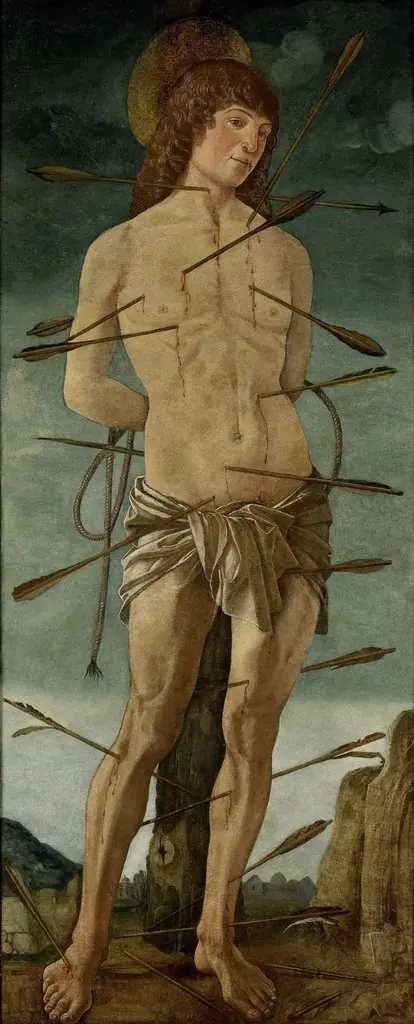
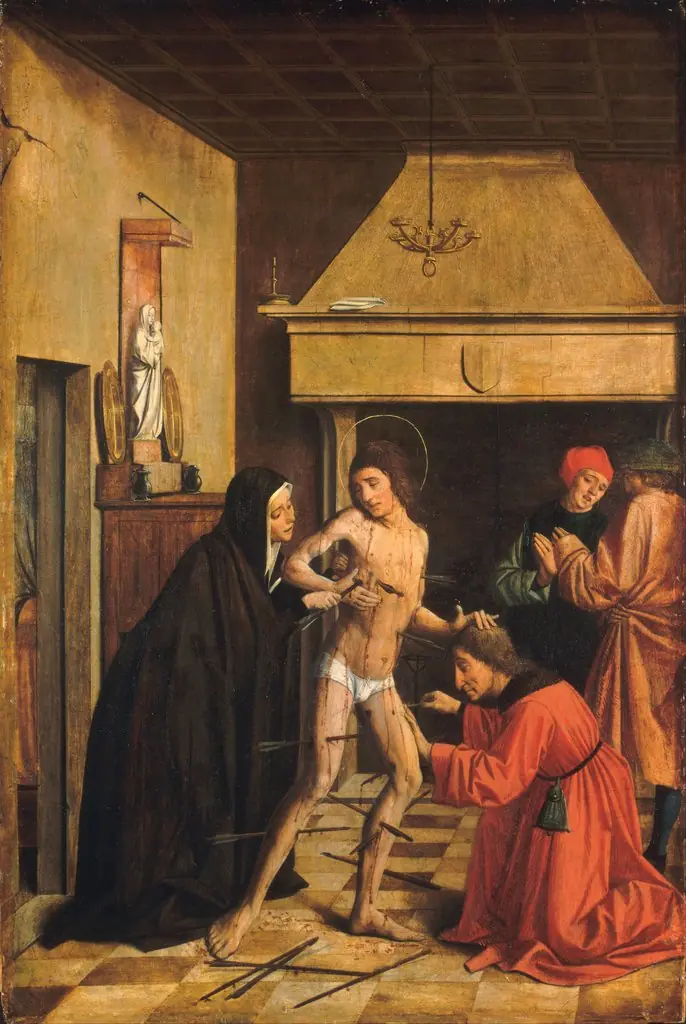
Saint Sebastian, traditionally shown pierced by arrows, embodies steadfast faith under persecution, while Thyrsus of Apollonia represents the witness of a third-century martyr. Pope Gregory I lends ecclesiastical gravitas to the triad. Together, the three saints function as intercessors, with the work serving as an object of veneration rather than a narrative scene.
The choice of oil on panel and the religious genre underscore its function as a sacred image intended for devotional contemplation, presenting the saints as exemplary models of Christian endurance and spiritual authority.
Technique & Style
Saints Gregory, Sebastian and Thyrsus is executed in oil paint on panel, a combination consistent with early sixteenth-century Iberian devotional practice. The work measures 147 cm in height by 124 cm in width. Its classification as a religious painting and its depiction of Gregory I, Saint Sebastian, and Thyrsus of Apollonia indicate a traditional hagiographic format, while the oil-on-panel technique allowed for the detailed modeling and rich coloration typical of Juan de Borgoña the Younger's workshop. The painting is held in the collection of the Museo del Prado.
History & Provenance
The painting Saints Gregory, Sebastian and Thyrsus was created by Juan de Borgoña the Younger in 1501. Executed in oil paint on a panel support, the work measures 147 cm in height and 124 cm in width. The piece depicts the religious figures Gregory I, Saint Sebastian, and Thyrsus of Apollonia. It is currently held in the collection of the Museo del Prado.
The work is held in the collection of the Museo del Prado, where it is catalogued under inventory number P00968. It was painted in 1501 by Juan de Borgoña the Younger and has been displayed in several exhibitions at the museum, including the 1992 exhibition 'Early Spanish Renaissance Paintings' and the 2005 retrospective 'Spanish Masters of the Fifteenth Century'.
Legacy
The painting influenced Baroque religious composition through its dramatic portrayal of saints and dynamic spatial arrangement, inspiring later Spanish artists to adopt similar iconographic groupings and heightened emotional intensity in devotional works.
Its inclusion in the Museo del Prado's permanent collection cemented its reputation as a significant example of late Gothic religious painting, leading to renewed scholarly attention on Borgoña's role in shaping Counter-Reformation visual language.
Overview
Juan de Borgoña the Younger’s 1501 oil painting, titled Saints Gregory, Sebastian and Thyrsus, brings together three Christian figures on a modestly detailed landscape. The work is part of the Museo del Prado’s collection and measures the typical dimensions of early‑sixteenth‑century devotional panels. Its composition balances a central martyr with two accompanying saints, set against a sky dotted with clouds.
Context
During the early 1500s, Spanish art was transitioning from Gothic conventions toward the humanist ideals of the Renaissance. Juan de Borgoña the Younger, working in the Castilian court’s artistic circles, incorporated Italian compositional principles while maintaining local iconographic traditions. The inclusion of Pope Gregory I alongside military saints reflects contemporary devotional practices that emphasized intercession for both spiritual guidance and protection in turbulent times.
Own this work as a print
Artist & collection
Artist
Juan de Borgoña the Younger (1500–1565) was an artist, born in Toledo.