Artwork
Saint Sebastian
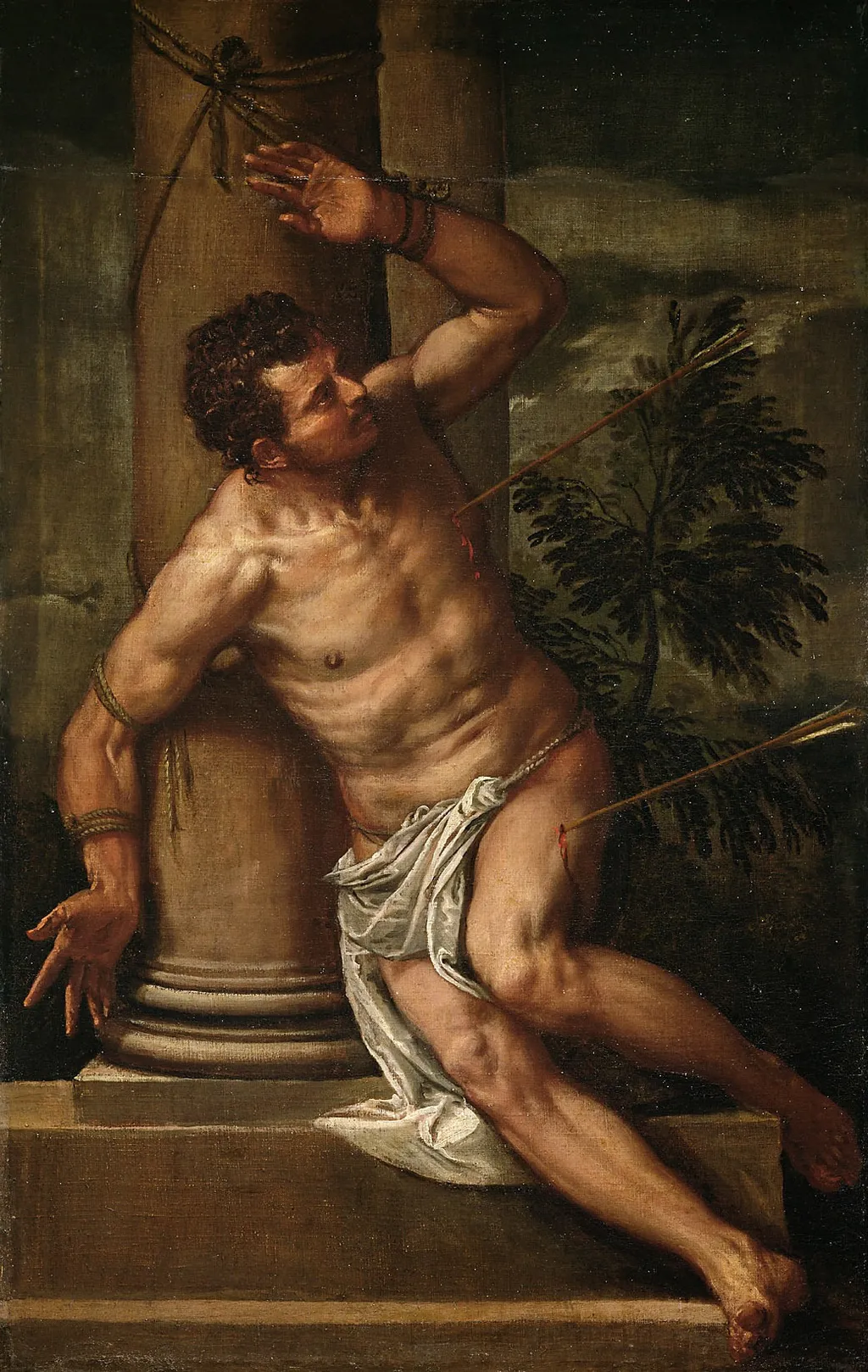
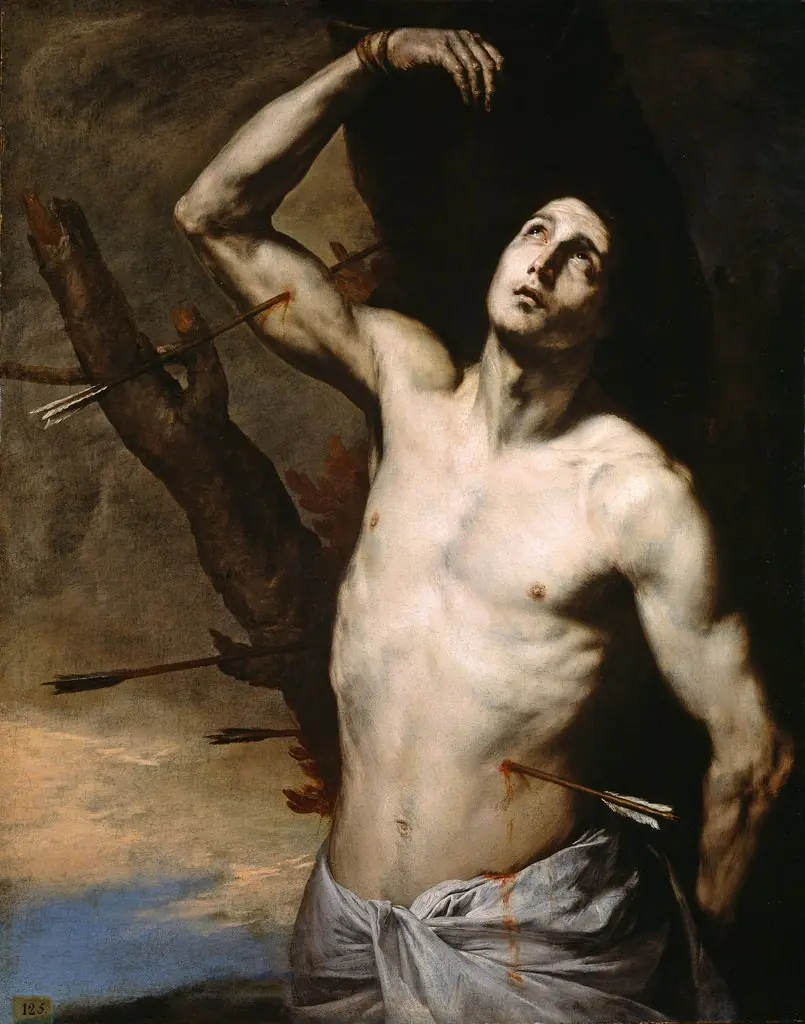
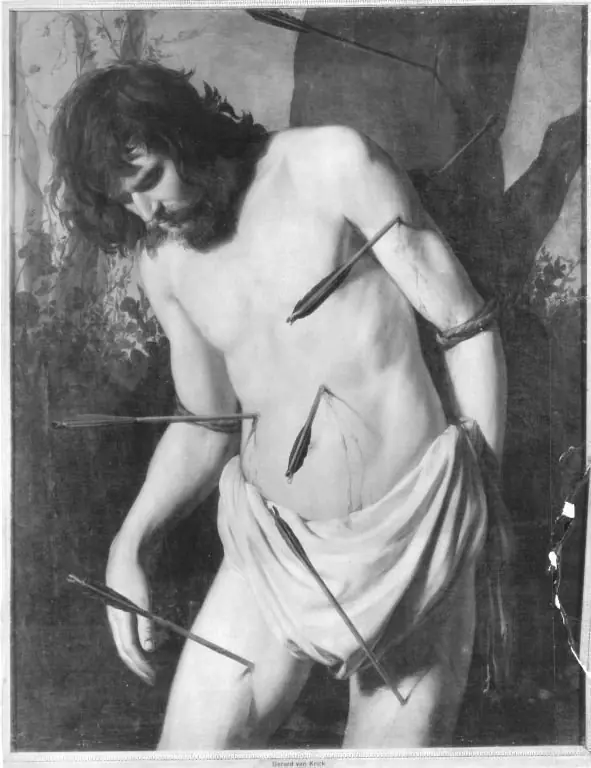
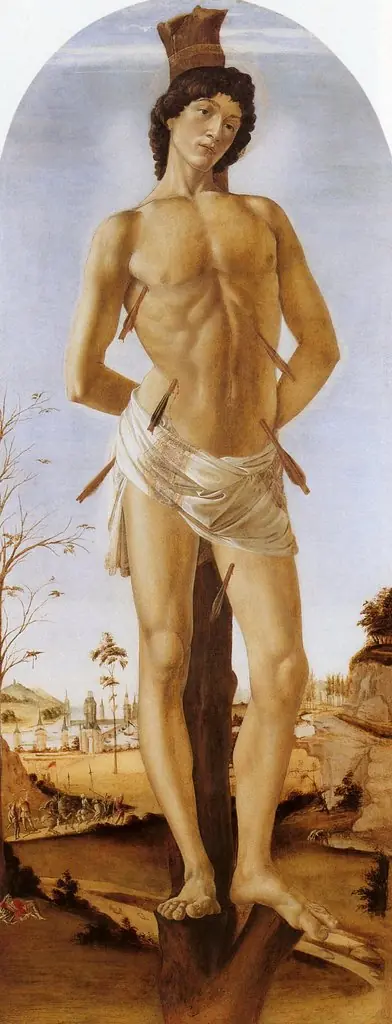
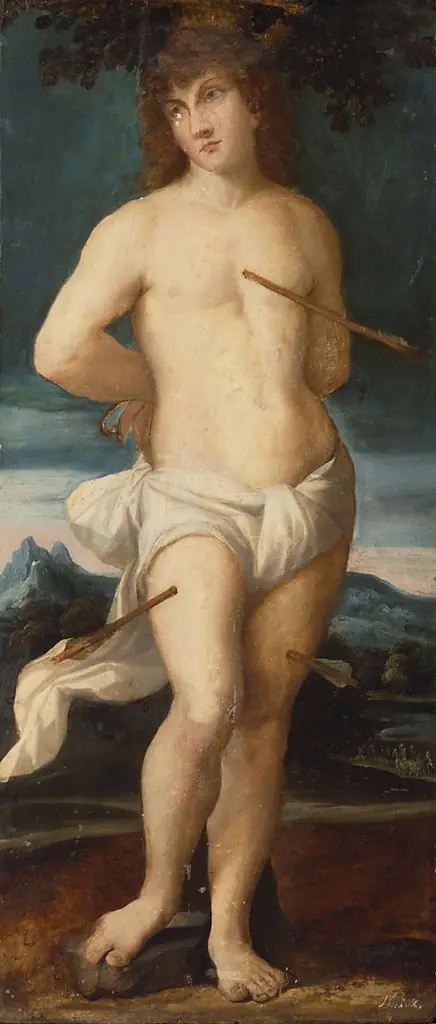
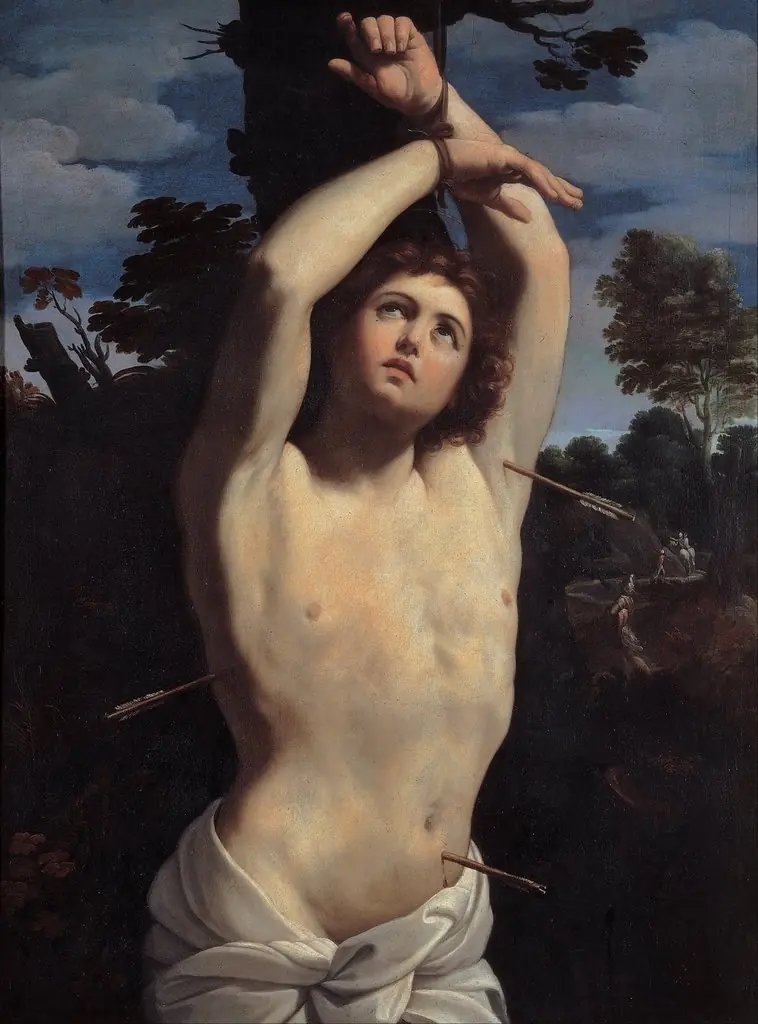
Saint Sebastian is an oil painting by the Mannerist artist Paolo Veronese. It dates from 1565 and is held in the collection of the Kunsthistorisches Museum.
About this work
Subject & Meaning
The figure is identified as a man, central to the composition alongside the column, which serves as the primary instrument of his binding.
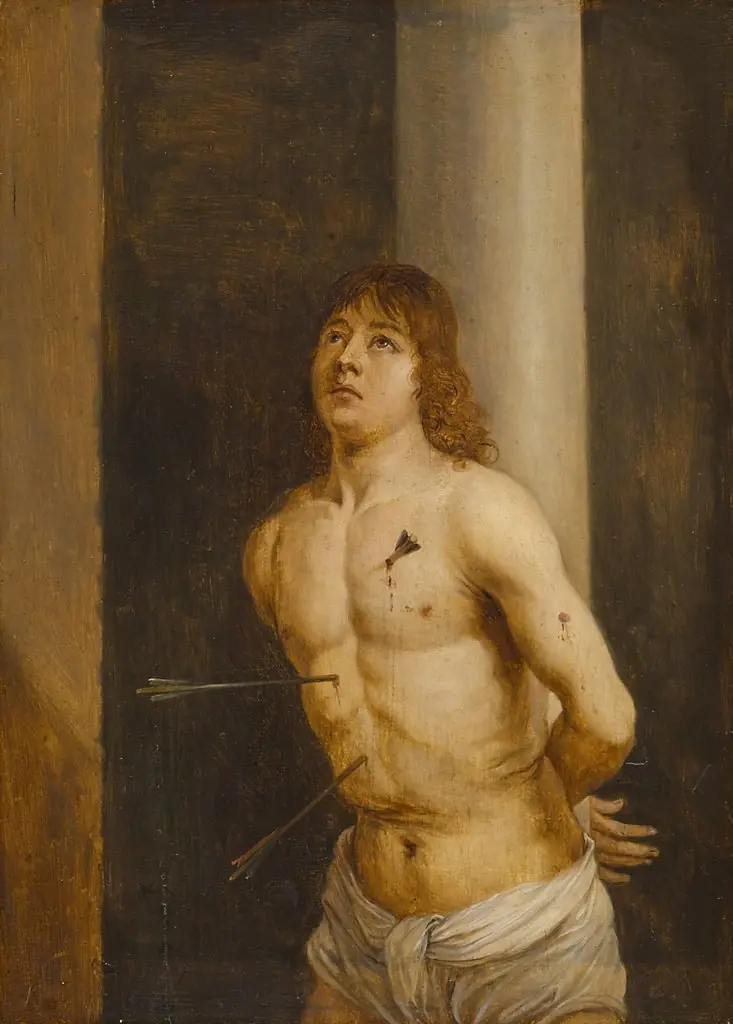
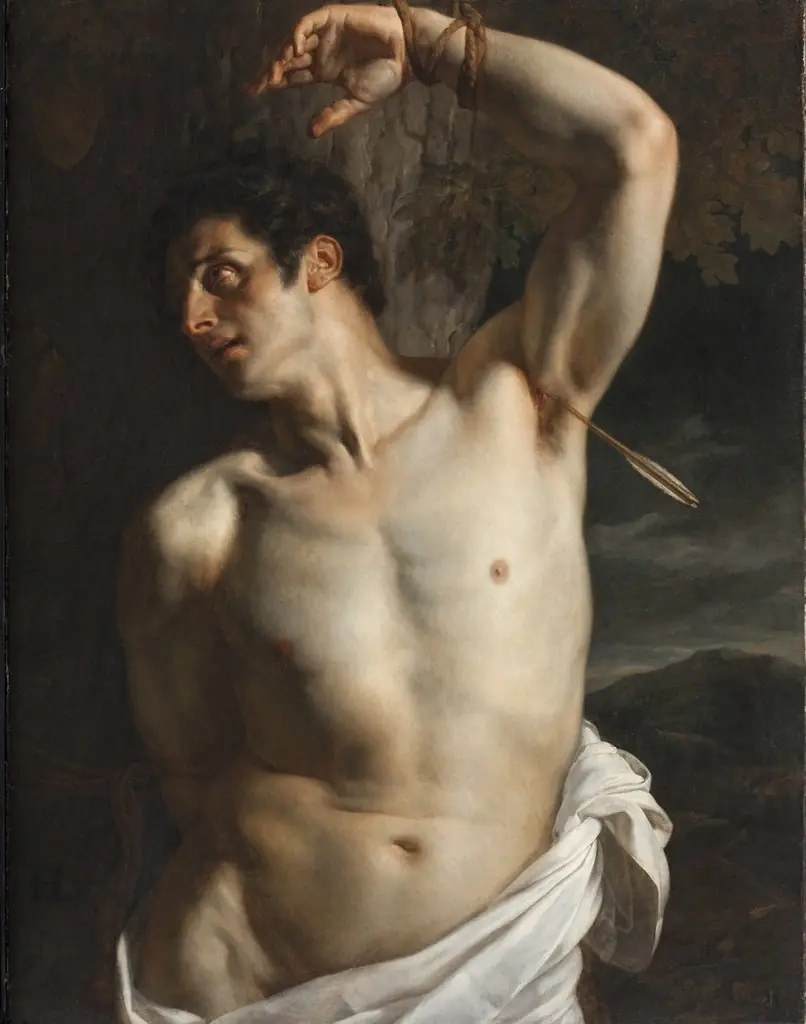
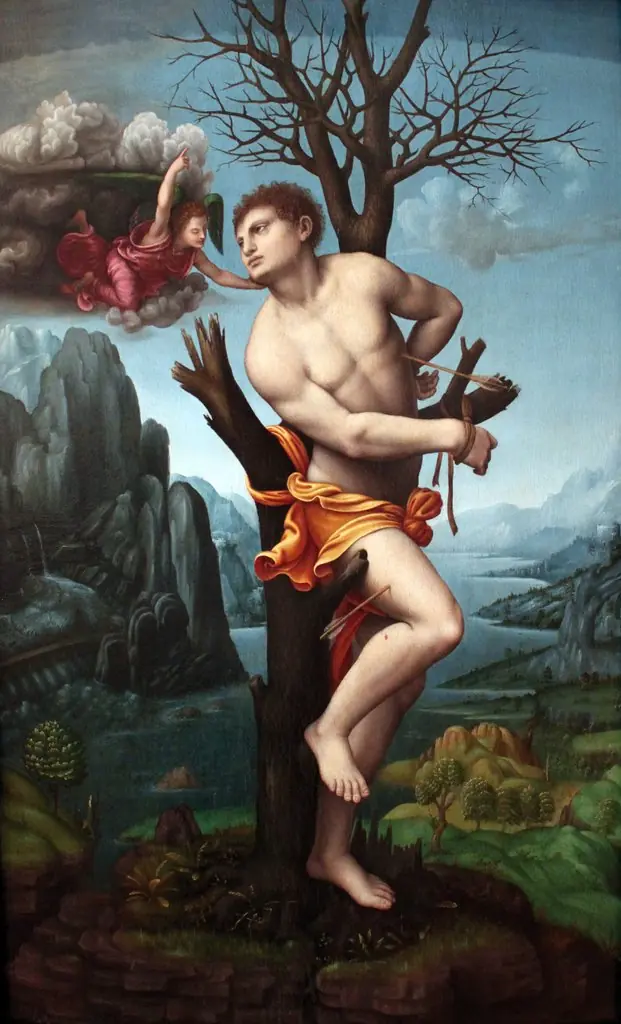
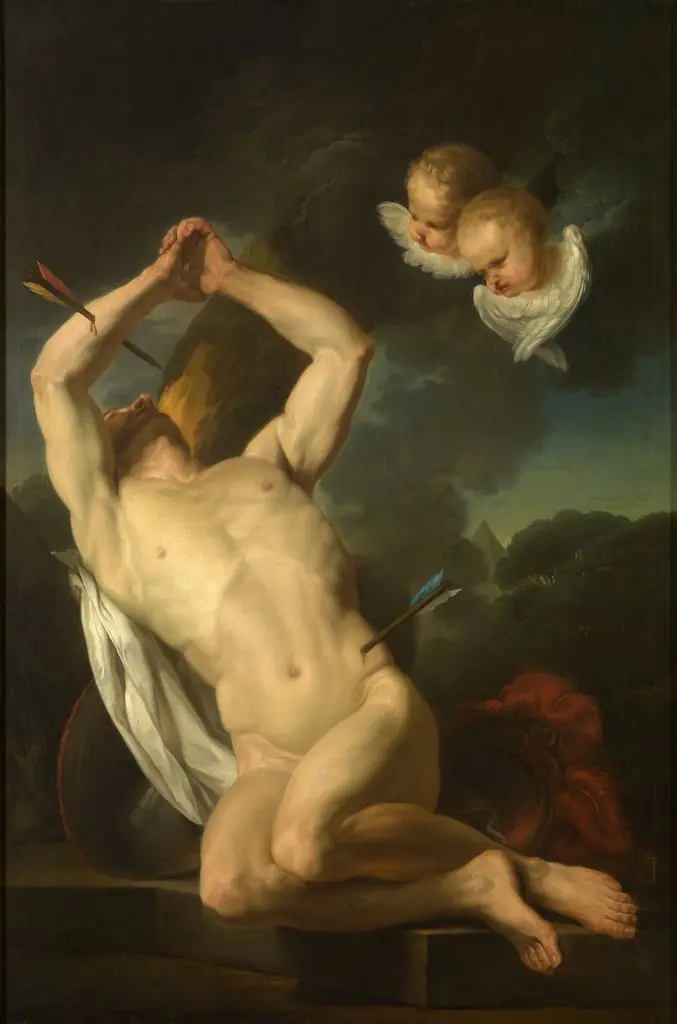
The painting depicts Saint Sebastian, a Christian martyr, bound to a column as part of his execution narrative. As a work of religious art, the subject focuses on the martyrdom of the saint, illustrating the moment he is tied to a post, typically awaiting or suffering from arrows, though the specific action of shooting is not detailed in the provided descriptions. The figure is identified as a man, central to the composition alongside the column, which serves as the primary instrument of his binding.
This iconography represents the saint's steadfast faith and physical suffering endured for his religious convictions, a common theme in 16th-century religious paintings by Paolo Veronese.
Technique & Style
Paolo Veronese executed Saint Sebastian in 1565 using oil paint on a support suited for religious narrative. The work measures 114 cm in height and 71 cm in width, presenting a vertical composition focused on the martyrdom of the saint. Stylistically, the painting depicts the bound figure of Saint Sebastian alongside a column, characteristic of the artist's treatment of religious subjects during this period.
The medium of oil paint allows for the detailed rendering required to convey the emotional and physical intensity of the scene.
History & Provenance
Paolo Veronese painted Saint Sebastian in 1565 as an oil on canvas work measuring 114 by 71 centimeters. The painting entered the collection of Archduke Leopold Wilhelm of Austria and remains in the Kunsthistorisches Museum in Vienna, where it is catalogued as part of the archduke’s holdings and described as depicting the martyrdom of Saint Sebastian. Its creation is documented in contemporary records as part of Veronese’s religious output for the Archduke’s court, and it has been part of the museum’s collection since the 16th century.
The work’s provenance traces back to Archduke Leopold Wilhelm, who commissioned or acquired the piece during his tenure as a collector of Venetian art. It was subsequently inherited by the Kunsthistorisches Museum, which has maintained ownership and displayed it as part of its permanent collection. The painting’s dimensions and medium are recorded in museum catalogues, confirming its status as an oil painting of the specified size.
Paolo Veronese's painting Saint Sebastian, created in 1565, is currently held by the Kunsthistorisches Museum in Vienna. The work entered the museum's collection with a documented history of ownership that includes Bartolomeo della Nave and Archduke Leopold Wilhelm of Austria prior to its acquisition by the institution. Specific inventory or accession numbers are not provided in the available records. The provided sources do not contain information regarding a specific exhibition history for this artwork.
Overview
Paolo Veronese created an oil painting of Saint Sebastian in 1565. Executed in the Mannerist style, the work shows the martyr bound to a column, his torso exposed and pierced by arrows. The composition highlights Veronese’s characteristic use of vivid color and dramatic lighting, and the piece is part of the Kunsthistorisches Museum’s collection in Vienna.
Artist & collection
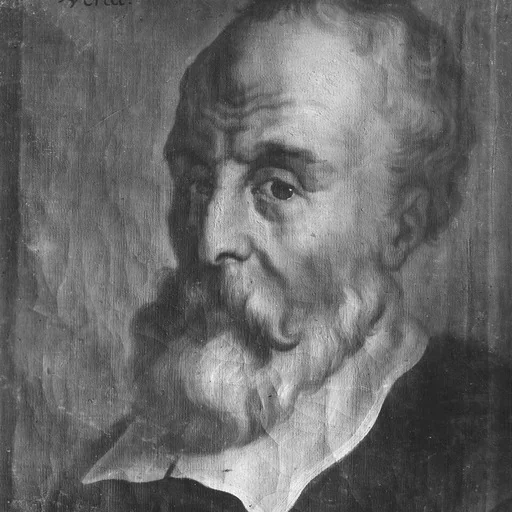
Artist
Paolo Caliari (1528 – 19 April 1588), known as Paolo Veronese ( VERR-ə-NAY-zay, -zee, US also -see; Italian: ), was an Italian Renaissance painter based in Venice, known for extremely large history paintings of…