Artwork
Portret van een man
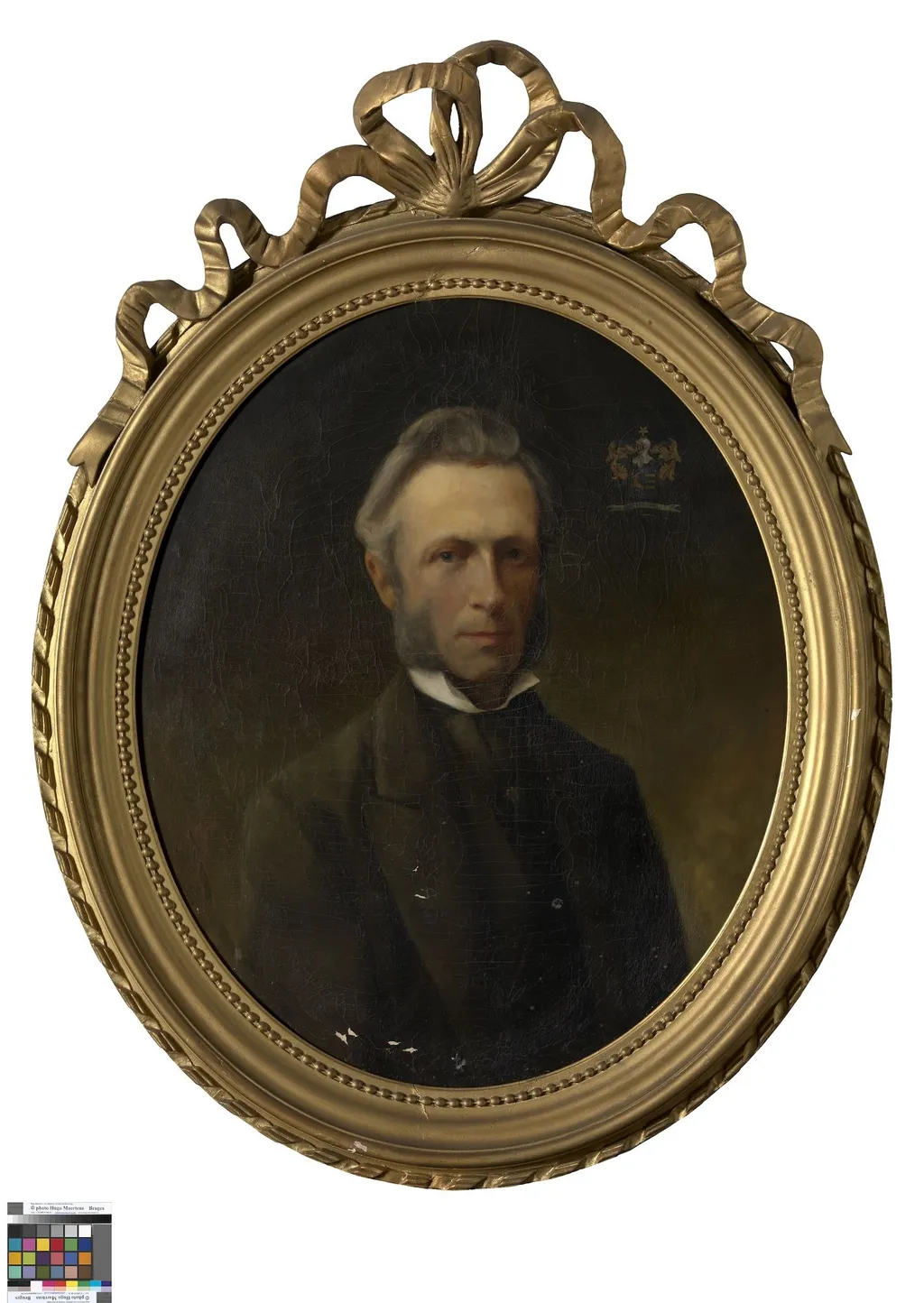
Portret van een man is an oil painting by the Post-Impressionist artist Julien van Speybrouck. It dates from 1898 and is held in the collection of the Groeningemuseum.
About this work
Overview
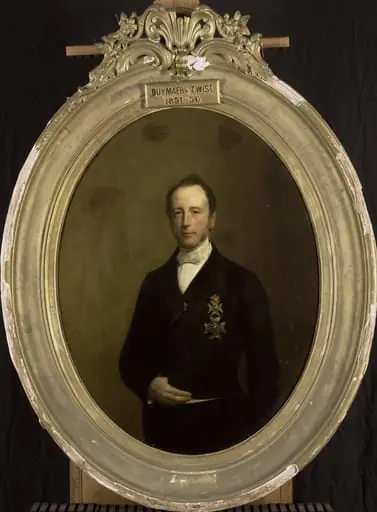
Its composition centers on the figure against a deep, unbroken background, emphasizing the subject’s presence without distraction.
Painted in 1898 by Belgian artist Julien van Speybrouck, this oil portrait presents a man rendered with quiet precision. The work is part of the Groeningemuseum’s collection in Bruges. Its composition centers on the figure against a deep, unbroken background, emphasizing the subject’s presence without distraction. The frame, an ornate gold oval with a central bow, enhances the portrait’s formal character.
Subject & Meaning
The sitter, identified only by his appearance, wears a dark jacket and crisp white shirt, suggesting modest respectability. His neutral gaze and still posture convey a sense of composure rather than narrative. The small gold emblem above his right shoulder may indicate affiliation or status, though its specific meaning remains unconfirmed. The portrait prioritizes dignity over individual biography.
Technique & Style
Van Speybrouck employs a realistic approach, with careful attention to texture in fabric and subtle variations in skin tone. Brushwork is controlled, avoiding overt expressionism. Lighting is even, minimizing shadows to focus on the face and attire. The dark background isolates the figure, reinforcing the portrait’s intimate, direct engagement with the viewer.
History & Provenance
The painting was completed in 1898 and entered the Groeningemuseum’s holdings at an unspecified date. No records indicate prior ownership or exhibition history beyond its current institutional context. Its preservation in good condition suggests consistent care since acquisition, though its original commission or recipient remains undocumented.
Context
Created during a period when Belgian portraiture emphasized realism and social nuance, the work reflects regional artistic conventions of the late 19th century. Unlike grand ceremonial portraits, this piece focuses on quiet individuality, aligning with trends that valued understated representation over theatricality in middle-class imagery.
Legacy
The portrait remains a representative example of Julien van Speybrouck’s smaller-scale figural work. While not widely reproduced or studied, it contributes to the Groeningemuseum’s broader collection of regional portraiture. Its endurance lies in its restraint, offering a modest yet enduring record of a single moment in time.
Own this work as a print
Artist & collection
Artist
Belgian painter Julien van Speybrouck made still-life oils in the late 1800s. His brush captured everyday scenes like fruit, glassware, and draped cloth, lit against dark backgrounds. In 1881 he set a painted bunch of…

- Untitled
 Portrait of a gentleman, aged 34
 Ebenezer Cooper, Llangollen
 Unidentified Lay-preacher/Minister, of Bala
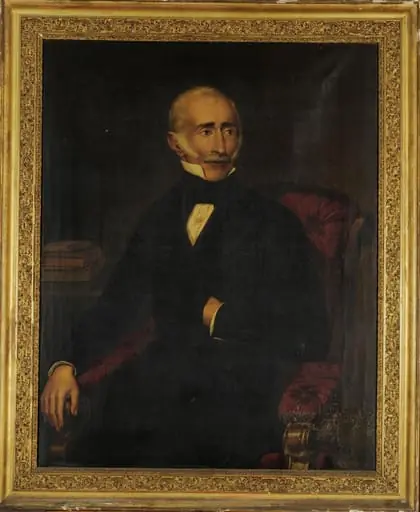 Προσωπογραφία του Ανδρέα Λουριώτη
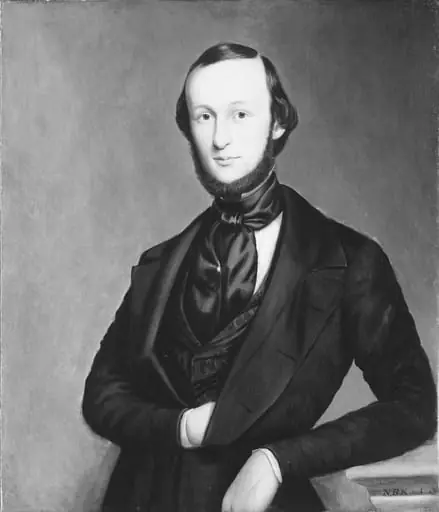 Charles Henry Augustus Carter
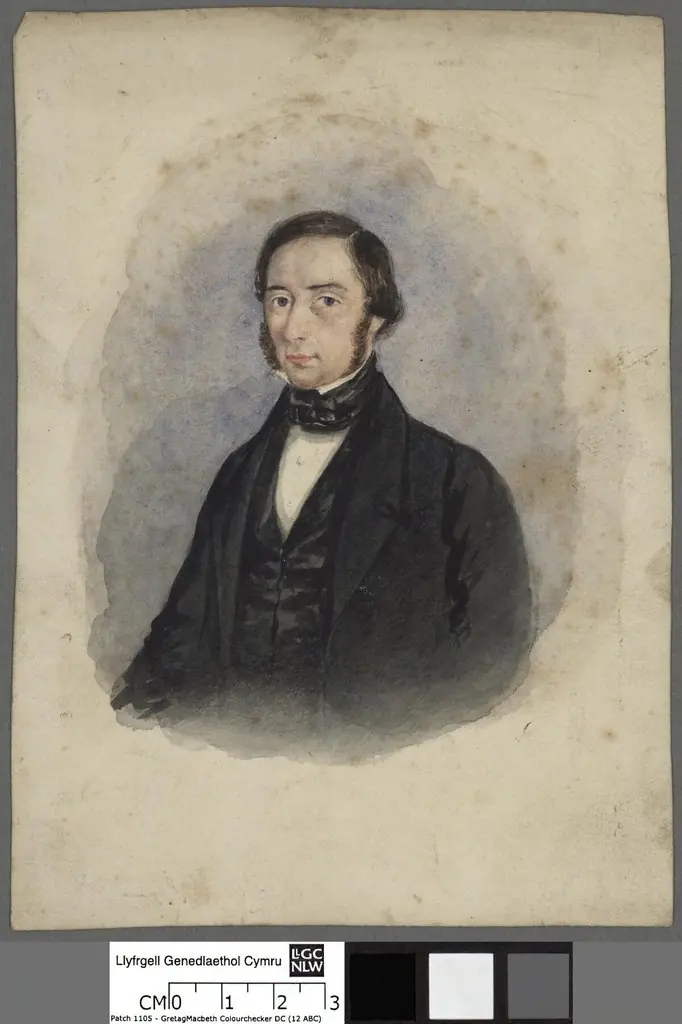 John Johnes
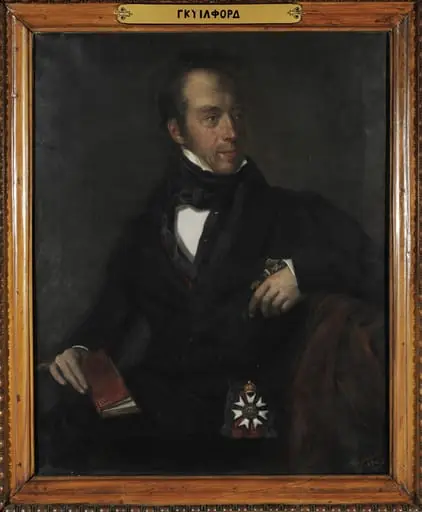 Προσωπογραφία του Frederick North
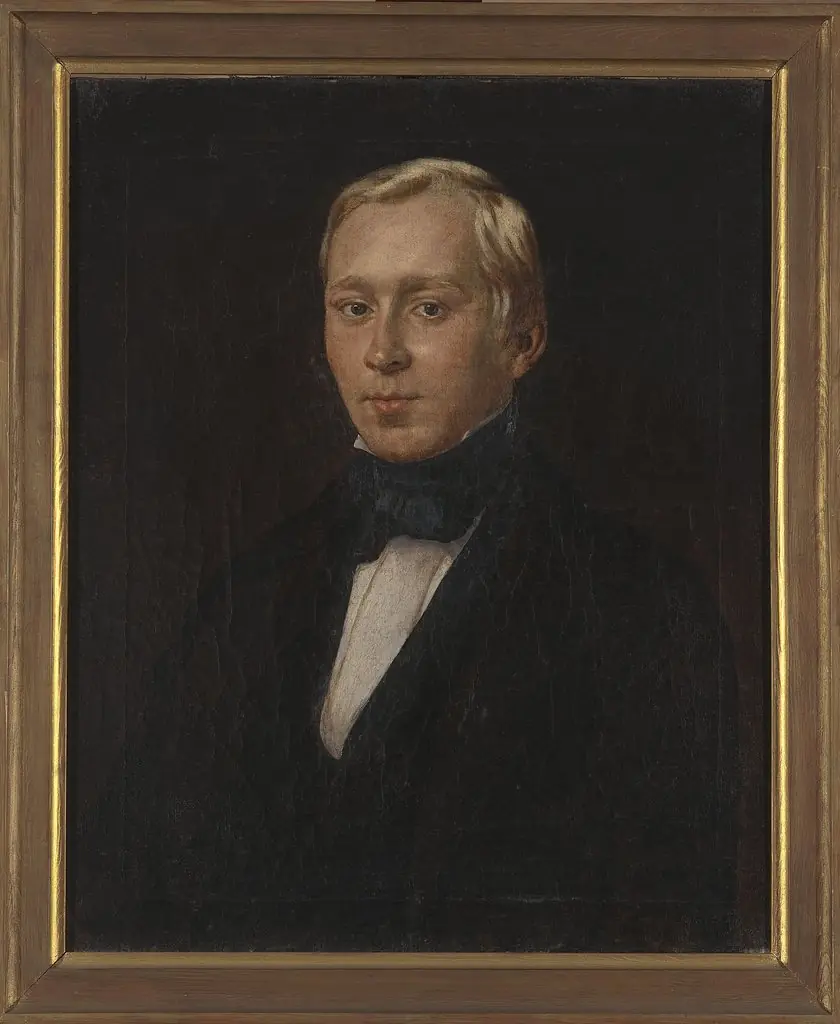 Portrait of Jan Pabudziński
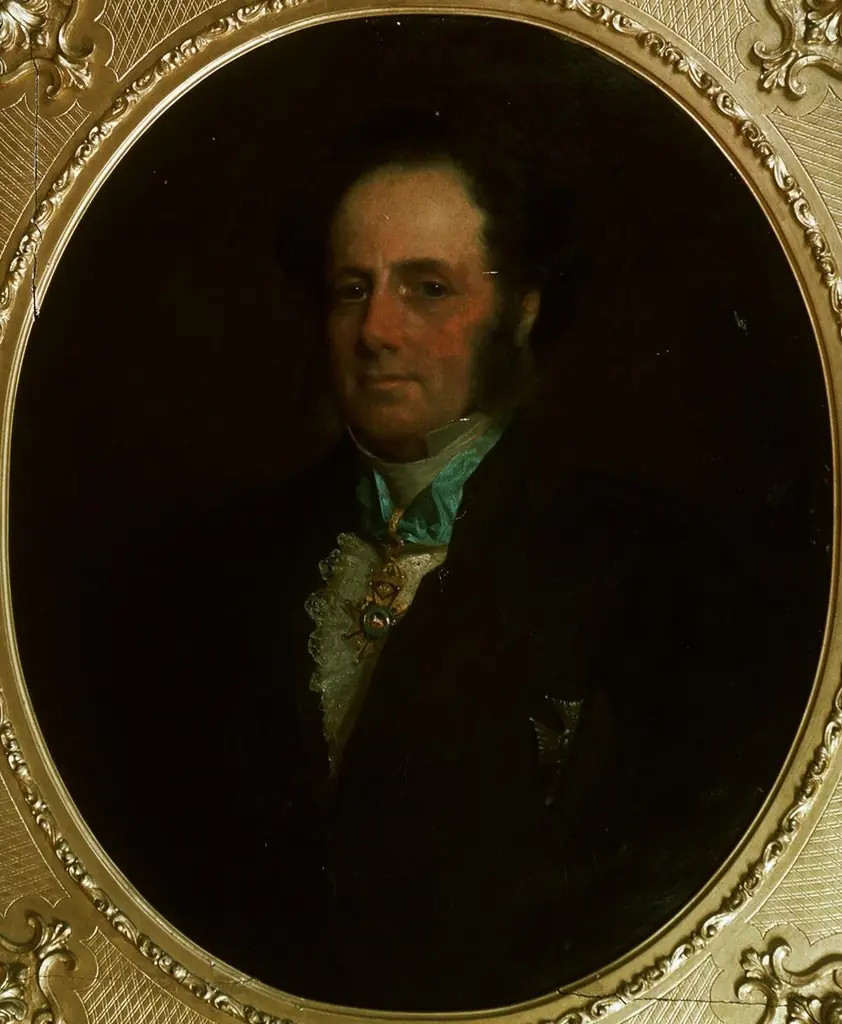 Sir David Davies (1792-1865)
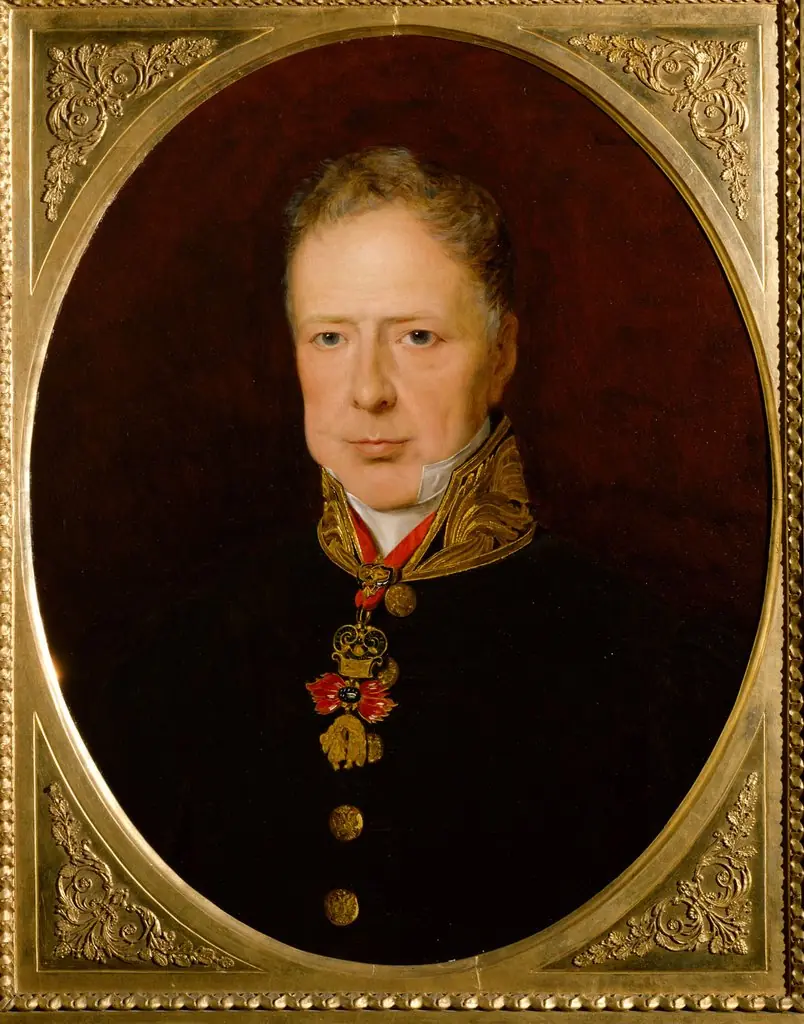 Erster Obersthofmeister Fürst Rudolf Colloredo-Mannsfeld (1772-1843)
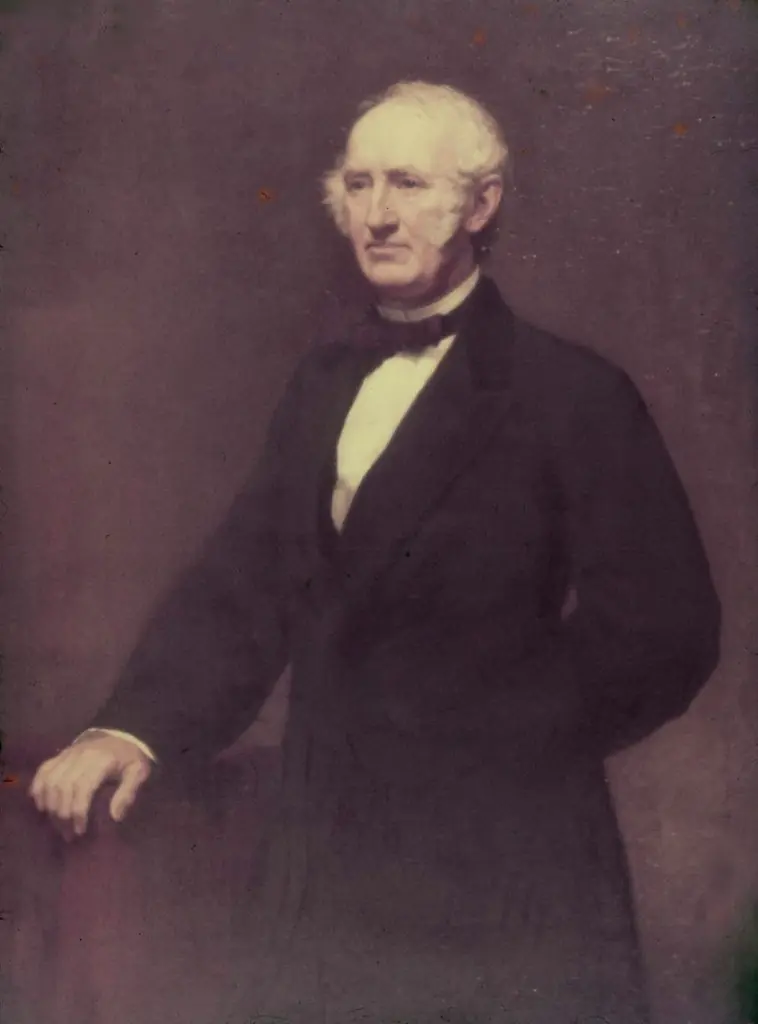 Wendell Phillips