Artwork
The Tears of Saint Peter
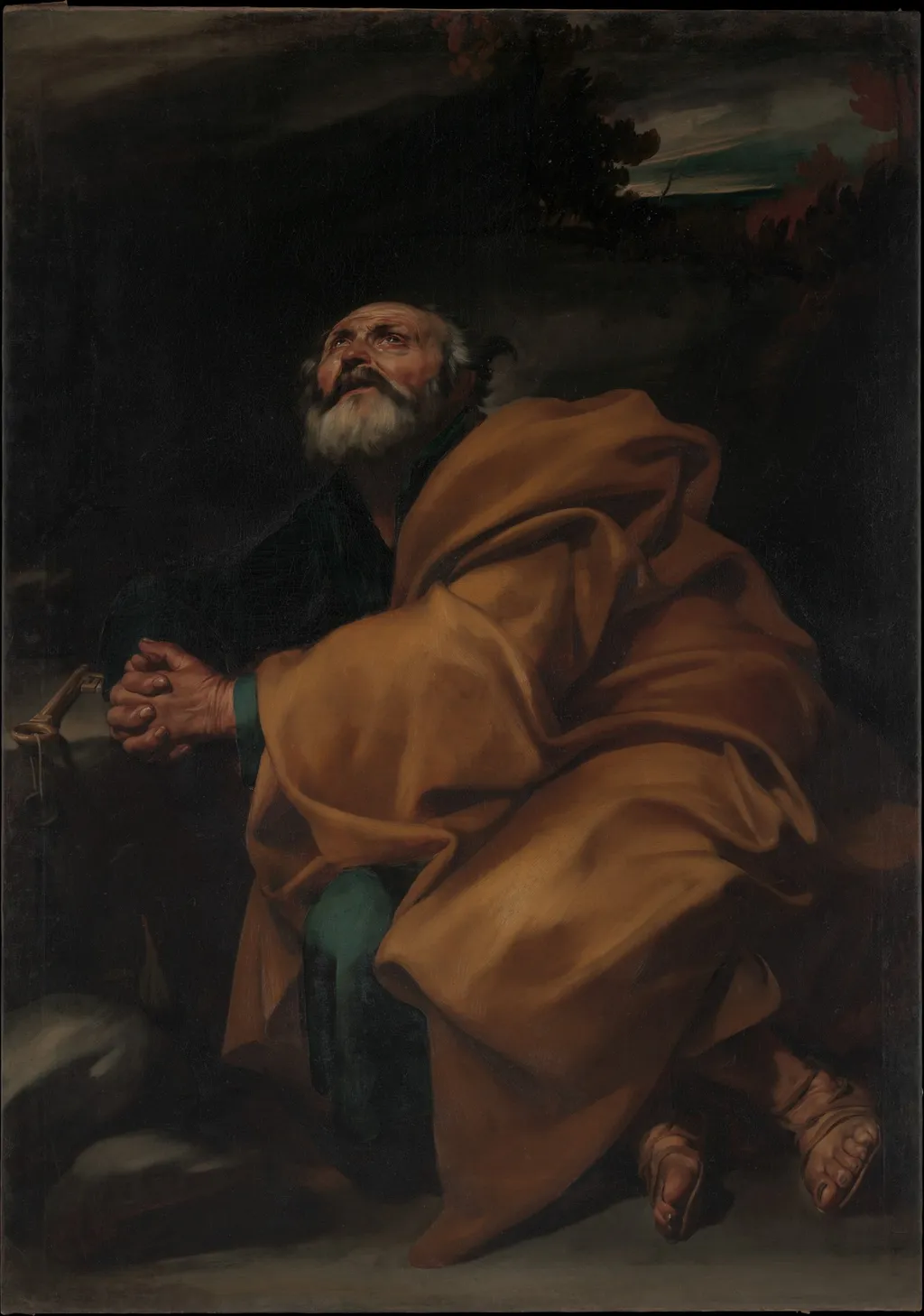
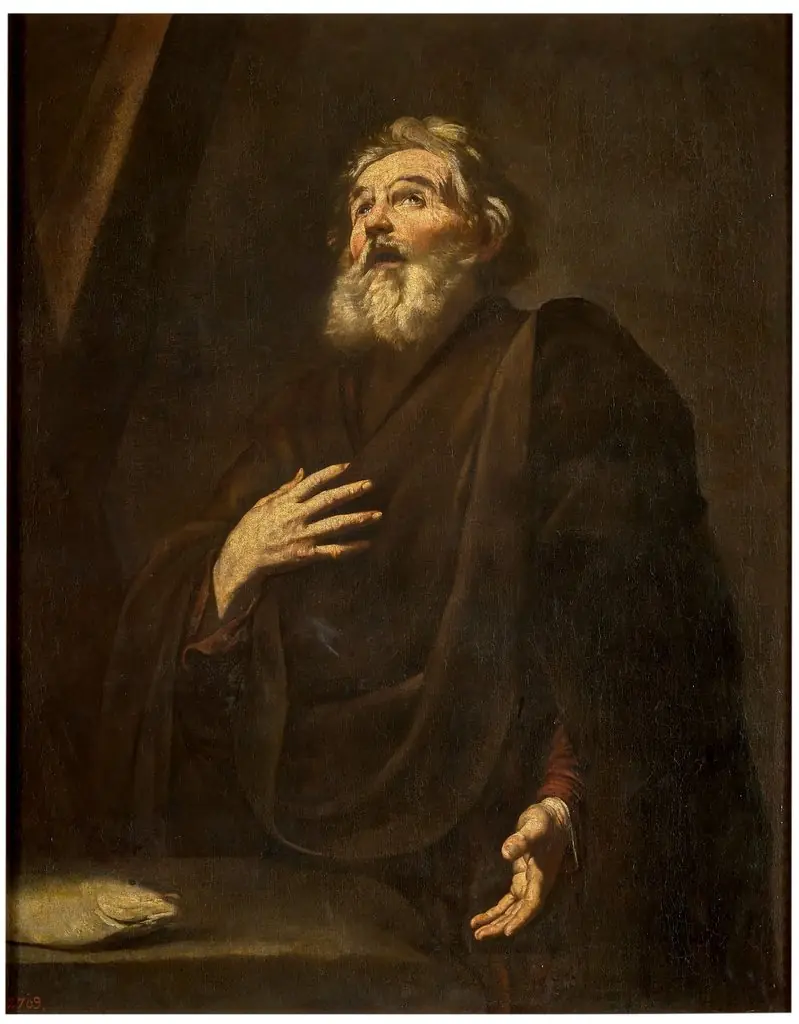
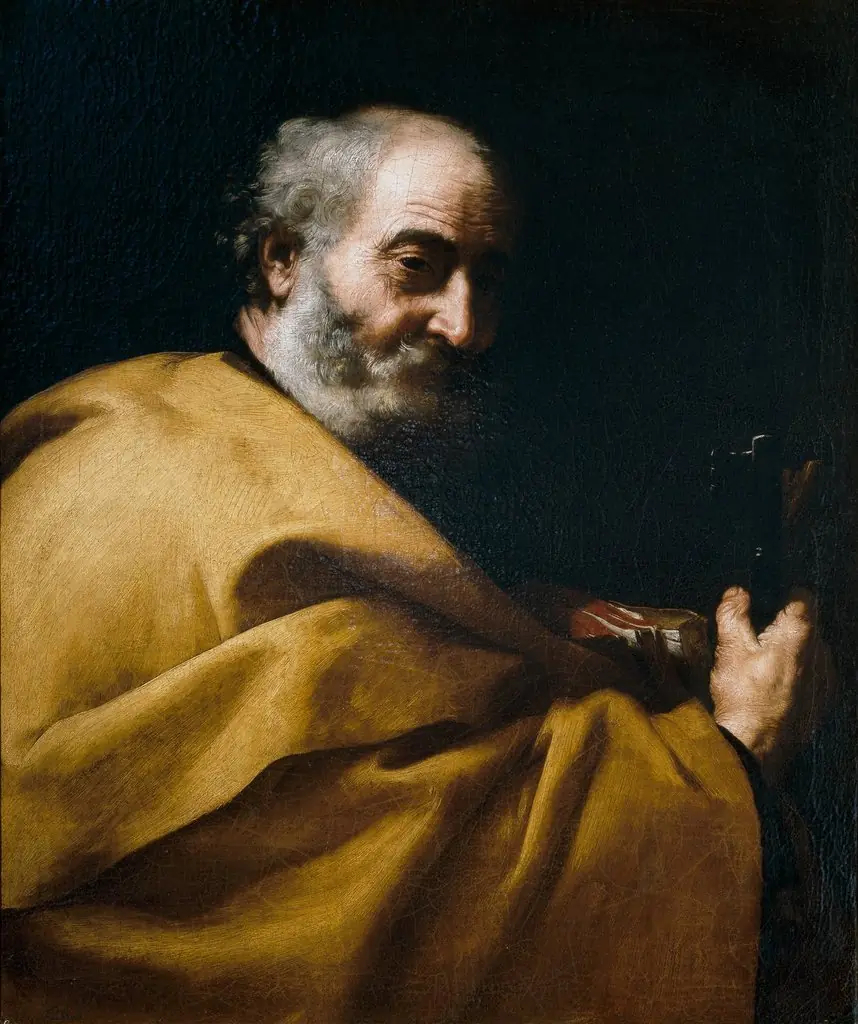
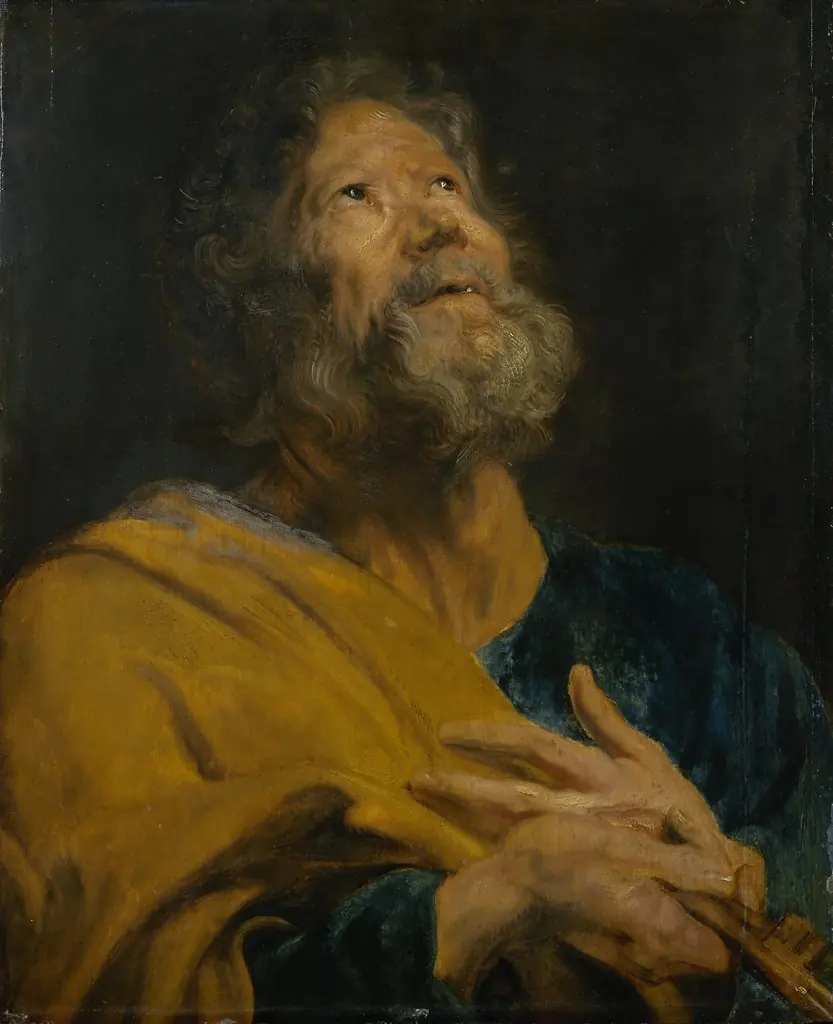
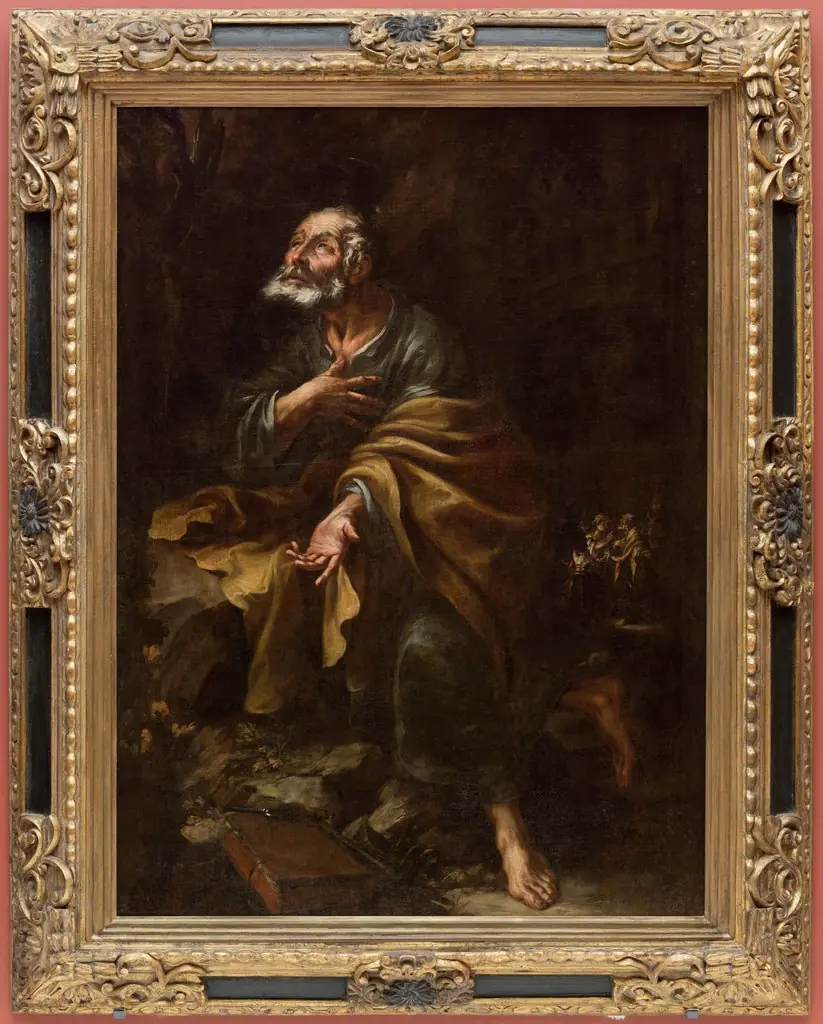
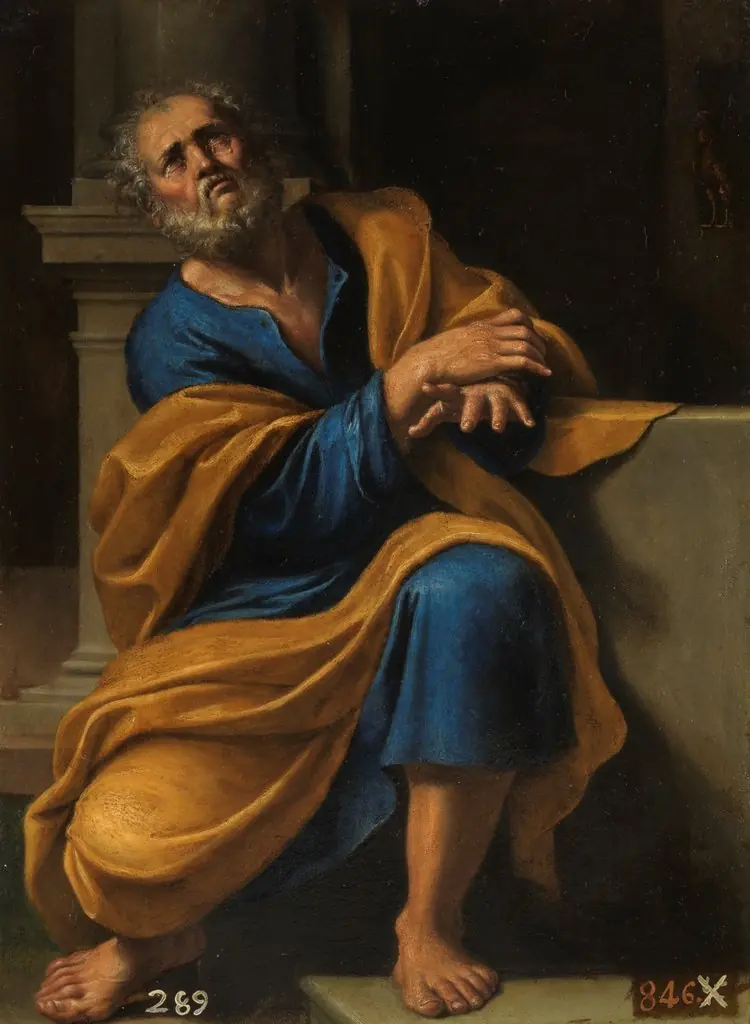
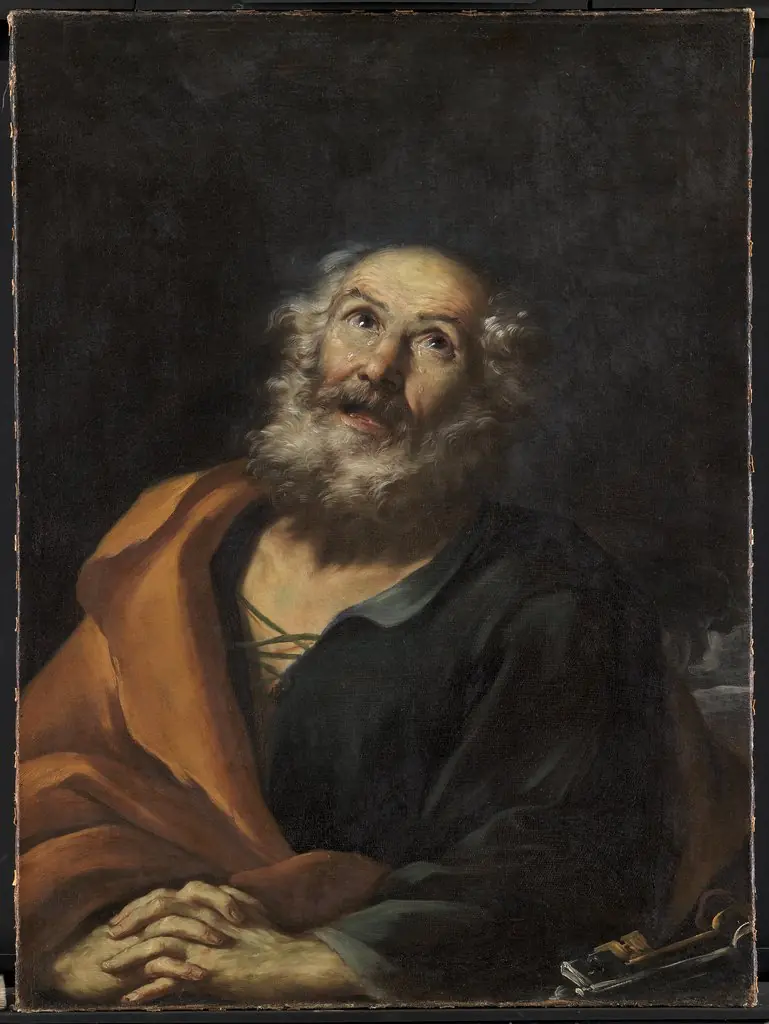
The Tears of Saint Peter is an oil painting by the Early Baroque Italian artist Jusepe de Ribera. It dates from 1612 and is held in the collection of the Metropolitan Museum of Art.
About this work
Subject & Meaning
The Tears of Saint Peter centers on Saint Peter, the apostle whose remorseful weeping forms the emotional core of Ribera's composition.
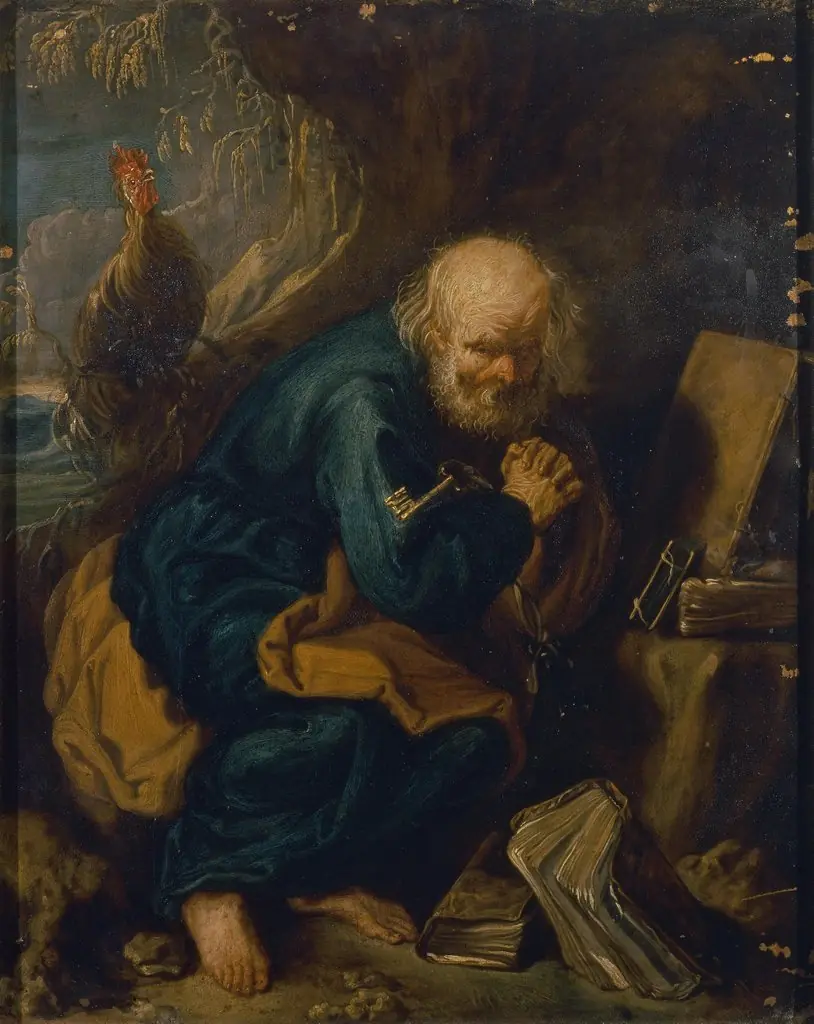
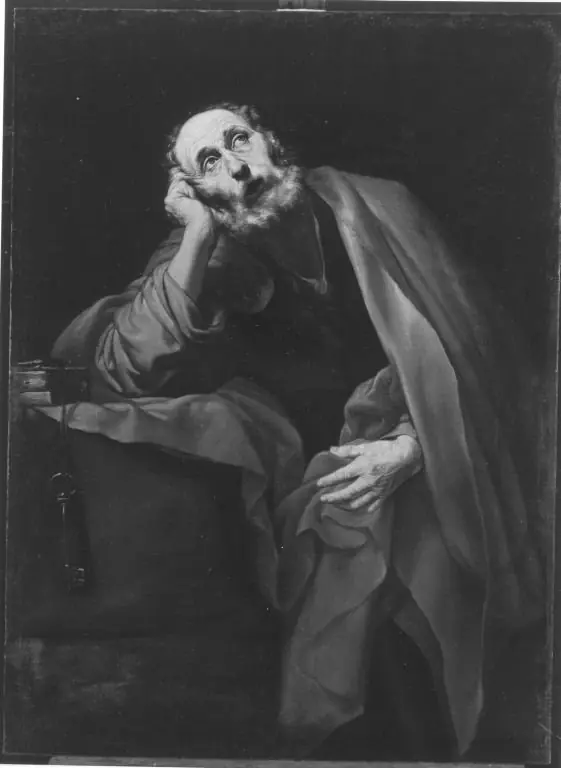
The Tears of Saint Peter centers on Saint Peter, the apostle whose remorseful weeping forms the emotional core of Ribera's composition. The painting's main subject is the Denial of Peter, the New Testament episode in which Peter thrice disavows knowing Jesus before the crucifixion and subsequently breaks down in grief upon realizing his betrayal. By isolating Peter in this moment of penitential sorrow, Ribera transforms the narrative into a meditation on human frailty, repentance, and the possibility of spiritual redemption.
The work belongs to the tradition of devotional religious art, using the saint's tears as a visual symbol of contrition. Such imagery invited viewers to contemplate their own capacity for sin and forgiveness, aligning the painting with Counter-Reformation ideals that emphasized penitence, interior emotion, and the accessibility of divine mercy.
Technique & Style
The Tears of Saint Peter is an oil painting on canvas, measuring 161.9 cm in height by 114.3 cm in width. The medium and support are documented as oil paint applied to canvas, consistent with Jusepe de Ribera's working practice in the early seventeenth century. The work is classified as a religious painting, with its primary subject identified as the Denial of Peter.
The canvas format is vertical, a proportion well suited to Ribera's tenebrist treatment of devotional subjects in this period. No further details regarding specific handling, surface condition, or stylistic characterization are documented in the available sources.
History & Provenance
The painting is housed in the Metropolitan Museum of Art in New York, where it belongs to the European Paintings department of the museum's collection. It is exhibited in the gallery that presents 17th‑century Spanish art, allowing visitors to view the work alongside other pieces from that period. The canvas, executed in oil on linen, portrays Saint Peter in a moment of denial and remains on public display within the museum's permanent installation.
Overview
Jusepe de Ribera, a Spanish artist working in Italy, completed The Tears of Saint Peter in 1612. This oil painting exemplifies the early Italian Baroque style, presenting a poignant religious scene. It portrays Saint Peter in a moment of profound sorrow, a common theme in devotional art of the period. The work showcases Ribera's dramatic approach to figural representation and emotional intensity.
Context
Jusepe de Ribera, though Spanish by birth, spent most of his career in Italy, particularly Naples, where he absorbed and contributed to the developing Baroque style. His work, including The Tears of Saint Peter, reflects the influence of Italian naturalism while maintaining a distinct Spanish sensibility. He is recognized as a pivotal artist within the Spanish Baroque tradition, often grouped with contemporaries like Francisco de Zurbarán and Diego Velázquez.
Own this work as a print
Artist & collection
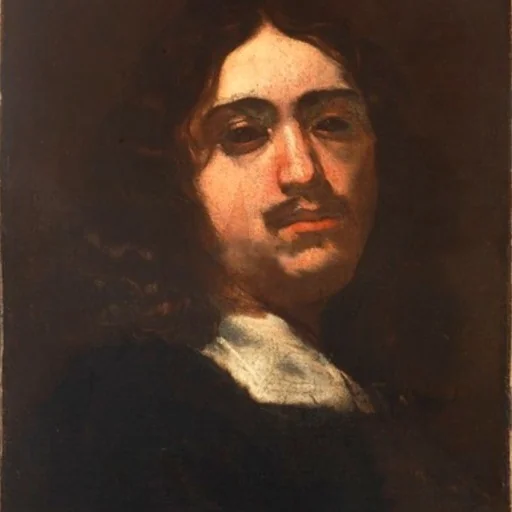
Artist
Jusepe de Ribera (Valencian:; baptised 17 February 1591 – 3 November 1652) was a Spanish painter and printmaker.