Artwork
Women Gladiators
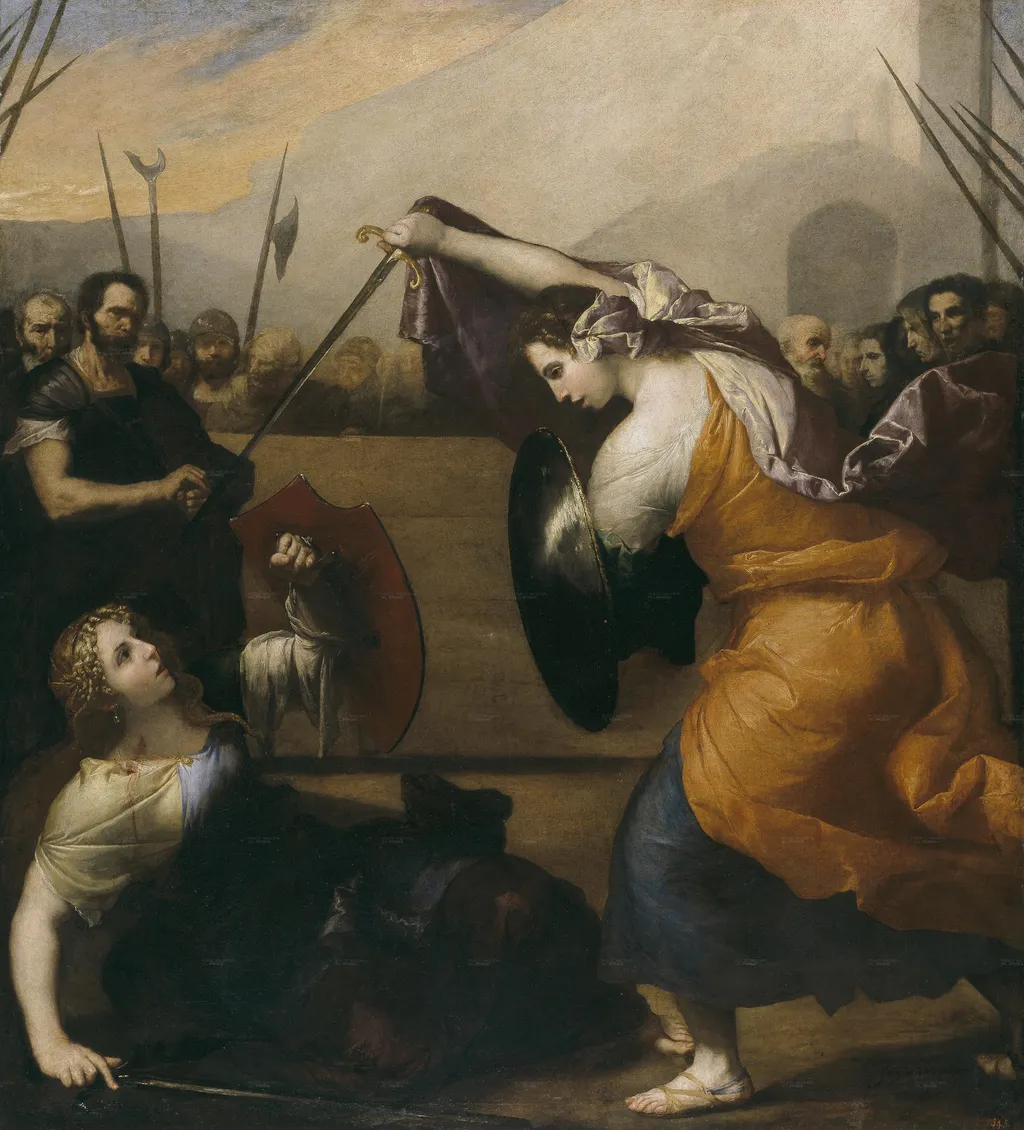
Women Gladiators is an oil painting by the Baroque artist Jusepe de Ribera. It dates from 1636 and is held in the collection of the Museo del Prado.
About this work
The painting is called Women Gladiators. It's a work by Jusepe de Ribera, made in oil paint.
Jusepe de Ribera created this painting in 1636. It's classified as an allegory, which means it's meant to convey a message or idea beyond its literal meaning.
You can learn more about the artist's style and other works by looking up the artist: Jusepe de Ribera.
Subject & Meaning
The work is also interpreted as an allegory of Vice and Virtue, aligning the dueling women with broader moral struggles.
Women Gladiators depicts a legendary duel between Isabella of Carazzi and Diambra of Pottinella in Naples in 1552, fought in the presence of the Marquis del Vasto over the affections of Fabio Zeresola. The painting’s composition emphasizes the impending moment of violence, with the standing woman poised to strike her rival, while onlookers observe in the background.
The work is also interpreted as an allegory of Vice and Virtue, aligning the dueling women with broader moral struggles. This dual reading reflects Ribera’s engagement with classical themes and contemporary moralizing traditions, situating the scene within a broader discourse on human nature and ethical conflict.
Technique & Style
Women Gladiators is an oil painting on canvas created by Jusepe de Ribera in 1636. Measuring 235 by 212 cm, the work exemplifies the Baroque style with a composition influenced by Venetian masters such as Titian and Veronese, particularly evident in the warm, golden hues applied to the figure on the right. Ribera employs a distinct handling of space where the foreground figures are rendered with near three-dimensional solidity, while the background spectators are depicted with a sketchier, flatter approach.
This spatial treatment mirrors the visual dynamics found in late Roman reliefs of battling Amazons, which likely served as a formal model for the artist. The painting is signed and dated, confirming its execution in Naples during a period when the artist was integrating stronger Venetian coloristic influences into his practice.
History & Provenance
Jusepe de Ribera executed Women Gladiators in Naples in 1636. The signed and dated oil on canvas was likely commissioned by Manuel de Acevedo y Zúñiga, the Viceroy of Naples, probably acting on behalf of King Philip IV of Spain. The work formed part of a larger series of paintings depicting Roman history intended for the Buen Retiro Palace.
The painting entered the Spanish royal collection, appearing in a 1666 inventory of the Royal Alcázar in Madrid. It survived the devastating fire of 1734, though it sustained damage, and was subsequently displayed in various rooms of the new Royal Palace. King Ferdinand VII later ordered the transfer of the canvas to the Museo del Prado, where it has been exhibited since 1820.
The painting Women Gladiators (c. 1636) by Jusepe de Ribera is part of the Museo del Prado's collection in Madrid; it measures 235 × 212 cm and is executed in oil on canvas. It entered the museum's holdings following its appearance in the 1666 inventory of the royal Alcázar and has been on display there since the early 19th century. The work was featured in the exhibition "Ribera, Shadows and Light" and remains part of the Prado's permanent display.
Context
Women Gladiators (Combate de mujeres) entered art-historical discourse as part of a Neapolitan series commissioned around 1636 for Philip IV’s Buen Retiro palace, where Ribera’s contribution aligned with broader Baroque trends in Rome and Naples.
Scholars have read the canvas both as a dramatic anecdote, two women duelling in 1552 Naples for the love of Fabio Zeresola, and as an allegory of Vice and Virtue, a moralizing strain visible in Ribera’s Neapolitan context. Technical analyses note Venetian colorism in the warm palette and sculptural treatment of foreground figures, reflecting Ribera’s engagement with Titian and Veronese, while compositional devices draw on late-Roman reliefs of Amazonian combat.
The painting’s later reception emphasized its status as a royal asset: after surviving the 1734 Alcázar fire, it entered the Prado in 1820 under Ferdinand VII, anchoring its place in Spanish royal collecting.
Legacy
The painting’s legacy has centered on its dramatic subject and Ribera’s virtuoso handling of Baroque chiaroscuro, which established it as a touchstone in the Neapolitan painter’s oeuvre. Long housed in the Spanish royal collection, it entered the Museo del Prado in 1820 and has remained a focal point of the museum’s holdings of Ribera’s narrative works.
Its duel scene has been alternately read as a historical anecdote and as an allegory of Vice and Virtue, reinforcing the painting’s interpretive reach across centuries. The work’s inclusion in the 2014 exhibition Ribera, Shadows and Light at the Prado underscores its sustained scholarly attention and public resonance within the broader canon of Baroque painting.
Overview
Jusepe de Ribera's painting, titled Women Gladiators (known in Spanish as Combate de Mujeres), was completed in 1636. This oil on canvas work is currently preserved in the Museo del Prado in Madrid. The piece represents a significant example of the artist's output, reflecting his thematic interests and technical proficiency during the mid-17th century, and is classified as a painting within his oeuvre.
Own this work as a print
Artist & collection
Artist
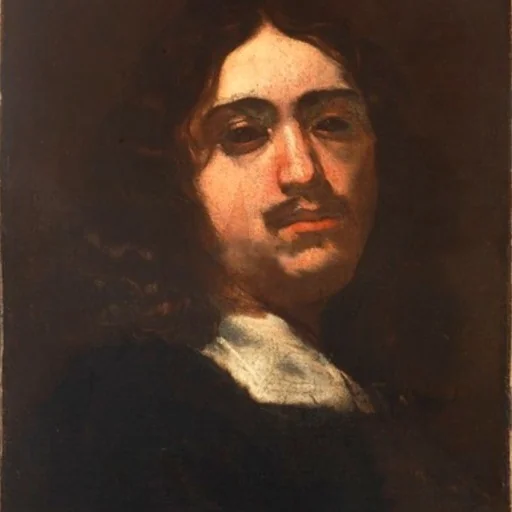
Jusepe de Ribera (Valencian:; baptised 17 February 1591 – 3 November 1652) was a Spanish painter and printmaker.








- Judith
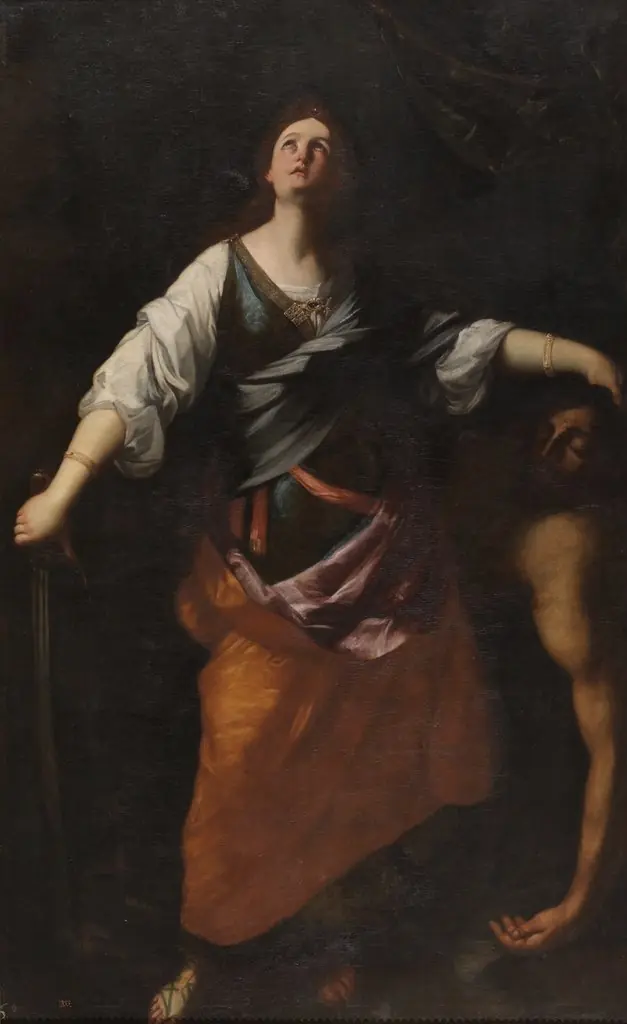 Judit y Holofernes
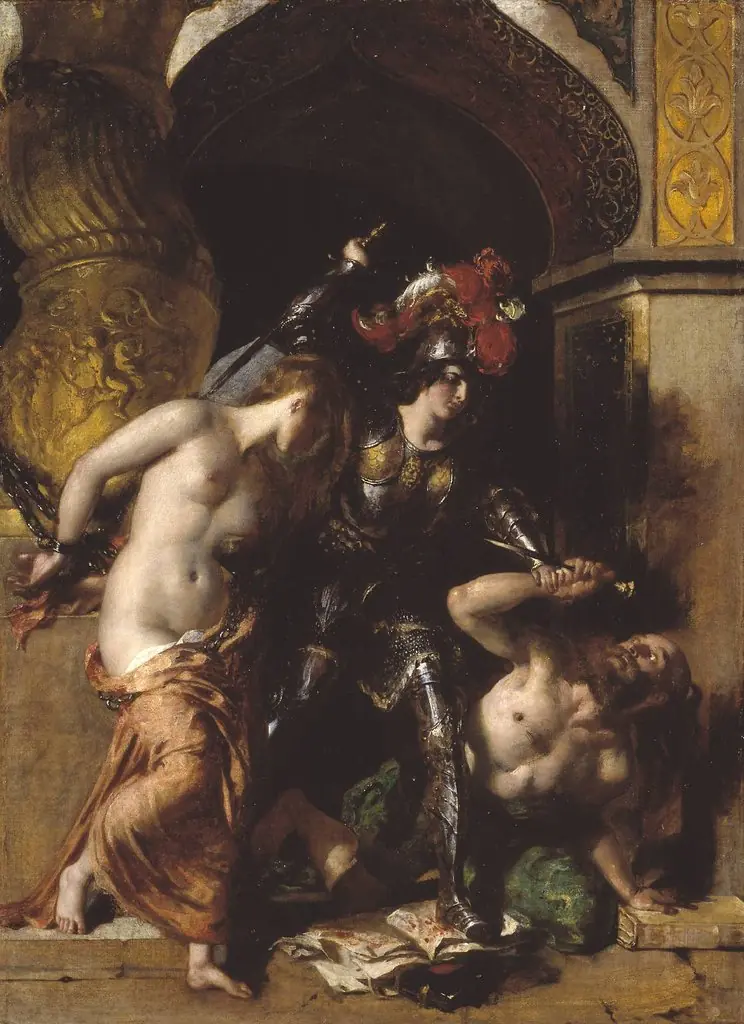 Britomart Redeems Faire Amoret
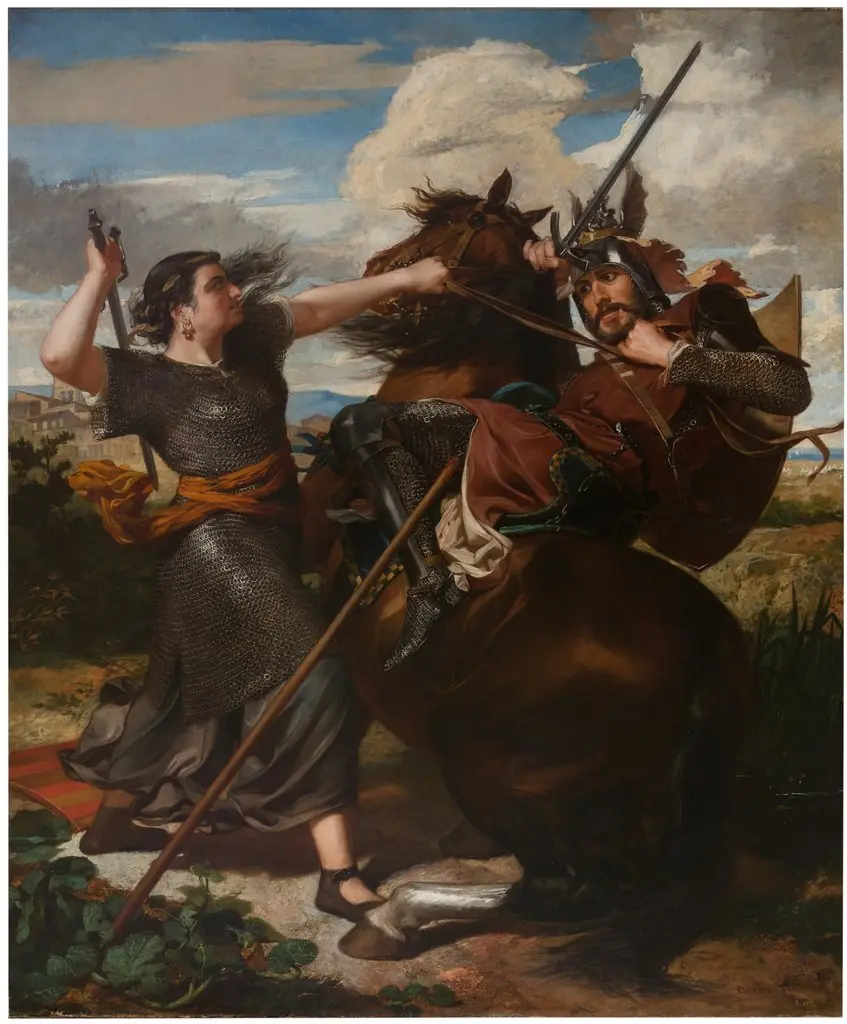 The Heroine of Peralada
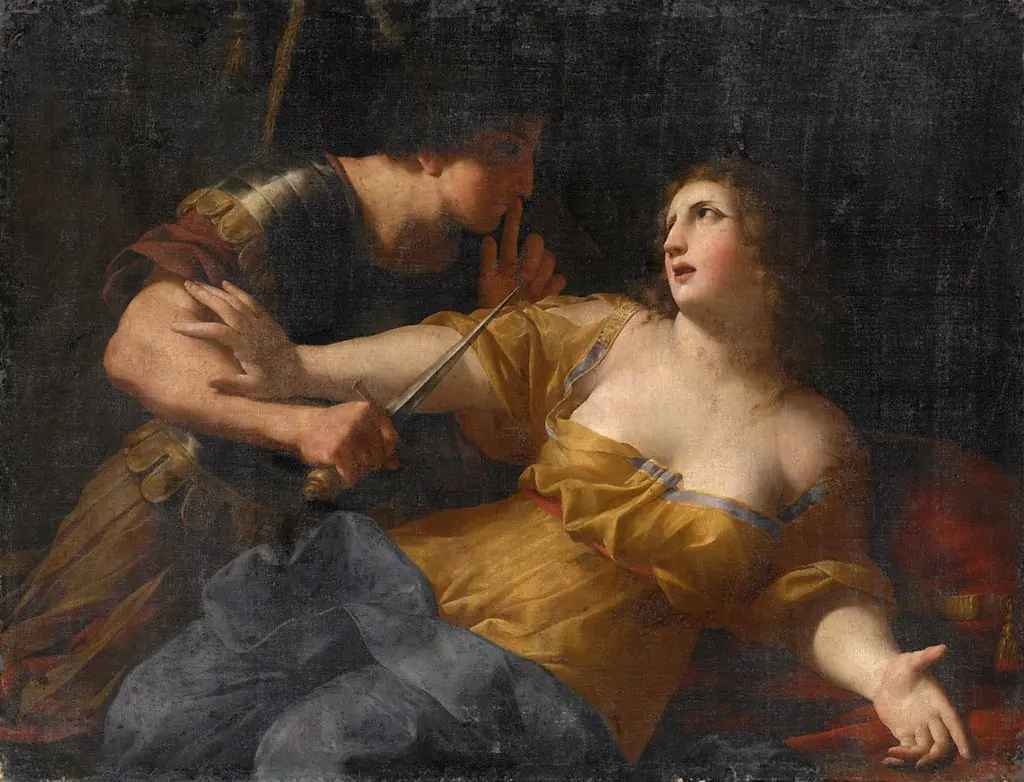 Tarquin and Lucretia
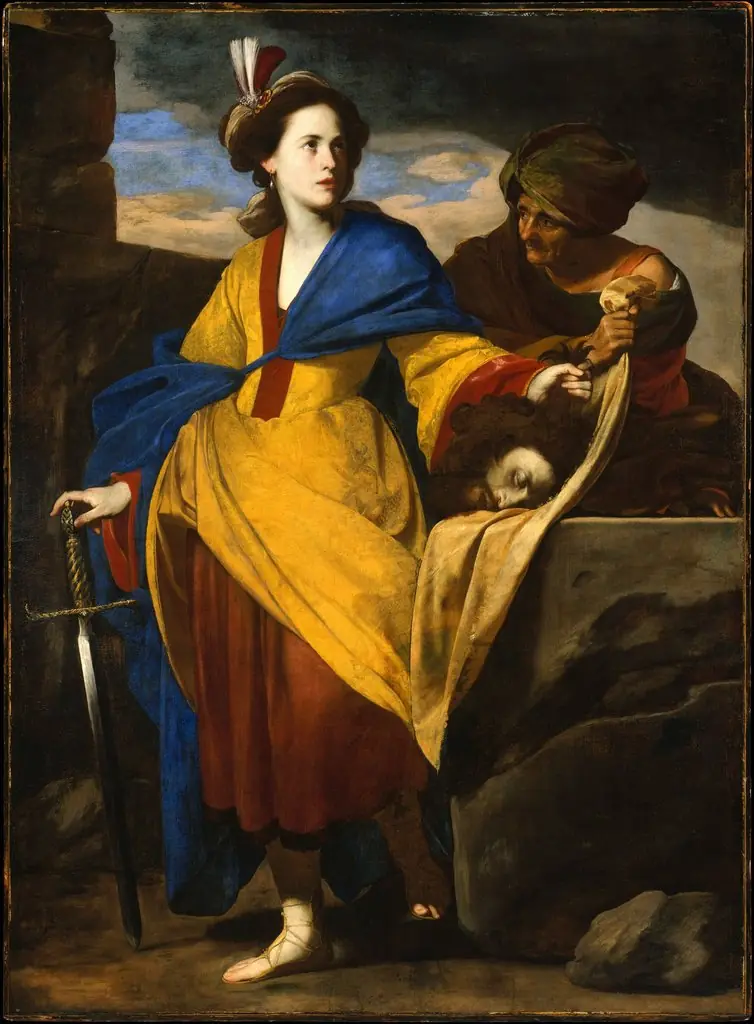 Judith with the Head of Holofernes
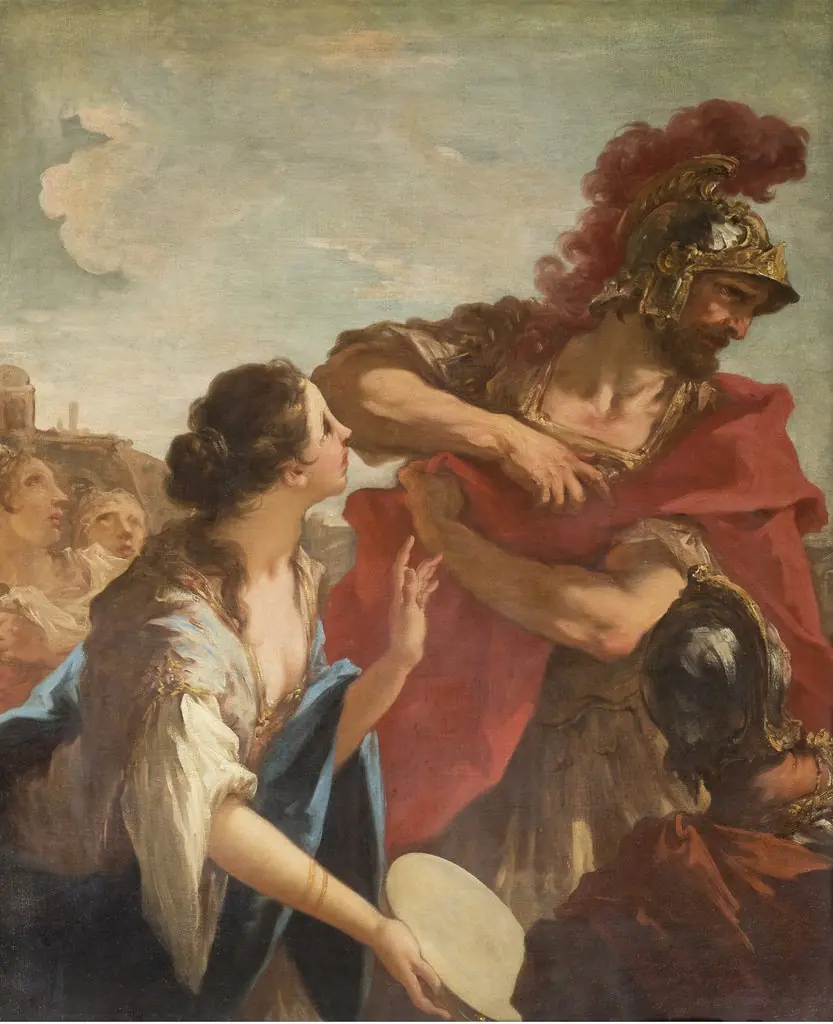 Jephthah returning from Battle is greeted by his Daughter
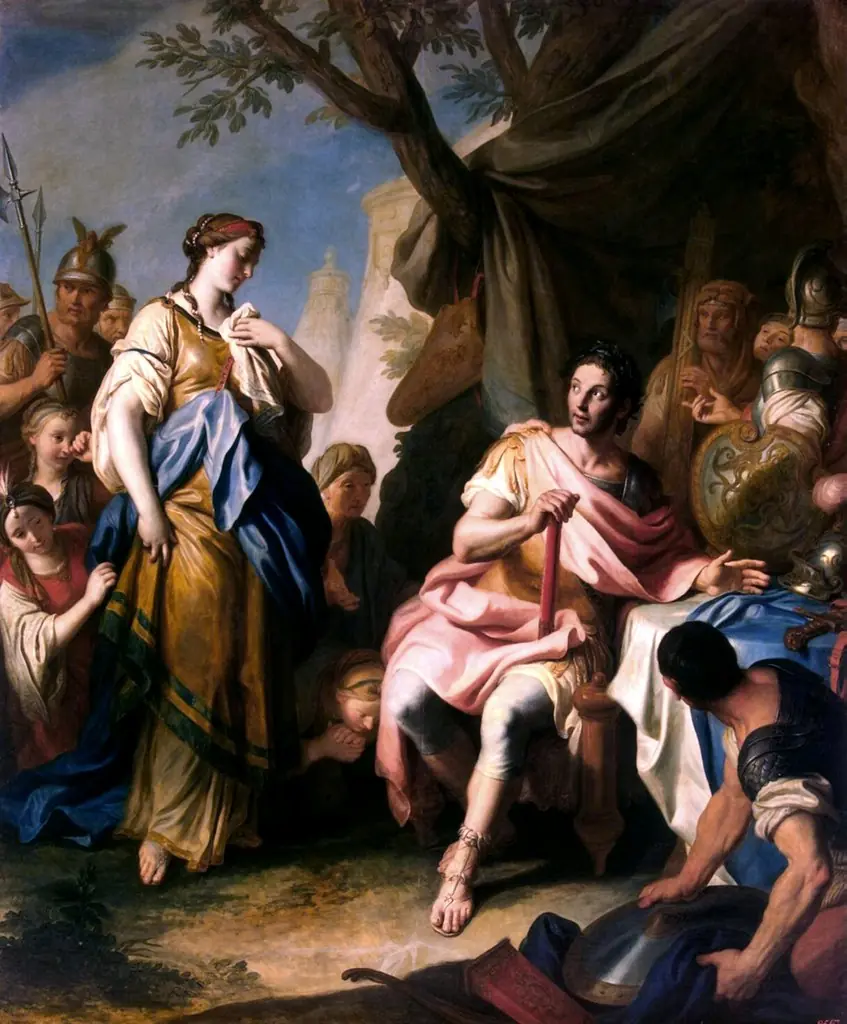 Alexander the Great and Roxana
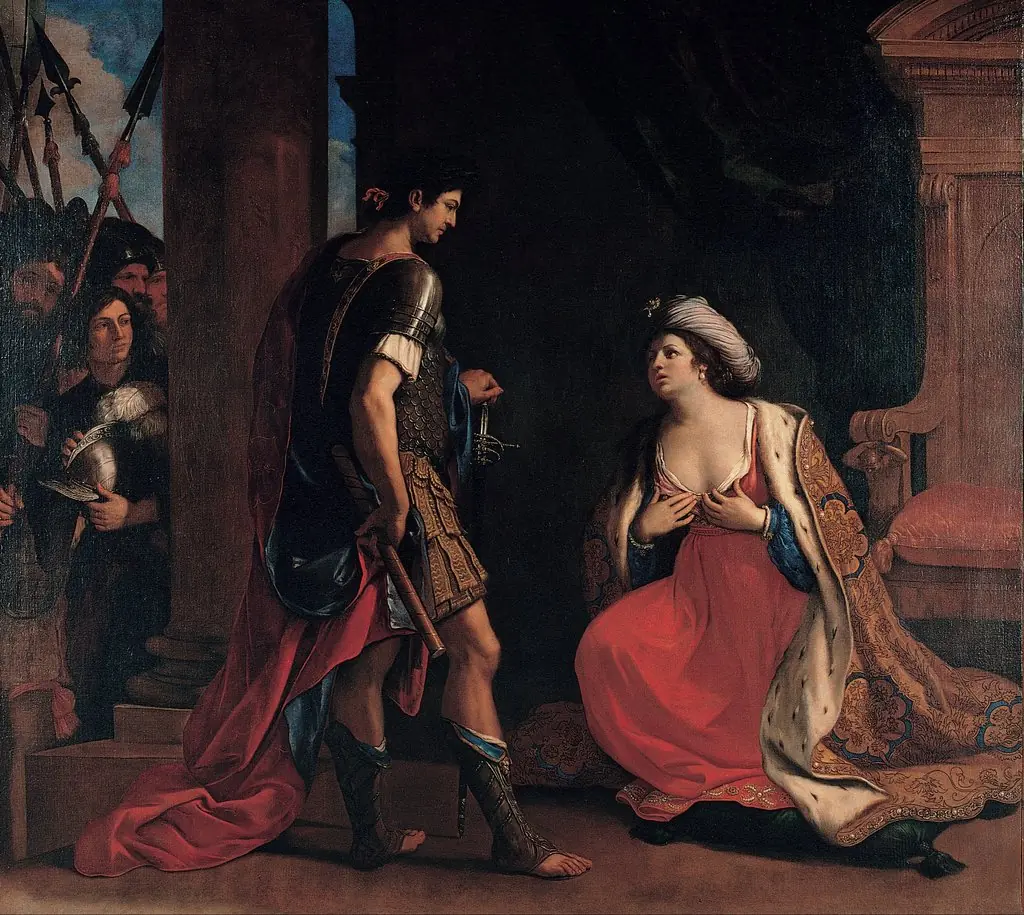 Cleopatra and Octavian
 Triumph of David
 Minerva Victorious over Ignorance
 Judith and the Head of Holofernes