Artwork
The Blind Sculptor
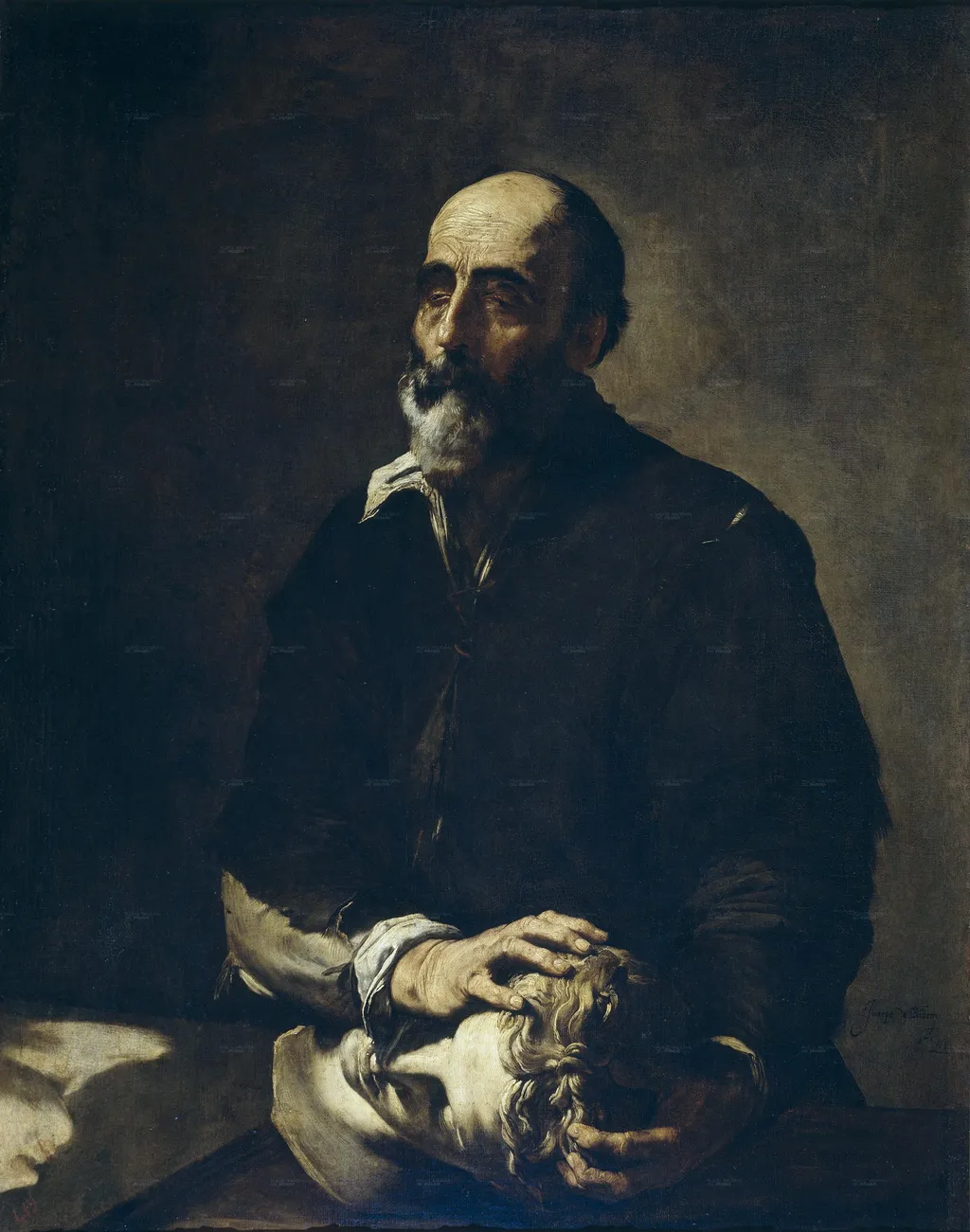
The Blind Sculptor is an oil painting by the Baroque artist Jusepe de Ribera. It dates from 1632 and is held in the collection of the Museo del Prado. Jusep de Ribera’s oil on canvas, dated 1632 and signed by the artist, depicts a blind figure engaged in sculpting.
About this work
This is a painting by Jusepe de Ribera from 1632. It shows a blind man working with clay. The artist signed it and put the year in the corner.
Ribera often painted people with disabilities. This man feels clay with his hands to shape a head. The work traveled from a royal collection to the Prado in 1837.
Check out Jusepe de Ribera next.
Subject & Meaning
The painting depicts a blind man touching the head of a sculpture, traditionally interpreted as an allegory of the sense of touch. It likely belongs to a series representing the five senses, with the figure plausibly modeled on an actual blind individual rather than a specific historical person. The work is housed in the Museo del Prado in Madrid.
Technique & Style
The work is traditionally titled Allegoria del Tatto and is housed in the Museo del Prado in Madrid.
The painting is executed in oil on canvas, measuring 125 cm by 98 cm, and depicts a blind figure feeling the head of a sculpture, likely representing the sense of touch within a series of allegories of the five senses. The composition uses dramatic chiaroscuro reminiscent of Caravaggio, with a dark neutral background and a bright light entering from the left, creating a strong contrast that emphasizes the tactile interaction. The figure’s expression is natural and focused, and the handling of the sculptural form demonstrates Ribera’s mastery of texture and material rendering, a hallmark of his early mature period.
The work is traditionally titled Allegoria del Tatto and is housed in the Museo del Prado in Madrid.
History & Provenance
The Blind Sculptor was painted by Jusepe de Ribera in 1632. The first documented mention of the work appears in a 1764 inventory of the Escorial monastery, after which it entered the collection of the Museo del Prado in 1837. Originally thought to depict the blind sculptor Giovanni Gonnelli, that attribution was later rejected because the figure is clearly older than Gonnelli would have been at the time of painting.
The painting is now understood to represent an allegory of touch, likely part of a series of works on the five senses, and is commonly referred to in Spanish and Italian sources as 'Allegoria del tacto' or 'Allegoria del tatto'.
The Blind Sculptor is held in the collection of the Museo del Prado in Madrid. Its documented history begins with an inventory of the collections at El Escorial recorded in 1764, though one source cites a 1734 mention. The painting was transferred to the Prado in 1837, where it remains.
While traditionally identified as a portrait of the sculptor Giovanni Gonnelli, this attribution has been rejected due to the age discrepancy between the subject and the artist at the time of execution. Current scholarship suggests the work functions as an Allegory of Touch, potentially part of a series representing the five senses. No specific exhibition history outside of its permanent collection status is detailed in the provided records.
Context
Scholarly consensus has shifted regarding the identity of the figure in this 1632 work. While traditionally titled The Blind Man of Gambazzo under the assumption it portrayed the sculptor Giovanni Gonnelli, this theory is now rejected because the subject appears significantly older than Gonnelli would have been at the time. Alternative interpretations suggest a depiction of the philosopher Carneades recognizing Pan through touch, though the painting is most widely accepted today as an Allegory of Touch, likely intended as part of a series representing the five senses.
Art historians regard the piece as a defining achievement of Ribera's early maturity, often comparing its significance to his Archimedes held in the same collection. The composition exemplifies the artist's mastery of Caravaggesque tenebrism, utilizing stark lighting against a neutral background to highlight the naturalistic expression and the delicate tactile interaction between the blind man and the sculpture.
Overview
Jusep de Ribera’s oil on canvas, dated 1632 and signed by the artist, depicts a blind figure engaged in sculpting. The work entered the Prado Museum in 1837 after being listed in an El Escorial inventory of 1764. Its provenance before the 18th‑century record remains undocumented.
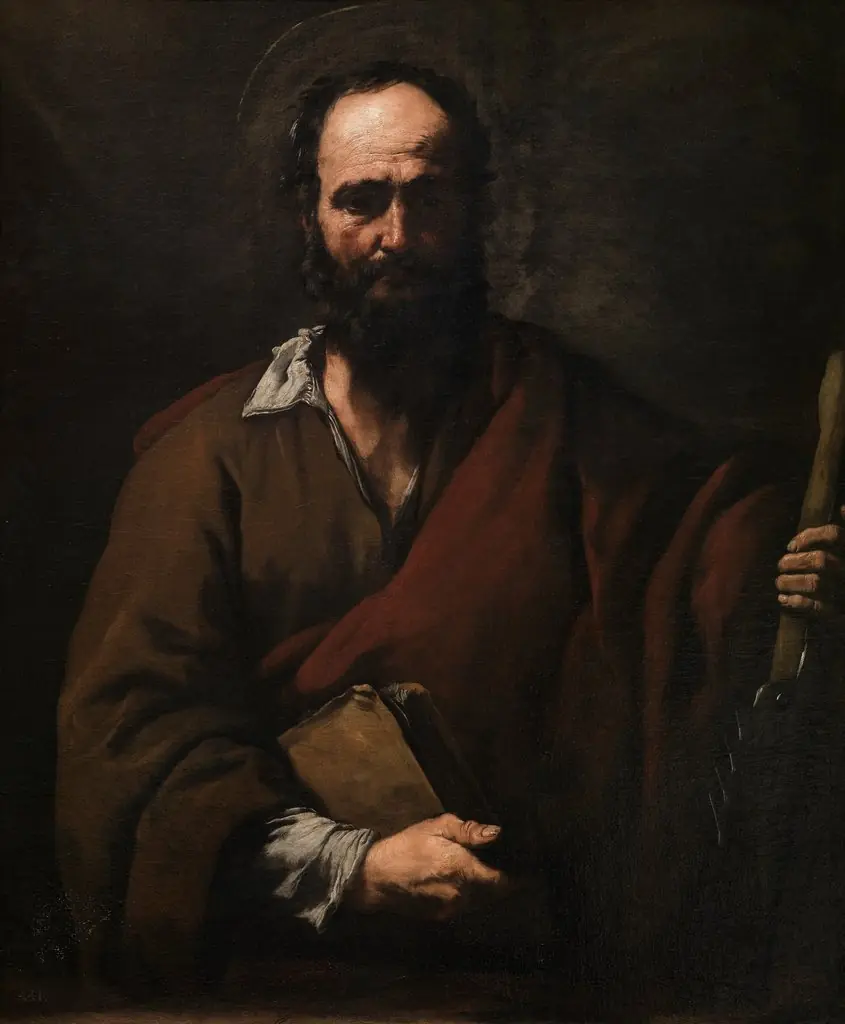
Own this work as a print
Artist & collection
Artist
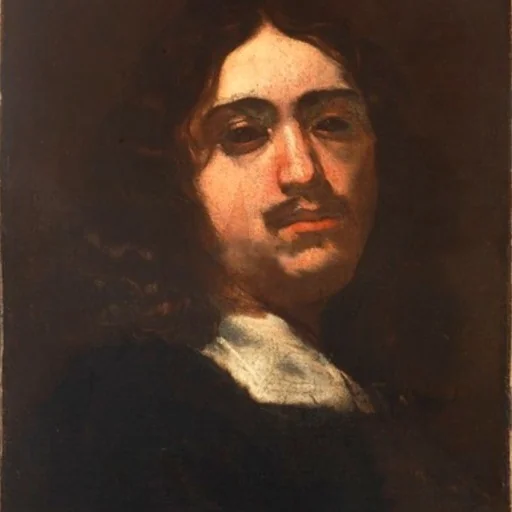
Jusepe de Ribera (Valencian:; baptised 17 February 1591 – 3 November 1652) was a Spanish painter and printmaker.

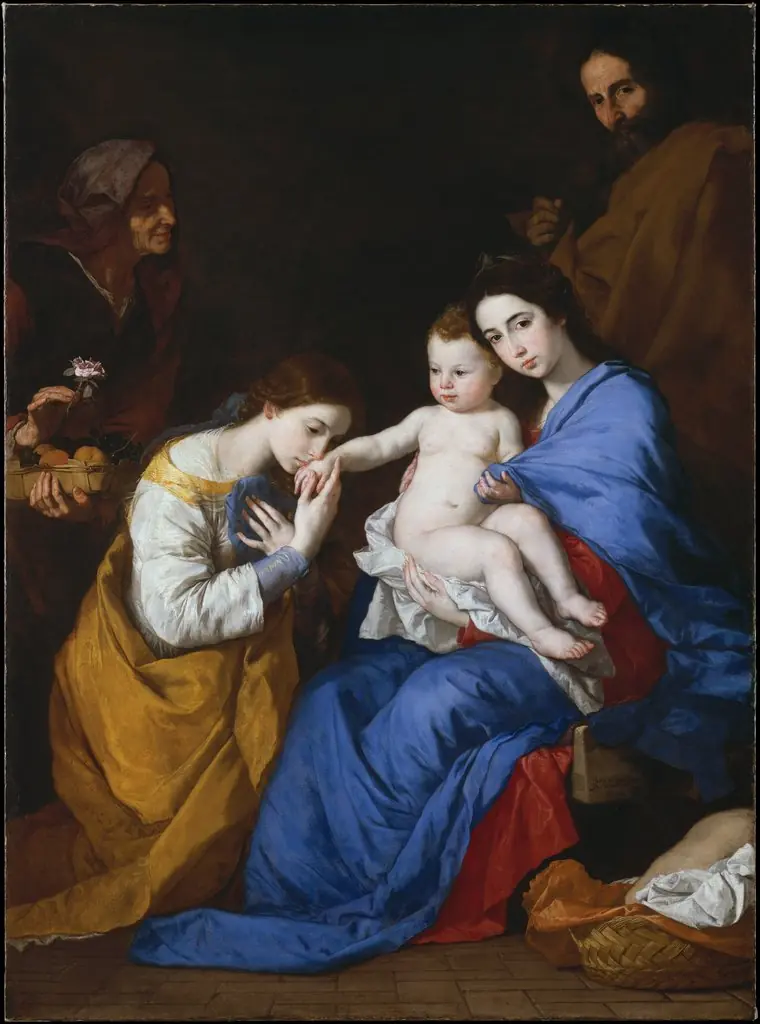
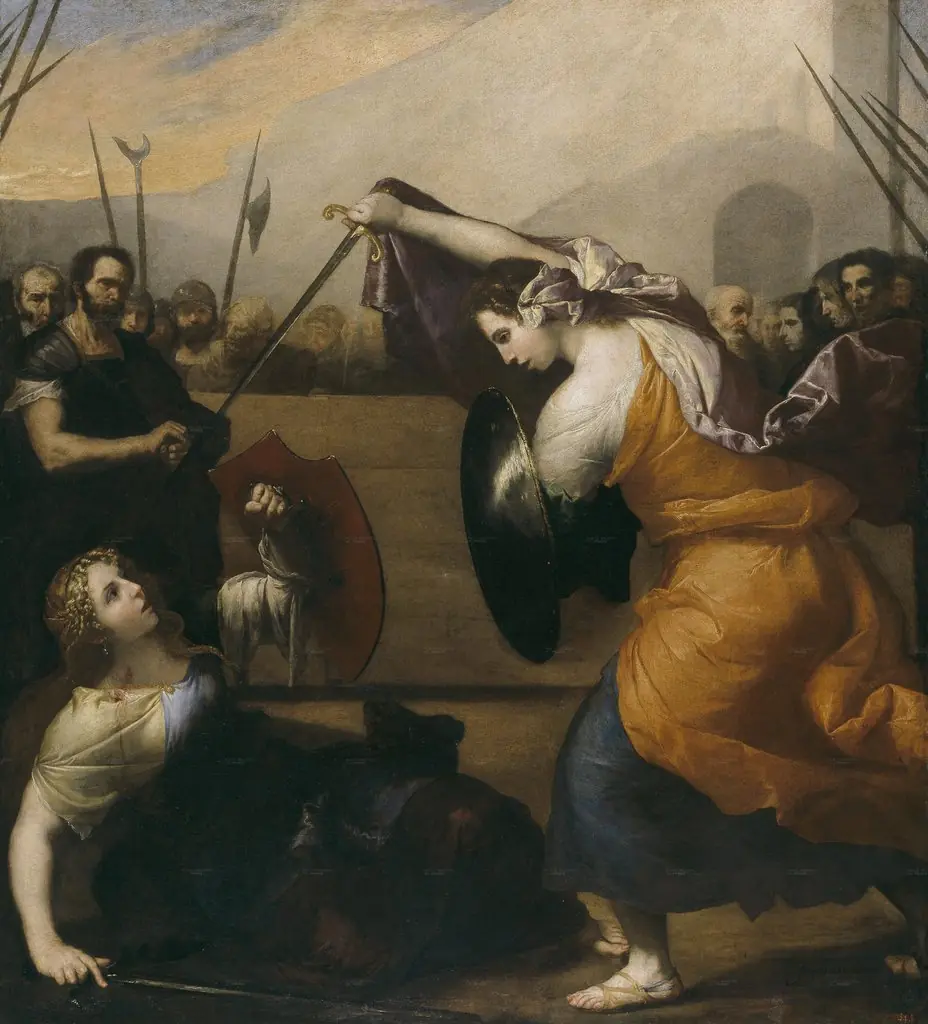
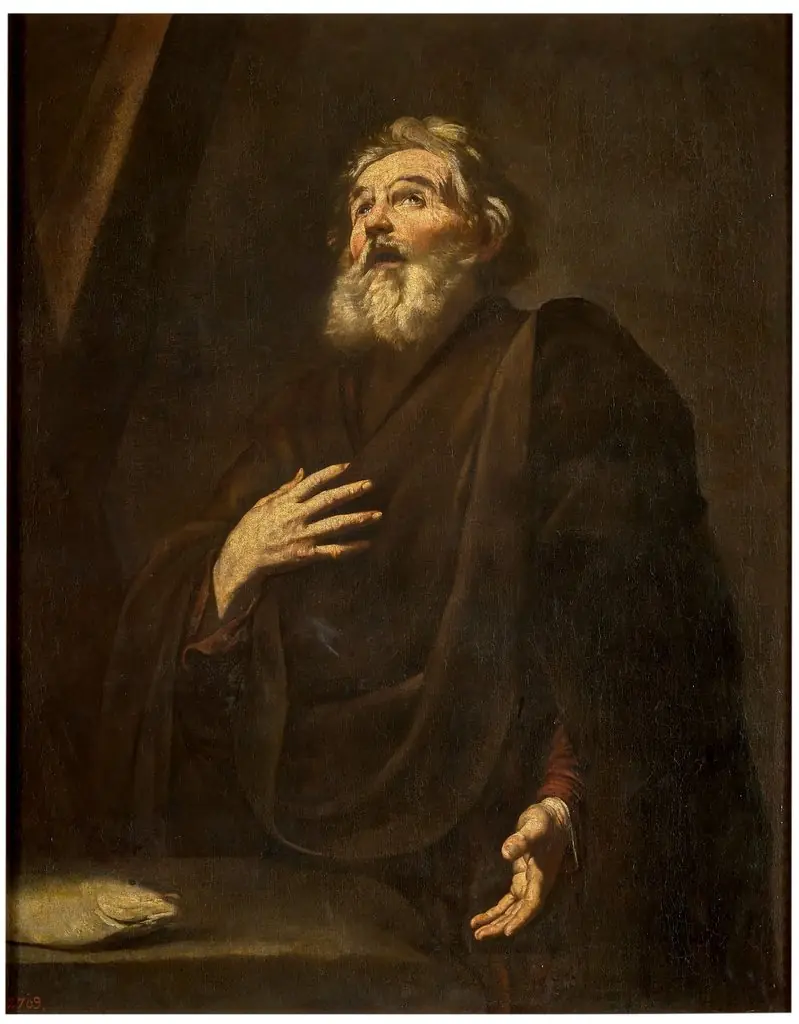
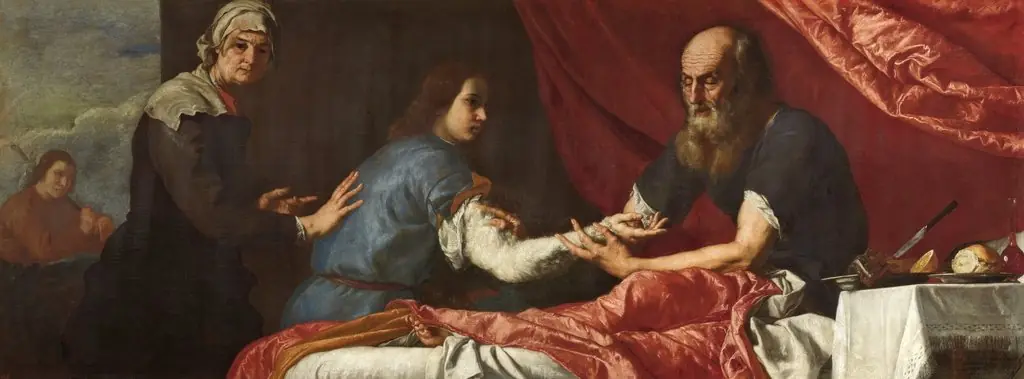
- Saint Simon
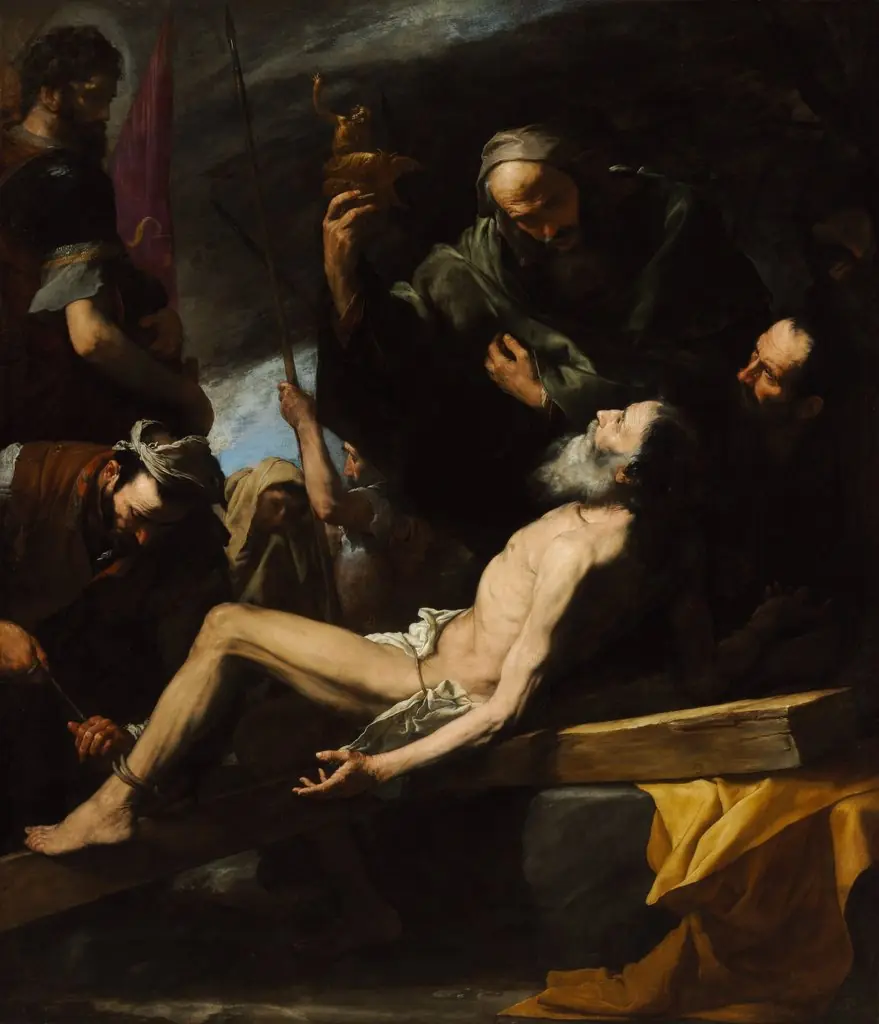 Martyrdom of Saint Andrew
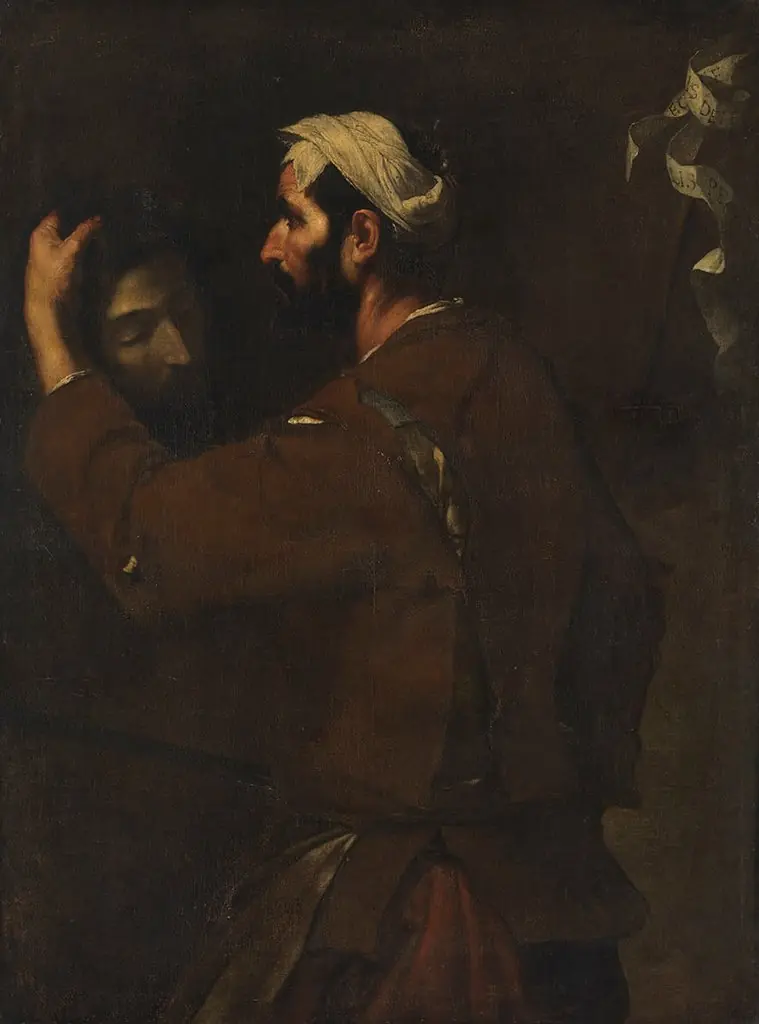 Der Henker mit dem Haupte Johannes des Täufers (Nachahmer)
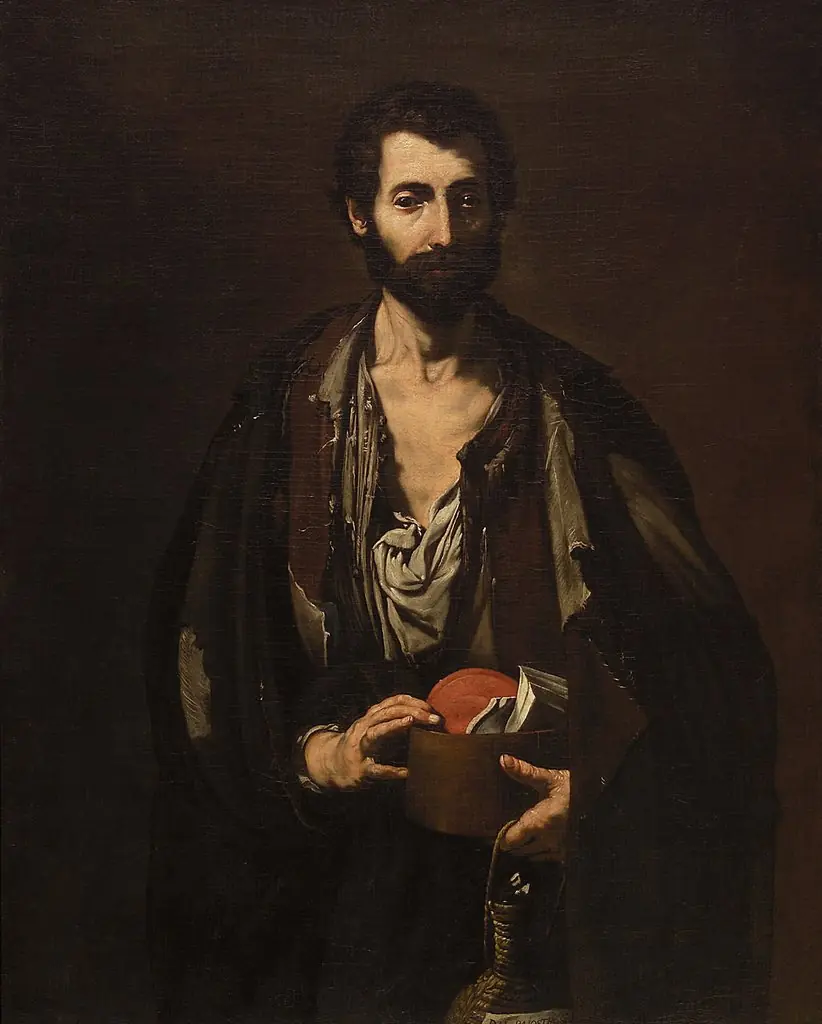 Bettler
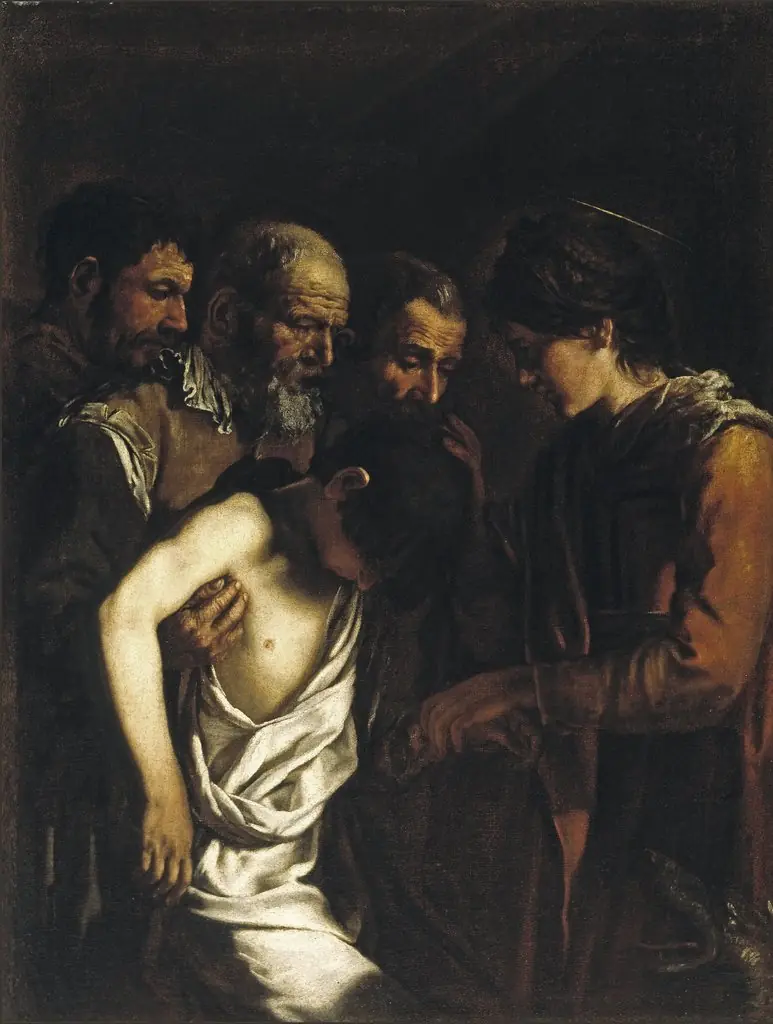 Saint Margaret Resurrecting a Young Man
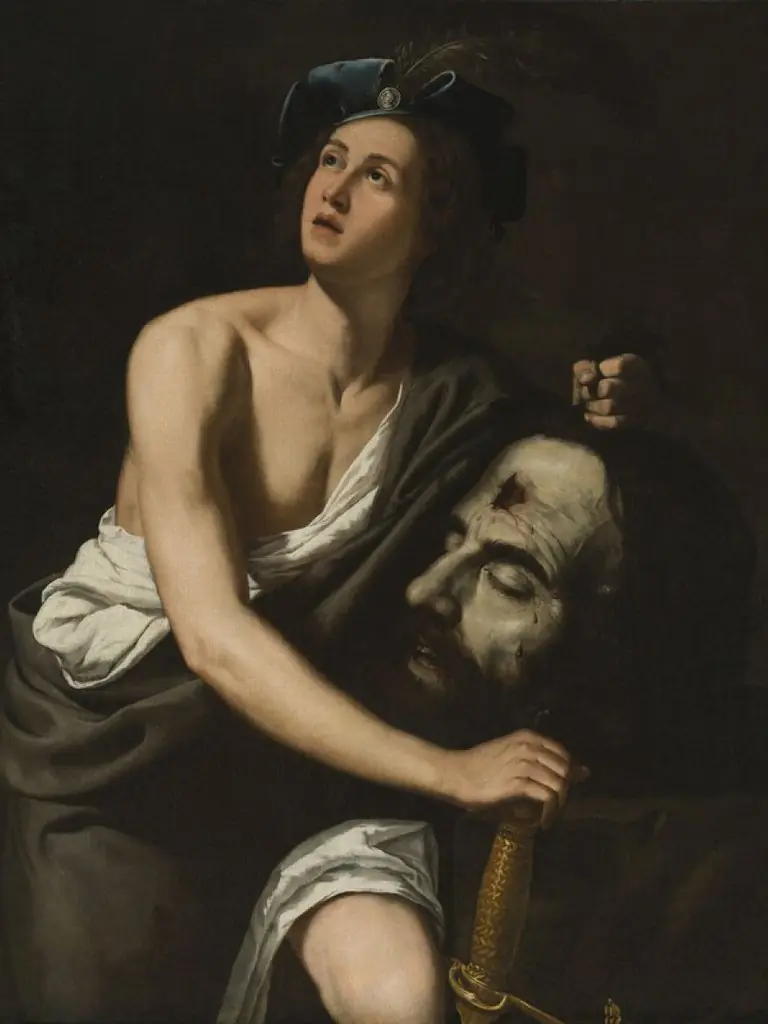 David avec la tête de Goliath
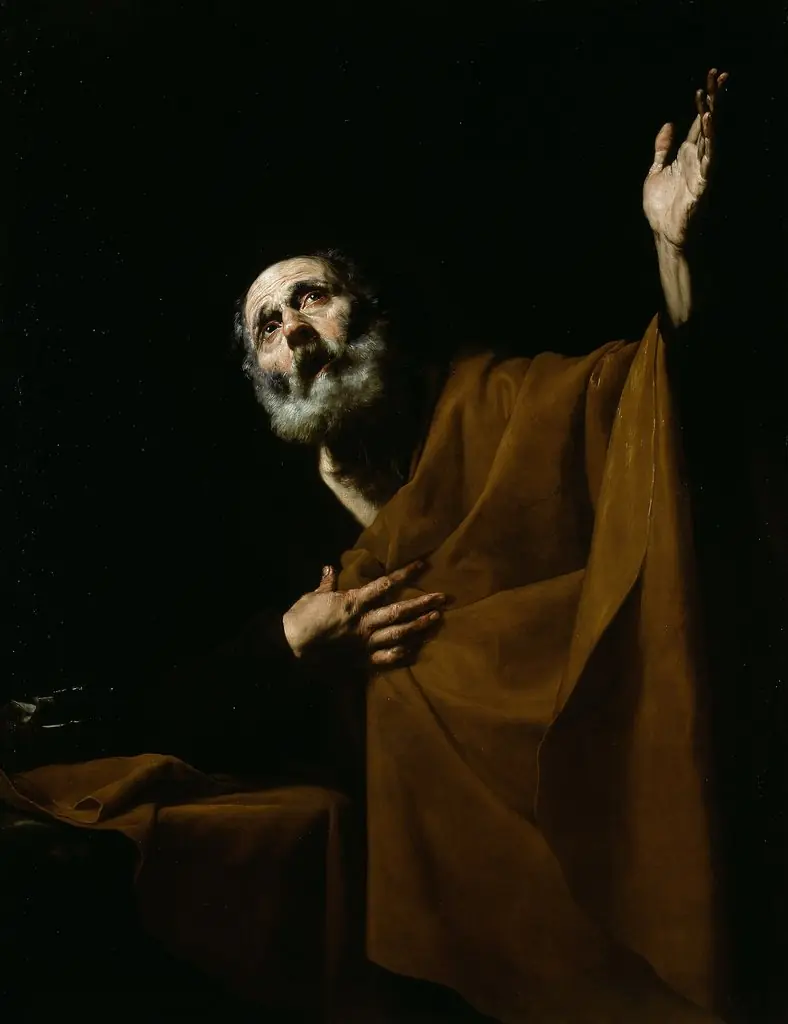 Penitent Saint Peter
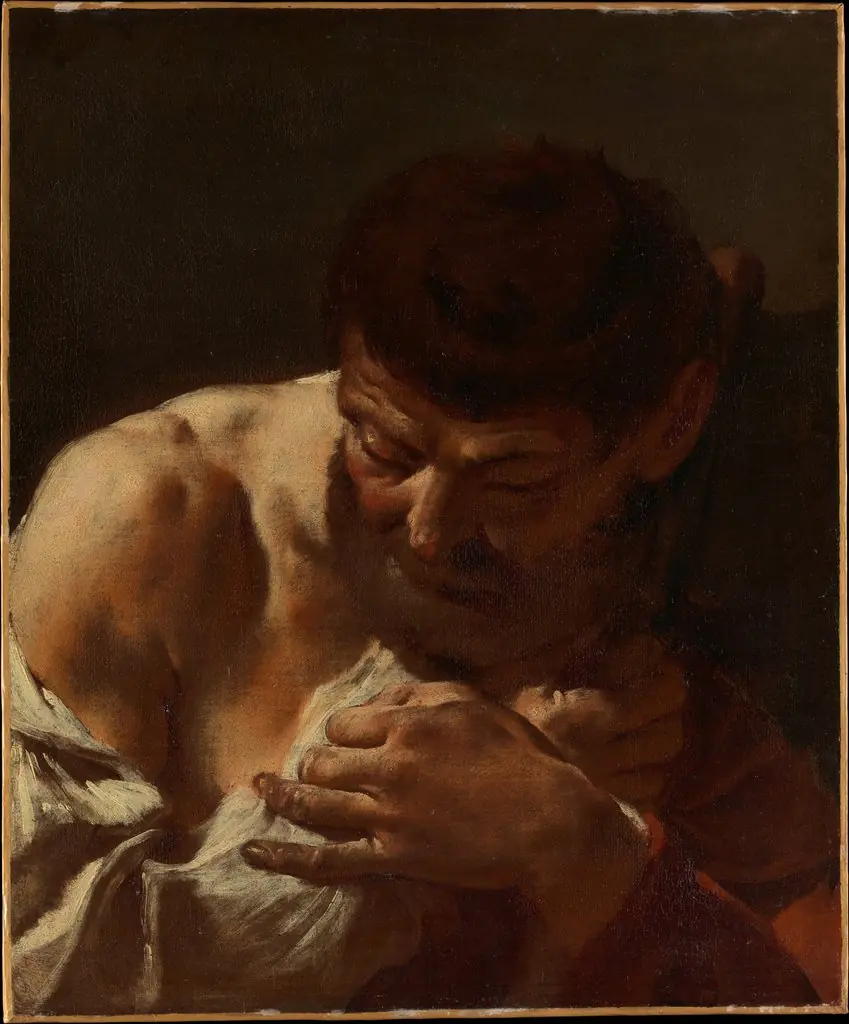 Bust of a Man (Saint Matthias?)
 Remorseful Saint Peter
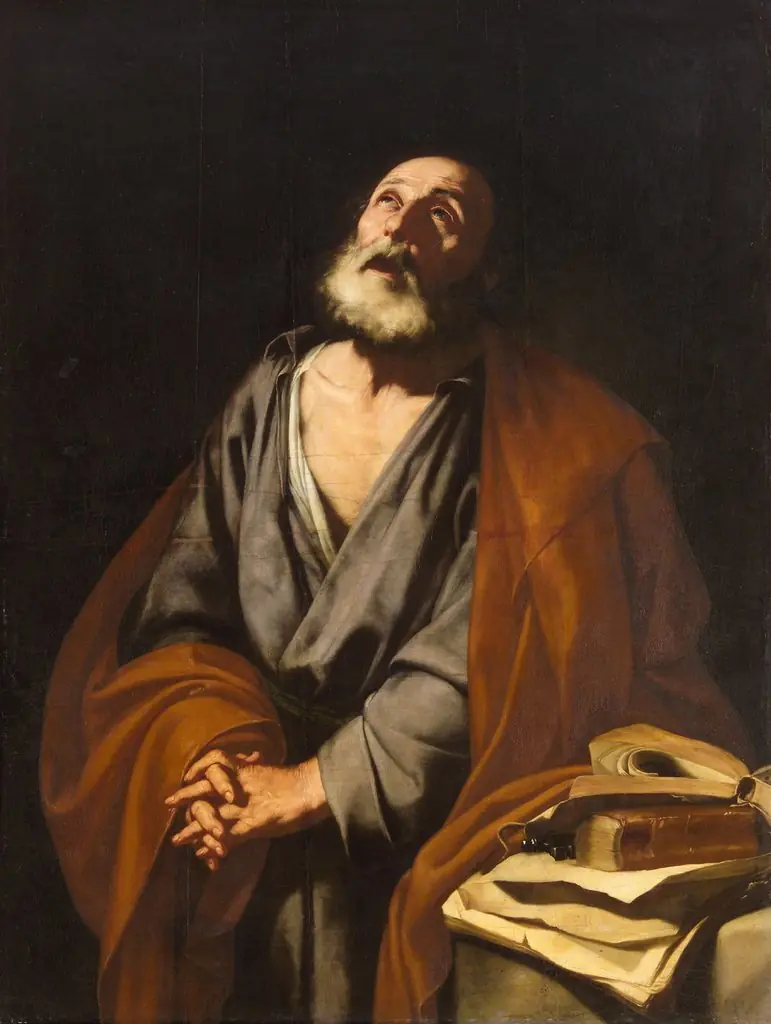 Penitent St. Peter
 The Denial of Saint Peter
 Portrait of a Sculptor