Artwork
La emperatriz Isabel de Portugal mujer de Carlos V
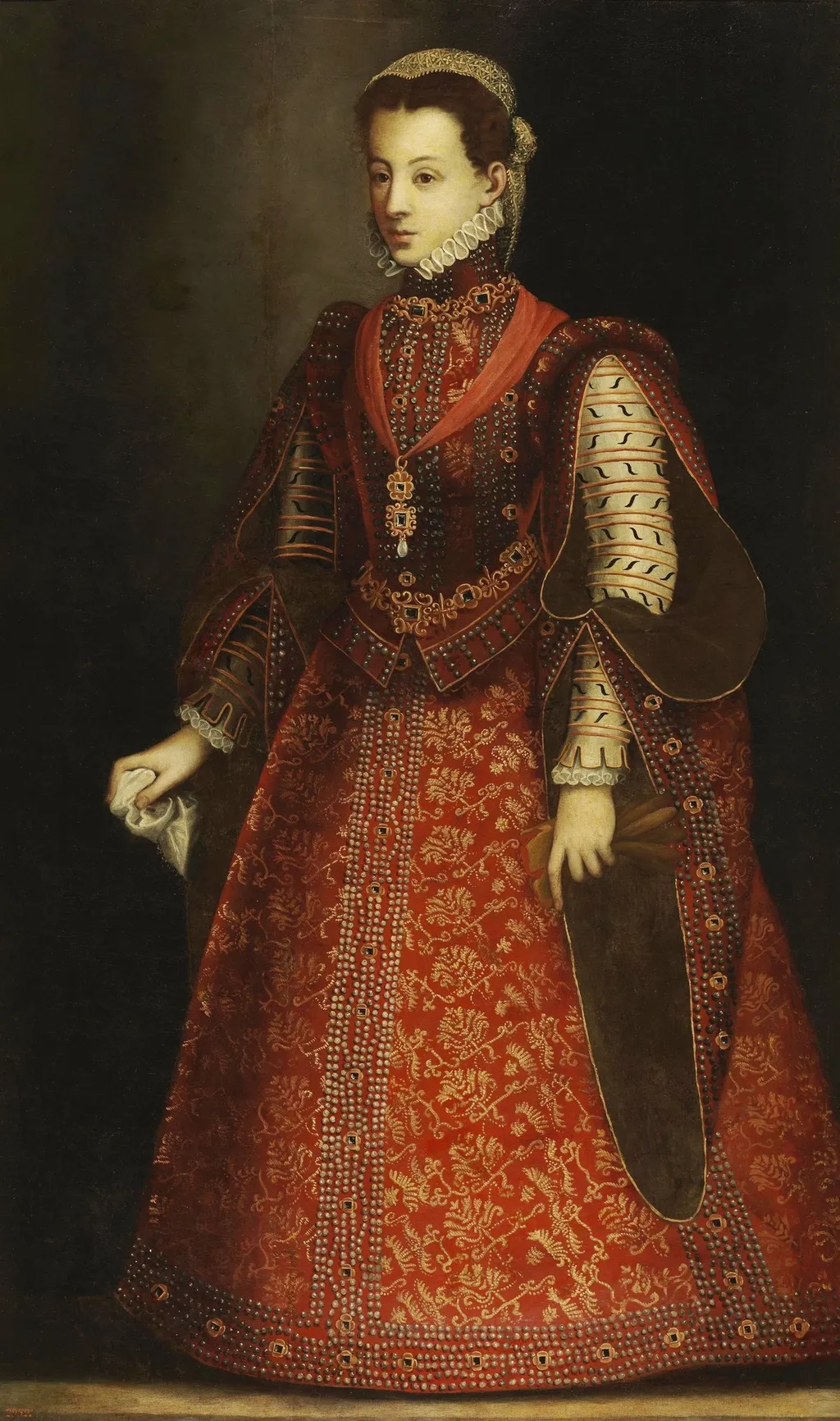
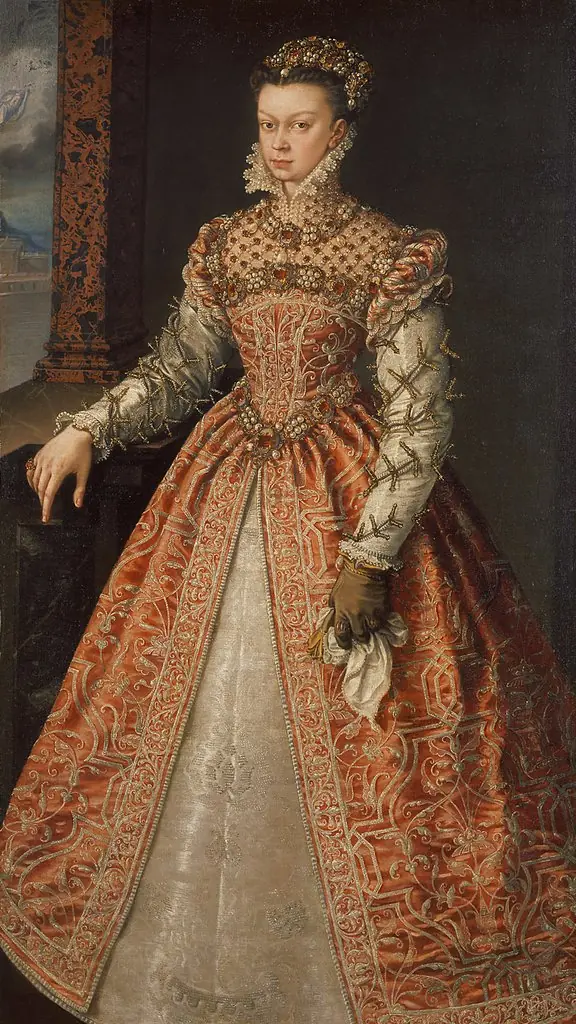
La emperatriz Isabel de Portugal mujer de Carlos V is an oil painting by the Northern Renaissance artist Unknown. It dates from 1501 and is held in the collection of the Museo del Prado. This portrait is an oil painting depicting a young woman in formal attire, conveying wealth and status through intricate details.
About this work
Subject & Meaning
The iconography includes the depiction of a gemstone, which serves as a specific symbolic element within the composition.
The work is a portrait depicting Isabella of Portugal, the wife of Emperor Charles V. As an anonymous painting from 1501, it functions primarily as a formal representation of the Empress. The iconography includes the depiction of a gemstone, which serves as a specific symbolic element within the composition. Held in the Museo del Prado, the portrait utilizes oil paint on canvas to capture the likeness of the royal subject.
Technique & Style
Executed in oil paint on canvas, this portrait measures 205 cm in height and 123 cm in width. The work is classified as a painting within the portrait genre. Stylistically, the composition includes the depiction of a gemstone as a specific visual element within the subject's representation.
History & Provenance
The painting titled La emperatriz Isabel de Portugal mujer de Carlos V was created in 1501. The work is executed in oil paint on canvas and measures 205 cm in height by 123 cm in width. Although one record attributes the piece to an anonymous artist, it is currently held in the collection of the Museo del Prado, where it remains located.
The portrait depicts the Empress Isabella of Portugal and includes representations of gemstones. No further details regarding the original commission, specific ownership history prior to its museum acquisition, or the identity of the creator are provided in the available records.
Context
The painting La emperatriz Isabel de Portugal mujer de Carlos V portrays a Spanish Habsburg royal consort as an imperial figure, reflecting the political symbolism embedded in early 16th-century portraiture. Its representation of a gemstone and formal composition align with contemporary depictions of elite femininity and authority in European court culture. Executed in oil on canvas, the work measures 205 cm by 123 cm and is housed in the Museo del Prado, where it has been part of the collection since at least the early 20th century.
Scholars have examined its stylistic links to Iberian Renaissance portraiture and its role in legitimizing Habsburg authority through visual representation.
Legacy
The portrait was once attributed to Titian but is now recognized as the work of an anonymous artist, a shift that has shaped its scholarly reception. Its presence in the Museo del Prado’s collection has ensured continued public visibility, while the depiction of a gemstone in the sitter’s hand remains a distinctive detail noted in catalogues. Contemporary assessments emphasize the painting’s role in illustrating early 16th‑century royal iconography rather than any direct influence on later artistic movements.
Overview
This portrait is an oil painting depicting a young woman in formal attire, conveying wealth and status through intricate details.
Artist & collection









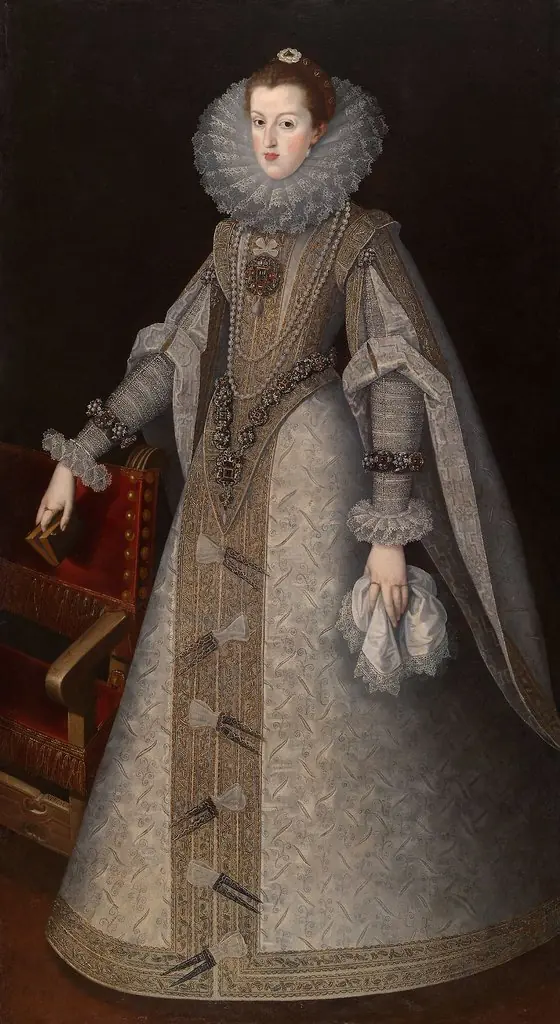
- Queen Margaret of Spain
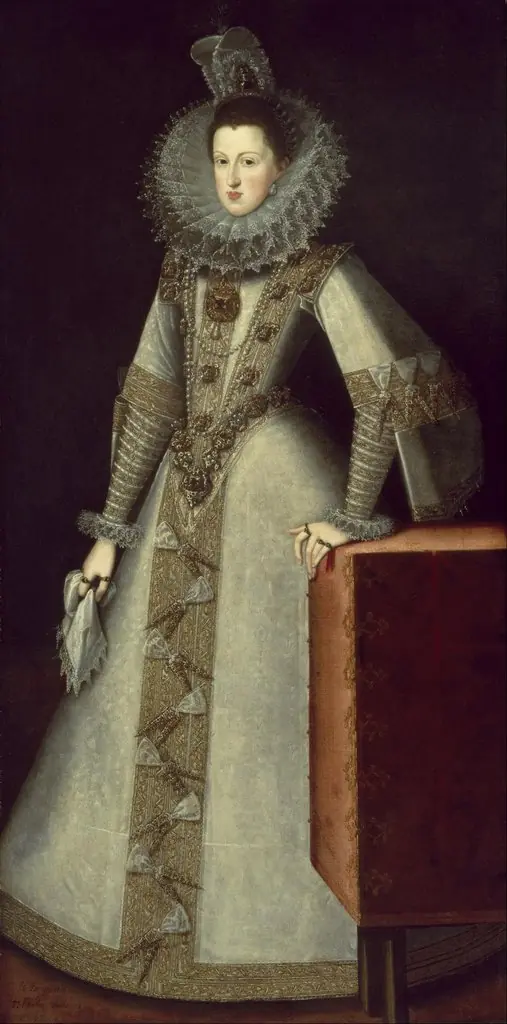 Margaret of Austria, Queen of Spain
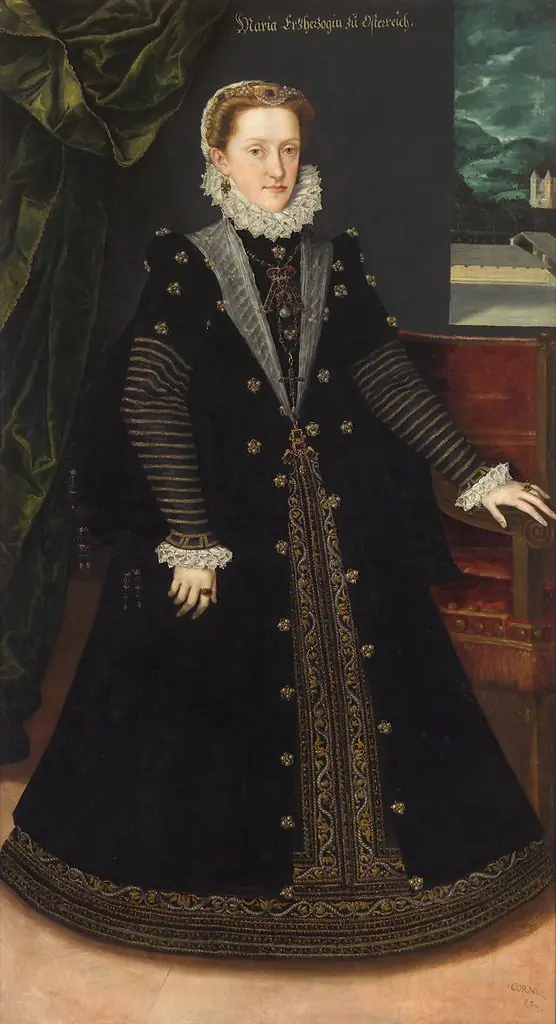 Portrait of Archduchess Mary Anna of Bavaria
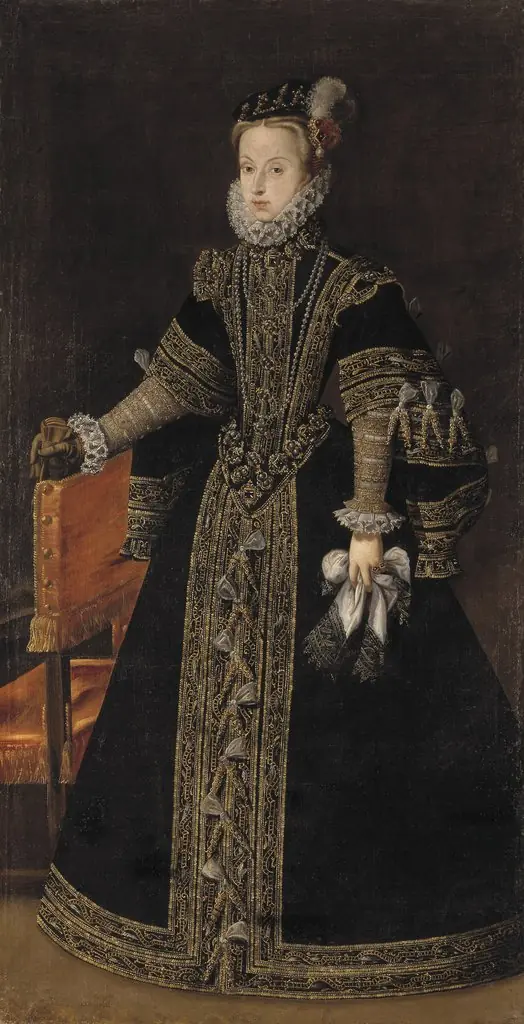 Anna Maria, 1549-1580, ärkehertiginna
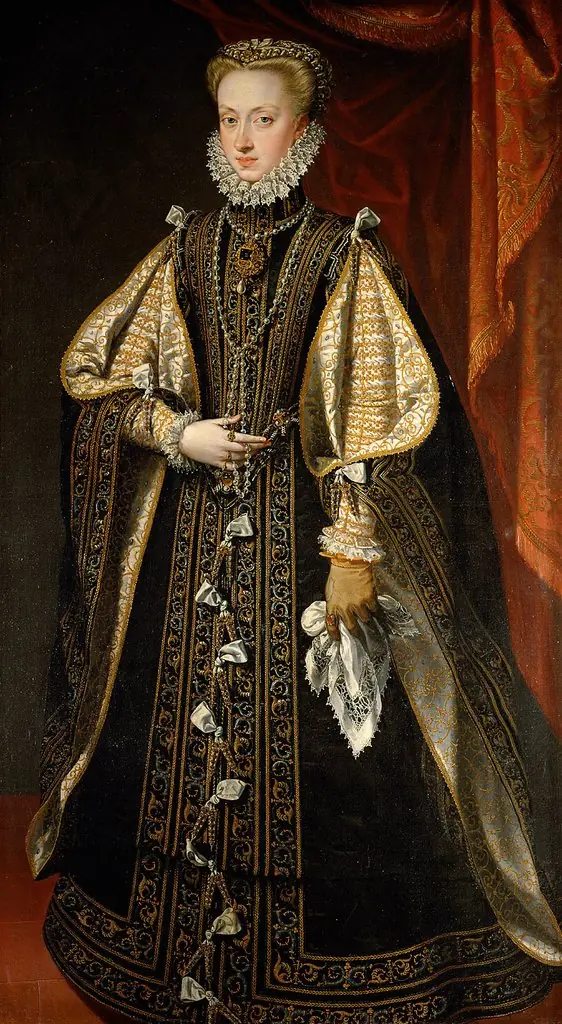 Anna of Austria, Queen of Spain (1549-1580)
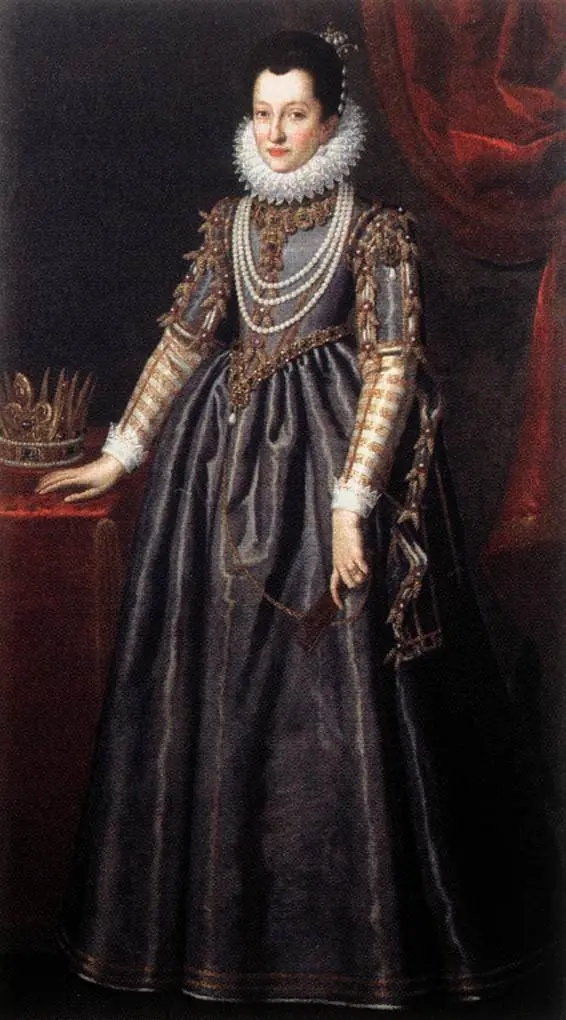 Portrait of Christine of Lorraine
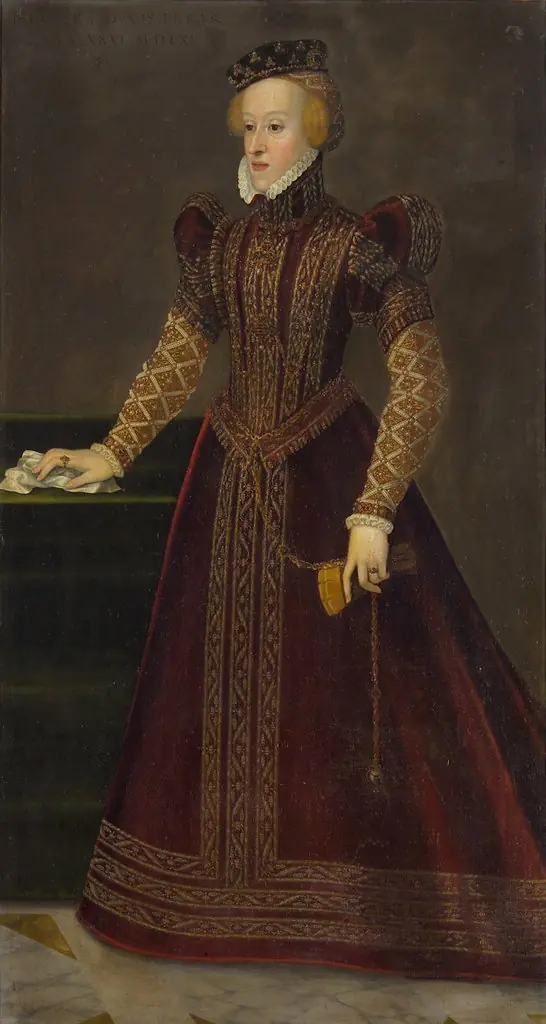 Erzherzogin Barbara (1539-1572), Herzogin von Ferrara in ganzer Figur
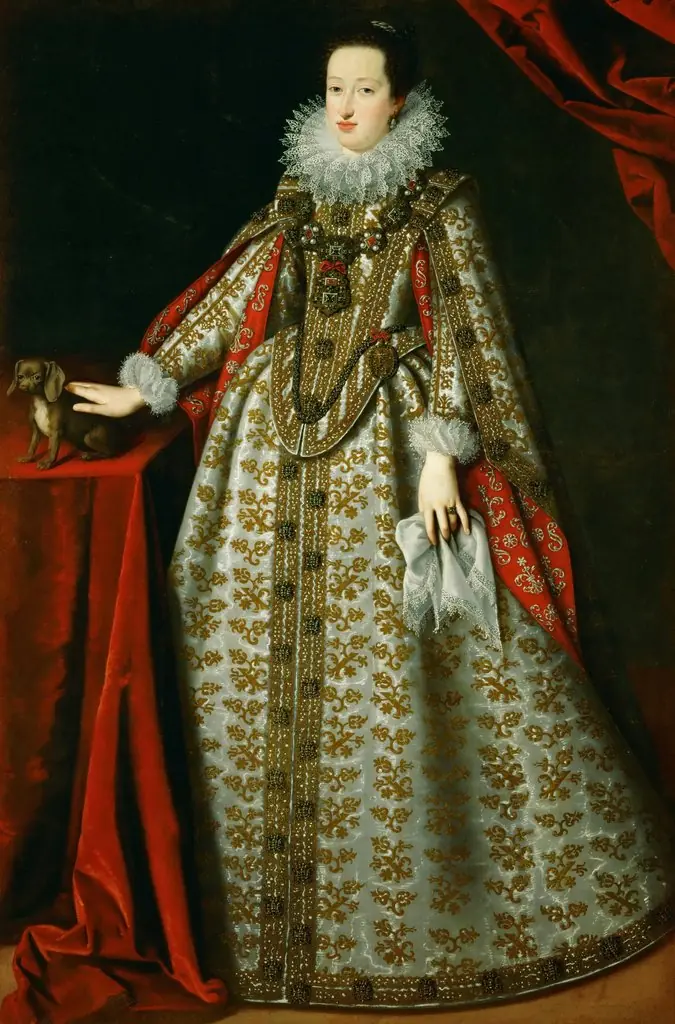 Portrait of Eleonore von Gonzaga (1598-1655), wife of Ferdinand II
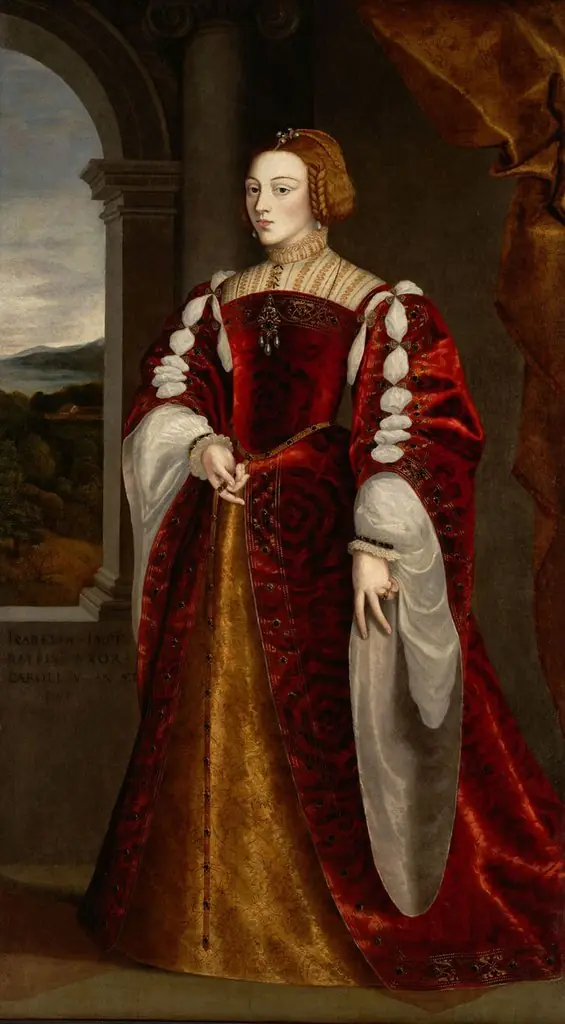 Isabella of Portugal (1503-1539), Holy Roman Empress
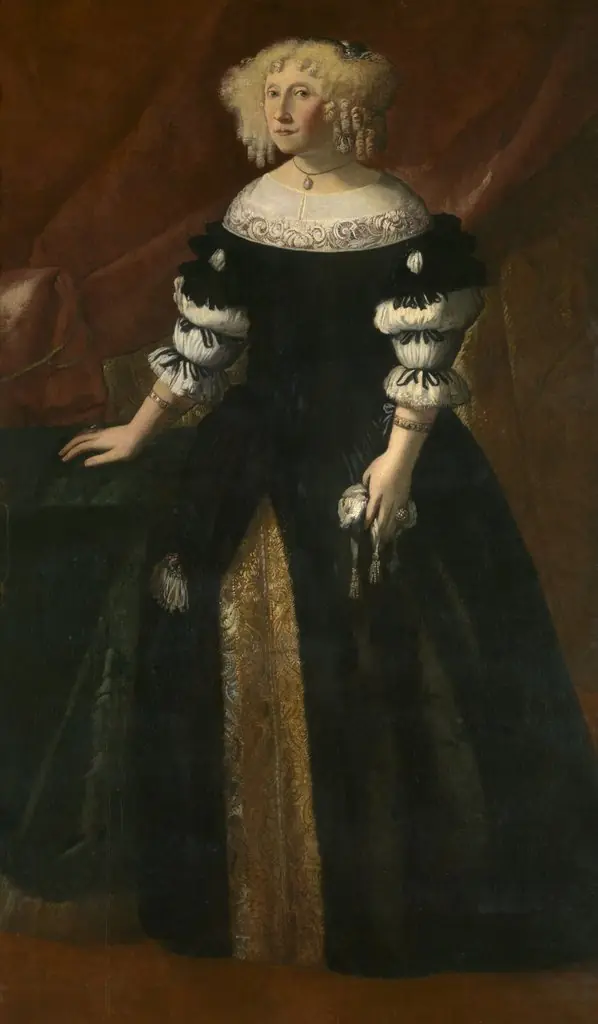 Portrait of a Woman
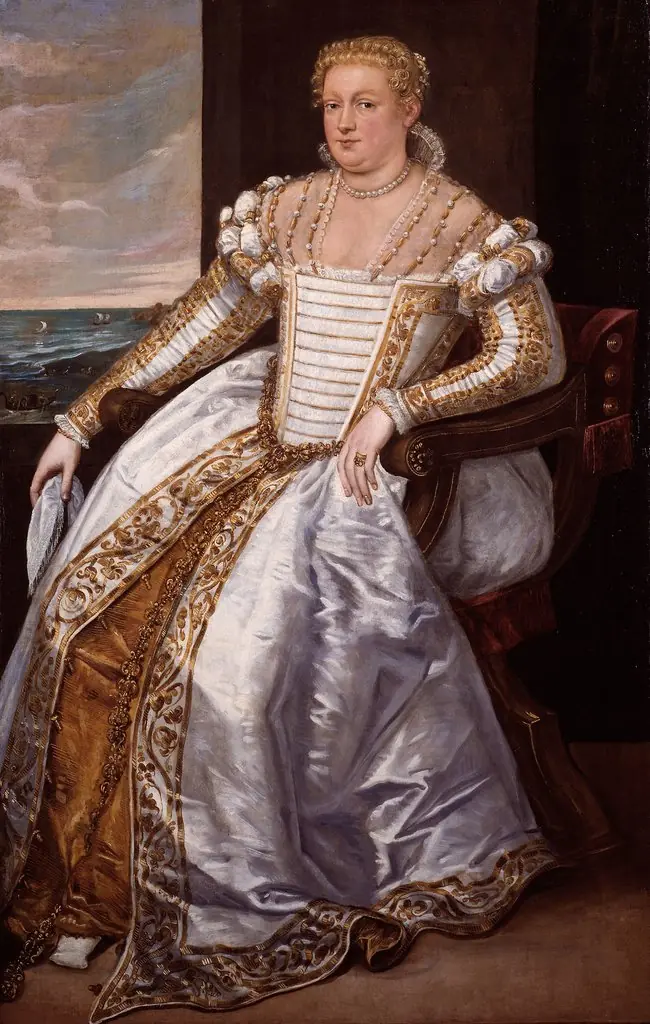 Portrait of a Lady
 Portrait of Elisabeth of Valois (1545-1568), Queen of Spain