Artwork
Spring and Autumn Farming (Autumn)
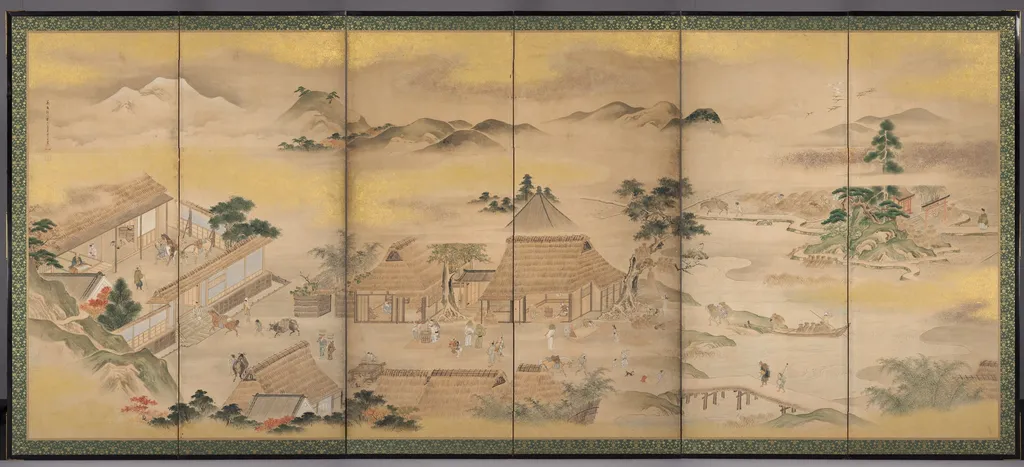
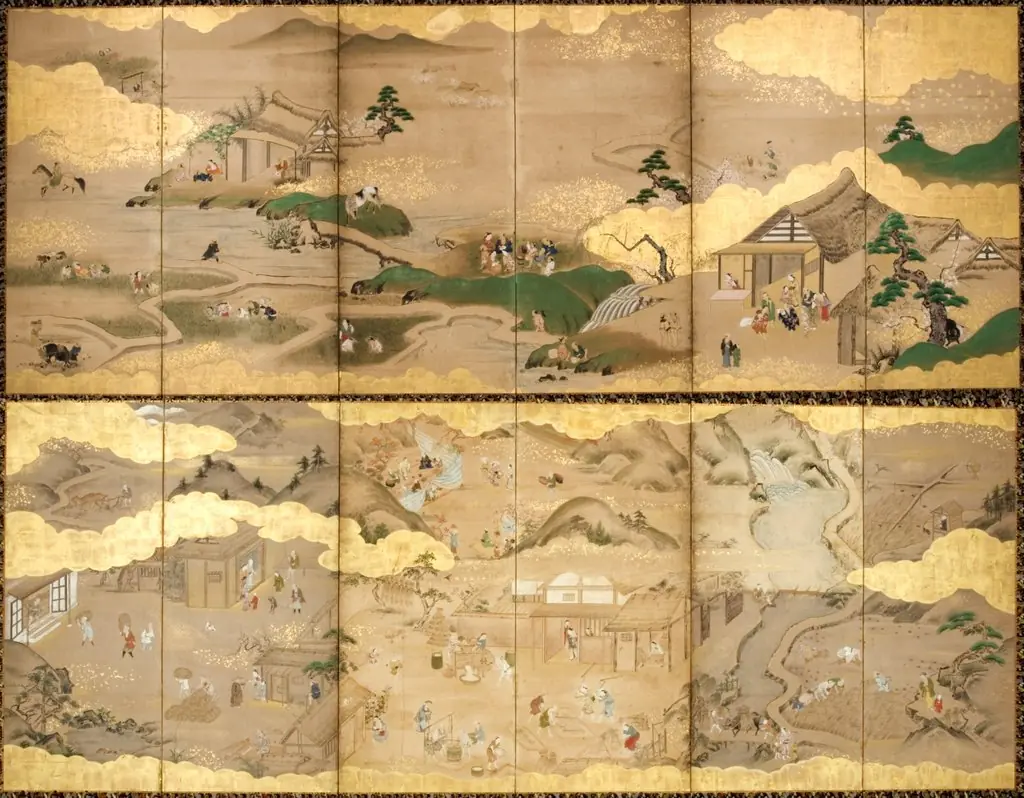
Spring and Autumn Farming (Autumn) is an unspecified painting by the Nanga artist Kō Sūkoku. It dates from 1774 and is held in the collection of the Cleveland Museum of Art.
About this work
History & Provenance
Spring and Autumn Farming (Autumn) is held by the Cleveland Museum of Art, where it is part of the museum's collection.
The painting was created in 1774 in Japan by Kō Sūkoku. It entered the collection of the Cleveland Museum of Art, where it remains on view in the Japanese art galleries. The work is catalogued in the museum's records as accession 2012.72.2 and is listed in the CMA's online database under its full title Spring and Autumn Farming (Autumn).
Spring and Autumn Farming (Autumn) is held by the Cleveland Museum of Art, where it is part of the museum's collection. The work is catalogued under accession number 2012.72.2, as indicated by the Wikidata identifier associated with the painting. Created in 1774 in Japan by Kō Sūkoku, the painting has entered the Cleveland Museum of Art's holdings, though the provided sources do not detail the circumstances of its acquisition or its specific exhibition history at the institution.
Overview
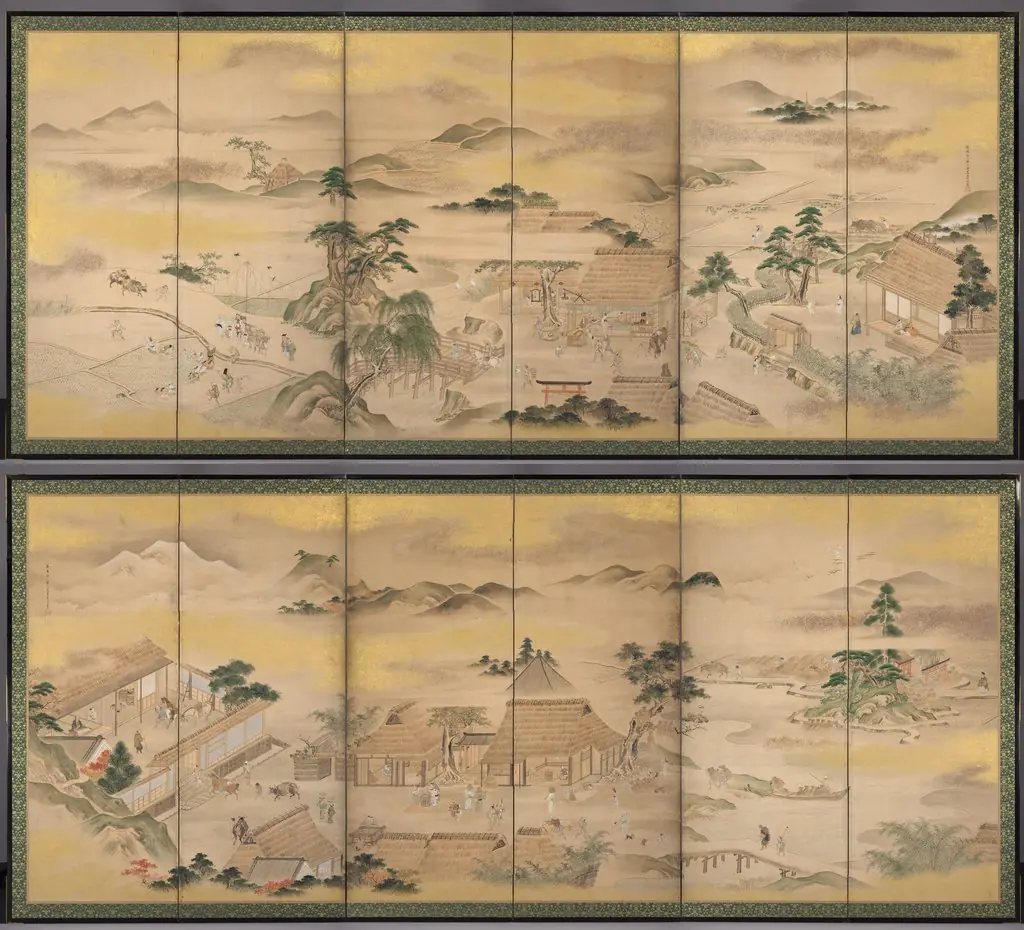
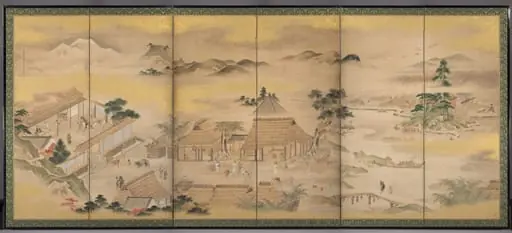
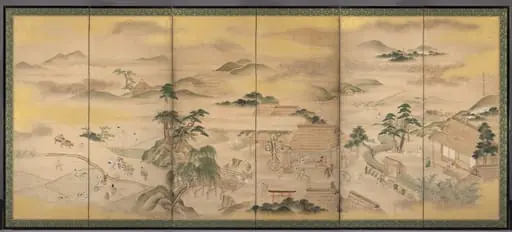
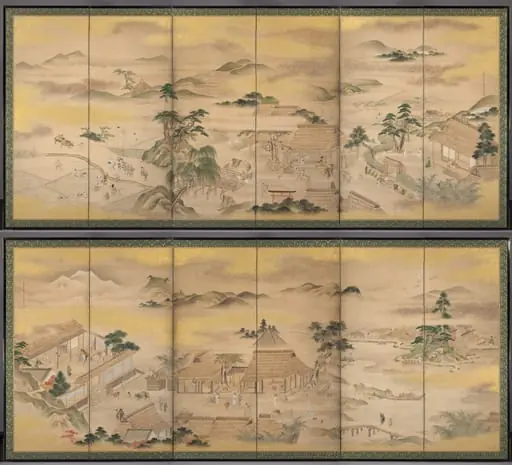
Created in 1774 by the Japanese painter Kō Sūkoku, this work titled Spring and Autumn Farming (Autumn) is part of the collection at the Cleveland Museum of Art. The composition presents a rural tableau rendered in muted earth tones, primarily browns and yellows, that convey the seasonal atmosphere of an autumnal countryside.
Subject & Meaning
The scene depicts villagers engaged in various agricultural tasks, tilling fields, carrying loads, and conversing, set against a backdrop of modest dwellings and distant mountains. The inclusion of everyday labor emphasizes the rhythm of seasonal work and community life in an Edo‑period village.
Technique & Style
Executed in a traditional Japanese painting style, the piece employs delicate brushwork to delineate figures and architecture while using broader washes for the landscape. The restrained palette and careful attention to detail reflect the artist’s skill in balancing narrative content with aesthetic restraint.
Context
Kō Sūkoku was active during a period when genre paintings portraying rural life were popular in Japan, offering viewers a glimpse into the seasonal cycles that governed agrarian society. This work aligns with that tradition, illustrating the interplay between human activity and the natural environment.
Artist & collection