Artwork
Iwai Hanshiro IV as Murasame or Matsukaze
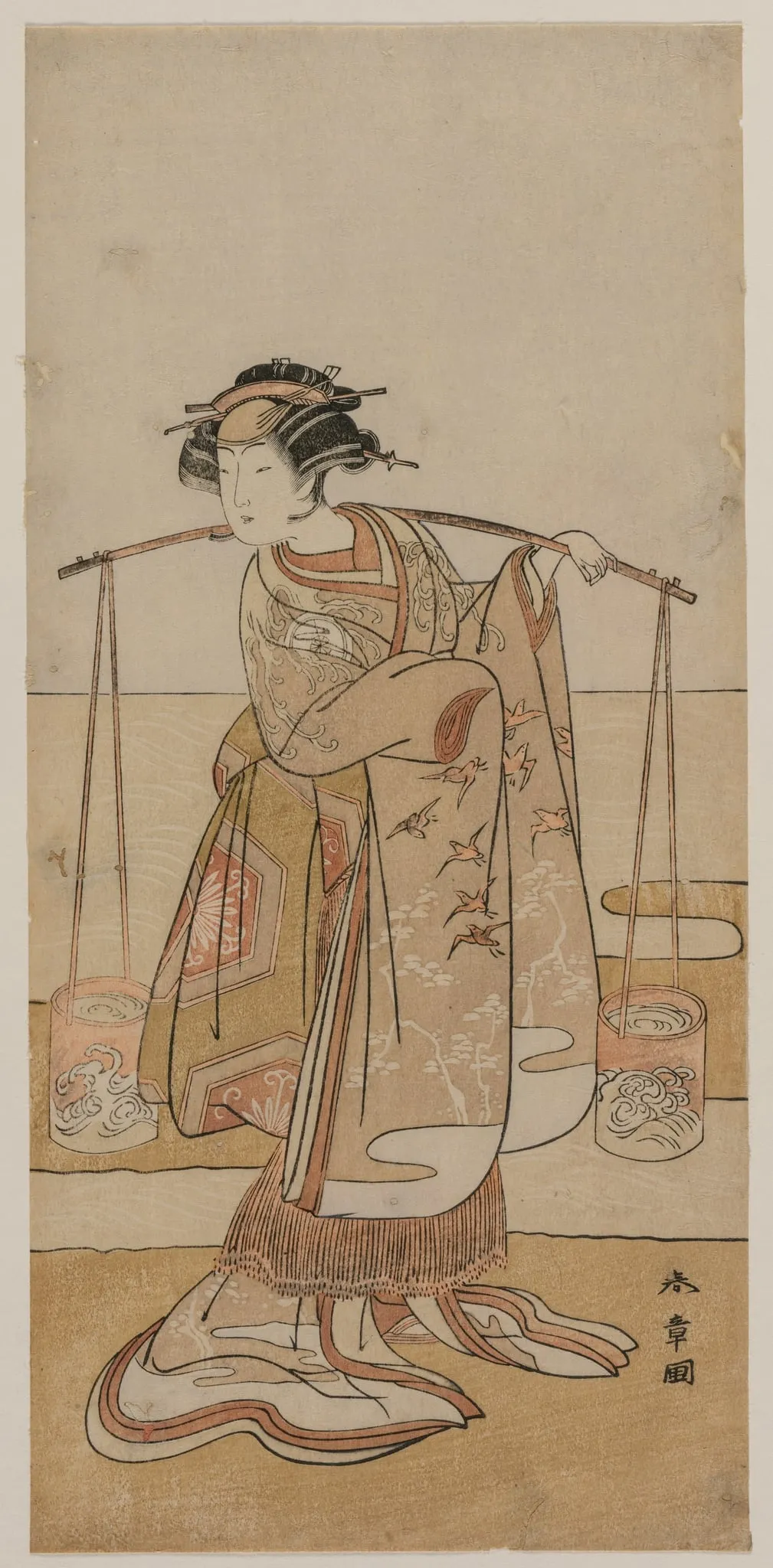
Iwai Hanshiro IV as Murasame or Matsukaze is a print by the Romanticist artist Katsukawa Shunshō. It dates from 1774 and is held in the collection of the Cleveland Museum of Art.
- Accession no.
- 1921.1266
- Credit line
- Gift from J. H. Wade
About this work
Overview
Created by Katsukawa Shunshō, it is part of the ukiyo-e tradition of actor portraits.
This woodblock print, dated around 1774, depicts the kabuki actor Iwai Hanshiro IV in a female role, portraying either Murasame or Matsukaze, two ghostly female figures from traditional Japanese theater. Created by Katsukawa Shunshō, it is part of the ukiyo-e tradition of actor portraits. The work is currently held in the collection of The Cleveland Museum of Art, where it exemplifies the refined aesthetic of late 18th-century Edo-period theater imagery.
Subject & Meaning
The figure represents a spirit from Noh or kabuki drama, likely a woman bound to the earth by unresolved grief. Her posture and attire suggest a wandering soul, carrying water in buckets suspended from a pole, a symbol of ritual purification or eternal labor. The ambiguity of her identity as either Murasame or Matsukaze reflects the poetic ambiguity common in classical Japanese storytelling, where emotion outweighs narrative clarity.
Technique & Style
Shunshō employed fine, controlled lines and subtle gradations of ink to model the figure’s form, creating a sense of weightlessness. The robe’s intricate patterns, birds and blossoms, are rendered with precision but muted against the pale background, drawing focus to the actor’s serene expression. The use of soft shading and minimal color emphasizes elegance over spectacle, aligning with the refined taste of kabuki portraiture in the 1770s.
History & Provenance
The print was produced during the height of Shunshō’s career as a leading designer of yakusha-e, or actor portraits. It was likely published for a broad urban audience in Edo, where kabuki theater was immensely popular. The work entered The Cleveland Museum of Art’s collection in the 20th century, having passed through private hands in Japan and later Western collections, though its exact early provenance remains undocumented.
Context
In the 1770s, kabuki theaters in Edo featured male actors portraying female roles, known as onnagata, and Shunshō specialized in capturing their expressive nuances. This print reflects the cultural fascination with ghost stories and the blending of Noh drama’s solemnity with kabuki’s theatricality. The plain background isolates the figure, a convention that heightened emotional impact and allowed viewers to project narrative onto the scene.
Legacy
Shunshō’s portrayal of Iwai Hanshiro IV exemplifies the transition in ukiyo-e from bold, stylized forms to more naturalistic and psychologically nuanced depictions. While not widely reproduced, this print influenced later artists in their treatment of gender, emotion, and spiritual themes in theater portraiture. It remains a key example of how kabuki performance was translated into visual culture during Japan’s Edo period.
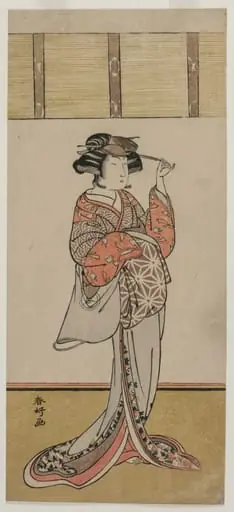
Artist & collection

Artist
Katsukawa Shunshō spent his life in Edo (now Tokyo), where the city’s teahouses and theaters buzzed with energy.

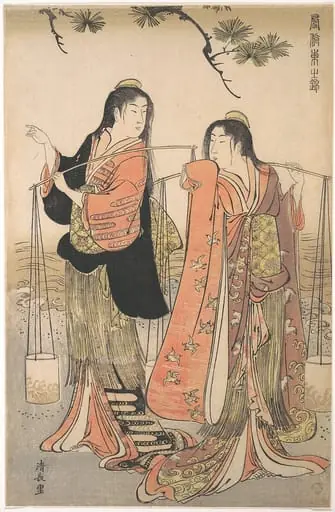 Shiokumi|The Dance of the Beach Maidens from the series Brocade of the East
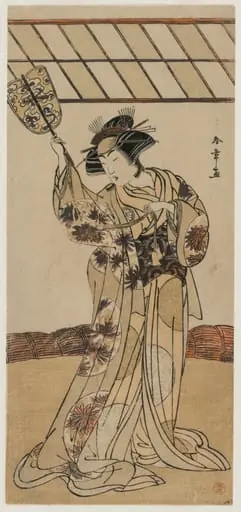 Segawa Kikunojō III as Teruha
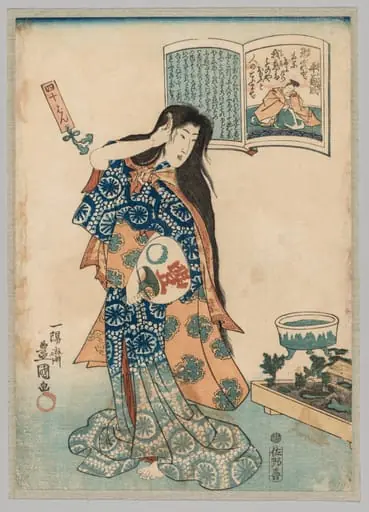 Woman with a Fan in her Left Hand Combing her Hair
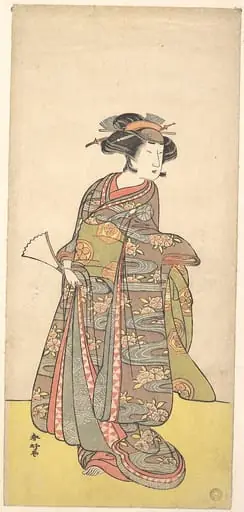 Untitled
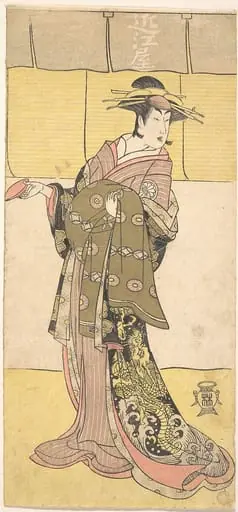 三代目瀬川菊之丞の近江屋の遊女|The Actor Segawa Kikunojō as a Courtesan of the Ōmiya Brothel
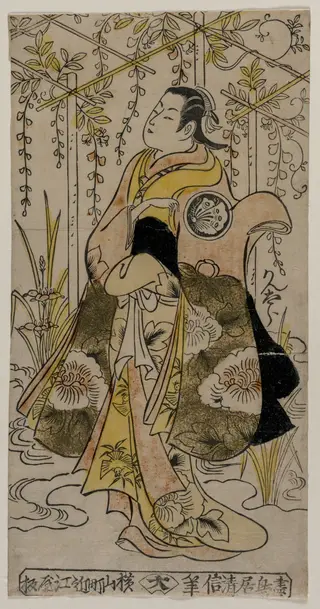 Sanjo Kantaro as a Young Woman Standing in a Wisteria Arbor
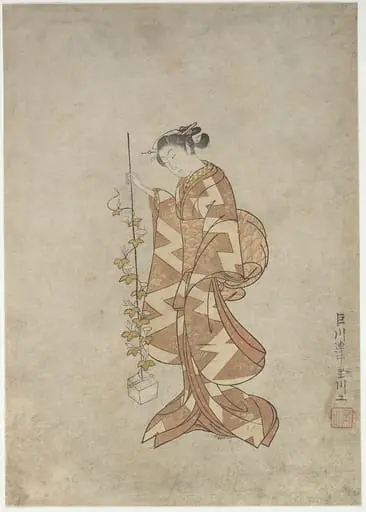 Untitled
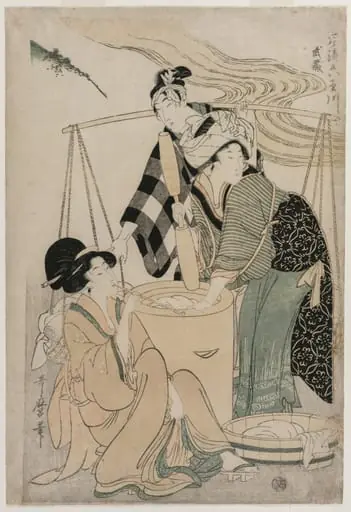 Settsu Province from the series Fashionable Six Jewel Rivers (Furyu Mu Tamagawa)
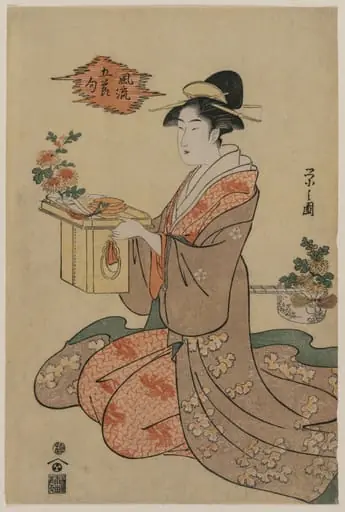 Woman Holding a Wooden Cup Stand Decorated with Chrysanthemums (from the series Elegant Pictures of the Five Seasonal Festivals)