Artwork
Untitled
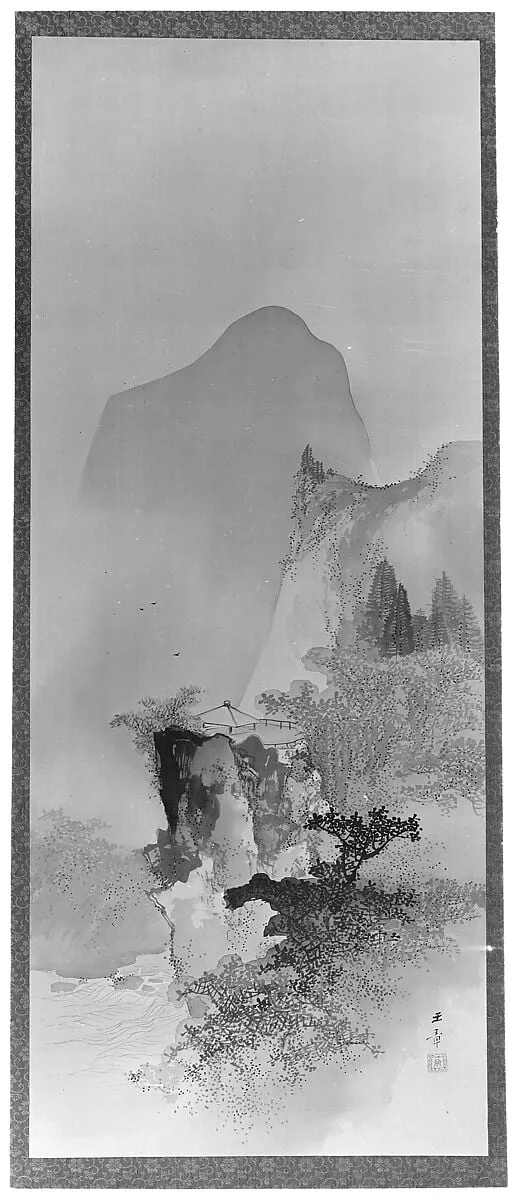
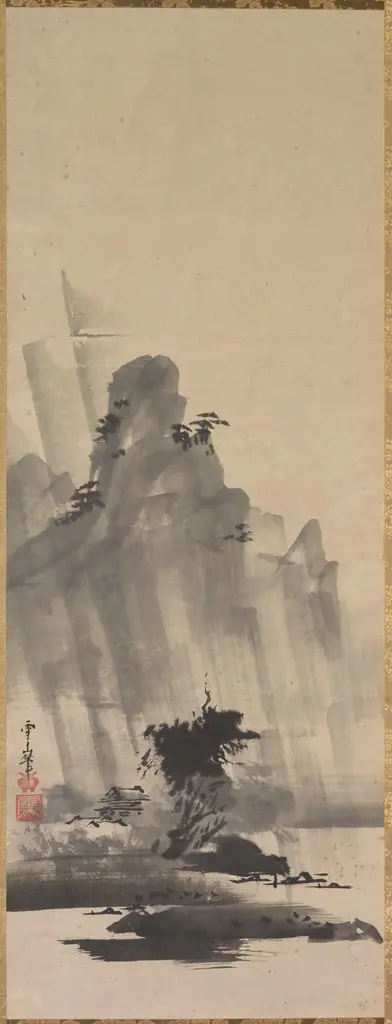
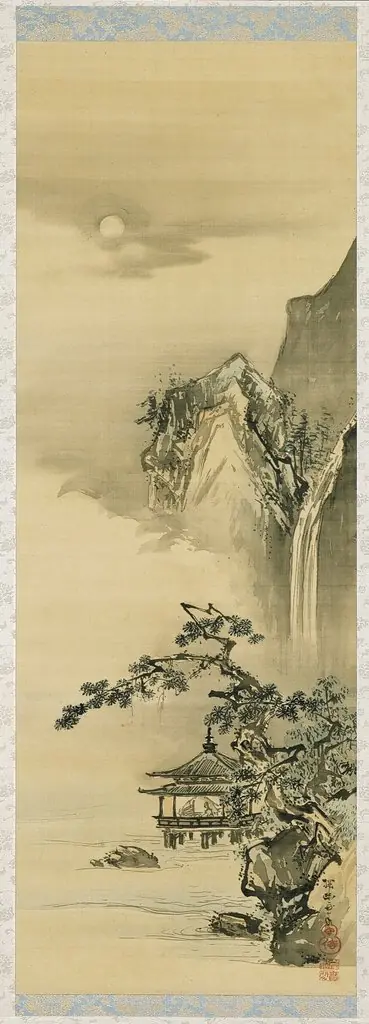
Untitled is an ink painting by the Nihonga artist Kawabata Gyokushō. It dates from 1906 and is held in the collection of the Metropolitan Museum of Art.
About this work
Subject & Meaning
The work represents the landscape genre, emphasizing the depiction of natural scenery rather than narrative or figural content.
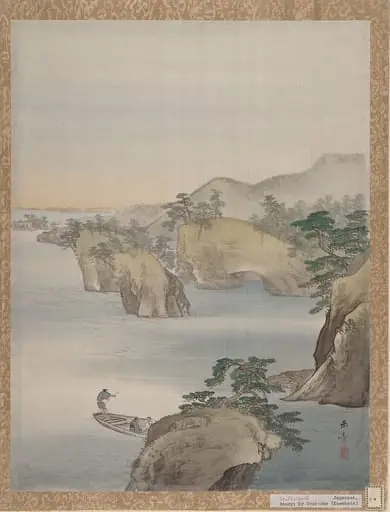
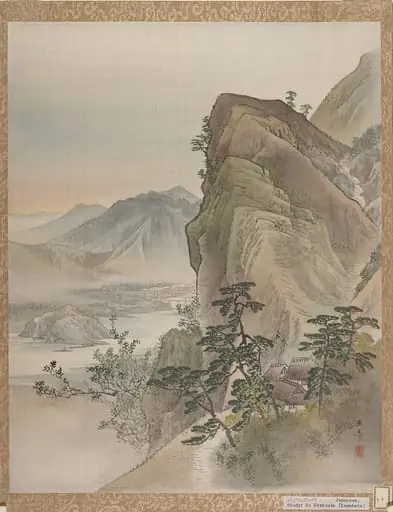
Kawabata Gyokushō's 1906 work, Untitled, is a landscape painting executed in ink and color on silk that depicts a mountain. As a genre piece rooted in Japanese artistic tradition, the subject matter focuses on the natural form of the mountain, which serves as the central iconographic element of the composition. The work represents the landscape genre, emphasizing the depiction of natural scenery rather than narrative or figural content.
Created in Japan, the painting utilizes the mountain motif to explore the aesthetic qualities of the natural world, consistent with the artist's focus on landscape themes during this period.
Technique & Style
The work is executed in ink and color on silk, a support typical of Japanese painting of the period. Measuring 131.8 cm in height and 54.9 cm in width, it portrays a mountain landscape rendered with fine brushwork and subtle tonal shifts. The composition emphasizes verticality, with the peak occupying the upper register and negative space suggesting atmosphere.
Pigments are layered to achieve depth, while the silk substrate allows a luminous translucency that enhances the delicate handling of line. Executed in 1906 in Japan, the piece reflects the formal conventions of early modern landscape painting within the artist's oeuvre.
History & Provenance
The painting was created by Kawabata Gyokushō in 1906, executed in ink and color on silk as a landscape composition depicting a mountain. It was produced in Japan and is held in the collection of the Metropolitan Museum of Art, measuring 131.8 cm in height by 54.9 cm in width. The sources document its inception date and institutional ownership but do not specify an accession number, an earlier ownership chain, commission circumstances, or any exhibition history.
Context
Kawabata Gyokushō's Untitled (1906) is a Nihonga landscape in ink and color on silk that renders a stylized mountain motif. The work's formal qualities and subject matter place it within the artist's exploration of natural forms and the development of modern Japanese painting. Its inclusion in the Metropolitan Museum of Art's collection reflects its standing as a representative example of early-twentieth-century Japanese landscape painting.
Overview
Created in 1906, Kawabata Gyokushō's Untitled is a landscape executed in ink and color on silk. The composition centers on a jagged mountain rising abruptly from a dense sea of black ink, establishing a dramatic vertical axis. The artist renders the mountain's slopes with soft washes of blue and green, creating a sense of atmospheric depth and texture.
Delicate, tiny trees cling to the rocky precipices, while a single, slender waterfall streaks down the side, providing a dynamic counterpoint to the solid mass of the peak. This work was produced during a period when many Japanese artists were increasingly adopting Western academic styles and oil painting techniques. In contrast, Gyokushō remained committed to the traditional Nihonga idiom, utilizing silk and mineral pigments to explore classical themes.
The painting exemplifies his dedication to preserving and refining the aesthetics of Japanese ink painting while maintaining a distinct, personal vision within the genre. It stands as a testament to his role in sustaining traditional forms amidst the rapid modernization of the early Meiji era.
Artist & collection


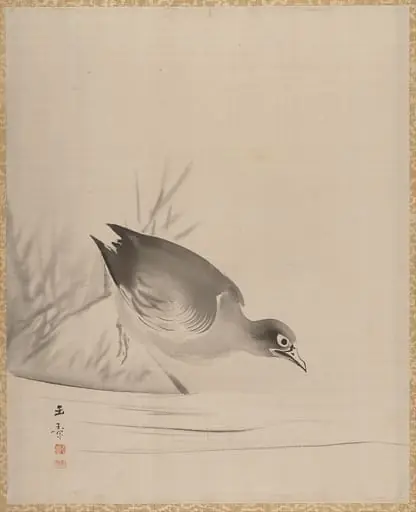
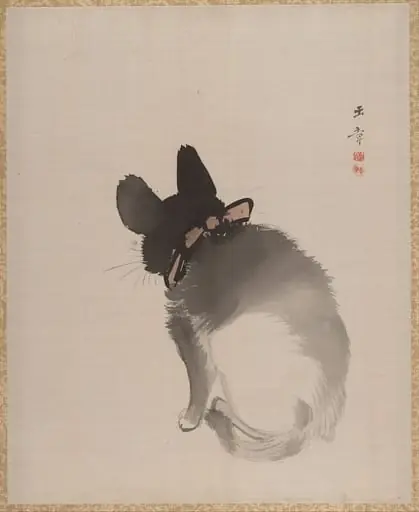
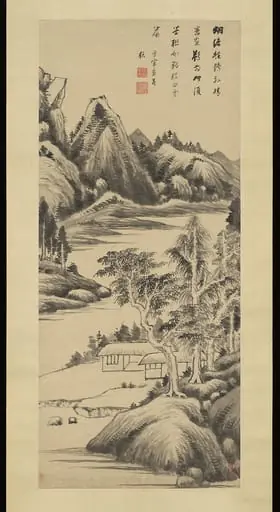 Untitled
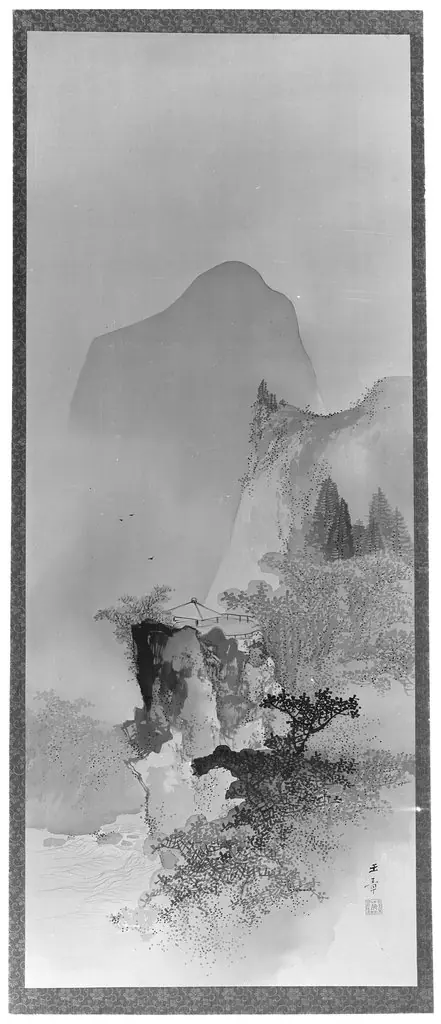 Spring Landscape
 Mountain and River in Storm
 狩野探幽筆 神農・夏冬山水図|Winter Landscape
 Looking for a Monastery in the Misty Mountains
 Mountain and River in Storm
 清 石濤(朱若極) 黃山三十六峰意圖 軸|Thirty-six Peaks of Mount Huang Recollected
 Lake Pavilion near a Waterfall
 Untitled
 清 王翬 溪山雨霽圖 軸|Clearing after Rain over Streams and Mountains