Artwork
鶴図|Cranes
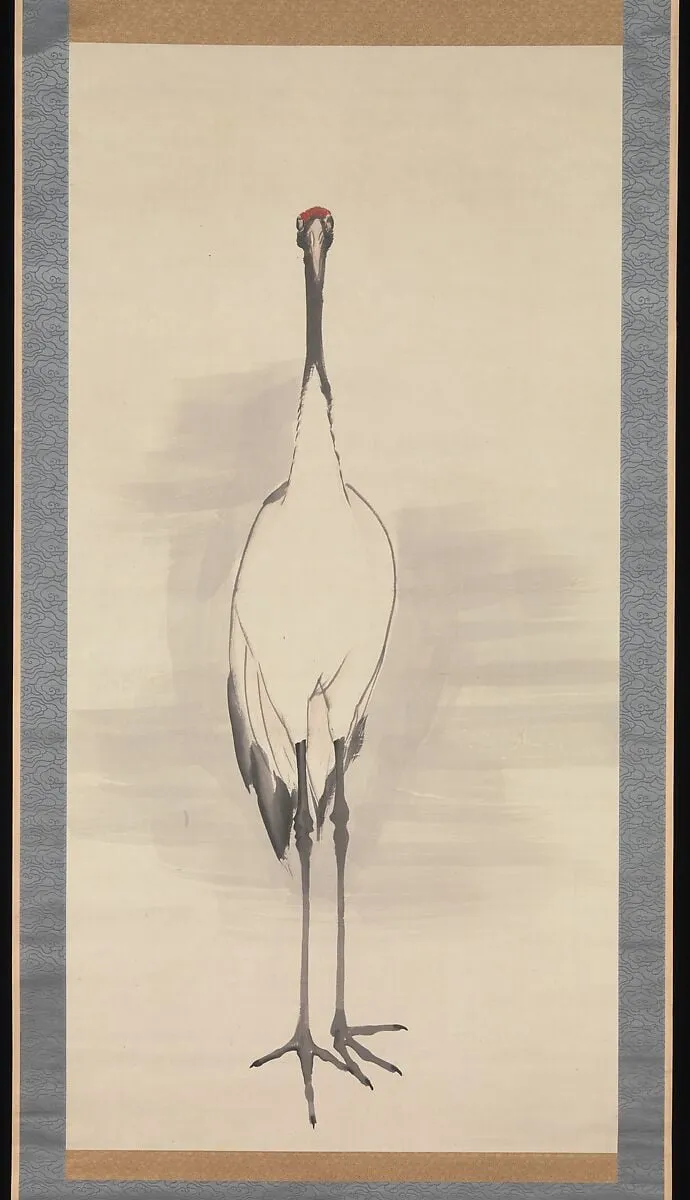
鶴図|Cranes is an ink painting by the Nihonga artist Nagasawa Rosetsu. It dates from 1784 and is held in the collection of the Metropolitan Museum of Art.
About this work
Subject & Meaning
Classified as a landscape, the work was produced in Japan and later entered the collection of the Metropolitan Museum of Art, where it remains on view.
The painting presents a crane as its primary subject, rendered in ink and color on paper as part of a pair of hanging scrolls created in 1784 by Nagasawa Rosetsu.
The composition emphasizes the bird's elongated neck and outstretched wings, filling the scroll with a graceful, naturalistic depiction.
Classified as a landscape, the work was produced in Japan and later entered the collection of the Metropolitan Museum of Art, where it remains on view.
Its subject, the crane, occupies central visual focus, underscoring the animal's prominence in the artist's portrayal of nature.
Technique & Style
Created in 1784 by Nagasawa Rosetsu, this work comprises a pair of hanging scrolls executed in ink and color on paper. The composition features cranes as its primary subject matter, rendered within the landscape genre. As a two-dimensional painting produced in Japan, the piece utilizes traditional scroll mounting suitable for vertical display.
History & Provenance
Nagasawa Rosetsu painted 鶴図|Cranes in 1784 in Japan, producing a pair of hanging scrolls executed in ink and color on paper. The work depicts a crane and belongs to the landscape genre within the painting classification. Rosetsu, a Japanese artist active from 1754 to 1799, created the piece as part of his mature output.
The scrolls entered the collection of the Metropolitan Museum of Art, where they remain on display. Their creation is documented with an inception date of 1784, confirming the year of execution.
The pair of hanging scrolls titled Cranes, created by Nagasawa Rosetsu in 1784, is held in the collection of the Metropolitan Museum of Art in New York. The artwork is cataloged within the museum's holdings as a painting on paper featuring ink and color. While the work is confirmed to be part of the museum's permanent collection, the provided sources do not specify a unique inventory or accession number for this piece.
Additionally, the available documentation does not record any specific exhibition history or past display dates for these scrolls.
The work depicts cranes and is classified within the landscape genre, originating from Japan during the late 18th century. Its presence at the Metropolitan Museum of Art represents its current known location.
Context
The work titled 鶴図 (Cranes) is a pair of hanging scrolls executed in ink and color on paper, dated 1784, and categorized as a landscape painting within the broader corpus of Japanese art.
It is housed in the Metropolitan Museum of Art, where it is catalogued as a painting by Nagasawa Rosetsu, created in Japan in 1784, and its presence in a prominent collection has prompted scholarly attention to its role within the landscape tradition of the period.
Overview
Nagasawa Rosetsu created this pair of hanging scrolls, titled Cranes, around 1784. Executed with ink and color on paper, these paintings exemplify the artist's distinctive approach to natural subjects. The work features two individual crane figures, each presented on its own scroll, designed to be displayed together as a complementary pair.
Artist & collection

Artist
Nagasawa Rosetsu (長沢芦雪; 1754–1799) was a Japanese painter during the Edo period. A disciple of the Maruyama School, he was known for his versatile artistic style. He was born to the family of a low-ranking samurai. He…

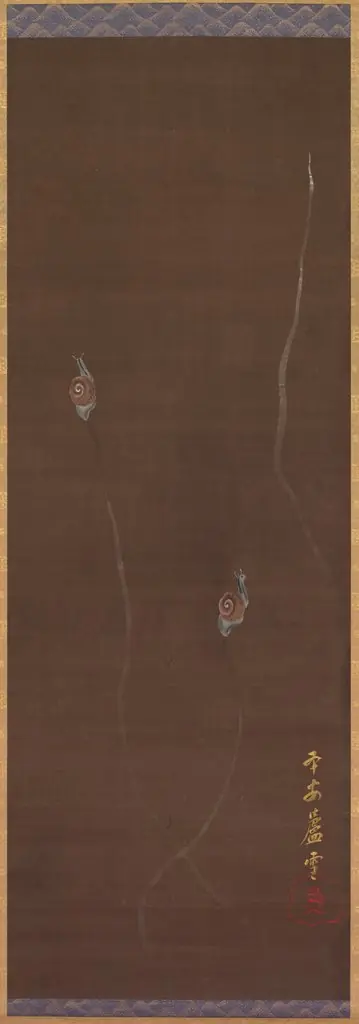
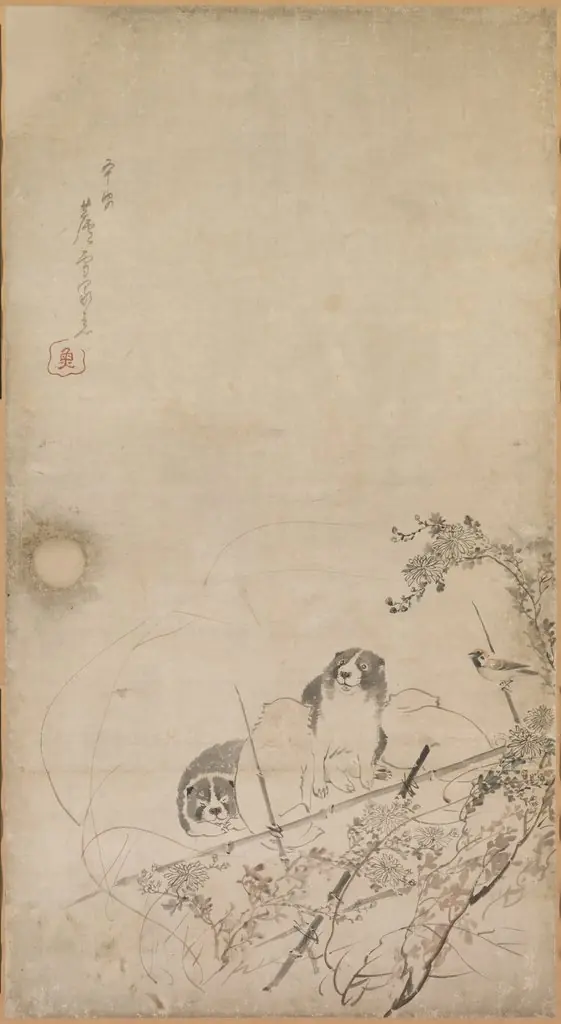
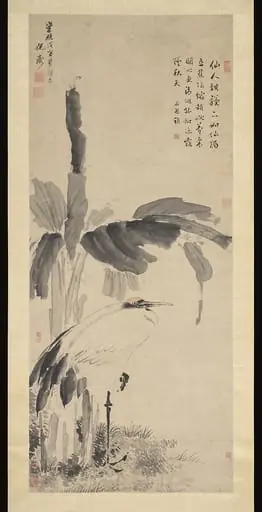
- 明 倪元璐 蕉鶴圖 軸|Crane Beneath a Banana Tree
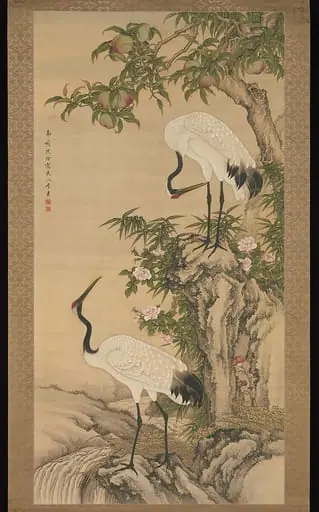 清 沈銓 月季桃鶴圖 軸|Cranes, peach tree, and China rose
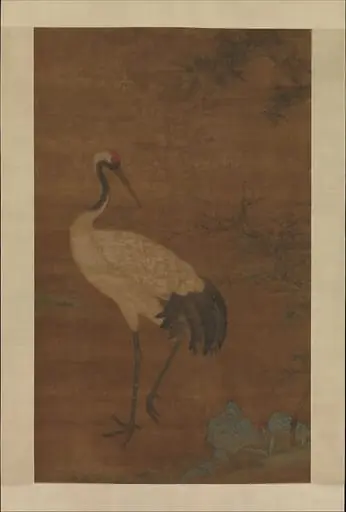 明 佚名 竹鶴雙清圖 軸|Crane in a bamboo grove
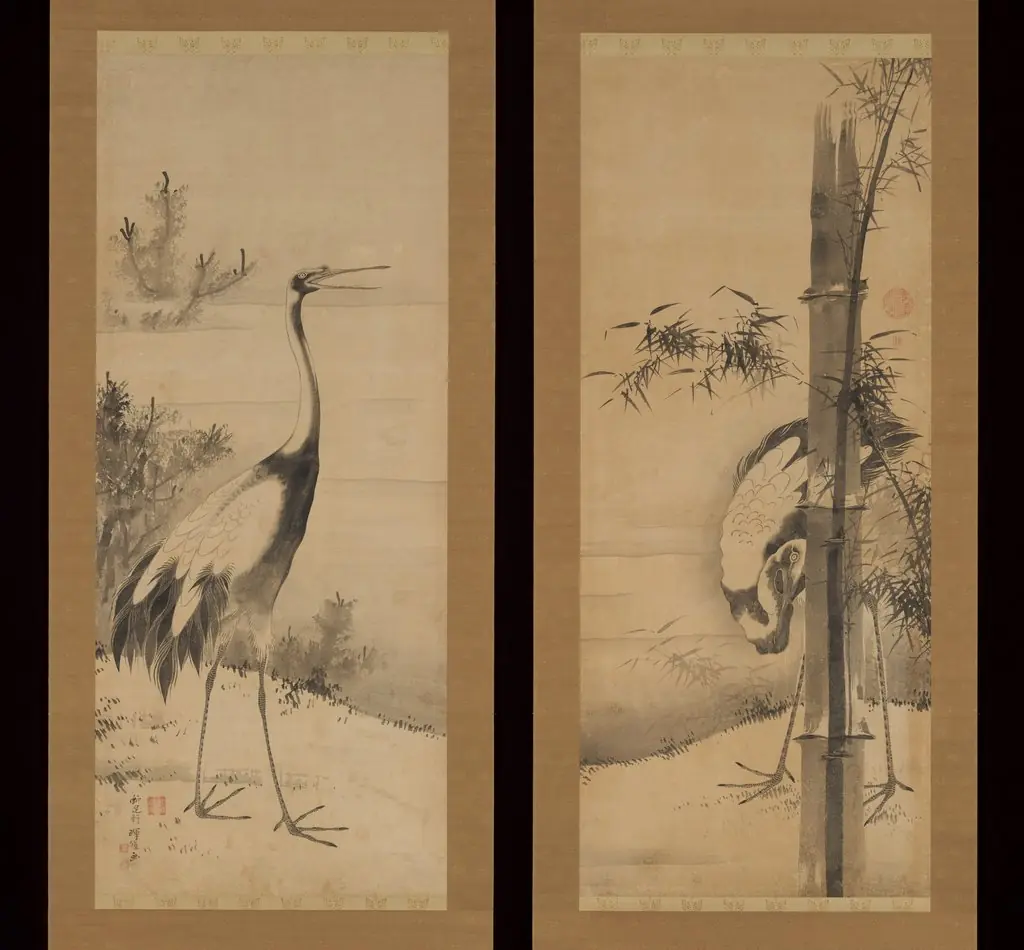 Cranes
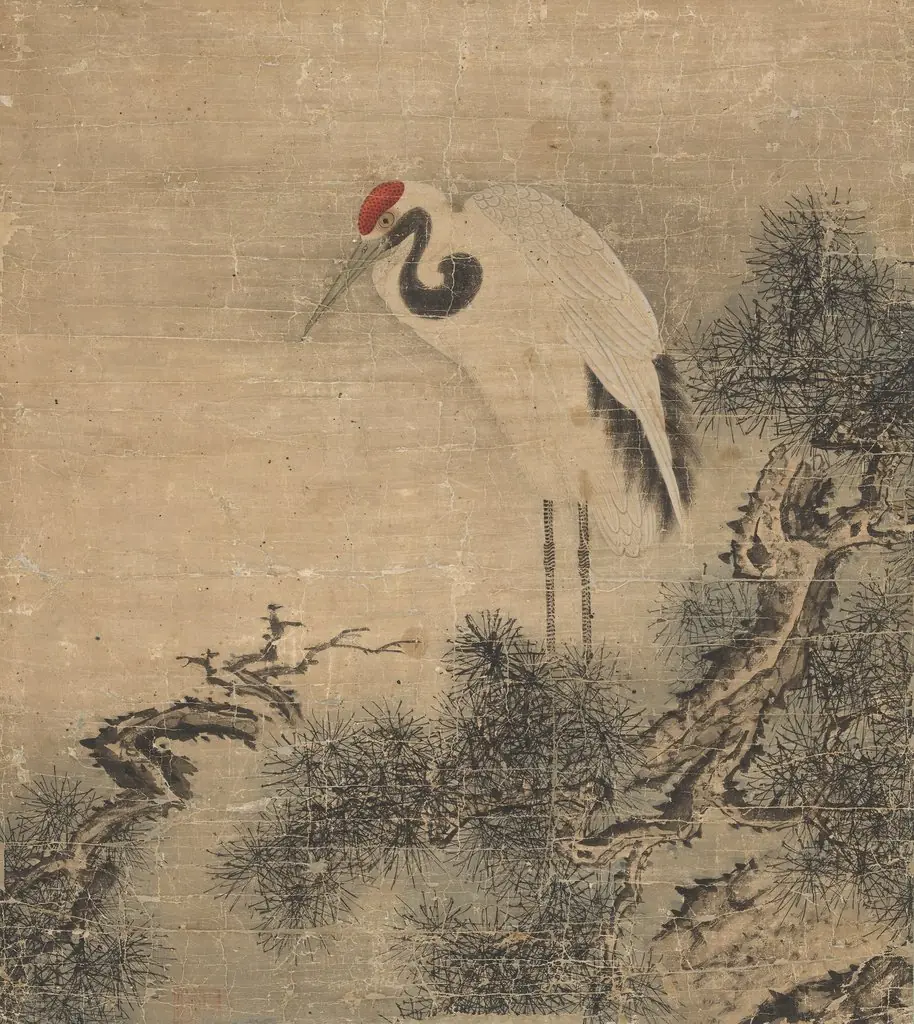 Pine Tree and Crane
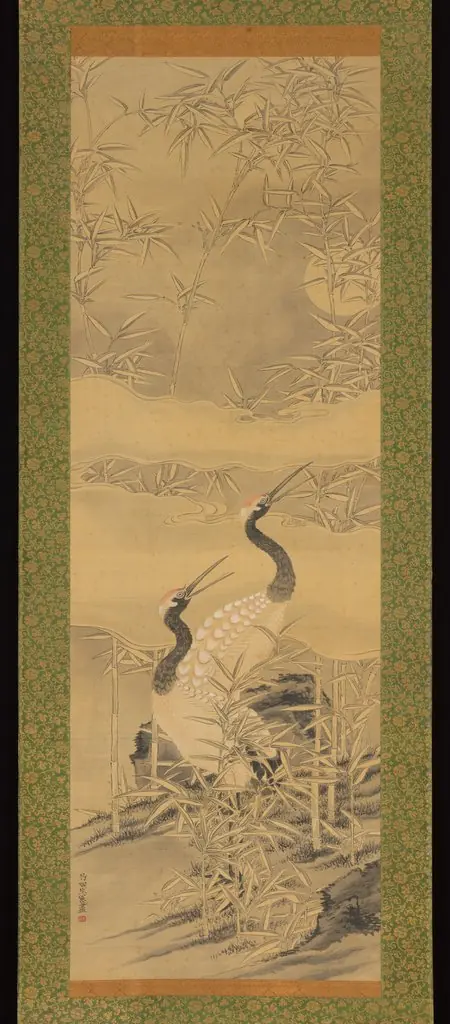 Pair of Cranes in Bamboo Grove
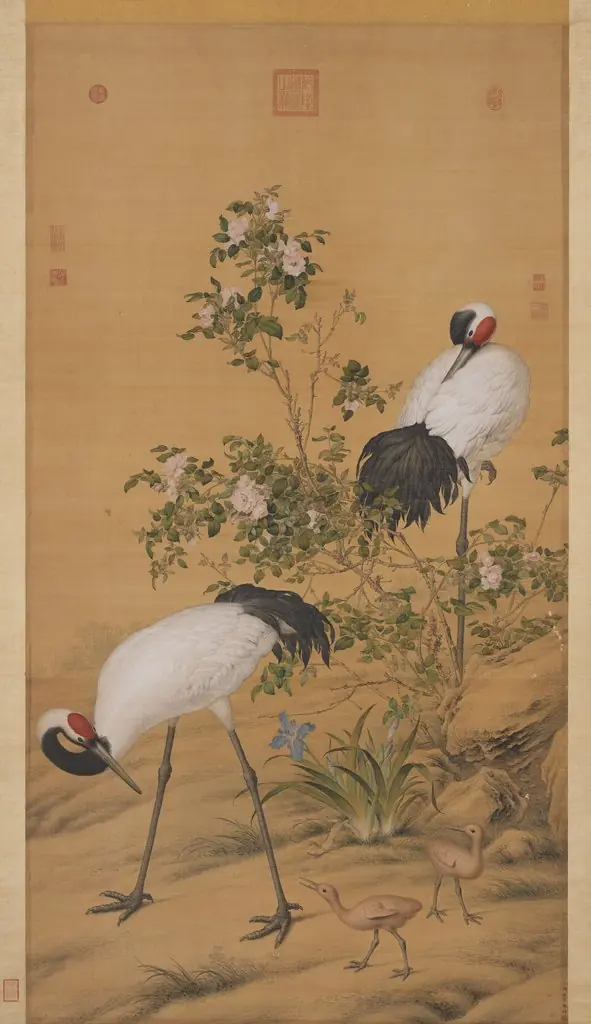 Pair of Cranes in the Shade of Flowers
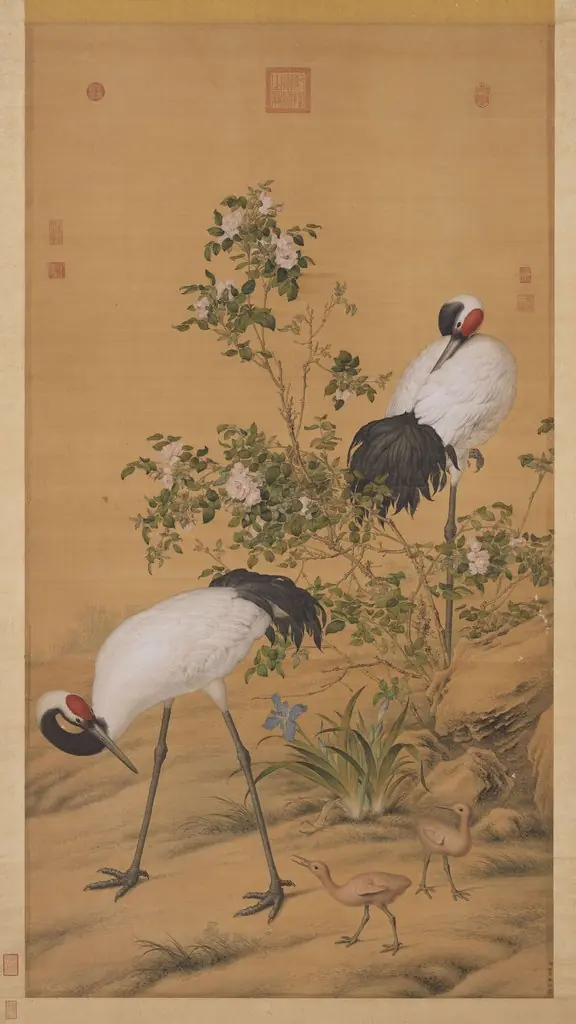 Pair of Cranes in the Shade of Flowers
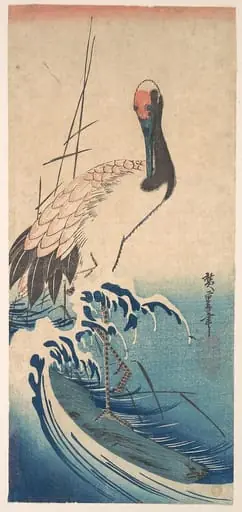 波に丹頂鶴|Crane and Surf
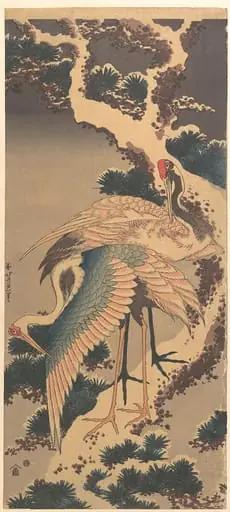 雪松に鶴|Cranes on Branch of Snow-covered Pine
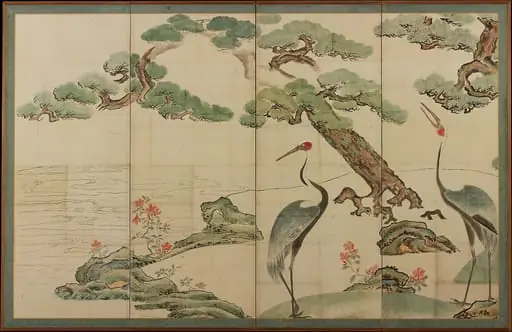 尾形光琳筆 松竹に鶴図屏風|Cranes, Pines, and Bamboo