Artwork
Untitled
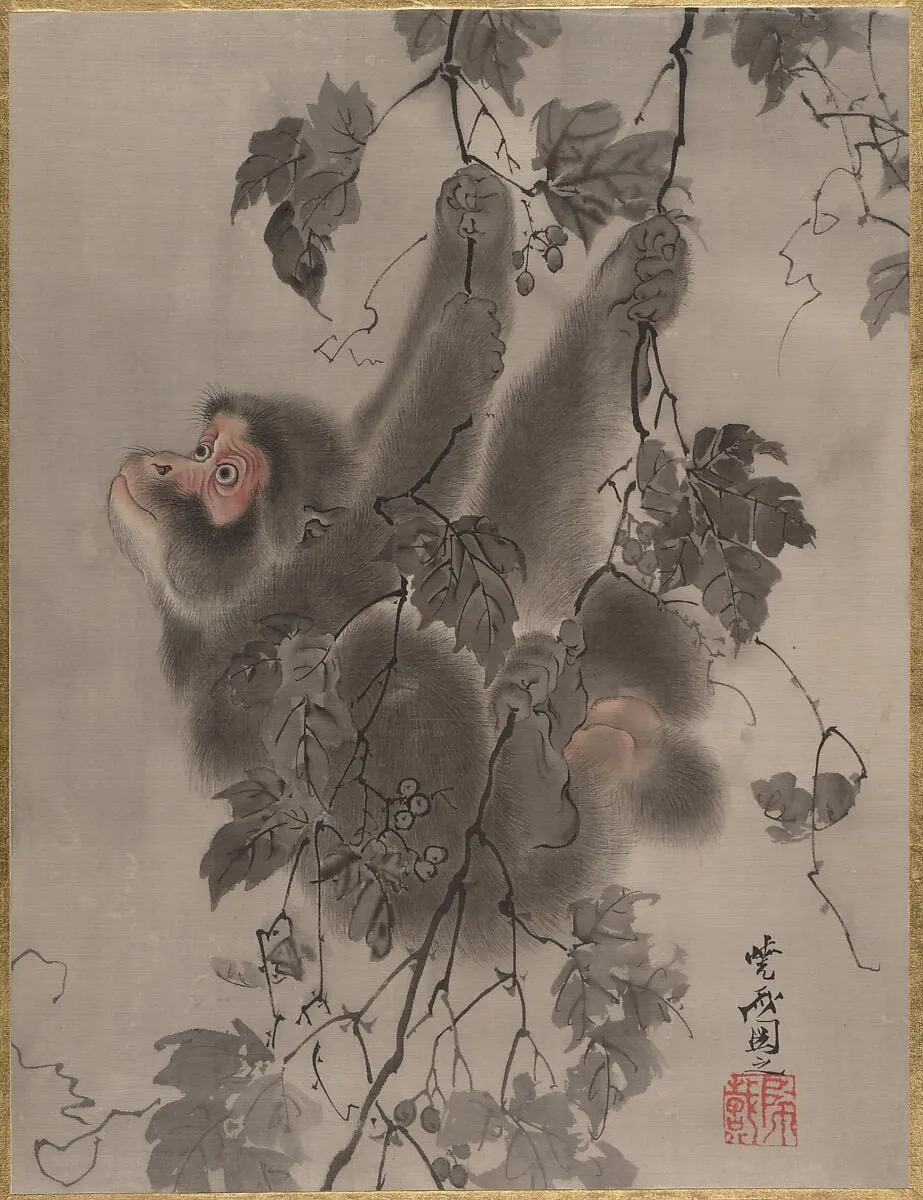
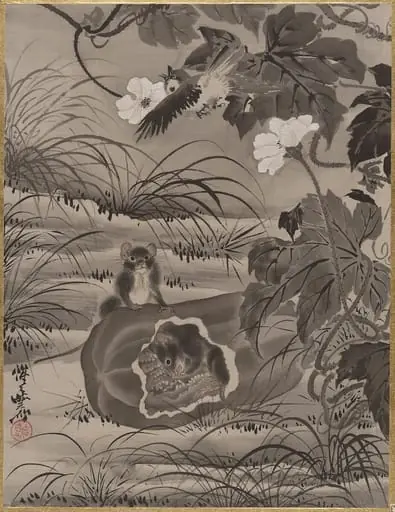
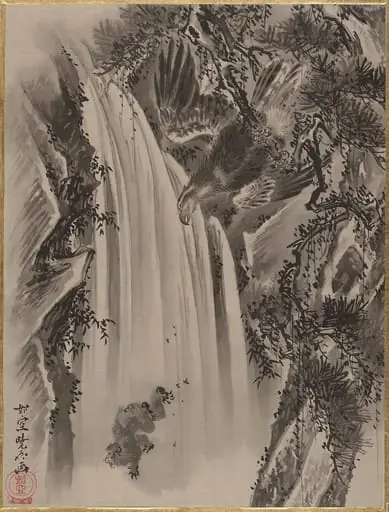
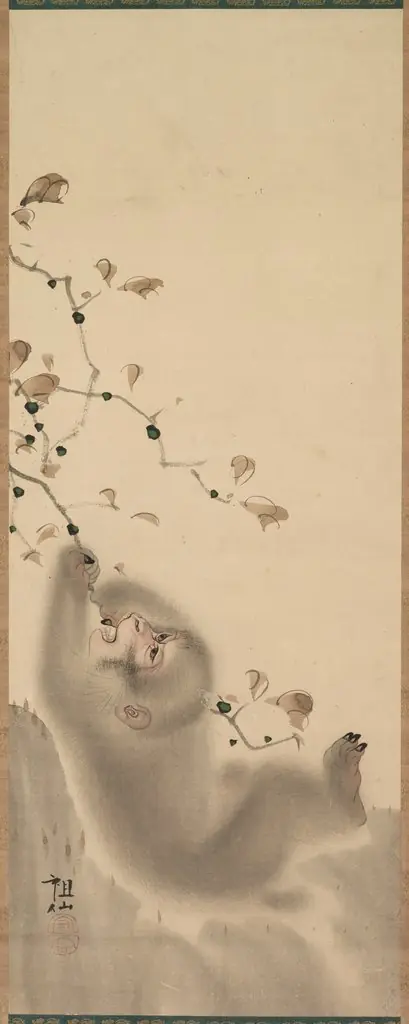
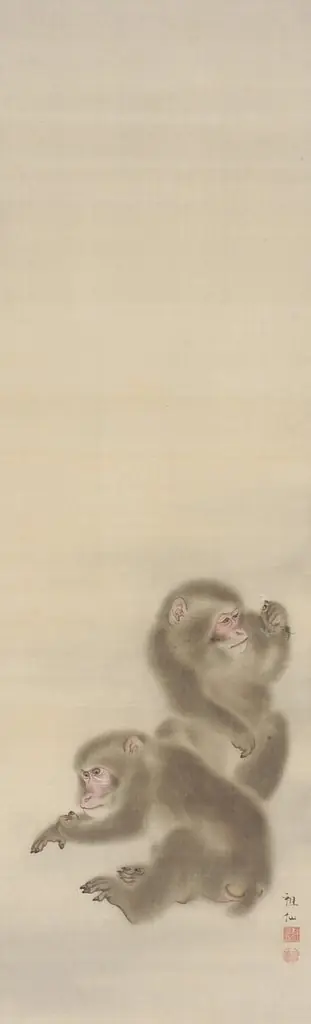
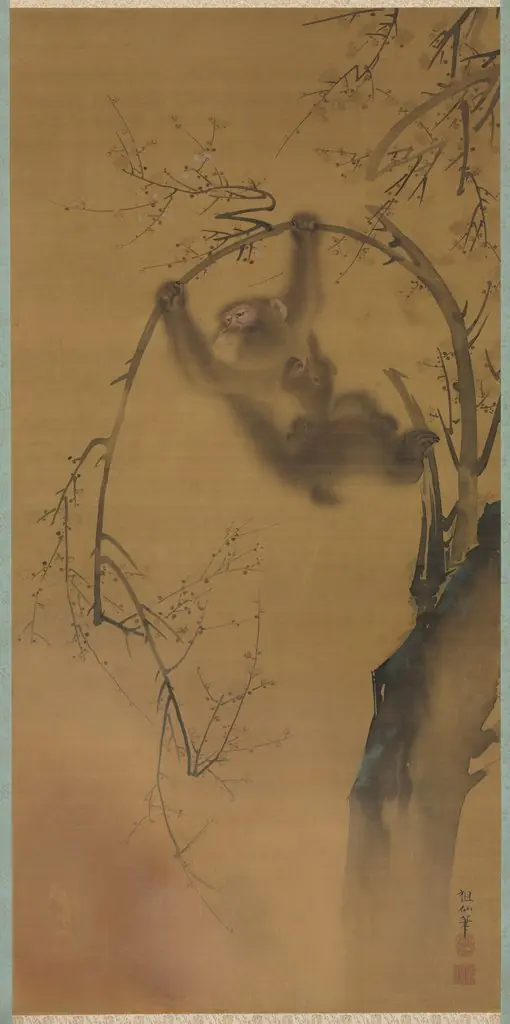
Untitled is an ink painting by the Impressionist artist Kawanabe Kyōsai 河鍋暁斎. It dates from 1887 and is held in the collection of the Metropolitan Museum of Art. Created circa 1887, this small album leaf by Kawanabe Kyōsai combines ink and red pigment on silk.
About this work
Technique & Style
The work is an album leaf executed in ink with red accents on silk support. It was created in Japan in 1887, measuring 35.9 cm in height and 27.3 cm in width. The composition depicts a monkey and was painted by Kawanabe Kyōsai.
The piece is classified as a painting and is held in the collection of the Metropolitan Museum of Art.
History & Provenance
Untitled (1887) is held in the collection of the Metropolitan Museum of Art, where it is catalogued under the inventory number 1988.
Created in 1887 by the Japanese artist Kawanabe Kyōsai, this album leaf depicts a monkey rendered in ink and red pigment on silk. The work was produced in Japan during the late nineteenth century. It eventually entered the collection of the Metropolitan Museum of Art, where it is currently housed.
The physical dimensions of the silk leaf are recorded as 35.9 cm in height and 27.3 cm in width.
Untitled (1887) is held in the collection of the Metropolitan Museum of Art, where it is catalogued under the inventory number 1988.1064.48. The work was acquired by the museum and has been part of its exhibitions, including a display of Japanese paintings in 1990.
Context
Kawanabe Kyōsai's 1887 ink on silk painting Untitled, depicting a monkey, was created in Japan and entered the Metropolitan Museum of Art's collection. The work appears in scholarly discussions of the artist's late period, reflecting his playful yet technically refined style within the broader context of Meiji-era painting. Its depiction of a monkey aligns with recurring motifs in Kyōsai's oeuvre that engage with traditional subjects through a contemporary lens.
Legacy
Kawanabe Kyōsai's Untitled (1887) has been recognized as an early example of satirical animal imagery that prefigured modern interpretations of Japanese supernatural art. The painting's depiction of a monkey, documented in both its metadata and scholarly catalogues, contributed to renewed interest in Kyōsai's role in bridging ukiyo-e traditions with contemporary visual culture. Its inclusion in the Metropolitan Museum of Art's collection has ensured ongoing scholarly attention to the work's compositional innovation and thematic depth.
Overview
Created circa 1887, this small album leaf by Kawanabe Kyōsai combines ink and red pigment on silk. The composition centers on a single monkey perched on a rock, its head tilted as it scratches itself. The figure is rendered with swift, dark brushwork and accented by a vivid splash of red on the animal’s face and hands, giving the scene a lively immediacy.
Subject & Meaning
Monkeys appear frequently in East Asian visual culture, often symbolizing wit, mischief, or the bridge between the human and natural worlds. In this work, the monkey’s casual pose and self‑directed gesture suggest a moment of spontaneous thought, inviting viewers to consider the creature’s playful intelligence.
Artist & collection
Artist
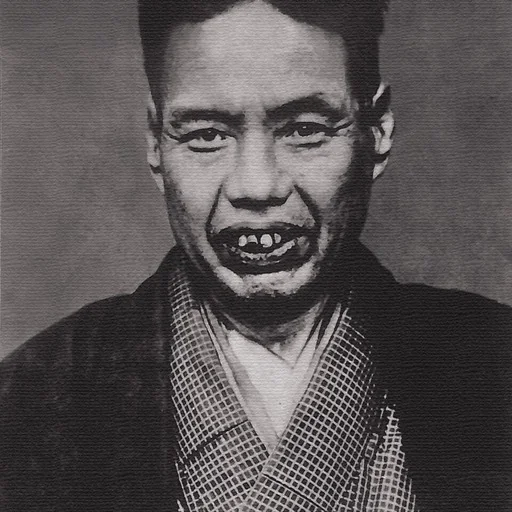
Kawanabe Kyōsai (河鍋 暁斎; May 18, 1831 – April 26, 1889) was a Japanese painter and caricaturist. In the words of art historian Timothy Clark, "an individualist and an independent, perhaps the last virtuoso in traditional Japanese painting".