Artwork
Plum Blossoms
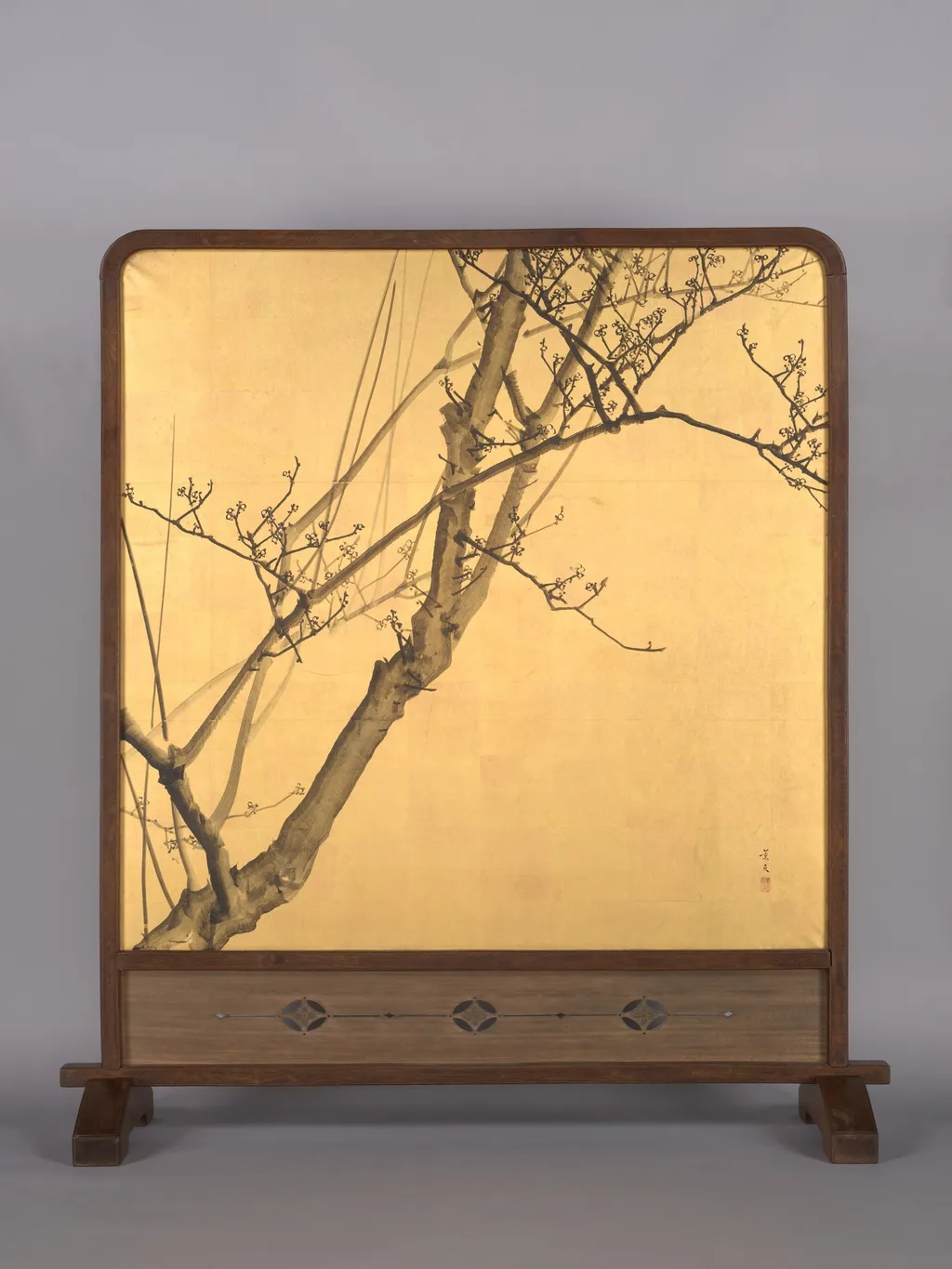
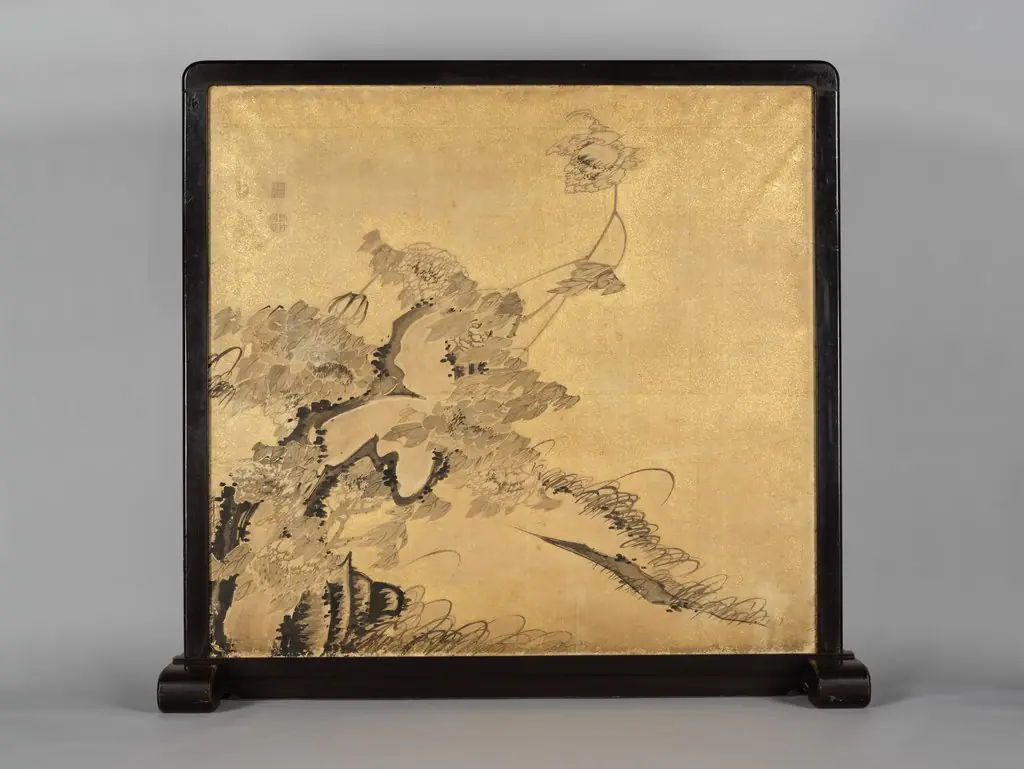
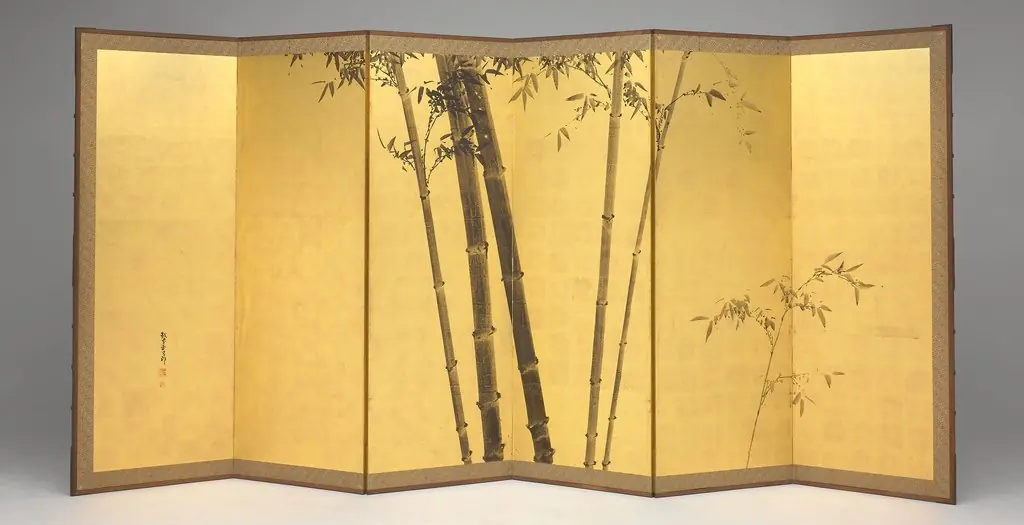
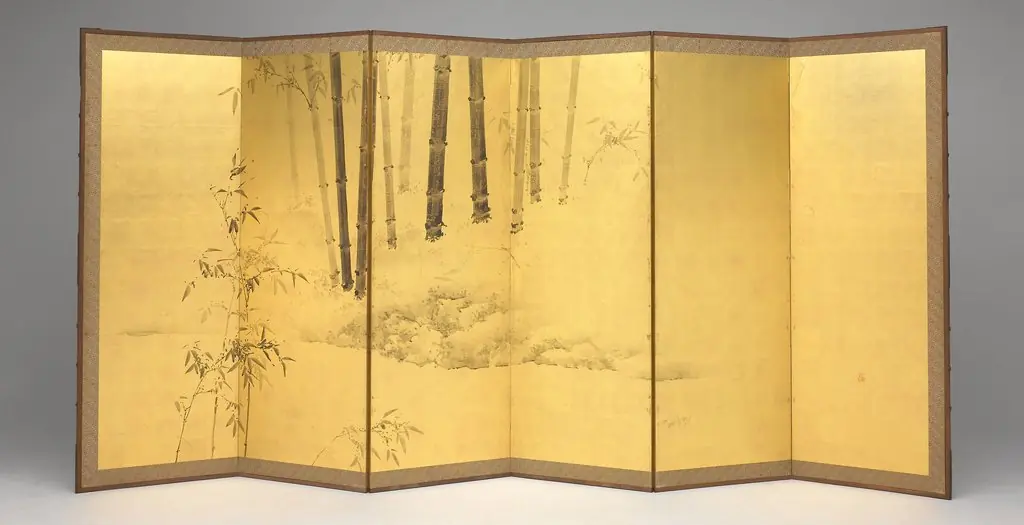
Plum Blossoms is an unspecified painting by the Maruyama Shijo artist Matsumura Keibun. It dates from 1823 and is held in the collection of the Metropolitan Museum of Art.
About this work
Overview
Painted in 1823 by Keibun, this ink-on-paper work depicts a plum tree in early spring, rendered with minimal detail against a pale yellow ground. The composition emphasizes stillness and restraint, focusing on the tree’s skeletal branches and the subtle emergence of buds. Its quiet aesthetic reflects the Japanese tradition of capturing transient natural moments through understated brushwork.
Subject & Meaning
The plum tree, a symbol of endurance and renewal in East Asian culture, is shown before full bloom, its buds just beginning to form. The absence of leaves and the sparse arrangement of blossoms suggest the threshold between winter and spring, evoking patience and quiet resilience. The painting does not dramatize the season’s change but observes it with contemplative clarity.
Technique & Style
Keibun employs fine, controlled ink lines to trace the tree’s twisting branches, varying pressure to suggest texture and direction. The buds are rendered as small, uniform dots, their placement deliberate yet seemingly spontaneous. The yellow background, likely made with mineral pigment, provides a warm, even field that enhances the monochrome brushwork without competing with it.
History & Provenance
The painting entered the collection of The Metropolitan Museum of Art in the 20th century, though its earlier ownership remains undocumented. It is one of a small number of surviving works by Keibun, a lesser-known artist active in the early 19th century. Its preservation suggests it was valued within private collections before its institutional acquisition.
Context
Created during the late Edo period, the work aligns with a broader trend among Japanese painters who turned to nature as a subject of quiet meditation. While urban culture flourished, artists like Keibun sought inspiration in solitary natural forms, often drawing from Chinese literati traditions that prized simplicity and emotional restraint over ornate detail.
Legacy
Though not widely reproduced, it contributes to the understanding of how minor artists sustained classical themes through subtle, personal interpretations.
Keibun’s Plum Blossoms remains a modest but enduring example of Edo-period nature painting, appreciated for its restraint and sensitivity. Though not widely reproduced, it contributes to the understanding of how minor artists sustained classical themes through subtle, personal interpretations. Its presence in a major Western museum underscores its role in cross-cultural appreciation of Japanese ink painting.
Own this work as a print
Artist & collection