
Movement
Maruyama Shijo
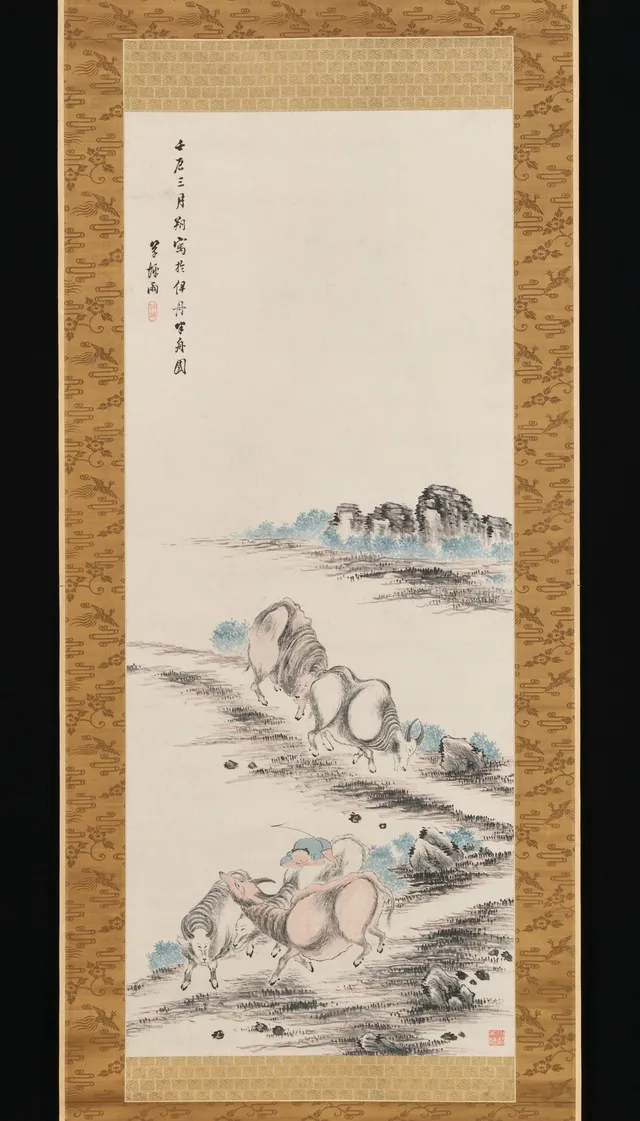
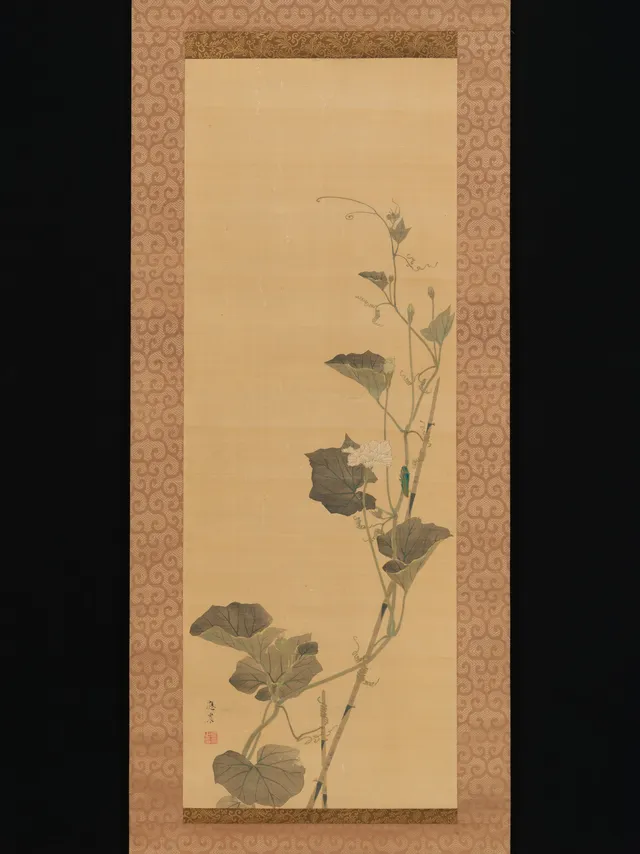
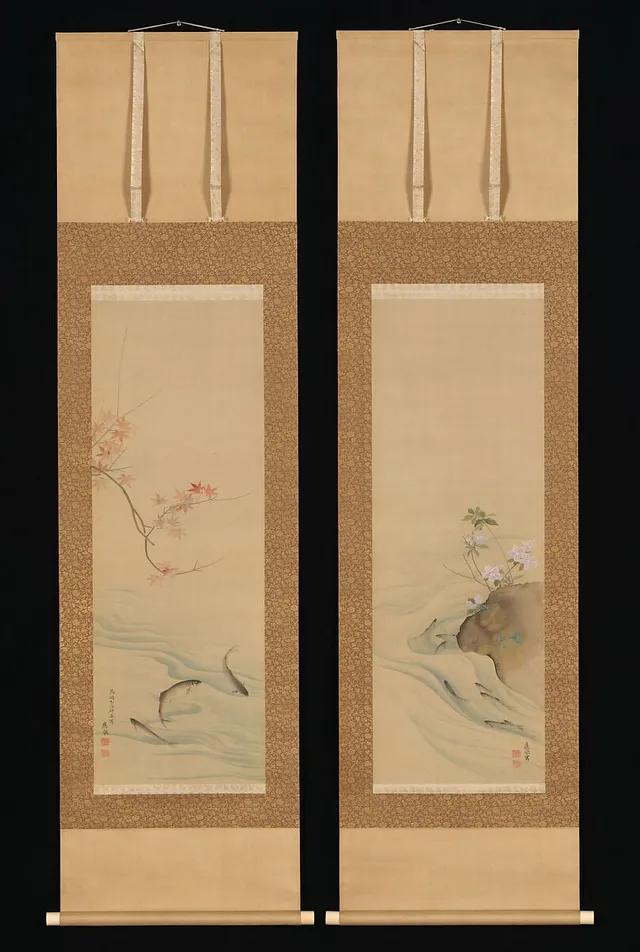
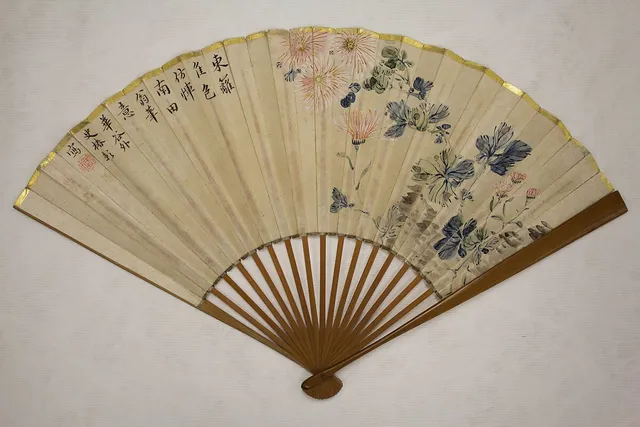
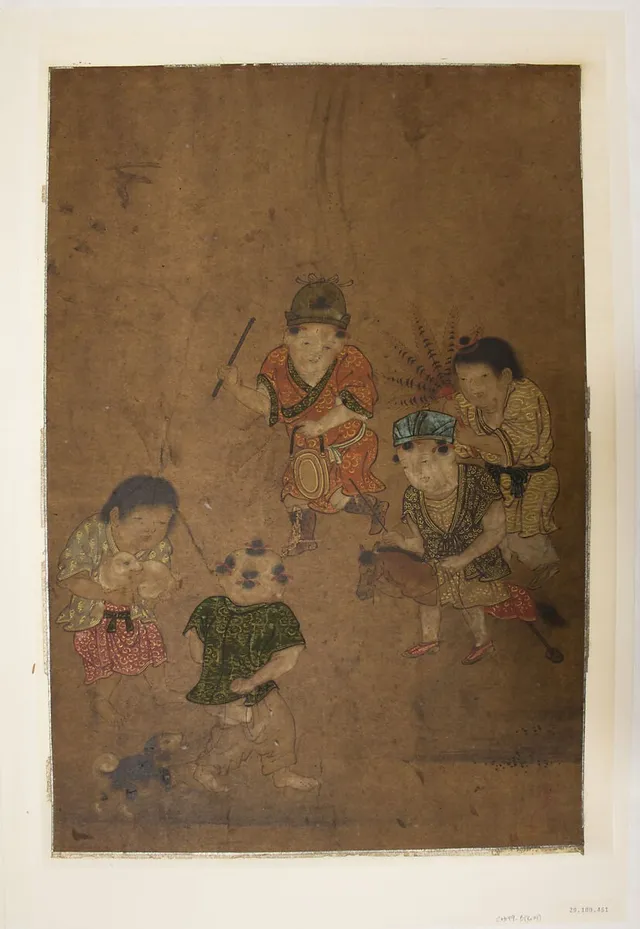
Maruyama Shijo is an art movement of the 1750–1850 period. The gallery holds 20 works in this movement, including works by Genki, Kawabata Gyokushō and Matsumura Goshun. Browse Maruyama Shijo paintings, portraits, pictures and artworks from the world's public-domain museum collections.
The Maruyama-Shijō school emerged in Kyoto during the second half of the eighteenth century, the most consequential development in Japanese painting of the late Edo period. Its founder, Maruyama Ōkyo (1733–1795), came of age in a city alive with new scientific curiosity and a growing appetite for imported knowledge. As a young man he apprenticed at a toyshop that sold European stereoscopes, and around 1767 he produced megane-e—"eyeglass pictures" in single-point perspective such as his early Harbour View—after studying Chinese prints from Suzhou, Dutch copperplate engravings, and the Nagasaki school's exposure to Western books. From these sources Ōkyo distilled a method he called shasei, or "sketching from life," rejecting the inherited formulas of the Kanō and Tosa academies in favour of direct observation. Trained partly in botany and anatomy, he drew animals, plants, and people from the model rather than from memory.
The school's hallmark is precisely this fusion of empirical realism with the decorative lyricism of native Japanese painting. Ōkyo could render the weight of an ox, the down of a sparrow, or the structure of a snow-laden pine with convincing volume and recession, yet he set such observation within gold-ground compositions of great refinement. His pair of six-panel screens Pine Trees in the Snow, commissioned by the Mitsui merchant family and now a designated National Treasure in Tokyo's Mitsui Memorial Museum, is the canonical statement of the style; his late Hozu Rapids (1795) shows the same naturalism turned to rushing water and rock.
The second founder was Matsumura Goshun (1752–1811), originally a pupil of the poet-painter Yosa Buson (1716–1784) in the literati (nanga) tradition. Goshun befriended Ōkyo—who declined to take him as a formal disciple, preferring to keep him an equal—and absorbed his realism while retaining a softer, more poetic touch. After Ōkyo's death Goshun established his own studio on Shijō (Fourth Avenue), giving the Shijō branch its name. Among Ōkyo's own circle, Nagasawa Rosetsu (1754–1799) was the boldest and most eccentric talent, while Goshun's followers Matsumura Keibun (1779–1843) and Okamoto Toyohiko carried the style forward—contemporaries quipped of "the birds and flowers of Keibun, the landscapes of Toyohiko."
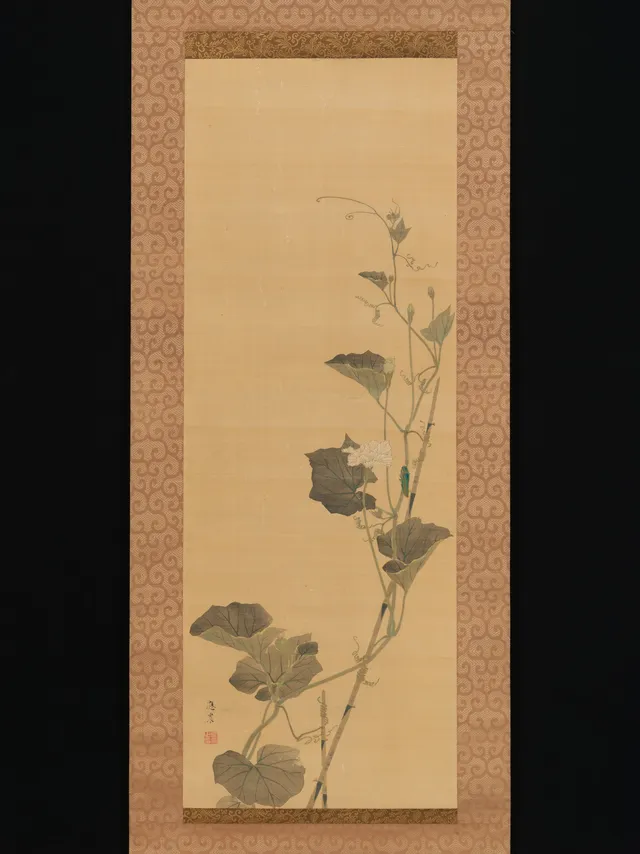
The combined Maruyama-Shijō tradition dominated Kyoto painting for more than a century, passing through Kōno Bairei and others to the founders of modern Nihonga such as Takeuchi Seihō and Uemura Shōen. Works in this catalogue—Maruyama Ōshin's Calabash Flowers and Beetle, Goshun's Romance of the Three Kingdoms, and pieces by Tsubaki Kakoku—reflect the breadth of a lineage that made lifelike yet poetic nature study its enduring signature.
Key artists


Works
 Untitled
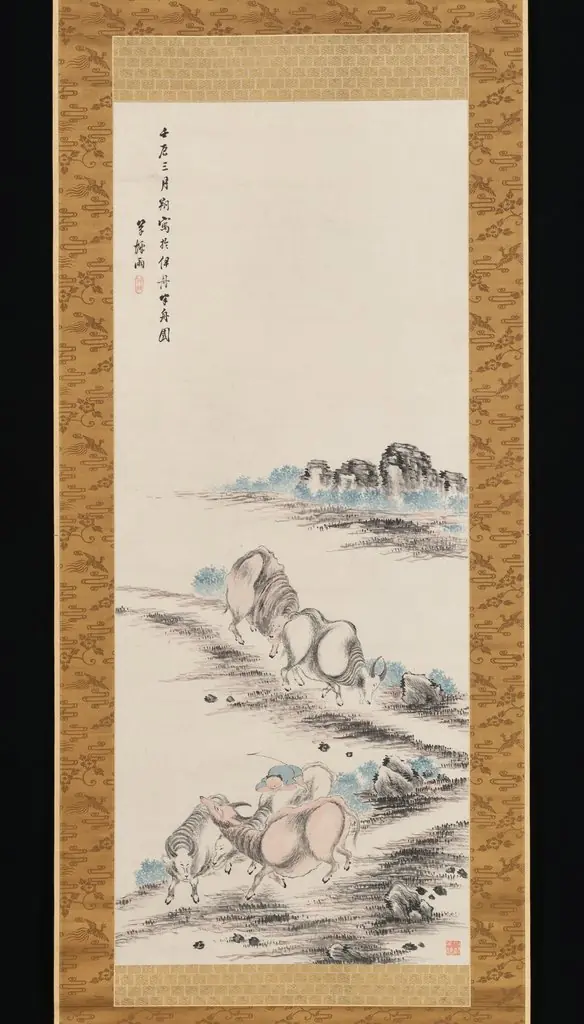 Oxen and Herdboy
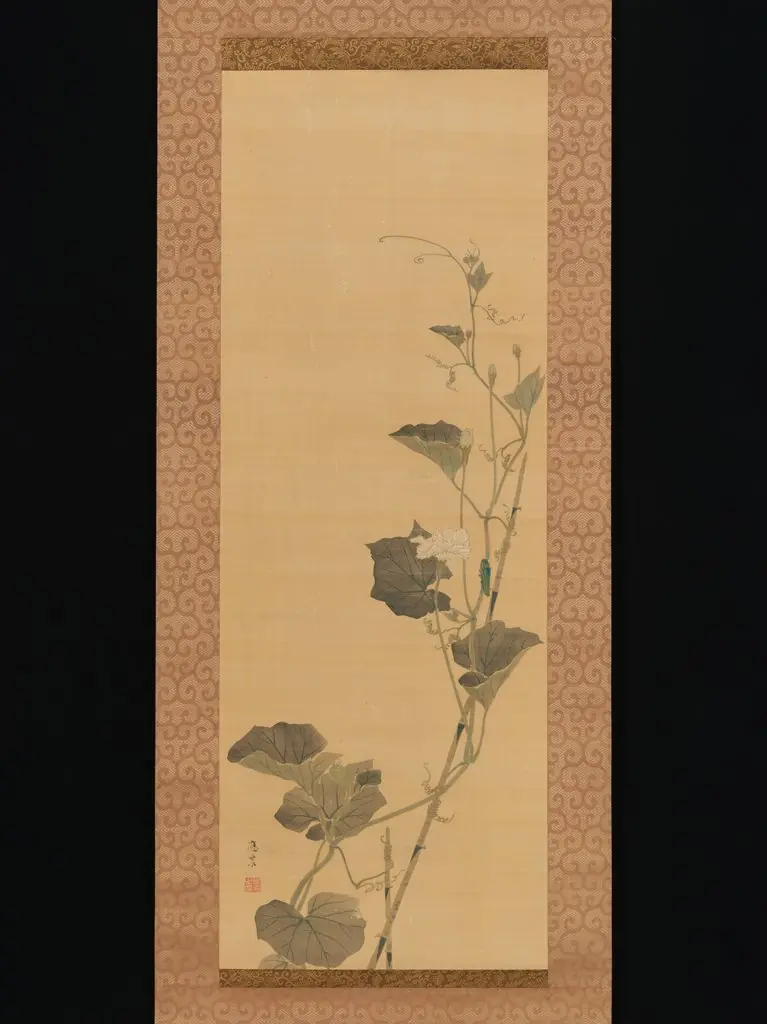 Calabash Flowers and Beetle
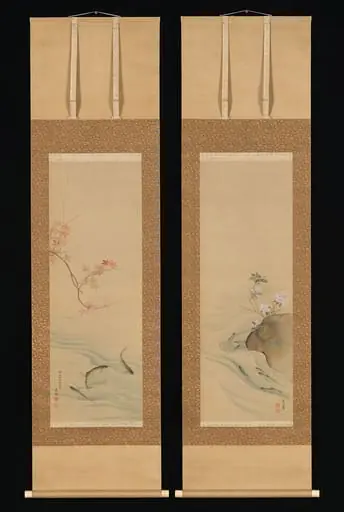 Untitled
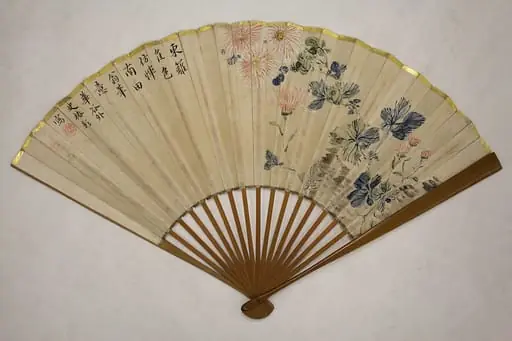 Untitled
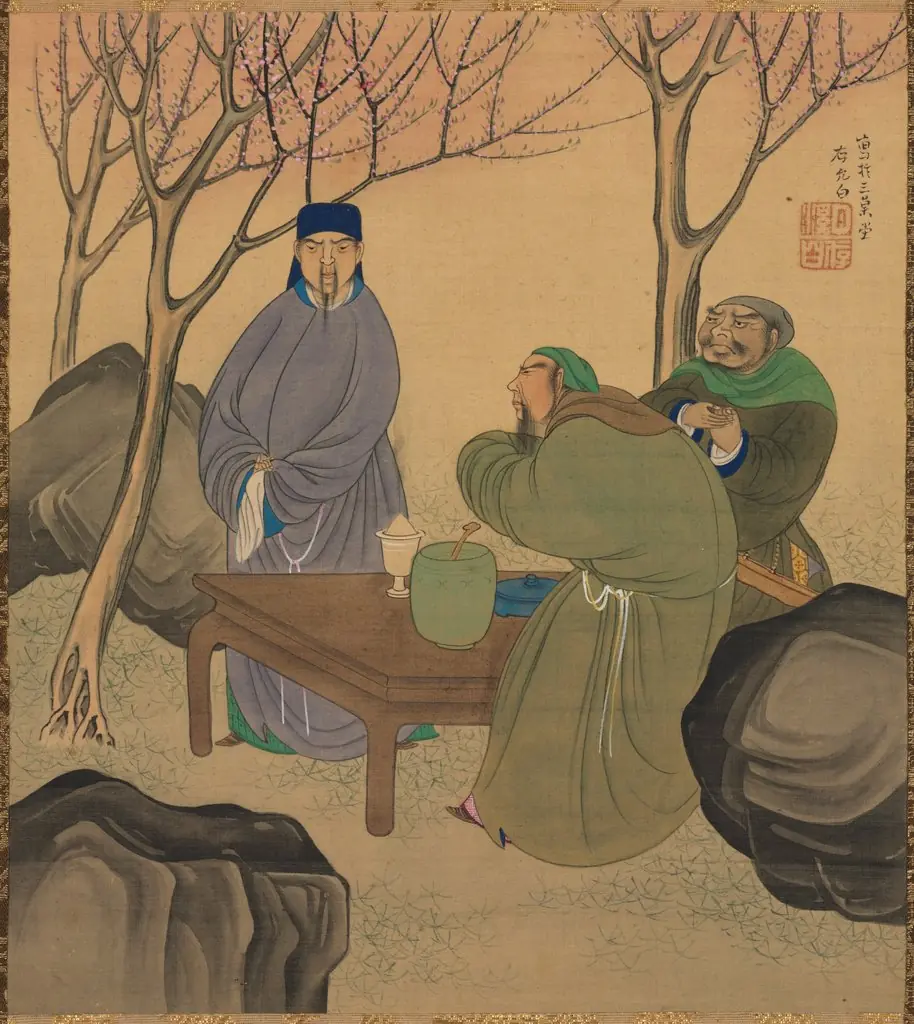 Romance of the Three Kingdoms
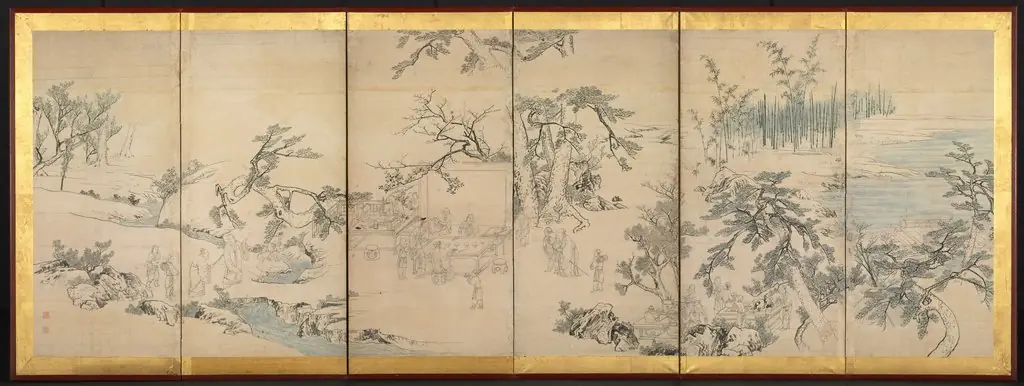 Literary Gathering in the Orchid Pavilion
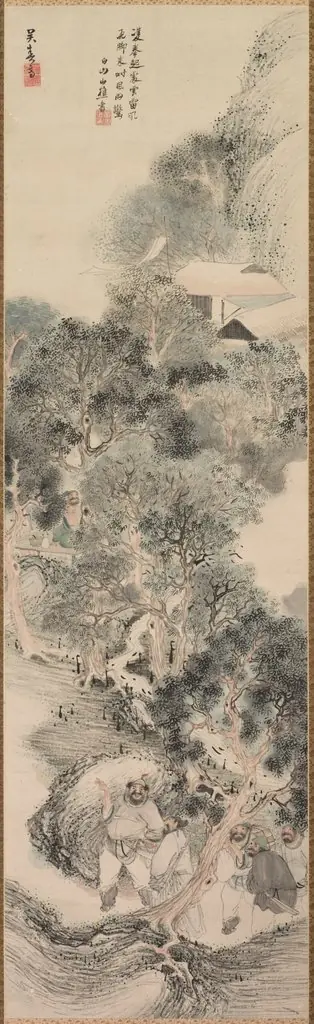 Water Margin Bandits
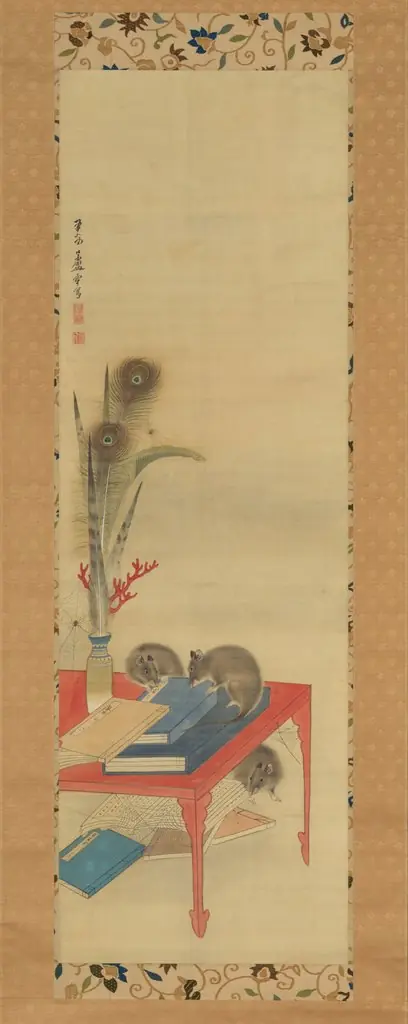 Rats on a Scholar’s Desk
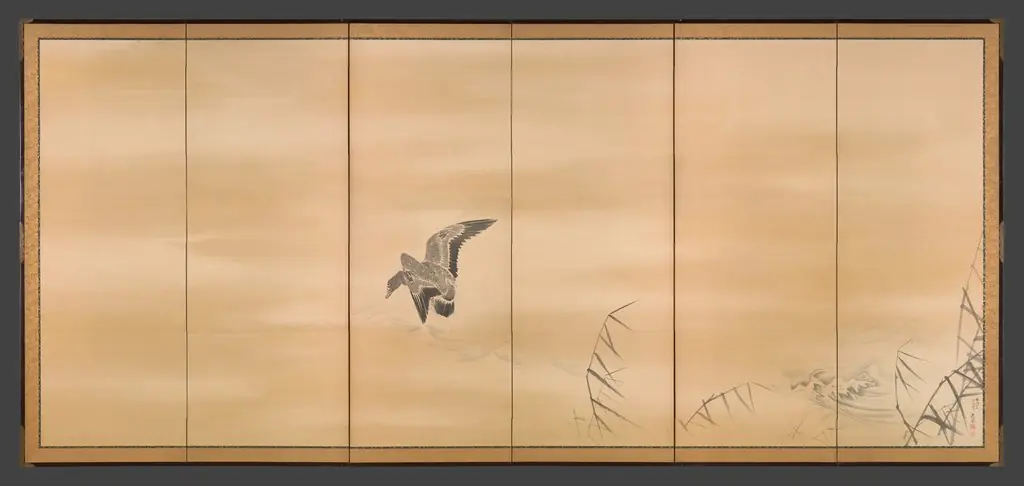 Goose and Reeds; Willows in the Moonlight
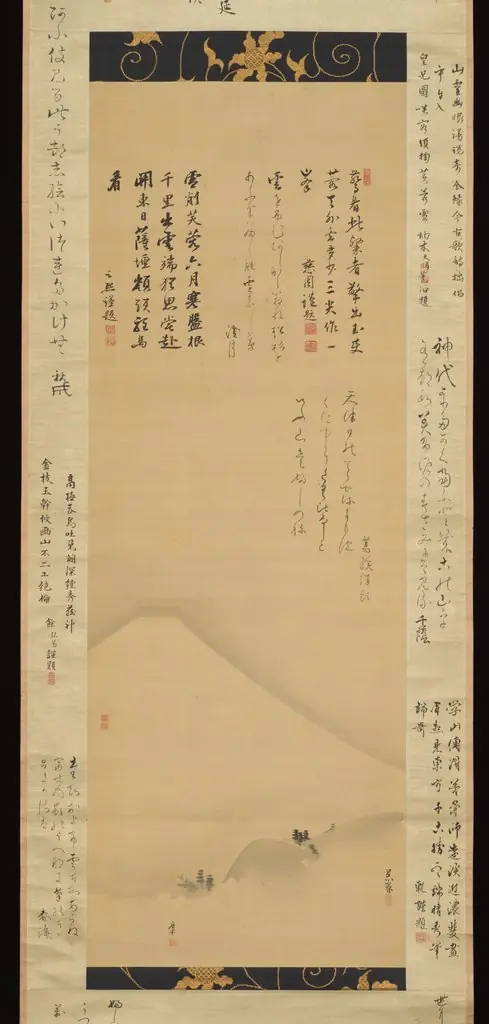 Gassaku: Mount Fuji 合作・富士山図 (Gassaku Fujisan zu)
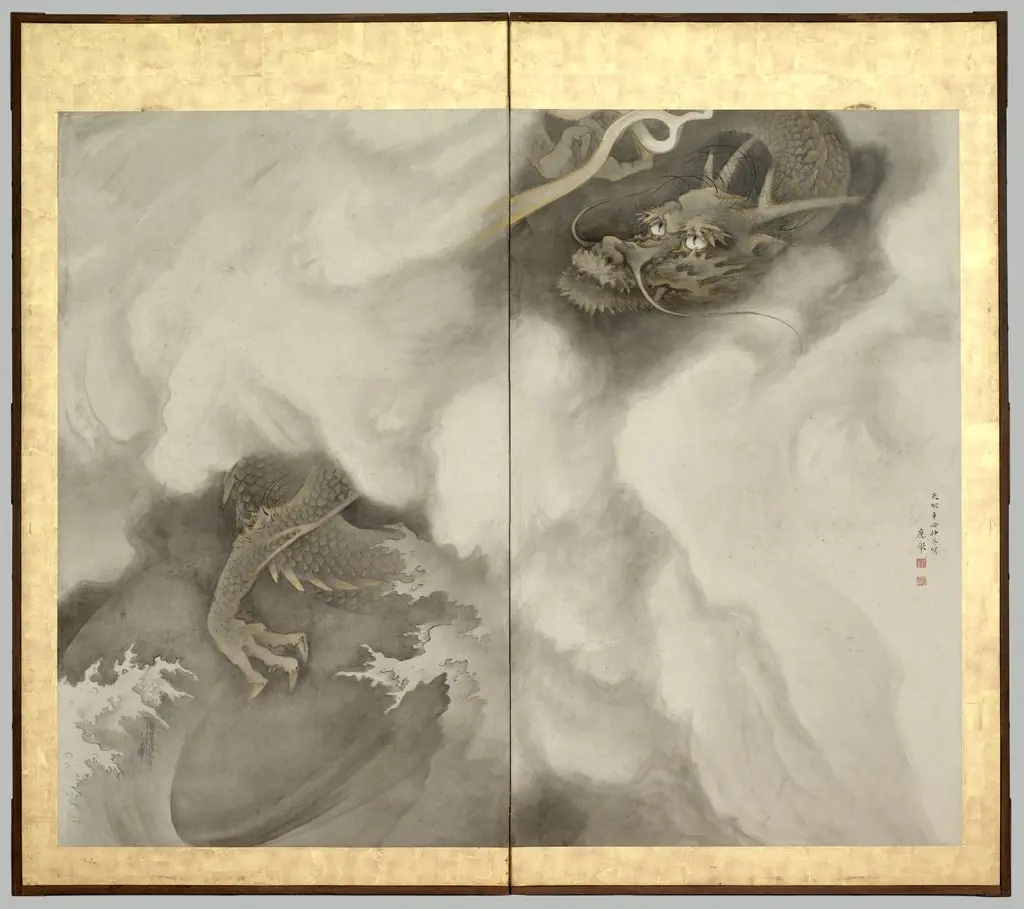 Tiger and Dragon: Dragon
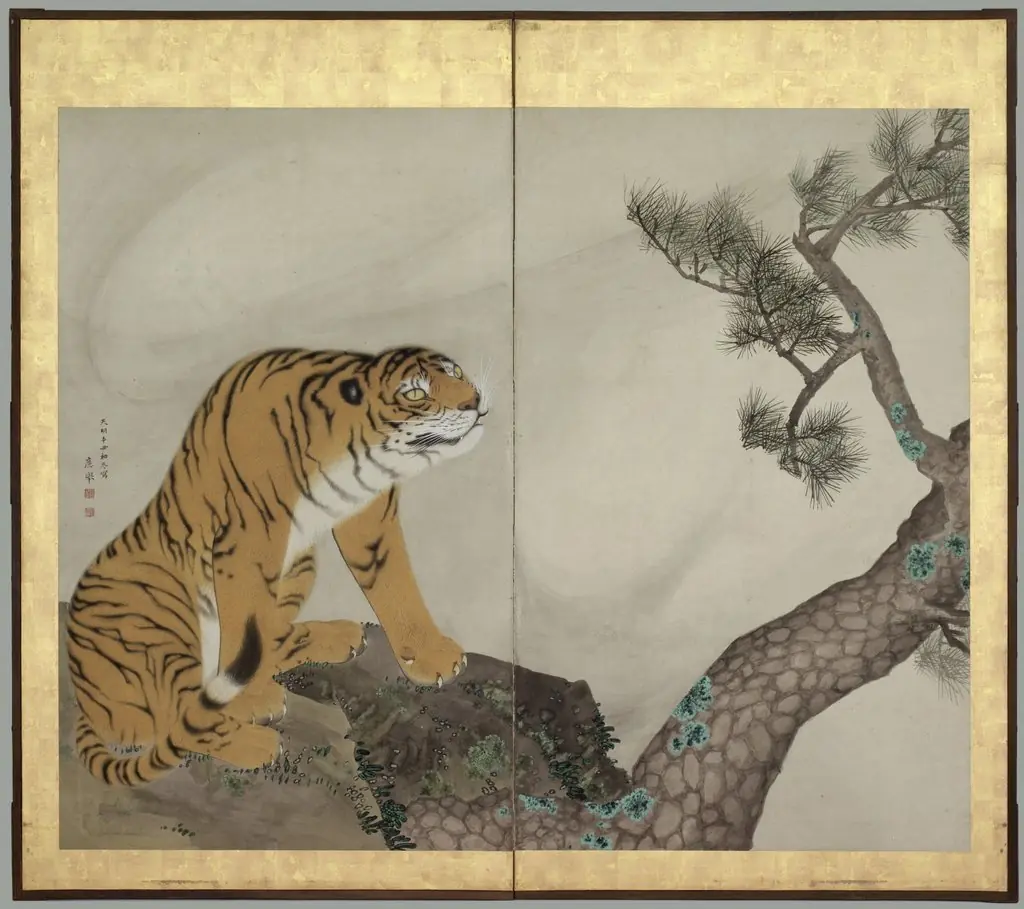 Tiger and Dragon: Tiger
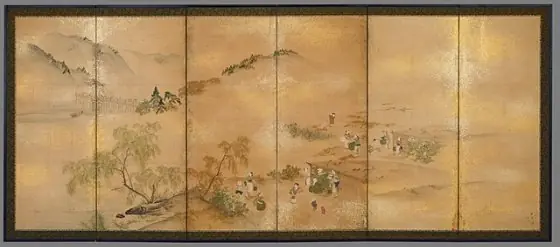 Tea Picking at Uji; Tea Party at Yoshida
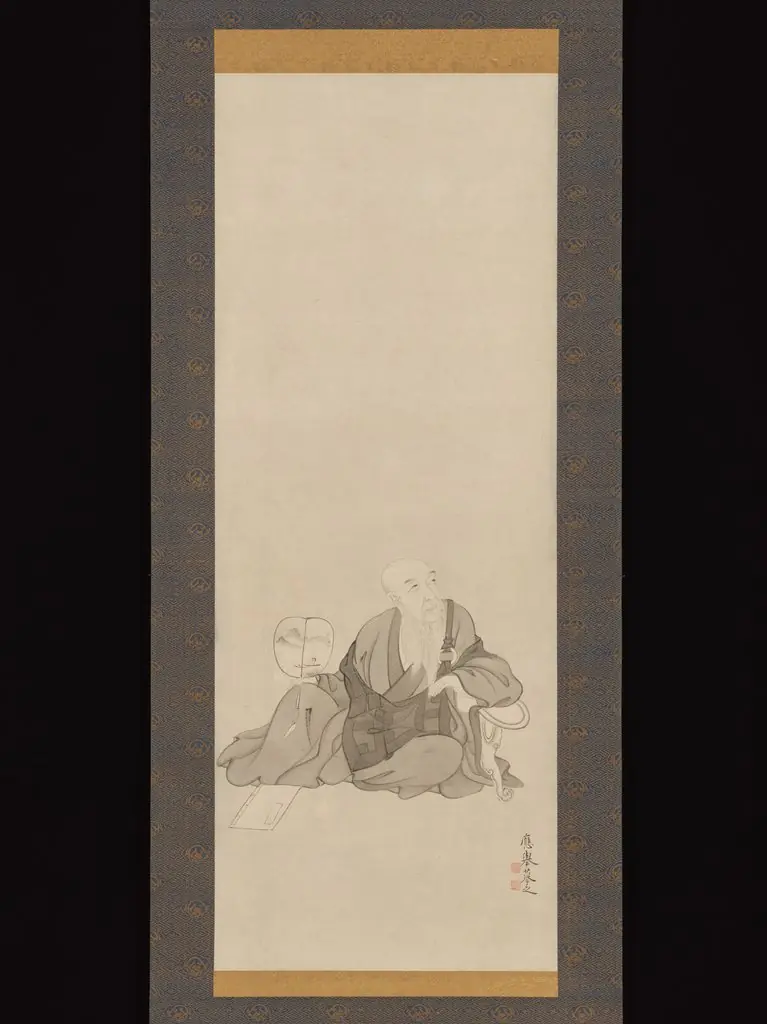 Portrait of Botanka Shōhaku
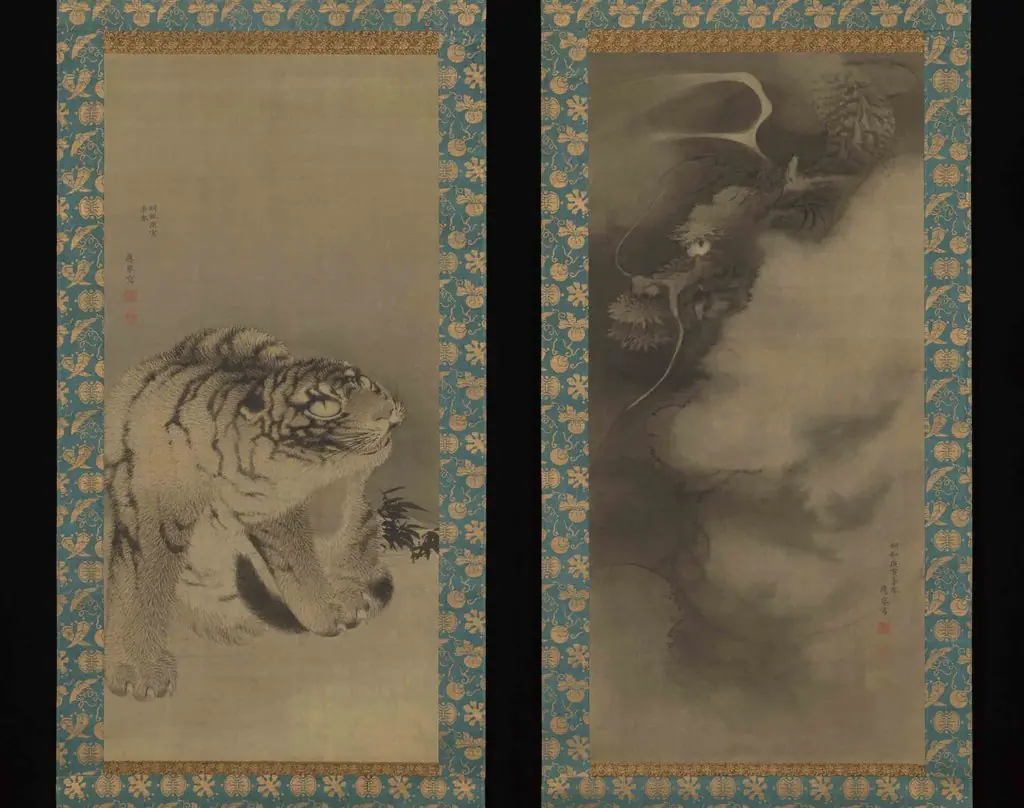 Dragon and Tiger 龍虎図 (Ryūko zu)
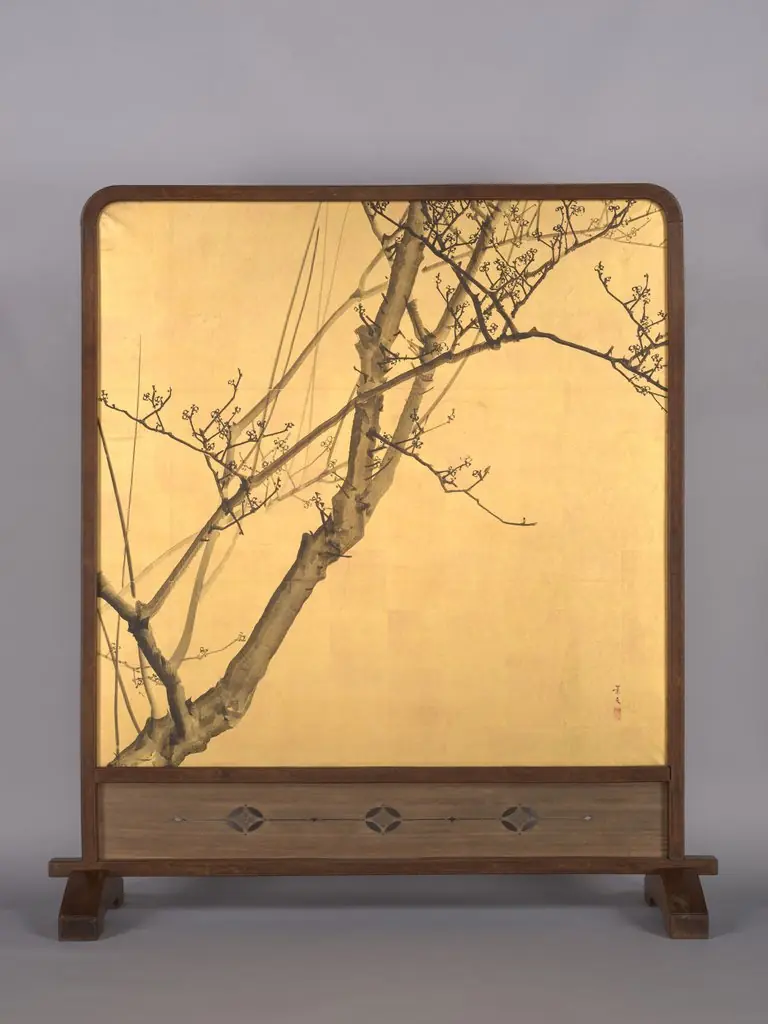 Plum Blossoms
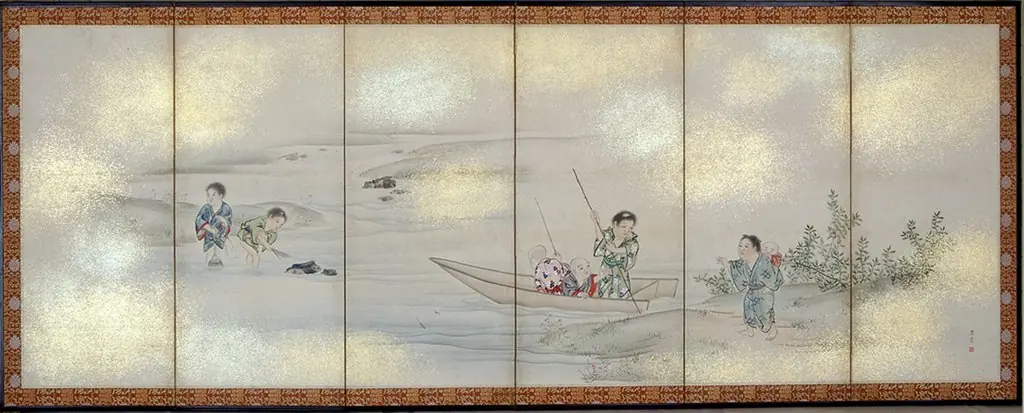 Children Playing in Summer and Winter
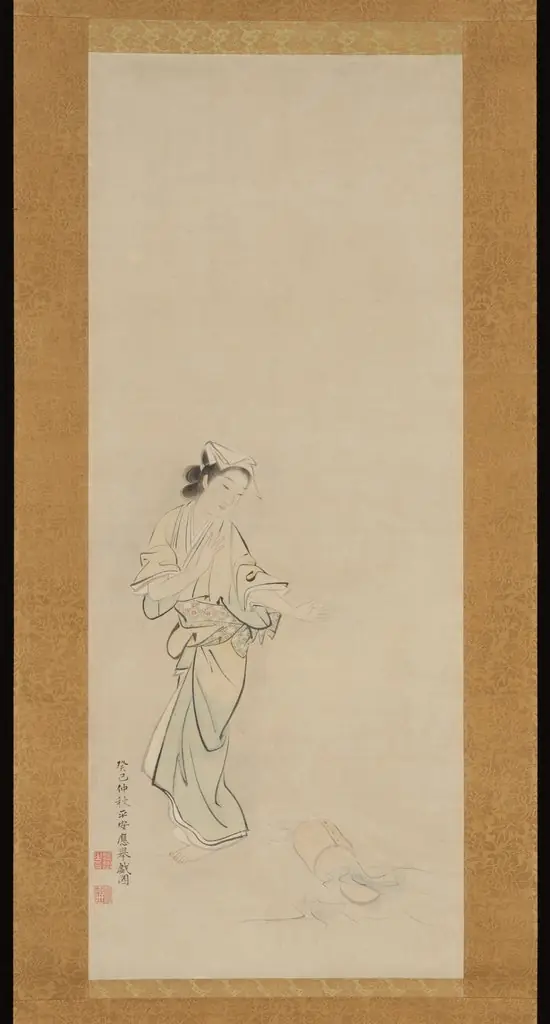 Lady Chiyono
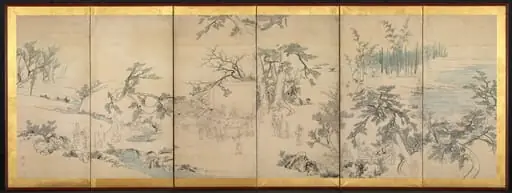 Literary Gathering in the Orchid Pavilion
Groups & collectives
Frequently asked questions
What is Maruyama Shijo?
Maruyama Shijo is an art movement. An 18th-century Kyoto school founded by Maruyama Ōkyo that fused Western-influenced realism with the soft lyricism of Japanese painting.
How many Maruyama Shijo works does Artifact World Gallery have?
Artifact World Gallery holds 20 public-domain Maruyama Shijo works, all free to view and download.
Who are the key Maruyama Shijo artists?
Key Maruyama Shijo artists in the collection include Genki, Kawabata Gyokushō and Matsumura Goshun.
When did Maruyama Shijo take place?
Maruyama Shijo dates from 1750–1850.
Where can I see Maruyama Shijo works?
Maruyama Shijo works in the collection are held by Metropolitan Museum of Art, Cleveland Museum of Art and Detroit Institute of Arts.