Artwork
Untitled
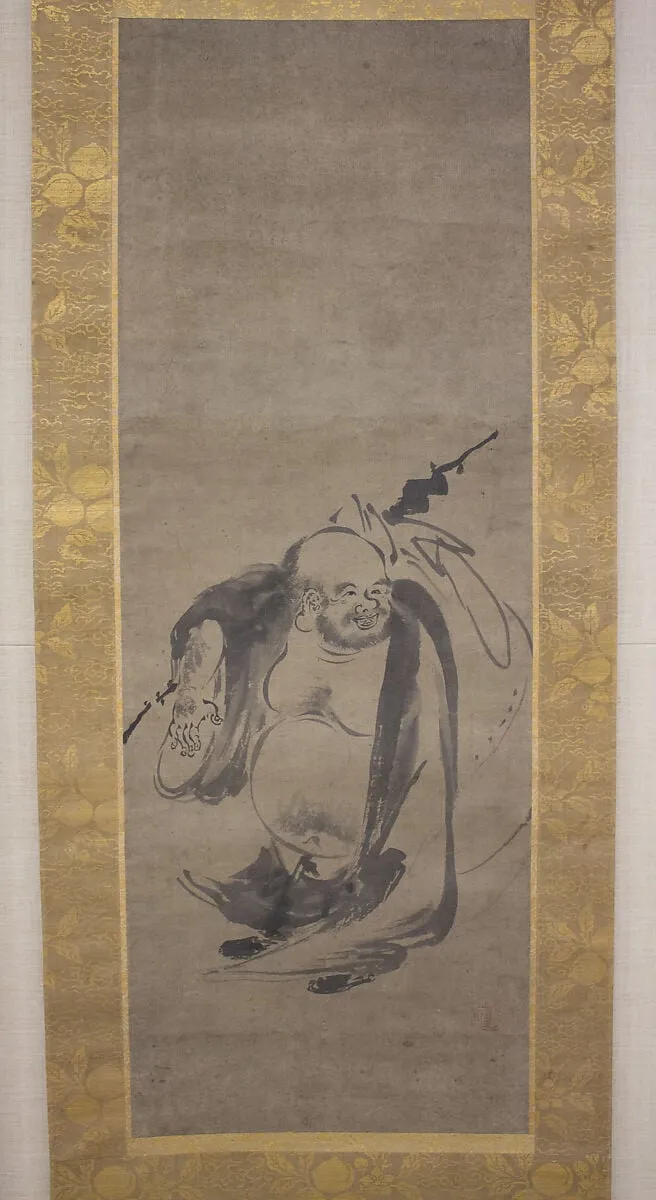
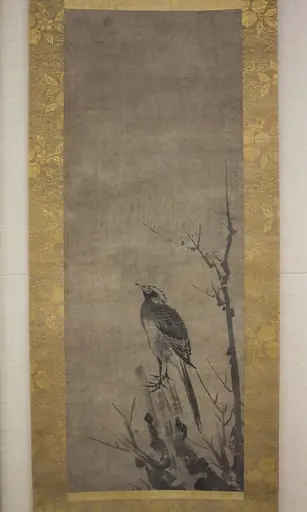
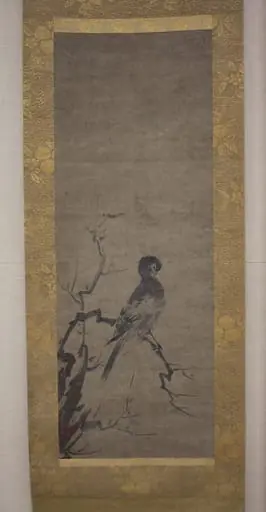
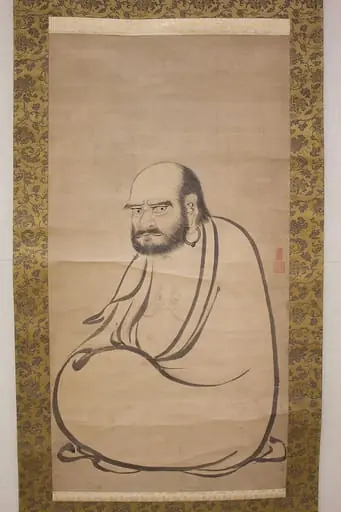
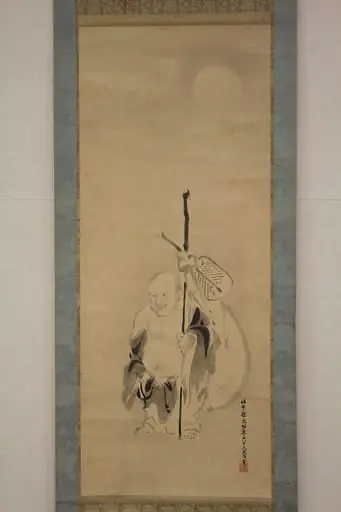
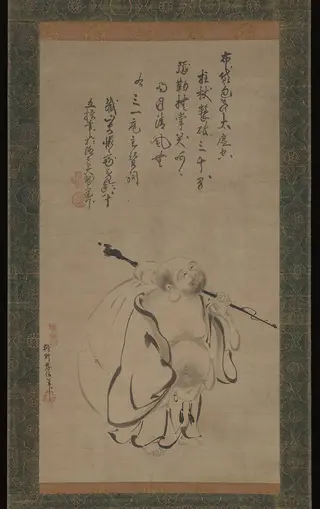
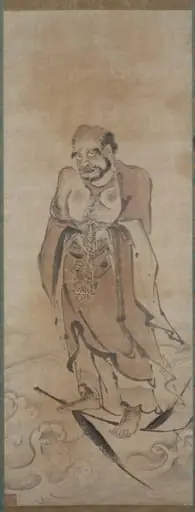
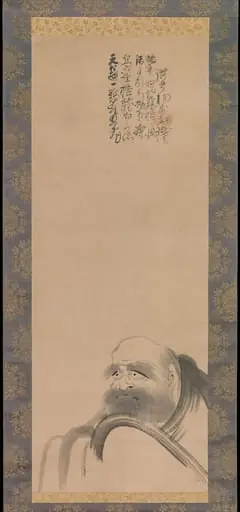
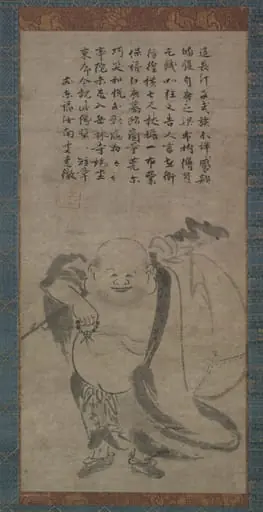
Untitled is a paint painting by the Renaissance artist Kenkō Shōkei. It dates from 1483 and is held in the collection of the Metropolitan Museum of Art.
About this work
Subject & Meaning
The figure is rendered in profile, emphasizing stillness and introspection.
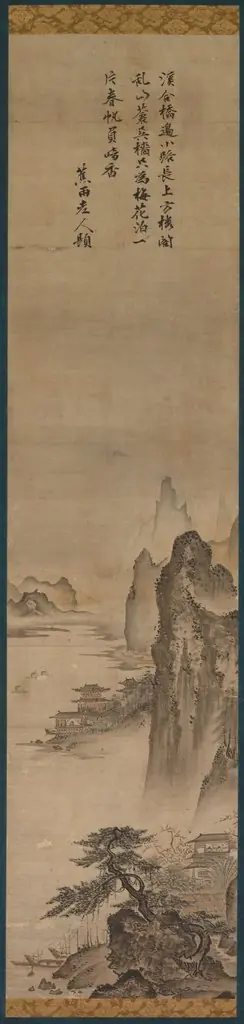
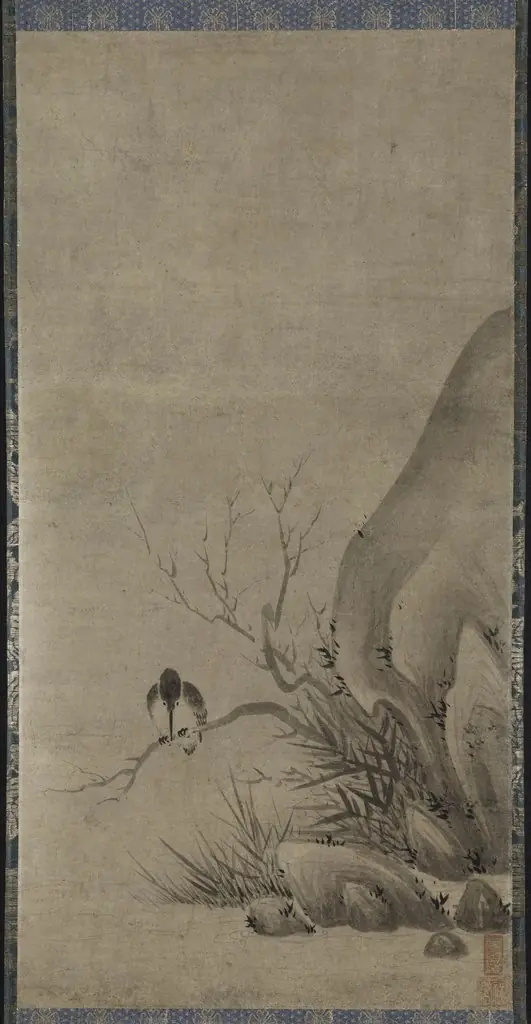
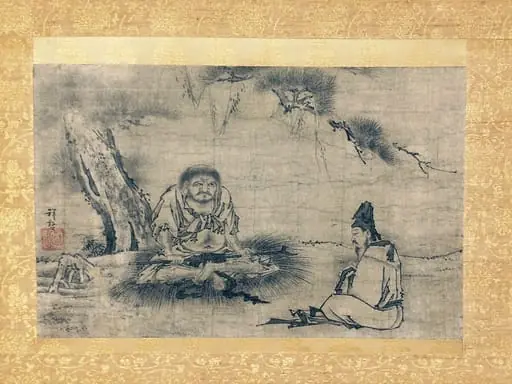
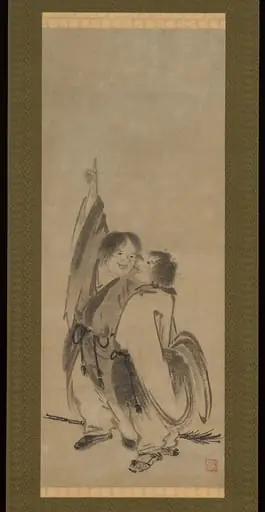
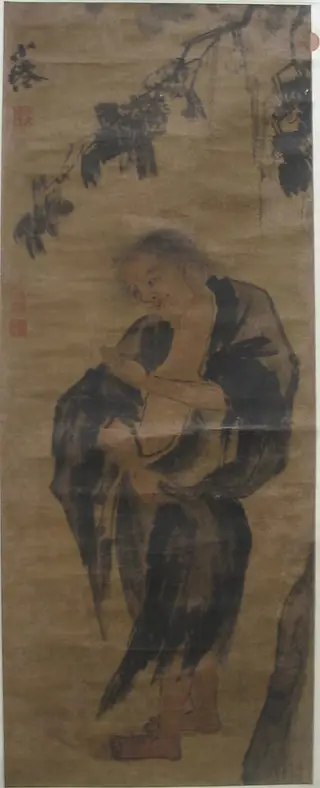
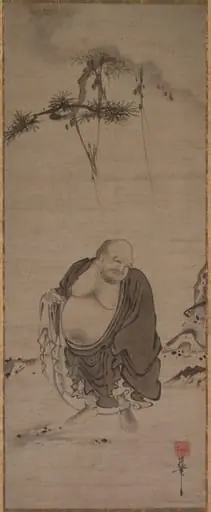
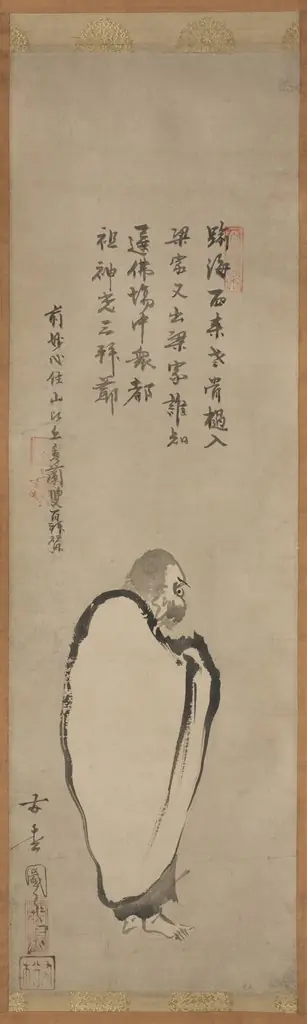
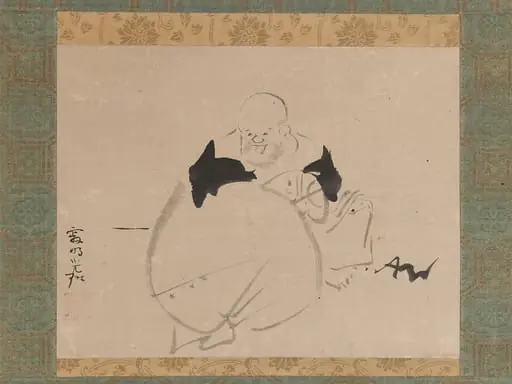
The painting depicts a single standing man in a landscape setting. The figure is rendered in profile, emphasizing stillness and introspection. The sparse composition and muted palette focus attention on the lone human presence within the natural environment, suggesting themes of solitude or contemplation rather than narrative action.
The absence of additional figures or overt symbols leaves the work’s precise meaning open to interpretation, though the quiet atmosphere implies a meditation on human presence within the broader world.
Technique & Style
The work is executed in paint on paper, a medium consistent with Japanese painting practices of the late 15th century. Measuring 83.3 cm in height and 30.5 cm in width, the support is a vertically oriented sheet that accommodates a landscape composition with Gavin a man. The genre classification as landscape with a depicted figure suggests a integration of human presence within natural surroundings, a common thematic concern in Japanese ink painting of the period. The relatively modest dimensions indicate an intimate format, likely intended for close viewing.
History & Provenance
Untitled was created in 1483 by the Japanese artist Kenkō Shōkei. The painting, executed in paint on paper, depicts a man within a landscape composition. The work is held in the collection of the Metropolitan Museum of Art, where it remains on view.
The work Untitled by Kenkō Shōkei is held in the collection of the Metropolitan Museum of Art in New York. While the source does not provide a specific inventory or accession number, it confirms the museum's location and possession of the painting created in 1483. The provided records do not contain any information regarding the artwork's exhibition history.
Overview
Created in 1483 by the Japanese artist Kenkō Shōkei, this untitled work is a modestly sized painting executed on thin paper. Though classified as a landscape, the composition centers on a solitary figure moving along a narrow bamboo-lined path, conveying a quiet, meditative atmosphere typical of Zen visual culture.
Context
In the late Muromachi period, Zen-influenced art favored minimalism and the suggestion of space rather than detailed representation. Works like this one exemplify the aesthetic of wabi‑sabi, valuing simplicity, transience, and the understated beauty of everyday moments, reflecting broader cultural currents within Japanese Buddhist practice.
Artist & collection