Artwork
Hotei
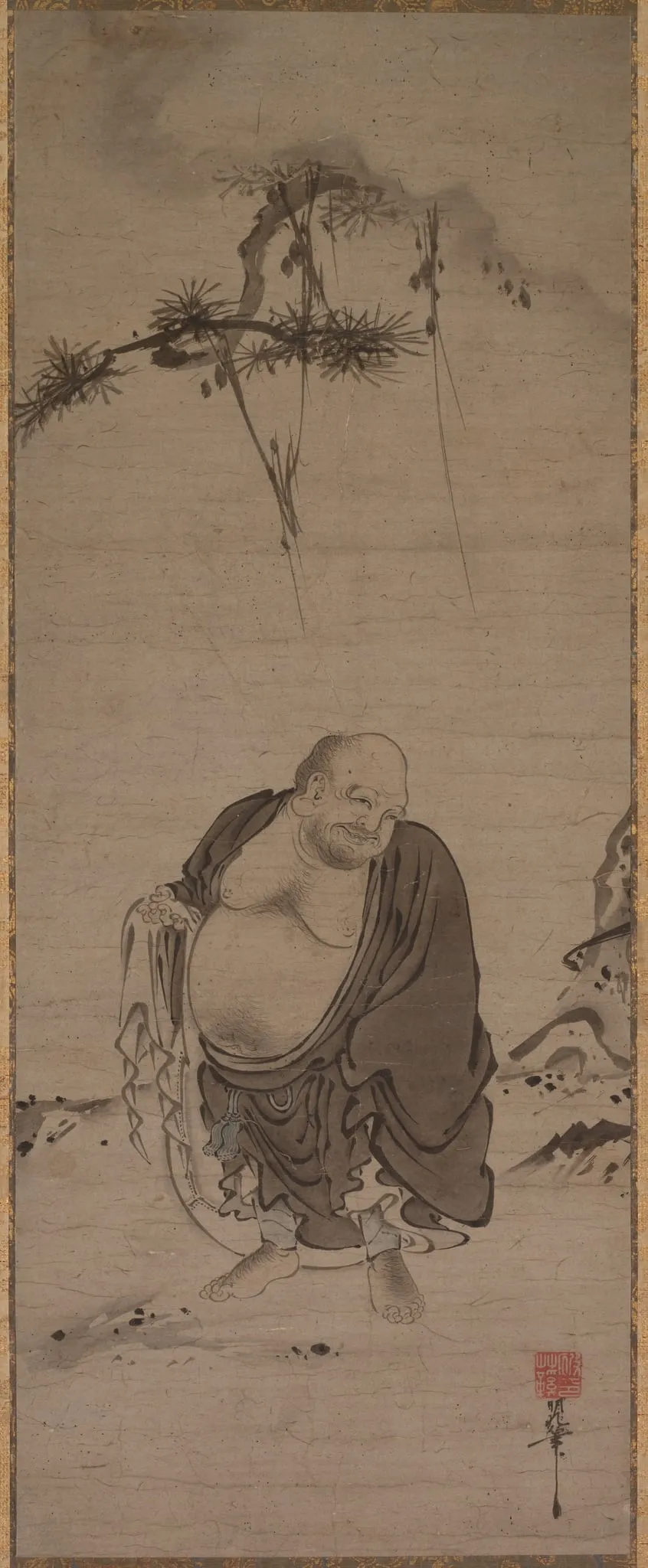
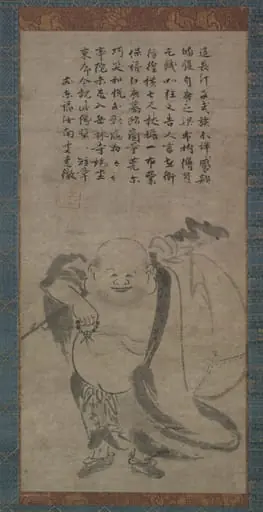
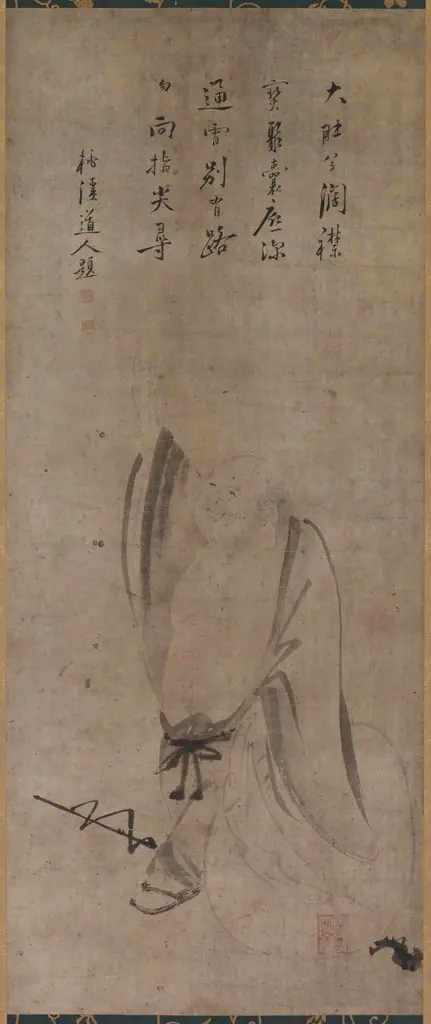
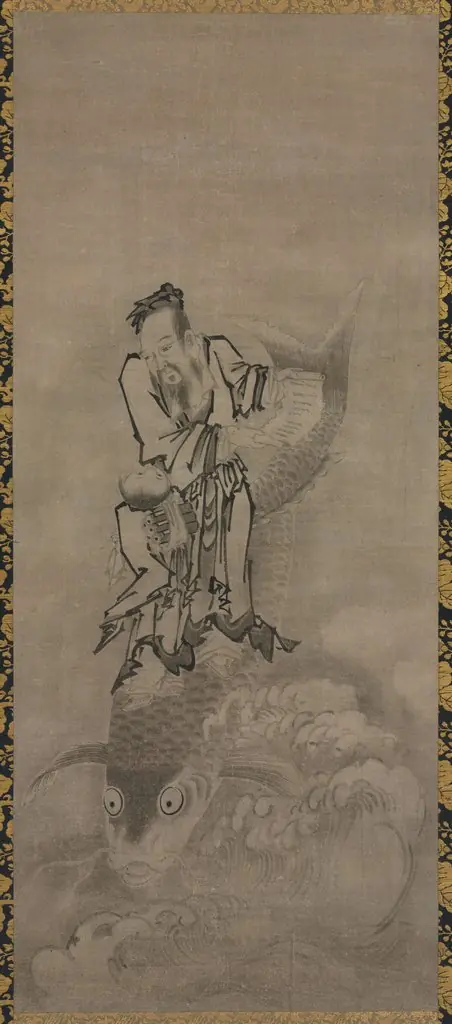
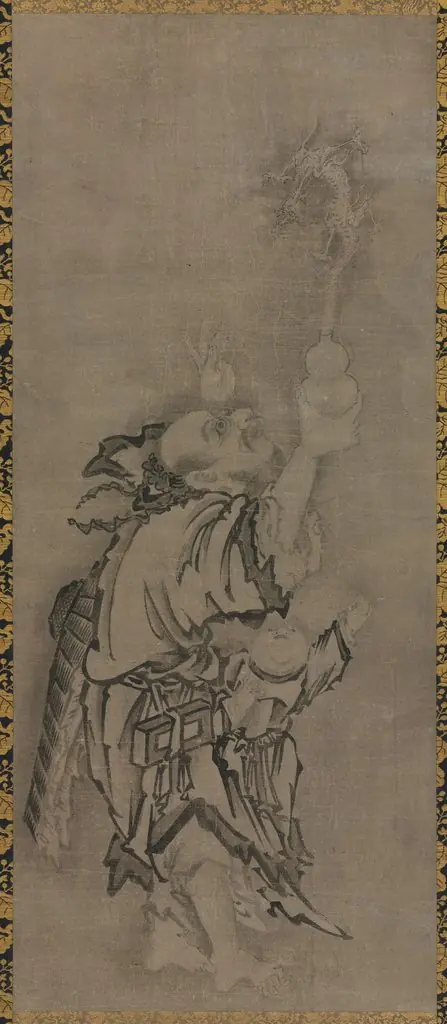
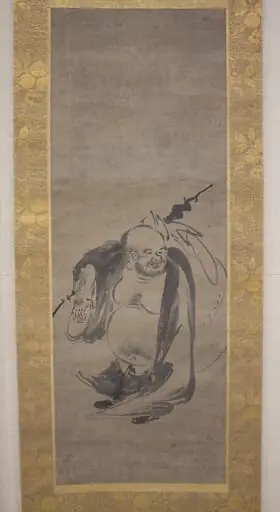
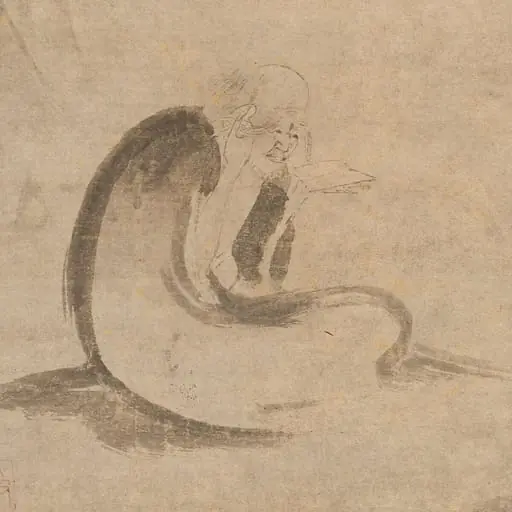
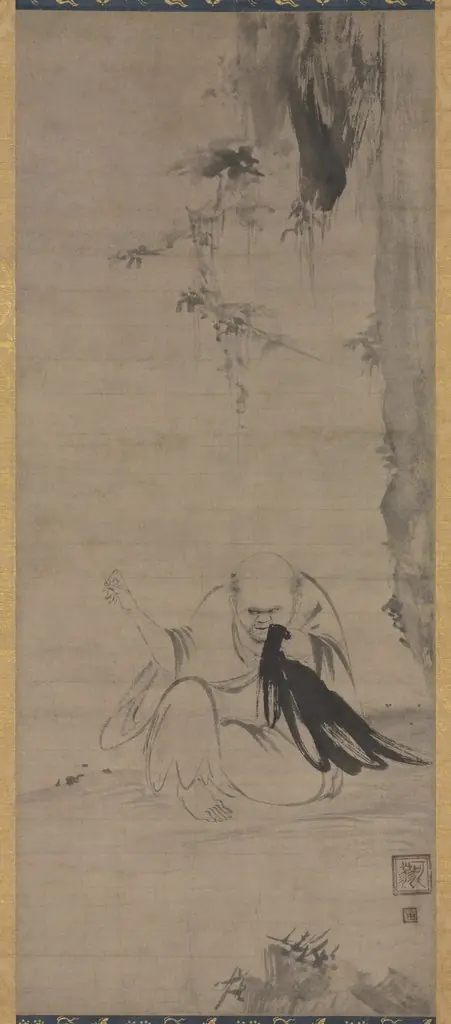
Hotei is an unspecified painting by the Joseon dynasty painting artist Kichizan Minchō. It dates from 1400 and is held in the collection of the Cleveland Museum of Art.
- Accession no.
- 1978.5
- Credit line
- Purchase from the J. H. Wade Fund
About this work
Overview
Hotei is a painting by Kichizan Minchō, created in 1400. It is a religious work held at The Cleveland Museum of Art.
Subject & Meaning
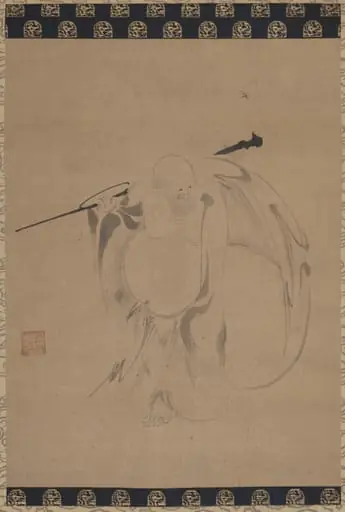
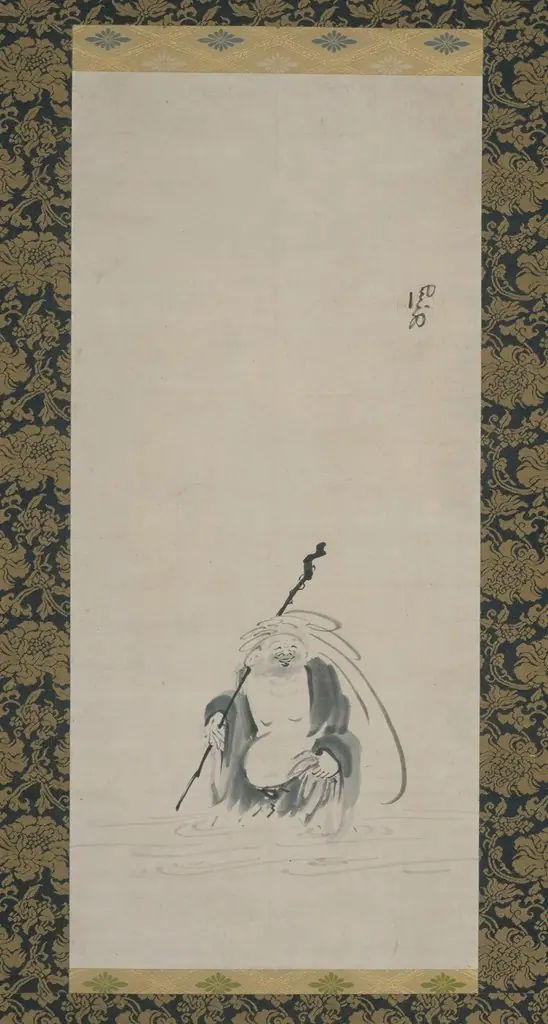
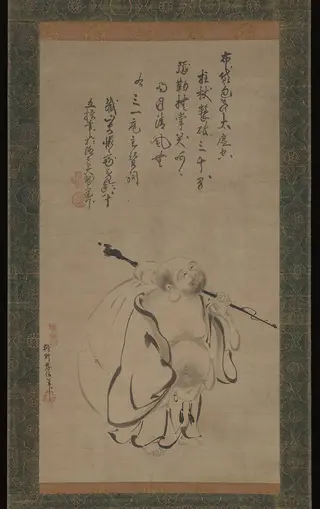
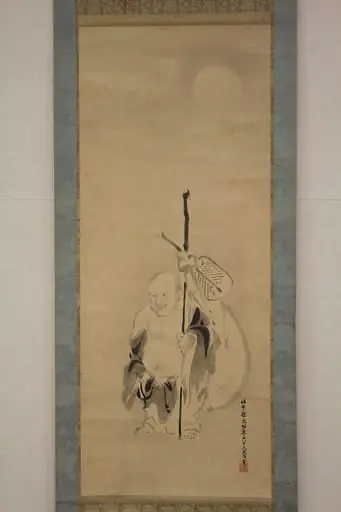
The painting depicts a bald, rotund man with a gentle smile, dressed in traditional Japanese robes, set against a serene landscape with trees and a cloudy sky. The figure is likely a representation of a Buddhist deity or monk, given the artist's cultural and historical context.
Technique & Style
The work is characterized by muted colors and delicate brushstrokes, evoking a peaceful atmosphere. The style is consistent with Japanese art from the late 1300s to early 1400s, reflecting the artistic traditions of the time.
Context
The painting is a product of the Muromachi period, a time of significant cultural and artistic development in Japan. Understanding this historical context can provide insight into the artwork's themes and stylistic choices.
Artist & collection