Artwork
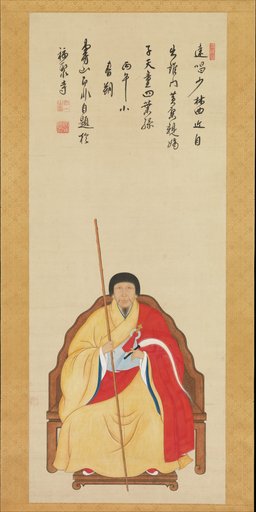
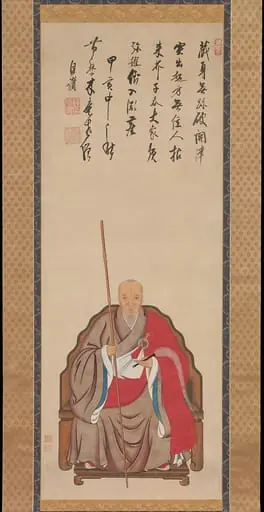
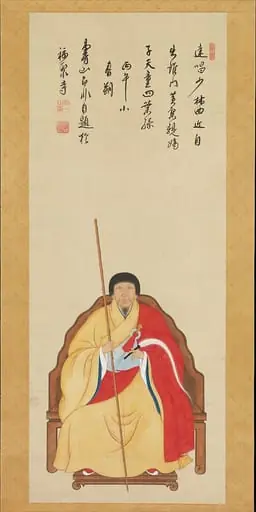
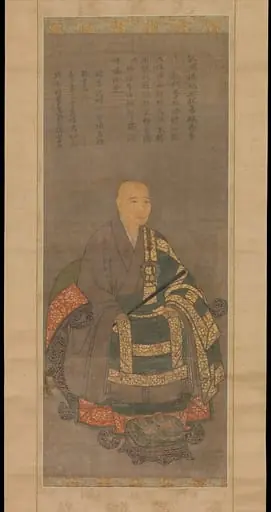
Portrait of Duli Xingyi
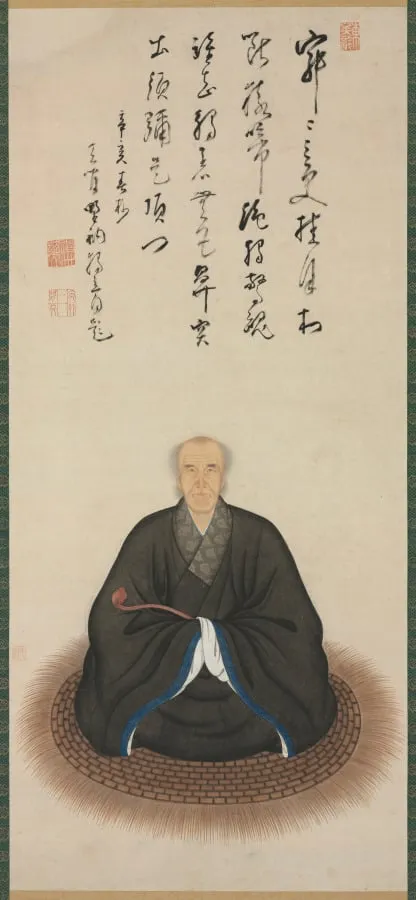
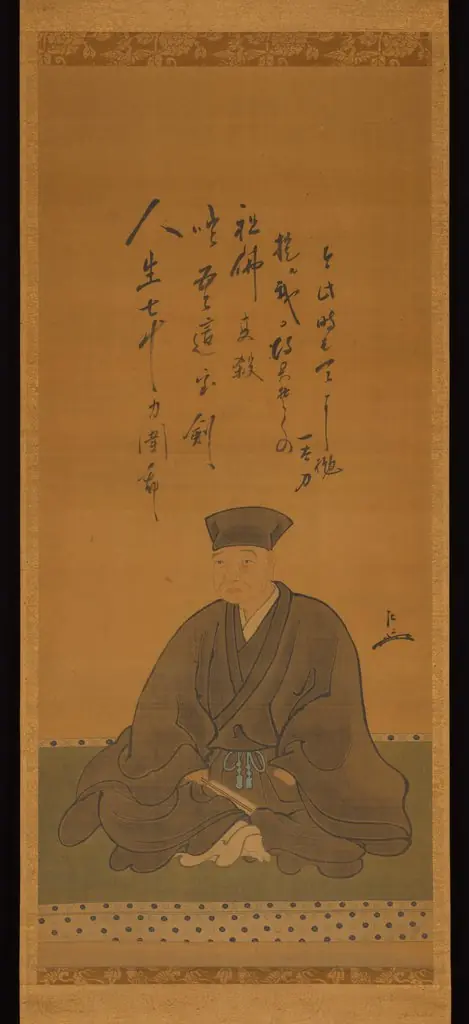
Portrait of Duli Xingyi is an unspecified painting by the Baroque artist Kita Genki. It dates from 1671 and is held in the collection of the Cleveland Museum of Art.
- Accession no.
- 1965.31
- Credit line
- Mr. and Mrs. William H. Marlatt Fund
About this work
The monk, Duli Xingyi, painted it too, adding his own poem about moonlight and sudden loneliness.
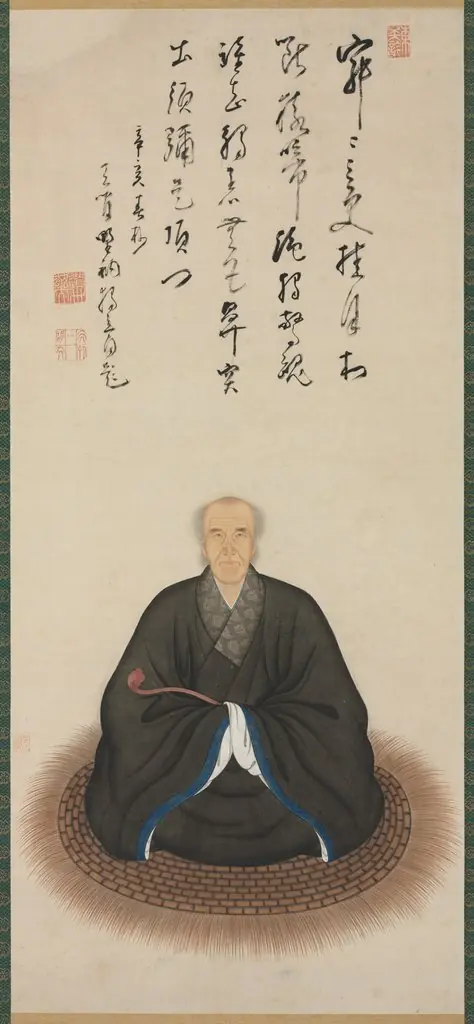
A monk sits on a woven mat, holding a carved scepter. His robe is simple, his face calm. Above his head, Chinese characters float, words he wrote himself the year before he died.
This isn’t just a portrait. The monk, Duli Xingyi, painted it too, adding his own poem about moonlight and sudden loneliness. It’s rare to see a subject also be the artist, especially in Japan at this time.
To see more works like this, look up Japan, Edo period (1615–1868).
Overview
This painting is a portrait of Duli Xingyi, a Buddhist monk of the Ōbaku school, created with a blend of Chinese and Western techniques.
Subject & Meaning
Duli Xingyi, originally from China, sits on a woven mat holding a ceremonial scepter. The portrait includes an inscription he wrote in 1671, a poem reflecting on a moment of contemplation and sudden insight.
Technique & Style
The painter, Kita Genki, combined Chinese brushwork learned in Nagasaki with Western painting methods to depict Duli Xingyi's likeness. The simple yet calm representation of the monk is complemented by his own calligraphic inscription.
History & Provenance
Duli Xingyi emigrated to Japan in 1653 and took monastic vows. He was known for his skills in calligraphy and seal carving. The portrait was inscribed by him the year before his death in 1672.
Artist & collection