Artwork
Moses bringing forth water from the rock
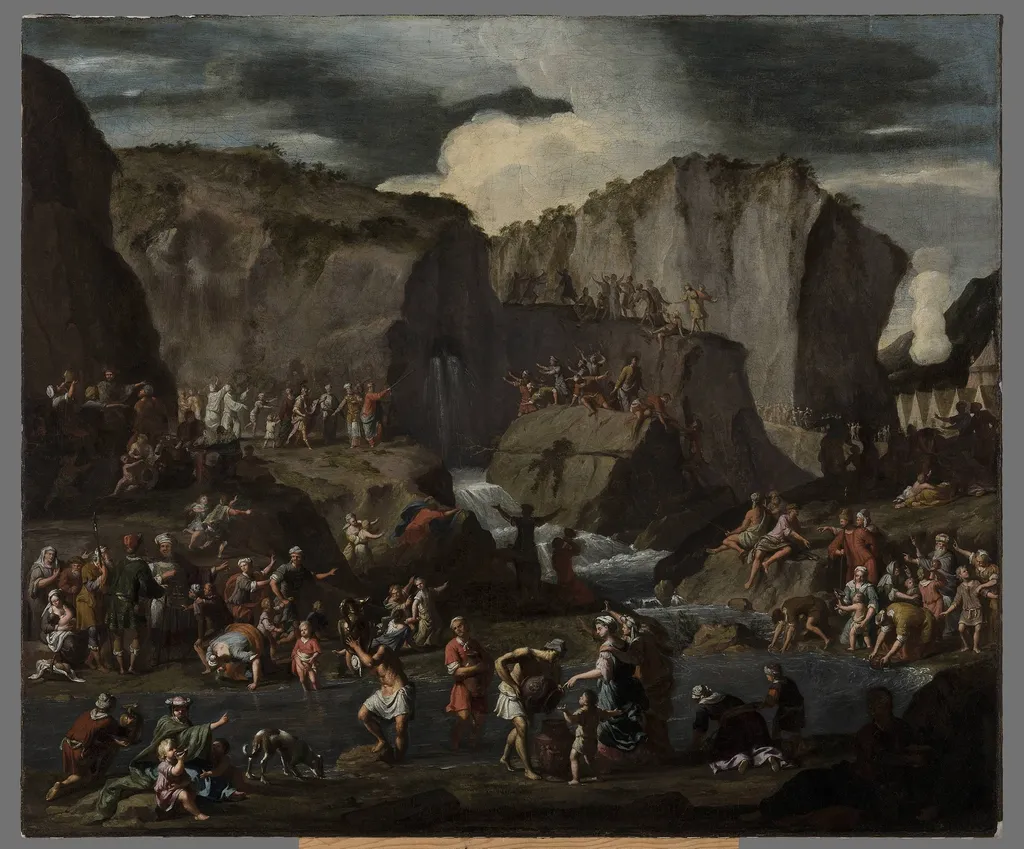
Moses bringing forth water from the rock is an oil painting by Krzysztof Lubieniecki. It dates from 1714 and is held in the collection of the National Museum in Warsaw.
About this work
Overview
The painting is now part of the National Museum in Warsaw’s collection, reflecting its enduring significance within Polish artistic heritage.
Painted in 1714 by Krzysztof Lubieniecki, this oil-on-canvas work depicts a biblical episode from the Book of Exodus. Lubieniecki, a Polish artist active in Amsterdam during the Dutch Golden Age, rendered the scene with careful attention to narrative clarity and emotional resonance. The painting is now part of the National Museum in Warsaw’s collection, reflecting its enduring significance within Polish artistic heritage.
Subject & Meaning
The scene illustrates Moses striking a rock to produce water for the Israelites during their desert journey. The composition emphasizes divine intervention through natural means: water gushes from the fractured stone, sustaining a desperate crowd. Figures react with awe, gratitude, and urgency, reinforcing the theme of providence amid hardship. The moment captures faith rewarded, aligning with religious narratives common in Baroque visual culture.
Technique & Style
Lubieniecki employs chiaroscuro to heighten the drama, contrasting deep shadows with pools of light that illuminate the cascading water and key figures. The lighting directs attention to the rock’s rupture and the gathering crowd, creating a sense of spatial depth. Brushwork is precise yet fluid, particularly in rendering fabric folds and the movement of water, reflecting influences from Dutch realism and Italianate lighting traditions.
History & Provenance
Created during Lubieniecki’s time in Amsterdam, the painting likely circulated among Polish expatriate communities or patrons interested in biblical themes. It entered the National Museum in Warsaw’s holdings in the 19th century, possibly through state acquisition or donation. Its survival through political upheavals underscores its cultural value to Polish national identity and artistic memory.
Context
In early 18th-century Europe, biblical subjects remained central to religious and civic art, even in Protestant regions like the Netherlands. Lubieniecki’s work bridges Polish devotional traditions and Dutch technical precision. His choice of this particular episode resonated with audiences seeking moral and spiritual reassurance, especially in times of instability or displacement.
Legacy
Though not widely exhibited beyond Poland, the painting stands as a representative example of Polish Baroque painting abroad. Lubieniecki’s synthesis of Northern European realism with Italianate drama influenced later generations of Polish artists. Its preservation in a national museum ensures continued study of how religious narratives were adapted across cultural boundaries in early modern Europe.
Own this work as a print
Artist & collection
Artist
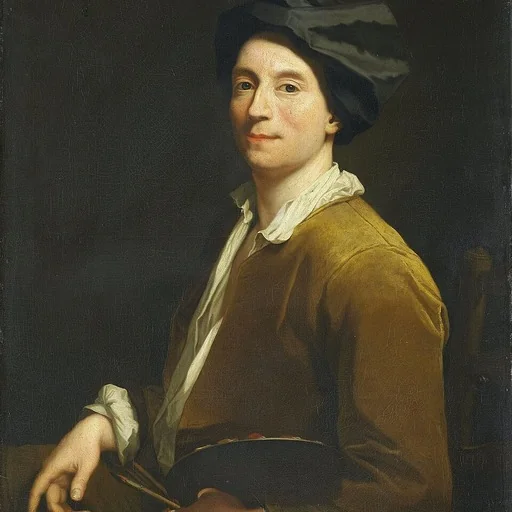
Krzysztof Lubieniecki or Christoffel Lubienietzky (1659–1729) was a Polish Baroque painter and engraver active in Amsterdam during the Dutch Golden Age.

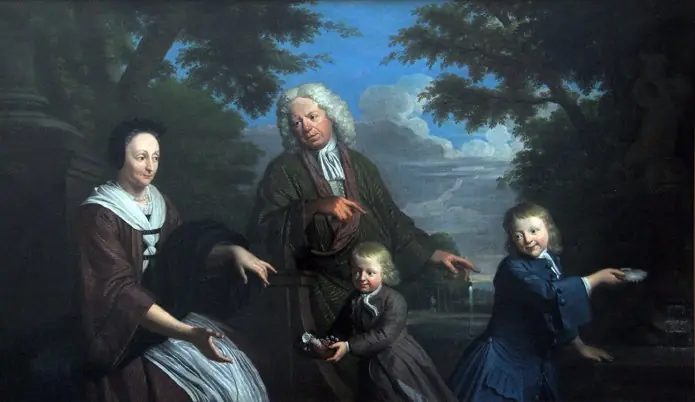 Family portrait of Gozewijn Centen
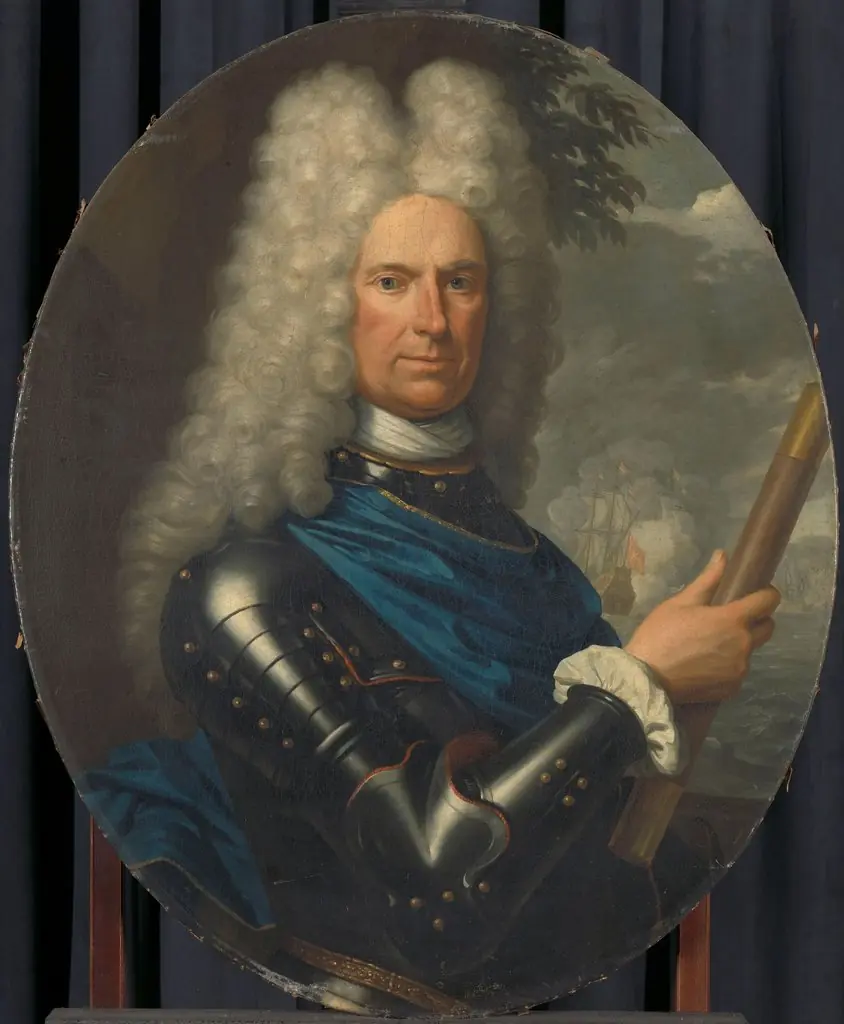 Portrait of Rear-Admiral Arent van Buren
 Portrait of a Painter, probably a Self Portrait
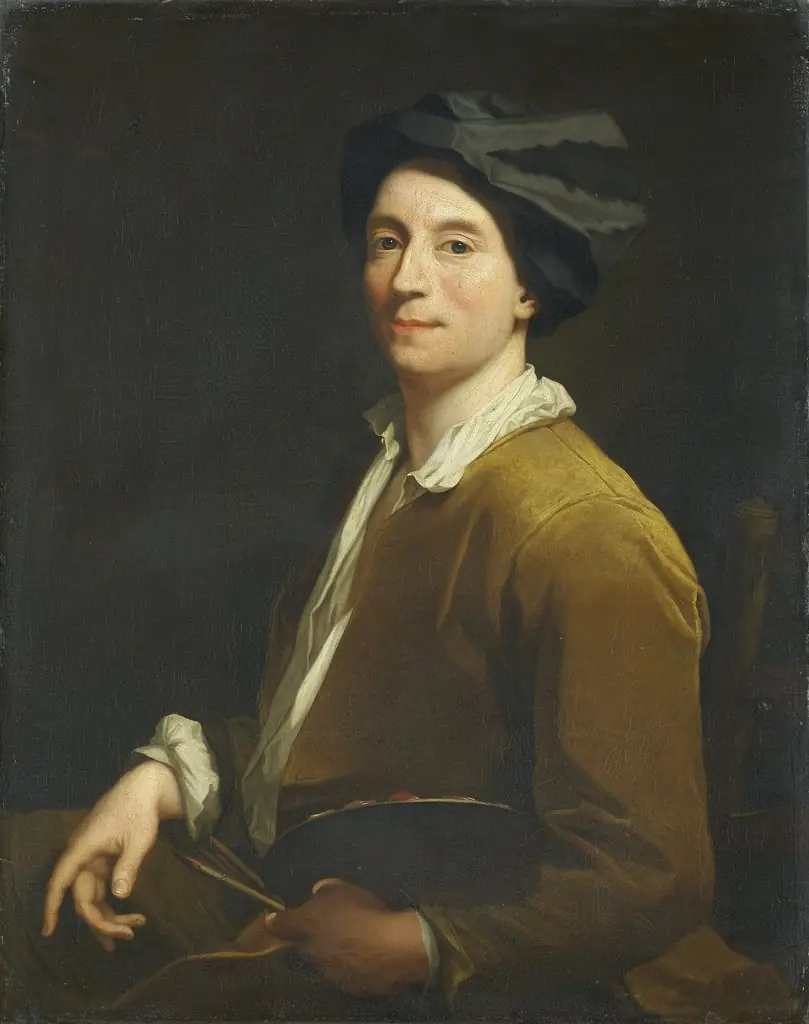 Portrait of a Painter, probably a Self Portrait
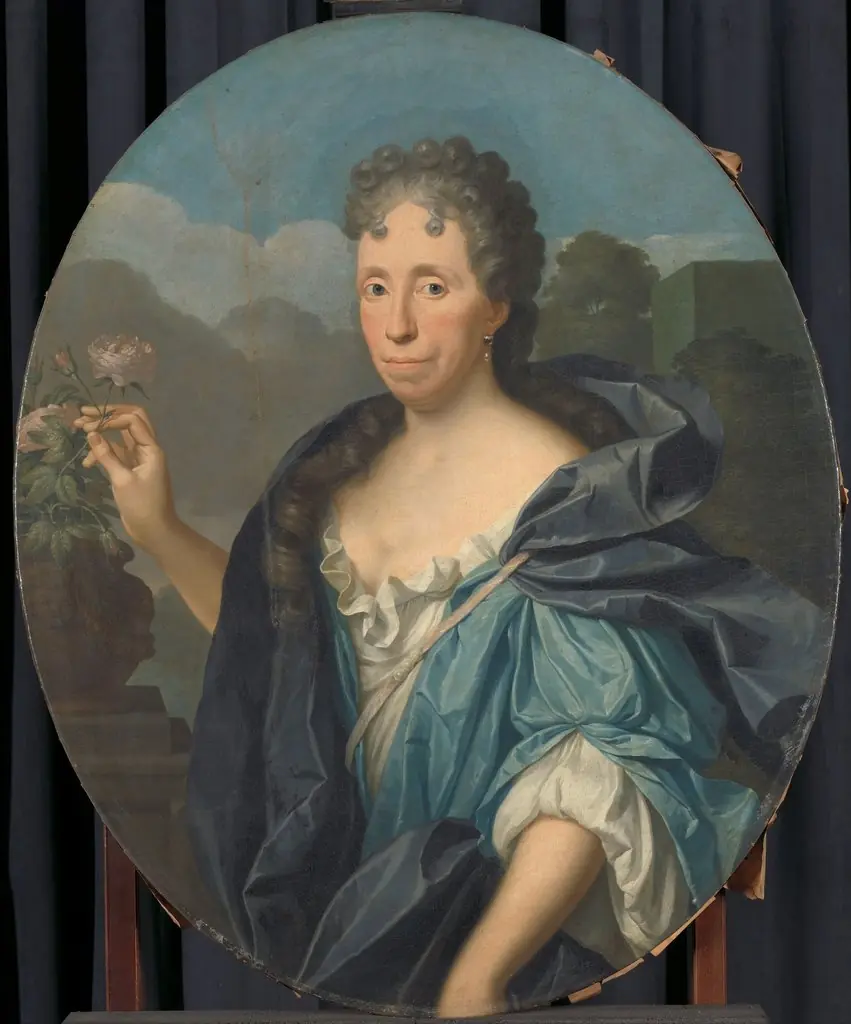 Portrait of Sabina Agneta d'Acquet, Wife of Arent van Buren
 Portrait of Job Siewerts
 Portrait of Rear-Admiral Arent van Buren
 The Sense of Smell
 Landscape with a Battle between Two Rams
 Christ's Entry into Jerusalem
 Jahrmarkt vor einem Stadttor
 Landscape with Ancient Ruins, a Resting Flock in the Front
 King Midas Judging the Musical Contest between Pan and Apollo
 Landschaft mit Überfall
 Landscape with a Gipsy camp
 Return from the Falcon Hunt
 Der Ponte Molle in Rom
 Imaginary Landscape
 Polycrates and the Fisherman
- Moses Strikes the Rock