Artwork
Majolica plate - The death of Archimedes
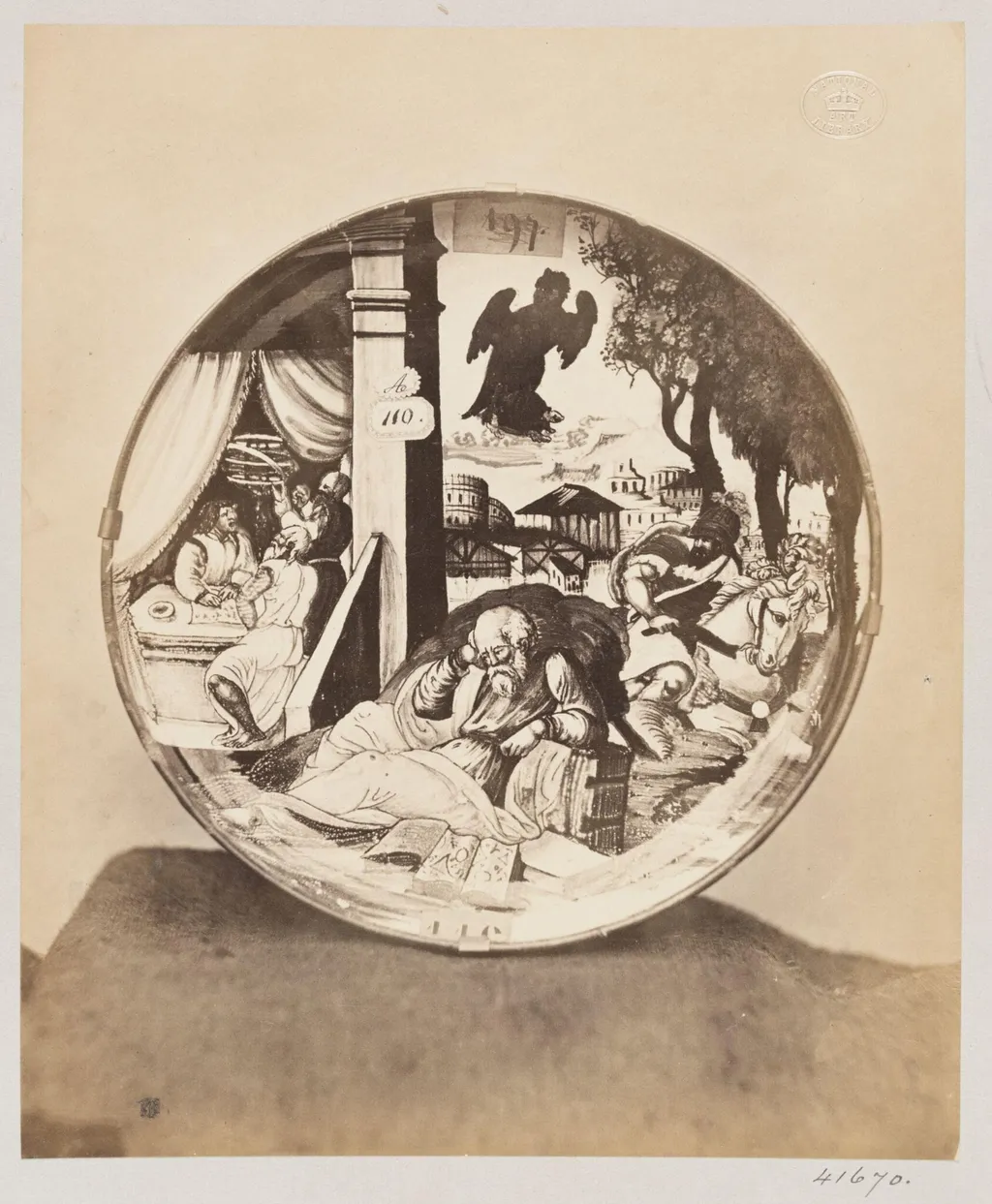
Majolica plate - The death of Archimedes is a photographic photography by the Impressionist artist Louise Laffon. It dates from 1864 and is held in the collection of the Victoria and Albert Museum. This early photographic print records a French‑made majolica plate that depicts the moment of Archimedes’ death.
About this work
This photograph shows a ceramic plate featuring a scene from ancient history. It was made in France between 1863 and 1864 using photography, which was still new at the time.
The Victoria and Albert Museum started collecting photos early. They used them to help artists and students learn.
See how photography helped art grow at the Victoria and Albert Museum.
Overview
This early photographic print records a French‑made majolica plate that depicts the moment of Archimedes’ death. Produced in the mid‑1860s, the image is part of a larger series documenting objects from the former Campana Collection, then housed in the Musée Napoléon III. The photograph exemplifies the Victorian museum’s pioneering use of photography as a documentary and educational tool.
Subject & Meaning
The plate’s painted scene illustrates the classical narrative of Archimedes being slain during the Roman siege of Syracuse, a popular motif in 19th‑century historicist decoration. By capturing this image, the photograph conveys both the artistic interest in antiquity and the didactic purpose of visualizing historical episodes for scholarly reference.
Technique & Style
Created with the photographic processes available in the 1860s, the print reproduces the plate’s glossy ceramic surface and intricate painted details. The image balances clarity of line with the soft tonal range characteristic of early wet‑collodion work, allowing viewers to discern the composition without the glare that would affect direct observation of the object.
History & Provenance
The photograph was taken by Louise Laffon, a French photographer and one of the first women admitted to the Société Française de la Photographie. In 1864 the Victoria and Albert Museum acquired 500 prints from Laffon’s series through the dealer E. Cappe, adding them to the National Art Library’s holdings for use by museum staff, scholars, and students.
Context
At the time of acquisition, the V&A was the first British institution to collect and exhibit photographs, a policy driven by founding director Henry Cole. Photographs such as this were intended to supplement traditional reproductions, extending the visual resources available for teaching art and design across the museum’s various departments.
Artist & collection
Artist
Louise Laffon (1828–1885), was a French photographer and painter. She was one of the first female professional photographers in France. She had a studio in Paris between 1859 and 1876.

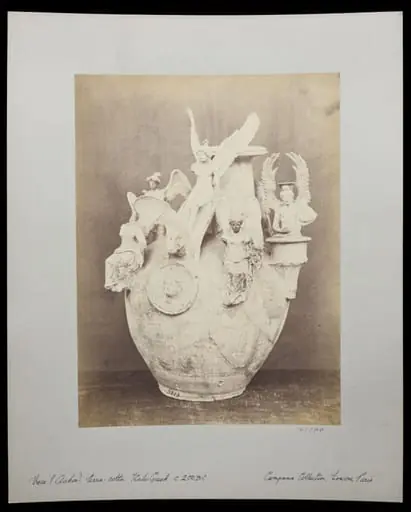 Perfume Burner in terra cotta
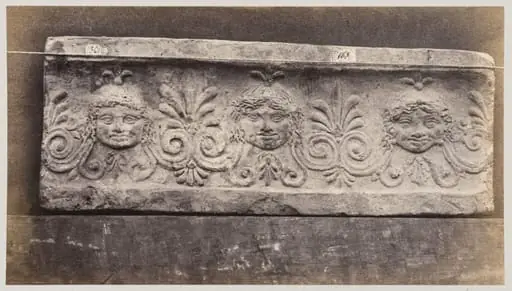 Three masques of gorgons in terra cotta
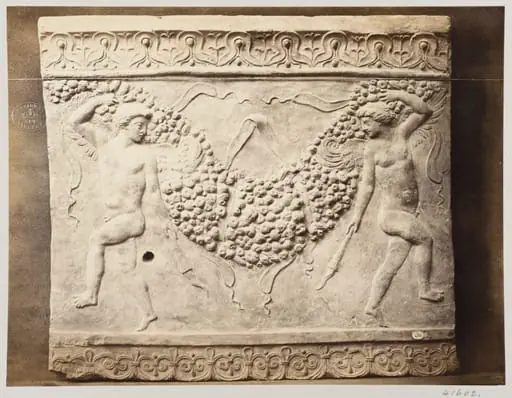 Bas-relief of portion of frieze of dancing figures with torches bearing festoon of fruit in terra cotta
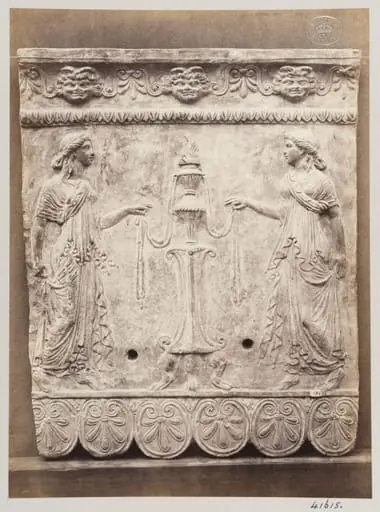 Bas-relief portion of a frieze of two draped females and an altar in terra cotta
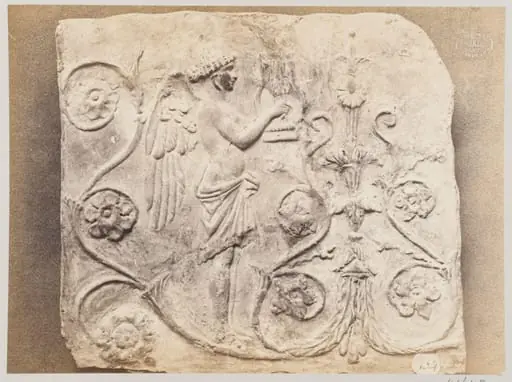 Bas-relief of a geni and a lyre in terra cotta
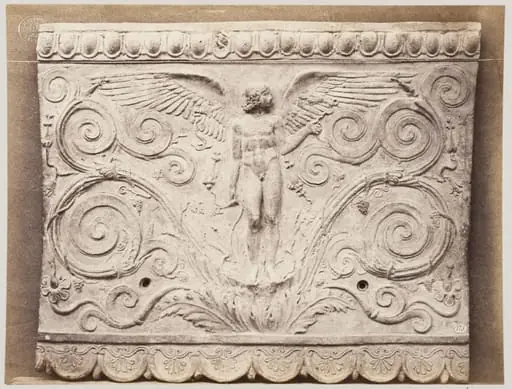 Bas-relief of a portion of frieze of Eros with scrollwork in terra cotta
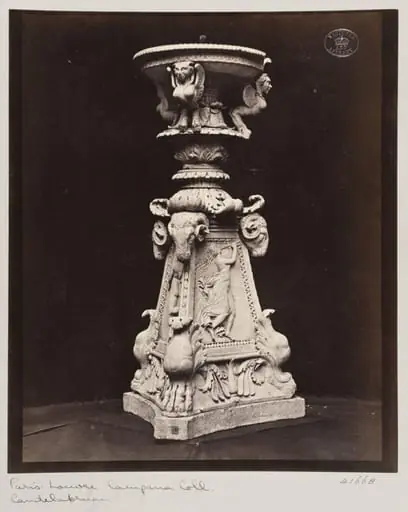 Marble sculptured fountain
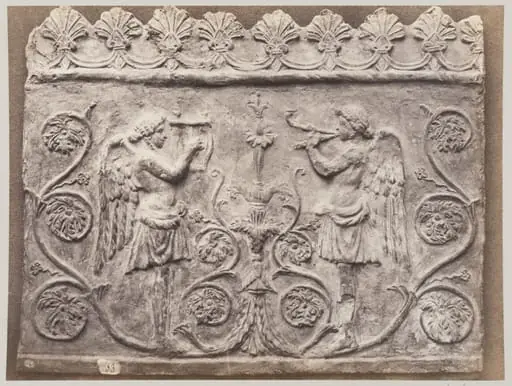 Bas-relief portion of frieze of Genii with double flutes and lyre
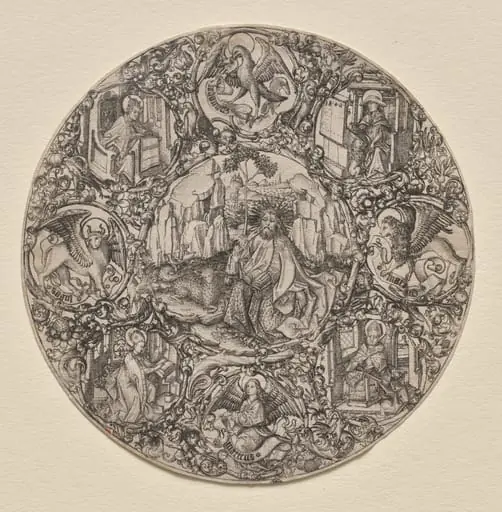 St. John the Baptist Surrounded by the Evangelists and Four Fathers of the Latin Church
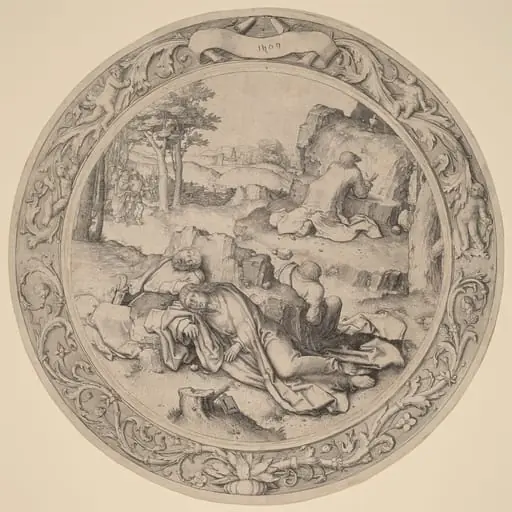 Christ in Gethsemane (Agony in the Garden)
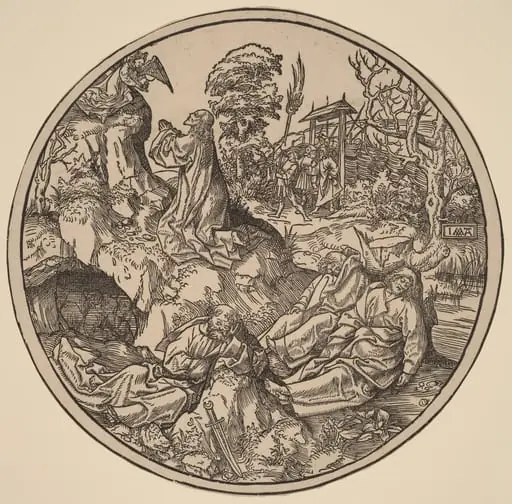 The Agony in the Garden
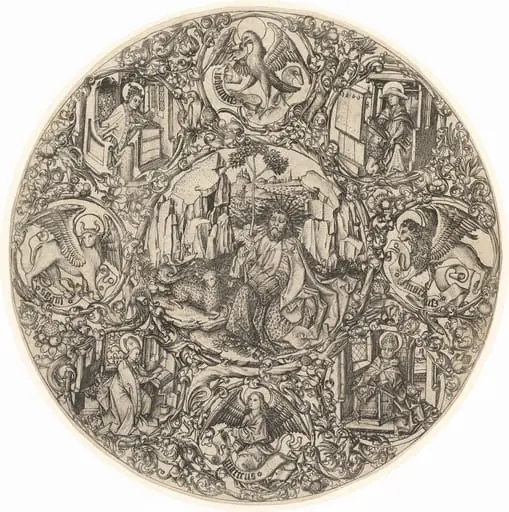 Saint John the Baptist in the Wilderness with the Lamb of God, Surrounded by the Symbols of the Evangelists and the Four Fathers of the Church
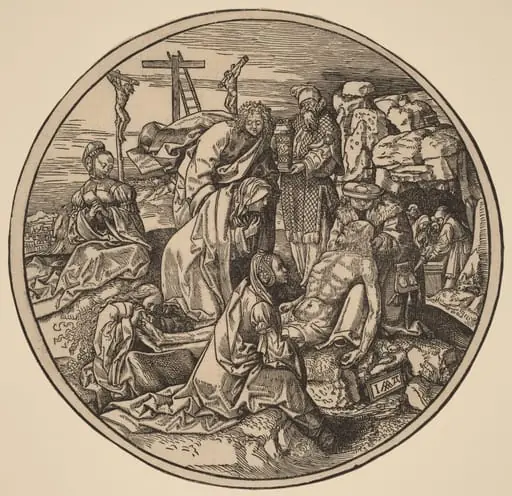 The Lamentation and Entombment
 Saint Jerome
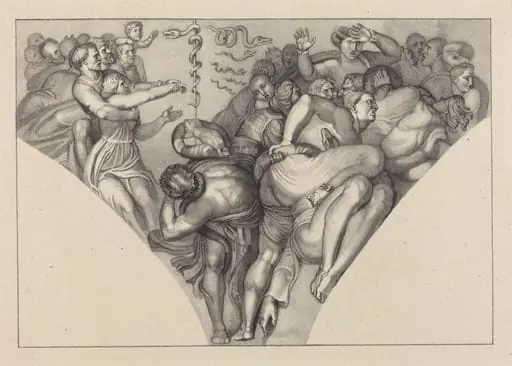 Brazen Serpent, from Michael Angelo
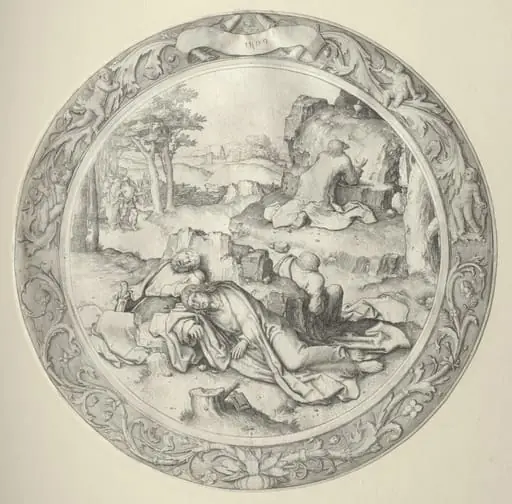 The Round Passion
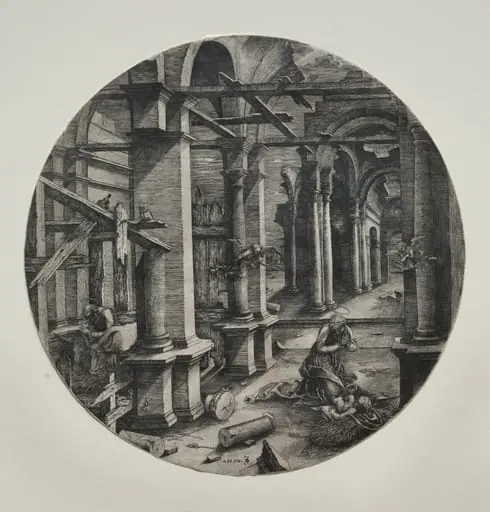 The Nativity
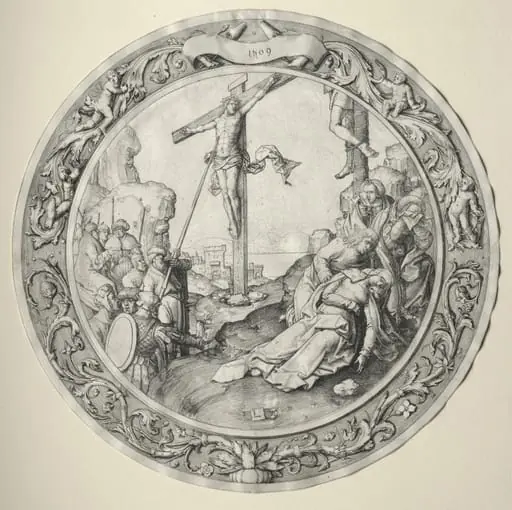 The Round Passion: The Crucifixion
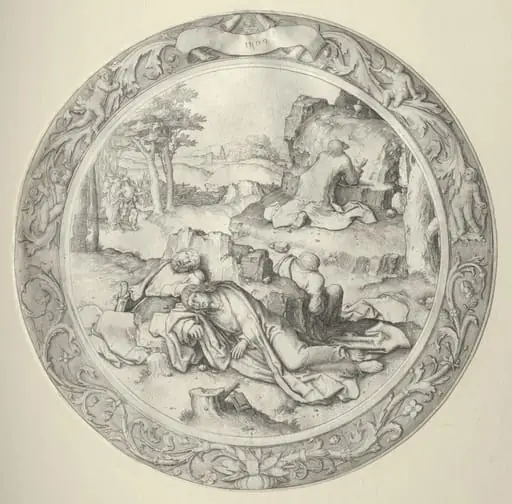 The Round Passion: Christ in Gethsemane (Agony in the Garden)
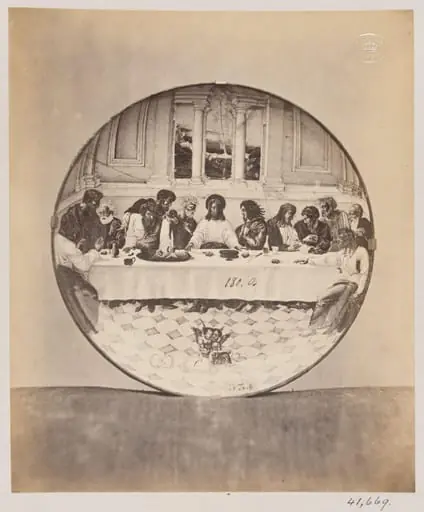
- Majolica plate - The Last Supper